• Link to X
  • Link to Facebook
  • Link to Instagram
  • Link to TikTok
  • Link to Youtube
  • About
    • About Us
      • President
      • Board of Directors
      • Board of Advisors
      • Financials
      • Our Methodology
      • Success Tracker
      • Contact
  • Act Now
    • 30 Ways to Help
      • Email Congress
      • Call Congress
      • Volunteer
      • Courses & Certificates
      • Be a Donor
    • Internships
      • In-Office Internships
      • Remote Internships
    • Legislation
      • Politics 101
  • The Blog
  • The Podcast
  • Magazine
  • Donate
  • Click to open the search input field Click to open the search input field Search
  • Menu Menu

Archive for category: Health

Information and stories on health topics.

Children, Health

Hospital and Rehabilitation for Disabled Children

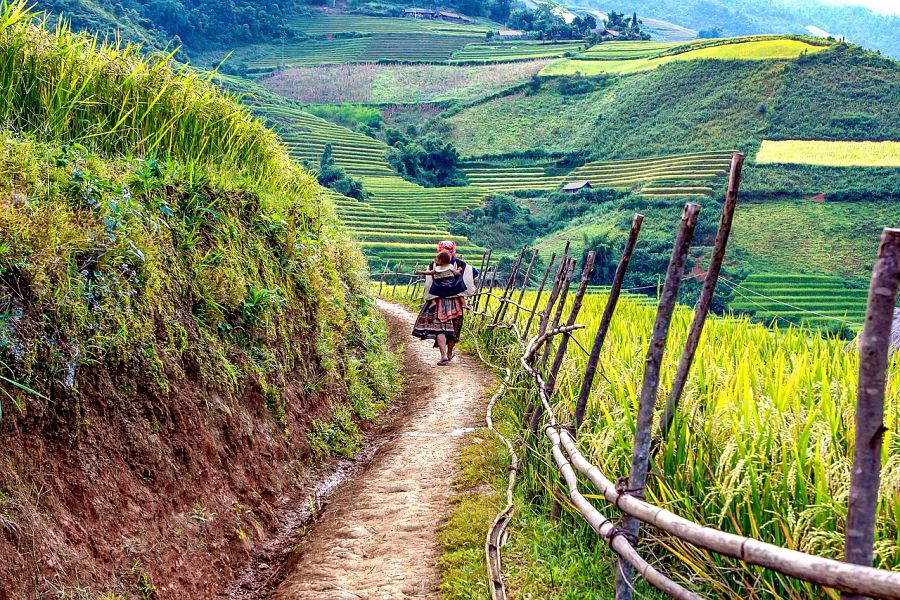
The Hospital and Rehabilitation Center for Disabled Children, the only children’s orthopedic hospital in Nepal, is working toward treating Nepalese children and performing affordable surgeries that would otherwise go undone.

In Nepal, about 83 percent of the population lives below the $2 a day poverty line. Once a child gets sick, it is unlikely that its family can make it to a treatment center or hospital, and less likely that the family could pay for for the treatment without crippling its savings. The HCDR was created to change that.

The HCDR was erected in 1997, but the team has been working with children’s surgeries since 1985 in remote villages and smaller buildings. The organization’s founder and current leader is Dr. Ashok Kumar Banskota, a Nepalese doctor who was educated in India and the United States.

Once he returned to Nepal after his studies, Dr. Banskota wanted to make healthcare accessible to all who need it in his home country rather than to just the rich or those in the most accessible regions.

The HCDR is a tertiary level pediatric hospital that performs about 1,500 surgeries each year, and provides physical therapy and prosthetics when needed. In order to reach as many patients as possible for aftercare, HCDR has community-based rehabilitation services that follow up with patients in their villages and show families how to properly care for their children after surgery.

The team has worked hard to make its care accessible to all, with the average cost of surgery at only $151. It has also incorporated home visits to make post-surgery adjustments easier on the patients as well.

HRDC works on continually training new doctors to keep its hospital well staffed. They get trained in Primary Rehabilitation Therapy in order to continue recovery for patients. There are also periodic courses offered to keep everyone up to date.

A study done to test the impact of HRDC on the patients it has treated previously showed positive results. The study showed over 90 percent of the children reported positive impact from HRDC treatment on further growth and development, both physically and socially.

– Courtney Prentice

Sources: Global Giving, Himalayan Foundation, Google, HRDC Nepal
Photo: Talk Vietnam

August 15, 2014
https://borgenproject.org/wp-content/uploads/borgen-project-logo.svg 0 0 Borgen Project https://borgenproject.org/wp-content/uploads/borgen-project-logo.svg Borgen Project2014-08-15 12:28:002024-06-05 01:58:00Hospital and Rehabilitation for Disabled Children
Global Poverty, Health, Human Trafficking

HumanTrafficking in Thailand Raise Suspicion

In a strange case, nine surrogate babies were found in “suspicious circumstances” in a Bangkok condo, raising suspicion over possible human trafficking in Thailand. While there were no birth certificates for the children, they were all under good health and had a personal nanny when they were found. Nevertheless, the suspicious story has only gained traction as the ministry continues to investigate the case.

The father, an alleged “Japanese businessman” who wishes to remain nameless, is under primary investigation for possible plans to traffick the babies, as well as to determine if the surrogacy of the babies — who, lawyers claim, all have the same mother — was illegal. Nevertheless, the man’s lawyer remains adamant that he loves his children and even bought properties, bonds and insurance under their names.

This most recent report comes just days after allegations were made that an Australian couple abandoned their Down syndrome surrogate baby while taking home his perfectly healthy twin sister. Thailand, which has been under recent attack as the “go-to” place for commercial (illegal) surrogacy due to strict laws being enacted in neighboring countries, may now hold a new law prohibiting the act in lieu of recent events.

Prohibiting commercial surrogacy, the law would provide punishment for violators, including up to 10 years in prison and fines for up to 200,000 baht (roughly $6,200.) While many countries have already tightened their laws regarding surrogacy, most often with an implanted embryo from unbiological parents, other countries such as Thailand, Ukraine and India have become almost tourist destinations for parents looking for low-cost surrogate mothers.

While Thailand is a growing country, more than 13 percent of its population is still living below the poverty line. Due to lack of strict legislation, human trafficking is a growing problem in the country. And while the unemployment rate is still less than 2 percent of the population, the percentage of those living in poverty — and being forced into human trafficking — is only continuing to increase.

The nannies and surrogate mother found with the nine babies have all been questioned, and the babies have been taken to a state-run nursing home in Nonthaburi’s Pak Kret district. Under the Child Protection Act, the babies will be taken care of by the ministry until their families or guardians have been found. As the investigation continues, possibilities of human trafficking and commercial surrogacy could result in legal action toward any guilty parties.

– Nick Magnanti

Sources: World Vision, World Bank, The Star, UCA News, Japan Times
Photo: Radionz

August 15, 2014
https://borgenproject.org/wp-content/uploads/borgen-project-logo.svg 0 0 Borgen Project https://borgenproject.org/wp-content/uploads/borgen-project-logo.svg Borgen Project2014-08-15 12:11:182024-05-30 22:22:55HumanTrafficking in Thailand Raise Suspicion
Children, Food & Hunger, Food Security, Global Poverty, Health

Malnutrition Plagues Children of Rural China

China became an economic superpower in only a matter of decades. Forbes Magazine’s annual rich list reported that China has had 152 billionaires this past year. The once struggling nation has shown promising improvement. According to the World Bank, the number of impoverished people living in China dropped from 683 million in 1990 to 157 million in 2009. This improvement is a result of the rapid urbanization in China in recent years. Greater economic opportunity and government assistance is now available in cities. However, children in rural villages are stuck in a seemingly unbreakable cycle of poverty.

The children of rural China face a variety of challenges that are virtually nonexistent in the cities. Among one of the most glaring is the struggle against malnutrition. UNICEF estimates that there are 12.7 million stunted children in China; this life-long condition that results from severe malnutrition plagues children most during early childhood.

In addition to malnutrition, anemia takes a tremendous toll on rural Chinese children. Stanford University conducted a test on 1824 babies in China’s Shaanxi Province. Forty nine percent of the babies tested were anemic and 28 percent were near anemic. Furthermore, of all the babies tested, 40 percent displayed cognitive or motor problems.

Why are rates of anemia so high? Stanford reports that while the parents were generally willing to spend additional money on food for their children, they were uninformed on what type of nutritional value the food should have. Many micronutrients, such as iron, were missing, indicating that fresh fruits and vegetables were consumed infrequently. Additionally, further investigation revealed that mothers stopped breastfeeding after six months. From that point on, the child would typically eat rice porridge or soups.

Misinformed parents are often responsible for their children’s poor health. Parents often do not introduce solid food into children’s diets until they are 12 to 18 months old, though it is recommended that solid food make up half of a one-year-old’s diet. Many parents believe myths that babies cannot digest hard foods or that particular foods, like rice, are better for cognitive development.

Treating anemia and replenishing nutrients is actually quite easy. Stanford researchers state that simply taking iron supplements can counter anemia. To address the rampant malnutrition in China’s poor, rural provinces, UNICEF has begun to distribute a nutrition supplement called Ying Yang Bao. Ying Yang Bao is a small packet of powdered vitamins, minerals and proteins that can be mixed into solid foods like porridge.

Many rural Chinese families cannot afford to buy fresh fruits, vegetables and proteins like beef. Dairy products are also expensive and difficult to access. Often, noodles, porridge, rice and starches like potatoes constitute meals. Fortunately, the micronutrients in Ying Yang Bao are easily dissolved in porridges and soups.

UNICEF reports that, between 2008 and 2011, more than 30,000 rural children received Ying Yang Bao. After consumption, anemia levels were cut in half. A long-term solution to malnutrition is still in the works. While aid from UNICEF and other organizations is improving the health of rural children, education is a key issue to be addressed. Parents are misguided by myths and superstitions, which has led to the silent suffering on many children. A public education program has not been officially instituted, but would be another component of China’s long-term solution for malnutrition.

– Bridget Tobin

Sources: UNICEF, Stanford, World Bank, CNBC, The Guardian
Photo: China.org

August 15, 2014
https://borgenproject.org/wp-content/uploads/borgen-project-logo.svg 0 0 Borgen Project https://borgenproject.org/wp-content/uploads/borgen-project-logo.svg Borgen Project2014-08-15 10:10:402024-05-27 09:21:20Malnutrition Plagues Children of Rural China
Activism, Charity, Children, Global Poverty, Health

Zachary Levi, Comic-Con Support Operation Smile

While many of the conversations about the San Diego Comic-Con (SDCC) have been about the latest updates and footage from some of the hottest movies, some of the guest panels were doing good deeds.

Zachary Levi, from the television show, Chuck, used the opportunity to entice the fans as well as raise funds for Operation Smile. Some of the “Conversations for a Cause” panels hosted by Levi’s company, The Nerd Machine, included Badass Women, the cast of Orphan Black, and a conversation with Nathan Fillion, among several others. Last year, Nerd HQ, an offshoot of The Nerd Machine, raised around $215,000 for Operation Smile and this year they beat previous fundraising efforts.

Operation Smile is a non-profit organization that helps to pay for cleft palate surgeries in underprivileged areas. The deformity has a high prevalence rate and cleft lip and palates can inhibit a child’s ability to eat, speak, hear and breathe. Unfortunately, like many disabilities, cleft palate is incredibly stigmatized and many people born with it have trouble finding employment.

While Nerd HQ has garnered a reputation for innovation and technology in the four years since its inception, it is also gaining a philanthropic name. Since its partnership with Operation Smile, the non-profit estimates that Nerd HQ has raised over $400,000 to pay for the surgeries.

With many of the attendees noting Nerd HQ’s “Conversations for a Cause” as one of the highlights of the Comic-Con. Over the past two years, attendance and donations have increased so hopefully next year Nerd HQ can continue to increase its philanthropic donations.

– Kristin Ronzi

Sources: The Nerd Machine
Photo: Zachary Levi Star

August 12, 2014
https://borgenproject.org/wp-content/uploads/borgen-project-logo.svg 0 0 Borgen Project https://borgenproject.org/wp-content/uploads/borgen-project-logo.svg Borgen Project2014-08-12 04:00:472024-06-04 03:22:13Zachary Levi, Comic-Con Support Operation Smile
Development, Health

LGBT Health in Africa

More and more countries around the world are opening their arms to welcome and embrace LGBT pride. Although not everyone in these countries are in complete agreement on LGBT rights, the presence of the LGBT community in mainstream media demonstrates increasing open-mindedness.

However, the opposite seems to be the case in Africa. 36 out of Africa’s 55 states outlaw homosexuality. Homosexuals in Nigeria are locked up for 14 years while their Ugandan counterparts face life sentences. Moreover, the Ugandan government expects its citizens to report suspected gay friends and family.

Incarceration is not the only injustice homosexual Africans face. In South Africa, where same-sex marriage is legal, homosexuals, especially lesbians, still face violence and “corrective” rape. By ostracizing homosexual individuals, communities deny rights to these individuals and inhibit their access to economic opportunities and basic health needs.

Homosexual individuals face difficulties finding jobs, whether they are searching for a willing employer or trying to start their own business. They are mocked, shunned and even assaulted. Due to these injustices, there are high poverty rates in the LGBT community where people suffer from hunger and insecurity.

Also, by denying a large part of health care access to homosexuals, the rate of HIV/AIDS continues to climb among the LGBT community, especially among men who have sex with other men. In South Africa, the rate of HIV/AIDS among gay men is as high as 38 percent. To avoid discrimination, these men avoid seeking medical care and avoid discussing their health issues with health care professionals. This delay in seeking treatment is detrimental and without proper care and education, infected individuals may spread the disease. The incidence of HIV/AIDS has a strong foothold in South Africa, with the overall prevalence being 17.8 percent.

The stringent African laws make it difficult for foreign intervention and reform. Foreign disapproval of Africa’s anti-LGBT legislation is a sensitive subject. When British Prime Minister David Cameron said that British aid should be conditional based on how Africa handled its human rights, there was an outcry that Britain was being colonially oppressive by introducing “western values.”

However, as Chimamanda Achebe, a Nigerian novelist, has stated, love and sexual intercourse are not divided as either “African” or “Western.”  Love does not fall under any political jurisdiction.

There is also a moral question behind using humanitarian aid as a negotiating wager in order to press for LGBT rights in Africa. The humanitarian aid that countries withdraw in protest could be potential funding for African schools and hospitals. Also, the governments in Africa are unfazed by Western countries’ suspension of certain donations, since Africa can turn to China as an economic partner. This approach of coercing African governments has made very little headway.

Even if Africa were to yield their anti-LGBT legislation, it would be based on money. Western countries’ use of bargaining donations and aid to change deeply set morals in Africa is a superficial tactic.

Instead, foreign governments should help local African activist groups gain the attention of their governments. Aid and support from foreign relief agencies should be directed to these local humanitarian groups, to help them lobby their governments and bring social justice. It’s a fight for the people by the people, with international governments to back them up.

There is an LGBT Project in South Africa that aims to understand why unsafe sex occurs among LGBT individuals, so as to better help these individuals. The project also hopes to increase funding for other partner activist projects, and use advocacy campaigns to establish the needs of gay men as a priority in the National AIDS Council.

The Public Health Program’s Sexual Health and Rights Project (SHARP) is also working to advocate for LGBT health rights in Eastern and Southern Africa by looking into the needs of the LGBT community and collecting data and reports.

There are many advocacy groups and projects in Africa and around the world. Western governments should actively engage with these groups in order to understand how supporting these communities can drive social change.

– Carmen Tu

Sources: Bridging the Gaps, Huffington Post, Human Rights First, Open Society Foundaitons, Sida
Photo: Bridging the Gaps,

August 11, 2014
https://borgenproject.org/wp-content/uploads/borgen-project-logo.svg 0 0 Borgen Project https://borgenproject.org/wp-content/uploads/borgen-project-logo.svg Borgen Project2014-08-11 04:00:062024-05-27 09:20:50LGBT Health in Africa
Health, Refugees and Displaced Persons

Muslims in Myanmar Face Health Crisis

In the Republic of the Union of Myanmar, also known as Burma, displaced Rohingya Muslims face a severe health crisis as malnutrition spreads, and treatable illnesses and injuries go unattended.

The country’s recent history of ethnic tension has disfavored the minority Muslims, pushing them to regions along coastal Myanmar where many of the displaced are settled in refugee camps. The plight of the Rohingya has caught the attention of international aid organizations that set up medical centers and ration distribution facilities.

However, medical aid to the ostracized group was all but completely cut off by government officials who accused Medicins Sans Frontieres-Holland (Doctors Without Borders-Holland) of favoritism to Muslims in Myanmar, promoting anti-government sentiment, and ordered them to leave in February of 2014.

As a result of the expulsion, the 700,000 people that depended on MSF’s service were left without proper medical care. By late July, when the government declared that MSF could return, the Rohingya had already endured months of a bleak health crisis with no help to turn to.

In a Reuters report from one of the camps, Aisyah Begum told the story of her husband who was injured while working in the forest. The man would have been taken to the nearby MSF clinic had it been open. The couple was left with no other option but to drive two hours to the nearest private doctor in Maungdaw who then refused to help. The man eventually passed away from what was most likely a treatable infection.

Around the time MSF was granted permission to return, the United Nations publicly commented on the refugee camps’ inhumane conditions. Yanghee Lee of the UN human rights envoy for Myanmar released a 10 page report, calling the living situation of the camps’ inhabitants “deplorable,” noting concern that “the government’s plan for peaceful co-existence may likely result in a permanent segregation” of the two groups.

Ethnic tensions between the Rohingya Muslims in Myanmar and the dominant Rakhine Buddhists spans back a few years. It erupted in 2012, leaving 200 dead and an estimated 140,000 internally displaced – 135,000 of which were Rohingya. The clash between the ethnic groups left the bitter taste of mistrust in the mouths of both sides, with one side much more disadvantaged than the other.

The Rohingya suffer from continued apathy and exclusion on part of the Rakhine, and face the threat of violent attacks if they cross the wrong person, keeping them isolated in their lacking communities. They essentially live as prisoners, eating only donated rice and chickpeas, fishing their protein from the nearby ocean.

Ethnic persecution is systemic in Myanmar, to the point where those in the minority group are not even recognized as citizens by the government. They are classified as illegal Bengali immigrants and therefore have no legal rights or representation. They severely lack the means to sustain themselves.

Conditions have reached such a critical point in recent years that tens of thousands have tried fleeing by boat. Human Rights Watch has accused the government of leading an ethnic cleansing campaign against the Muslims in Myanmar.

“By virtue of their legal status (or lack of), the Muslim community has faced and continues to face systematic discrimination, which includes restrictions in the freedom of movement, restrictions in access to land, food, water, education and health care, and restrictions on marriages and birth registrations,” said Lee in her report.

Myanmar is a country of 55 million people. In sheer numbers alone, it is clear what the Rohingya are up against as the nation’s abhorred minority. Years of military rule subjected them to hard labor, rape, torture and relocation, extending from a 1982 citizenship law that declared them stateless. However, the increasingly democratic reform of its government brings some hope.

Many Rohingya retain complete skepticism of the future and MSF is “cautiously optimistic” about their invitation to return. However, it appears that the bind of Myanmar’s displaced Muslims may quickly improve with increased international attention and the possibility of greater involvement by the United States.

“We’re working to continually help address problems on the ground,” said Derek Mitchell, the US ambassador to Myanmar. “What we are doing out here is in anticipation of continued reform, although we need to remain patient as the country deals with increasingly difficult issues going forward.”

– Edward Heinrich

Sources: Reuters, Helsinki Times, Al Jazeera
Photo: Reuters

August 7, 2014
https://borgenproject.org/wp-content/uploads/borgen-project-logo.svg 0 0 Borgen Project https://borgenproject.org/wp-content/uploads/borgen-project-logo.svg Borgen Project2014-08-07 09:17:132024-05-27 09:20:52Muslims in Myanmar Face Health Crisis
Food & Hunger, Global Poverty, Health

How Food Security Affects IQ

It has been fairly well documented that a lack of food leads not only to health issues but also to problems in concentration that can affect daily tasks as well as education. What is not always discussed, however, is how a lack of food security affects IQ, a person’s mental bandwidth.

Eldar Shafir, a psychologist at Princeton University, conducted a study while visiting 464 farmers in 54 villages in Tamil Nadu in southern India before and after harvest. The farmers were given two tests to document their cognitive ability.

Due to the nature of farming in the areas studied, farmers often experience a surge of money flow around harvest time and then experience extreme hardship when it runs out prior to the next year’s harvest. The team led by Shafir found that the farmers had a more difficult time being able to pay back loans and pawned more belongings due to lack of money in the period leading up to the harvest than afterwards.

The farmers scored significantly lower on the tests before the harvest when money was tight, demonstrating that worry and stress were most likely affecting their ability to think clearly. This translated into a 13-point drop in IQ. Recognizing that people in general only have a certain amount of “mental bandwidth,””stress can decrease this bandwidth and leave little room for other cognitive abilities. In addition, it can contribute to poor decision-making among those who do not have food security.

When people are constantly worried about how much food they have or how they will afford to pay for the food they need for their families, the ability to think about other things diminishes. It is not that these people are any less smart; poverty takes up so much mental space that people’s abilities to make good long-term decisions for their families decrease dramatically because more fundamental needs take precedence.

Recognition of this is important for poverty initiatives and government programs around the globe. A person who is struggling with adequate food availability may not be able to fill out an outstanding amount of paper work for assistance or even a job application. In addition, hungry students are generally not able to concentrate in class and therefore may experience poor classroom performance. This could create a situation in which a child becomes disheartened by his or her performance and drops out of school as a result. In the long term, that student may be distrustful of education, a mindset they can pass on to their children.

The study concludes that food security must be a top priority for all aid work because it connects to so many other issues. Recognizing the significant impact of food security on a person’s mental capabilities is a first step in helping development agencies better adjust their programs to be more effective in the long run.

– Andrea Blinkhorn 

Sources: Princeton University, New Scientist
Photo: Ideorg

August 7, 2014
https://borgenproject.org/wp-content/uploads/borgen-project-logo.svg 0 0 Borgen Project https://borgenproject.org/wp-content/uploads/borgen-project-logo.svg Borgen Project2014-08-07 04:00:422024-05-27 09:20:39How Food Security Affects IQ
Development, Global Poverty, Health

Alcohol Abuse in Uganda

Alcohol abuse is a global phenomenon. Alcoholic preferences vary across the globe — vodka is widely considered Russia’s drink of choice, while beer tends to be America’s favorite — but there is something most nations have in common, save many countries in the Middle East where alcohol is strictly forbidden. That is the existence of alcohol related disorders. One of the countries with the highest prevalence is Uganda.

On average, according to data based on official records and representative surveys accumulated in the World Health Organization’s 2014 Global Status Report on Alcohol and Health, Ugandan drinkers drink 23.7 liters of pure alcohol a year per capita. Males typically consume 25.6 liters while females drink 19.6 liters. American drinkers, in comparison, drink 13.3 liters. As a consequence of what’s often excessive drinking in Uganda, 10 percent of males and 1.5 percent of females have an alcohol related disorder. That’s about three in every 50 people.

The high statistics are in part due to alcoholic beverages particular to the region. Many African countries produce their alcohol locally from sorghum, millet and other agricultural products. The alcoholic beverages industrialized countries are fond of, such as beer and vodka, may be scarce in Uganda, but this is no remedy for abuse.

The consequences of alcohol abuse are relentless and strongly correlate with poverty. One must factor not only the money spent on alcohol, but also the low wages and lost employment opportunities due to missed work and decreased efficiency, and the high medical expenses following alcohol-inspired illness — that is, if one is lucky enough to receive legitimate treatment at all. Otherwise, death is the harsh but likely consequence.

Many of the worst alcohol-related illnesses are neurological. One common neurological disease, called Central pontine myelinolysis (also called Osmotic demyelination syndrome,) is characterized by severe damage to the myelin sheath, a protective insulator coating nerve cells that is essential for the nervous system to function properly. This results in difficulty moving (paralysis,) swallowing (dysphagia) and speaking (dysarthria.)

Another area of the brain that is seriously affected by Central pontine myelinolysis is the pons, a small (about 2.5 centimeters) part of the brain stem. Its job is to relay messages from the forebrain, including the cerebral cortex and the limbic system, to the cerebellum. It is also associated with autonomic functions such as with sleep, respiration, swallowing, bladder control, hearing, equilibrium, taste, eye movement, facial expressions, facial sensation and posture.

Damage to the pons affects these automatic functions, making them more difficult for your body to control and produce. This severe consequence of alcohol abuse effectively renders the drinker useless in a developing society. He or she requires medical assistance and constant attention, which drains resources that may not be readily available in places like rural Uganda. Excessive drinking, in this way, is a neurologic roadblock to poverty reduction.

Alcohol, however, not only prolongs poverty but is also promoted by it. Impoverished people without hope for an economic upturn are more likely to spend their money on whimsical, instant pleasures like alcohol and drugs than on investments for a future they don’t think exists. This is why education and hope-giving humanitarian projects are so crucial to long-term development.

– Adam Kaminski 

Sources: WHO, MedlinePlus
Photo: The Promota

August 5, 2014
https://borgenproject.org/wp-content/uploads/borgen-project-logo.svg 0 0 Borgen Project https://borgenproject.org/wp-content/uploads/borgen-project-logo.svg Borgen Project2014-08-05 16:00:112024-05-27 09:20:39Alcohol Abuse in Uganda
Food & Hunger, Health

Inadequate Aid for South Sudan

South Sudanese children are suffering the effects of mass malnutrition, and foreign aid agencies are struggling to keep up. On July 14, Medecins Sans Frontieres (MSF) announced “shocking” levels of child starvation in South Sudan, reporting that at least 13,500 children have been admitted to the organization’s feeding programs.

South Sudan’s mounting civil crises have erupted into violence in recent months, which interferes with farmers’ ability to grow crops and provide food for communities. Agricultural infrastructure has been destroyed and crop planting has been widely disrupted or halted. These factors exacerbate the already-present food shortages and force displaced residents to share scarce resources.

Yet even in this time of dire need, seven major international food aid organizations–all of which focus primarily on South Sudan–are at risk of shutting down due to lack of funding. And the UN’s most recent request for food aid in South Sudan is less than half-funded. The UN requires at least $1.8 billion to make an impact on the malnutrition epidemic, but the seven agencies are short in funds by $89 million. If funding and food aid for South Sudan doesn’t increase soon, the UN warns that as many as 50,000 children could die by the year’s end.

“We will be staring into the abyss and failing to avert famine if funds do not start arriving soon,” said Mark Goldring, chief executive of Oxfam, in a report conducted by CARE International. “This is not a crisis caused by drought or flood. It is a political crisis turned violent… Mainly we are calling on governments to fund the aid effort before it is too late.”

The malnutrition crisis in South Sudan is a product of civil strife and contentious domestic politics. Since fighting began, 1.5 million South Sudanese have been displaced from their homes, thereby interfering with dependable access to food and water. Both of the parties fighting have also refused to respect a ceasefire agreement signed in January, leading authorities to report that nearly four million South Sudanese remain at risk of famine this year.

But while solving South Sudan’s political problems will help avert further violence, the most pressing priority for aid workers is now the nutritional needs of South Sudanese children. Many of these children are starving, and travel for days to reach MSF facilities. Others remain hiding in the bush, surviving off swamp water and roots.

Malnutrition is of course a threat in itself. But the three leading causes of death in South Sudan–malaria, diarrhea and respiratory infections–are also much more easily contracted by malnourished people. This compounds the dangers of the massive shortage of aid in the region.

“The United States’ monetary aid to the region is complicated because they don’t trust the South Sudanese government,” said Dr. Jenny Bell, a medical worker with a focus on South Sudan. “Because of this, they’ve shifted everything to humanitarian aid, and all the development efforts have been wiped out.”

Although humanitarian aid is always welcome, monetary aid is crucial to obtaining necessary medicines and nutritional requirements for malnourished children. Hopefully the global community will be able to meet the UN’s funding appeals before the situation in South Sudan plummets any further.

– Mari LeGagnoux

Sources: IPS News, All Africa
Photo: Unocha

August 3, 2014
https://borgenproject.org/wp-content/uploads/borgen-project-logo.svg 0 0 Borgen Project https://borgenproject.org/wp-content/uploads/borgen-project-logo.svg Borgen Project2014-08-03 04:00:162024-06-04 01:08:07Inadequate Aid for South Sudan
Children, Education, Global Poverty, Health

The Status of Orphans in Developing Countries

Losing a parent is undoubtedly a traumatic experience for any child. It is an experience that will follow that child, likely playing a large role in their development and the opportunities they will have later in life.

Globally, 153 million children are orphans; the number of orphans in developing countries is enormous: 132 million. Here are 5 facts about the 132 million orphaned children in developing nations.

1. The large amount of orphans in developing countries is a result of many negative circumstances. Among these are natural disasters, famine and war. However, AIDS is the most significant reason children in a developing country lose their parents. In 2007 alone, AIDS left 15 million children orphaned after one or more of their parents passed away from the disease.

More than 24 percent of orphaned children had parents taken from them by AIDS. In 2008, 430,000 children were infected with the disease as well.

2. Asia holds the largest number of orphaned children, at 71 million – India alone is home to 31 million orphans. This is followed by Africa, which harbors 59 million.

3. Each day, 39,000 children are forced from their homes alone because of the death of a parent, family illness or abuse and abandonment.

4. After losing parents, circumstances for children drastically decline. They typically lack basic needs, like food and shelter. Education, however, is the first to be sacrificed, especially for older children who stop attending school to care for their younger siblings. These children try to provide for themselves and their younger siblings, often endangering their health.

The International Labor Organization reports that orphans are often found working in commercial agriculture, as well as street vending and housekeeping. Seven percent of orphans are stolen and sold into the sex industry.

5. The number of orphans is growing. Predictions for the next five to 10 years show the trend moving upward. By 2020, more than 200 million children could find themselves orphaned. This is almost three percent of the world population.

Despite the harsh reality of being orphaned in a developing country, it’s important to note that the rate of children becoming orphans in developing nations is finally slowing. The U.N. Convention on the Rights of the Child has become the most rapidly and widely ratified human rights treaty in world history. It lays down a set of rights for each child and, as nations struggle to bring much needed care and protection to their orphans, provides pathways and options for each nation to do so.

– Rachel Davis

Sources: Humanium, Moju Project, UNICEF
Photo: The Guardian

August 1, 2014
https://borgenproject.org/wp-content/uploads/borgen-project-logo.svg 0 0 Borgen Project https://borgenproject.org/wp-content/uploads/borgen-project-logo.svg Borgen Project2014-08-01 11:53:092024-12-13 17:49:16The Status of Orphans in Developing Countries
Page 185 of 212«‹183184185186187›»

Get Smarter

  • Global Poverty 101
  • Global Poverty… The Good News
  • Global Poverty & U.S. Jobs
  • Global Poverty and National Security
  • Innovative Solutions to Poverty
  • Global Poverty & Aid FAQ’s
Search Search

Take Action

  • Call Congress
  • Email Congress
  • Donate
  • 30 Ways to Help
  • Volunteer Ops
  • Internships
  • Courses & Certificates
  • The Podcast
Borgen Project

“The Borgen Project is an incredible nonprofit organization that is addressing poverty and hunger and working towards ending them.”

-The Huffington Post

Inside The Borgen Project

  • Contact
  • About
  • Financials
  • President
  • Board of Directors
  • Board of Advisors

International Links

  • UK Email Parliament
  • UK Donate
  • Canada Email Parliament

Get Smarter

  • Global Poverty 101
  • Global Poverty… The Good News
  • Global Poverty & U.S. Jobs
  • Global Poverty and National Security
  • Innovative Solutions to Poverty
  • Global Poverty & Aid FAQ’s

Ways to Help

  • Call Congress
  • Email Congress
  • Donate
  • 30 Ways to Help
  • Volunteer Ops
  • Internships
  • Courses & Certificates
  • The Podcast
Scroll to top Scroll to top Scroll to top