• Link to X
  • Link to Facebook
  • Link to Instagram
  • Link to TikTok
  • Link to Youtube
  • About
    • About Us
      • President
      • Board of Directors
      • Board of Advisors
      • Financials
      • Our Methodology
      • Success Tracker
      • Contact
  • Act Now
    • 30 Ways to Help
      • Email Congress
      • Call Congress
      • Volunteer
      • Courses & Certificates
      • Be a Donor
    • Internships
      • In-Office Internships
      • Remote Internships
    • Legislation
      • Politics 101
  • The Blog
  • The Podcast
  • Magazine
  • Donate
  • Click to open the search input field Click to open the search input field Search
  • Menu Menu

Archive for category: Health

Information and stories on health topics.

Global Poverty, Health

5 Things You Should Know About World Breastfeeding Week

World Breastfeeding Week

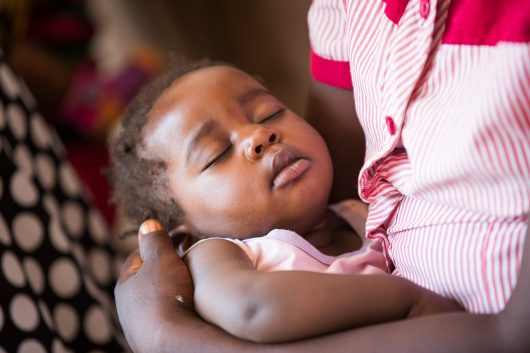
Breastmilk is a baby’s best protection against illness and disease, but data has shown that the number of newborns breastfed within the first hour of life has not improved over the past 15 years. World Breastfeeding Week is celebrated annually from August 1–7 in over 170 countries, and global organizations are sharing how early breastfeeding can make the difference between life and death.

5 Things to Know About Breastfeeding

  1. Delayed breastfeeding, even only 24 hours after birth, increases the child’s risk of dying within the first 28 days of life by 80 percent, according to the World Health Organization (WHO). Several factors contribute to this issue—from inadequate healthcare during delivery to babies being fed less nutritious alternatives, such as formula, cow’s milk or sugar water. These alternatives all decrease a newborn’s chance of survival. As such, government policymakers and organizations are targeting this issue by raising awareness and encouraging others to protect and promote exclusive breastfeeding.
  2. Research has found a clear connection between breastfeeding and higher IQ scores and educational achievement. Giving children the proper nutrition at the start of life supports optimal development and leads to higher earnings later in life–specifically, 12 percent higher per hour in high-income countries, and 16 percent in low to middle-income countries.
  3. The Global Breastfeeding Advocacy Initiative led by UNICEF and WHO is working with international partners to help build a healthy society. Lawmakers can show their support by ensuring a minimum of four months paid maternity leave, requiring employers to provide protection for mothers to pump milk at work and preventing discrimination against women and mothers in the workplace.
  4. Approximately 200 million children alive today will fail to reach their full physical, mental and social potential. Why? Negative factors inhibiting early childhood development–not being breastfed is among those factors. For this reason, WHO is working with countries to increase the rate of exclusive breastfeeding for the first six months up to, at least, 50 percent by 2025, in order to turn things around and save millions of lives.
  5. Breastfeeding produces long-term health benefits for both the mother and the child. The act of breastfeeding produces oxytocin, protects against diarrhea and common illnesses like pneumonia, and reduces the risk of obesity in childhood and adolescence. It is crucial that people are knowledgeable on the subject of breastfeeding and the effects it has on a child’s life.

Though some of the statistics given might seem shocking, World Breastfeeding Week takes the initial steps necessary to create change by raising awareness of the problem and producing individuals that can implement solutions.

– Mikaela Frigillana

Photo: Flickr

August 16, 2016
https://borgenproject.org/wp-content/uploads/borgen-project-logo.svg 0 0 Borgen Project https://borgenproject.org/wp-content/uploads/borgen-project-logo.svg Borgen Project2016-08-16 01:30:332024-12-13 17:55:375 Things You Should Know About World Breastfeeding Week
Global Poverty, Health

The Fatal 4: Top Diseases in Madagascar

Top Diseases in MadagascarMadagascar is the fourth-largest island in the world and has a population of nearly 24 million people. Madagascar also has a majority rural population of 16 million. Due to remoteness, many people become isolated during flooding seasons and can lose all contact with health facilities, thus the top diseases in Madagascar are more deadly than they may ordinarily be.

Here is an in-depth look at four of the most deadly diseases in Madagascar.

Bacterial Diarrhea

Diarrhea often hits tourists while visiting new places around the globe. Yet, most travelers do not fear for their lives when they are afflicted. Unfortunately, diarrhea is a much more serious issue for those who live without clean water or proper sanitation. In fact, according to the World Health Organization (WHO), diarrhea is the second leading killer of children under the age of five globally.

For those in Madagascar, lack of clean water and proper sanitation is a major cause of diarrhea, but there are cultural factors at work as well. Often, the Malagasy have been taught to believe that using an outhouse can cause miscarriages and that fecal matter does not belong in the ground where ancestors are buried. These beliefs only further instances of diarrhea-related death.

In order to dispel these myths, locals are being educated about the advantages of proper hygiene. This can even be done in the form of puppet shows for illiterate communities in Madagascar.

Lower Respiratory Infections

There are multiple causes of lower respiratory infections, but the WHO estimates that indoor and outdoor pollution is responsible for 18,700 deaths in Madagascar annually.

Indoor pollution is especially dangerous in Madagascar because many households still rely on solid fuel such as coal and wood for cooking and heating. In addition to the use of solid fuel, many houses in Madagascar are small and have poor ventilation which leads to higher exposure to pollutants.

The solution to this problem is to move away from solid fuels and increase education about the dangers of poor ventilation and inhaling pollutants.

Perinatal Conditions

Perinatal conditions are a killer in developing countries worldwide. These conditions occur just before or after birth and can affect both mothers and children. Low birth weight, prematurity, neonatal diseases, birth trauma and birth asphyxia are all perinatal causes of death and contribute to one of the top diseases in Madagascar.

Death from perinatal conditions tends to be easily avoidable, but many in developing countries lack the knowledge and resources necessary for prevention. In fact, according to UNICEF, 90% of the population of Madagascar lives on less than two dollars a day. This type of poverty often leads to malnutrition and most of the conditions mentioned above.

Potential solutions may include increased education of perinatal care, food aid and increasing the amount of neonatal care and supplies available.

Non-communicable Disease

In other words: cancer. Cancer is the most prevalent of the top diseases in Madagascar, and the most deadly. Of the types of cancer affecting Malagasies, cervical cancer is predominant.

Unfortunately, options for cancer treatment in Madagascar are limited. Very few hospitals have cancer wards and many farmers and unemployed citizens cannot afford the costly treatment for cancer.

One measure to fight cervical cancer in Madagascar has been taken. In 2008, the University of Washington School of Medicine put forth an education and screening program. This program was an effort to increase early detection so that there was a greater possibility of getting help.

As is the case with the top diseases in Madagascar, developing countries tend to be more susceptible because they may lack resources to fight them. Often, providing simple education or inexpensive medications can make a huge difference for those who have very little.

– Weston Northrop
Photo: Flickr

August 15, 2016
https://borgenproject.org/wp-content/uploads/borgen-project-logo.svg 0 0 Borgen Project https://borgenproject.org/wp-content/uploads/borgen-project-logo.svg Borgen Project2016-08-15 01:30:152024-12-13 17:54:52The Fatal 4: Top Diseases in Madagascar
Health, Technology

Drones Now Delivering Lifesaving Vaccines

DroneDeploying unmanned drones in low and middle-income countries could save money and increase vaccination rates, according to new research conducted by the Johns Hopkins Bloomberg School of Public Health and the Pittsburgh Supercomputing Center.

Many low- and middle-income countries struggle to deliver lifesaving vaccines to sick people who are fighting preventable diseases.

Bruce Y. Lee, director of operations at the International Vaccine Access Center at the Bloomberg School says “[We] make all these vaccines but they’re of no value if we don’t get them to the people who need them. So there is an urgent need to find new, cost-effective ways to do this.”

Currently, vaccines such as hepatitis B, tetanus, measles and rotavirus are typically transported by road through two to four storing sites before they reach clinics where the doses are finally administered to patients. The majority of vaccines require refrigeration until they are used or else they will spoil.

In addition, non-vaccine costs of routine immunization are expected to rise between 2010 and 2020, mostly derived from supply chain logistics.

In the meantime, unmanned drones have proliferated. They can traverse all land and topography, decrease labor costs and substitute the need for vehicle transportation. They have been heavily used for surveillance and in humanitarian aid delivery.

A study conducted at Johns Hopkins University found that utilizing drones to transport vaccines to their final destination could slightly increase the rate of immunization, immunizing 96 percent of the target population as compared to 94 percent using land-based transport. This simultaneously produced significant savings, eight cents for every dose administered (roughly 20 percent savings).

“Assuming the drones are reliable, are capable of making the necessary trips and have properly trained operators, they could be a less expensive means of transporting vaccines, especially in remote areas,” says Lee. He adds, “They could particularly be valuable for urgent orders.”

An initiative led by the United Parcel Service Foundation and Gavi, the Vaccine Alliance, has raised $800,000 grant to support the launch of a zip line drone project in Rwanda that will commence later this year. The government of Rwanda will use zip line drones to make 150 life-saving blood deliveries per day to 21 transfusing facilities in western part of the country.

According to Dr. Seth Berkley, CEO of Gavi, the Vaccine Alliance, “It is a totally different way to deliver vaccines to remote communities and we are extremely interested to learn if UAVs can provide a safe, effective way to make vaccines available for some of the hardest-to-reach children.”

The Rwanda drone network has been initially focused on delivering blood supplies, but plans to expand to include vaccines and treatments for HIV/AIDS, malaria and tuberculosis.

In rural Virginia, Bhutan and Papua New Guinea, drones are currently being tested for medical supply deliveries. UNICEF is also testing their viability of use in Malawi and in Tanzania.

– Sarah Poff

Photo: Pixabay

August 10, 2016
https://borgenproject.org/wp-content/uploads/borgen-project-logo.svg 0 0 Borgen Project https://borgenproject.org/wp-content/uploads/borgen-project-logo.svg Borgen Project2016-08-10 01:30:592024-12-13 17:54:44Drones Now Delivering Lifesaving Vaccines
Health

Mount Sinai is Transcending Borders for Global Healthcare

Mount Sinai

On June 8, 2016, The Icahn School of Medicine at Mount Sinai released news of its Department of Health System Design and Global Health. The program is the first in the nation to utilize the strengths of U.S. health care systems and integrate them into global health systems.

A Worthy Leader

Leading this evolutionary integration and development project is Dr. Prabjot Singh, MD, PhD. Director of The Arnhold Institute for Global Health at Mount Sinai, Dr. Singh plans on having both departments work together in transforming and improving global healthcare.

Dr. Singh wishes to address typical but significant issues and borders surrounding global healthcare, namely quality healthcare at affordable costs and prevention as well as sustainable treatment. In order to achieve these goals, Dr. Singh stressed the need to break down the borders between U.S. health systems and the rest of the world.

According to Dr. Singh, “Our new Department, in conjunction with The Arnhold Institute for Global Health, will focus on training practitioners, designing new methods and developing solutions that collapse this barrier. The groundswell of interest from across the Mount Sinai Health System and Icahn School of Medicine signals a promising future.”

A Global Vision

The Mount Sinai Hospital already has built a stellar reputation in the world of medicine and healthcare. According to U.S. News & World Report, Mount Sinai is ranked amongst some of the top hospitals nationwide. The Icahn School of Medicine at Mount Sinai is also lauded as one revolutionaries in clinical and basic science research.

Essentially, Mount Sinai’s Department of Health System Design and Global Health will focus on transcending the borders and hurdles global healthcare faces. The Department will create better healthcare systems based on cost-effective business strategies and advanced technology.

Running these healthcare models will be a diverse faculty with expert-level backgrounds from economic and policy analysis, operations research, data science and interaction design. The well-rounded staff complete with the collaboration of Mount Sinai’s multiple departments is expected to reform and break the challenges surrounding global healthcare practices and accessibility.

– Jenna Salisbury

Photo: Wikidot

August 8, 2016
https://borgenproject.org/wp-content/uploads/borgen-project-logo.svg 0 0 Borgen Project https://borgenproject.org/wp-content/uploads/borgen-project-logo.svg Borgen Project2016-08-08 08:40:132020-06-17 19:06:23Mount Sinai is Transcending Borders for Global Healthcare
Health

Global Health Issues: Priority of Global Health Policy Forum

Global Health Policy Forum

Global health issues were the focus of the June 14 global health policy forum hosted by Health Affairs in Washington, D.C. The recorded event, titled “Global Health: Patient Safety, Cancer Care, Universal Health Coverage and Innovation,” attracted more than 150 experts in the health and healthcare fields and covered various topics concerning universal healthcare and patient safety.

Health Affairs is an esteemed academic journal which publishes health policy research and theory. Its mission is to address global health issues such as access to and quality of healthcare. The U.S. as well as international legislators and health leaders often cite Health Affairs in official legislation, and its publications and events are critical to global healthcare decision making.

Present at the forum, the World Innovation Summit for Health (WISH) is a global healthcare initiative of the Qatar Foundation. WISH’s presence at the forum was significant given that its mission to improve global health might influence legislators in Washington, D.C. As CEO of WISH Egbert Schillings said, “The ultimate purpose of WISH is to influence decision makers using the best possible evidence available.”

WISH was created in 2012 when Sheikha Moza bint Nasser of Qatar addressed global delegates at the Global Health Policy Summit in London and urged them to work together to prevent and to treat diseases. WISH facilitates global healthcare innovation, and the initiative collaborates globally with groups like Health Affairs in order to help achieve this goal.

Health Affairs and WISH’s global vision and willingness to cooperate make events like this month’s global health forum possible and effective. As Professor Lord Darzi of Denham, Executive Chair of WISH, said, “Our partnership with Health Affairs is evidence of the global impact of WISH research.”

Health Affairs and WISH’s research have the power to positively change global health issues as they work together to share accurate health research with decision makers worldwide. Their partnership is effectively enabling world leaders to solve global health issues through cooperation, collaboration and a dedication to sharing valuable information with decision makers.

– Addie Pazzynski

Photo: Health Affairs

August 8, 2016
https://borgenproject.org/wp-content/uploads/borgen-project-logo.svg 0 0 Borgen Project https://borgenproject.org/wp-content/uploads/borgen-project-logo.svg Borgen Project2016-08-08 01:30:582024-12-13 17:54:40Global Health Issues: Priority of Global Health Policy Forum
Development, Food & Hunger, Health, Water

Water Quality in Afghanistan

Water quality in Afghanistan pollution

Water is a basic necessity for all life–it must be safe and clean for use. For the people of Afghanistan, water that is safe and clean is especially hard to come by. Fortunately, poor water quality in Afghanistan is a problem that both a global organization and its Afghan partners are working to resolve.

After more than a decade of armed conflict and neglect, Afghanistan has a problem with getting sanitary water to its people. The country of 32.5 million people gets its water from rivers and underground supply, which is reliant on rainfall and snow.

In recent years, climate change has caused a reduction in precipitation, resulting in a drop in water levels of six meters.

Other major obstacles stand in the way of improving the water quality in Afghanistan. Not only is there less water, but the water that is available is contaminated. In most major cities, underground water supplies have been compromised, due to the lack of canalization, proper waste management and proper waste disposal.

In big cities, hospitals commonly bury their waste underground or leave it above ground. Medical waste can contain poisons and infectious inhabitants, seeping into the underground water supply over time.

However, change is underway to improve this dire situation.

The Improvement of Water Quality in Afghanistan

Domestically, the Afghan Urban Water Supply and Sewerage Corporation has been working for the last 30 years constructing 40,000 clean water posts, with access for one million people. But, the Afghanis cannot do it alone. Much work is still to be done to meet all water needs in Afghanistan.

External help is underway from GIZ, a German company that specializes in developing solutions to global problems. With the backing of the German Federal Ministry for Economic Cooperation and Development, GIZ is making great strides.

In collaboration with the Afghan Urban Water Supply and Sewerage Corporation, GIZ has developed and is implementing a massive plan to decentralize and overhaul the Afghani water infrastructure. They will work with and train Afghani workers to complete the project and independently maintain it, also creating a sanitation and management program for water in Afghanistan.

Between 2011 and 2013, GIZ trained around 2,000 employees from the institutions involved. As a result, they are now able to better perform the work necessary improve water quality in Afghanistan.

Now that the workforce has been trained, substantial progress is being seen.

From 2007 to 2013, the number of households with a newly connected water supply in Kunduz, a major city in northeastern Afghanistan, rose from 370 to 7,700. This represents about 75 percent of Kunduz’s population. Kunduz is only one example of a trend spreading around the country.

Currently, newly constructed water infrastructure is not only becoming self-sufficient, but also now has the ability to self-fund more growth. In 2012, the Afghani government introduced a water tariff, which significantly increased the income of the water infrastructure. In some cities, Afghanis are willing and able to pay for their new access to clean water.

Since then, in the major cities of Kabul, Harat and Kunduz, the proportion of water that is paid for has risen greatly. As a result, the cities of Herat, Kunduz and Mazar-e Sharif have built and are operating six new wastewater plants. Big change is taking place for the better.

Not long ago, the majority of Afghanis were desperate for clean water. Today, with the help and intervention of Germany, the major components that led to the water problem in Afghanistan are on the way to being improved. The work being done is changing lives, communities and cities across Afghanistan.

– Steven Jenkins

Photo: Flickr

August 6, 2016
https://borgenproject.org/wp-content/uploads/borgen-project-logo.svg 0 0 Borgen Project https://borgenproject.org/wp-content/uploads/borgen-project-logo.svg Borgen Project2016-08-06 01:30:112024-12-13 17:54:54Water Quality in Afghanistan
Health, Water

Japan Working to Improve Water Quality in South Sudan

Water quality in South Sudan

Water quality in South Sudan and clean water access has been a problem for a long time. However, Japan is trying to help with the Project for Improvement of Water Supply System in Juba.

Since 2012, Japan has been contributing money to the Republic of South Sudan—$310 million—in order to promote the development of a clean water supply.

Valentino Achak Deng’s Story

Valentino Achak Deng, subject of  the 2007 novel “What Is the What,” describes his childhood in the Republic of South Sudan. His story evokes empathy and increases awareness of the country’s living conditions.

Here is an example:

“I […] immerse my jerry can in the milky brown water. I fill the container, but am not satisfied with the amount of sediment inside.”

Previously, Deng used to run to the river without a thought in order to fetch water for a woman he liked. The passage went on to describe Deng filtering the water through his shirt into a bowl. This process was normal for Deng—there was no question that the water he drank would come from the river.

The Water Situation Today

The water situation in Sudan has not changed since Deng’s childhood. South Sudan’s 2010 Household Health Survey (SHS) found that only about 5.6 percent of households in have access to improved water sources and sanitation.

In Juba, the capital of the Republic of South Sudan, 13 percent of its residents can access municipal water. This water comes through either a small piped network, boreholes or a single public water filling station on the riverbank. Without clean water access, many of the Sudanese people end up fetching water from rivers, ponds and open wells.

Fetching water is the norm in the Republic of South Sudan—a behavior that must be broken. Otherwise, the population of the Republic of South Sudan will continue to catch water-borne diseases such as cholera and diarrhea. In addition, women and children will continue to lose time for employment and education opportunities.

Individuals used this contaminated water for drinking, food preparation and hygiene. As a result, the SHS found that poor water quality in South Sudan contributed to about 88 percent of deaths from diarrhea.

Japanese Assistance

Fixing this problem will require considerable funds. To address the cost increase, the Japanese government allocated an additional $40 million toward the project. With this, they intend on keeping the original project scale.

Through this project, Japan aims to provide easily accessible clean water to 60 percent of Juba’s population. An estimated 390,000 Juba residents will have clean water access by the end of September 2017.

Japan also encourages the women and children of Juba to spend more time on their personal and professional development rather than collecting water for their families.

However, because fetching water from rivers has been the norm in Sudanese behavior, community engagement is vital in this process. This improvement in water quality in South Sudan is vital, and it will vastly improve the lives of Sudanese citizens.

– Alice Gottesman

Photo: Flickr

August 4, 2016
https://borgenproject.org/wp-content/uploads/borgen-project-logo.svg 0 0 Borgen Project https://borgenproject.org/wp-content/uploads/borgen-project-logo.svg Borgen Project2016-08-04 01:30:212024-12-13 17:54:38Japan Working to Improve Water Quality in South Sudan
Health

Global Health Focused Social Entrepreneurship on the Rise

Social Entrepreneurship
Oftentimes, business and altruism seem to be at odds. Social entrepreneurship aims to dismantle that notion. This effort takes a number of shapes, but specifically, entrepreneurial initiatives addressing global health are on the rise. These types of businesses intend to implement solutions to health care problems faced by marginalized groups in ways that bureaucratic governments and health organizations cannot.

To backtrack, a social entrepreneur is someone who seeks to establish sustainable social change on a large-scale. They intend to promote social values while keeping fiscal responsibility in mind.

A key characteristic is innovation. A social entrepreneur should be able to adapt new or improved methods to fit the targeted populations in order to help the world. A social business is one that does not sacrifice responsibility for profit, but rather shoots for responsibility while turning a profit.

According to the Journal of the American Medical Association (JAMA), the rise in social entrepreneurship is an unmistakable trend in full force. At least 27 universities worldwide are currently offering courses or programs in that particular field of study. There are at least 25 annual competitions for social entrepreneurship, which reflects the rising popularity of this sect of the business world.

Unlike other businesses, social ventures do not rely on patented technologies or methods, but rather search to inject something new, namely perspective, into an already existing system. With healthcare, this means companies can circumvent the norm and introduce a unique lens through which healthcare is delivered.

Outside of the private sector, social entrepreneurship is changing the way the public sphere operates as well. Governments and NGO’s are learning from these ventures. From organizations in Bangladesh and Thailand to the U.K.’s own Oxfam, NGO’s are adopting entrepreneurial methods to maximize the effectiveness of their operations.

Governments are beginning to endorse social entrepreneurship as a valuable ally to local economies and social change.

– Connor Borden

Photo: The Startup Couch

August 4, 2016
https://borgenproject.org/wp-content/uploads/borgen-project-logo.svg 0 0 Borgen Project https://borgenproject.org/wp-content/uploads/borgen-project-logo.svg Borgen Project2016-08-04 01:30:022024-12-13 18:05:19Global Health Focused Social Entrepreneurship on the Rise
Global Health, Global Poverty, Health

Lab At Your Fingertips: The Power of Low-Cost Diagnostic Tools

Low-Cost Diagnostic ToolsWhen health clinics are a two-day excursion away, diagnosis and early detection are crucial. While it is estimated that the practice of diagnostics comprises only three to five percent of healthcare spending, it impacts about 70 percent of healthcare decisions, according to the Royal Society of Chemistry. Therefore, investing in low-cost diagnostic tools has the potential to drastically impact the prevention and treatment of the leading causes of death in the developing world.

Diagnostics For All, a non-profit organization based in Cambridge, Massachusetts, strives to create innovative, point-of-care, low-cost diagnostic tools specifically designed for those that live in “resource-poor” communities. Among their research endeavors, Diagnostics For All has developed a paper-based diagnostic tool the size of a fingernail that can be used to diagnose a myriad of diseases including tuberculosis and diabetes.

Dr. George Whitesides, co-founder of Diagnostics For All, describes the paper microfluidic tool as a more advanced, quantitative version of a pregnancy test in a 2009 Boston TED Talk. The paper chip is used to wick away fluid such as urine and changes color depending on the micronutrients being tested.

Next, the idea is to have the user take a picture of the color-developed paper “microchip” and send it to a laboratory for analysis. This technology has the potential to eliminate the need to send doctors to these developing regions, lowers the risk of disease transmission that can occur when using “sharps” such as needles and can be inexpensively repeated various times for efficacy.

Why choose paper over other materials? “One reason for using paper is that it’s everywhere. We have made these kinds of devices using napkins and toilet paper and wraps, and all kinds of stuff,” says Whitesides. “So, the production capability is there. The second is, you can put lots and lots of tests in a very small place.”

Although paper is an economical resource, it would cost an estimated $800 to fund a single printer that is used to embed wax reading-strips into the chip to complete the device. Even then, the wax printer pays for itself when considering its ability to create 10 million tests per year if it ran 24 hours a day—each chip costing a mere five cents.

Cornell University’s Interaction Design Lab is currently developing a low cost diagnostic tool called Nutriphone. Nutriphone is a smartphone application and micronutrient testing device. Users add a dab of blood to a test strip that’s then inserted into a custom phone accessory which triggers the phone’s camera to take a photograph of the test strip. The Nutriphone app then analyzes the blood results to provide accurate health markers such as testing Vitamin B12—low levels of which may indicate anemia.

However, the main drawback of both Whitesides’ paper microfluidic chip and the Nutriphone app is cellular access in impoverished regions. While the spread of cellular technology is increasing in the developing world, 10 percent of the world population still lacks access to basic voice and text services, according to the Consumer Technology Association.

If increasing access to mobile phones in tandem with funding for the development and distribution of low-cost diagnostic tools were prioritized, the potential to bring DIY-medical testing to underprivileged communities could empower the world’s poor.

– Daniela N. Sarabia

Photo: Flickr

July 26, 2016
https://borgenproject.org/wp-content/uploads/borgen-project-logo.svg 0 0 Borgen Project https://borgenproject.org/wp-content/uploads/borgen-project-logo.svg Borgen Project2016-07-26 01:30:442024-12-13 17:54:40Lab At Your Fingertips: The Power of Low-Cost Diagnostic Tools
Disease, Health

New Model to Predict Outbreaks of Zoonotic Diseases

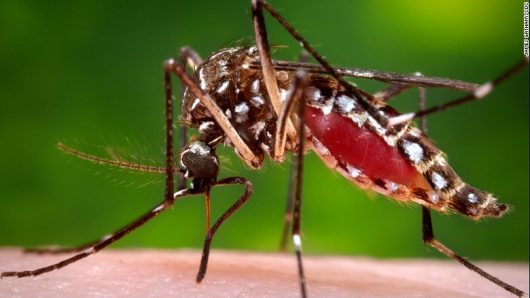
Zoonotic diseasesResearchers from the University College London (UCL) conducted a study in which they developed a new model that could be used to predict future outbreaks of zoonotic diseases, diseases that are transferred by animals to humans. The study demonstrates how changes in climate, population density and land usage alters the probability of contracting zoonotic diseases.

Zoonotic diseases account for 60 percent of the infectious diseases contracted by humans. Zika and Ebola, for instance, are both zoonotic. Lesser-known zoonotic diseases include Rift Valley fever and Lassa fever, the latter of which was used to conduct the study.

The scientists observed 408 outbreaks of Lassa fever in Africa between 1967 and 2012 according to Reuters. Humans can contract Lassa fever through direct contact with Mastomys rats, which carry the disease, by consuming the rats or by coming into contact with food or household products that have been contaminated with rat excrement. After infection, the disease can also be spread from person to person by the transferring of bodily fluids.

The model can be useful in policy-making decisions by demonstrating how different policy options will likely impact the spread of zoonotic diseases. Professor Kate Jones, co-author of the study hailing from University College London, told The Telegraph, “Our model can help decision-makers assess the likely impact of any interventions or change in national or international government policies, such as the conversion of grasslands to agricultural lands, on zoonotic transmission.”

Through observing the impacts of environmental changes on the hosts of the disease and humans, they were able to create a model that links the changes in the distribution of the disease host to the changes in mechanics of how that specific zoonotic disease spreads. This has not been done before, according to The Telegraph.

Now they can predict the frequency in which people are likely to be exposed to disease-carrying animals and the risk of them actually contracting it. The models also considers additional factors such as travel infrastructure, human interaction rates and poverty in order to accurately predict disease risk, according to UCL news.

According to the study, the number of people infected with Lassa fever will double because of climate change and population growth.

The good news is that this model provides insights on where to focus prevention efforts. Jones told the BBC, “We hope it can be used to help communities prepare and respond to disease outbreaks, as well as to make decisions about environmental change factors that may be within their control.”

– Laura Isaza

Photo: Flickr

July 18, 2016
https://borgenproject.org/wp-content/uploads/borgen-project-logo.svg 0 0 Borgen Project https://borgenproject.org/wp-content/uploads/borgen-project-logo.svg Borgen Project2016-07-18 01:30:142024-12-13 17:54:48New Model to Predict Outbreaks of Zoonotic Diseases
Page 160 of 212«‹158159160161162›»

Get Smarter

  • Global Poverty 101
  • Global Poverty… The Good News
  • Global Poverty & U.S. Jobs
  • Global Poverty and National Security
  • Innovative Solutions to Poverty
  • Global Poverty & Aid FAQ’s
Search Search

Take Action

  • Call Congress
  • Email Congress
  • Donate
  • 30 Ways to Help
  • Volunteer Ops
  • Internships
  • Courses & Certificates
  • The Podcast
Borgen Project

“The Borgen Project is an incredible nonprofit organization that is addressing poverty and hunger and working towards ending them.”

-The Huffington Post

Inside The Borgen Project

  • Contact
  • About
  • Financials
  • President
  • Board of Directors
  • Board of Advisors

International Links

  • UK Email Parliament
  • UK Donate
  • Canada Email Parliament

Get Smarter

  • Global Poverty 101
  • Global Poverty… The Good News
  • Global Poverty & U.S. Jobs
  • Global Poverty and National Security
  • Innovative Solutions to Poverty
  • Global Poverty & Aid FAQ’s

Ways to Help

  • Call Congress
  • Email Congress
  • Donate
  • 30 Ways to Help
  • Volunteer Ops
  • Internships
  • Courses & Certificates
  • The Podcast
Scroll to top Scroll to top Scroll to top