
• Link to X
  • Link to Facebook
  • Link to Instagram
  • Link to TikTok
  • Link to Youtube
  • About
    • About Us
      • President
      • Board of Directors
      • Board of Advisors
      • Financials
      • Our Methodology
      • Success Tracker
      • Contact
  • Act Now
    • 30 Ways to Help
      • Email Congress
      • Call Congress
      • Volunteer
      • Courses & Certificates
      • Be a Donor
    • Internships
      • In-Office Internships
      • Remote Internships
    • Legislation
      • Politics 101
  • The Blog
  • The Podcast
  • Magazine
  • Donate
  • Click to open the search input field Click to open the search input field Search
  • Menu Menu

Archive for category: Government

elderly poverty, Global Poverty, Government

Elderly Poverty in Saint Lucia

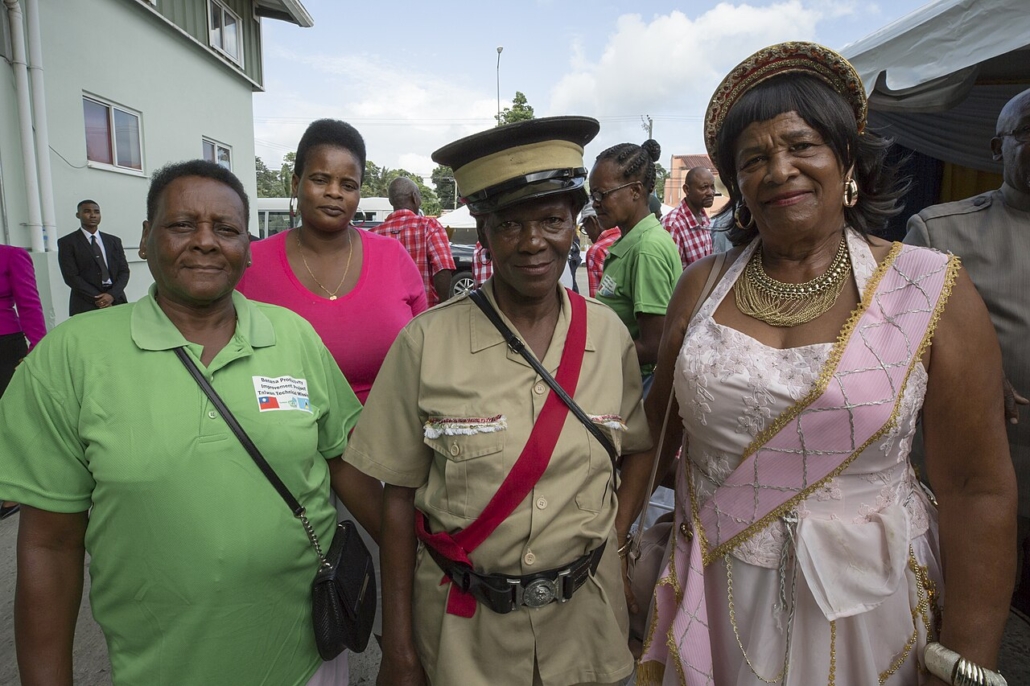
Elderly Poverty in Saint LuciaThe volcanic island of Saint Lucia is home to more than 170,000 people. It is often characterized by its rich culture, with the country’s history lending to a diverse and unique display of different heritages. Unfortunately, despite the country’s constant efforts to promote the respect of human rights, elderly poverty in Saint Lucia is a looming dampener on the quality of life in Saint Lucia. 

The Elderly Population and Poverty

Historically speaking, elderly poverty in Saint Lucia has always been a cause for concern. In 2010, it was recorded that around 40% of Saint Lucia’s elderly population lived below the poverty line, with 21% living below the poverty line significantly.

As of 2024, approximately 9.5% of Saint Lucia’s population are 65 and older. As global life expectancy increases every year, this approximation is likely to increase. And yet, the Saint Lucian Ministry of Health has stated that this population is vulnerable to major forms of abuse, including financial abuse, which may relate to elderly poverty in Saint Lucia.

Solutions

The Saint Lucian government is making efforts to address elderly poverty in Saint Lucia every year. For instance, in 2025, there was a 3.9% increase in monthly pension payouts. This is all in an attempt to provide Saint Lucia’s population with the dignity they deserve.

Another change that the Saint Lucian government can make in order to promote the reduction of elderly poverty in Saint Lucia, is a stronger commitment to programs that aid the elderly. An example of this is the government actively working to manufacture a budget that is able to better provide support to the elderly population.

As of 2025, the Ministry of Equity, Social Justice and Empowerment increased the amount of money that will go toward grassroot initiatives. This increase has allowed for the improvement of intervention strategies such as the Home Care Programme For Older Persons, which the Saint Lucian government originally introduced in 2012. With this increase, improvements including the introduction of weekend service to aid vulnerable elderly.

Outside of the government, there are many non-governmental organizations that aim to help with elderly poverty. For example, the charity the Royal Commonwealth Ex-Services League is focused on supporting commonwealth veterans. Founded in 1921 in Cape town, South Africa, the Royal Commonwealth Ex-Services League helps elderly veterans in Saint Lucia and around the world. It provides them with pension advice, as well the opportunity to receive “Two meal a day grants,” which as of 2024, has gone to 3,362 beneficiaries globally.

In Summary 

For the elderly population of Saint Lucia, towing the line of poverty has always been a risk. Although Saint Lucia has always promoted a focus on human rights, unfortunately, communities in Saint Lucia fall through the cracks. However, the Saint Lucian government is constantly making efforts financially to improve the elderly poverty of the elderly, such as increasing pensions. Furthermore, grassroot organizations that help provide care for the elderly should help mitigate poverty.

– Bernice Attawia

Bernice is based in London, UK and focuses on Global Health and Politics for The Borgen Project.

Photo: Wikimedia Commons

February 6, 2026
https://borgenproject.org/wp-content/uploads/borgen-project-logo.svg 0 0 Jennifer Philipp https://borgenproject.org/wp-content/uploads/borgen-project-logo.svg Jennifer Philipp2026-02-06 01:30:492026-02-05 00:46:24Elderly Poverty in Saint Lucia
elderly poverty, Global Poverty, Government

Elderly Poverty in Montenegro

Elderly Poverty in MontenegroIn recent years, the population of Montenegro has been characterized by its growing number of older citizens. During the last 50 years, the population of people aged 60 and older has tripled.

The trend of a fast-aging population is concentrated in the country’s rural northern municipalities, which are home to more than half of Montenegro’s poor population. This rise is due to a stagnating birth count, increased life expectancy and a growing trend in young people moving away from the country – resulting in a reduced population base for reproduction.

The increase in an aging population is predicted to continue: by 2050, the UN estimates that 30% of the nation’s population will consist of older persons (people who are above the age of 65).

This article will identify some of the key causes of elderly poverty in Montenegro, what elderly poverty in Montenegro looks like and what solutions the Montenegrin government is rolling out to try and combat elderly poverty in a country whose population is rapidly aging.

Key Issues That the Elderly in Montenegro Face

Older and elderly people are already among the nation’s vulnerable, and a vast majority of them live in the most rural areas of the country – particularly in the nation’s north, where urbanization has been slower to progress.

The Red Cross of Montenegro has reported that many elderly and older persons are increasingly isolated from younger family members and the youthful population. The youth of Montenegro are more inclined to move away from rural areas towards the cities in the south, or are likely to seek opportunity further afield – through travel, work or study abroad. As a result, elderly and older citizens are increasingly cut-off from opportunity and resources: older persons living in poverty in Montenegro’s rural areas have less access to social transport options, are less likely to access medical services and are less able to rely on assistance from younger people.

The elderly living in poverty are thus at risk of a lack of community, as the physical and social gap widens between this age group and younger generations. As the elderly population’s physical mobility becomes reduced, the logistics of travelling from place to place becomes more restricted, particularly in rural areas where transport options are few and far between.

One can see the roots of elderly poverty in Montenegro in the wider context of poverty within the country. In October 2025, Marina Medojević, President of The Food Bank – one of Montenegro’s many NGOs committed to tackling domestic poverty – stated that one-fifth of the country’s population lives in poverty. Medojević emphasized that the nation’s most vulnerable groups – including ‘‘the unemployed, sick, and elderly” – feel the effects of poverty the sharpest.

Government Efforts

Poverty affects a large percentage of Montenegro’s population, but elderly poverty is particularly an issue, as the population of older persons increases and many of them exist on a very low income. More than half of retirees in Montenegro are surviving on minimum benefits – an income that is less than half the average salary. Moreover, many elderly and older persons rely on the material support (MO) benefit, which UNICEF has reported to be “inadequate for households which rely solely on this program as their source of income to meet their basic needs.”

As the government of Montenegro works towards gaining EU membership, some are calling for it to treat elderly poverty in Montenegro as a priority when it comes to modernizing social systems. The government has already taken steps to address elderly poverty in Montenegro:

In 2024, responding to the pressures to increase social benefits for older and elderly citizens, the government raised minimum monthly pension benefits  to EUR 450 – more than doubling the previous allowance. The Montenegrin government increased social transfers from 11% of total GDP in 2021 to 13.8% in 2024, demonstrating an effort to reform some of the social systems that protect vulnerable citizens, including the elderly. The government has also invested in constructing residential homes for the elderly, in order to meet the increasing demand due to the rate of growth of the elderly population.

The Red Cross’ Work

Other organizations, such as the Red Cross, help target the issue of elderly poverty and elderly isolation in Montenegro, by facilitating home care and social clubs. As part of its social clubs, the Red Cross connects elderly people with experts across many different fields – including doctors, psychologists and lawyers – to provide them with advice and opportunities to keep learning and to benefit their health and wellbeing.

UNDP and Local Programs

The United Nations Development Programme (UNDP) also supports local programs aimed at supporting the elderly population of Montenegro. This includes the Andrijevica Retirees Association, who were able to start the “Veterans” project with funding from the EU. This project promoted social activities in the local community for older persons, focusing on fostering wellbeing and improving quality of life for the elderly. The “Veterans” project further sought to make information about health care facilities more accessible for elderly citizens living in Andrijevica, a small town in the nation’s north. 

Moving Forward

Many organizations are still calling for further action to occur. In its Social Protection Situational Analysis of 2022, UNICEF reported that “the country will need to further improve its poverty-targeted programs,” and that the “financing of social services has been low and a minimum level of services cannot be guaranteed…which will only be exacerbated by an aging population requiring long term care.” This analysis predicts that greater demand will lead to greater strain on Montenegro’s social services, if the government does not implement reforms to prevent this.

– Anna Clare

Anna is based in Chester, UK and focuses on Good News and Politics for The Borgen Project.

Photo: Flickr

February 2, 2026
https://borgenproject.org/wp-content/uploads/borgen-project-logo.svg 0 0 Jennifer Philipp https://borgenproject.org/wp-content/uploads/borgen-project-logo.svg Jennifer Philipp2026-02-02 01:30:582026-02-01 23:34:06Elderly Poverty in Montenegro
Global Poverty, Government

Inside the 2025 G20 Summit

Inside the 2025 G20 SummitThe 2025 G20 summit in Johannesburg marked a significant moment in history. It was the first time the summit was held in Africa, with the presidency intentionally highlighting Africa’s development priorities. With the absence of the United States (U.S.), leaders pledged to commit to tackling some of the continent’s long-lasting challenges, such as climate resilience, debt, energy access and equitable resource governance. The summit raised questions about whether the 2025 G20 ambitions can translate into life-changing outcomes for Africans.

Mission 300 and the Energy Gap

One of the 2025 G20 summit’s most significant legacies is Mission 300, which promises to connect 300 million Africans to electricity by 2030. The World Bank and the African Development Bank back this initiative, which aims to address Africa’s persistent energy poverty through grid expansions, mini-grids and off-grid solar.

Currently, more than 600 million Africans lack access to electricity and about 1 billion rely on unsafe cooking fuels, which are associated with more than 2 million premature deaths each year. Despite agreement on the urgency of the situation, many challenges remain. Sustainable financing continues to pose a major issue. Private sector participation, technology transfer and strong regulatory frameworks will be essential to turn commitments into infrastructure. Without predictable financing and policy support, critics warn that progress could lag behind its targets.

Climate Action and Tackling Debt

The 2025 G20 summit took place around the same time as the COP30 climate negotiations, increasing global scrutiny on climate commitments. The summit reaffirmed support for climate resilience and scaling renewable energy capacity, aligning with broader calls for climate justice.

However, many controversial aspects of global climate politics remain unresolved. At COP30, negotiators did not secure an agreement to phase out fossil fuels or guarantee meaningful climate finance. Although G20 leaders expressed ambitions to mobilize additional climate financing, the absence of several wealthier nations in Johannesburg limited concrete commitments.

Debt sustainability was also a central topic at the summit. Leaders acknowledged gaps in debt management, transparency and fiscal capacity, particularly in low-income economies, as well as the need for reforms to the global financial architecture.

Economists suggest that effective debt relief should be linked to verifiable green investments. The U.S. absence complicated negotiations, leaving a gap in financial commitments that could weaken the G20’s influence on global finance reforms.

Critical Minerals: Turning Debt Into Development

Resource governance also emerged as a key topic. Africa holds a significant share of the world’s critical minerals, including cobalt, lithium and rare earth elements, which are vital for renewable technologies and digital infrastructure.

The G20’s critical minerals framework aims to promote sustainable supply chains and stronger governance standards. If widely implemented, the framework could shift countries away from dependence on raw exports and toward more equitable partnerships in global markets. However, the framework remains voluntary and nonbinding.

From Promise to Implementation

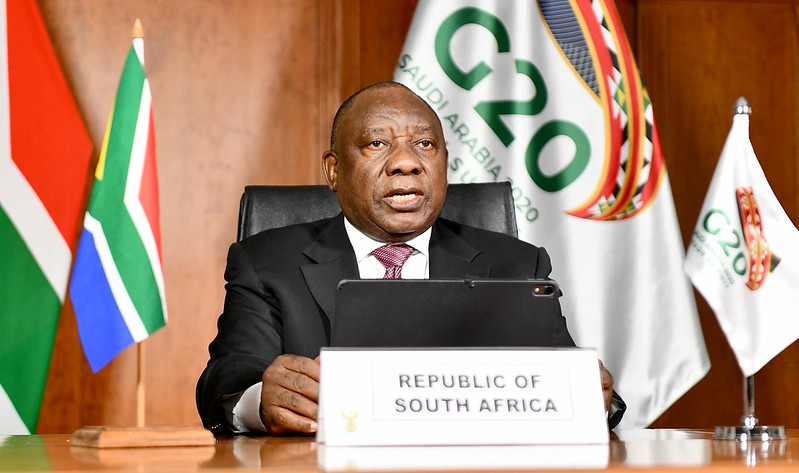
South African President Cyril Ramaphosa said the Johannesburg summit demonstrated Africa’s ability to lead and influence global debates. The Global South, particularly African nations, has gained visibility in setting priorities on climate, development and globalization. Whether this momentum is sustained depends on implementation by governments, private sector partners and civil society.

The G20 summit outlined goals for energy access, climate resilience, equitable resource governance and debt reform. These goals signal a shift toward prioritizing the needs of the Global South and Africa’s development agenda. For Africa to benefit, these frameworks must be matched with financing and political will. While Johannesburg provided a blueprint, the true test lies in execution.

– Gloria Bwenge

Gloria is based in New York, NY, USA and focuses on Global Health and Politics for The Borgen Project.

Photo: Flickr

January 15, 2026
https://borgenproject.org/wp-content/uploads/borgen-project-logo.svg 0 0 Precious Sheidu https://borgenproject.org/wp-content/uploads/borgen-project-logo.svg Precious Sheidu2026-01-15 07:30:502026-01-15 02:06:00Inside the 2025 G20 Summit
Aid, Global Poverty, Government

BLB: UK Towns Helping Developing Countries

BLBRecent cuts to international aid spending have not stopped U.K. towns from supporting developing countries. One way they continue to foster global cooperation is through town twinning, a formal partnership between two towns in different countries that operates independently of national governments. This scheme gained popularity following World War II as a means of promoting peace and understanding among different nations.

Town twinning enables U.K. towns to help developing countries by providing a pathway through which cultural and technological aid can be donated directly to the places that need it most.

Greenwich and Tema

The London Borough of Greenwich was twinned with the town of Tema, Ghana, in 2000, partially due to both towns being situated on the Earth’s prime meridian line. Since then, annual youth exchanges have enabled students in both cities to experience another culture and share what they have learned with their communities.

In 2005, the Greenwich Council sent a converted bus, filled with books and second-hand computers, to Tema, to be used in local schools. Technological aid from U.K. towns helping developing countries can be vital in improving the quality of life in the recipient town.

Barnet and Pokhara

In 2024, six councillors from Barnet Borough Council traveled to the borough’s twin town of Pokhara, Nepal. They were invited by Pokhara’s mayor, Dhana Raj Acharya. They visited the town’s World Peace Pagoda along with other museums, schools, hospitals, historical venues and environmental landmarks — a week-long delegation aimed at strengthening cultural ties and collaboration.

Their visit followed a devastating plane crash in Pokhara on 15 January 2023, which had prompted an official condolence message from Barnet and the borough’s flag to fly at half-mast at Hendon Town Hall.

Calderdale and Musoma

Calderdale in West Yorkshire established itself as one of the U.K. towns helping developing countries when the town’s council helped pay for an officer from the town of Musoma, Tanzania, to complete a business studies course at the nearby University of Huddersfield. This is an example of educational aid being used to enhance the governance of a town in a developing country, thereby improving its capacity for development. Direct aid has continued through donations of sewing machines to Musoma, all of which were refurbished in Calderdale.

Chesterfield and Tsumeb

Chesterfield open-air market in Derbyshire was used as a model for the Namibian town of Tsumeb’s own market, after some of Chelmsford’s traders agreed to advise the Tsumeb Municipal Council during its construction. The former Mayor of Chelmsford, Adrian Kitch, along with his wife, Inger, also donated funds to help build the Tsumeb Women and Children’s Center. They emphasized the importance of U.K. towns supporting developing countries during their tenure in office.

Bristol and Puerto Morazan

Every year, the town of Bristol in Southwest England hosts Fairtrade Fortnight. In this event, Fairtrade coffee producers from around the world are encouraged to meet and discuss how to operate the industry in a manner that is fair to local growers.

Coffee is a major export across Nicaragua, including in Bristol’s twin town of Puerto Morazán. Local farmers there benefit from programs that help them earn a larger share of the profits from their coffee.

Bristol and Beira

A friendship agreement was signed in 1990 between Bristol City Council and the Southern African Resource Centre (SARC), linking Bristol with the town of Beira in Mozambique. SARC was founded earlier that year by the Bristol Anti-Apartheid Movement as a means of enabling U.K. towns to help developing countries provide aid to deprived communities, outside of the restrictions imposed by pro-apartheid governments.

The towns’ ongoing relationship is currently managed by the Bristol Link with Beira (BLB) group. BLB “currently aims to find funding in the U.K. for at least two projects per year in Beira, each valued at £5,000 [about $6,500],” says the group’s trustee Caroline Pitt in an interview with The Borgen Project. Previous investments have included the “Economic Resilience” scheme that provided “microfinance, small business training and horticultural goods for women farmers.” Another initiative, the “Support for Teachers” program, offered office furniture, computer equipment and ICT training to several schools in Beira.

Pitt says that BLB’s long-term objective is to enable “small-scale projects (that) are aimed at beneficiaries in the poorest country in Southern Africa” to have positive impacts which spread “to positions outside of Beira.” This process enables aid projects targeting individual twin towns to benefit a wider region or country, as those who have received educational or technological assistance utilize their new skills to support others better. Pitt cited one of BLB’s young women mentors, who went on to work as a U.N. Women Peace Champion, as an example of the scheme already having widespread benefits.

In addition to funding aid projects in Mozambique, BLB aims to foster cultural links between Bristol and Beira. This has previously been achieved through a series of civic exchanges, most recently the mayor of Beira Adel Sofala’s visit to Bristol in 2017. BLB also runs an annual photography competition.

The event provides photographers from Beira with the opportunity to have their work displayed in Bristol, thereby gaining increased publicity. It also enables Bristol’s citizens to gain a deeper understanding of life in Mozambique. Pitt says that BLB has also directly benefited Bristol by contributing “to the global citizenship of Bristol through a Schools Teaching Pack.” This aims to improve children’s geographical knowledge and encourages them to empathise with their counterparts across the world.

The Importance of Town Twinning

Future cuts to the U.K. government’s international aid spending may risk damaging relations between the country and many of the developing countries that rely on its aid. It is therefore vital that British towns that intend to improve relations with towns in developing countries have a means of doing so in a mutually beneficial way. Through town twinning schemes, such as BLB, Pitt believes that “we can encourage cities to look outside themselves” and continue to provide international aid, independently of national governments.

– Billy Stack

Billy is based in London, UK and focuses on Global Health and Politics for The Borgen Project.

Photo: Pixabay

November 30, 2025
https://borgenproject.org/wp-content/uploads/borgen-project-logo.svg 0 0 Hemant Gupta https://borgenproject.org/wp-content/uploads/borgen-project-logo.svg Hemant Gupta2025-11-30 01:30:092025-11-29 22:40:05BLB: UK Towns Helping Developing Countries
Financial Instruments, Global Poverty, Government

G2Px: Digitizing Government-to-Person Payments

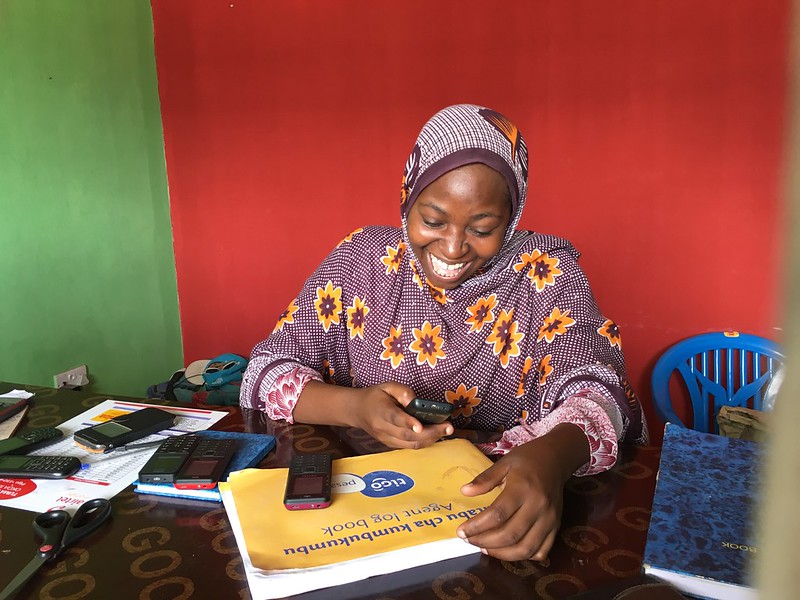
G2PxAround the world, low-income communities often face two overlapping challenges: limited access to government assistance and barriers to digital and financial services. At the intersection of these issues is a growing solution: digitizing government-to-person (G2P) payments.

Closing a Digital and Financial Divide

Government payments for retirement, disability, unemployment and basic needs are critical for many households and individuals. However, accessing these benefits is not always straightforward. Payments were traditionally made in cash and required in-person collection, which creates barriers for people living in remote areas, those with limited mobility or individuals who cannot afford to take time off work.

“When there is a payment, we spend the whole day at the town hall, we leave in the morning from our village to come back in the evening and that is a difficulty,” said one Malian cash recipient in a World Bank report. By shifting government-to-person payments to digital platforms, recipients gain incentives to access financial services. This helps close the digital divide, promotes digital literacy and offers more secure financial access.

A Path to Financial Inclusion

Digital G2P payments can serve as a first step toward broader financial inclusion. For many recipients, especially in low-income or rural areas, receiving government payments through a bank or mobile account is their first interaction with the formal financial system.

According to the World Bank, 865 million account owners in developing countries—including 423 million women—opened their first financial institution account to receive government payments. This initial connection can lead to increased use of financial services such as saving, borrowing or making digital transactions. The impact is particularly significant for women and young people, who often face additional barriers to financial access.

The G2Px Initiative: Progress and Empowerment

Despite progress in digital government-to-person payments, the digital and financial inclusion gap remains, with 1.4 billion adults still unbanked worldwide. To help close this gap, the World Bank Group created the G2Px initiative. In partnership with the Bill & Melinda Gates Foundation and Norad, the initiative supports governments in improving G2P systems through policy development, design improvements and digital and financial literacy programs.

In a 2023 report, the World Bank Group highlighted how G2Px supported data collection that helps modernize G2P payments with recipients at the center. The report documented good practices that countries can adopt, and many nations have since joined the conversation. Sierra Leone launched its first account-based social assistance payments, while Yemen completed a study to inform mobile money pilots in eight districts, with 18,000 recipients already registered to opt in.

Technical assistance from the initiative also supported policies that promote inclusion. Jordan’s National Aid Fund revised program design to enable government-to-person payments to women instead of only heads of households.

This empowerment is one of the key benefits of digitizing G2P payments. Access to digital payments can strengthen women’s privacy, financial autonomy, decision-making and labor force participation. Payments also increase opportunities to access financial services such as savings, credit, remittances and insurance. When both men and women in a household can access payments, women’s participation in household decision-making increases.

To support women’s economic empowerment, a World Bank partnership in Liberia developed a simple financial planning intervention to help couples plan the use of their G2P payment before receiving it. This approach not only increased women’s inclusion but also improved the household’s overall financial condition.

Moving Forward

Digitizing government payments is helping millions of people access assistance more efficiently and securely. With continued investment in inclusive design and digital literacy, this approach has the potential to reach more underserved communities and contribute to long-term poverty reduction.

– Jannah Khalil

Jannah is based in Sacramento, CA, USA and focuses on Good News and Global Health for The Borgen Project.

Photo: Flickr

November 29, 2025
https://borgenproject.org/wp-content/uploads/borgen-project-logo.svg 0 0 Precious Sheidu https://borgenproject.org/wp-content/uploads/borgen-project-logo.svg Precious Sheidu2025-11-29 01:30:572025-11-28 10:37:36G2Px: Digitizing Government-to-Person Payments
Global Poverty, Government

Kenya’s National Debt Crisis: The Toll On Its Population

Kenya's National Debt Crisis: The Toll On Its Population Kenya’s national debt has risen significantly in recent months, increasing by almost KES100 billion. This comes as the nation’s economy grows at a rapid rate, in part because of loans taken out to improve infrastructure. Kenya’s situation reflects the tough decisions many developing countries face between short-term improvements and long-term sustainability. Meanwhile, some proposed solutions could support progress in both areas.

Origin of Kenya’s Debt

Kenya’s debt originates from two primary places: loans from other countries and loans from private organizations. One of its largest lenders is China, which provided significant financing for Kenya’s national railroad. As for private loans, Kenya has taken out substantial funding through Eurobonds, a type of international debt security. The numerous loans have compounded, trapping Kenya in a cycle of debt that is increasingly difficult to escape as interest accumulates.

Chatham House also noted that Kenya’s internal fund management issues have contributed to repayment challenges. The volume of loans taken out made long-term repayment more difficult despite short-term infrastructure gains. Regardless of the debt’s origins, Kenya’s high debt burden has led to further issues, particularly for its most vulnerable populations.

The Effect on Poverty

Given the large debt, the Kenyan government has prioritized interest repayments. This has caused public goods such as health care to receive less funding. Reduced investment in public works can lead to declines in quality of life. Additionally, many low-income households could face tax increases as the government seeks extra revenue. Afronomics Law reported that as Kenya’s national debt reached its ceiling in 2023, the increased burden could expand public debt, which is debt owed by citizens. Because of this, Kenya has been working to find ways to address debt while minimizing negative effects on its population.

Ongoing Efforts

Many organizations, both within and outside Kenya, have made recommendations for how the country should move forward. According to the World Bank, Kenya’s latest financial review suggested government restructuring to help address the debt challenge, primarily through stronger tax policy and improved efficiency in public spending. These steps would help strengthen the country’s gross domestic product (GDP) while reducing dependence on additional loans. The World Bank also noted that these measures could support job creation, helping to alleviate poverty. They stated that austerity measures are not recommended because they often come with severe costs to citizens.

Kenya’s government is also implementing its own strategies. Parliament recently passed an extensive debt mitigation plan to prevent further problems. The bill is not intended as a long-term solution but rather as a way to reduce damage caused by the existing debt. These strategies include increasing borrowing from domestic sources, which the national treasury determined would minimize external debt owed.

Looking Ahead

This decision between paying off loans and funding government programs does not have an easy answer. However, the examples above show that Kenya can take practical, actionable steps without worsening conditions for its citizens. Many other nations face similar debt challenges, and understanding how Kenya reached this point, and how it can move forward, could offer valuable insights for developing nations worldwide.

– Thaddeus Konieczny

Thaddeus is based in Williamston, MI, USA and focuses on Good News and Politics for The Borgen Project.

Photo: Flickr
November 23, 2025
https://borgenproject.org/wp-content/uploads/borgen-project-logo.svg 0 0 Precious Sheidu https://borgenproject.org/wp-content/uploads/borgen-project-logo.svg Precious Sheidu2025-11-23 03:00:092025-11-22 23:59:20Kenya’s National Debt Crisis: The Toll On Its Population
Global Poverty, Government, Technology

CBMS: Targeting Poverty More Effectively

CBMSThe Philippines’ Community-Based Monitoring System (CBMS) is a government-mandated, technology-driven framework for collecting and analyzing local poverty data across the country. It gathers disaggregated household information on health, nutrition, housing, education, employment, income and sanitation to give local governments a clearer picture of where and how poverty persists. Under the law, every city and municipality must maintain up-to-date data to guide local development planning and budgeting. Through mobile data collection tools, geo-tagging and community-based surveys, CBMS produces detailed poverty maps and indicators that strengthen decision-making at the local level.

How It Links to Anti-Poverty Goals

In the effort toward poverty alleviation, CBMS strengthens the connection between information and policy. Using digital data poverty mapping, the system enables local governments to identify poor and near-poor households with precision. This targeting helps ensure that social aid, infrastructure and livelihood programs reach those who need them most.

In Palawan, for example, CBMS data revealed pockets of food insecurity, poor sanitation and low school attendance in remote municipalities. Those findings allowed local authorities to reallocate funds and target assistance more effectively, replacing broad interventions with tailored strategies. This approach shows how tech-based poverty solutions in the Philippines can turn data into practical change, aligning limited government resources with measurable local needs.

Technology and Local Empowerment

CBMS also represents a model of participatory, technology-driven governance. Enumerators use digital tablets to collect and verify household data, while each family is geo-tagged for inclusion in poverty mapping systems. The CBMS model goes beyond data capture; it empowers local residents to take part in defining and validating the information gathered.

This local involvement increases accuracy and transparency. As one regional PSA official remarked, “Data is not just numbers… it is the voice of the people.” When communities help collect and interpret their own data, programs become more accountable and citizens can better advocate for services that reflect their realities.

Challenges and What Lies Ahead

Despite its progress, the CBMS initiative still faces challenges. Some local governments lack the staff or resources to maintain robust data systems, and recent data privacy concerns have highlighted the need for stronger safeguards. Yet the overall direction remains promising. The Philippine Statistics Authority (PSA) has announced plans to expand CBMS coverage, integrate it with national poverty databases and include Sustainable Development Goal (SDG) indicators, allowing policymakers to track both global and local progress in real time.

If fully implemented, CBMS could become a cornerstone of evidence-based poverty reduction. Indeed, by uniting technology, data, and community participation, the system is positioning the Philippines to deliver more precise, transparent and inclusive solutions to ensure that no community is left unseen in the country’s ongoing fight against poverty.

– George Horberry

George is based in York, UK and focuses on Technology and Politics for The Borgen Project.

Photo: Flickr

November 4, 2025
https://borgenproject.org/wp-content/uploads/borgen-project-logo.svg 0 0 Precious Sheidu https://borgenproject.org/wp-content/uploads/borgen-project-logo.svg Precious Sheidu2025-11-04 03:00:452025-11-04 00:23:34CBMS: Targeting Poverty More Effectively
Global Poverty, Government, Health

A Step Toward Health Equity: Free Health Screenings in Indonesia

Free Health Screenings in IndonesiaAs of 2010, around 56% of Indonesians were covered by some form of health insurance. However, at this point, coverage was mixed, including government programs for lower-income individuals, private health insurance and coverage for employees of the state. In an effort to fill the gaps and unify the disparate insurance options, the Indonesian government introduced the Jaminan Kesehatan Nasional, its attempt at universal health coverage for Indonesians.

While the new system applies to all Indonesians, there remain gaps as certain health care facilities have declined to accept this new health care system of coverage.

The Pemeriksaan Kesehatan Gratis Program

In Indonesia, the most common causes of death include stroke and heart disease, two conditions whose risks can often be managed with regular checkups. To address this, President Prabowo Subianto fulfilled one of his campaign promises by launching a program that offers free health screenings for all citizens of Indonesia each year on their birthday. The goal of these checkups is early detection of cardiovascular diseases, congenital disorders and other chronic conditions that require regular monitoring.

The program, known as Pemeriksaan Kesehatan Gratis (PKG), was designed to provide free health screenings to more than 280 million citizens of Indonesia. Interestingly, it uses citizens’ birthdays as a cultural connection point to encourage participation in the screenings. In addition to this unique aspect, encouraging Indonesians to keep in mind the importance of the checkup, the program also makes use of the digital program SATUSEHAT, which was promoted during the COVID-19 pandemic.

This would allow people to seamlessly use the already widely downloaded program for not only making appointments, but also offering access to a personal health record.

Shifting Indonesia’s Mindset Toward Preventive Care

While the program primarily targets reducing the impact of major chronic conditions and improving health outcomes, Health Minister Budi Gunadi Sadikin has emphasized another goal. He aims to change Indonesians’ mindset and behavior toward preventive health care through this campaign. When the campaign was launched, Sadikin noted, “Our culture is checking when we’re already sick … that cuts closest to the grave,” describing the behavior of Indonesians as looking to health care for treatment over prevention.

After eight months of the program, the health minister reiterated his stance during an October press conference, highlighting the major risk factors affecting Indonesians. “The easiest examples are high blood pressure, high blood sugar and cholesterol. Indonesians usually ignore these until they suffer a stroke or heart disease,” he said. He appears determined to shift the nation’s view of health care toward preventive care and transform Indonesia’s overall health culture.

Promoting Health Equity Through Free Access

An article in the Lancet magazine additionally comments on the effect of the program on health equity, which is important for improving the health outcomes for Indonesians facing poverty:

  • Regular health checkups improve health education, which can empower individuals to manage risk factors and avoid severe health conditions like strokes and heart attacks.
  • The program offers free screenings to everyone, regardless of socioeconomic status, which ensures that everyone is receiving the same level of care. Additionally, it allows Indonesians in poverty to have access to health care resources they may have previously been unable to afford.
  • The program prioritizes early interventions, especially in at-risk populations. So individuals who may not have previously had access to preventative care are more likely to receive follow-up visits and treatments to ensure their risks are managed for severe health conditions.

Conclusion

Overall, the PKG program is an ambitious initiative that aims to provide free health screenings to all citizens of Indonesia. Its goals include reducing mortality from conditions such as stroke and heart disease and shifting public attitudes toward preventive care. However, the program also has secondary effects that promote health equity. These benefits are especially valuable for Indonesians living in poverty, as they help improve access to health care within limited means.

– Nikhil N Kumar

Nikhil is based in Lexington, MA, USA and focuses on Global Health, Politics for The Borgen Project.

Photo: Flickr
November 3, 2025
https://borgenproject.org/wp-content/uploads/borgen-project-logo.svg 0 0 Hemant Gupta https://borgenproject.org/wp-content/uploads/borgen-project-logo.svg Hemant Gupta2025-11-03 07:30:182025-11-03 01:52:54A Step Toward Health Equity: Free Health Screenings in Indonesia
Global Poverty, Government, Poverty Reduction

Labor Reforms and Poverty Reduction in Mexico

Poverty Reduction in MexicoSince 2012, Mexico has enacted a series of major labor reforms that have created a sustained reduction in poverty. Subsequent labor reforms between 2018 and 2022 have lifted millions out of poverty. According to a World Bank report that cites figures from the National Council for the Evaluation of Social Development Policy (CONEVAL), from 2016 to 2022, poverty in Mexico declined from 43.2% to 36.3%. Over the same period, the share of people living in monetary poverty, based on the national poverty line, dropped from 50.8% to 43.5%. Extreme monetary poverty also decreased, falling from 14.9% to 12.1%.

These changes were largely due to labor reforms in Mexico such as raising the minimum wage, ending exploitative outsourcing practices and strengthening labor protections. This shows that strong and sustainable structural labor reforms can reduce poverty and ensure significant improvement in the incomes and social rights of the Mexican people.

Labor Reforms and Poverty Reduction in Mexico

The most significant labor reform in Mexico was raising the minimum wage. According to a paper in the Journal of Development Studies, which explores the effect of minimum wage on poverty levels in Mexico, the first real increase was in 2019. That year, it rose by 16% across the country, except in municipalities near the U.S.–Mexico border, where it jumped by 100%.

Between 2019 and 2022, Mexico substantially increased the national minimum wage by 65% in real terms. According to a recent study by Mexico’s National Minimum Wage Commission, these wage policies directly and indirectly impacted poverty reduction. The researchers found that for every 10% increase in the minimum wage, multidimensional poverty fell by approximately 3.6%. Overall, the study estimates that 4.1 million people—out of a total 5.1 million who exited poverty—did so specifically because of the minimum wage increases, accounting for a 23.7% reduction in national poverty during this period.

Outsourcing Employment

Crucially, the wage hikes boosted labor income without causing significant job losses, reinforcing the policy’s role as a key driver of poverty reduction rather than economic disruption. The second major labor reform was the ban on exploitative outsourcing practices, significantly reducing poverty and strengthening labor rights in Mexico. Enacted in 2021, the ban led to a 73% drop in outsourcing and a surge in direct hiring. Average annual wages rose by 10% in the first year, while the wage gap relative to productivity narrowed by 27%.

Insourced workers saw salaries jump by 87%, social security and benefits rise by 30% and profit sharing grew by 62%, directly improving living standards. Importantly, these gains occurred without reducing employment or output, showing that the reform strengthened worker rights while protecting jobs. Workers who had faced the most exploitation benefited the most, demonstrating the reform’s effectiveness in improving wages and livelihoods across Mexico’s labor force.

Governance and Implementation

The Mexican government enforced the outsourcing ban through a comprehensive regulatory framework. Companies providing specialized services had to register in a public registry, proving compliance with tax and social security obligations, sharing profits with workers and renewing their registration every three years. Enforcement grew stricter: employers and staffing agencies became responsible for payroll taxes and social security for subcontracted workers, inspections were mandatory and firms faced larger penalties for violations.

To close loopholes, the reform aligned multiple existing laws and fostered coordination between government departments. Previously, outsourced workers had to be transferred to direct employment within a three-month, government-monitored period, ensuring compliance and protecting labor rights. These measures ensured compliance with the law and helped sustain the new labor protections. They also led to a significant drop in exploitation and improved working conditions nationwide.

Conclusion

Mexico’s experience shows that structural labor reforms, combined with strong governance and effective implementation, can transform poverty and inequality. The government created a labor market that supports social and economic inclusion by prioritizing worker rights and enforcing compliance. These achievements confirm that ambitious, well-enforced reforms can produce tangible, lasting improvements in the lives of millions, setting an example for other countries seeking to reduce poverty through labor policy.

– Akash Ramaswamy

Akash is based in Ontario, Canada and focuses on Politics for The Borgen Project.

Photo: Flickr

October 27, 2025
https://borgenproject.org/wp-content/uploads/borgen-project-logo.svg 0 0 Hemant Gupta https://borgenproject.org/wp-content/uploads/borgen-project-logo.svg Hemant Gupta2025-10-27 07:30:012025-10-27 00:02:12Labor Reforms and Poverty Reduction in Mexico
Global Poverty, Government, Legislations and Policies

The MEGOBARI Act

The MEGOBARI ActIn the Georgian language, the word megobari (მეგობარი) means “friend.” In the proposed U.S. federal laws, it stands for the Mobilizing and Enhancing Georgia’s Options for Building Accountability, Resilience, and Independence Act.

The MEGOBARI Act

The primary purpose of the MEGOBARI Act is “to counter the influence of the Chinese Communist Party, the Iranian Regime, and the Russian Federation in the nation of Georgia” and to support Georgia’s constitutionally stated aspirations and the wishes of the overwhelming majority of its citizens to become a member of the European Union (EU) and NATO.

The bill also aims to continue supporting Georgia’s capacity to protect its sovereignty and territorial integrity from further Russian aggression or encroachment and to promote accountability by imposing swift consequences on individuals who directly and knowingly engage in actions or policies that significantly undermine democratic standards. The Act is temporary, set to expire five years after its date of enactment. A total of 16 representatives and two delegates, of which 10 are democrats and 8 republicans, have cosponsored the bill.

Policy and Diplomatic Reevaluation

  • Suspend the U.S.–Georgia Strategic Partnership Commission until democratic standards are met.
  • Review all foreign and security assistance if Georgia shifts away from EU accession.
  • Reduce trade ties with Russia and support global anti-Russian sanctions.
  • Continue backing civil society, democratic values, anti-corruption measures and freedoms of assembly, association and expression.

Reports and Strategy

  • Russian/Chinese Influence Report: Within 180 days, assess Russian intelligence and Chinese involvement in Georgia.
  • Five-Year U.S.–Georgia Strategy: Within 90 days, outline funding, tools and support for civil society and independent media and reassess Georgia’s priority status for U.S. aid.

Sanctions

  • Blocking Euro-Atlantic Integration: Sanctions on officials (and families) engaged in corruption, violence or intimidation.
  • Undermining Security: Sanctions on persons threatening Georgia’s sovereignty and stability.
  • Broader Corruption: Sanctions for significant acts of corruption.
  • Sanction Tools: Visa bans, visa revocations and property or asset blocking in the United States.

Conditional Assistance

  • U.S. aid is contingent on Georgia’s progress toward democracy and Euro-Atlantic integration.
  • If progress is shown, the U.S. will expand exchanges, enhance military cooperation and provide defensive equipment.

The Georgian Parliament’s View on the Act

The Georgian Parliament has strongly opposed the MEGOBARI Act, calling it flawed, biased, hostile and a violation of Georgia’s sovereignty. Some opposition parties, however, view it favorably as genuine U.S. support.

Connection to Poverty

Weak governance, corruption or political instability can reduce economic growth, discourage investment and lower the effectiveness of public services. If implemented well, the accountability and transparency brought by the MEGOBARI Act could lead to better governance of public resources, such as social welfare, infrastructure and essential services, which would help reduce poverty.

The Act also requires a strategy to assess whether Georgia should remain the second-highest recipient of United States funding in the Europe and Eurasia region. Foreign aid or investment tied to the Act might require democratic reforms, potentially directing resources toward underserved areas. Sanctions imposed under the Act do not apply to transactions for humanitarian assistance, including agricultural commodities, food, medicine and medical devices. This ensures that sanctions do not impede critical humanitarian needs.

A major focus of the Act is combating significant corruption in Georgia. While not directly related to poverty reduction, fighting corruption is often a prerequisite for effective economic governance and equitable distribution of resources.

Looking Ahead 

By curbing corruption and fostering stability, the Act has the potential to create conditions where poverty is reduced and opportunities for ordinary Georgians can grow. At its core, the MEGOBARI Act offers a hopeful vision: that a stronger democracy can translate into stronger communities.

– Salome Jincharadze

Salome is based in Tbilisi, Georgia and focuses on Good News and Politics for The Borgen Project.

Photo: Flickr
October 12, 2025
https://borgenproject.org/wp-content/uploads/borgen-project-logo.svg 0 0 Precious Sheidu https://borgenproject.org/wp-content/uploads/borgen-project-logo.svg Precious Sheidu2025-10-12 03:00:192025-11-01 03:08:48The MEGOBARI Act
Page 2 of 24‹1234›»

Get Smarter

  • Global Poverty 101
  • Global Poverty… The Good News
  • Global Poverty & U.S. Jobs
  • Global Poverty and National Security
  • Innovative Solutions to Poverty
  • Global Poverty & Aid FAQ’s
Search Search

Take Action

  • Call Congress
  • Email Congress
  • Donate
  • 30 Ways to Help
  • Volunteer Ops
  • Internships
  • Courses & Certificates
  • The Podcast
Borgen Project

“The Borgen Project is an incredible nonprofit organization that is addressing poverty and hunger and working towards ending them.”

-The Huffington Post

Inside The Borgen Project

  • Contact
  • About
  • Financials
  • President
  • Board of Directors
  • Board of Advisors

International Links

  • UK Email Parliament
  • UK Donate
  • Canada Email Parliament

Get Smarter

  • Global Poverty 101
  • Global Poverty… The Good News
  • Global Poverty & U.S. Jobs
  • Global Poverty and National Security
  • Innovative Solutions to Poverty
  • Global Poverty & Aid FAQ’s

Ways to Help

  • Call Congress
  • Email Congress
  • Donate
  • 30 Ways to Help
  • Volunteer Ops
  • Internships
  • Courses & Certificates
  • The Podcast
Scroll to top Scroll to top Scroll to top