Education in Burkina Faso: Sustaining Learning Amid Conflict
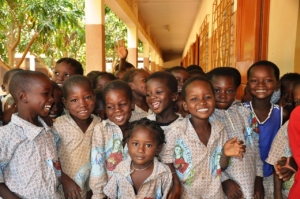 Overlapping crises of conflict and displacement have profoundly disrupted education in Burkina Faso. As of February 2024, the Burkinabè Ministry of Education reported that 5,336 schools, representing more than 20% of the country’s schools, were shuttered due to insecurity, affecting more than 820,000 students and 24,000 teachers. In regions under attack, armed militants have targeted teachers, burned or looted school buildings and intimidated families to keep children out of class.
Between 2022 and 2023 alone, organizations documented more than 270 attacks on educational institutions, including arson and classroom damage. In parallel, mass displacement has uprooted millions of families within the country, leaving many children without access to stable schooling. Yet even in this precarious context, a range of targeted efforts are working to sustain learning.
From teacher training in psychosocial support to mobile and tablet-based classrooms reaching displaced learners, these interventions aim to bridge the gaps inflicted by conflict. Here are five concrete solutions helping children in Burkina Faso continue their education despite adversity.
Safe Schools Program: Supporting Teachers and Students
In Burkina Faso, the Safe School Program, led by UNICEF in collaboration with the Ministry of Education and several NGOs, aims to keep children learning safely despite ongoing violence and displacement. The initiative protects students and teachers in conflict-affected areas while promoting psychosocial well-being and resilience. A key part of the program focuses on training teachers to provide psychosocial support and manage classrooms effectively during periods of stress.
Many educators in Burkina Faso have experienced trauma themselves. Hence, the training helps them identify signs of distress in students and build a sense of safety and trust in the classroom. In an assessment of 583 teachers, more than 80% showed symptoms of stress or trauma, highlighting how vital this support is in sustaining education in Burkina Faso.
Since its launch, the program has reached more than 900,000 children and 10,000 teachers across approximately 4,400 schools. In the Center-Nord region alone, more than 11,600 children, including 6,000 girls, have benefited from safe learning spaces, while 2,000 children received direct psychosocial support. By focusing on safety, mental health and teacher empowerment, the Safe School Program shows how education can remain a source of stability and hope even in the midst of crisis.
Mobile and Tablet-Based Classrooms for Displaced Learners
In response to widespread school closures and attacks, UNICEF’s Education in Emergencies (EiE) program is helping children in Burkina Faso regain access to safe, quality education. The initiative focuses on reopening schools in conflict-affected areas, training teachers and creating protective learning spaces for displaced children. UNICEF and Save the Children have both introduced tablet-based learning programs as part of their EiE response.
The tablets are preloaded with literacy, numeracy and life skills lessons, designed for self-paced learning without needing internet access or money to pay for books. This approach helps bridge the gap for students whose schooling has been interrupted by displacement, keeping education in Burkina Faso a priority. Technology-based initiatives are helping to extend learning opportunities to children in regions where access to formal schooling remains limited.
Emergency Teacher Training: Adapting Pedagogy in Crisis
Rapid teacher training programs are crucial to sustaining education in crises like Burkina Faso. UNICEF’s humanitarian reports indicate that Burkina Faso’s EiE efforts include capacity building for teachers and facilitators, even amid instability. For instance, in late 2024, 18 teachers participated in “Alternate Emergency Classes” training, which covered protection, pedagogy and national language instruction.
Following prolonged school disruptions, catch-up classes led by trained teachers have been implemented to help children regain their learning momentum. From July to August 2024, UNICEF supported 14,314 children with daily remedial classes in five regions; teachers in these programs are trained to work with students who missed schooling.
NGO and Community-Led Learning Spaces
Local and community-driven initiatives have become essential in keeping education in Burkina Faso’s conflict-affected regions alive. Across the country, NGOs and grassroots groups establish temporary learning spaces and support host schools that have taken in displaced children. These locally run centers not only provide classrooms but also a sense of normality for children who have fled violence.
Organizations like Educo, working with partners like Terre des Hommes and INTERSOS, have supported around 40 schools welcoming displaced children. Through temporary classrooms and teacher support, these efforts are helping more than 20,000 learners, including 11,000 internally displaced students and children from host communities. Meanwhile, U.N.-Habitat has constructed new classrooms in urban areas such as Kaya, Kongoussi, Tougouri and Dori, where displaced families have pressured the existing infrastructure.
These projects are helping to reduce overcrowding and create safer, more stable spaces for children to continue their education in Burkina Faso. These initiatives show how local communities and organizations are stepping in to keep education going. They range from setting up temporary classrooms to expanding school facilities, ensuring children affected by conflict can continue learning in safer, more supportive environments.
International Support and Partnerships
International donors and development organizations are playing a critical role in sustaining education in Burkina Faso. They are helping finance infrastructure, bridging conflicts and supporting emergency access to learning. One example is the World Bank’s recent Restoring Education System Performance and Improving Resilience (REPAIR) Project.
The $140 million project aims to expand access to primary and pre-primary education, improve foundational learning and support emergency education for displaced and vulnerable children. It also includes investments in educational infrastructure and capacity building for the government. Under REPAIR, approximately 2.2 million students and 40,000 teachers in Burkina Faso are expected to benefit from its range of interventions.
Together, projects like REPAIR highlight how international partnerships can help sustain education even in times of crisis. Investing in infrastructure, teacher training and access for displaced learners, these collaborations are helping to keep classrooms open and give more Burkina Faso children the chance to continue their education.
Education Endures in Burkina Faso
Despite years of conflict and displacement, education in Burkina Faso continues thanks to the determination of teachers, communities and their partners. These efforts, from temporary classrooms to teacher training and school rebuilding, demonstrate how cooperation can sustain learning even in the most challenging circumstances. As people across the country work together to restore access and stability, education remains more than a necessity; it’s a source of hope and a path toward lasting peace and recovery.
– Lucy Williams
Lucy is based in Wrexham, UK and focuses on Global Health for The Borgen Project.
Photo: Pixabay
