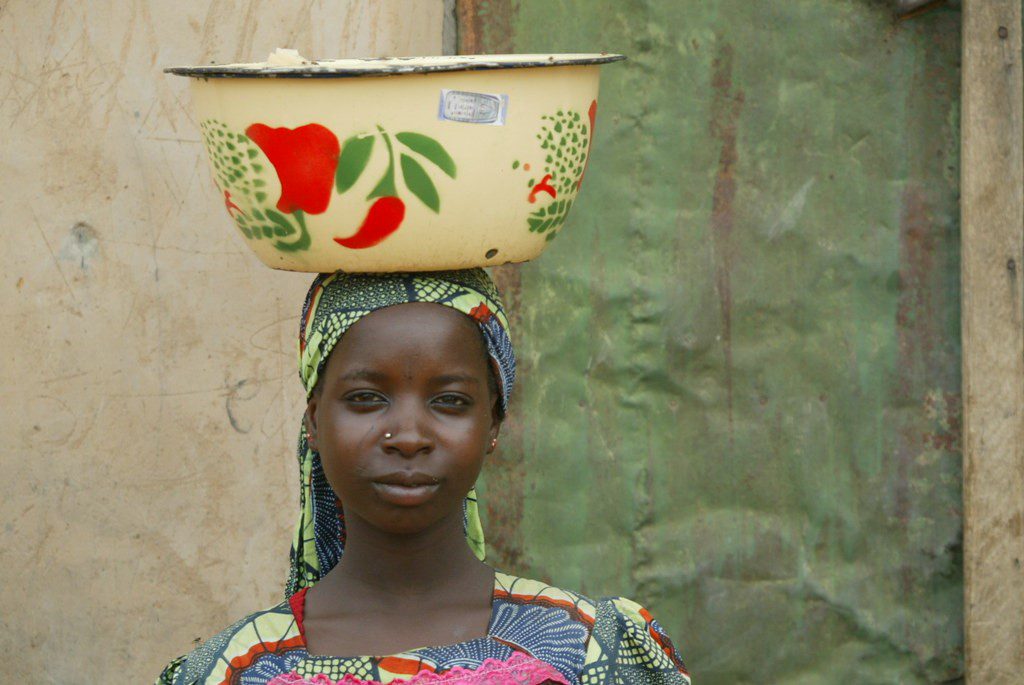
Many know Luxembourg for being the wealthiest country per capita in the European Union and for its high quality of living. For the past 20 years, the country has kept the percentage of the population below the minimum level of dietary energy consumption at 2.5%. While hunger in Luxembourg is no longer a pressing issue, it has directed its efforts toward helping other nations move towards eliminating hunger. Working closely with the Food and Agriculture Organization of the United Nations (FAO) allowed for Luxembourg to share its success with struggling nations. Here is how Luxembourg is helping others fight hunger.
5 Ways Luxembourg is Helping Others Fight Hunger
- Luxembourg is one of the founding members of the Food and Agriculture Organization of the United Nations (FAO). Since hunger rates are low in Luxembourg, it helps other countries mainly through the advocacy of food security and agricultural development. The FAO emphasizes that water sanitation, food security and nutrition are vital to surviving crises such as natural disasters. Luxembourg promotes sustainability throughout all food systems in the hopes of eliminating world hunger and poverty. Luxembourg has specifically implemented a four-part strategy to combat hunger in other nations including improving access to basic social services, enhancing socio-economic incorporation of women and youth, promoting sustainable growth and strengthening inclusive governance.
-
Between 2009-2019, Luxembourg donated $25.1 million to the organization. The country provided $5.4 million in voluntary contributions directed towards projects in Africa and Asia, donating around $3.3 million to Africa and around $2.1 million to Asia. Meanwhile, a little over $6 million were from voluntary contributions. Luxembourg’s donations primarily went toward reducing rural poverty, increasing the resilience of livelihoods to threats and crises and enabling inclusive agricultural and food systems. It has since committed to supporting food security in Afghanistan through investment in rural livelihoods as well as assisting in the strengthening of preparedness in Senegal by implementing emergency plans for food security. About 100% of contributions went toward the development of sustainable food sources.
-
Luxembourg placed emphasis on resourcing poor rural communities. One of the reasons hunger in Luxembourg is so low is because of the stress it places on reducing rural poverty. Luxembourg contributed $6.8 million to food-insecure households in low-resource rural areas between 2010 and 2020. Around 53% of Luxembourg’s donations went towards reducing rural poverty in order to help food security. The contributions allowed for the Household Food and Livelihood Security project to address extreme poverty and hunger amongst the impoverished households in rural Afghanistan. As a result, the contributions helped the FAO target the livelihoods of the poorest communities in Afghanistan through facilitating literacy and sanitation, providing services on demand and improving market linkages.
-
FAO and Luxembourg promoted food safety emergency preparedness. Luxembourg encouraged the development of a food safety plan in case of emergency in Senegal. Being prepared for a food safety emergency such as illness is one of the reasons that hunger in Luxembourg is not a significant issue. By doing so, food safety risk communication improved in the country and food safety surveillance strengthened. Food safety emergencies are often costly and limit economic productivity, but Luxembourg’s provided expertise helped secure the first development of a national emergency response plan. Between 2015 and 2017, Luxembourg helped fund the development of PNRUSSA, the first emergency response plan for food safety in Senegal. By doing so, it set an example for the surrounding regions to focus on food safety work and stimulated initiatives.
-
Both FAO and Luxembourg have committed to advocating for safe food for everyone. By constantly advocating for high standards surrounding the production and trade of food, the two are fighting for a more sustainable future. Increasing the sustainability of food promises a healthier future for both plants and animals, and therefore, higher quality products. Luxembourg also supported the International Plant Protection Convention in an effort to control the introduction and spread of pests that harm plants. Pests can reduce crop yield by destroying crops and yielding a lower profit for the farmer. In 1929, German authorities noted that pests destroyed 10% of their cereal crops; and without pest control, reports determined that the country would lose 70% of crops.
Luxembourg is helping others fight hunger and it plans to continue work with the FAO to explore new and innovative ways to strengthen sustainable food security and move towards a world with zero hunger. The contributions from countries where hunger is a limited issue allow for the FAO to elevate efforts in fighting hunger during the COVID-19 pandemic while keeping sustainability in mind.
– Jai Phillips
Photo: Flickr
Photo: Flickr


 As one of the world’s most impoverished African countries, Ghana has a poverty rate that touches roughly
  Zinder is a region in southern Niger with

 Honduras, a country of 10 million people, suffers from extreme poverty. In fact,