• Link to X
  • Link to Facebook
  • Link to Instagram
  • Link to TikTok
  • Link to Youtube
  • About
    • About Us
      • President
      • Board of Directors
      • Board of Advisors
      • Financials
      • Our Methodology
      • Success Tracker
      • Contact
  • Act Now
    • 30 Ways to Help
      • Email Congress
      • Call Congress
      • Volunteer
      • Courses & Certificates
      • Be a Donor
    • Internships
      • In-Office Internships
      • Remote Internships
    • Legislation
      • Politics 101
  • The Blog
  • The Podcast
  • Magazine
  • Donate
  • Click to open the search input field Click to open the search input field Search
  • Menu Menu

Archive for category: Global Poverty

Key articles and information on global poverty.

Global Poverty, Water Crisis, Water Sanitation

Organizations Alleviating Pakistan’s Water Crisis

Organizations Alleviating Pakistan’s Water Crisis
Water is a necessity to any living being and yet some countries struggle immensely with it. One such country is Pakistan. Pakistan’s water crisis and sanitation issues have lasted more than 15 years. Pakistan has reached a level where it has less than 1,000 cubic meters of water per person and could potentially run out of water entirely within five years. Fortunately, there are several organizations that are working to solve Pakistan’s water crisis.

Change the World of One

Change the World of One has recently finished a campaign concerning the water crisis in Pakistan. Its effort, Pakistan Clean Water Project, identified water access and sanitation as the two biggest problems of the water crisis and aimed to lessen the water crisis by building water hand pumps and electric pumps in a rural village in Pakistan.

The project was a success with the installation of around 10 hand and electric pumps as well as two handwashing stations and latrines. While the work focused mostly on one village, one cannot ignore the outcome of the Pakistan Clean Water Project, especially considering what the project brought to light as possible.

Paani Project

Paani Project is one of the newest organizations working in Pakistan to address its water crisis. The project’s method centers around creating outside-of-the-box solutions to public health problems, donations and creating what they call a “movement.”

Donations and direct action are important for Paani Project as they are for any NGO. This is especially critical considering the costs of developing water pumps and systems. Paani Project recognizes that through their own actions, Pakistan’s water crisis can be tackled day by day.

Charity: Water

Charity: Water has recognized the link between poverty and a lack of clean water in many countries, including Pakistan. The organization is almost entirely transparent with its projects, donations and direct goal of providing clean drinking water on their company website. Its work in Pakistan has provided a significant number of people with water and essential resources. Since 2013, Charity: Water has funded approximately 320 projects and helped around 35,458 people by drilling wells.

USAID

USAID, an organization dedicated to giving aid to foreign countries, has a current four-year plan to aid Pakistan’s water crisis. The Sustainable Water Partnership works to establish water security in Pakistan, which will improve other aspects of life such as public health, economic gains and ecosystems.

This is not its only dive into tackling Pakistan’s water crisis. It also implemented the Pakistan Safe Drinking Water and Hygiene Promotion Project that ran for approximately four years to implement better management of water, improve hygiene and better the technical aspects of water treatment, all of which was able to cover 31 districts in Pakistan in the program’s first phase.

Alkhidmat Foundation

Alkhidmat Foundation is another organization that has found success in alleviating Pakistan’s water crisis. The organization has installed approximately 131 water filtration plants, 6,312 hand pumps, 1,846 water wells and around 930 submersible water pumps.

Giving to communities that are the most vulnerable is exactly how Alkhidmat Foundation has been successful. Many of these impoverished villages do not have the funding like in bigger cities, meaning these communities cannot afford water wells and pumps. The Alkhidmat Foundation has recognized this and is working tirelessly to bring more water to Pakistan.

While Pakistan’s water crisis continues well into the 21st century, these five organizations are doing their part to alleviate Pakistan’s water crisis and are moving one step closer to ending the global water crisis through direct feet-on-the-ground action, advocacy and awareness.

– Remy Desai-Patel
Photo: Flickr

January 18, 2021
https://borgenproject.org/wp-content/uploads/borgen-project-logo.svg 0 0 Yuki https://borgenproject.org/wp-content/uploads/borgen-project-logo.svg Yuki2021-01-18 06:13:442024-06-07 05:08:10Organizations Alleviating Pakistan’s Water Crisis
Global Poverty, Human Rights

The #EndSARS Movement in Nigeria

The EndSARS Movement in NigeriaSocial media is becoming a diversified platform that has been vital to the fight against police brutality in Nigeria. Nigerian citizens have experienced years of unjust violence by the Special Anti-Robbery Squad (SARS), including armed robberies, rapes, torture and unsystematic killings. For Nigerian citizens, media censorship on television has led to the circulation of the hashtag #EndSARS on social media sites. People have taken to Twitter, Instagram, Tik Tok and other platforms to post news and videos of the violence incurred. Through the #EndSARS movement in Nigeria, young Nigerian activists are emerging and are critical to the new wave of international awareness.

What is SARS?

The Special Anti-Robbery Squad, a police force, was assembled in 1992 by the Nigerian Government to cope with the failings of the Nigerian Police Force. Emboldened by their power to arrest and monitor crimes, the group has increasingly used its authority to engage in dangerous tactics and fear-mongering.

Among protests and complaints, Amnesty International has investigated and determined numerous unlawful killings and human rights abuses. 2015 marked the first set of promises, made by Nigerian President Buhari, to disband and restructure SARS. However, after years of promising reform to appease citizens, the government has not implemented any effective actions to deter the unit.

SARS has promoted corruption and violence toward citizens, especially against an evolving population of youth. There are many reports of youth being harassed by SARS for their new technology, clothing styles, hairstyles and tattoos. In protest, Nigeria’s youth have been leaders and catalysts in organizing the #EndSARS movement. A viral video in December 2017 depicted a murder committed by SARS, and since then youth have consistently used social media to document violence done by SARS. A revival of the hashtag #EndSARS occurred in October 2020 and has created a resurgence of conversation about the issue.

Leading the International Awareness of SARS

With a limitation on media coverage of protests and SARS criticism, Nigerians have taken to social media to spread the message. Protestors have created a unified voice among supporters without endorsing an individual leader of the movement. Private citizens with their phones are the main information source and record first-hand videos of the violence. For example, an Instagram Live of protestors being shot and wounded by Nigerian military officials garnered global media coverage. The shift from traditional media to social media has been an advantage to the #EndSARS movement.

The grassroots movement has diverted from the repressive Nigerian media and toward an inclusive citizen-led campaign online. Twitter, Instagram and Tik Tok are serving as major platforms for Nigerians to organize protests, volunteer and donate. Twitter users offered to pay phone bills of protestors to continue the spread of information online. Other protestors began crowdfunding donations to supply food to protestors, posting specific details relating to peaceful protests or sharing medical aid, legal aid and mental health hotlines. The variety of evidence and resources circulating on social media has bolstered the international podium of #EndSARS.

The turmoil of police brutality in Nigeria has been fiercely combatted by a new generation of youth activists. Social media has ignited an international drive to end the corruption of the Special Anti-Robbery Squad. Tangible change is coming about with protests and aid spread globally on social media. The Nigerian youth are using technology to their advantage and are moving to end a period of instability through the #EndSARS movement in Nigeria.

– Eva Pound
Photo: Flickr

January 17, 2021
https://borgenproject.org/wp-content/uploads/borgen-project-logo.svg 0 0 Yuki https://borgenproject.org/wp-content/uploads/borgen-project-logo.svg Yuki2021-01-17 07:30:122021-01-13 18:06:00The #EndSARS Movement in Nigeria
Global Poverty

Fighting for Better Healthcare in Djibouti

File:U.S. and Djibouti healthcare workers deliver care DVIDS82578.jpgDjibouti suffers from a deadly combination of limited healthcare facilities and extensive health problems. With the help of foreign assistance from nations such as the United States, healthcare in Djibouti may be able to overcome these challenges.
Where is Djibouti?

Djibouti, officially named the Republic of Djibouti, is an African country located in the Northeastern quadrant of the continent. It forms part of the Horn of Africa, along with Eritrea to the North, Somalia to the Southeast and Ethiopia to the Southwest. Djibouti stands out as a significantly smaller nation than the other countries. Ethiopia, for instance, is 48 times larger than Djibouti.

Even more of a standout than its physical size is Djibouti’s population density. Djibouti has fewer than 1 million citizens — 973,560 as of 2019. In comparison, Ethiopia has more than 100 times as many citizens, with a population of 112 million people. Despite Djibouti’s small population size, the nation has historically struggled with poverty, a similarity shared with other countries in the Horn of Africa. As of 2017, 17.1% of Djibouti’s citizens lived on less than $1.90 a day — the very definition of extreme poverty.

Healthcare in Djibouti

One of the most significant consequences of this national poverty is extremely limited healthcare in Djibouti. There are many crippling health problems in the nation, but thanks to global efforts, action is underway to address these problems. However, there is still much to do to provide communities in Djibouti with accessible and affordable health care. With the help of the international community, Djibouti will be able to provide proper medical treatment to its citizens in the future.

Limited Facilities

Djibouti has a severe lack of health care facilities. The country’s capital has the nation’s highest concentration of medical facilities, and even still, there are very few. Moreover, the facilities can only fulfill limited emergency operations. For instance, trauma services are “only for stabilization and air ambulance transfer.”

Outside of Djibouti’s capital, the problem is astronomically worse. In many remote places, there is no easy access to health care facilities. The few health facilities in the country are limited to certain medical emergencies.

Djibouti’s health care workers often recommend that visitors evacuate the nation when significant medical treatment is necessary. This is naturally not possible for Djibouti’s citizens, who are for the most part out of luck when requiring hospitalization.

Organizations around the world are working to increase the capacity and concentration of health care facilities in the country. The United States Agency for International Development (USAID), for instance, has helped fund the cause for many years to date. USAID provides much-needed assistance to “support health facilities in order to increase service uptake.”

Foreign assistance is not only critical for expanding health care facilities in the nation but is also crucial in addressing the country’s most significant health issues.

Health Problems in Djibouti

Djibouti has a variety of deadly health issues that threaten the lives of the nation’s citizens on a daily basis. One of the most prevalent is HIV/AIDS, which greatly impacts the Horn of Africa. USAID focuses on supporting the government of Djibouti’s national strategy to fight HIV/AIDS.

Together, the organizations plan to create accessible prevention programs, improve the outcome for PLHIV (People Living with HIV) and bolster the evaluation of the “national response, coordination, management and monitoring” of anti-HIV/AIDS measures.

The cooperation between the United States and Djibouti is not only effective in addressing existing health problems but is also successful in preventing new ones. One such potential threat to the nation is polio.

Djibouti itself has been free of polio since 1999, but there have been a plethora of outbreaks in its surrounding countries in the Horn of Africa, such as Ethiopia and Somalia. As a result, USAID has increased polio awareness and surveillance. USAID also ensured that every child in Djibouti receives the polio vaccine. Thanks to these efforts, polio still remains undetected in Djibouti.

Djibouti Amid COVID-19

Amid the COVID-19 pandemic, Djibouti will not only face COVID-19 but also other serious health problems such as malaria, dengue fever and tuberculosis. It will take multiple nations fighting for better healthcare in Djibouti for the nation’s health care facilities to adequately handle these threats.

The people of Djibouti are living in extreme poverty. Their limited health care facilities alone are not enough to address the massive health problems in the nation. Foreign aid from countries such as the United States has been crucial to combating these health issues and developing medical facilities, giving individuals in Djibouti the opportunity to live longer and healthier lives.

– Asa Scott
Photo: Wikimedia Commons

January 17, 2021
https://borgenproject.org/wp-content/uploads/borgen-project-logo.svg 0 0 Kim Thelwell https://borgenproject.org/wp-content/uploads/borgen-project-logo.svg Kim Thelwell2021-01-17 07:30:002022-04-28 04:39:23Fighting for Better Healthcare in Djibouti
Global Poverty, Technology

New Farming Technology to End Agricultural Poverty

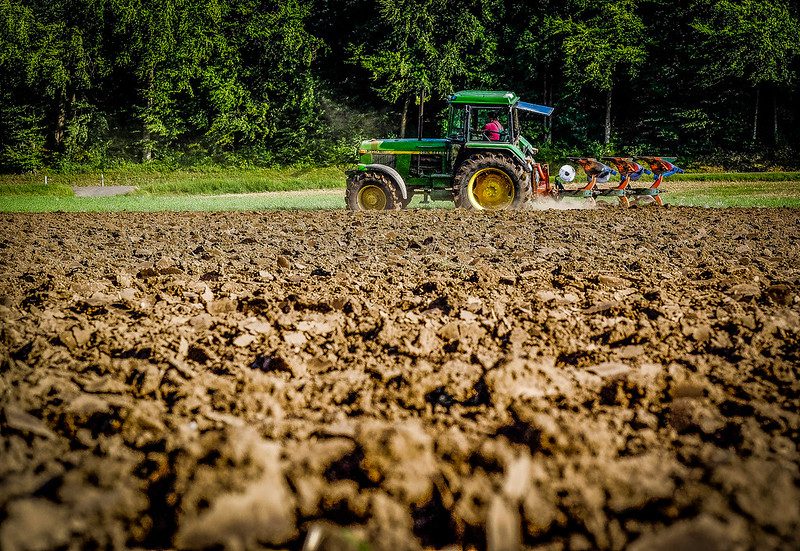
New Farming Technology to End Agricultural PovertyThe most common occupations in impoverished nations are in the agricultural sector. Inventors and mechanics around the world have developed new farming technology that will create sustainable agriculture, thereby saving the jobs of millions of subsistence farmers. This will bring an end to global poverty as impoverished communities will be able to increase their income and contribute to local and national economies.

Building Sustainable Agricultures

Agriculture involves cultivating soil to grow crops and rearing animals for the provision of food, wool and other products. These are some of the most vital commodities in terms of creating profits and the sustainability of mankind.

Many believe farming is a simple profession due to the alleged sustainability of agriculture. This is not the case because the farmlands face many challenges that make them unsustainable. Our food supply relies on the extraction of natural resources, and the methods behind this are what lead to soil erosion. These methods include the utilization of fertilizers and the tilling of the soil.

The implementation of fertilizer is meant to eradicate harmful weeds, insects and fungi that will inevitably grow and spread on all grounds and ruin all the farmers’ hard work. The fertilizer chemicals are known to be the cause of dead zones. These are collapsed aquatic ecosystems that are created when chemical runoff goes to the ocean and creates an excess of nutrients. The nutrients create algae that generate low oxygen and this harms aquatic life. The tilling of the soil puts more oxygen and nutrients that deplete organic matter. This creates a loose soil structure that increases soil erosion and when water washes away the soil the lands are unfit for agriculture.

This unsustainability is why farmers need new technology to move forward.

Drone Technology

Drone technology is one of the solutions for farmers to enhance resource management when the demands of food production rise. These unmanned aerial vehicles use vigorous data analytics to receive successful cognizance in the crops by using GPS coordination. The drones scan large areas of farmland and the scanning determines the proper seeding instructions by taking into account the elevation, slope and improved crop models.

Data collected by the drones can determine the fertility of crops, permitting farmers to reduce wastage and plan irrigation systems. In the event of a natural disaster, the drones can assess the damage in ways that cannot be done manually. This technology’s effectiveness has been proven when drone technology reduced 52% of herbicide use on a soybean farm in Brazil.

The senseFly eBee X maps 1,200 acres of fields with precise images that are analyzed to find weed infestations and thresholds in a matter of hours. The detailed results decide the amount of herbicide needed, thereby preventing overuse. Drone technology is only one of the automatic farming technologies.

AutoCarts

AutoCarts have become the next generation of farmers. Labor shortages that contribute to global poverty can be combated with autonomous farming technology. Operating the tractors and grain carts can be challenging when the help available is the inexperienced and elderly. This is where the AutoCart comes in.

When it is time to empty the grain bin, the self-sufficient tractor is called from an app on a smart device. The tractor controller is reached through a cellular signal with a range of a 900 megahertz radio. Once the tractor comes in range it is placed in “sync mode” with a wifi signal so that the tractor and grain cart can copy the combine’s field maneuvers. After the combine dumps, the tractor and grain cart returns to the origin point.

The technology is meant to autonomously unload while the operator continues to have control. AutoCarts are meant to have a simple function with a switch that toggles between manual and autonomous and the complete kit will have safety systems, equipment hardware and installation instructions.

The new farming technology will make labor simpler, enabling the world’s poor to lift themselves out of poverty. Impoverished nations worldwide are left with no other occupation other than farming and with the limited resources they have, they will need all the help they can get. Traditional farming has its drawbacks with the herbicides harming the environment and the soil becoming unsuitable for farm use. Technological solutions like the GPS-guided drones and automated tractors address these drawbacks by analyzing the acres for genuine planting areas and aiding farmers with hard labor. Through the advancement of new farming technology, agricultural poverty and challenges can be overcome.

– Shalman Ahmed
Photo: Flickr

January 17, 2021
https://borgenproject.org/wp-content/uploads/borgen-project-logo.svg 0 0 Yuki https://borgenproject.org/wp-content/uploads/borgen-project-logo.svg Yuki2021-01-17 01:30:122021-01-15 11:34:08New Farming Technology to End Agricultural Poverty
Global Poverty

Examining Disability and Poverty in France

Examining Disability and Poverty in FranceDisability is affecting 12 million people in France. Limited mobility and sensation not only prevents disabled people from normal daily and professional life but they also lead to a higher risk of poverty. According to Eurostat, disability and poverty in France go hand in hand. In 2018, 21% of the French population over 16 years old with a disability were at risk of poverty or social exclusion, compared with less than 15% of those with no limitation. This considerable gap exists across the European Union, although the proportion of each member state varies significantly. On average, the possibility for a disabled EU citizen to suffer from poverty is about 10% greater than that of their counterparts.

Governmental Policies

In 2018, the French government rolled out a comprehensive and interministerial policy to increase resources available to the disabled population and to improve their living conditions. This policy embraced housing, health, education, work, transport as well as access to culture, sport and recreational activities. In the following five years, the government determined to provide disabled people with a preferential allocation of social housing for rent, develop health prevention among disabled people and enhance the status of healthcare workers and reduce the gap between the unemployment rate among citizens with disabilities and non-disabled people.

Allowance for Disabled Adults (AAH)

Regarding the correlation between disability and poverty in France, the French government has already achieved its 2019 goal of increasing the Allowance for disabled adults (Allocation aux adultes handicapés/ AAH) to €900 per month. AAH is a minimum-income awarded to people over 20 years old with severe disabilities rated by the Committee for the Rights and Self-dependency of Disabled Persons (CDAPH).

A French resident with a disability severity rating of at least 80% can benefit from AAH for a period of one to 10 years, depending on each particular case. For those rated between 50% and 79% with a substantial reduction of access to employment, they are eligible for AAH for one to five years. As of 2020, the maximum AAH is €902.70 per month, with annual income ceilings of around €11,000 for a person living alone and around €20,000 for a couple.

Facilities and Mobilities

French law requires that all new buildings and existing public buildings must be adapted and accessible to people with disabilities. The transformations have to take some time, yet large cities such as Paris and Lyon and some popular touristic regions have become much more accessible in recent years. For example, all buses in Paris are now equipped with platforms facilitating passengers with limited ability to get on and off more easily. Additionally, any disabled resident of France can request a carte mobilité inclusion (CMI) that grants them priority access to seating in public transport and free parking.

Although the government and social organizations are taking various actions to improve the well-being of people with disabilities and poverty in France, the current situation is hardly satisfying. Joncour, a 19-year-old university student and non-verbal autistic, complains that the departmental home for people with disabilities (MDPH) can only grant him three hours a day of subsidized personal assistance. The remaining hours cost the family about €1,000 per month so that he can go to class and have a normal life like his peers. This expense has enormously impacted the daily life of the family and sadly drove them to a precarious position. There is still a long way to go to improve the living standards of those with disabilities and poverty in France. Hopefully, after the five-year term of the new policies, the living conditions of disabled people will significantly improve in France.

– Jingyan Zhang
Photo: Flickr

January 17, 2021
https://borgenproject.org/wp-content/uploads/borgen-project-logo.svg 0 0 Yuki https://borgenproject.org/wp-content/uploads/borgen-project-logo.svg Yuki2021-01-17 01:30:042021-01-13 18:07:38Examining Disability and Poverty in France
Global Poverty

Tackling Poverty: The Role of Industries in Saba

Industries in SabaSaba is a small, Dutch island in the Caribbean with a population of only about 2,000 people. Though small, the island is diverse. The citizens of the island are European, African and Spanish descendants, and Dutch, English, Spanish and Papiamento (a mixture of Portuguese, Spanish, English, Dutch, African languages and other influences) are all widely spoken. The residents of the tiny island are so connected that there is hardly any crime. However, the people of Saba do face other challenges, such as poverty. One way to combat poverty is to improve the industries in Saba.

Poverty in Saba

Sabans who grew up in poverty often have trouble combating it as adults. As they begin to transition into adulthood, some face mental problems due to a stressful home environment, food insecurity and/or lower-quality housing. Poor children are also more likely to fall behind in school, making them less employable as young adults. The European Netherlands provides a variety of resources for the Dutch youth to help those most challenged to succeed. However, the Dutch government does not always extend the same resources to Dutch-Caribbean youth.

Along with the young, the elderly in Saba also face poverty. The Dutch government provides retired Dutch-Caribbean people with a benefit similar to a pension. However, this payment is less than what it would be if they lived in Europe. Additionally, necessities are nearly twice as expensive on the islands as they are on the mainland. Since the elderly often don’t have the option to pick up another job, some struggle to purchase essentials, such as groceries.

Agriculture in Saba

One of the big industries in Saba is agriculture. As this industry expands, it will hopefully provide resources and opportunities for the Saban people. One of the factors contributing to the growth of agriculture is the COVID-19 pandemic. This global crisis has created a higher demand for agriculture, as food imports are limited. Sabans hope that this increase in local food production will be permanent because the expansion of this industry creates jobs and allows Sabans to have more fresh and healthy food options.

Tourism in Saba

One of the most rapidly growing industries in Saba is tourism. Mostly American and European tourists are beginning to recognize Saba as an ideal vacation spot with its beautiful views, low crime rate, great hiking spots and peaceful atmosphere. Up until the 1940s, Saba had no roads, as many engineers claimed it would be impossible to build a road on the mountainous terrain. Saba didn’t complete “The Road” (the main road connecting the two sides of the island) until the late 1950s. In 1963, Saba opened up its first airport, which famously holds the title of “shortest runway in the world.” In the 1980s, Saba’s tourism industry began to grow, creating new opportunities for the Saban people. Saba closed to tourists as a response to the pandemic but began to re-open in October.

Looking Forward

Both agriculture and tourism are industries in Saba that have the potential to alleviate poverty on the Dutch island. The agriculture industry will hopefully improve food security and provide jobs. Meanwhile, the tourism industry will generate revenue for the island while also creating employment opportunities. Between these industries and other thriving sectors of the economy, Saba’s future looks bright.

– Jillian Reese
Photo: Flickr

January 16, 2021
https://borgenproject.org/wp-content/uploads/borgen-project-logo.svg 0 0 Yuki https://borgenproject.org/wp-content/uploads/borgen-project-logo.svg Yuki2021-01-16 07:40:222024-05-30 07:55:51Tackling Poverty: The Role of Industries in Saba
Global Poverty

Bt Cotton Fights Poverty in Pakistan

Bt Cotton Can Fight Poverty in PakistanThe Islamic Republic of Pakistan was founded in 1947 following the partition of the British Indian Empire. It borders India to the east, Afghanistan and Iran to the west, China to the north and the Arabian Sea to the south. In 2020, Pakistan was the fifth-largest country in the world in terms of population. Poverty in Pakistan is a longstanding issue, but significant progress has been made in the 21st century. Between 2001 and 2015, the poverty rate in Pakistan fell from 64.3 to 24.3%. The rise of the Bt cotton strain may prove successful in reducing poverty in Pakistan.

The Success of Agriculture

Agriculture is one of the largest sectors of the Pakistani economy, accounting for 26% of GDP in 2015. Pakistan has historically made use of GMOs in order to successfully boost agricultural production. During the 1960s, the Green Revolution in Pakistan saw increased public funding for agricultural development to transform wheat production. In recent years, the emergence and widespread use of Bt cotton demonstrate a clear ability to accelerate efforts to reduce poverty in Pakistan.

Bt Cotton and Poverty

Cotton is currently one of the major crops that Pakistan grows. The largest threat to its cultivation is its susceptibility to pests. Pakistan has traditionally relied on pesticides to combat pests and protect yields. However, the emergence of GMOs in recent years presents another potential tool. Bt cotton is a genetically modified strain of cotton that is seeing widespread use in Pakistan.

In 2008, before the requisite cotton technology became commercially available in the country, an estimated 60% of cotton farmers chose to plant the strain. Seeds were available mainly as smuggled goods from India. Results during this early use proved generally positive, indicating the potential of Bt cotton to reduce poverty in Pakistan. In 2008, estimates indicated that cotton yields were higher by 50 kilograms per acre for farmers adopting this strain. The modified strain could aid significantly in the increase of household income among adopters.

Positive Effects of Bt Cotton

The use of Bt cotton has increased in prevalence since this early adoption. As more and more farmers adopt this cotton strain as an alternative to continental cotton strains, the positive effects remain consistent. Between 2015 and 2017, household income and profit both proved to be higher among adopters of Bt cotton and still increases from year to year. The positive effects of the cotton demonstrate the potential for the reduction of poverty in Pakistan. Currently, small-scale farmers benefit the most from the adoption of Bt cotton relative to medium and large-scale farmers.

Still, small-scale farmers face the largest barriers to adoption as they often lack the capital necessary to adopt and implement new farming techniques and technologies. Increasing the availability of Bt cotton to farmers who would most benefit from its adoption could prove a significant step in the bid to reduce poverty in Pakistan.

– Haroun Siddiqui
Photo: Flickr

January 16, 2021
https://borgenproject.org/wp-content/uploads/borgen-project-logo.svg 0 0 Yuki https://borgenproject.org/wp-content/uploads/borgen-project-logo.svg Yuki2021-01-16 07:31:172024-05-30 07:55:31Bt Cotton Fights Poverty in Pakistan
Global Poverty

G20 Pledges to Support the Global Economy

G20 Initiatives to Support the Global EconomyThe G20 is a group of 20 leading nations (19 countries and the European Union) that gather for high-level discussions on macro-financial, socio-economic and development issues on a global scale. Together, they comprise almost 90% of global GDP and 80% of global trade. This year, the G20 summit will be held from November 21-22, in Riyadh, Saudi Arabia.

Supporting the Global Economy Amid COVID-19

This October, the G20 highlighted the importance of prioritizing the global fight against COVID-19 and doing “whatever it takes” to support the global economy. As part of their plan to bring COVID-19 under control, the G20 has pledged to invest upwards of $5 trillion to support the global economy. This is in response to the widespread economic consequences of the pandemic and subsequent lockdowns.

The U.N. has previously spoken out about the importance of the G20 coming together to develop a plan for tackling the novel coronavirus. In March 2020, the U.N. Secretary-General António Guterres addressed the G20 directly in New York, saying that “solidarity is essential, among the G20 and with the developing world, including countries in conflict.” He added that the pandemic requires a “war-time plan to fight it.”

“While the liquidity of the financial system must be assured, our emphasis must be on the human dimension. We need to concentrate on people, keeping households afloat and businesses solvent, able to protect jobs,” Guterres continued.

Guterres also called for debt relief, economic and social support to developed countries and a stimulus package.

Solutions to Support the Global Economy

To support the global economy as a whole, the G20 will likely be required to heed the aforementioned requests from the U.N. Additionally, economic forecasts show that developing countries are at much greater risk of economic anxiety due to the socio-economic effects of the novel coronavirus pandemic, in contrast to developed countries which are already showing signs toward economic recovery.

The G20 has now also agreed for the first time on a “Common Framework” to handle low-income countries facing debt, which is a monumental step forward for global debt relief. This framework is expected to be finalized at the November meeting.

Kristalina Georgieva, the managing director of the IMF has commented on this achievement. “I am encouraged by G20 discussions on a Common Framework for Sovereign Debt Resolution as well as on our call for improving the architecture for sovereign debt resolution, including private sector participation,” said Georgieva on October 15, 2020.

The G20 has also agreed to extend the Debt Service Suspension Initiative (DSSI) by six months. This means it will now freeze official bilateral debt payments until the end of 2020. The G20 has also stated that another six-month extension will be considered in April. This is significant progress from the G20’s past stance regarding the global debt agenda.

– Katherine Musgrave
Photo: Flickr

January 16, 2021
https://borgenproject.org/wp-content/uploads/borgen-project-logo.svg 0 0 Lynsey Alexander https://borgenproject.org/wp-content/uploads/borgen-project-logo.svg Lynsey Alexander2021-01-16 07:30:062024-05-30 07:55:32G20 Pledges to Support the Global Economy
Global Poverty

The Effects of Fast Fashion in West Africa

The Effects of Fast Fashion in West AfricaIn Accra, Ghana, landfills of rotting garments flood dumpsites. The place is overwhelmed with the results of fast fashion that no longer serves a purpose—but to take up space. In 2018, the United Kingdom’s interest in fast fashion has resulted in as many as 300,000 tons of clothing to be sent to landfills. This has resulted in the Kpone landfill being one of the main targets for the landfills in Accra. With the capacity of the landfills being quickly met, sanitation risks come into play. Residents of places like Kpone are now dealing with the blow of disease and solutions are needed to address the effects of fast fashion in West Africa.

What is Fast Fashion?

Fast fashion is the creation of quickly made cheap clothes that aim to fit the ever-changing trend of fashion. These clothes are likely to be advertised on Instagram and by retailers, such as Zara, BooHoo or ASOS. A majority of its operations are online and due to the popularity, 24% of all U.K. apparel sales were online in 2018. The continuous growth of the fashion industry has resulted in an expansion of landfills being filled with tossed clothing that no longer fit the trend. According to studies, the U.K. sends 10,000 items of clothing to landfills every five minutes, with places like Accra being overflooded.

The Kpone Landfill

In 2013, Accra’s most prominent landfill in Kpone opened. It served the purpose of receiving 700 tons of waste daily. The Accra Metropolitan Assembly (AMA), the local government, has also allocated the pick up of 70 tonnes of clothing waste from Kantamanto, Accra, daily.

This process began in 2016 and four years later Kpone is now overflowing with waste. However, despite Kpone receiving Kantamanto’s clothing waste, most of it does not reach the landfills and instead gets swept into gutters due to AMA’s inability to finance transportation for the waste.

Risks of Fast Fashion

Clothing waste tends to get tangled up in big knots that clutter up gutters and stop the flow of water and waste. These tangled messes lead to life-threatening floods and the spread of diseases such as malaria and cholera, which are especially devastating to the poor. The waste is leading to fatalities.

Kayayei, female transporters for waste, live near landfills in Old Fadama, Accra. These women breathe in the toxic air and carry up to 200 pounds of clothing to transport to retailers. It is not uncommon for these women to die by the weight they carry while on their travels, which could be up to a mile long. The sad reality of this is that women are risking their lives for less than a dollar to transport waste.

Efforts Being Made to Address Fast Fashion in West Africa

As of 2020, 7,800 men and women have worked toward the goal of collecting and recycling the waste in Kpone. These waste pickers are paid for their efforts and the work serves as a key survival tactic for those struggling to find employment. Approximately, 60% of recyclable waste has been collected by these workers.

However, despite the workers’ efforts being beneficial they are often looked down upon and are regularly met with harassment. Also, poor sanitation from the landfills put waste pickers at risk for health hazards. Yet, mobilizations among these workers have become common in recent times. International waste pickers associations have worked to have the local government in Kpone establish health posts near landfills and enforce sanitation rights.

The Future of Fast Fashion

The COVID-19 pandemic seems to have brought fast fashion to a halt. Christian Orozco, an associate of The OR Foundation, is optimistic about the future of fast fashion amid the pandemic. “The coronavirus has forced retailers that support fast fashion to close down their stores. This creates a big impact on the distribution of clothes and can slow it down,” explains Orozco.

Fewer people are purchasing clothing online due to the question of when they will be able to wear them out. Places like H&M, a huge retailer for fast fashion, have also been affected by COVID-19, leading to the closing of 250 stores worldwide. Additionally, clothing sales altogether have dropped by 34%, bringing forth the question of how the future of fast fashion will impact regions like West Africa.

– Ashleigh Jimenez
Photo: Flickr

January 16, 2021
https://borgenproject.org/wp-content/uploads/borgen-project-logo.svg 0 0 Lynsey Alexander https://borgenproject.org/wp-content/uploads/borgen-project-logo.svg Lynsey Alexander2021-01-16 01:30:312021-01-14 16:21:50The Effects of Fast Fashion in West Africa
COVID-19, Global Poverty

How Indigenous Australians’ COVID-19 Response Averted Disaster

How Indigenous Australians’ COVID-19 Response Averted DisasterWhen the COVID-19 pandemic reached Australia, Indigenous Australians looked poised to be disproportionately affected. They statistically suffer from higher rates of known COVID-19 risk factors, such as obesity. In fact, 15.6% of Indigenous Australians have three or more chronic diseases. On top of physical risk factors, higher rates of poverty and underdeveloped health care, especially in rural areas, meant that if COVID-19 spread to many indigenous communities, the infrastructure was insufficient to combat it. Yet, COVID-19 rates for Indigenous peoples remain far below Australia’s national average. Learning from past mistakes, national health officials deferred to Indigenous leaders. The leaders made sure Indigenous Australians’ COVID-19 response was actually tailored to their own communities.

H1N1

In 2009, the H1N1 virus, known as the swine flu, hit Indigenous communities hard. Indigenous Australians, who include both Aboriginal Australians and Torres Strait Islanders, constitute 2.5% of Australia’s population. However, they made up 11% of swine flu cases. Additionally, they suffered from a death rate six times higher than the national average. The health gap between white and Indigenous people in Australia has long been a problem. The government launched the “Close the Gap campaign” in 2007.  This campaign aims to bring the average lifespan of Indigenous peoples up to par with that of white Australians (71.6 and 75.6 years for Indigenous men and women compared to 80.2 and 83.4 years). The H1N1 virus clearly illustrated how large the healthcare gap really is. As of 2020, the campaign is not on the schedule to bridge this gap by its target date of 2031.

Community Leadership

What has been lacking in the unsuccessful efforts to strengthen healthcare for indigenous Australians is sufficient input from Indigenous leaders. As the lead economist at the Australia Institute Richard Denniss put it, “It is far more effective from an economic point of view to give Indigenous Australians the power to take control of the policies that affect them.” In addition to training sufficient medical personnel in rural areas, programming was key to informing communities about the dangers of COVID-19 and the necessary precautions to stop it. Indigenous Australians’ COVID-19 response stood to be most effective when led by Indigenous Australians. The Aboriginal Health Council of Western Australia shared videos on social media about the importance of health check-ups and social distancing. The videos use Indigenous people and Aboriginal Australian English. The Derbarl Yerrigan Health Service regularly broadcasts COVID-19 information using Aboriginal radio stations that reach remote and rural communities.

Results

While programming may seem trivial compared to actual testing and medical infrastructure, Indigenous Australians currently have COVID-19 at a rate six times lower than non-indigenous Australians. The Aboriginal and Torres Strait Islander Advisory Group reported 146 cases in the indigenous community. Of these, only about 25% were in rural communities. Some remote aboriginal communities, such as Yakunytjatjara Lands in Queensland, closed their borders at the beginning of the pandemic. Due to these measures, Indigenous Australians’ COVID-19 response has largely been successful at keeping the virus at bay from remote communities where medical infrastructure is especially scarce.

Indigenous Australians have defied expectations largely through community tailored information and, in rural communities, exercising their sovereignty. As Indigenous populations worldwide struggle with COVID-19, Indigenous Australian’s COVID-19 response is a positive example to emulate.

– Adam Jancsek
Photo: Flickr

January 16, 2021
https://borgenproject.org/wp-content/uploads/borgen-project-logo.svg 0 0 Kim Thelwell https://borgenproject.org/wp-content/uploads/borgen-project-logo.svg Kim Thelwell2021-01-16 01:30:032021-01-12 13:01:32How Indigenous Australians’ COVID-19 Response Averted Disaster
Page 874 of 2180«‹872873874875876›»

Get Smarter

  • Global Poverty 101
  • Global Poverty… The Good News
  • Global Poverty & U.S. Jobs
  • Global Poverty and National Security
  • Innovative Solutions to Poverty
  • Global Poverty & Aid FAQ’s
Search Search

Take Action

  • Call Congress
  • Email Congress
  • Donate
  • 30 Ways to Help
  • Volunteer Ops
  • Internships
  • Courses & Certificates
  • The Podcast
Borgen Project

“The Borgen Project is an incredible nonprofit organization that is addressing poverty and hunger and working towards ending them.”

-The Huffington Post

Inside The Borgen Project

  • Contact
  • About
  • Financials
  • President
  • Board of Directors
  • Board of Advisors

International Links

  • UK Email Parliament
  • UK Donate
  • Canada Email Parliament

Get Smarter

  • Global Poverty 101
  • Global Poverty… The Good News
  • Global Poverty & U.S. Jobs
  • Global Poverty and National Security
  • Innovative Solutions to Poverty
  • Global Poverty & Aid FAQ’s

Ways to Help

  • Call Congress
  • Email Congress
  • Donate
  • 30 Ways to Help
  • Volunteer Ops
  • Internships
  • Courses & Certificates
  • The Podcast
Scroll to top Scroll to top Scroll to top