 Human trafficking is a persistent problem all around the world, including in the Hong Kong Special Administrative Region located in the People’s Republic of China. The Justice Centre Hong Kong produced a study in 2016 on human trafficking in Hong Kong and it was found that one in six of the 370,000 migrant workers in the city were forced labor victims. While Hong Kong does take steps to eradicate human trafficking, it is important to study human trafficking in every region of the world so that it can be prevented in the future.
Recent Changes and Legislation
Lawmakers in Hong Kong proposed that the government pass an anti-slavery bill based on Great Britain’s “Modern Slavery Act.” However, two of those lawmakers, Dennis Kwok and Kenneth Leung, were removed from Parliament, leaving many questioning whether the bill would ever get passed. A member of The Mekong Club, a group in Hong Kong dedicated to fighting modern slavery said, “There is little chance that this important bill will move forward.” This, in conjunction with the current protests in Hong Kong likely means that lawmakers have had little time to focus on anti-human trafficking legislation.
Another recent development on human trafficking in the nation is that in mid-2020 the U.S. demoted Hong Kong from Tier 2 on the Trafficking in Persons Report to Tier 2 Watch List, suggesting that Hong Kong “does not fully meet the minimum standards for the elimination of trafficking.” The government of Hong Kong disputed the U.S. human trafficking report’s claims, arguing that the report was not based on evidence and looks at minor flaws rather than the big picture.
Hong Kong’s Approach to Resolving Human Trafficking
One problem with the nation’s current anti-human trafficking legislation is that the city only defines human trafficking as “involving cross-border sex trafficking for prostitution,” which means the legislation does not cover “labor exploitation, debt bondage, domestic servitude or similar practices.” Unfortunately, the legal system can make it difficult for those who are trafficked in Hong Kong to get the help they need or support from legal authorities.
While anti-human trafficking laws could be amended, lawmakers and academics have shown there are creative solutions to the problem. Reed Smooth Richards Butler, a law firm, worked with Liberty Asia, an anti-slavery charity, to create the Legal Gap Analysis report, which explains how other laws can be used to persecute human traffickers. For example, individuals responsible could be arrested for false imprisonment rather than human trafficking directly. Creative efforts like these are important to find solutions to salient issues, including the trafficking of people.
Protecting Human Rights
While the government can certainly improve its response to human trafficking in Hong Kong, the country has implemented many measures to help reduce human trafficking and protect human rights. Human trafficking needs addressing and analyzing the nuances in human trafficking policy can help incapacitate the industry globally.
– Madelynn Einhorn
Photo: Flickr
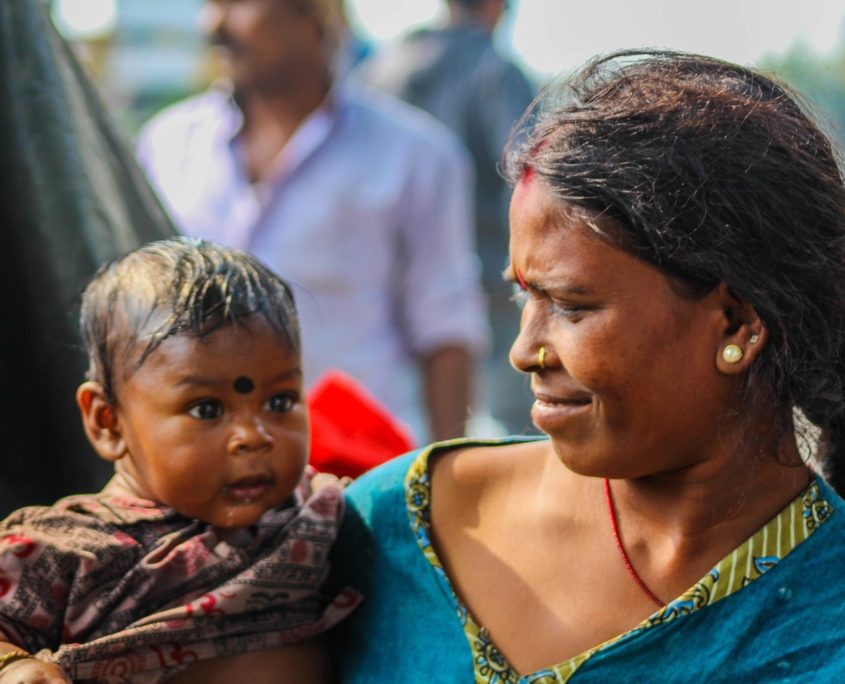 It is hard to imagine how giving birth can be fatal to so many women around the world. However, even in 2021, maternal mortality remains a significant issue, especially in developing countries where modern medicine is scarce and medical facilities are not easily accessible. Fortunately, these maternal mortality rates have been dropping all over the world, especially in Laos.
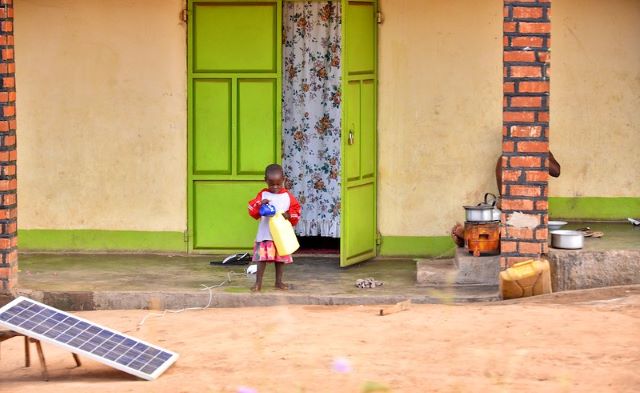 As of 2016, it was estimated by the World Bank that
 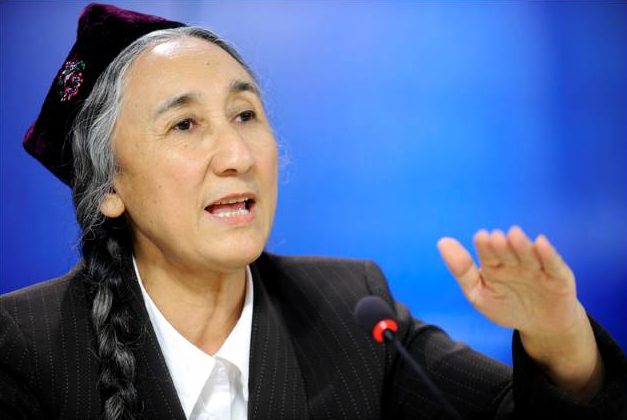 Forced labor stemming from human rights violations in the Xinjiang province of China has been linked to at least 83 major corporations. In a report released by the Australian Strategic Policy Institute (ASPI) in February 2020, companies such as Nike, Gap, H&M, Apple, BMW, Gap, Huawei, Samsung, Sony and Volkswagen all have connections to the use of forced Uyghur labor in China. The
  As the COVID-19 pandemic continues to stretch across the globe, all areas of the world have been impacted in various capacities and have been approaching the virus in numerous ways. With growing numbers and many hospitals at full capacity, innovation and new technology become a much-needed crutch. In early March of 2020, the virus began to spread in Afghanistan and the cases steadily increased to almost 1,000 new cases in early June. As of December 2020, Afghanistan had


 Nagorno-Karabakh is a region in the country Azerbaijan and is home to an Armenian majority. While the region is within Azerbaijan’s borders, Armenia has claimed the region for itself. The first intense conflict between Armenia and Azerbaijan over the Nagorno-Karabakh region was in 1988 when the Soviet Union was nearing the end of its existence. Recently,
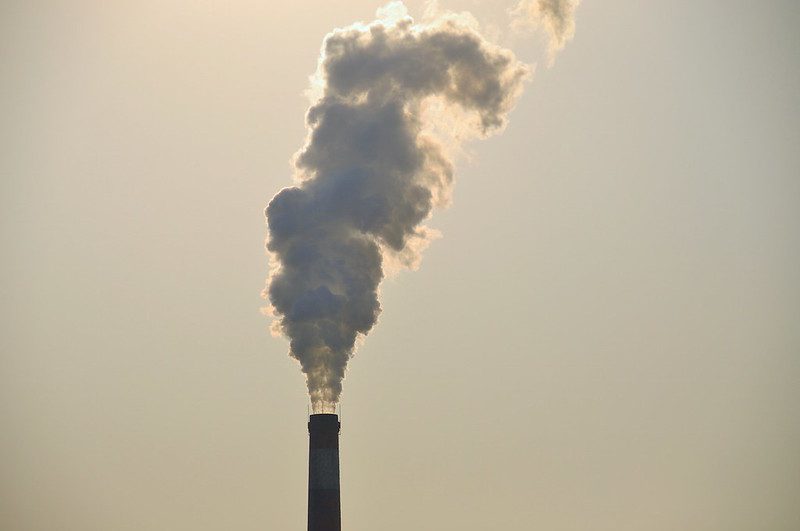 Air pollution is disproportionately affecting the health and well-being of people living in poverty, according to a recent report by the