
The Republic of South Sudan is a nation that has continuously dealt with longstanding conflict and instability. As a result, conflict-related, sexually violent crimes throughout the country have had an unwavering presence while human trafficking in South Sudan is also prevalent. The United Nations Mission in South Sudan (UNMISS) documented 224 cases of sexual violence affecting 133 women, 19 men, 66 girls and six boys in 2019. Past violent incidents in the country, taking place between 2014 and 2018, affected 55 women and 26 girls, according to the Conflict-Related Sexual Violence Report of the United Nations Secretary-General.
The Republic of South Sudan has yet to make significant progress in eliminating the human trafficking problem that threatens the country. This has caused the nation to remain in the Tier 3 category according to the United States Department of State’s Trafficking in Persons report for 2020. Countries that fall within the Tier 3 category risk possible restrictions and the loss of U.S. assistance. The following are five facts about human trafficking in South Sudan that can help motivate action, as well as raise awareness of the threats and dangers that so many throughout the country experience.
5 Facts About Human Trafficking in South Sudan
- Traffickers most frequently sexually exploit women in South Sudan’s capital–Juba–as well as Nimule, a city in the country that borders Uganda. Beyond this, South Sudanese women and girls are vulnerable to domestic servitude throughout the country. It is not uncommon for male occupants of the household to sexually abuse the women of the house or force them to engage in commercial sex acts.
- Both domestic and foreign victims are at risk of human traffickers exploiting them in South Sudan. Organized networks of traffickers cut across North, Central and East Africa and leave East African migrants and those transiting through South Sudan vulnerable to abduction, sex trafficking and forced labor.
- Orphaned children in South Sudan experience an increased risk of trafficking and other forms of sexual exploitation. For example, unaccompanied minors in refugee camps or internally displaced children are particularly in danger of traffickers abducting them.
- Some factors prevent victims from reporting traffickers. Internal factors such as social stigma and fear of punishment can often discourage victims of trafficking from reporting the crimes and transgressions that traffickers committed against them to the government’s law enforcement officers.
- The government of the Republic of South Sudan thus far has had limited success in implementing proper strategies to address the dangers of human trafficking. Increasing the rule of law and ensuring that investigations translate into arrests and prosecutions is just one step the government must take to eliminate its trafficking problem. As the Conflict-Related Sexual Violence Report of the United Nations Secretary-General noted, “Strengthening the capacity of national rule of law institutions is critical in order to advance credible and inclusive accountability processes for past crimes, as well as for prevention and deterrence of future crimes.”
Looking Ahead
Despite persistent challenges, progress in combating the human trafficking problem in the Republic of South Sudan occurred in 2019. With support from the United Nations Mission in South Sudan, over 700 officers of the South Sudan People’s Defence Forces, as well as 150 SPLA-IO/RM (the pro-Riek Machar Sudan People’s Liberation Army in Opposition) officers, received training focused on legal frameworks prohibiting the use of sexual violence. The SPLA-IO/RM also issued four command orders, with one of these orders instructing its commanders to form committees to investigate cases of sexual violence.
UNMISS continues to work with local commanders to encourage the release and referral of abducted women and children to appropriate support structures. Political advocacy is persistent and ongoing to secure the release of all female and child trafficking victims and reduce human trafficking in South Sudan.
– Elisabeth Petry
Photo: Flickr

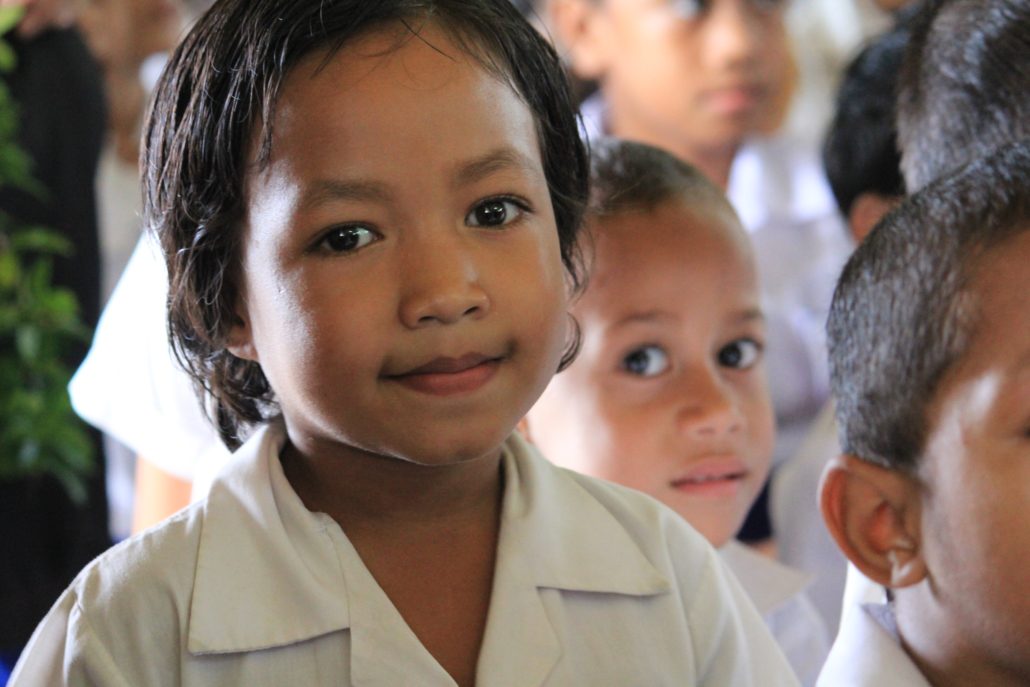
 Often when we think of the sub-Saharan region of Africa, we associate it solely with the conflict and tragedy that has burdened it for the majority of recent history. According to research done in 2019, there were
 The new
  Latin America is a vast region with diverse weather, geography, culture and foods. Each year, millions of tourists flock to Latin America to enjoy its natural beauty. A vacation haven, tourism in Latin America is a driving force for economic development in the region. Furthermore, tourism in Latin America reduces poverty.
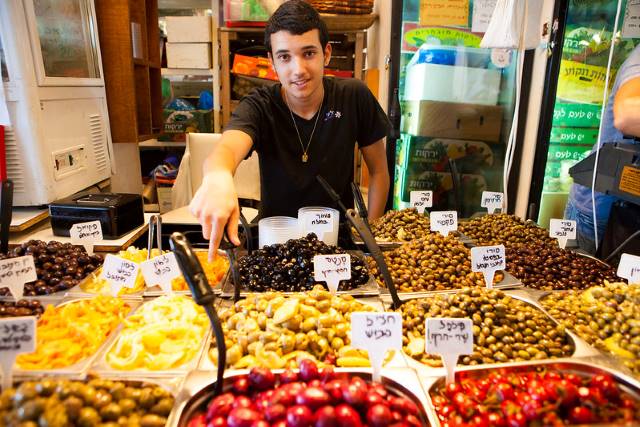 It is an indisputable fact that everyone needs food for survival. Even further, everyone needs enough nutritious food to truly thrive. That being true, the reality is that not everyone gets enough high-quality, nutritious food yet significant amounts of food are thrown away daily. This dilemma is present globally and Israel is no exception. Food waste and food insecurity in Israel is a growing problem, but one organization, Leket Israel, is working to address both.
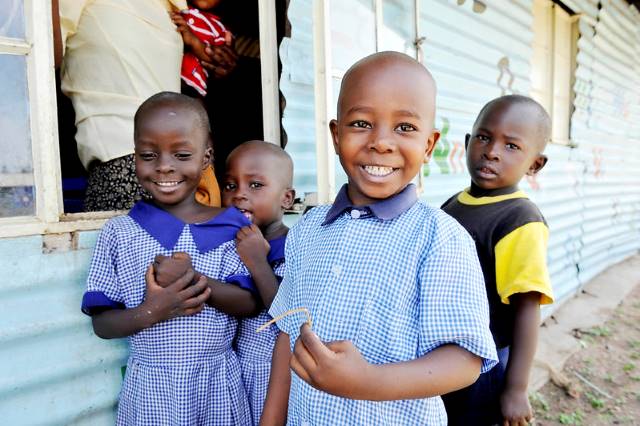 Organizations like UNICEF and ACAKORO have been providing educational resources to Kenyan students despite the immense difficulties in the country due to COVID-19 and 2020’s locust invasion. On March 15, 2020, the Kenyan Government forced schools to shut down due to COVID-19. Due to school closures, millions of students risk losing out on education during the pandemic. Organizations stepped in to provide resources, remote learning services and sanitation facilities to vulnerable children in Kenya.