• Link to X
  • Link to Facebook
  • Link to Instagram
  • Link to TikTok
  • Link to Youtube
  • About
    • About Us
      • President
      • Board of Directors
      • Board of Advisors
      • Financials
      • Our Methodology
      • Success Tracker
      • Contact
  • Act Now
    • 30 Ways to Help
      • Email Congress
      • Call Congress
      • Volunteer
      • Courses & Certificates
      • Be a Donor
    • Internships
      • In-Office Internships
      • Remote Internships
    • Legislation
      • Politics 101
  • The Blog
  • The Podcast
  • Magazine
  • Donate
  • Click to open the search input field Click to open the search input field Search
  • Menu Menu

Archive for category: Global Poverty

Key articles and information on global poverty.

Children, elderly poverty, Global Poverty

Everything To Know About Poverty in Bulgaria 

Poverty in BulgariaFor a substantial portion (approximately 21.7% or 1.5 million in 2024) of Bulgaria’s population, poverty is an inescapable reality. Vulnerable citizens, especially Romani people, are born into families with little access to basic needs, such as education, housing and employment, further maintaining the cycle of systemic inequality. Recently, however, the nation’s government and nonprofits have been taking measurable steps toward a brighter outlook by reducing the risk of poverty for more than 1 million individuals since 2015. Understanding poverty in Bulgaria starts with recognizing who is experiencing the most impact and why the hardships persist, and the actions organizations are taking to alleviate the conditions of poverty in Bulgaria.

Who Faces the Greatest Risk

The effects of poverty disproportionately impact children and Romani communities. About 28.2% of Bulgarian minors were at risk of poverty in a 2024 report; four-fifths of them were born into households with parents who had not completed more than ISCED Level 1 education. Systematic inequality continues to affect Romani peoples’ access to basic needs unduly. The income inequality is especially notable, as the region with the lowest GDP per capita in the European Union, Severozapaden, also reports the lowest life expectancy.

Numerous interconnected factors have been maintaining this state of affairs, and their consequences are evident. While average wages and the poverty line have increased in recent years, they remain among the lowest in the EU. Individuals working in low-value-added industries (agriculture, most commonly) struggle most with poverty in Bulgaria. Due to low birth rates and emigration, Bulgaria’s population has dropped by nearly 25% since 1990. While rural communities are most subject to depopulation and low investment, economic growth remains concentrated in Sofia.

Social Transfers and EU Cohesion Funds

To support the impoverished, several government and NGO interventions have been implemented and are underway. Pensions, child allowances and other governmental social transfers are serving hundreds of thousands of households that were previously facing the predicament of whether to cut back on essentials in order to provide their children with food and school supplies. Such transfers decreased the likelihood of child poverty by 13.6 percentage points in 2023. Funding from the EU is especially important in facing regional imbalances and persistent poverty. The EU Cohesion Policy for 2021–2027 continues to support the improvement of infrastructure, as well as increased employment opportunities and vocational training. Additionally, billions of leva have been allocated by the Human Resources Development Programme to promote entrepreneurial activity, fund improved childcare and train employees. According to the Ministry of Labour and Social Policy, hundreds of thousands of Bulgarians have completed the training.

An NGO’s Impact

According to the European Anti-Poverty Network (EAPN), Bulgaria not only advocates for fairer wages and more inclusive social policies, but also directly assists households during energy crises. Thousands of families received such energy assistance, according to the EAPN’s 2023 Poverty Watch. The group has demanded that the government raise the minimum wage and pension, tax more equitably and guarantee that all disadvantaged populations receive proper support.

Looking Ahead

Bulgaria is moving towards the goal of leaving no one behind, thanks to national transfers alleviating child poverty, EU cohesion funds increasing access to education and jobs and civil organizations supporting vulnerable households. The most critical first step that is needed in the fight against inequality is the recognition that an issue as widespread as poverty affects millions of lives that have untold potential.

– Clara Garza

Clara is based in Los Angeles, CA, USA and focuses on Global Health and Politics for The Borgen Project.

Photo: Wikimedia Commons

October 30, 2025
https://borgenproject.org/wp-content/uploads/borgen-project-logo.svg 0 0 Jennifer Philipp https://borgenproject.org/wp-content/uploads/borgen-project-logo.svg Jennifer Philipp2025-10-30 07:30:262025-10-30 02:49:32Everything To Know About Poverty in Bulgaria 
elderly poverty, Global Poverty, Health

Elderly Poverty in Togo: The Fight for Dignity and Support

Elderly Poverty in TogoElderly poverty in Togo is a serious and often overlooked issue. Public discussions usually center on youth employment or general health, leaving out many older citizens, especially those who worked in informal jobs without retirement benefits. This article looks at the institutional and social factors behind elderly poverty in Togo and shows how reforms and local efforts can help restore dignity and support for this vulnerable group.

The Structural Drivers of Exclusion

The main reason many older people are poor is that the formal social security system leaves them out. More than 86% of Togolese workers are in the informal sector, and they do not have access to the National Social Security Fund (CNSS) retirement system. As a result, only about 20% of elderly people get a formal pension. This means that almost four out of five older citizens do not have a secure income in retirement. The problem is even worse in rural areas, where nearly 59% of people live in poverty.

Health Care Crisis: A Universal Gap

The income crisis is made worse by major problems in health care. More than 91% of elderly people do not have reliable health insurance. This lack of insurance significantly affects their overall well-being, contributing to multidimensional poverty. Health insecurities intersect with income disparities to limit their access to essential services and weaken their social voice and agency. When medical emergencies happen, families often have to spend their limited savings on care, which keeps the cycle of poverty going from one generation to the next. Without addressing these interconnected issues, focusing solely on income support will leave human development efforts incomplete.

Research in Lomé shows that more than half of older adults living in the community report poor health, and many have chronic illnesses. Because so few have insurance, there is an urgent need for policy changes to reduce suffering and financial hardship.

Government Action and Policy Impasse

The Togolese government recognizes the importance of universal coverage and has begun expanding social safety nets. During the COVID-19 pandemic, the Novissi program used mobile money to send targeted cash transfers to people in need. This showed that the country can deliver broad and efficient support, setting an example for future programs.

Local activists are lobbying the government to transition this successful model into a permanent, unconditional cash transfer program targeting the extremely poor and vulnerable. The government is also working to compile a Unified Social Registry and provide biometric identification to all citizens, which are indispensable steps for an accurate, scaled-up cash transfer policy.

However, progress toward universal coverage is stalled because there is no decision yet on how to fund the Assurance Maladie Universelle (AMU) for the most vulnerable people. Policymakers need to choose whether to fund this insurance through taxes, worker contributions or both. This choice will decide if the poorest people remain excluded.

Community Resilience: Local Safety Nets

Since there is no comprehensive safety net, community-led groups play a key role in providing financial and social support. Traditional savings and loan cooperatives, called tontines or Village Savings and Loan Associations (VSLAs), are an important local safety net. In Togo, these cooperatives make up most of the microfinance sector, serving 80% of clients — about 212,000 people — and providing access to credit and savings without requiring collateral. For example, in the village of Tomé, VSLAs with about 25 members help people save money together and take out loans. This allows them to invest in their farms or pay for urgent needs, such as emergencies.

Non-governmental organizations (NGOs) are also helping vulnerable people improve their farming. One project supported people with disabilities and small farmers by drilling additional wells for water and starting new activities, such as beekeeping. This helped about 22,000 people in Togo build a better future.

Looking Ahead

Ultimately, solving elderly poverty in Togo demands a dual strategy: institutionalizing successful digital cash transfers and securing dedicated funding for social benefits to protect the 80% of the elderly population excluded, while continuing to amplify community-led resilience efforts. Securing dignity and support for older citizens is not just a moral duty; it is a critical investment in the nation’s future stability.

– David Kohen

David is based in British Columbia, Canada and focuses on Global Health for The Borgen Project.

Photo: Unsplash

October 30, 2025
https://borgenproject.org/wp-content/uploads/borgen-project-logo.svg 0 0 Jennifer Philipp https://borgenproject.org/wp-content/uploads/borgen-project-logo.svg Jennifer Philipp2025-10-30 07:30:212025-10-30 02:46:02Elderly Poverty in Togo: The Fight for Dignity and Support
Global Health, Global Poverty, Women and Children

Addressing Maternal and Child Health in Burkina Faso

Ongoing Efforts to Address Maternal and Child Health in Burkina Faso Burkina Faso has the 11th-highest child mortality rate in the world. More than 5% of children die before their fifth birthday, and approximately 2% of infants die within their first month of life. Barriers to access to health care include distance to health care facilities, cost of health care, transportation costs, widespread poverty and delayed access to emergency obstetric care. The government is aware of this pervasive issue and has been working alongside other organizations for at least two decades to address the problems.

Displacement and Health Care Disruptions

Insecurity, climatic shocks and COVID-19 led to forced displacements across Burkina Faso. By 2020, more than 1 million people, especially women and children, were deprived of essential health care services due to facility closures, staff shortages and limited resources. Pregnant women delivered their babies in unsafe conditions, children did not receive critical vaccinations, and people with chronic illnesses experienced treatment disruptions.

Health Financing Reforms

Burkina Faso’s Ministry of Health and those who have partnered with it have responded in several ways. The government of Burkina Faso implemented three major health financing reforms to improve maternal and child health:

  • a national subsidy policy for maternity care, which translates to an 80% reduction in health care fees at health centers,
  • a results-based financing scheme,
  • free health care for maternal and child care for those under 5 in all public health facilities.

The result of this endeavor increased health care appointments, decreased household costs, reduced cesarean deliveries and intra-hospital infant mortality.

Training Midwives in Obstetric Ultrasound

In 2021, Burkina Faso’s Ministry of Health introduced a new initiative. The goal was to train midwives in basic obstetric ultrasound during consultations to improve pregnancy monitoring. These ultrasounds help determine gestation date, detect fetal abnormalities, ectopic pregnancies, assess fetal growth and determine the most suitable delivery method. In 2023, 18 midwives were trained. They performed more than 2,000 ultrasounds between January 2024 and March 2025. This led to the identification and management of 10 high-risk pregnancies.

Strengthening Health Systems

A shortage of equipment, staff and supplies also threatens the expansion of this initiative into other districts. In response to this threat, Burkina Faso began a new initiative funded by the Canadian Embassy with the goal of strengthening health care systems in regions of the country most affected by humanitarian crises. The goal was to improve access to primary health care services and provide lifesaving support to those who need it most.

This initiative was successful in that seven health care centers and 24 labs were equipped with essential medicines, medical-technical materials and lab supplies. A total of 371 community-based health workers received training to provide care and strengthen local community networks, including women’s groups. More than 30,000 people were reached, educating them about COVID-19 prevention, available health care services and reproductive health options.

This initiative strengthened disease surveillance and emergency response mechanisms. Health care workers conducted hygiene awareness campaigns using a megaphone and bicycles in remote areas. Since then, women’s groups and community leaders have initiated conversations about family planning and gender-based violence.

A Hopeful Outlook

Burkina Faso demonstrates concern for the well-being of its citizens. These relationships foster optimism and hope for both a better future and maternal and child health in Burkina Faso

– Danielle Milano

Danielle is based in Pineville, LA, USA and focuses on Good News and Global Health for The Borgen Project.

Photo: Unsplash

October 30, 2025
https://borgenproject.org/wp-content/uploads/borgen-project-logo.svg 0 0 Precious Sheidu https://borgenproject.org/wp-content/uploads/borgen-project-logo.svg Precious Sheidu2025-10-30 03:00:212025-10-29 09:56:50Addressing Maternal and Child Health in Burkina Faso
Development, Electricity and Power, Global Poverty

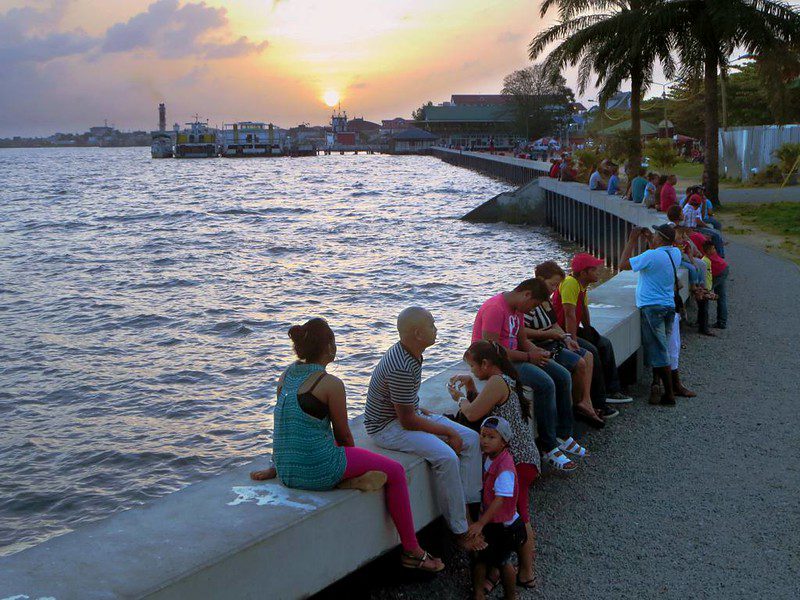
Solar Energy in the Amazon: Lighting up Villages With Electricity

Solar Energy in the AmazonThe Amazon region of Brazil, known as Amazônia Legal, covers nearly 60% of the country’s territory across nine states. Yet, it is home to only about 12% of the population. More than 20 million people live within this vast area, including Indigenous residents, many of whom live in villages disconnected from Brazil’s national power grid. In recent years, both the Brazilian government and nongovernmental organizations (NGOs) have begun investing in solar energy in the Amazon in an effort to bring sustainable electricity to the region.

More Light for the Amazon

In 2020, the Brazilian government launched the “More Light for the Amazon” project, later integrating it with the national Light for All initiative. The program aims to deliver renewable electricity to 228,000 homes by 2026, improving lives, creating opportunities for communities long overlooked and protecting the fragile Amazon environment.

These public policies have been essential for scaling up efforts, especially since NGOs alone often lack the resources to reach every village.

Impacts of Solar Energy in the Amazon

The Indigenous territory of Xingu offers a powerful example of how solar energy in the Amazon is transforming daily life. Today, many households have access to renewable electricity. Although it took more than a decade from the launch of the original initiative, families in Xingu can now switch on the lights and even watch TV, thanks to this clean and renewable energy solution.

Another example of how solar energy in the Amazon is transforming lives can be found in Vila Limeira, a village located within a protected area of the rainforest. The nearest city is 112 kilometers away and the community is reachable only by boat. Before solar power, diesel generators were the residents’ sole source of electricity, an expensive and unsustainable option.

Today, thanks in part to a donation from the Charles Stewart Mott Foundation to the World Wildlife Fund, Vila Limeira operates its own solar grid. Families can now enjoy basic amenities like refrigerators and washing machines, dramatically improving daily life.

Solar energy in the Amazon is transforming daily life and helping remote communities thrive. Renewable power now runs irrigation systems, keeps produce and meat fresh through refrigeration and makes simple tasks, like washing clothes at home, possible. Beyond convenience, solar power has also saved lives.

During the COVID-19 pandemic, communities with access to solar energy could refrigerate vital medications and vaccines while also staying informed with reliable updates on resources and the spread of the virus. This access proved critical in such isolated areas, where reaching a hospital or medical facility is often difficult and time-consuming.

Final Remarks

As Brazil continues to expand public policies that promote solar energy in the Amazon, the results are already proving transformative. Remote villages, once isolated from the national grid, are now writing their own success stories, with renewable power bringing light, refrigeration, communication and opportunity into daily life.

Solar energy has minimal environmental impact, which allows communities to preserve their land and traditions while also strengthening local economies. Most importantly, it provides the foundation for future generations to thrive, with improved access to education, health care and the tools needed to build a more sustainable and equitable future.

– Fernanda Nilson

Fernanda is based in North Charleston, SC, USA and focuses on Technology and Solutions for The Borgen Project.

Photo: Pixabay
October 30, 2025
https://borgenproject.org/wp-content/uploads/borgen-project-logo.svg 0 0 Lynsey 2 https://borgenproject.org/wp-content/uploads/borgen-project-logo.svg Lynsey 22025-10-30 01:30:352025-10-29 09:48:46Solar Energy in the Amazon: Lighting up Villages With Electricity
Agriculture, Development, Global Poverty

Uganda’s PARKS Project: Poverty Alleviation and Conservation

Poverty Alleviation and ConservationIn Uganda’s Kibale National Park (NP), the international nongovernmental organization (NGO), Village Enterprise, has introduced a highly successful scheme combining poverty alleviation methods with environmental conservation. In Uganda’s western regions, poverty is lower than the national average at 11.4%, though the region is one of Uganda’s most unequal, with the majority of the poor situated in rural areas. To improve the lives of those in extreme poverty and simultaneously strengthen environmental protection, a hybrid solution had to be implemented.

Kibale National Park

Kibale NP is situated in the west of Uganda. This region struggles with inequality, with a Gini coefficient of 0.33, a figure that rises to 0.39 for children, demonstrating the gulf between urban and rural populations. The national park contains 13 different primate species, including one of the largest chimpanzee populations in the world, more than 120 mammal species and 370 varieties of birds. Given the park’s immense biodiversity, local residents are dependent on its resources, often leading to confrontation between human activity and endangered wildlife.

Combining Poverty Alleviation and Conservation

Combining poverty alleviation and conservation is a challenging task, as economic development often depends on the exploitation of natural resources. Acknowledging this, Village Enterprise announced the PARKS initiative in 2021, an acronym for the Poverty Alleviation and Removal of Kibale Snares project.

The project, funded since 2024 by the Arcus Foundation and in collaboration with the Ngogo Chimpanzee Project, has two distinct but connected goals: to reduce the incidence of extreme poverty within the national park and to ensure the protection of Kibale NP’s endangered chimpanzee population.

The key to this initiative was accepting that poverty alleviation and conservation are intertwined. In areas like Kibale NP, people living in extreme poverty are forced to rely on the natural world for economic stability, often engaging in harmful practices such as the illegal harvesting of bushmeat and timber. Programs aimed at reducing these activities, or punishing those engaged in them, have often had the unintended effect of pushing the local population further into poverty.

To tackle this issue, the PARKS program focuses on providing entrepreneurial training centered on local, sustainable micro-enterprises. Village Enterprise provides startup funding as well as mentorship to ensure local residents are freed from the pressure to engage in poaching and illegal logging. PARKS also encourages the formation of Business Savings Groups, allowing new business owners to pool their savings and provide a financial safety net for future entrepreneurs. Alongside this, PARKS offers additional training to selected entrepreneurs, creating “Conservation Champions” who encourage and advise others on sustainable business practices.

Results So Far

Through the PARKS initiative, Village Enterprise has provided training to more than 5,500 entrepreneurs, more than 65% of whom are women. This has led to the creation of 1,838 sustainable micro-businesses, positively impacting the lives of more than 20,000 people within the national park. These businesses include retail shops, small-scale agricultural projects, tailoring, cobbling, beekeeping, agroforestry and innovative solutions such as energy-efficient stoves for everyday cooking.

These businesses have reduced dependence on poaching and have helped families afford school fees and improve nutrition. On the conservation side, 90 Conservation Champions have been trained, providing further instruction to members of their local communities. Since the project’s implementation, Kibale NP has observed a significant reduction in illegal human activity within the park. As of April 2025, anti-poaching patrols funded directly by the PARKS project have led to the removal of 445 illegal snares, in addition to the more than 800 snares removed under the project as a whole.

Opportunities for Further Implementation

The benefits of the PARKS project extend beyond the boundaries of Kibale NP. It is an exemplary model of how to combine poverty alleviation and conservation, not only within Uganda, where human-animal conflict is common in several national parks, but also globally.

By encouraging a healthy entrepreneurial ecosystem alongside environmental protection, the project contributes directly to several United Nations Sustainable Development Goals (SDGs): goal 1 (No Poverty), goal 2 (Zero Hunger), goal 12 (Responsible Consumption and Production) and goal 15 (Life on Land). Indirectly, the scheme also addresses goal 5 (Gender Equality) through its focus on empowering women.

– Henry Weiser

Henry is based in Cornwall, UK and focuses on Technology and Politics for The Borgen Project.

Photo: Flickr

October 30, 2025
https://borgenproject.org/wp-content/uploads/borgen-project-logo.svg 0 0 Precious Sheidu https://borgenproject.org/wp-content/uploads/borgen-project-logo.svg Precious Sheidu2025-10-30 01:30:012025-10-29 09:42:22Uganda’s PARKS Project: Poverty Alleviation and Conservation
elderly poverty, Global Poverty, Poverty Reduction

Addressing Elderly Poverty in Guinea-Bissau

Elderly Poverty in Guinea-BissauIn the villages and rural communities of Guinea-Bissau, elderly citizens, who occupy about 3.1% of the population, struggle each day to survive on limited resources, resulting in poverty and neglect overshadowing their years of experience. Guinea-Bissau is a small country located in West Africa with a population of more than two million people. Its economy primarily depends on agriculture, with exports including fish, cotton, cashew nuts and groundnuts. However, deep-rooted challenges such as corruption, war damage, inflation and poverty prevent the nation from meeting the needs and hopes of its people. With more than two-thirds of the population living below the poverty line, the elderly, who make up 3.14% of the population, remain among the most vulnerable. Guinea-Bissau must address elderly poverty and strengthen social support to ensure dignity and well-being for older citizens. Here is more information about elderly poverty in Guinea-Bissau.

Challenges That the Elderly Population Face

Elderly poverty occurs when people of the older generation, typically 65 years and older, experience financial insecurity and limited access to basic resources. This issue creates serious concern in Guinea-Bissau, where economic instability and a weak social support system increase the vulnerability of the aging population.

The pension system in Guinea-Bissau plays a major role in causing elderly poverty in Guinea-Bissau. Guinea-Bissau operates two pension schemes: a public one for government employees and a private scheme that the National Social Security Institute (INSS) oversees. However, both systems face serious challenges. Most citizens work in the informal sector and therefore do not receive formal pension benefits. Irregular government funding and financial strain weaken the public scheme, while the private system suffers from administrative inefficiency and weak oversight.

These issues leave many elderly citizens without social protection and steady income, making Guinea Bissau’s case severe compared to other West African countries. Pensions cover only about 2.9% of the workforce in Guinea-Bissau, leaving 97% of working adults without a financial safety net after retirement. Most elderly citizens rely on support from family members or community networks to survive. Those without family assistance often face extreme poverty and food insecurity, and they often lack of access to health care.

Efforts Towards a Brighter Future

Despite these difficulties and challenges, several organizations support the elderly and work to reduce poverty in Guinea-Bissau. Organizations such as Caritas Guinea-Bissau provide health care, food security and community support for vulnerable groups. Since its establishment in 1982, Caritas Guinea-Bissau has built 41 parishes and missions. It leads programs in health, food security, training and emergency response, particularly in rural communities, to benefit people of the older generation.

Community and faith-based initiatives also address elderly poverty and social support in Guinea-Bissau. Ajuda Amiga’s program in Guinea-Bissau manages direct relief programs that distribute food, clothing and medicine to communities in need each year, focusing on elderly citizens who lack pensions or family support.

The Church of the Nazarene in Guinea-Bissau contributes through its mobile clinic initiative, relaunched in 2023. Teams of local and international medical volunteers operate mobile health units that travel to remote areas, offering primary care, vaccinations and health education. Together, these organizations bring humanitarian relief and long-term development by ensuring that elderly citizens receive both care and representation.

Looking Ahead

According to the World Bank, developing Guinea-Bissau’s human capital remains critical to breaking the cycle of poverty and achieving long-term sustainable growth. The country must improve access to health care and rural development while creating a national pension system that protects citizens of the older generation. Promoting public awareness about the value of elder care will help citizens recognize support for older generations as both a social and economic responsibility within the country.

– Emmanuel Fagbemide

Emmanuel is based in Winnipeg, Canada and focuses on Technology and Global Health for The Borgen Project.

Photo: Flickr

October 29, 2025
https://borgenproject.org/wp-content/uploads/borgen-project-logo.svg 0 0 Jennifer Philipp https://borgenproject.org/wp-content/uploads/borgen-project-logo.svg Jennifer Philipp2025-10-29 07:30:332025-10-29 01:09:00Addressing Elderly Poverty in Guinea-Bissau
Developing Countries, Global Poverty, Poverty Reduction

Poverty Reduction in the Republic of Congo

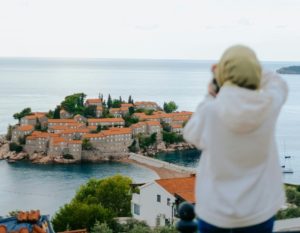
Poverty Reduction in The Republic of CongoThe Republic of Congo, also referred to as Congo-Brazzaville, is a mineral-rich country in Central Africa. Despite its abundance in valuable natural resources, the country continues to face increasing rates of poverty. Petroleum and gas currently dominate exports in the region, however, the nation struggles to translate its economic gains into extensive social development. Extreme poverty throughout the country, especially in rural areas, has been an ongoing challenge. Fortunately, poverty reduction in the Republic of Congo has been underway.

About Poverty in the Republic of Congo

According to the World Food Programme (WFP), 46.5% of the Republic of Congo is living below international poverty lines, equating to $2 a day. In fact, poverty rates in the region have spiked to 52%. The nation’s high poverty rates have continued to threaten civilian health, education and overall wellbeing.

The Republic of Congo faces various constraints when it comes to addressing its global poverty status. Corruption and social inequalities have been ongoing barriers. Due to weak national governance, policies confronting poverty have not been effective and initiatives pertaining to social development programs have not undergone successful execution. Many civilians lack access to quality education, health services, quality food markets and overall job opportunities.

Poverty in the Republic of Congo is multidimensional. Populations in rural Congo are 3% more likely to experience multidimensional poverty, which is slightly higher than those in urban settings. On top of this, when comparing male-headed households with women-headed households, women-headed households are at risk of experiencing 2.5% more multidimensional poverty.

Access to education has also played a significant role in the poverty status of Congolese households. It is reported that households with no secondary school education are more susceptible to multidimensional poverty by approximately 24%, with household size also being a contributing factor.

Additionally, the country’s strong dependence on its oil production can pose an issue depending on international price fluctuations. The country’s high debt has also contributed to how much funds can be distributed to social development programs.

The Congo’s National Development Plan 2022-2026

To help combat poverty in the Republic of Congo, several initiatives have emerged. The Congo’s National Development Plan 2022-2026 (PND) has focused on redirecting the country’s reliance on oil and diversifying its revenue. The plan emphasized national poverty reduction, infrastructure and economic development. To support the implementation of the PND, in June 2025, the World Bank approved the final operation in its Fiscal Management and Inclusive Growth series.

The Telema Program

Telema, meaning “stand up” in Lingala, one of the nation’s local languages, is a national program with initiatives to support poverty reduction in the regions of Brazzaville, Point-Noir and Pool. The program mobilizes micro-entrepreneurs and those vulnerable to poverty to start micro-projects. The government provides participants with grants and skills training. The project launched in 2019 and has proved major recent developments. In 2025, the program received an additional 1,968,000,000 CFA from France to expand to other regions including Oyo, Niari and Lekoumou.

Looking Ahead

Although the Republic of Congo has displayed efforts in stabilizing its economy and expanding social development programs, long-term poverty reduction in the Republic of Congo is dependent on the administration providing realistic opportunities for civilians. Initiatives such as Telema and support from the World Bank give optimism for positive change focusing on inclusion and job opportunities. If effectively implemented, the Republic of Congo could transform its resource wealth into a foundation for a prosperous future.

– Gloria Bwenge

Gloria is based in New York, NY, USA and focuses on Global Health and Politics for The Borgen Project.

Photo: Pixabay
October 29, 2025
https://borgenproject.org/wp-content/uploads/borgen-project-logo.svg 0 0 Jennifer Philipp https://borgenproject.org/wp-content/uploads/borgen-project-logo.svg Jennifer Philipp2025-10-29 07:30:332025-10-29 01:03:19Poverty Reduction in the Republic of Congo
Global Poverty, Housing Security, Nonprofit Organizations and NGOs

Everything To Know About Poverty in Taiwan

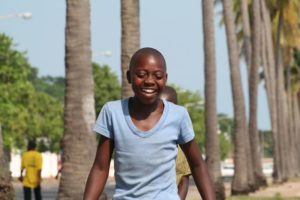
Poverty in TaiwanAccording to official figures, Taiwan has a low poverty rate. With a 2025 GDP per capita of $37,000, Taiwan is a high-income, advanced economy. Taiwan measures the poverty rate officially by classifying only those with an income below 60% of the median income as “in poverty,” which is around 2.6% of the population. Moreover, Taiwan has a range of social welfare policies to address needs, which include social housing, income support, free basic health care and free education.

Definitions of Poverty

Wider definitions of poverty are more appropriate for developed economies. The most common approach is relative poverty, which the OECD defines as those with an income below 50% of the median income, and by this classification, not only are Japan and Korea at 15% but even Scandinavian countries are above 5%. The EU also focuses on those at risk of poverty or social exclusion and includes other measures, such as the affordability of certain basic items, which represent an adequate quality of life. Such wider definitions are important because they focus government attention on policy measures to address relative poverty and mitigate risks of social breakdown.

Most importantly, these comparative figures suggest that the Taiwan figures disguise the actual situation in Taiwan. Applied to Taiwan, a poverty rate of between 10% and 15% would suggest that there are between 2 and 4 million people in relative poverty. This lines up with a 2023 NGO survey in Taiwan, which found that 9% of respondents claimed to live in poverty.

The Causes of Poverty

Unsurprisingly, Taiwan suffers from many of the same conditions that afflict other developed societies. These include a high cost of living – especially high housing costs in Taipei – stagnant median wage levels and increasing income inequality. Recent analyses of wages and living costs have criticized Taiwan’s minimum wage of $900 a month as one of the lowest in advanced economies.

While the cost of living is around 20-25% more expensive in Western European countries, Taiwan’s minimum wage is around 150% higher. In other advanced economies, the minimum wage has been increased to mirror a “living wage” defined as the minimum for an adequate lifestyle. However, in Taiwan, the minimum wage is less than 50% of the “living wage.” Taiwan also has one of the highest income inequality ratios of advanced countries. Finally, Taiwan’s low minimum wage has a correlation with poor performance on a range of social indicators, including high child mortality, road and pollution deaths, homicide and suicide rates, prison population rates and mental health rates.

An NGO Responds

One of the leading domestic NGOs addressing poverty in Taiwan is called Do You a Flavor. Founded in 2014 and focusing on urban poverty, Do You a Flavor works with a range of initiatives with a focus on homelessness. These include collaboration with businesses to establish transitional housing, food distribution, medical aid, skills development and job matching. The NGO also does advocacy work, working with other NGOs and government agencies to achieve legislative change to address urban poverty.

Public Policy Responses

As mentioned, Taiwan does have a range of social welfare policies in place. However, many of these policies are actually quite restrictive. A key issue is that the household rather than the individual is the basis for poverty definitions and welfare eligibility. Another is that anyone 16-65 years old in the household is assessed as employed at the minimum wage, even if unemployed. These are just two of many restrictions that derive from viewing the household as the core economic unit rather than the individual.

Improving access to welfare is only one part of what many view as much-needed policy reforms. These include increasing the minimum wage and improving workers’ rights. Increasing the availability of social housing in Taipei, as well as other measures to dampen property costs, are also seen as essential to ensuring affordability.

– Trinity Prasadam

Trinity is based in Taiwan and focuses on Business and Technology and Solutions for The Borgen Project.

Photo: Pixabay
October 29, 2025
https://borgenproject.org/wp-content/uploads/borgen-project-logo.svg 0 0 Jennifer Philipp https://borgenproject.org/wp-content/uploads/borgen-project-logo.svg Jennifer Philipp2025-10-29 03:00:372025-11-04 05:29:22Everything To Know About Poverty in Taiwan
Child Marriage, Children, Global Poverty

Child Marriage in Eritrea

Child Marriage in EritreaChild marriage disproportionately affects the lives of young girls in Eritrea, as an estimated 41% of girls are married before the age of 18 compared to 2% of boys, according to the most recent government data from 2010. Many recognize child marriage as a violation of human rights, with the Universal Declaration of Human Rights stating that consent to marriage must be ‘free and full’ and cannot be so when one of the parties is below adult age.

Eritrea revised its Marriage Law in 1991 to make 18 the minimum age for marriage, however, a 2025 Human Rights Watch report reported that child marriage remains prevalent despite this law. This is due to a lack of enforcement, as well as customary laws and legal exceptions. For example, 16-year-old girls can marry if they are pregnant or have already given birth.

Causes of High Rates of Child Marriage

The Girls Not Brides organization states that gender inequality is the driving factor behind child marriage in Eritrea, in addition to poverty, and a lack of opportunities for education or financial independence for girls. These factors are worse in rural areas where the rate of child marriage is significantly higher, 55.2% compared to 20.4% in urban areas. There is social and financial pressure on girls to abandon their studies to perform domestic or agricultural labor and enter marriage to relieve their families of financial burden.

Addressing the Problem

At the 2019 Nairobi Summit Eritrea committed to end all forms of violence against women and girls, including child marriage by 2030, committing to provide “access for all adolescents and youth, especially girls, to comprehensive and age-responsive information, education and adolescent-friendly comprehensive, quality and timely services to be able to make free and informed decisions and choices about their sexuality and reproductive lives.”

International aid can also help to end child marriage by reducing risk factors like poverty and lack of access to health care and education through targeted programs and partnerships. Organizations such as UNICEF and UNFPA work in Eritrea to protect those at risk of child marriage. The UNFPA collaborates with the Ministry of Health to strengthen the national health system and expand access to health care, particularly for underserved rural populations. UNFPA also work with the National Union of Eritrean Women to support legislation against underage marriage and FGM.

The Current Status of the Issue

Due to a lack of recent data from the government on child marriage rates, it is difficult to know how close Eritrea is to achieving the goal of eradicating child marriage by 2030. It is important that regulatory bodies get accurate and recent data from the government to address the issue and assess the progress that has occurred. International support is essential to improve access to education and provide resources to impoverished rural communities to alleviate financial pressures that push girls out of education and into marriage. Increased opportunities combined with stricter enforcement of the minimum legal age for marriage will help girls in Eritrea to live childhoods free from forced marriage.

– Nieve Dowling

Nieve is based in Bristol, UK and focuses on Good News and Politics for The Borgen Project.

Photo: Flickr

October 29, 2025
https://borgenproject.org/wp-content/uploads/borgen-project-logo.svg 0 0 Jennifer Philipp https://borgenproject.org/wp-content/uploads/borgen-project-logo.svg Jennifer Philipp2025-10-29 01:30:532025-10-29 00:48:40Child Marriage in Eritrea
Education, Employment, Global Poverty

Higher Education in Libya

Higher Education in LibyaLibya is facing an unemployment crisis. In 2023, a United Nations report found that more than half (51.4%) of Libya’s 1.1 million youth, aged 15 to 24, were unemployed. One of the main barriers to employment noted in the report was inadequate skills, highlighting the poor state of higher education in Libya. Fortunately, higher education in Libya may be able to address the unemployment crisis.

The Mistake  

In 2011, the United States led NATO’s charge to oust Muammar Gaddafi, Libya’s ruler, or Brotherly Leader and Guide of the Revolution as he called himself. Five years later, the former President of the United States Barack Obama referred to the planning of this regime change – and the resulting devastation – as the ‘worst mistake’ of his presidency.

Since the overthrow and assassination of Gaddafi, hard times have hit Libya, even worse than under Gaddafi’s rule. According to the United Nations Office for the Coordination of Human Affairs, “an estimated 823,000 people, including 248,000 children, require humanitarian assistance.”

The dual issues of poverty and higher education in Libya are tightly intertwined. As UNICEF reported, “more than one-third of Libya’s children live in multi-dimensional poverty” and “about 1 in 10 households rely on child labor to survive.” With severe levels of poverty like these, almost one out of every five families in Libya have at least one child out of school.

Libya Today

Currently, Libya includes two parts, with the interim Government of National Unity (GNU) controlling the north west, and the Government of National Stability holding the north east.

The GNU receives support from the U.N. and multiple local militias. Libya’s House of Representatives installed the GNS and the Libyan National Army backs the government. The GNU holds about one-third of the north, including Tripoli, the country’s capital, while the GNS controls the remaining two-thirds. The rest of the country is largely unpopulated.

Libya’s post-revolution political instability, with its complex and changing list of governing bodies, political parties and militias has included groups who profit off of the country’s vast migrant population through slave markets. In 2021, an estimated 47,000 people in Libya were enslaved.

Higher Education in Libya

While higher education in Libya may be severely underreported, there is no question that there are issues. The 2011 research paper, “Higher education in Libya, system under stress,” outlines many of the areas in which universities are lacking, including:

  • Resources to support programs
  • Strategic planning, and the ability to plan for, short-term objectives
  • Academic leaders to shape and steer the education system
  • Relationships between universities and labor markets
  • Quality assurance

The GNU’s Plan

Aiming to tackle Libya’s high youth unemployment rate, the Ministry of Higher Education and Scientific Research, a department of the GNU, has recently come up with a 10-year blueprint to reform the country’s higher education sector through increased international involvement.

Announced on October 2nd, the plan aims to build up Libya’s universities through investment and assistance. As Maghrebi.org explains, “a key component of the strategy includes promoting international partnerships with major academic institutions, encouraging knowledge exchange and sharing of expertise.”

The GNU also plans to invest more in scientific research, utilize grants from regional organizations and establish more Ph.D. programs to further diversify the country’s job market. 

This education road map is meant to work in tandem with the Ministry of Economy and Trade’s new Entrepreneurs Skills and Solutions Project which “is focused on equipping students and graduates with practical skills in the modern green and blue economy, in addition to aligning their education with current and future labour market demands to create a more coherent link between study and employment.”

The Skills and Solutions Project was announced on September 29, a few days prior to the higher education strategy. In a speech, Economy Minister Mohamed Al-Hwej emphasized “the role of universities and academics in implementing the project…and developing educational curricula.”

Will it Work?

But can the GNU’s strategy actually uplift Libya’s youth? Only time will tell, but as Mustafa M. Elfakhri, Director of Graduate Studies at Libyan International Medical University, explains, multiple sweeping reforms are necessary to promote quality and sustainability within the country’s higher education sphere. These include:

  • Strategic Planning
  • Reforming Governance
  • Quality Improvement Plan
  • Controlled Growth
  • Resources Investment
  • Curriculum and Competencies Matching
  • Enhance Scientific Research
  • Reform Legislation
  • Student Motivation

While the GNU’s 10-year initiative does seem to be a step in the right direction, with a clear focus on enhanced scientific research, curriculum and competencies matching and resources investments, others categories seem underdiscussed. The strategy seems vague as well, leaving room for potential mistakes, hindrances and corruption. 

Naturally, with Libya’s ownership of the largest oil reserves in Africa and severe instability, foreign interference and exploitation have infested the country. Vague proclamations and plans can only take the country so far.

Conclusion

With time, strong governance and quality management systems can hopefully develop, and the GNU can write legislation that will further support the development of higher education in Libya.

However, Libya’s road to redevelopment will take more than one strategy. Unification, stability, improved infrastructure and strong national industries will all be necessary to ensure long-term success for any of the country’s internal needs.

– Yazan Mohammad

Yazan is based in Princeton, NJ, USA and focuses on Global Health and Politics for The Borgen Project.

Photo: Flickr

October 29, 2025
https://borgenproject.org/wp-content/uploads/borgen-project-logo.svg 0 0 Jennifer Philipp https://borgenproject.org/wp-content/uploads/borgen-project-logo.svg Jennifer Philipp2025-10-29 01:30:202025-10-31 08:27:54Higher Education in Libya
Page 85 of 2163«‹8384858687›»

Get Smarter

  • Global Poverty 101
  • Global Poverty… The Good News
  • Global Poverty & U.S. Jobs
  • Global Poverty and National Security
  • Innovative Solutions to Poverty
  • Global Poverty & Aid FAQ’s
Search Search

Take Action

  • Call Congress
  • Email Congress
  • Donate
  • 30 Ways to Help
  • Volunteer Ops
  • Internships
  • Courses & Certificates
  • The Podcast
Borgen Project

“The Borgen Project is an incredible nonprofit organization that is addressing poverty and hunger and working towards ending them.”

-The Huffington Post

Inside The Borgen Project

  • Contact
  • About
  • Financials
  • President
  • Board of Directors
  • Board of Advisors

International Links

  • UK Email Parliament
  • UK Donate
  • Canada Email Parliament

Get Smarter

  • Global Poverty 101
  • Global Poverty… The Good News
  • Global Poverty & U.S. Jobs
  • Global Poverty and National Security
  • Innovative Solutions to Poverty
  • Global Poverty & Aid FAQ’s

Ways to Help

  • Call Congress
  • Email Congress
  • Donate
  • 30 Ways to Help
  • Volunteer Ops
  • Internships
  • Courses & Certificates
  • The Podcast
Scroll to top Scroll to top Scroll to top