Green Skills in Sub-Saharan Africa: Powering Youth Employment
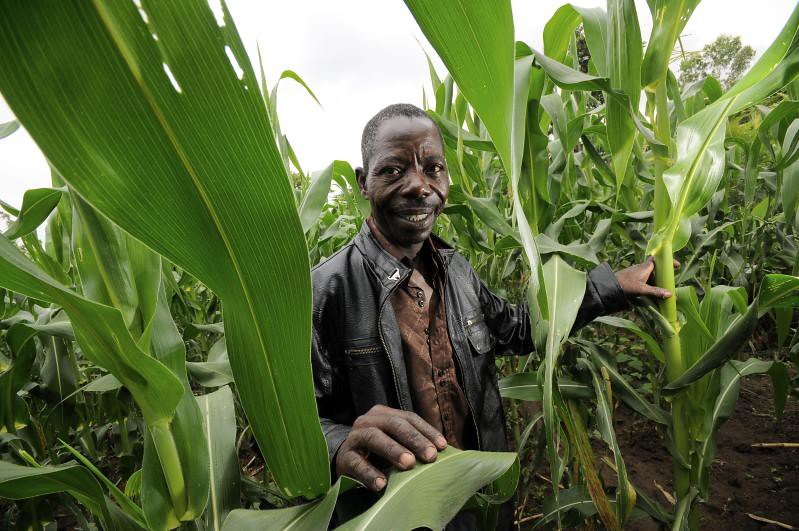 Across Sub-Saharan Africa, rising youth unemployment and growing climate threats are intersecting challenges. However, green skills in Sub-Saharan Africa are emerging as a powerful solution. Many governments and training centers are helping young people gain practical abilities in renewable energy, sustainable agriculture and eco-friendly construction, skills that create jobs while strengthening climate resilience.
Solar Training Creates New Pathways to Work
In Kenya, demand for clean energy is growing as solar capacity expands. The Strathmore Energy Research Centre (SERC) in Nairobi offers accredited training programs in solar photovoltaics, system maintenance and hands-on installation, contributing to the development of green skills in Sub-Saharan Africa. SERC reports that many of its trainees go on to work for solar firms or start small installation businesses, generating new employment opportunities. By giving youth tangible technical skills, this training supports Kenya’s clean-energy transition while reducing youth joblessness.
Climate-Smart Agriculture Boosts Farmer Incomes
Agriculture still underpins livelihoods across rural Sub-Saharan Africa, so green skills must address farming in a changing climate. In Rwanda, the Ministry of Agriculture supports climate-smart techniques such as drought-resistant crops, efficient irrigation and improved soil management. Young farmers trained in these methods have reported higher yields and lower losses during extreme weather events. These green agricultural skills not only raise incomes but help build food-system resilience in regions vulnerable to climate shocks.
Youth Recycling Cooperatives and Eco-Construction
Waste management and recycling form another growth area for green jobs, helping expand green skills in Sub-Saharan Africa. In South Africa, youth-led recycling programs are engaging young people in waste collection, sorting and recycling for income. A recent project by WasteAid in rural South Africa supported training for young people in the informal waste sector, boosting livelihoods and promoting circular-economy jobs. Research shows that waste and recycling value chains can provide meaningful employment pathways for youth, especially when paired with skills training. These initiatives illustrate how recycling can simultaneously tackle youth unemployment and environmental degradation.
Urban growth and climate imperatives are generating demand for building professionals trained in sustainable methods. Many African cities now require construction technicians versed in low-carbon materials, energy-efficient design and waste-minimizing practices. Training programs in sustainable construction equip young people to step into this gap, improving employment prospects while shaping cleaner infrastructure. These skills support broader green-economy transitions and help reduce emissions in construction.
Green Skills Deliver Early Success Stories
Across Kenya, Rwanda and South Africa, early outcomes show the promise of green upskilling. Solar technicians trained in Nairobi are servicing off-grid installations and rural clinics. In Rwanda, youth applying climate-smart farming methods have enhanced productivity and weather resilience. And in South Africa, youth recycling initiatives are converting waste into income and fostering circular-economic models.
These stories show how expanding green-skills development can cut poverty, boost local economic growth and empower young people as climate-solution leaders in their communities. By investing in green skills in Sub-Saharan Africa, policymakers, educators and development partners have an opportunity to deliver jobs, climate resilience and sustainable growth through a single, aligned strategy.
– Lucy Williams
Lucy is based in Wrexham, UK and focuses on Global Health for The Borgen Project.
Photo: Flickr
