TB in India: Fighting a Poverty-Driven Epidemic
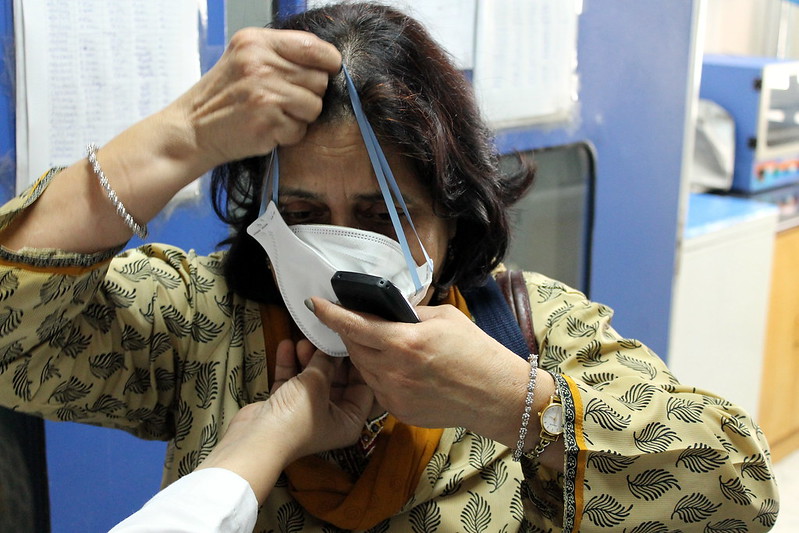 Recently, India’s Tuberculosis (TB) control program has treated more than 19 million patients, yet the country still reports one of the highest TB burdens in the world. Tuberculosis remains the leading infectious disease in India and the growing threat of drug-resistant strains has intensified the challenge. Roughly 300 million Indians continue to live in extreme poverty, facing conditions that heighten their risk of infection, such as undernutrition, overcrowded housing and limited access to timely medical care. Despite these hurdles, a unified effort from the Indian government and global health partners is making measurable progress in reducing TB incidence and strengthening community resilience.
How Poverty Fuels Tuberculosis
India’s long-standing struggle with TB is closely tied to socioeconomic conditions. Families living in poverty often lack access to education, health services and basic sanitation. These ongoing challenges heighten the risk of infection and limit recovery. In recent decades, diseases such as malaria, HIV/AIDS and COVID-19 have similarly exposed how poverty worsens public health outcomes. Although conditions have not improved overnight, recent data shows progress. Between 2017 and 2022, India’s life expectancy and public health infrastructure improved steadily. The government and international partners have worked to strengthen the country’s TB response through increased funding and better community outreach.
Building Resilience Through Partnerships
Multiple global and domestic organizations have joined India’s fight against TB. These include the National TB Elimination Program (NTEP), the United States (U.S.) Centers for Disease Control and Prevention (CDC), the U.S. Agency for International Development (USAID) and SHARE INDIA. Together, they launched targeted programs such as TB Mukt Bharat (TB-Free India) to improve diagnosis, prevention and treatment. The CDC’s Expand ELEVATE (E2) Project, for example, trained more than 3,000 data analysts in India. These professionals help health authorities track TB outbreaks and respond quickly. The project’s reach now includes more than 600 million people and plays a vital role in India’s health system resilience.
Innovation Driving Change
India has adopted new technologies to diagnose TB faster and monitor cases more effectively. These improvements allow health care workers to detect infections earlier, especially among HIV-positive patients, who face a higher risk and deliver treatment before complications arise. At the 2018 End TB Summit in Delhi, Prime Minister Narendra Modi committed to eliminating TB in India by 2025, five years ahead of the global goal at the time. Since then, the Indian government has increased investments in health care infrastructure and accelerated the rollout of new medical technologies.
Looking Forward
India’s TB response now serves as a model for other countries. The World Health Organization’s Global Tuberculosis Report predicts a 90–95% drop in TB mortality by 2035. Ongoing efforts to test, treat and prevent TB continue to save lives and reduce economic strain on vulnerable communities. By aligning policy, technology and community outreach, India shows that ending TB is within reach. With continued support from both national and international partners, the country moves closer to its goal of a TB-free future—one where poverty no longer determines health outcomes.
– Melody Aminian
Melody is based in Irvine, CA, USA and focuses on Global Health for The Borgen Project.
Photo: Flickr
