• Link to X
  • Link to Facebook
  • Link to Instagram
  • Link to TikTok
  • Link to Youtube
  • About
    • About Us
      • President
      • Board of Directors
      • Board of Advisors
      • Financials
      • Our Methodology
      • Success Tracker
      • Contact
  • Act Now
    • 30 Ways to Help
      • Email Congress
      • Call Congress
      • Volunteer
      • Courses & Certificates
      • Be a Donor
    • Internships
      • In-Office Internships
      • Remote Internships
    • Legislation
      • Politics 101
  • The Blog
  • The Podcast
  • Magazine
  • Donate
  • Click to open the search input field Click to open the search input field Search
  • Menu Menu

Archive for category: Global Poverty

Key articles and information on global poverty.

Activism, Gender Equality, Global Poverty, Women's Empowerment

Examining Women’s Rights in Pakistan

Women's Rights in Pakistan
A lot of progress has occurred to achieve women’s rights in Pakistan. However, gender inequality still remains a prominent issue. According to the World Economic Forum, the Global Gender Index Report ranks Pakistan second to last in domestic violence.

Fortunately, the government has taken significant action. In December 2020, Pakistan instilled a new anti-rape law to speed up convictions and toughen sentences. According to White Ribbon Pakistan, an estimated 4,734 women faced sexual violence between 2004 and 2016. Furthermore, there were over 15,000 cases of registered honor crimes and more than 1,800 cases of domestic violence. However, conviction rates remain low. Only 2.5% of all cases result in convictions. The new law requires sex offenders to be nationally registered. Additionally, the courts will protect the identity of victims.

Domestic Abuse

Pakistan ranks as the sixth most dangerous country for women in regards to domestic violence. Patriarchal and cultural norms greatly impact women’s rights in Pakistan.

Honor killings and violence within the home are prevalent. Recently, social media model and activist Qandeel Baloch’s brother strangled her to death. According to her brother, she had ruined the family’s image and honor. Fortunately, Pakistan has made progress to prevent violence within the household. For instance, the court denied Baloch’s parents’ wishes and convicted Baloch’s brother of murder. Additionally, more than 1,000 domestic violence cases appeared in court in June 2019.

Furthermore, Ms. Quandeel wrote, “I wonder how long it will take us to recognize that we shouldn’t let ourselves off the hook, that our social structure is rotten and works against people like #Qandeel who wish to make something of themselves on their own terms.” The death of Qandeel Baloch generated a movement for gender equality in Pakistan.

The Good News

The good news is that Pakistani women are fighting back. Since 2018, women have demanded economic and environmental justice, reproductive rights and better access to public spaces. On International Women’s Day, thousands took to the streets to demonstrate their commitment to bettering women’s rights in Pakistan. However, conservative groups criticized the movement and labeled it as a “western campaign.”

One of the main slogans of the march was “mera jism, meri marzi” (my body, my choice). Many said it was a promiscuous demand that did not empower women. Yet, women continue to defend their objectives, raise awareness against sexual harassment and gender-based violence and promote bodily autonomy.

Additionally, women began riding bikes in order to accentuate their presence in public spaces. Girls at Dhabas organized a bike ride to promote certification in all public events and fight against restrictions that prohibit women. One cyclist said, “We have an advantage with this lockdown and corona and all. The cycling has become really common among the girls in Islamabad.”

Various organizations are spreading awareness of domestic violence. Additionally, the government continues to implement new laws to protect women. Although women’s rights in Pakistan are lacking in many ways, the government and organizations continue to strive for gender equality.

– Marielle Marlys
Photo: Flickr

March 22, 2021
https://borgenproject.org/wp-content/uploads/borgen-project-logo.svg 0 0 Jennifer Philipp https://borgenproject.org/wp-content/uploads/borgen-project-logo.svg Jennifer Philipp2021-03-22 07:30:482021-03-21 06:43:54Examining Women’s Rights in Pakistan
Global Poverty, Refugees

Lawyers Create Fair Solutions Against Global Poverty

fair solutions against global poverty
Lawyers and organizations are creating fair solutions against global poverty. The Junior Lawyers Against Poverty (JLAP) is one organization that aims to eradicate global poverty. University students and junior lawyers participate in seeking the betterment of justice and legal education on a global scale. Additionally, JLAP fundraises and donates to the LAP’s Justice Fund to promote access to justice and the rule of law. Its students and junior lawyers build real-world skills and careers through global projects that focus on human rights, sustainable development and reducing poverty. Furthermore, the organization works with many universities in Afghanistan, England and Uganda.

JLAP and LAP

Lawyers Against Poverty (LAP) is another organization finding fair solutions against global poverty. It believes that injustice and inequality are two large factors that result in poverty. Therefore, LAP focuses on issues such as women’s rights. The organization created a project to provide women living in rural Tajikstan with economic and legal support. Additionally, LAP focuses on issues such as land rights and refugee rights.

Legal Aid for Migrants, Refugees and Asylum Seekers

Morocco is one country that offers legal assistance for migrants, refugees and asylum seekers. Lawyers work to educate people on their rights within new countries. Oftentimes, people seek refuge in Morocco or European countries. Eventually, these refugees search for job opportunities. Thus, lawyers use their expertise to aid migrants, refugees and asylum seekers.

However, migrants often succumb to deportation due to governmental policies that control illegal migration. Individuals experience starvation and even death in their journey to safety. There were more than 900 deaths among migrants in the Mediterranean and more than 200 deaths along the Morrocan Coast and the Canary Islands in 2020.

The 2030 Agenda and Justice

The United Nations 2030 Agenda for Sustainable Development works for fair solutions against global poverty. It focuses on many crucial areas including legal assistance and aid for the poor. In addition, the United Nations Secretary-General states that the agenda’s goal is to end poverty in all forms and to ensure that no one is left behind. Unfortunately, the 2000 Millenium Development Goals did not accomplish as much as intended. Thus, the 2030 agenda is focusing on building more on justice and governance. The 2030 agenda’s 16th goal prioritizes rule of law and access to justice.

More countries, law firms and organizations are realizing the importance of finding solutions against poverty. It is crucial to offer legal assistance to improve opportunities and quality of life. Furthermore, programs motivate more individuals to study and practice law all around the world.

– Amanda Ortiz
Photo: Flickr

March 22, 2021
https://borgenproject.org/wp-content/uploads/borgen-project-logo.svg 0 0 Jennifer Philipp https://borgenproject.org/wp-content/uploads/borgen-project-logo.svg Jennifer Philipp2021-03-22 01:31:112021-03-21 06:31:44Lawyers Create Fair Solutions Against Global Poverty
Global Poverty, Technology

Ghanaian Man Invents Solar-Powered Sink

solar-powered sink
The Ghanaian government was quite successful in controlling the spread of the coronavirus. Some individuals took on innovative measures to combat the spread of the virus as well, such as how a man in Ghana created a solar-powered sink.

When Ghana reported its first cases of COVID-19 on March 12, 2020, Ghanian president Akufo-Addo was quick to announce the relief plan that would go on to make Ghana one of the most well-adapted countries to fight the pandemic. This relief plan included containing the virus spread, implementing lockdowns, mitigating social and economic impacts of the pandemic and expanding medical facilities. The country paired this quick response to the virus outbreak with efficient testing and contact tracing. It featured pooled testing, a method where samples from multiple individuals undergo testing together to expand testing abilities. In addition, his plan used contact tracing apps to using drones to transport COVID-19 samples.

COVID-19 in Ghana

However, as the first peak of COVID-19 cases came and went and Ghana lifted safety guidelines, cases rose again. In turn, the Ghanaian government implemented the original relief plan. This brought about a short respite in the major Ghanaian cities. Yet, it was unlike the first bout of COVID-19 cases that infected the cities in the early summer of 2020. This new influx of cases largely afflicted the remote and rural parts of the country. In these regions, populations neither had access to the medical resources present in the large cities nor the economic means to quarantine away from their jobs. Consequently, cases in remote areas have soared. President Akufo-Addo explained how Ghana “treatment centers have gone from having zero patient to now being full because of the upsurge in infections,” and how the influx has resulted in the healthcare facilities being overwhelmed.

Sustainable Solutions

To combat the rapid spread of COVID-19 in the vulnerable, rural regions of Ghana, one young man took action. He saw a lack of accessibility to basic hygiene care and an ever-increasing amount of land pollution in his rural village. As a result, Richard Kwarteng Aning decided to solve two issues with one sustainable solution. By gathering used metal barrels, recycled plumbing materials and motion sensors, Mr. Aning was able to invent a solar-powered sink! His invention allowed those without hygiene necessities to cleanse their hands, destroy bacteria and mitigate the spread of COVID-19. This invention hugely benefited Ghanaians living in rural areas who would otherwise not be able to have proper cleaning resources. Anning invented his solar-powered handwashing sink to “help solve the COVID-19 problem.” He believed that the sink “will attract people to wash their hands” because placing sinks throughout villages makes them easily accessible to all.

How it Works

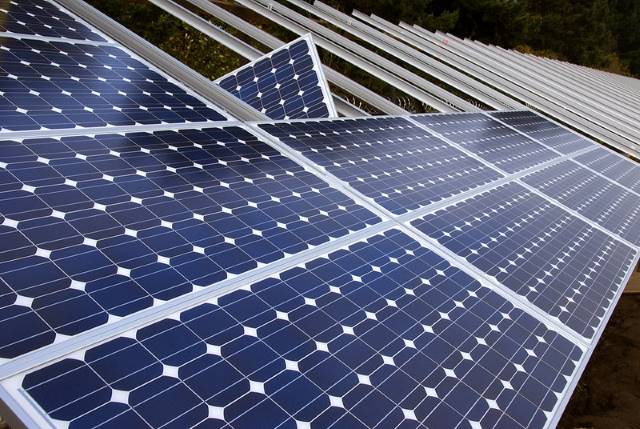
Anning’s solar-powered sink ingeniously solved both a need to combat the pandemic and a need to be more sustainable. He composed the sink out of solely recycled supplies and solar energy materials. The sink receives power through a solar panel disk located at the top of the sink; meanwhile, motion sensors control it. When the motion sensor detects a nearby hand, the first of two taps releases antibacterial soap. Seconds later, an alarm alerts the user that water will soon come out at a constant rate for 25 seconds. Since the sun powers the sink and people can handle it without any direct contact, the sink further mitigates any surface spread of the virus.

Government Support

Anning’s solar-powered sink quickly drew the attention of the Ghanian government and Ghana’s Ministry of Environment, Science, Technology and Innovation offices. They patented the invention so that people can produce and sell it throughout Ghana and all of West Africa. President Akufo-Addo acclaimed the invention as stating that the “Ghanaian sense of enterprise and innovation is beginning to be felt” as a result of Anning’s hard work.

– Caroline Largoza
Photo: Flickr

March 22, 2021
https://borgenproject.org/wp-content/uploads/borgen-project-logo.svg 0 0 Kim Thelwell https://borgenproject.org/wp-content/uploads/borgen-project-logo.svg Kim Thelwell2021-03-22 01:30:102021-03-21 06:07:53Ghanaian Man Invents Solar-Powered Sink
Global Poverty, Poverty

Healthcare in Montserrat: Sustainable Development Plan 2008-2020

Healthcare in Montserrat
Montserrat is a territory of the United Kingdom residing in the eastern Caribbean. According to the United Nations, about 5,375 people live in Montserrat. Poverty plagues the territory. Thus, the need for adequate healthcare in Montserrat is more evident than ever.

Poverty in Montserrat

According to the Country Poverty Assessment, about 36% of Montserrat’s population falls below the poverty line. Additionally, a third of those living in poverty are under 15 years of age. Henceforth, children in Montserrat fall victim to the harshest reality of poverty. Moreover, about 10% of Montserrat citizens living in poverty are above 30 years of age. Montserrat’s National Sustainable Development Plan of 2008-2020 is the key to advancing the development within the territory. This development has enriched the economy and improved living conditions for citizens.

The Necessity of Universal Healthcare

In October 2020, the need to implement universal healthcare was evident. John Allen spoke at a Financial Informational Month Symposium. He implored that universal healthcare is key to maintaining every citizen’s health. Poverty consumes the majority of the population. Thus, the high price tag on healthcare services limits people’s ability to seek help.

Illnesses accounted for the top three leading causes of death for children ages 5 and younger in 2010. There were 601 cases of acute respiratory infections, 132 cases of influenza and 94 cases of gastroenteritis. Furthermore, a large portion of children is at risk of being underweight, overweight and obese. About 28.4% of adolescents suffered from anemia as well. In addition, about 12.5% of all childbirths were from adolescent pregnancies from 2006 to 2010. Adults are hospitalized primarily due to obstetrics delivery, urinary tract infections, influenza, diabetes, gastroenteritis and hypertension. The elderly population particularly suffers from hypertension and diabetes. Although communicable diseases have received effective treatment, diseases such as HIV/AIDS are still prevalent. On the other hand, chronic diseases such as malignant neoplasms, diabetes and hypertension continue to be a major concern for Montserratians.

Sustainable Development Plan 2008-2020

About 9.4% of Montserrat’s general revenue goes into the Ministry of Health and Social Services. The Sustainable Development Plan also contributes to accelerating Montserrat’s economic development. This plan aims to implement short-term goals every five years. The framework of these policies includes at least one of the following: economic management, human development, environmental management and disaster mitigation, governance and population.

Today, Montserrat is focusing on the Medium Term Economic Policy for 2017-2021. The Medium Term Economic Policy’s mission statement is to foster sustainable growth with benefits for all. The goal of this policy is to reduce Montserrat’s dependence on the United Kingdom by building upon its local economy. Utilizing these economic growth strategies helps the economy recover from disasters such as volcanic eruptions.

While Montserrat’s current primary healthcare system is effective, individuals who seek secondary care struggle to locate such services. Unfortunately, only one hospital in Montserrat offers secondary and tertiary healthcare services. The Ministry of Health and Social Services set a goal to lower the cost of secondary and tertiary healthcare services by 2020. Additionally, full-time university students, senior citizens, children under 16 years of age, multifarious public servants and prisoners receive protection the 2002 Public Health Act. Thus, they are exempt from paying healthcare bills. Also, the Civil Service Association Health Insurance plan covers families of public servants.

Developing New Hospitals

In February 2020, the government signed a contract joining Article 25, an international architectural organization that is based in the United Kingdom. Montserrat has set architectural advancements in motion to improve hospitals. Furthermore, the government stated that Montserrat has become globally competitive in the market of medical technology and supplies. The Ministry of Health and Social Services oversees new designs for hospitals based on health facility architecture portfolios located within Article 25.

The New National Hospital Project of Montserrat began construction in late 2020. New healthcare initiatives are bringing the hope of better health and economic growth to those living in poverty. As a result of government action and organizations’ outreach, healthcare in Montserrat is improving steadily.

– Lauren Tabor
Photo: Flickr

March 21, 2021
https://borgenproject.org/wp-content/uploads/borgen-project-logo.svg 0 0 Jennifer Philipp https://borgenproject.org/wp-content/uploads/borgen-project-logo.svg Jennifer Philipp2021-03-21 16:34:572024-05-30 07:56:45Healthcare in Montserrat: Sustainable Development Plan 2008-2020
Developing Countries, Global Poverty, Poverty Reduction

How Mobile Money Accounts Can Transform Africa

Mobile Money accountsMobile Money refers to digital payments that require no bank account to complete the transaction. A telecom provider, Verizon in the United States, for example, performs the function that a bank account would traditionally carry out. Mobile money accounts are particularly prevalent in emerging markets such as sub-Saharan Africa because individuals and small businesses in these places lack access to formal savings accounts and credit.

Mobile Money in Sub-Saharan Africa

There are more than one billion registered mobile money accounts worldwide and sub-Saharan Africa makes up nearly half of those accounts. The implementation of digital finance has the capability to boost an emerging nation’s GDP by 6% ($3.7 trillion) by 2025. Boosting sub-Saharan Africa’s economy by this amount would be the same as adding an economy the size of Germany to the global market.

COVID-19 Accelerates Mobile Money Usage

African governments have worked to increase the use of mobile money accounts to stimulate the national economy by reducing barriers to sign up. Rwanda implemented lockdown restrictions in response to the COVID-19 pandemic and mobile money transfers doubled within a week after the placement of these restrictions. Other African nations followed Rwanda’s lead and also eased restrictions on mobile money accounts, hoping to accelerate economic growth amid the global crisis.

The Success of Mobile Money in Africa

Roughly one in 10 African adults utilize mobile money accounts, which equates to about 100 million active accounts. This is more than double the number of accounts in the second-biggest region for mobile money, South Asia. MTN, the largest mobile telco in Africa, has 171 million customers, far outweighing leading African banks such as Ecobank and Barclays Africa, which have between 11 million and 15 million customers.

Mobile phone penetration in Africa is on average 80%, whereas banking penetrates approximately 40% of Africa. Telcos have found ways to create client experiences that are attractive to African consumers, with minimal restrictions and time investment necessary to set up mobile money accounts. There are often no transaction fees on bill payments and merchant acceptance is widespread, making mobile money an attractive way for African citizens to build wealth and manage their finances.

How Mobile Money Reduces Poverty in Africa

Studies predict that by 2025, 84% of Africans will have access to a mobile SIM card connection. Furthermore, mobile money payments will be crucial to the success of individuals, businesses and the overall African economy. Mobile payment technology allows people to manage their money securely, regardless of credit history. It also removes the barriers that people typically experience with bank account access. Mobile money essentially allows for financial inclusion. Mobile money transactions have the potential to reduce poverty in Africa and financially include millions of previously excluded people.

A study by the Gates Foundation found that mobile money directly impacts an African household’s ability to deal with shocks and extreme poverty. For example, in Uganda, mobile money increased food security by 45% for households far from a bank. In Kenya, mobile money account holders who experienced a shock had no decrease in consumption level, compared to a 7% decrease in consumption for households without a mobile money account.

The Future of Mobile Money

Mobile money fosters financial resilience and thus reduces poverty levels. Households with mobile money accounts are able to respond to unforeseen events. For example, if there is a flood, a household with access to mobile money can rely on the easy transfer of money from friends and family to support them even if they live far away. Since mobile money account usage increases per capita consumption and savings, it thus reduces the rate of poverty.

Mobile money has long-term impacts on poverty, especially in female-headed households. It has the power to empower millions of women. Digital payment platforms can give women in male-headed households more financial independence and can help them increase their savings.

According to research, increased consumption rates due to mobile money account utilization drove 196,000 households out of extreme poverty in Kenya. The ability of mobile money to lift African households out of poverty is impressive and shows promise for the continent’s future economic development.

– Tatiana Nelson
Photo: Flickr

March 21, 2021
https://borgenproject.org/wp-content/uploads/borgen-project-logo.svg 0 0 Yuki https://borgenproject.org/wp-content/uploads/borgen-project-logo.svg Yuki2021-03-21 07:30:362021-03-21 05:57:15How Mobile Money Accounts Can Transform Africa
Global Poverty

Tourism-Economies and Poverty

Tourism-Economies
Everyone loves a good vacation — or at least it is easy to think that while walking on a white-sand beach and sipping a Mai Tai. The truth lurking behind the tranquility of remote island temples and the prestige of historical landmarks is that tourist economies are not all sunshine and smooth sailing. With off-seasons that take up a large portion of the year and uncertain demand, tourism-economies may be more vulnerable to pitfalls than industrial or agriculture-based economies. The following countries exemplify the great promise and instability of tourism-economies.

Indonesia

Tourism in Indonesia is one of the main draws for foreign currency. In 2018, the number of people coming in from outside of Indonesia rose 12.6% to about 15.8 million. One of the biggest draws in tourism is culture. Countries that do well in tourism carry significant cultural influence in the area or have notable landmarks. For example, the world fetes Italy for its long history, art and cuisine. Meanwhile, statistics have shown that Indonesia underperforms in this sector compared to other countries in the region. Singapore, for example, draws in about 19 million people per year.

Bangladesh

Bangladesh is rapidly developing and this is an overall plus for the economy. However, it could bring a slight hiccup in the years to come. The nation’s main source of income, its textile industry, faces an imminent, irreversible decline with its graduation in development stages. Tourism could be Bangladesh’s biggest hope, with the industry contributing 10.4% to the global GDP. However, tourism only comprised 4.4% of Bangladesh’s GDP as of 2018, painting a bleak picture for the future of tourism. The country has been performing second to least successfully concerning popular destinations in Asia.

What might help is how well South Asia has been performing in tourism. Nations that have performed well in this area, like India, Malaysia, Indonesia, Thailand, Singapore and Vietnam, drew in 86% of the region’s total earnings in 2018 – a high Bangladesh was able to ride on the coattails of, as it attempted to market itself as a more desirable tourist destination. In recent years, Southeast and Southern Asia have demonstrated success in tourism, with respective 8% and 10% rates of growth.

One factor that greatly affects tourism is the visa facilities in a country. If tourists find the entry process to be too much of a hassle, they may be less inclined to vacation there. In India, a top-performing country in tourism, most of the world can easily obtain an e-Visa. In Bangladesh, however, in order for a person to gain a visa, many of their neighbors need to secure a visa beforehand. This further hampers an already struggling tourism industry.

Nigeria

Some have long thought of Nigeria as having great tourism potential, although obstacles in economic development stand in the way of meeting this full potential. Countries also have accommodation rates to take into account with tourism economies. Too steep a price may turn travelers off while not charging enough will undercut the profit potential of having a tourism economy to begin with. Since not all currencies convert equally, tourism-economies do well when they draw tourists from places with currencies that are more valuable to them. For example, Nigeria has this advantage over the U.S., with $1 being equal to 381.25 Nigerian Nairas. The average hotel rate in the U.S. was $131.21 per night as of 2019, while in Nigeria, the daily rate averaged anywhere in-between the equivalent of $27 and $128.

Relative Problems

Where tourism differs from other income-generating industries is that demand is less certain. If there is a use for a product, then a demand exists, and if there is a demand, then a country can profit by supplying for that demand. However, with tourism-economies, the “use” that creates demand is fickle, and as such, the success of the country “filling the supply” is less secure.

When the culture cannot compete, visas are too difficult to secure and prices just are not right, it does not just mean that the economy slows. People working in tourism potentially cannot generate an income, even if they can technically perform their jobs correctly. Travel trends and off seasons are out of the control of the low-to-middle income people working in the industry. For those already in a precarious financial situation, finding financial growth and stability in a tourism economy is incredibly difficult. In the past year, the global COVID-19 pandemic has also created further problems for the tourism industry.

Barefoot College International

With COVID-19, travel restrictions and business shutdowns, the tourism industry is all but entirely gone in most countries. As the earning potential of a tourism economy is insecure, some organizations strive to help populations attain more secure means of income. Barefoot College operates in more than 90 countries and is expanding across Africa, Latin America and South Asia.

Barefoot College has a variety of boots-on-the-ground efforts to help impoverished communities, including clean water and environmentally conscious health initiatives. It also has a strong education program that provides academic and practical skills that can help people increase their earning potential and make it easier for them to get jobs. Its focus is on digital education so that its work is accessible for people anywhere in the world.

After 40 years, 75,000 children have received an education, 65% of whom have been girls. From here, 40% of the children educated through Barefoot College have been able to enter their country’s mainstream education system. Of those educated through Barefoot College, 30% went on to become employed at jobs that required literacy. After graduating, 85% of those considering migrating decided to stay in their village to use their acquired knowledge and skills there.

While tourism-economies can be very profitable, changing factors — such as a global pandemic — cause many of these economies to be unstable. Organizations like Barefoot College help provide much-needed stability to tourism-economies. Moving forward, it is essential that more organizations work to find long-term economic solutions for countries that rely heavily on the tourism industry to help ensure a stable economic future.

– Catherine Lin
Photo: Flickr

March 21, 2021
https://borgenproject.org/wp-content/uploads/borgen-project-logo.svg 0 0 Kim Thelwell https://borgenproject.org/wp-content/uploads/borgen-project-logo.svg Kim Thelwell2021-03-21 01:31:262021-03-20 21:57:11Tourism-Economies and Poverty
Global Poverty, Women's Empowerment

3 Businesses Aiding Female Cacao Farmers in Cameroon

Female Cacao Farmers in Cameroon
Cameroon is a country rich in natural resources and agricultural products such as coffee, cassava and cacao. This nation is the fifth-largest cacao producer in the world. The industry is a vital source of economic activity for small-scale rural farmers and contributes to about 1.2% of the country’s total GDP. However, female cacao farmers in Cameroon struggle to benefit from this industry.

The Gender Inequality Index ranks Cameroon 141 of 189. Expectations have determined that women must take care of daily chores such as cooking and fetching water. On average, women spend 8.2 more hours completing unpaid household tasks than men. Cacao fields are typically family-run enterprises. Thus, women often work in these fields as well. Cacao farming particularly affects women because it does not generate a lot of income.

Cameroon’s Cacao Industry

Cameroon liberalized its cacao industry in hopes of recovering from the economic crisis in the 1980s. At this time, the value of the national currency fell significantly after global oil prices fell.

Consequently, the industry swiftly deregulated. The regulatory branch of Cameroon overseeing cacao production and quality control lost its influence without government support. As a result, this lead to corruption of local middlemen, a lack of accurate information on cacao production and fluctuations in the quality of produced cacao. Only 10% of Cameroon’s cacao producers belonged to producer associations by 2002. Thus, Cameroon continues to struggle to compete in the world market.

Female Cacao Farmers in Cameroon

Female cacao farmers in Cameroon face additional challenges to the already competitive market due to the patriarchal society. Cacao production grew from 123,000 tons in 2000 to 290,000 in 2016. However, the quality of cacao decreased due to a lack of quality control in pre and post-harvest activities.

Men and women conduct different tasks in cacao production. Men take on physically demanding and dangerous tasks such as pesticide spraying and harvesting. Women focus on post-harvest activities fundamental to the quality of cacao such as pod-breaking, fermenting and drying.

Although labor is equally distributed, female cacao farmers in Cameroon often do not benefit from cacao revenue because they do not own the land. About 3% of women own a house without a property title and 1.6% own a property title in their name. This means men in households keep the profit that the cacao generates.

Furthermore, women lack representation in cacao production decision-making. In addition, women often do not have equal access to education. Men receive an average of 13 years of education, while women receive only 11 years. As a result, about 71.6% of women and 82% of men in Cameroon are literate. The lack of education hinders women’s ability to maintain financial independence.

Telcar

Telcar is one of Cameroon’s largest cacao trading companies. The International Finance Corporation installed cassava grinding machines in 10 cooperatives to help female cacao farmers in Cameroon. Many women supplement their income by selling manually-produced cassava starch to local markets. Kate Fotso grew up in a cocoa-producing village and is now managing director of Telcar. She installed cassava grinding machines to ease the laborious process, empower women and improve their economic status.

Female farmers in organized management committees learned how to use, maintain and pass knowledge about the machines to others. Additionally, Telcar recruited female farmers into financial literacy training programs and worked with micro-finance institutions to support women’s cassava enterprises. It increased their access to finance through saving and encouraged them to take on leadership roles within their cooperatives.

The Farmgate Cacao Alliance

The Farmgate Cocoa Alliance is a global nonprofit organization that focuses on achieving cacao sustainability in Cameroon. Women Empowerment Through Cacao Farming is its project that takes a holistic approach in supporting female farmers. The organization trains women to run professional and sustainable cacao farms. It allocated female community field agents to 50 women within the region to help identify group needs, challenges and lessons learned.

Furthermore, female farmers in Cameroon received encouragement to form cooperatives for better market access, more stable income and received 2 HA of land to combat a lack of access to farmland. Finally, the organization taught women advocacy skills to approach local and national governments concerning legal restrictions such as applying for land, financing and other assets and services.

SNV Netherlands Development Organization

SNV is a nonprofit from the Netherlands that focuses on empowering women through the cacao value chain. The Cameroon Golden Cacao Project aims to increase cooperatives and farmers’ income by implementing standardized post-harvest practices. The goal was to increase the production of high-quality cocoa by 10% by 2020.

Cooperatives and partners created more than 400 jobs for women. In addition, 500 of the 2,000 cooperative members who practice standardized knowledge were women by 2020. Women continue to increase their involvement at the post-harvest stages of the cacao value chain. In the future, women will develop other income generations and business models to find relevant financial partners.

Although female cacao farmers in Cameroon face many difficulties, organizations’ initiatives are already improving the lives of these workers. Providing educational opportunities will empower women and improve cacao production and the economy.

– Charlotte Ehlers
Photo: Flickr

March 21, 2021
https://borgenproject.org/wp-content/uploads/borgen-project-logo.svg 0 0 Jennifer Philipp https://borgenproject.org/wp-content/uploads/borgen-project-logo.svg Jennifer Philipp2021-03-21 01:31:262024-05-30 07:56:483 Businesses Aiding Female Cacao Farmers in Cameroon
Global Poverty, Inequality, Women's Rights

NGOs Advocating for Women’s Rights in Cambodia 

Women’s Rights in Cambodia
Women in Cambodia make up over 50% of the population but are still fighting for basic rights and gender equality. Cambodian women are struggling to participate politically, socially and economically because the country’s history and cultural traditions frequently value women less than men. Here is some information about women’s rights in Cambodia.

The State of Women’s Rights in Cambodia

Women’s rights in Cambodia have come a long way in the past years, but the country has not completely abolished gender inequalities. Women in Cambodia still struggle with the wage gap, finding opportunities for higher education, gender-based violence and erasing stigmas and stereotypes. Due to these issues, many NGOs have stepped in to help create change and spread awareness.

The Convention of Elimination of All Forms of Discrimination Against Women (CEDAW)

Cambodia emerged as a country from conflict and unequal power dynamics between sexes. Since 1992, Cambodia has slowly been pushing toward improving women’s rights along with empowering women to exercise their rights. Implementing CEDAW into its constitution was the first step to put Cambodia on the right track.

The Cambodian government ratified CEDAW in article 31.1 of its constitution in 1992. CEDAW, also known as the “Convention of Elimination of All Forms of Discrimination Against Women” is an international treaty protecting women from discrimination. It takes precedence over laws in Cambodia and many consider it a “fundamental legal basis for implementation.” The constitution also includes further efforts to end discrimination against women in article 45.1.

NGO-CEDAW

The implementation of CEDAW led to the creation of NGO-CEDAW in 1995. NGO-CEDAW is a nonprofit organization that ensures the implementation of CEDAW by creating a good relationship with the government and training all Cambodian women on CEDAW. The organization persuaded the Ministry of Women’s Affairs to adopt the Law on the Prevention of Domestic Violence and the Protection of Victims in 2005 and the Anti-tracking law of 2008. NGO-CEDAW also works with the government to “recommend amendments to the domestic violence law.”

The Cambodian League for the Promotion and Defense of Human Rights (LICADHO)

Besides NGO-CEDAW, human rights groups like the Cambodian League for the Promotion and Defense of Human Rights (LICADHO) advocate for women’s rights in Cambodia. The Cambodian League for the Promotion and Defense of Human Rights emerged in 1992 and focuses on two programs; monitoring and protecting, and promotion and advocacy. LICADHO is responsible for investigating human rights violations against women and children by the state, providing medical assistance and social work to victims, monitoring prisons to ensure living stable conditions and providing legal advice and representation to unions and victims. LICADHO also creates public reports about human rights cases to inform the public and educates and informs at-risk youths. LICADO brings reform to a national level by working with other NGOs to influence the government.

The Cambodian Committee for Women (CAMBOW)

One in five women in Cambodian report experiencing physical violence since age 15 and half of those women disclosed that they had never told anyone because they believe “there are conditions that justify violence against women.” The Cambodian Committee for Women (CAMBOW) promotes the protection of women by educating, training, advocating, researching and working with national and regional networks to address serious issues that are common in Cambodia such as domestic violence, rape and human trafficking. CAMBOW emerged in 2000 and is an alliance of 35 NGOs and networks that participate in activities involving ending violence against women and children, raise awareness on women’s rights through popular media campaigns and coordinate the exchange of information between the 35 NGOs.

The Asia Foundation

The Asia Foundation has worked in Cambodia for decades, focusing on increasing women’s and girl’s rights and security, creating economic opportunities and advancing women’s involvement in politics and everyday decision making. The Foundation has discovered that helping empower women is one of the best ways to eliminate poverty and increase development. The Foundation works with local organizations and community leaders to create positive change and teach women the skills they need to reach their full potential. Specifically, the Foundation has provided 116 scholarships to young women in poor families to go to college, offered 1,800 victims of trafficking legal and social support and trained 778 officials from the Royal Government of Cambodia on the National Minimum Standards for the Protection of the Rights of Victims of Trafficking. The Foundation also creates worldwide networks for female councilors and meets with government representatives to inform them of everyday challenges that women face.

International Women’s Day

On March 8, 2019, five NGOs joined Cambodian women to celebrate International Women’s Day at Olympic Stadium after security forces shut their march down earlier. The Women’s Network for Unity (WNU), Women’s Information Center (WIC), The Cambodian Centre for Human rights (CCHR), Rainbow Community Kampuchea (RoCK) and Gender and Development for Cambodia (GADC) encouraged all women to come together to highlight women from all classes, ages and sexualities to share their personal stories. The celebration wanted to show the government that Cambodian women are demanding greater respect and representation; specifically asking for new policies and improved living conditions for all women. On International Women’s Day on March 8, 2020, Cambodian civilizations celebrated by coming together at Democracy Square in Phnom Penh and putting together a fashion show with slogans to promote respect for women’s rights.

Many more NGOs are working to make women’s rights in Cambodia a priority that people respect, uphold and protect. Progress does not occur in one night and as long as these NGOs continue to encourage women to break cultural and social norms, come forward and stand up for themselves, Cambodia as a nation will come to see that men and women are equal.

– Lauren Peacock
Photo: Pixnio

March 21, 2021
https://borgenproject.org/wp-content/uploads/borgen-project-logo.svg 0 0 Jennifer Philipp https://borgenproject.org/wp-content/uploads/borgen-project-logo.svg Jennifer Philipp2021-03-21 01:31:252024-05-30 07:56:50NGOs Advocating for Women’s Rights in Cambodia 
Global Poverty

Baseball and Poverty: Yasiel Puig’s Path

Baseball and Poverty
The story is almost stereotypical. A young athlete escapes an unpredictable future in their birth country with nothing but their talent and a dream. Then, they climb the ranks to achieve fame and glory. Major League Baseball star Yasiel Puig fits this story. He journeyed from Cienfuegos, Cuba to the Los Angeles Dodgers, Cleveland Indians and Cincinnati Reds – in the most competitive league on Earth.

Such a story is curious if not a reminder that ideological battles between governments hurt citizens most. Also, it shows that American foreign policy must work to cohesively integrate poverty-stricken countries into the global economy, and not only for the benefit of talent exchange. Add the fact that Puig’s reach quickly spanned beyond baseball – to the Wild Horse Children’s Foundation, which has the mission of inspiring “children and families in underserved communities” and one has a picture of how baseball and poverty can interact.

Humble Beginnings

Although Cuba’s poverty statistics are difficult to pin down, Yasiel Puig was born in a challenging environment, to say the least. In fact, his home country had “limited access to food, transportation, electrical power and other necessities.” Meanwhile, most Cuban salaries are around $20 per month.

Puig was born to “an educated but poor family” 150 miles southeast of Havana and began playing baseball at 9 years old. His immense and bombastic talent landed him on the Cienfuegos Camaroneros and the Cuban National B team, which paid him $17 a month. It was here that his story both deviated from that of typical athletes and also melded into the often-told Cuban fairy tale, one where baseball and poverty do not interact as much as fuel one another.

Daring Tracks

During an international tournament in Rotterdam, Puig and teammate Gerardo Concepción attempted to defect. Only Concepción succeeded though and Yasiel entered a kind of patriotic recidivism. Attempted Cuban defectors can experience imprisonment and other perilous actions if authorities catch them.

Puig then set his sights on escaping again (some estimate half a dozen times). He endured a harrowing trip out of Cuba, eventually landing in Mexico and establishing residency. This made him eligible for a Major League Baseball team to sign him. Although the specifics of the path are fascinating, involving the drug cartel Los Zetas, human traffickers and allegations of torture and bribery, they are also distressing. Puig understandably skirts talking about it. Nonetheless, at age 21 he received a rebirth. A Dodger scout signed him to a seven-year, $42 million contract and invited him to the United States to begin his Major League career.

Superstardom

Twelve months later, Puig had one of the most explosive entrances in the history of baseball. Thirty days in, he launched 44 hits, second only to Hall of Famer Joe DiMaggio, and ended his rookie season with a .319 batting average, 19 home runs and a .925 OPS. The statistics complimented his style of play, which some describe as ebullient. This led legendary broadcaster Vin Scully to nickname Puig the ‘wild horse’ for his bombastic energy. In his first full year in the big leagues, he was an All-Star and the rest was history. Through talent and extraordinary luck, he was able to establish a sense of security for himself. The story of baseball and poverty indeed offered an impetus for his success.

Giving Back

All of this led to his idea for the Wild Horse Children’s Foundation, which had its first event in the Dominican Republic in 2016. Over 250 families in the Santo Domingo area received food and supplies for the holiday season. Two years later, he sponsored a trip back to Cuba that raised awareness for underserved communities and distributed baseball gear to children. From his humble beginnings in Cienfuegos to auspicious times in the United States, Puig kept kids and their wellbeing through sport in his mind. “I started the foundation because I want to help the people in Los Angeles and Miami and the Dominican Republic.”

Ultimately, Yasiel Puig’s story is only half-written. He has many years left to play baseball and widen his influence with the Wild Horse Children’s Foundation. The circuitous path out of poverty is one that players know well in the Major Leagues, especially players from Cuba. His commitment to helping those in the position he was once is a shining achievement.

– Spencer Daniels
Photo: Flickr

March 20, 2021
https://borgenproject.org/wp-content/uploads/borgen-project-logo.svg 0 0 Kim Thelwell https://borgenproject.org/wp-content/uploads/borgen-project-logo.svg Kim Thelwell2021-03-20 09:53:412024-05-30 07:56:48Baseball and Poverty: Yasiel Puig’s Path
Child Labor, Child Poverty, Global Poverty

Addressing Child Poverty in Greece

Child poverty in Greece
Child poverty in Greece is a prominent issue. About 40% of children under the age of 17 are at risk. According to Eurostat, Greece ranks at the top of the child poverty scale. Furthermore, Greece’s poverty rate is the third-highest within the European Union. This article will explore the state of child poverty in Greece and efforts to address it.

Education

The economic crisis in Greece is one of many reasons for the rising child poverty rate. Access to education has decreased as well. As a result, many children are unable to attend school and unemployment rates have skyrocketed.

State education is free until university in Greece and education is compulsory between the ages of 6 and 15. In spite of this, approximately 11.4% of students dropped out of school in 2010. Moreover, an average of 30,000 students never enter high school. The highest high school dropout rate is in the Dodecanese islands and Rhodope.

Child Abuse

Giorgio Nikolaidis is a child psychiatrist and head of the Mental Health Department of the Institute of Child Health. He stated that inadequate child protection services were further undercut long before the economic crisis. Authorities are often aware of domestic, sexual abuse against children; however, they do not take the correct measures to protect children.

“I have seen cases where four-year-old kids were treated for sexually transmitted rectal HPV for over a year and no investigation had been undertaken to determine how they got it,” Nikolaidis said. The reality is that there is no coherent system to effectively protect victims.

The Greek constitution prohibits forced labor, but the minimum age for work is as low as 12 for people working in a family business. Thus, families often send their children to the streets to beg for money. Although Greece ratified the Worst Forms of Child Labor Convention, these activities remain unpunishable by law. Children who spend more time on the streets are also at an increased risk of child trafficking.

Together for Children

Together for Children is an NGO that provides assistance to young people and their families. The organization is comprised of nine member organizations that work in child welfare. Its mission is to provide immediate support for children, families and individuals with disabilities.

The organization established a child helpline that provides free counseling services and emotional support for children and their families. Together for Children strives to tackle child poverty in Greece and create sustainable living conditions. Additionally, the organization ensures access to free education through various programs such as a nursery school for children with cerebral palsy, a development playgroup for children with cerebral palsy and other disabilities, a special primary school for children with cerebral palsy and productive workshops for adults with cerebral palsy. Together for Children also has activities and programs to support unaccompanied minors who are refugees.

Assisting more than 30,000 children every year, Together for Children has received the Silver Medal of the Academy of Athens for its social contribution. In 2019, it also received a BRAVO Award for engaging with thousands of citizens in support of its initiative: Equal Opportunities for Children: Actions for Health and Education in Remote Areas of Greece.

Looking Forward

Organizations like Together for Children help create a better society for children to flourish. It focuses on improving the health and well-being of impoverished children, creating opportunities for quality education and supporting refugees. This organization has taken great strides in alleviating child poverty in Greece.

Poverty in Greece remains high due to the lack of education, child abuse and labor exploitation. Sexual and labor exploitation impoverishes children mentally and physically. Although the Greek financial crisis is often blamed for inadequate social services, there is much more that the country should be doing to protect children. Moving foward, it is essential that the government and other humanitarian organizations prioritize addressing child poverty in Greece.

– Marielle Marlys
Photo: Flickr

March 20, 2021
https://borgenproject.org/wp-content/uploads/borgen-project-logo.svg 0 0 Jennifer Philipp https://borgenproject.org/wp-content/uploads/borgen-project-logo.svg Jennifer Philipp2021-03-20 07:31:112024-05-30 07:56:46Addressing Child Poverty in Greece
Page 811 of 2162«‹809810811812813›»

Get Smarter

  • Global Poverty 101
  • Global Poverty… The Good News
  • Global Poverty & U.S. Jobs
  • Global Poverty and National Security
  • Innovative Solutions to Poverty
  • Global Poverty & Aid FAQ’s
Search Search

Take Action

  • Call Congress
  • Email Congress
  • Donate
  • 30 Ways to Help
  • Volunteer Ops
  • Internships
  • Courses & Certificates
  • The Podcast
Borgen Project

“The Borgen Project is an incredible nonprofit organization that is addressing poverty and hunger and working towards ending them.”

-The Huffington Post

Inside The Borgen Project

  • Contact
  • About
  • Financials
  • President
  • Board of Directors
  • Board of Advisors

International Links

  • UK Email Parliament
  • UK Donate
  • Canada Email Parliament

Get Smarter

  • Global Poverty 101
  • Global Poverty… The Good News
  • Global Poverty & U.S. Jobs
  • Global Poverty and National Security
  • Innovative Solutions to Poverty
  • Global Poverty & Aid FAQ’s

Ways to Help

  • Call Congress
  • Email Congress
  • Donate
  • 30 Ways to Help
  • Volunteer Ops
  • Internships
  • Courses & Certificates
  • The Podcast
Scroll to top Scroll to top Scroll to top