• Link to X
  • Link to Facebook
  • Link to Instagram
  • Link to TikTok
  • Link to Youtube
  • About
    • About Us
      • President
      • Board of Directors
      • Board of Advisors
      • Financials
      • Our Methodology
      • Success Tracker
      • Contact
  • Act Now
    • 30 Ways to Help
      • Email Congress
      • Call Congress
      • Volunteer
      • Courses & Certificates
      • Be a Donor
    • Internships
      • In-Office Internships
      • Remote Internships
    • Legislation
      • Politics 101
  • The Blog
  • The Podcast
  • Magazine
  • Donate
  • Click to open the search input field Click to open the search input field Search
  • Menu Menu

Archive for category: Global Poverty

Key articles and information on global poverty.

Global Poverty

Co-Ownership Rights for Women in Uttarakhand, India

Co-Ownership Rights for Women in Uttarakhand, IndiaUttarakhand is the first state in India to provide women with co-ownership rights of their husband’s ancestral property. While much more work remains to be done to achieve gender equality, it is important to look at how far India has come in granting equality to women to get to this moment in history.

A History of India’s Struggle with Gender Equality

Much of India’s struggle for equal rights stems from cultural and social developments throughout history. In ancient Hindu and Indian culture, specifically during the Vedic period, families would strive to have sons over daughters. Sons were thought to provide more for their families and were valued for their strength, fighting abilities and because their marital status kept them within the family.

The influx of different religions throughout India did have an impact on women to an extent. Since there were many representations of religious cultures, this impact tended to fluctuate. For example, the Hindu and Islamic teachings both had competing views when it came to the status of women. In both, women were not to be objectified but their roles were to remain subordinate to men. An alternative teaching existed in Buddhist practices where women had the opportunity to elevate their role in a religious setting because they had the option to be nuns and study the sacred texts. Currently, India has personal laws that allow various religious groups to instate rules and regulations to control the everyday lives of those who live under them. This has a negative impact on women when it is used by radicalized groups to perpetuate gender inequality.

An Indian State Decides to Make a Change

Uttarakhand, a Himalayan state in India, is the first (and hopefully not the last) Indian state to grant married women co-ownership of their husband’s ancestral property. The Act in question, the Uttarakhand Zamindari Abolition and Land Reforms Act, has forevermore changed the lives of 350,000 women. Much of the “ancestral property” consists of farms that have historically been passed down by patriarchal family lineage.

Migration has been a substantial issue in Uttarakhand for nearly 10 years now. About 456,000 people have moved out of the state, with nearly 50% of them in search of work. This left villages to mostly consist of mostly elderly couples and women. Due to many husbands being forced to migrate away from home in search of employment, women were often left alone to work the farms — agriculture being a crutch of Uttarakhand’s economy — but with no claim to them. Thus, the government stepped in to grant women access to co-ownership rights. These rights extend to divorcees as well. Until a divorced wife remarries, she can remain a co-owner of their ex-husband’s land, and this can even persist if that same ex-husband files for bankruptcy. In addition, if the divorced wife never had children with her ex-husband, she could become a co-owner of her father’s land.

Looking Ahead

Although this is only the first step, it is the first step in gender equality. “It is a pragmatic move. There is no point bringing in a scheme or a loan when people who need it cannot apply or avail it,” said Rashmi Jungwan, a citizen of the village Chandrapuri in the Rudraprayag district, to The Times of India. The rest of the state is hopeful that the rest of India will soon follow in Uttarakhand’s footsteps in granting married women co-ownership rights of property. The former Chief Minister Trivendra Singh Rawat himself is confident in that.

– Samantha Fazio
Photo: Flickr

March 20, 2021
https://borgenproject.org/wp-content/uploads/borgen-project-logo.svg 0 0 Kim Thelwell https://borgenproject.org/wp-content/uploads/borgen-project-logo.svg Kim Thelwell2021-03-20 07:30:502021-05-20 13:58:02Co-Ownership Rights for Women in Uttarakhand, India
Child Poverty, Global Poverty

The Fight Against Child Poverty in Sudan

Child Poverty in Sudan
Sudan, a country in northeast Africa, is Africa’s third-largest country by area. After years of conflict and political instability, this vast country continues to suffer from underdevelopment and poverty despite its Human Development Index increasing by 52% from 1990 to 2017. One group that suffers the effects of poverty the most is Sudan’s children. Despite making recent gains in development, child poverty is still a major concern throughout Sudan because of its various humanitarian crises. Here are some important things to know about child poverty in Sudan.

Child Poverty Overview

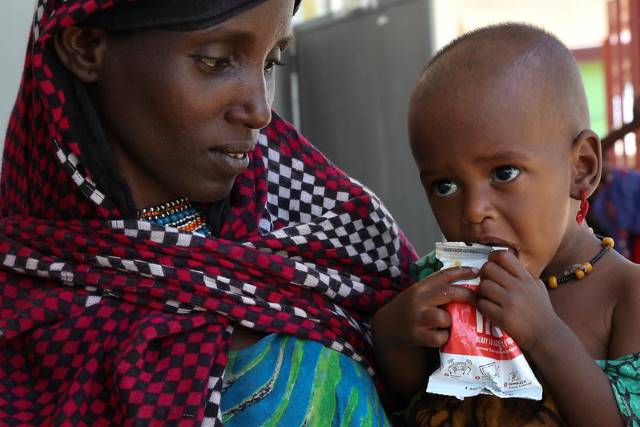
According to UNICEF, 36% of Sudanese live under the poverty line. When children live in poverty in Sudan, they face violence, lack of schooling and health problems. In 2018, 1 million Sudanese children encountered global acute malnutrition because of food insecurity, poor health services and unclean water supply. The financial status of families often dictates access to resources. In Sudan’s poorest families, children have 2.1 times the risk of death in comparison to children in financially stable homes. To combat malnutrition, UNICEF has partnered with local farmers and communities to cultivate peanuts. Using peanuts, UNICEF creates Ready to Use Therapeutic Food (RUTF), a peanut paste that provides sufficient nutrients for malnourished children. UNICEF and partnering communities’ procurement of RUTF is making significant advances in addressing malnutrition.

Inter-Communal Violence

Violence and conflict harm many Sudanese children. Over a single weekend in January 2021, an inter-communal conflict in Darfur, Sudan killed 83 people, including children, and forced many families into displacement. Often separated from their families, displaced children live in horrible conditions and do not have access to health services. Some Sudanese children, mainly boys, even participate in armed conflict.

Registration of Children

In Sudan, 33% of children 5 and under have not registered with civil authorities. Registering a child at birth means the child is eligible for schooling, health services and other government activities. Parents often find obtaining registration difficult because of registration fees and insufficient registration centers. Registration rates vary by state with the average rate of registration being 67%. The highest rate of registration is in the Northern state with 98.3% and the lowest rate is in Central Darfur with only 30.9% of children registered.

UNICEF works in Sudan to ensure Sudanese children have appropriate registration. In 2019, UNICEF registered over 175,000 children in states with low registration rates like East Darfur, Gedaref, North Darfur and White Nile.

Child Labor and Overwhelmed Schools

Past political instability in Sudan led to a struggling economy. Because of this, many families struggle financially causing children to leave school to support their families. The government banned child labor but often leaves the ban unenforced in the informal sector. About 25% of Sudanese children participate in child labor. Common jobs for children are trading and carpentry. In Khartoum, Sudan, children earn $1 to $1.50 per day.

 Of all Sudanese children, aged 5-13, 3 million of them do not attend school. Although Sudanese law ensures free education, headmasters at schools often charge a fee meaning families cannot afford school to send their children to school.

In addition to children leaving school due to their families’ financial concerns, poverty overwhelmed Sudan’s school system. UNICEF’s Ministry of Education reported that Sudan built its school system to hold only 60% of the children which left 40% of children without the opportunity to receive an education. The government does not have the resources to accommodate all Sudanese children. Beginning in 2015, The African Development Bank (AfDB) implemented a project in Sudan that works to improve learning conditions by enhancing teaching capacity and developing technology training. AfDB plans to complete this project by the end of 2021.

Child Protection Programme

Within the past few decades, Sudan increased its Human Development Index and transitioned to a lower-middle-income country. While Sudan accomplished major developments, child poverty in Sudan continues to be an issue. UNICEF’s Child Protection Programme (CPP) in Sudan is making strides toward relieving child poverty in Sudan. CPP began in 2018 and plans to achieve results by the end of 2021. One way UNICEF accomplishes this is by working with national and state governments in Sudan to ensure that it appropriately meets the budgetary needs for children’s health, education and social protection. The program plans to ensure all children in Sudan have protection by offering care services and social support. Thus far, CPP provided services to over 1 million children.

UNICEF’s CPP utilizes the ‘whole child’ approach. The ‘whole child’ approach acknowledges that children need protection throughout their childhood, from infancy to teenagehood.

The ‘whole child’ approach recognizes that Sudanese teens face violence and danger because of the ongoing conflict. UNICEF’s CPP in Sudan intends to support Sudanese children who the armed conflict affected. In 2019, CPP provided 1,039,769 children with child protection services. CPP increased the number of social service workers in Sudan from eight to 12 per 100,000 children. Social service workers collaborate with the Ministries of Social Welfare and Justice to protect children from violence. In all, UNICEF’s Child Protection Programme works to form an environment free of violence and neglect, that supports all Sudanese children. Organizations, like UNICEF, continue to advance Sudan toward a country free of child poverty.

While child poverty in Sudan continues to evoke concern, the country has progressed and will continue to do so in the future as organizations, like UNICEF, address crucial problems affecting Sudan’s children.

– Bailey Lamb
Photo: Flickr

March 20, 2021
https://borgenproject.org/wp-content/uploads/borgen-project-logo.svg 0 0 Jennifer Philipp https://borgenproject.org/wp-content/uploads/borgen-project-logo.svg Jennifer Philipp2021-03-20 07:30:082024-12-13 17:51:28The Fight Against Child Poverty in Sudan
Education, Global Poverty

Improving Education in the Sundarbans

Education in The Sundarbans
The Sundarbans mangrove forest, one of the largest such forests in the world, lies on the delta of the Ganges, Brahmaputra and Meghna rivers on the Bay of Bengal. Being the largest river delta in the world, the Sundarbans is an archipelago of islands located in the Bay of Bengal and divided between India and Bangladesh. It is home to roughly 4.5 million people that are affected by storms, cyclones and other environmental disasters. In 2011, the literacy rate of the people in the Sundarbans was 25.71% compared to West Bengal’s 76.26%. Several organizations are dedicating themselves to innovative efforts to improving education in the Sundarbans.

Keeping Children in School

The Sundarbans islanders are dependent on fishing, agriculture and the cottage industry for their income. The location of the islands, their dwindling mangrove population, breached shoreline and similarly breached tiger territories have pushed children out of school. The unique climatic and environmental situation on the islands has made innovation key in improving education in the Sundarbans. Fortunately, many organizations have found ways to bring the school closer and made it more appealing to stay in school.

School in The Cloud

The ‘School in The Cloud’ is an independent learning lab that uses solar power. The school uses a 40-foot bamboo tower receiver for its internet connectivity in the Sundarbans. It is the brainchild of Dr. Sugata Mitra of Newcastle University. He wanted to integrate Self Organized Learning Environment (SOLE) in order to improve education in the Sundarbans. Leadership specifically designed these learning hubs for children who are below the poverty line and thus lack access to unrestrained holistic education. The school focuses on the reading, speaking and comprehension skills of the children. This innovative institution receives funding from the TED prize money worth $1 million that Professor Mitra received.

Sabuj Sangha & Kishalay

Biplab Das, a Sundarbans native with an MBA, founded the Kishalay Foundation. The Kishalay Foundation focuses on the improvement of education for the Sundarbans’ underprivileged children. The foundation is affiliated with the government of West Bengal and serves as a learning hub for children at various levels of their education.

Sabuj Sangha works with Kishalay in its mission to retain children who have dropped out of school. Its innovative “preparatory centers” are key in rehabilitating children back into formal education. It accomplishes this by educating children informally for a year to help aid their transition. So far, the centers have successfully rehabilitated 700 children into formal education with the help of unemployed graduate teachers. The support of many donors, including the Tata group and Pepe Jeans, sustains this multi-faceted effort. The Smile Foundation is also affiliated to amplify the efforts of Sabuj Sangha and Kishalay in improving education in the Sundarbans.

The Sundarbans, through the work of its islanders and supporting organizations, can become a resourceful community for children to grow. Developing communities such as the islands of Sundarbans benefit from continued initiatives and foundational innovations. Moving forward, the work of nonprofits and educational leaders will drive community-informed and community-focused holistic development in the Sundarbans.

– Anuja Mukherjee
Photo: Flickr

March 20, 2021
https://borgenproject.org/wp-content/uploads/borgen-project-logo.svg 0 0 Lynsey Alexander https://borgenproject.org/wp-content/uploads/borgen-project-logo.svg Lynsey Alexander2021-03-20 01:31:152024-06-06 00:59:27Improving Education in the Sundarbans
Global Poverty

The Importance of Children’s Sports in Mexico

sports in mexico
The nation of Mexico is well-known for its tacos and tequila, but less known for its staggering poverty rates and rising obesity cases. The Mexican State of Jalisco has a poverty rate of 41%; nearly half of the population lives without basic nutrition and suffers from the violence and theft of local drug cartels. Children raised in the vicious cycle of generational poverty suffer the most. Sports can provide a refuge for these children growing up surrounded by violence and hardship. Organized sports in Mexico provide children with the safety to build confidence and essential life skills that can help end cyclical poverty.

Sports Address Health Concerns

According to Mexico’s national social development board in May 2020, half of all Mexican children ages five through 14 hadn’t engaged in physical exercise for at least a year. The lack of physical activities and available sports contributes to Mexico’s climbing obesity rate, which neared 30% as of early 2020.

Malnutrition is typically equated with being underweight, but overweight children in poverty are also victims of malnutrition. In both instances, the child’s brain remains underdeveloped and cannot reach its full potential. Without proper nutrients, it is increasingly difficult for children to retain information and benefit from education.

The Social Significance of Sports

An aspect of poverty often overlooked is the lack of opportunity that children have to build and practice social skills. Sports in Mexico provide a safe space for children to play, socialize and build friendships without the threat of theft and violence that lurk on the streets.

Often played casually without referees, sports in Mexico frequently result in a conversation or reflection post-game. These discussions often revolve around gender equality, teamwork, perseverance, diversity or cooperation. Such discussions exemplify how the universal language of sports can help people find common ground and grow together.

Organizations Creating Space for Sports

Organized sports in Mexico offer a haven for children trying to avoid violence. Exercise and engagement in a stimulating social environment provide further benefits for their future. Thanks to the efforts of Children International, there are five community centers in the capital of Jalisco. These community centers provide protected spaces where children can read, use computers, play sports and learn about healthy eating habits.

At the beginning of 2020, the UEFA Foundation for Children collaborated with the Fundación del Empresariado Chihuahuense (FECHAC) to open and run 88 schools that offer an opportunity for children to get involved in sports. The organizations hope to increase that number of schools to more than 100 in the next two years.

The Sports for Sharing initiative, or Deportes para Compartir, aims to teach children healthy lifestyles while also introducing cultural diversity and social issues. The initiative has reached more than 63,000 young Mexicans across the country and aims to expand internationally. The program empowers girls who are playing sports for the first time and reduces street violence by providing sports outlets for young men.

The physical and social rewards that children gain from sports in Mexico cannot be overstated. In addition to health and social benefits, playing sports acts as an escape for children leading difficult lives in poverty. It allows children to feel normal, forget the harshness of their world and imagine a better life for themselves. Moving forward, it is essential that more organizations make increasing opportunities for children’s sports in Mexico a priority.

– Veronica Booth
Photo: Pixabay

March 20, 2021
https://borgenproject.org/wp-content/uploads/borgen-project-logo.svg 0 0 Kim Thelwell https://borgenproject.org/wp-content/uploads/borgen-project-logo.svg Kim Thelwell2021-03-20 01:30:142024-05-30 07:56:41The Importance of Children’s Sports in Mexico
Global Poverty, Women and Female Empowerment, Women's Rights

The Two Sides of Women’s Rights in Bahrain

Women’s Rights in Bahrain
Bahrain, a small Middle-Eastern country off the coast of the Arab Peninsula, consists of Bahrain Island and 30 smaller islands. Due to its coastal location, Bahrain has greater access to ocean travel and, in consequence, a wider range of influences than its Arab-Islamic neighbors. These influences have made Bahrain a more ethnically and religiously diverse nation, and, while still conservative, more liberal and accepting in its interpretation of Islam. However, women’s rights in Bahrain have lacked in many ways.

The openness regarding interpretations of Islam has brought positive change for female rights and Bahraini women are the most liberally educated in the MENA (Middle-Eastern North-African) region. However, Bahraini law is a complicated combination of royal decrees, civil and criminal codes and Sharia law (religious Islamic law that comes from the Quran and the Hadith). As a result, while the secular part of Bahraini law advances women, the religious part holds them back. Here is a breakdown of these opposing legislative forces in the improvement of women’s rights in Bahrain.

The Background

Since he took the throne in 1999, the political and economic reforms of hereditary leader Hamad bin Isa Al-Khalifa have sparked the improvement of women’s rights in Bahrain. Bahrain’s 2002 constitution set women equal to men, guaranteeing gender equality in, “political, social and economic spheres, without breaching the provisions of Islamic law.” While this seems hopeful, the constitution also stated that “the family is the cornerstone of society, the strength which lies in religion, ethics and patriotism,” meaning the nation still believes in a traditional and conservative role for women.

Even more, no provisions exist in the constitution explicitly banning discrimination on the grounds of gender in the workplace or any other sphere of society. While popular protests have demanded a fully elected legislature in 2005 and increased democratic representation, an end to discrimination against Sunnis and the creation of an anti-corruption agency in 2011, no revisions have occurred to the 2002 constitution and the constitution has not given additional rights to Bahraini women.

CEDAW

Bahrain joined the Convention on the Elimination of All Forms of Discrimination Against Women (CEDAW) in 2002. CEDAW is an international treaty from the United Nations that defines what constitutes discrimination against women and sets out an agenda to eliminate it. Bahrain made great strides for women by joining CEDAW, providing its female citizens with adequate healthcare, education and employment opportunities. However, the nation joined the treaty with reservations about CEDAW’s articles that contradicted the Sharia, which included the prohibition of discrimination within governmental policies, the right for a woman to pass citizenship to her husband and children, freedom of movement regarding residency and equality in marriage and family life.

Islamic law mandates that men receive more inheritance than women and that children take citizenship from their fathers. Moreover, it states that it is unacceptable for women to live outside their married houses. Thus, while CEDAW improved women’s rights in Bahrain, the country’s commitment to Sharia law prevents Bahrain from truly accepting these social reforms.

Political Rights

In Bahrain, women have the right to vote and stand in local and national elections. Bahrain was the first nation to grant universal female suffrage in 2002 and, by the 2006 elections, 16 female candidates ran for the Council of Representatives and women made up 50.2% of the vote. While women have won elections, they have an exceedingly difficult time getting elected and even running, making women underrepresented in decision-making positions.

Only 39 female candidates ran in the 2018 parliamentary elections in comparison to 330 men. However, since adopting its new constitution, the Bahraini government has made considerable efforts to elect more women through its Supreme Council of Women, a semi-governmental body that the king’s wife runs. The Supreme Council of Women has had a powerful influence and, in 2018, Bahraini citizens elected six women to Bahrain’s lower house of Parliament, doubling their previous number and setting the record as an all-time high of elected female representatives in the nation.

Education

In 2007, Bahraini women made up 72% of the students at Arabian Gulf University and 67% of the University of Bahrain, exceeding the percentage of men at these universities. However, despite dominating the student population, Bahraini women frequently do not work in the workforce. Due to the strong traditional values of Islam, many subjects are unavailable to female students. Technical subjects are only available to male students, and textile classes are limited to females. While women receive the opportunity for education, they must study subjects that have low demand in the workforce, increasing their likelihood of unemployment.

Economic Rights

True economic equality is hard to achieve in Arab nations and the majority of the Bahraini workforce is male. Women only make up around one-fifth of the working population. However, the Bahraini government encourages women to work, creating incentives for employers to hire Bahraini women. For example, the government implemented a rule stating that hiring a Bahraini woman counts as hiring two citizens, helping companies increase their percentage of indigenous employment so they can employ more foreign workers (who tend to work for cheaper). Despite this government encouragement, Bahraini women face hard social pressures to stay at home and take care of their family, as is customary in Islamic tradition.

Social Rights

In May 2009, the government passed its first personal status law, a huge step for women’s rights in Bahrain. The new law granted women the right to consent to marriage and have conditions in a marriage contract. It also allowed women to take a separate residence if their husband marries a new wife.

Many laws exist that are discriminatory towards women. In Islamic court, a woman’s testimony is worth half of a man’s (however in civil court, testimonies are equal). In addition, no laws exist to protect women from gender-based violence. If a man assaults a female relative, he may face a few days in jail, but then only has to sign a pledge and pay a fee. Even more, spousal rape is legal and a rapist may avoid punishment if he agrees to marry his victim. These laws have deep roots in Islamic law, which grants men and women unequal rights in social and family life.

NGOs

In conjunction with the Supreme Council of Women, many NGOs have been fighting and advocating for women’s rights in Bahrain. Specifically, the Bahrain Women’s Union has had an especially strong impact on the advancement of women’s rights. While 456 NGOs exist in Bahrain, only 19 focus on women’s rights, and 12 of those 19 are a part of the Bahrain Women’s Union. The group aims for women to be more active politically and fights all forms of gender discrimination in Bahrain. After its creation in 2006, the Bahraini Women’s Union worked toward ratifying CEDAW and passing the personal status law. Other influential NGOs in Bahrain include the Awal’s Women’s Society, which provides free legal advice to abused women and the Batelco Anti-Domestic Violence Center, which rehabilitates domestically abused women.

The state of women’s rights in Bahrain is complex and manifold. The nation’s complicated combination of religious and secular law stops many gender discrimination reforms from reaching their full potential. Many NGOs and international organizations are actively helping to advocate for and win rights for Bahraini women but this work does not exempt these women from the societal norms pressuring them into traditional roles in the household. While Bahrain still has a long way to go, its relatively liberal interpretation of Islamic law and openness to equality leaves hope for the continued advancement of women’s rights.

– Georgia Bynum
Photo: Flickr

March 19, 2021
https://borgenproject.org/wp-content/uploads/borgen-project-logo.svg 0 0 Jennifer Philipp https://borgenproject.org/wp-content/uploads/borgen-project-logo.svg Jennifer Philipp2021-03-19 01:31:072024-06-04 01:08:50The Two Sides of Women’s Rights in Bahrain
Global Poverty

Mental Health in the Dominican Republic

mental health in the Dominican Republic
Mental illnesses and disorders affect a person mentally, emotionally and physically. They also affect mood and behavior that can impact a person’s functionality in social settings. Mental health in the Dominican Republic deals with illnesses such as anxiety disorder, depression and bipolar disorder. Additionally, mental health has many components that vary from person to person. Factors such as genetic history, stress-induced situations and feelings of loneliness and isolation play a role in mental illness.

Mental Health, Illnesses and Disorders

The Dominican Republic often overlooks and ignores mental health. Unfortunately, some consider mental health to be less important than other health problems. Furthermore, mental health issues directly correlate to poverty and gender inequality. Mental health affects a person’s confidence and hinders them from putting their best foot forward. One in four people globally will battle a short-term or long-term mental illness. Expectations have determined that depression will rank the highest of all other illnesses and disorders by 2030.

Men and Mental Health Shame

Mental health in the Dominican Republic affects men more than women. Oftentimes, men do not seek medical attention for mental illnesses due to shameful feelings. Vladimir Caamano is a comedian and actor who noticed that mental health is a common point that people find humor in. However, Caamano also chose to seek help for his anxiety. He recognized that he needed to address his problem. Caamano realized that he must not allow rejections to make him feel like a failure. Thus, he began seeing a therapist so that they could help him find solutions to battle anxiety. His therapist helped him find a new perspective to help Caamano navigate life better and make smarter choices. Furthermore, his parents became positive role models for him in his journey.

The Mental Health Project

Cases of depression and anxiety in the Dominican Republic are surging as a result of the COVID-19 pandemic. About 99% of the healthcare budget does not focus on mental health needs. The Society for Family Health and PSI collaborated to start the Mental Health Project. The organizations worked with the Dominican Ministry of Health to teach essential workers how to give mental health services in primary care. Additionally, social media awareness is important for the project to reach out and communicate with millennials. The project recognizes that 15 to 29-year-old people commit one in three suicides.

Mental health in the Dominican Republic is a serious problem that the government continues to overlook. In addition, the social stigma behind mental illness severely limits people’s willingness to seek medical attention. However, organizations and projects continue to work toward a healthier future for people who suffer from mental illness.

– Amanda Ortiz
Photo: Flickr

March 19, 2021
https://borgenproject.org/wp-content/uploads/borgen-project-logo.svg 0 0 Kim Thelwell https://borgenproject.org/wp-content/uploads/borgen-project-logo.svg Kim Thelwell2021-03-19 01:30:052021-03-19 07:40:17Mental Health in the Dominican Republic
Global Poverty

BrightLife Brings Financial Inclusion to Ugandans

Brightlife Brings Financial Inclusion
BrightLife is a program from FINCA, the microfinance organization. The program is a Uganda-based, social enterprise that pairs access to finance with access to energy. This allows for connections to financial inclusion for the “unbanked.” BrightLife brings financial inclusion to Ugandans and clean energy products to poor and impoverished areas through multiple initiatives and products. BrightLife ensures financial inclusion and wellbeing for those areas. People pay for their BrightLife products with a system called PAYGO. This allows people to pay for only the electricity they use as they go. This then allows BrightLife to build credit profiles for “unbanked” people and connect them with FINCA.

The Situation in Uganda

There are currently 1 billion people in the world living without electricity and 73% of the Ugandan population does not have access to electricity. People living without electricity must often use insufficient fuels to heat, light and energize their homes. This can then lead to indoor air pollution causing premature death. These energy uses are also dangerous in homes since they can cause fires.

Lack of energy in any area can cause a cycle of poverty since so many people cannot access the most basic necessities. This is why BrightLife brings financial inclusion to Ugandans. As FINCA states, the program “provides last-mile distribution and end-user financing for products that create healthier and safer homes, increase productivity, reduce household expenses and provide additional income-generating opportunities.”

BrightLife’s Impact

To date, BrightLife has impacted over 202,000 lives with clean energy. By providing education, distribution, financing and after-sale support, BrightLife is able to bring clean energy products like home appliances to people who cannot acquire them. However, access to energy is just the first step in FINCA’s BrightLife enterprise.

BrightLife announced a new product called “Prosper” in March 2019 to further its impact on the Ugandan people. Prosper is an initiative that helps Ugandans access the clean energy that BrightLife provides. Then, Prosper helps people transition from unbanked to FINCA Uganda where they can access savings and credit opportunities, increasing their financial inclusion.

A Better Tomorrow with BrightLife

Now, BrightLife is working to better understand the solar energy needs of their clients and is positioning itself to serve communities more efficiently. Through COVID-19, it has been able to grant access to solar lanterns and give students the ability to still get the education they need from home. Since BrightLife brings financial inclusion to Ugandans, it also won the Smart Communities Coalition Innovation Fund grant. As USAID reported, this grant will allow for the development of “a solar-powered hatchery” and small-scale solar systems used for poultry farming in Kiryandongo, Uganda.

– Grace Aprahamian
Photo: Flickr

March 18, 2021
https://borgenproject.org/wp-content/uploads/borgen-project-logo.svg 0 0 Kim Thelwell https://borgenproject.org/wp-content/uploads/borgen-project-logo.svg Kim Thelwell2021-03-18 15:24:312021-04-12 15:24:45BrightLife Brings Financial Inclusion to Ugandans
Global Poverty, United Nations

The Value of American Peacekeeping

American Peacekeeping
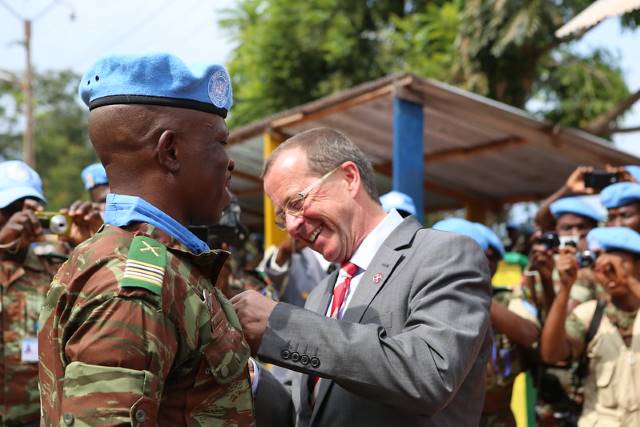
The role of United Nations peacekeeping forces – impartial troops that the U.N. deployed to ensure the promotion of human rights and democratic ideals – has been in question for years, especially due to concerns over their efficacy in situations where decisive military action is necessary. It is partly due to these concerns, as well as general opposition to international organizations from the Trump Administration, that American contributions to peacekeeping efforts have waned over the last five years. However, recent evidence shows that American peacekeeping not only plays an important role in the stability of many fragile democracies but that it often serves American interests more efficiently than U.S. military action could.

Controversy Over American Peacekeeping

U.N. peacekeeping efforts have long been the subject of controversy over their efficacy in conflict zones. Peacekeepers bind themselves to neutrality and may intervene only when the country in question invites them and use force exclusively in self-defense.

Traditional peacekeeping operations had the intention of maintaining demilitarized zones between warring parties in order to prevent either party from taking advantage of the other through abuse of cease-fires. An example of this includes the U.N. peacekeeping operation based in Jerusalem to prevent violence between Palestine and Israel. Peacekeeping’s detractors often point to this example as proof of the endless and ineffective nature of peacekeeping, given the failure of the Jerusalem mission to produce a peaceful regional agreement despite being implemented over 70 years ago. A better-known example of inefficacy in peacekeeping is the Rwandan genocide, where U.N. blue helmets – rendered powerless due to orders forbidding them to intervene – became witnesses to the slaughter of over 800,000 people.

Given the failure of the Rwandan peacekeeping mission and the fact that the kind of territorial conflicts the peacekeeping program intended to prevent are becoming less common, many believe that peacekeeping has no future in an era that ideological conflict and extremism define. This perspective, however, ignores blue-helmet successes and peacekeeping’s cost-efficiency in comparison to military interventions.

The Success of Peacekeeping

Blue helmet successes in East Timor and Sierra Leone point towards a new kind of peacekeeping that includes the mandate of military force where necessary in combination with the promotion of locally-led sustainable development initiatives. In East Timor, a country that integration with Indonesia and a desire for independence once tore apart, pro-integration militias began a bloody campaign which resulted in the deaths of thousands and the displacement of many more. After successfully registering hundreds of thousands of citizens to vote in a poll that demonstrated overwhelming support for independence, the U.N. provided peacekeepers with a mandate to restore stability to the region and assist in creating a local government. The multinational forces were successful in their use of force to quell violence in East Timor, and worked with local leaders to implement a new government that the Timorese designed rather than having Western nations force one upon them.

One can also see the efficacy of peacekeeping in the example of Sierra Leone, where a bloody civil war raged over the last decade of the 20th century. In the wake of a conflict that human atrocities characterized, U.N. peacekeeping operations (though initially modest) eventually brought nearly 18,000 troops into the region with the intention of restoring peace and disarming the country’s warring parties. In 2000, the U.N. negotiated a cease-fire under the Abuja Agreement, at which point peacekeeping operations shifted to prioritize the facilitation of fair elections and the rebuilding of the country’s infrastructure. Peacekeepers remained in the region until 2005 to ensure stability, and later surveys found that over 80% of Sierra Leoneans approved of the U.N.’s response to the conflict.

American Support for Peacekeeping

Under the Trump Administration, American contributions to the program have decreased from 29% of the American peacekeeping budget to under 25% over the last five years. Despite being the only organization for effective “burden-sharing” in the international effort for security, the Trump budget cuts stemmed from the belief that American contribution to the U.N. was unfairly large. The U.S. is currently the largest contributor to peacekeeping operations. Each country’s participation, however, depends on its size, wealth and veto power.

Despite claims that peacekeeping does not benefit American interests, recent studies show that it can be more efficient than American military intervention. A study by the Government Accountability Office found that, though U.N. peacekeeping operations cost roughly $2.4 billion (USD) over three years in the Central African Republic, a hypothetical American military operation with similar objectives would cost more than twice as much. When one factors this cost-analysis into the benefits to the U.S. from the global security gained by peacekeeping operations, it becomes clear that continued contribution to peacekeeping is in the best interest of American security.

– Kieran Hadley
Photo: United Nations

March 18, 2021
https://borgenproject.org/wp-content/uploads/borgen-project-logo.svg 0 0 Yuki https://borgenproject.org/wp-content/uploads/borgen-project-logo.svg Yuki2021-03-18 14:57:022021-04-01 14:57:17The Value of American Peacekeeping
Education, Gender Equality, Global Poverty, Women's Rights

The Journey Towards Hmong Gender Equality

The Journey Towards Hmong Gender Equality
Hmong people are a part of an ethnic group from Southeast Asia. They have achieved relative economic and political stability in the United States and other countries of Hmong migration after the Vietnam War. However, Hmong women continue to face inequality and repression within their own communities. The Hmong culture highly values education. As such, Hmong families often encourage their children to pursue higher education. However, Hmong’s people still need to achieve Hmong gender equality. As a result, families have not equally supported young girls in recent years.

Hmong society firmly implants gender roles. Established gender conventions continue to affect Hmong families’ opportunities. However, women have been triumphant in breaking barriers. In a survey of several Hmong women, author Gokia Vang found that a number of respondents felt pressure to transform into perfect housewives and conform to the idea of the woman as the homemaker.

Who Are the Hmong People?

It is crucial to understand the socio-economic conditions affecting the contemporary Hmong population. According to a leader at The Center for Hmong Studies, the Hmong are an ethnic group within the country of Laos. People in Laos primarily refer to the Hmong as Hmong. Although a majority of Hmong people migrated to the United States from countries such as Laos, Vietnam and Thailand, the Hmong are a unique ethnic group of their own. Furthermore, they have their own distinctive culture and lineage.

The CIA began leading covert efforts to recruit Hmong soldiers to defend against the influence of communism in the 1960s. Additionally, most Hmong soldiers fought alongside the United States during the Vietnam War and the Secret War in Laos. The two wars devastated the Hmong population. Furthermore, it drove hundreds of families to abandon Laos and flee to more stable surrounding countries. Eventually, many migrated to the United States.

Gender Dynamics in the Hmong Household

Economic pressures as a result of mass migration vastly influence gender roles in the Hmong community. Sara R. Curran and Abigail C. Saguy’s research on the effect of migration in gender roles reaffirms this phenomenon. The heads of households often feel compelled to assert a sense of legacy and encourage male members of the family to become resourceful, well-educated individuals when migrating to a new country. This is so men can send money back to relatives in their home country.

Researchers have observed a behavior called relative deprivation, where male members of a migrant community compensate for the upturning of tradition by purchasing material goods to assert social dominance. However, the head of households is hesitant to challenge tradition and instead push women towards homemaking and marriage to better integrate into American society. According to Identity Within Cultures, Hmong women began embracing more liberal forms of gender expression after arriving in the United States. Furthermore, new insecurities emerged in regard to Hmong gender equality. Thus, more rigid gender roles emerged as a method of holding onto their own culture.

The Challenges of Hmong Gender Norms

Many often perceive gender equality in a white-centric context for Hmong women. Studies acknowledge Hmong culture as fluid and changing and that Hmong American women are active participants of cultural change. However, more discussion of discourse and ideologies that impact Hmong American girls’ self-perceptions and choices is necessary. Hmong women have succeeded in the educational sphere despite the racial and cultural implications. Furthermore, they have demonstrated their motivation to secure college degrees and seek out challenging careers.

Women within these communities have explored various paths to achieve Hmong gender equality and belonging. Their ambitious and motivated efforts have flipped the dynamics within the cultural sphere. Jennifer Yang, a writer for Diverse Education reported that Hmong women seeking higher education outnumber Hmong men. There have been significant improvements in Hmong gender equality. It is important to acknowledge how Hmong women have rapidly shifted economic roles and redistributed opportunities in a more egalitarian manner amidst the complexities of acculturation and cultural preservation. Women within micro-cultures can successfully shape and mold their own roles in a new social climate.

– Luna Khalil
Photo: Flickr

March 18, 2021
https://borgenproject.org/wp-content/uploads/borgen-project-logo.svg 0 0 Yuki https://borgenproject.org/wp-content/uploads/borgen-project-logo.svg Yuki2021-03-18 12:52:402021-04-02 12:52:54The Journey Towards Hmong Gender Equality
Global Poverty

The Impact of COVID-19 on Cabo Verde

Impact of COVID-19 on Cabo Verde
To say that the impact of COVID-19 in the Cape Verde Islands, officially Cabo Verde, is gigantic is an understatement. Unlike any other epidemic or disease, the novel coronavirus threatens lives, the economy and social life in Cabo Verde. The islands are located 375 miles off the coast of Senegal, which has made the latter a prime destination for its people in the last 200 years. Cabo Verde achieved its independence in 1975, having been a Portuguese colony. This explains its lack of economic self-sufficiency which persists to the present day. Like many other former colonies, it relied on the economic sectors of Portugal, its former colonizer, for food, medical infrastructure, manufacturing, imports and more. Given all these socio-economic and political realities, COVID-19 was devastating.

Impact on Lives

COVID-19 has had a tremendous impact on lives throughout these Islands. More than 15,000 confirmed cases and more than 150 deaths have occurred due to COVID-19. Paradoxically, Cabo Verde had witnessed a rapid development of its healthcare system after 1975. With six hospitals and 80% of its population within 30 minutes of a healthcare facility, most richer African countries are lagging behind Cabo Verde in service delivery.

Due to the viral shockwave on Cabo Verde, the nation finds itself at a level four regarding COVID-19. Furthermore, the entire Cape Verdan is suffering from its economic dependence on tourism and reliance on numerous experts from other countries in all its sectors. This made it difficult for this island nation to firmly close its doors as stronger economies had done. Since September 2, 2020, the government has now imposed “State of Calamity” which forces restrictions on all businesses, gathering in public places including time restrictions.

Impact on Tourism

The tourism sector accounts for nearly half of its GDP. Cabo Verde adopted a market economy that attracts much foreign investment, with tourism being mostly privatized. This means that if business on the islands is not profitable, investors will leave. Even though many knew the risks, no one could have predicted a pandemic wiping an entire sector literally overnight. The virus restrictions immediately affected the tourism industry. Prior to COVID-19, Cape Verde was a beautiful country to visit.

Not only did tourism bring in revenues, but it also created jobs in the formal and informal sectors. In addition, it provided exposure to foreign investors and trade. Therefore, the contrast with today’s situation is stark; hotels are empty and local employees have returned to their respective homes on other islands empty-handed. Many who were the breadwinners must now rely on their struggling communities to survive. One former hotel employee revealed her predicament stating that “I worked in the Iberostar hotel for almost four years, but now I am jobless. I’ll be getting unemployment benefits for five more months, but after that, I won’t know how to feed my kids.” Sadly, the pandemic has affected thousands. Bars, restaurants, small vendors and taxis are now all idle.

Other Economic Sectors

For decades, the country had put all its assets in the tourism and real estate basket and clearly overlooked manufacturing, fishing, trade and modern technologies. Manufacturing only produces limited production in textiles, tuna fish canning, frozen seafood processing, ceramics, mining and timber. As a result of its poor ecology, agriculture was for local consumption and small-scale farming. With the impact of COVID-19 on Cabo Verde, fishing, communication technologies, e-commerce and renewable energies require investments.

What is Next?

It is amazing that in an archipelago of 10 islands fishing is not a leading industry. However, that could change in the immediate future if the country wants to thrive rather than just survive. One should note that Cabo Verde’s GDP had grown by 5% just a year ago. It was a rising star in the developing world. Its people are hardworking and resourceful, but better economic planning has become imperative. Diversification should become the modus operandi of government agencies, policymakers and should be on the minds of Cabo Verdians who saw their businesses or jobs fall apart so quickly.

 More than 1 million Cabo Verdians living abroad. As emigrants, they are also assets to their families, specifically by sending remittances to their relatives. With these new gaping holes in the economy and the livelihood of so many, the government will hopefully build more bridges between these sons and daughters abroad who can bring back investments, technologies and their creativity to their motherland.

Finally, it is noteworthy that since 2016, the Cape Verde Islands’ National Association of Cabo Verdean Municipalities Healthy Cities Initiative has been working diligently towards increasing its health protocols and standards with the institutional and technical support of WHO. According to the WHO website: “[Cabo Verde] was the first country in the African region to embrace the WHO Healthy City approach.” The Healthy Cities Network became a model for 240 million living in  Communities of Portuguese-speaking Countries (CPLP) since 2018. Owing to this officially recognized structure, China has granted substantial funds in 2019. With such commitment locally and abroad, Cabo Verde has been increasingly prepared to respond to the impact of COVID-19.

– Elhadj Oumar Tall
Photo: Wikipedia Commons

March 18, 2021
https://borgenproject.org/wp-content/uploads/borgen-project-logo.svg 0 0 Jennifer Philipp https://borgenproject.org/wp-content/uploads/borgen-project-logo.svg Jennifer Philipp2021-03-18 10:36:392021-03-19 19:53:28The Impact of COVID-19 on Cabo Verde
Page 812 of 2162«‹810811812813814›»

Get Smarter

  • Global Poverty 101
  • Global Poverty… The Good News
  • Global Poverty & U.S. Jobs
  • Global Poverty and National Security
  • Innovative Solutions to Poverty
  • Global Poverty & Aid FAQ’s
Search Search

Take Action

  • Call Congress
  • Email Congress
  • Donate
  • 30 Ways to Help
  • Volunteer Ops
  • Internships
  • Courses & Certificates
  • The Podcast
Borgen Project

“The Borgen Project is an incredible nonprofit organization that is addressing poverty and hunger and working towards ending them.”

-The Huffington Post

Inside The Borgen Project

  • Contact
  • About
  • Financials
  • President
  • Board of Directors
  • Board of Advisors

International Links

  • UK Email Parliament
  • UK Donate
  • Canada Email Parliament

Get Smarter

  • Global Poverty 101
  • Global Poverty… The Good News
  • Global Poverty & U.S. Jobs
  • Global Poverty and National Security
  • Innovative Solutions to Poverty
  • Global Poverty & Aid FAQ’s

Ways to Help

  • Call Congress
  • Email Congress
  • Donate
  • 30 Ways to Help
  • Volunteer Ops
  • Internships
  • Courses & Certificates
  • The Podcast
Scroll to top Scroll to top Scroll to top