• Link to X
  • Link to Facebook
  • Link to Instagram
  • Link to TikTok
  • Link to Youtube
  • About
    • About Us
      • President
      • Board of Directors
      • Board of Advisors
      • Financials
      • Our Methodology
      • Success Tracker
      • Contact
  • Act Now
    • 30 Ways to Help
      • Email Congress
      • Call Congress
      • Volunteer
      • Courses & Certificates
      • Be a Donor
    • Internships
      • In-Office Internships
      • Remote Internships
    • Legislation
      • Politics 101
  • The Blog
  • The Podcast
  • Magazine
  • Donate
  • Click to open the search input field Click to open the search input field Search
  • Menu Menu

Archive for category: Global Poverty

Key articles and information on global poverty.

Children, Developing Countries, Global Poverty, Health

Fighting Malnutrition in Nepal

Malnutrition in NepalIn 2019, the malnutrition rate in Nepal was 43% for children under 5 years old. Malnutrition is defined as a lack of nutrition and can be a result of either being underfed or not eating enough nutritious foods. When children suffer from chronic malnutrition, it can result in stunting, which can permanently affect a child’s growth physically and cognitively. For the first two decades after 1990, malnutrition in Nepal decreased. Thereafter, malnutrition progress slowed down. Currently, malnutrition in Nepal is still a serious issue that needs addressing.

Malnutrition in Numbers

Nearly 66% of children between 0-5 months old are exclusively breastfed. Between 6-24 months old, only 36% of babies receive a minimum acceptable diet. Additionally, as little as 47% of these children receive diversified diets with the proper nutrients.

Mother Fights Malnutrition

To help fight malnutrition, adolescent girls, women and children, need access to better nutritious diets and associated nutritional care. According to UNICEF, “The first 1,000 days from the start of a woman’s pregnancy to a child’s second birthday offer an extraordinary window of opportunity for preventing undernutrition and its consequences.” In this critical period, preventative intervention is vital. This includes breastfeeding support,  supplementary foods for infants and micronutrient supplementation for women and children.

Bimala Chaudhary is an example of a mother who has been educated on the importance of nutrition. On a monthly basis, Chaudhary participates in a mothers’ group meeting where female community health volunteers teach mothers about how to improve both their own nutrition and the nutrition of their children. The mothers have been taught lessons that include the importance of handwashing and how to prepare nutritious porridge.

The health volunteers also visit Chaudary’s home to provide one-on-one nutritional counseling. A USAID-supported radio program called Mother Knows Best further emphasizes the lessons she learns through the women’s group. She also receives SMS messages to remind her to take her daughter for visits at the clinic in order to monitor progress.

To help the community, Chaudhary shares what she learns from the meetings with other mothers. Her end goal is to make sure no children are malnourished in the future.

Solutions

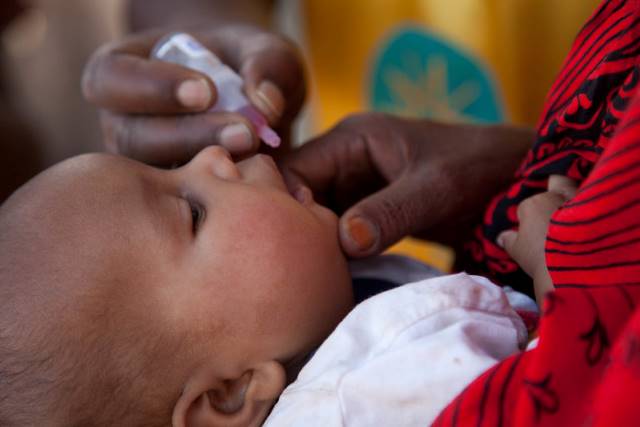
Since the 1990s, a lot of progress has been made to fight malnutrition in Nepal. The current country program (2018-2022) works to improve nutrition in Nepal. Adolescents, pregnant women, breastfeeding mothers, infants and young children receive special focus. UNICEF supports the Government of Nepal in the implementation of comprehensive nutritional strategies. These strategies include deworming children, vitamin A supplementation, iron folate supplementation and nutritional education and counseling.

The Nepal Youth Foundation has developed child malnutrition treatment centers. These Nutrition Rehabilitation Homes (NRHs) treat severely malnourished children, teach mothers about children’s health and train professionals on best nutritional practices. These homes bring in critically-underweight children for three to four weeks to help improve their health through a monitored diet. For a long-term solution, caregivers and mothers are taught how to make nutritious meals. They are then encouraged to share these lessons with their communities. Since the first NRH was opened in 1998, 15,000 malnourished children have been restored back to health.

Food for the Future

By increasing the nutritional education of communities, malnutrition in Nepal can improve. With both short and long-term solutions, organizations like UNICEF and the Nepal Youth Foundation improve the lives of mothers and children.

– Sarah Kirchner
Photo: Flickr

March 26, 2021
https://borgenproject.org/wp-content/uploads/borgen-project-logo.svg 0 0 Kim Thelwell https://borgenproject.org/wp-content/uploads/borgen-project-logo.svg Kim Thelwell2021-03-26 01:31:172024-05-29 23:22:31Fighting Malnutrition in Nepal
Global Poverty

Empowering Renewable Energy in Mexico

Renewable Energy in Mexico
Renewable energy in Mexico is facing a crisis. On December 28, 2020, Mexico saw a two-hour power outage that affected 10.3 million people. Mexico’s National Center for Energy Control (CENACE) reported that the blackouts were due to an imbalance in the National Interconnected System (SIN).

SIN is Mexico’s state-owned power grid. During the blackouts, Mexico experienced a loss of 7,500 megawatts due to complications with Mexico’s fossil fuel power plants. CENACE blames the blackouts on renewable energy, although renewable energy currently accounts for only 28% of SIN’s power supply.

Following the blackouts, CENACE sought to consolidate the SIN system. Representatives from the CFE (Federal Electricity Commission) said the current SIN grid system does not have the mechanical inertia and capacity to support renewable energy sources. CFE Communication Director Luis Bravo stated that renewable energy damages “the reliability of the national system” and that CENACE will exclude renewable energy from the SIN. This will not only set back Mexico’s environmental progress, but it will also drive up electricity costs for families and businesses that the pandemic has already left struggling.

Higher Electricity Costs and Reduced Investment

Expensive electricity has long been a hindrance to Mexican households and businesses. In 2020, the state-owned electric company’s generation costs were over three times the generation costs of private renewable energy businesses. In February 2021, when the company cut power to two Oaxaca communities where many residents had unpaid electricity bills, local residents traveled to the state’s CFE headquarters to protest the company’s unreasonably high rates.

Nevertheless, President Andrés Manuel López Obrador is fighting against cheaper renewable energy in Mexico in favor of government-owned fossil fuel plants. On February 2, 2021, he proposed a bill that mandates that SIN plants be the first source of statewide power. The bill also requires that the government approve all renewable energy usage.

Not only are many Mexican businesses voicing opposition, but many foreign companies, like Iberdrola, a huge Spanish producer of wind power, have stopped investing in Mexican energy projects. In June 2020, Iberdrola suspended a $1.2 billion project to create a power plant in Tuxpan that would have been an economic boon to the area. Reduced usage of renewable energy in Mexico could also damage the country’s standing in international arrangements, such as trade agreements or the Paris Climate Accord.

Renewable Energy Opportunities

Despite what their president claims, renewable energy in Mexico is affordable. While wind energy is growing within Mexico through international means, solar panels are helping domestically in rural areas.

Many businesses are starting to use solar energy. One region, in particular, Querétaro, is wholeheartedly embracing the economic benefits of renewable energy. The Federation of Producers of Corn Flour and Tortillas said solar cells currently power more than 40% of the state’s 389 tortilla shops. This organization helps shop owners take out low-interest government loans, allowing businesses to get off the SIN grid. Federation president Arthur Campos Novoa said, “Over three years, they have to pay [monthly] for the [solar panels], but after that, it will be a benefit to the business.” Businesses that receive the loans save 20,000 pesos every two months. The goal is to get 100% of Querétaro’s tortilla shops off the SIN grid.

Iluméxico

Iluméxico is another company using renewable energy to benefit everyday citizens. Its mission as a social enterprise is to empower rural communities that are living in energy poverty. Iluméxico specializes in installing small solar panels in areas with poor infrastructure. The company designs and distributes solar panels, creates affordable energy access plans and trains people in the solar panel trade. Iluméxico is Mexico’s largest provider of off-grid solar energy. It has installed nearly 25,000 systems and should reach 1 million people by 2025.

For example, Iluméxico helped Nereo Cruz of Chichicuastla, Veracruz along with his wife and four children out of energy poverty. Cruz and his family used to have to stop most activities at sunset because of their lack of electricity, but with a microloan from Iluméxico, Nereo purchased a solar home system that he slowly paid off using savings and income.

Renewable energy in Mexico is revealing political divisions. However, those fighting for a greener and more affordable future are persevering through the current crisis to continue alleviating energy poverty.

– Matthew Martinez
Photo: Flickr

March 26, 2021
https://borgenproject.org/wp-content/uploads/borgen-project-logo.svg 0 0 Kim Thelwell https://borgenproject.org/wp-content/uploads/borgen-project-logo.svg Kim Thelwell2021-03-26 01:30:462024-05-30 07:56:44Empowering Renewable Energy in Mexico
COVID-19, Developing Countries, Global Poverty, NGOs

The Kwanisa Foundation Helps South Africans

Kwanisa FoundationWhile COVID-19 casts a new set of challenges for poverty in South Africa, two extraordinary women are showing the power that a grassroots foundation has in the fight against poverty. COVID-19 has had disastrous effects on poverty in South Africa, leaving many South Africans unemployed and unable to secure basic needs such as food and clean water. The Kwanisa Foundation aims to assist South Africans in need.

COVID-19 in South Africa

Surprisingly, in an analysis done by Global Food Security, food security issues caused by COVID-19 in South Africa are not related to supply, logistics or distribution. Food insecurity is due to a collapse in earnings.

A recent study conducted by the United Nations Development Program (UNDP), concluded that 34% of households are expected to fall out of middle-class status and into the vulnerability of poverty. The same study predicts that the South African economy will contract anywhere from 5-8% in 2020. Furthermore, the economy will likely recovery slowly through 2024.

The adverse health effects of COVID-19 and economic disruptions put South Africa’s food security in jeopardy. Shocks in the system due to COVID-19 have resulted in a complete stop of household income for many families, income that is vital for purchasing food.

Although the South African government has provided relief funds, it has not been enough to curb the effects of the pandemic. With the loss of income resulting in food insecurity, social protections and grassroots efforts are vital to providing short-term relief.

The Kwanisa Foundation

Providing much-needed short-term relief is exactly what Kopano Tsengiwe and Nwabisa Mpotulo, both from Johannesburg, set out to do by founding the Kwanisa Foundation. Starting in March 2020 when the nation went into lockdown, the Kwanisa Foundation has been providing food to families in need.

Delivering food packages around their community, consisting of dry and canned goods and even hygiene products such as toothpaste, the Kwanisa foundation has empowered those in the community to help in any way they can.

By developing these grassroots programs that draw in help from those who can give it, the Kwanisa Foundation has put an increased emphasis on outreach directed toward the youth of South Africa.

The goal is to build a network of individuals who can pool together resources and skills in order to develop and improve local communities.

The co-founders first met at the University of Pretoria and both worked at the nonprofit called Blue Palm. In an attempt to continue their philanthropic efforts, the two co-founded the Kwanisa Foundation whose mission is to empower disadvantaged youth to become advocates for change within and outside of their communities.

Other Initiatives

The Kwanisa Foundation’s efforts do not stop at food drives. Looking to empower the youth of South Africa and address unemployment, skills development workshops target students in underprivileged schools. These workshops include university readiness training and career counseling to help prepare the youth for their futures ahead.

Another youth-driven project is the Light in a Home Mission. This project looks to improve the living conditions and access to resources for the 2.3 million orphaned children currently living in South Africa. Orphans receive basic necessities and administrative help such as applications for grants and tertiary institutions.

Other community-driven projects championed by the Kwanisa Foundation include sanitary pads and toiletry drives, school shoes and stationary drives as well as blanket drives.

Instead of just hoping for change, Tsengiwe and Mpotulo are stepping up and creating change with a grassroots effort to help end poverty in South Africa.

– Andrew Eckas
Photo: Flickr

March 26, 2021
https://borgenproject.org/wp-content/uploads/borgen-project-logo.svg 0 0 Kim Thelwell https://borgenproject.org/wp-content/uploads/borgen-project-logo.svg Kim Thelwell2021-03-26 01:30:132021-03-22 08:15:14The Kwanisa Foundation Helps South Africans
Global Poverty

Maternal Healthcare Services in Spain

Maternal Healthcare Services in Spain
The foundations of the Spanish National Health System (SNS) are free access, equity of financing and funding from taxes. This allows the public sector to provide the most coverage. Oftentimes, this coverage is free of charge. Maternal healthcare services receive high regard in both public and private settings. However, this system faces many issues as well.

Healthcare is available to all Spanish residents for free. Social security payments guarantee almost everyone access to free healthcare. Moreover, some only need to pay a small percentage of fees. Furthermore, only non-residents with health insurance in other countries are not eligible for public healthcare in Spain.

Pros and Cons of Healthcare in Spain

The Spanish healthcare system generally offers high-quality services. There is a network of hospitals and medical centers with well-trained staff members. Additionally, the healthcare system also covers the direct family of a beneficiary. This includes dependents that are under 26 years of age and their siblings.

However, the waiting times for surgeries and treatment from specialist doctors can be extremely long. This is one of the main setbacks of public healthcare. Also, public healthcare services do not allow patients to choose their doctor or specialist. This is very troublesome for some people who wish to have a specific doctor.

Costs for Expecting Mothers

Mothers most often choose hospitals to have childbirth. However, the number of home births has been slowly increasing across Europe. In addition, the state health system does not cover home births in Spain. Moreover, less than 1% of Spanish midwives were registered to oversee home births legally in 2015.

Residents of Spain who use state healthcare can give birth for free. Yet, there may be additional costs with private insurance depending on the insurance plan. Thus, this option makes it easier to find a plan to fully cover the cost of childbirth. The cost of giving birth in Spain is about $1,950 without insurance. This is one of the lowest costs in the world.

Women must hold a private insurance policy for 6-12 months in order to have maternity costs covered. As such, the European Health Insurance Card does not include maternity care.

Maternity Leave

There is also a complicated process in receiving maternity leave. In order to have a standard maternity leave of 16 weeks, mothers must have been paying contributions for a set period of time depending on their age. Mothers are eligible for 18 weeks of maternity leave if they have twins and 20 weeks for triplets. Additionally, maternity leave can receive an extension to 18 weeks if the child has special needs or if the mother is a single parent.

Spain’s Social Security System (Seguridad Social) pays for maternal healthcare services. Mothers must receive paid contributions for at least 180 days within the last seven years to qualify.

The Spanish maternal healthcare system helps many people living in poverty. This system provides a way for people to receive care regardless of their socioeconomic status or salary. Furthermore, it provides a way for residents to choose between public and private options. These options gear towards those who want personalized treatments with a specific doctor.

Expecting mothers benefit from these affordable and accessible maternal healthcare services. Although aspects of the process are difficult and intricate, this service provides a way for Spanish women to give birth easily. This public healthcare system has made Spain a highly rated country for quality care and service.

– Miranda Kargol
Photo: Flickr

March 25, 2021
https://borgenproject.org/wp-content/uploads/borgen-project-logo.svg 0 0 Kim Thelwell https://borgenproject.org/wp-content/uploads/borgen-project-logo.svg Kim Thelwell2021-03-25 20:29:312021-04-09 20:29:46Maternal Healthcare Services in Spain
COVID-19, Development, Global Poverty

Countries that Experienced Economic Growth in 2020

Economic Growth in 2020
“Everyone is growing.” At the end of 2019, this was the World Bank’s outlook of the economic trajectory for the year 2020. The global economy was steadily growing and strengthening, and only a select few countries were facing GDP and economic contractions. Here is a look at the countries that experienced economic growth in 2020.

COVID-19’s Impact on the Economy

At the end of 2020, the World Bank sang a much different tune than what it did at the end of 2019. After the onset of a global pandemic, the majority of the world’s economies have taken a turn for the worst, the year turning out to be one of the worst in terms of economic growth and development. A far cry from the projected global GDP growth of 2.5%, as in June 2020, the International Monetary Fund (IMF) predicted that the world would close out the year with a GDP growth rate of -4.9%.

For some countries such as Spain, the U.K. and Tunisia, economic growth in 2020 had already fallen by around 20% by the year’s second quarter compared to the same period of 2019, a record quarterly fall for many countries. In other countries such as Taiwan, Finland, Lithuania and South Korea, the economic impact was much less than 5% contractions in GDP.

However, while the problem of economic recession was common for most nations, there were a select few that were not only able to ward off a negative growth pattern but steadily grew in the face of a global crisis. According to reports from the International Monetary Fund (IMF), in October 2020, only 16 countries would sustain economic growth in 2020 of more than 1%, and 11 would grow at a rate between zero and 1%. That leaves a whopping 167 nations facing economic contraction.

5 Countries that Experienced the Highest Economic Growth in 2020

  1. Guyana: Guyana currently has the fastest growing economy globally, with an economic growth rate of approximately 26.21% in 2020. The mainland country serves as home to one of the most promising newly discovered oil basins globally and a vast supply of other natural resources. The recent oil discoveries and new production began in late 2019. Guyana’s economy is expanding fast and expects the GDP to more than double by 2025. Therefore, while it is likely that the Guyanese economy did face setbacks due to the COVID-19 pandemic, the explosion of its oil industry has been able to keep the country’s economy heading in the right direction.
    2. South Sudan: After facing stunted economic growth in the 2010s due to civil unrest, the relatively newly independent South Sudan faced harsh humanitarian and food insecurity crises. However, in 2018, the country signed a new peace agreement, followed by the reopening of many of its oil wells, boosting its main revenue source. Between 2018 and 2019, the country gradually maneuvered itself back into a steady growth pattern that maintained a 4.11% growth in GDP in 2020.
    3. Bangladesh: Over the years 2016 to 2020, the Bangladesh economy has recorded a 7.6% growth in GDP. Such rapid expansion has allowed the country to graduate from the U.N.’s list of Least Developed Countries (LDC). Because of its now stable macroeconomic environment, buoyant domestic demand and export-oriented industry-led growth, Bangladesh has been able to maintain an approximate 5.2% growth rate during 2020, with predictions that it will see an increasing growth rate of 6.8% in 2021 and the coming years.
    4. Egypt: Similar to Guyana, the Egyptian economy has recently benefitted greatly from lucrative natural gas discoveries. Though the pandemic and global economic crisis hit the country’s economic growth in 2020 due to a sudden fall in tourism, remittances and exports, its previous main sources of income, the revenue from its oil discoveries, was enough to stabilize growth in the economy. Already, the Egyptian economy is on the path to recovery with a projected 2.76% growth in 2021, before returning to its previous growth levels averaging at 5.28% in the coming years.
    5. Benin: Due to intentional and effective key economic and structural reforms in recent years, Benin reached a growth rate of 6.41% between the years 2017 and 2019. Therefore, while economic activity did slow for the country heavily dependent on re-export and transit trade, it was able to sustain economic growth in 2020 at a rate of approximately 2%. As the world adapts to and moves towards the end of the pandemic and global economic crisis, expectations have determined that Benin’s economy will return to faster growth rates of around 5% to 7% in the upcoming years.

Looking Forward

It was low- and middle-income emerging economies that were better able to sustain a growth trajectory throughout the 2020 global economic crisis. In fact, China, which the COVID-19 pandemic hit first, has been the only trillion-dollar economy that sustained positive economic growth in 2020. Economic growth is crucial for reducing and eradicating poverty and can lead to social improvements in affected countries. Therefore, the hope is that the countries that are not on the above list will return to pre-pandemic growth rates, and the five fastest-growing nations of 2020 keep developing at this level.

– Rebecca Harris
Photo: Flickr

March 25, 2021
https://borgenproject.org/wp-content/uploads/borgen-project-logo.svg 0 0 Kim Thelwell https://borgenproject.org/wp-content/uploads/borgen-project-logo.svg Kim Thelwell2021-03-25 08:28:402021-04-26 08:28:54Countries that Experienced Economic Growth in 2020
Global Poverty

Overseas Filipino Workers in the UAE

Overseas Filipino Workers
Travel enthusiasts and visitors often cite Dubai as the most dazzling city in the Middle East. Yet amidst all the glamor and luxury in the United Arab Emirates, migrant workers face immense wage inequality and abuse. One of the largest populations of migrant workers hails from the Philippines. Filipino laborers undertake a variety of service jobs in domestic work and hospitality, both of which are vital sectors of the Emirates economy. Yet despite their integral role in the financial stability of the Emirates, Overseas Filipino Workers (OFWs) struggle with a lack of job security and often have no choice but to return home. The economic hardships of COVID-19 have only exacerbated their struggle.

UAE Migrant Demographics

As of 2019, immigrants comprise nearly 90% of the United Arab Emirates’ total population. This is largely because Dubai offers a variety of policies to attract global businesses and international professionals. For example, Dubai established 30 tax-free regions of the city for companies to operate free from restrictions. The Kafala Sponsorship System allows workers from around the world to more easily access job opportunities in the Emirates, but this program has also created conditions in which migrant workers face increased vulnerability and potential risks.

The United Arab Emirates operates as a mixed free economy. Although oil sales comprise the majority of its income, the UAE has branched out into the vacation industry as well as the automation and telecommunications sectors. The expansion of economic sectors such as hospitality, development and trade in the United Arab Emirates have made employment more accessible for blue-collar migrants. The Filipino government in particular has supported labor migration for its citizens, with the Labor Code of the Philippines promoting protections for OFWs. Currently, over 2 million Filipino migrant workers are in the Middle East.

Wealth Disparity

In recent years, the severe maltreatment of Filipino workers in the United Arab Emirates has forced the Department of Foreign Affairs in the Philippines to repatriate thousands of its citizens. Several of these individuals suffered abuse from their Dubai employers or were victims of human trafficking.

Household workers, who are usually female, make up 10% of Filipino migrant workers. Among female Filipino domestic workers, sexual abuse and mistreatment are unfortunately quite common. Due to the vulnerable financial and legal status of female Filipino domestic workers, this particular segment of migrant workers often experiences abuse. The Filipino government responded to this by repatriating such female workers from the United Arab Emirates.

Solutions for Overseas Filipino Workers

The Philippines Overseas Employment Administration (POEA) advocates for OFWs’ rights and addresses the concerns of the transnational community. The Overseas Workers Welfare Administration (OWWA) provides programs for migrant workers and aims to prevent potential abuse.

Filipino migrants in economically valuable positions can effectively produce a change for their community. Educated Filipino migrants make up over half of the Filipino migrant population in the United Arab Emirates. As such, they are economically essential to the country’s labor force. Approximately 47% of Filipinos have climbed the ladder to higher positions. These individuals are paving the way for a new rank of Filipino professionals to represent the OFW community.

Generous Filipino residents within the UAE work tirelessly to assist their fellow community members throughout the COVID-19 pandemic. Thanks to the service of caring individuals such as Dela Peña, unemployed Filipino workers still have resources to survive through the coronavirus pandemic and access to food through Dela Peña’s program, Ayuda.

Points of Resolution

Leaders of the United Arab Emirates often overlook the impact that OFWs have upon its economy. However, migrant workers have been pivotal to the growth and industry of Dubai and the nation as a whole. With this in mind, the UAE will hopefully recognize the importance of the OFWs and establish laws to uphold their rights. Supporting and encouraging the Overseas Filipino Workers in their endeavors will not only erase the need for their repatriation back to the Philippines but will further strengthen the economy of the migrants’ new home.

– Luna Khalil
Photo: Flickr

March 25, 2021
https://borgenproject.org/wp-content/uploads/borgen-project-logo.svg 0 0 Jennifer Philipp https://borgenproject.org/wp-content/uploads/borgen-project-logo.svg Jennifer Philipp2021-03-25 07:31:062024-06-06 00:59:30Overseas Filipino Workers in the UAE
Child Marriage, Global Poverty, Refugees, Women's Empowerment, Women's Rights

5 Women Advancing Equal Rights for Women

Equal Rights for Women
Throughout history, women have not always had access to the same rights as men. More recently, women are increasingly demanding and fighting for equal rights, especially by women who witness the oppression or have lived subject to the inequalities. Here are five women who are taking leadership in advancing equal rights for women.

5 Women Advancing Equal Rights for Women

  1. Malala Yousafzai, alongside her father, established the Malala Fund. In 2012, the Taliban targeted Malala, a vocal advocate for a girl’s right to education, and shot her on the left side of her head on her way home from school. When Malala recovered, she decided that she wanted to continue fighting for education for girls around the world. With the allyship of her father, she established the Malala Fund. It supports educators in eight different countries with $22 million invested in Malala Fund campaigns. Malala Yousafzai is a woman advancing equal rights for women by advocating for every girl’s right to an education as well as financially supporting schools for women in various countries.
  2. Gabby Edlin is the founder of The Bloody Good Period Campaign. While volunteering at a refugee center, she noticed that women did not receive menstrual products with their kit of essentials. Gabby started a small campaign on Facebook, and the interest in helping women grew. This led to her creating The Bloody Good Period Campaign, overcoming resistance from men who did not believe that the resource was a necessity. Bloody Good Period focuses its efforts on asylum-seeking women who are unable to purchase food or other necessities because of their need to purchase menstrual products; it seeks to educate women and destigmatize menstruation. Gabby Edlin is a woman advancing equal rights for women by educating and garnering the support of the public. She also uses the funds to provide menstrual product needs to refugees.
  3. Forgotten Women is an organization that women run for women. They founded the organization after witnessing the abuse of vulnerable women around the world. Forgotten Women developed the LIFT Model which stands for “Leveraging Investment for Transformation.” Through this model, it provides the means for women to be permanently self-sufficient and provides emergency aid to women in vulnerable positions. Forgotten Women has a sexual trauma clinic that currently reaches an average of 105,000 women per year; it continues to advocate for equality, defending women who stand for this value. Forgotten Women is a group of women advancing equal rights for women by imparting unconditional aid to vulnerable women and supplying them with the means to be self-sustained providers.
  4. Abisoye Ajayi-Akinfolarin founded Pearls Africa. Abisoye lost her mom when she was 4 years old, and at a young age, she learned about computers through a family friend’s support. Her tech skillset enabled her to intern with EDP Audit & Security Associates, an IT auditing firm in Lagos, Nigeria. She noticed the underrepresentation of women within the industry of tech and determined to change this disparity. In an interview with Unearth Women, she said, “In Nigeria, there are very few girls in STEM fields, as they have been made to believe that tech is not something that they can pursue due to their sex or gender. This is a lie, and it’s something we’re trying to change systematically through the GirlsCoding initiative.” One of the successes of GirlsCoding took place in the impoverished Makoko slum in Lagos. After the young women left GirlsCoding, they became leaders in their communities. Then, they started Makoko Fresh, an e-commerce platform that supports and improves the livelihoods of local fishermen. GirlsCoding is just a part of the work that occurs through the organization Pearls Africa. Abisoye Ajayi-Akinfolarin is a woman whose intellectual leadership advances equal rights for women by expelling doubts and stigmas about female capabilities and equipping girls with the resources to pursue a meaningful career.
  5. Sonita Alizadeh is a champion and advocates on the behalf of Girls Not Brides. At the age of 16, Sonita found out that her parents were going to sell her into marriage. Despite her family’s disapproval, she recorded music about her experiences as a woman and a refugee. Sonita released her song­, “Daughters for Sale” on YouTube. The video went viral, and her parents decided not to sell her into marriage. Sonita Alizadeh now lives in the United States and continues to fight on behalf of child brides. She works as an advocate with Girls Not Brides and speaks with global authorities on the issue. The organization urges countries to develop laws, policies and programs that end child marriage; Sonita Alizadeh is a woman whose creative leadership advances equal rights for women, specifically young girls, who would otherwise be sold into marriage before maturity.

The leadership of these women advances equal rights for women across the world. Their personal experiences and courage, often in the face of insurmountable odds, led them to activism on behalf of vulnerable or oppressed women. The example that they set serves as an inspiration to all people that each person’s voice has value, meaning and power. The impact of each organization demonstrates the importance of advocacy and activism.

– Hannah Brock
Photo: Flickr

March 25, 2021
https://borgenproject.org/wp-content/uploads/borgen-project-logo.svg 0 0 Jennifer Philipp https://borgenproject.org/wp-content/uploads/borgen-project-logo.svg Jennifer Philipp2021-03-25 07:30:032021-03-26 05:15:105 Women Advancing Equal Rights for Women
Global Poverty

Examining the Redlegs of Barbados

Redlegs of Barbados
About 400 Irish descendants live in poverty today on an eastern Caribbean island called Barbados. One can date their ancestors back to the 1600s when Captain Joseph West sold the first 53 Irish indentured servants to the government of Barbados. Over time, a total of 50,000 Irish indentured servants would undergo transport to Barbados. The Irish descendants in Barbados received the name of Redlegs of Barbados because of their sunburns turning their pale white skin bright red from the hot tropical sun. Even after hundreds of years, their bodies still have not adapted to the unfamiliar heat conditions.

Their History

Oliver Cromwell, a political and military leader for England, led the invasion of Ireland in 1649 leading to his role in the transportation of the conquered Irish people to become the Redlegs of Barbados. It was his death that brought an end to the major transportation of Irish indentured servants and the start of the transportation of African slaves to Barbados.

Living Conditions

“School absenteeism, poor health, the ill effects of inter-family marriage, large families, little ownership of land and lack of job opportunities have locked those remaining on the island into a poverty trap. Even today the red legs still stand out as anomalies and are hard-pressed for survival in a society that has no niche for them,” says Sheena Jolley, a photographer who has captured the living conditions of the Redlegs of Barbados.

The Redlegs of Barbados have mostly married within their community. As a result, this caused a higher risk of birth defects, diseases and shorter life expectancy. Some integration with African descendants in Barbados has occurred, which has led to better health and education for some Redlegs. However, many still struggle with health problems. Lack of dental care and poor diet has also contributed towards Redlegs of Barbados having bad or even no teeth at all.

Help from Ireland

Micheal Martin, Irish Minister and Department of Foreign Affairs, has commented on the issue of assistants to the Redlegs of Barbados. His insight to the Irish Aboard Unit, “manages and coordinates the Emigrants Support Programme (ESP) in partnership with Ireland’s embassies and consulates abroad,” says they have been to Barbados to meet with the community. During their meetings, the Redlegs received encouragement to keep in contact with the government.

“Representatives of the community are welcome to submit an application for funding under the Emigrant Support Programme” said Minister Martin.

– Joshua Botkin
Photo: Flickr

March 25, 2021
https://borgenproject.org/wp-content/uploads/borgen-project-logo.svg 0 0 Kim Thelwell https://borgenproject.org/wp-content/uploads/borgen-project-logo.svg Kim Thelwell2021-03-25 01:31:192021-03-21 15:22:53Examining the Redlegs of Barbados
Global Poverty

Tackling HIV/AIDS in South Africa

HIV/AIDS in South Africa
Since the human immunodeficiency virus (HIV) first evolved into the acquired immunodeficiency syndrome (AIDS) in the early 1980s, the virus has rapidly spread to every corner of the globe. It has infected over 65 million people worldwide. With no cure in sight, over 25 million victims have perished at the hands of the virus to date. HIV/AIDS predominantly plagues regions in Africa, Asia and the Pacific. Though cases have dropped since the epidemic heights of the 1990s, this disease continues to afflict 38 million people today and remains a leading cause of death. Here is a summary of HIV/AIDS in South Africa.

What is HIV/AIDS?

The human immunodeficiency virus (HIV) infiltrates and takes over the cells that protect against infections. As the body’s ability to fight viruses disappears, HIV makes the individual extremely vulnerable to additional infections or diseases. Spread through the transmission of bodily fluids, transmission most commonly occurs during the communal use of drug injection syringes and unprotected sexual activity. When left untreated, HIV can devolve into a lifetime condition called acquired immunodeficiency syndrome (AIDS). No cure exists for HIV or AIDS, but there are preventative measures that an individual can take, as well as treatment, drugs and therapy.

HIV/AIDS in South Africa

In 1982, South Africa was battling the apartheid that had dominated its governance for decades. This landmark transformation created tumultuous political strife that distracted national attention away from the HIV virus that was silently taking root in the gay and impoverished black communities. With drastic changes occurring in the South African government, insufficient measures failed to halt the initial handful of HIV infections from growing by 60% by 1995.

By the time that South African President Nelson Mandela first spoke about the virus, the epidemic had escalated into a public health crisis. South America became the most infected country in the world. Virus deniers and negligent governing officials let the situation further devolve throughout the 1990s and early 2000s. It was not until 2008 and a change in administrations that South Africa treated HIV/AIDS as a public health threat. The new government implemented a plan to distribute medicines and drugs, the largest step South Africa had taken since the virus outbreak 30 years prior.

Currently, efforts to fight HIV/AIDS face infrastructural and monetary difficulties. Public health resources have become sparse as the South African currency lost value. Consequently, HIV/AIDS therapy and antiretroviral treatment declined even while virus rates continue to rise.

In 2019, HIV/AIDS infected an estimated 7.7 million South Africans. That totals 20.4% of the population, with new cases occurring daily. Additionally, more than 72,000 HIV/AIDS-related deaths have occurred in South Africa. Over 70% of South African adults and 41% of minors undergo antiretroviral treatment.

Preventing the Spread

The HIV/AIDS epidemic that continues to plague South Africa may find its match in antiretroviral treatment (ART). This preventative measure is highly popular since the South African government progressed the ART program since the early 2000s. UNAID reported that 70% of South Africans living with HIV/AIDS received ART treatment in 2019, up by 50% since 2010. If an individual tests positive for HIV, they can receive ART to forestall or fully prevent the further devolution of HIV symptoms and the onset of AIDS. South Africans have invested themselves in taking advantage of the free testing. A guaranteed treatment for those testing positive increases the number of South Africans willing to obtain testing.

ART therapy particularly helps mothers with HIV by curbing mother-to-child transmission. This preventative measure has resulted in a strengthening of both mother and child health, and a decrease in birthing mortality and childhood HIV/AIDS infection.

While HIV/AIDS in South Africa remains a massive issue, one can find hope in new and evolving preventative measures. ART treatment offers an avenue to health for many infected individuals. It prevents further spread, curbs symptoms and can make healthy populations resistant to the virus. With South Africa expanding its diagnostic and treatment capabilities, people living with HIV/AIDS may live longer and healthier lives.

– Caroline Largoza
Photo: Flickr

March 25, 2021
https://borgenproject.org/wp-content/uploads/borgen-project-logo.svg 0 0 Kim Thelwell https://borgenproject.org/wp-content/uploads/borgen-project-logo.svg Kim Thelwell2021-03-25 01:30:152024-05-30 07:56:41Tackling HIV/AIDS in South Africa
Global Poverty, Human Trafficking, Migration

The Role Poverty Plays in Human Trafficking in Aruba

The Role Poverty Plays in Human Trafficking in Aruba
Aruba currently ranks on the Tier 2 watchlist for human trafficking according to the United States Department of State. The Tier 2 rank means that a nation’s government does not fully comply with the Trafficking Victims Protection Act’s minimum standards of human trafficking prevention, although the nation in question is making substantial efforts to comply with these standards.

Countries typically end up on a watch list if the U.S. Department of State suspects they have severe or increasing levels of sex trafficking, or if they fail to provide substantial evidence of the work they are doing to prevent trafficking; the latter is a particular problem Aruba’s government faces. Aruba is attempting to make a difference in the way it attacks human trafficking. However, poverty is playing a considerable role in a way that Aruba’s current tactics are not prepared to handle.

The Causes of Sex Trafficking

In order to properly look at how sex trafficking is affecting people in Aruba, it is important to first acknowledge some of the root causes of trafficking. One of the main causes of sex trafficking is poverty. Sex traffickers will exploit low-income families struggling to provide for themselves by offering them false opportunities or offering to buy off their children. Poverty also affects other contributing factors such as lack of education or limited employment opportunities and leads to vulnerable people migrating to new places in search of a better life.

Another important factor to remember is that sex trafficking is able to thrive because an open market exists for it that thrives on traffickers’ fearlessness regarding law enforcement. If sex traffickers believe they can get away with their business, and people continue to contribute to the business, sex trafficking becomes a classic case of supply and demand. This is why education is also so critical to not only the victims but also government and law enforcement officials. If victims fear punishment from law enforcement, they may be less likely to try and reach out for help.

Sex Trafficking in Aruba

In Caribbean countries such as Aruba, women have had to become the primary source of income for their families, which leaves children alone and unsupervised. In some cases, these children may even take up jobs to provide support. Oftentimes, the “support” these children are providing is through sex trafficking.

Migrants in Aruba

Many of the victims of human trafficking in Aruba are foreign and predominantly Venezuelan. Due to political turmoil and socio-economic insecurity, millions of people are migrating out of Venezuela, many of whom are coming to Aruba on visas and remaining past the visa’s expiration. These foreign victims are more at risk due to their situation. As illegal migrants, fear of deportation to the country they fled from can be a powerful motive to do anything to stay. Traffickers frequently exploit people in these positions, believing law enforcement will not protect them.

Traffickers often lure foreign visitors or migrants with false promises. Some of these examples include “a weekend of free entertainment,” opportunities to learn English and openings at modeling agencies or other job-like positions. Another reason these people get sucked into sex trafficking is that they are drowning in debt. These innocent victims looking to make a better life for themselves end up getting trapped in trafficking schemes with seemingly no way out. The “unknown” of the world around them also affects the trust the victims have. Often, the fact that many of these victims are immigrants results in them having trouble placing their trust in officials trying to save them. The victims have had traffickers shatter their ability to trust, so they struggle to place this same trust in officials. For many victims, leaving human trafficking means no source of income and potential for deportation as well. As a result, human trafficking victims hold onto a sense of security in the system for fear of the unknown on the outside.

Aruba’s Measures to Prevent Human Trafficking

With a lack of support, the impoverished victims of human trafficking in Aruba are frequently reluctant to seek help. Aruba has several programs in place to aid in the fight against human trafficking.

  1. Aruba has different committees in place to end human trafficking. These include a Laws and Regulations Committee, Publicity and Awareness Committee, Victim Assistance Committee and Prostitution Policy Committee. Together, they attack the different roots of human trafficking in Aruba.
  2. Much of Aruba’s effort went toward protecting victims of sex trafficking through several different programs to ensure their safety. One particularly useful practice for Aruba has been relocating victims to another island. Options such as these can provide security to victims fearful of retribution. Other efforts in place to help victims included a referral mechanism to guide officials to recognize victims seeking assistance, as well as a hotline, a plan for the construction of a victim shelter and immigration relief. Alternative shelter accommodations underwent negotiation with local NGOs, and risk assessments occurred in order to ensure the safety of the victims within the shelters. This ensures that victims will have a place to turn to once they experience rescue, which may be a substantial need for impoverished victims in particular.
  3. Because many victims of sex trafficking in Aruba are migrants, Aruba also allocates resources and support to non-citizens. One example of this is a residence permit with which non-residents can register with the Census bureau and can receive government assistance normally only accessible to citizens such as healthcare and free legal assistance. This is especially good news for illegal Venezuelans who fear deportation as a result of seeking assistance.
  4. The taskforce’s preventative efforts include organizing campaigns and seminars to help the people of Aruba recognize human trafficking. These seminars go over being aware of the issues, informed about what the government is doing about human trafficking and know what actions to take if they see or experience it. Because of Aruba’s small size, newspaper publications covered the entire public outreach campaign. Social media posts, posters and flyers in four different languages also underwent utilization to spread important information about human trafficking in Aruba. Because of Aruba’s small size, newspaper publications covered the entire public outreach campaign. A local TV station in 2018 also produced a documentary on sex trafficking, an important tool that the government used to train local officials.

These efforts strongly contribute to fighting human trafficking on the educational front. By making people more aware of what trafficking situations they could find themselves in, as well as how to safely get out of them, Aruba is attacking human trafficking at its core. This weakens the power traffickers have over potential victims.

Looking Ahead

Although several programs are supporting victims of human trafficking in Aruba, much more support is necessary. Aruba must allocate more resources to areas like immigration structures and mechanisms, the regulation of prostitution and the escort business and overall human and financial resources in order to best employ its budget to stop human trafficking.

– Samantha Fazio
Photo: Flickr

March 24, 2021
https://borgenproject.org/wp-content/uploads/borgen-project-logo.svg 0 0 Jennifer Philipp https://borgenproject.org/wp-content/uploads/borgen-project-logo.svg Jennifer Philipp2021-03-24 13:42:512024-05-30 07:56:52The Role Poverty Plays in Human Trafficking in Aruba
Page 808 of 2162«‹806807808809810›»

Get Smarter

  • Global Poverty 101
  • Global Poverty… The Good News
  • Global Poverty & U.S. Jobs
  • Global Poverty and National Security
  • Innovative Solutions to Poverty
  • Global Poverty & Aid FAQ’s
Search Search

Take Action

  • Call Congress
  • Email Congress
  • Donate
  • 30 Ways to Help
  • Volunteer Ops
  • Internships
  • Courses & Certificates
  • The Podcast
Borgen Project

“The Borgen Project is an incredible nonprofit organization that is addressing poverty and hunger and working towards ending them.”

-The Huffington Post

Inside The Borgen Project

  • Contact
  • About
  • Financials
  • President
  • Board of Directors
  • Board of Advisors

International Links

  • UK Email Parliament
  • UK Donate
  • Canada Email Parliament

Get Smarter

  • Global Poverty 101
  • Global Poverty… The Good News
  • Global Poverty & U.S. Jobs
  • Global Poverty and National Security
  • Innovative Solutions to Poverty
  • Global Poverty & Aid FAQ’s

Ways to Help

  • Call Congress
  • Email Congress
  • Donate
  • 30 Ways to Help
  • Volunteer Ops
  • Internships
  • Courses & Certificates
  • The Podcast
Scroll to top Scroll to top Scroll to top