Addressing Poverty Conditions In The Gambia
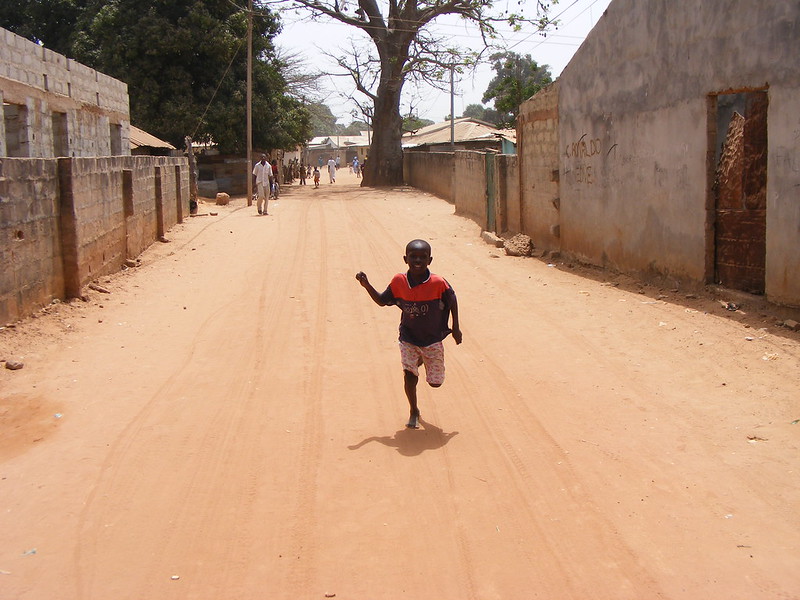 Geographically engulfed within the western African country of Senegal lies The Gambia, a predominantly rural country with a 2023 population of 2.6 million people.
Poverty Conditions in The Gambia
Gambia’s 2020 poverty rate was 53.4%, with poverty particularly prevalent in rural areas (76% of the rural population). The country is largely dependent on agriculture, an industry that employs 80% of the rural population and accounts for approximately a quarter of its GDP. Nevertheless, the World Food Programme reports that the country produces only 50% of the food it needs, leaving it dependent on imports. Food insecurity rose to 27% of the population in 2022, from 8% in 2016, and food inflation was 24% in July 2023.
In March 2024, the United Nations Development Programme Human Development Index ranked The Gambia the 174th poorest country out of 193 countries ranked.
Rural poverty particularly affects unskilled workers and subsistence farmers and is higher among the young (under 14) and the old (over 65). It is driven by environmental hazards such as droughts, floods and deforestation, limited productive employment opportunities and low-paying informal employment, along with a lack of entrepreneurship development. This impacts income, food insecurity and malnutrition, with health issues exacerbated by access difficulties and medical insurance that is restricted to formal sector employees. Households in the lowest wealth quintile experience the lowest access to basic infrastructure and services, including electricity, sanitation and water.
The Gambia also relies on remittance inflows and tourism. As in other countries, the economy overall has suffered from the COVID-19 pandemic and the war in Ukraine, in addition to a major flooding in July 2022. Inflation reached a record-high level 13.2% in October 2022.
Two broad-scope efforts that will facilitate poverty reduction in Gambia are its social protection policy and its long-term agreements with the International Monetary Fund.
Gambia’s Social Protection and Poverty Alleviation
The Gambia’s first National Social Protection Policy 2015-2025, developed with the participation of national, subnational and local governments and leaders, public and private, was designed to address the country’s poverty and vulnerability. Goals include pro-poor and inclusive economic growth, development of human capital, social cohesion and human rights attainment. Reforms include better use of resources, improved management and administrative systems and more inclusive social protection, with basic income and social services widely available but beginning with the poorest and most vulnerable.
The World Bank has projected strong growth in agriculture, along with the expansion of cash transfers, both of which should have a positive effect on poverty reduction. However, continued high food prices may dampen this effect.
IMF Agreements
In March 2020, the International Monetary Fund approved an Extended Credit Facility (ECF) agreement with Gambia to provide financial assistance to implement structural reforms. The final review was completed in June 2023, with total disbursements of approximately $94 million. A new, three-year agreement, with requested access to $100 million, was reached in November 2023. Objectives of this assistance have included mitigating the impact of inflation and foreign exchange pressures on the vulnerable population, creating “space for social spending and investment,” fostering economic diversification, increasing economic participation of women, improving climate risk management and investment in infrastructure that is climate resilient.
– Staff Reports
Photo: Flickr
Updated: April 2, 2024
