• Link to X
  • Link to Facebook
  • Link to Instagram
  • Link to TikTok
  • Link to Youtube
  • About
    • About Us
      • President
      • Board of Directors
      • Board of Advisors
      • Financials
      • Our Methodology
      • Success Tracker
      • Contact
  • Act Now
    • 30 Ways to Help
      • Email Congress
      • Call Congress
      • Volunteer
      • Courses & Certificates
      • Be a Donor
    • Internships
      • In-Office Internships
      • Remote Internships
    • Legislation
      • Politics 101
  • The Blog
  • The Podcast
  • Magazine
  • Donate
  • Click to open the search input field Click to open the search input field Search
  • Menu Menu

Archive for category: Global Poverty

Key articles and information on global poverty.

Food & Hunger, Global Poverty

5 Facts About Malnutrition in Latvia

Malnutrition in Latvia
According to the World Bank, in 2018, the poverty rate in Latvia stood at almost 23%. Malnutrition in Latvia is a consequence of high poverty rates and economic instability. Latvia’s government is taking steps to prevent the issue from becoming more severe.

5 Facts About Malnutrition in Latvia

  1. Anemia is prevalent among Latvian women. According to the World Health Organization (WHO), “iron deficiency is the most common form of micronutrient malnutrition globally.” This typically leads to anemia, a “condition in which [one] lack[s] enough healthy red blood cells to carry adequate oxygen to [one’s] body tissues,” which can lead to fatigue, heart problems and an increased risk of death. World Bank data from 2019 finds that in Latvia specifically, slightly more than one-fifth of non-pregnant females 15-49 suffered from anemia.
  2. Overweight and obesity impact Latvian people. Overweight and obesity are forms of malnutrition that increase the risk of heart disease, diabetes, strokes and many other illnesses. Statistics show that 58% of the total Latvian population was overweight in 2014 and 24% suffered from obesity. The female rate of obesity was higher than men at 25% and 22% respectively. Because “the prevalence of obesity contributes to an increase in health care expenditure,” as with other forms of malnutrition, the economic impact on a nation is clear.
  3. About 5,000 Latvian infants were below the minimum weight standard in 2012. A low-weight infant increases the risk of health issues significantly. Some issues might include trouble breathing, jaundice and infections. When a woman does not gain enough weight during pregnancy or suffers malnutrition, this increases the chance of an underweight newborn baby, endangering the baby’s life. Additionally, underweight babies are at risk of developing other illnesses later in life, such as high blood pressure, diabetes and intellectual or developmental disabilities.
  4. Malnutrition contributes to child mortality. As of 2013, the mortality rate for Latvian children younger than 5 stood at 8.4%. According to WHO, “around 45% of deaths among children under 5 years of age are linked to undernutrition.” These circumstances are especially prevalent in lower-income countries such as Latvia.
  5. Well-balanced diets are lacking in Latvia. A 2021 press release by the Central Statistics Bureau of Latvia states that less than 40% of the population (15 and older) consume fruit or vegetables “once a day or more often.” This statistic indicates that many Latvians do not consume nutritious, well-balanced diets essential for preventing malnutrition. The survey data by the Central Statistics Bureau of Latvia also finds that poverty plays a role in these patterns. Households with higher levels of income, education and employment consumed more fruits and vegetables daily in comparison to those with lower socioeconomic statuses.

Government Solutions

Because adequate nutrition is essential for a high quality of life, it is key to implement strategies to improve malnutrition in Latvia. To address issues of malnutrition in schools, in 2006, Latvia banned schools from selling unhealthy foods and drinks such as sodas. Latvia has also set guiding nutritional standards for meals provided at education facilities and health care facilities. The nation has also introduced a “tax on sugar-sweetened beverages and a reduced value-added tax rate for fresh vegetables, fruit and berries.”

Unfortunately, socioeconomic status continues to determine the types of foods Latvian households purchase. Because those living in poverty are less likely to purchase fruits and vegetables, they are most likely to suffer from malnutrition. With this in mind, addressing the poverty rate in the nation will likely lead to a reduction in malnutrition in Latvia as healthy foods become more accessible to people of all income levels.

– Kler Teran
Photo: Flickr

February 11, 2022
https://borgenproject.org/wp-content/uploads/borgen-project-logo.svg 0 0 Kim Thelwell https://borgenproject.org/wp-content/uploads/borgen-project-logo.svg Kim Thelwell2022-02-11 07:30:022024-05-30 22:25:445 Facts About Malnutrition in Latvia
Global Poverty, Women's Rights

Addressing Period Poverty in India

Period Poverty in India
Period poverty is a serious concern in many countries, specifically India. Period poverty involves a lack of access to sanitary products, menstrual education and hygiene and sanitation facilities necessary to properly manage menstruation. Because the impacts of period poverty are far-reaching, several organizations are aiming to address period poverty in India.

Period Poverty in India

According to Feminism India, those who cannot afford menstrual products resort to unsafe alternatives such as “rags, hay, sand and ash,” which can lead to infections. Period poverty is a continuing issue in India due to the cultural stigma surrounding menstruation. Many people consider menstruation a taboo topic that they should not discuss. In India, research has indicated that 71% of girls do not have “knowledge of menstruation before their first period.” This lack of knowledge and stigma surrounding menstruation has led to one out of every five female students dropping out of school once menstruation begins. In addition, more than 40% of female students in India choose not to attend school during their menstrual cycle due to the inability to access menstrual products to properly manage their menstruation coupled with the social stigma menstruating girls face at schools.

The Impact of COVID-19 on Period Poverty in India

Since the onset of COVID-19 in 2020, the pandemic has only intensified period poverty in India. Many organizations that are trying to address period poverty in India by providing menstrual education and free sanitary products are facing difficulties providing either. This is because COVID-19 led to school shutdowns, creating a barrier to free menstrual products and educational workshops that organizations provide to schools. In addition, organizations that were providing free menstrual products could not obtain products due to supply chain disruptions. In rural areas of India, where households struggled to afford basic groceries even before the onset of COVID-19, people do not consider menstrual products as essential.

The Desai Foundation

Samir A. Desai and Nilima Desai founded The Desai Foundation in 1997. The Desai Foundation aims to help people in both the U.S. and India through more than 25 programs covering issues such as “health and hygiene,” period poverty, entrepreneurship and vocational training. In India, the Desai Foundation works to uplift “women and children through community programming to elevate health and livelihood” in more than 568 villages. To address period poverty in India, the Foundation established the Asani Sanitary Napkin Program, which has “created economic empowerment, provided hygiene education, increased community awareness and cultivated dignity for numerous women in the region.”

The Asani Sanitary Napkin Program teaches local Indian women to produce and distribute affordable yet high-quality sanitary pads across three regions in India, with the aim of expanding to more areas. The program has created job opportunities for more than 2,000 local women who have produced more than 2.3 million sanitary pads in four manufacturing units. The Desai Foundation distributed more than 445,000 of these pads without any charge. So far, the program has positively impacted more than 270,000 girls and women.

The Onset of COVID-19

At the onset of the COVID-19 pandemic, the Desai Foundation was able to adapt its programs to adhere to COVID-19 protocols. In response to the pandemic, the Desai Foundation gave employment to local village women who previously attended the organization’s sewing program. The Desai Foundation paid the women to sew two-layer protective face masks from their homes, leading to the creation of “350 COVID-safe jobs.” The women produced more than a million masks for local villagers. In the wake of COVID-19, the Desai Foundation also handed out “1 million pads to local communities, hospitals, COVID care centers and rural women” to address period poverty.

Through the ongoing commitments to address period poverty in India, girls and women are one step closer to living productive and prosperous lives.

– Sierrah Martin
Photo: Flickr

February 11, 2022
https://borgenproject.org/wp-content/uploads/borgen-project-logo.svg 0 0 Jennifer Philipp https://borgenproject.org/wp-content/uploads/borgen-project-logo.svg Jennifer Philipp2022-02-11 01:30:392024-06-07 05:08:16Addressing Period Poverty in India
Global Poverty

Reducing Vitamin A Deficiency in Malawi

Vitamin A Deficiency in Malawi
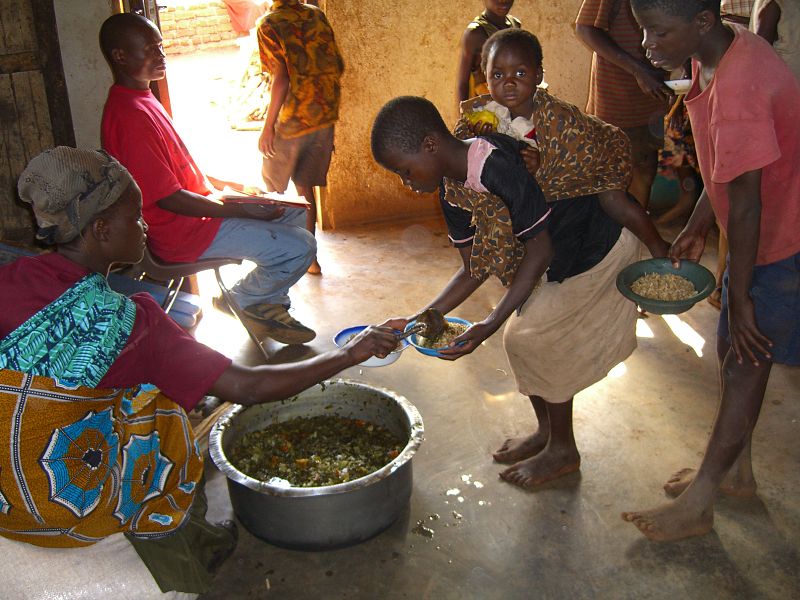
Economic crises and instability can impact nutrition as impoverished populations are unable to access and afford nutritious foods for a well-balanced diet. Instead, these individuals opt for food sources with the lowest price tag, which leads to “diets of lesser quality and variety.” For this reason, vitamin A deficiencies are most common among low-income communities. In the developing nation of Malawi, micronutrient deficiencies are not uncommon. However, the country’s government is implementing measures to reduce vitamin A deficiency in Malawi.

Vitamin A Deficiency in Malawi

The best way for individuals to get the necessary amount of vitamin A is by eating a balanced diet consisting of all of the food groups. Insufficient levels of vitamin A in children can cause delayed growth, slow wound healing, infections and more. In 2001, 59% of Malawian children younger than the age of 5 suffered a vitamin A deficiency.

According to a 2020 research study that ScienceDirect published, vitamin A deficiency is “more severe in developing countries whose population relies on a single staple crop for their sustenance,” which are often low in vitamin A. According to Nature Briefing, maize is Malawi’s “most widely grown crop,” taking up 80% of Malawi’s arable land as the country’s staple crop. Although maize plays a significant role in the food security of Malawians, it has low levels of vitamin A, making it easy to recognize the need to increase access to vitamin A-rich food products.

Effects of Vitamin A Deficiency on Economies

WHO has reported that 1.4% of annual deaths occur due to vitamin A deficiency, leading to a loss of human capital that greatly impacts economies. In addition, many deficiencies of micronutrients can cause lower levels of productivity in working individuals, creating another economic impact. Research shows that in many cases, reintroducing the micronutrient into the individual’s diet can reverse these effects.

Furthermore, the conditions that arise from vitamin A deficiencies increase the burden of disease on a health care system, taking a significant toll on the health systems of developing nations. These nations often lack the resources, infrastructure and personnel to take on this added strain.

In Tanzania, annually, “deficiencies in iron, vitamin A and folic acid cost the country [more than] US$518 million, around 2.65 % of the country’s GDP.” Although similar data on Malawi is scarce, it is clear that micronutrient deficiencies have a significant economic impact on developing nations.

The Fortification of Sugar

Since 2012, with the assistance of the government of Malawi, Illovo Sugar Malawi, a sugar manufacturing company, began a program to fortify vitamin A into sugar products. In 2016 alone, Illovo Sugar Malawi spent ZAR 21 million on fortifying sugar with vitamin A, which reached 2 million individuals. The incorporation of the essential nutrient into accessible foods makes it easier for families to ensure they are getting a sufficient amount of vitamin A in their diets without the country needing to grow multiple extra crops.

Other Measures to Address Vitamin A Deficiency in Malawi

The Malawian government is also ramping up efforts to reduce vitamin A deficiency through screening services. Through blood tests, specialists are able to determine if an individual has too much or too little vitamin A in their system. With this kind of information, health care professionals can address cases of low vitamin A in citizens before the condition exacerbates.

Because illnesses and infections can lead to the depletion of vitamin A in the body, disease control practices are imperative. Because of this, the Malawian government is encouraging the public to practice good hygiene. The government is also prioritizing access to clean water and adequate sanitation as a disease prevention method.

Through these actions, Malawi was able to reduce the prevalence of vitamin A deficiencies in children younger than 5 from 59% in 2001 to 4% by 2016. The Malawian government’s efforts to reduce vitamin A deficiency in the country hold more than just physical health benefits. By treating vitamin A deficiency, the nation may potentially see economic benefits too, which will help Malawi’s disadvantaged people to rise out of poverty. Through further work and preventative measures, the country will continue to reduce vitamin A deficiencies in its citizens.

– Katelyn Rogers
Photo: Wikipedia Commons

February 10, 2022
https://borgenproject.org/wp-content/uploads/borgen-project-logo.svg 0 0 Kim Thelwell https://borgenproject.org/wp-content/uploads/borgen-project-logo.svg Kim Thelwell2022-02-10 07:30:312022-02-01 07:44:17Reducing Vitamin A Deficiency in Malawi
Global Poverty, Women, Women and Female Empowerment

The Financial Inclusion of Women in Senegal

Women in Senegal
Despite making some considerable progress in areas of political representation and educational enrolment, women in Senegal still have many challenges to surmount. Women in Senegal make up the majority of the population — 51% in 2020 — yet about 33% of employed Senegalese females 15 and older live “below the international poverty line.” In comparison, this rate stands at about 27% for males in the same category, a 6% lower rate. The financial inclusion of women in Senegal increases the likelihood of them rising out of poverty.

Gender Issues Women in Senegal Face

In an interview with The Borgen Project, retired U.N. Women regional director (West Africa), Cecile Mukarubuga, says that “in addition to a lack of education, [women face] structural barriers [such as] negative social norms that claim that women can’t make decisions or own property or assets.” Outdated gender norms see little place for women in Senegal outside household duties. Although women’s participation in the workforce is increasing as the years’ pass, standing at 40% in 2019, most women’s employment does not extend beyond the informal sector. In addition, men in this sector earn “82.9% more than women.”

Gender violence, female genital mutilation, underage marriage and cultural perceptions serve as significant hindrances to women’s autonomy and development and also impact their overall well-being and standing in society. According to a 2018 UNICEF report, in Senegal, 1.6 million girls and women faced childhood marriages. While there are laws and policies in place that protect women from violence, cultural traditions that value men and see a specific place for women hold more societal weight.

An example of this is the practice of female genital mutilation, which can lead to severe health complications or even death among girls and women in Senegal. Even though Senegal declared the practice illegal as early as 1999, the practice continues as it is a deeply entrenched cultural tradition. According to UNICEF data, “one in four women” between the ages of 15 and 49 have experienced female genital mutilation in Senegal.

Financial Inclusion of Women in Senegal

In a world of gender inequality, financial inclusion can enhance women’s economic agency by equipping them with financial services and products that may improve their economic standing. This includes ensuring women have greater control of economic assets as well as equal access to opportunities and financial resources, such as bank accounts, inheritance, insurance and credit programs.

These financial resources are essential in ensuring women in Senegal are able to break poverty cycles. “For the short term, the best strategy would be to advocate for financial institutions to design financial products and services that meet the needs and capacity of women,” Mukarubuga says. However, she also notes that, first, “there’s a need to transform mindsets and change mentalities.”

Whether these advantages materialize as expanding small businesses, managing cash flow or even increasing assets, financial inclusion and opportunities would activate the untapped economic potential of Senegalese women, even setting the stage for them to be a part of the economic decisions in the household. Financial inclusion means families can look beyond “survival mode” and properly plan for their futures. “Women need a security net because when they do get a loan, most use it to feed their children or meet basic needs, so there is a need to adjust the supporting strategy to the most vulnerable women,” notes Mukarubuga.

United Nations Capital Development Fund

The United Nations Capital Development Fund (UNCDF) aims to address gender inequality in Senegal and increase the financial inclusion of women in Senegal. Primarily working with girls and women 10 years and older, the UNCDF looks to improve “awareness of, access to, use of and control over appropriate financial products and services.” Additionally, the organization works to address the socio-cultural environment in hopes of improving the agency of women and girls. In this way, the UNCDF strengthens female “economic empowerment and participation” in Senegal, which play an essential role in their ability to rise out of poverty.

The UNCDF runs various empowerment programs covering areas such as agriculture, digital finance and business management. In 2014, through a partnership with the Mastercard Foundation, UNCDF launched a Mobile Money for the Poor Programme(MM4p) that works to address the lack of digital financial inclusion in West Africa. The program was particularly successful in Senegal. From 2014 to 2020, the digital financial inclusion rate rose “from 13% to 29%.” In 2016 alone, women accounted for 10% of digital finance users in Senegal. The program also helped people set up digital wallets and connected local businesses to the digital payment service.

Looking Ahead

While the financial inclusion of women in Senegal is not an all-encompassing solution to dissolving the complex gender inequality issues within the nation, it serves as an empowerment tool to help women progress in society. The financial inclusion of women in Senegal stands as a potential pathway out of poverty for the nation’s female population.

– Owen Mutiganda
Photo: Flickr

February 10, 2022
https://borgenproject.org/wp-content/uploads/borgen-project-logo.svg 0 0 Jennifer Philipp https://borgenproject.org/wp-content/uploads/borgen-project-logo.svg Jennifer Philipp2022-02-10 01:30:392022-02-01 07:00:30The Financial Inclusion of Women in Senegal
Global Poverty

Integritas: Fighting Corruption in Indonesia


The United States Agency for International Development (USAID) and the Indonesian government recently announced the Indonesia Integrity Initiative (Integritas). Integritas is a program that seeks to prevent corruption in Indonesia. Despite the great political transformation Indonesia has undergone over the past 20 years, corruption remains a stubborn holdover from the previous authoritarian regime. Moreover, corruption in Indonesia permeates both the public and private sectors. It promotes negative outcomes in both governance and business. With an eye toward increased civic engagement, Integritas represents a new way of addressing the issue.

Corruption in Indonesia

In 2011, more than eight in 10 Indonesians claimed that corruption was a serious issue. Ten years later, Transparency International’s 2021 Corruption Perception Index scored Indonesia 38 out of 180 countries in perceived public corruption, with lower scores indicating higher perceived corruption. This long-held distrust is not without reason. Former President Suharto allegedly profited $15-$35 billion through corrupt practices in his 31-year tenure.

Suharto’s behavior set the standard for graft and abuse of public resources by officials for decades. In 2019, a member of parliament running for reelection had more than 400,000 envelopes in his basement meant for voter bribes. In 2021, a former maritime affairs and fisheries minister was found guilty of accepting bribes in a livestock smuggling scandal.

Finally, lower-level corruption is just as prevalent. Nepotism and bribery plague the civil service sector, especially in its enrollment program. Importantly, these practices harm Indonesia’s governance, economy and people.

How Corruption Impedes Growth

Prevalent corruption impedes economic growth by fueling inefficiencies in resource management. It also distorts economic incentives meant to encourage growth. This is partially why the Indonesian economy has made slow progress over the last few years. In turn, this slow progress leaves many without formal employment. Those who take up informal positions in rural areas often receive pay below the regional minimum wage. That, in turn, keeps many in poverty, and seeing this poverty, candidates seeking office bribe voters with money and food, including sugar and rice. Of course, this further exacerbates the problem once the candidates take office. Clearly, a necessary step in addressing corruption in Indonesia is changing the culture around it.

The Indonesia Integrity Initiative

The Integritas program looks to address corruption by promoting civic engagement and integrity in business and government sectors. The goal is to aid local civil society in identifying systemic corruption vulnerabilities and conflicts of interests that promote them. This strategy marks a shift from corruption prosecution to prevention. If successful, citizens will become more aware of anti-corruption programs, adopt attitudes that promote shunning of corrupt practices and will provide much-needed oversight in public and private sectors.

USAID cooperated with the Indonesian government to align Integritas with national development goals on growth and stability. This makes anti-corruption efforts a high priority alongside economic and development initiatives. The Partnership for Governance Reform (Kemitraan), a local NGO, will be implementing this $9.9 million program over the next five years.

With corruption present in most levels of society, many Indonesian citizens have grown accustomed to these dishonest practices and even encourage certain forms of it, such as voter payoffs. These practices have negatively impacted economic growth and hurt those who struggle to find fair employment. The Integritas program will help address this issue and, if successful, should promote a culture that makes it hard for corruption in Indonesia to thrive.

– Gonzalo Rodriguez
Photo: Flickr

February 9, 2022
https://borgenproject.org/wp-content/uploads/borgen-project-logo.svg 0 0 Jennifer Philipp https://borgenproject.org/wp-content/uploads/borgen-project-logo.svg Jennifer Philipp2022-02-09 07:30:082024-05-30 22:25:44Integritas: Fighting Corruption in Indonesia
Child Poverty, Children, Education, Global Poverty

Effective Language of Instruction Policies Combat Learning Poverty

Effective Language of Instruction
According to the World Bank, children are more likely to succeed and stay in school if they are taught in their native languages. However, about 37% of children who attend schools in low- and middle-income countries receive education in foreign languages, which puts them at an educational disadvantage. Effective language of instruction policies can help reduce learning poverty and improve children’s learning experiences. As a result, children are more likely to succeed in foreign languages and subjects like math and science, which can open up career opportunities down the line. Because educational attainment is a proven pathway out of poverty, the effective language of instruction policies must become a global priority.

The Effective Language of Instruction Policies

The World Bank lays out an approach to the effective language of instruction through public policy. The first principle of the World Bank’s approach is to educate children in their native languages up until at least their sixth year of primary school. The second principle states that children should have the opportunity to learn all academic subjects in their native language, not just reading and writing. Third, second languages at the primary school level must take the form of foreign language classes that begin with an emphasis on oral communication skills. Fourth, native language instruction should continue in schools even when “a second language becomes the principal language of instruction. “And finally, governments should continue to introduce effective language of instruction policies over time in order to best serve students and their countries.

Early Benefits

Limited access to effective language of instruction can hinder a student’s learning process as early as kindergarten. Children in low- and middle-income countries often lack access to educational resources at home, therefore, attending a school with ineffective language of instruction creates additional disadvantages for students. When children have access to effective language of instruction, they are more likely to excel in reading and writing, which are valuable tools in learning most other subjects. Children with access to education in reading and writing are more likely to engage in classes and schoolwork. Reading and writing skills can also help students excel in the real world, giving them career opportunities once they leave school.

A Foundation for the Future

Children who reap the most benefits from these policies often come from families with socioeconomic disadvantages. When a child’s family is unable to compensate for a lack of effective language of instruction at school, the child is more likely to drop out of school, repeat grades, experience learning poverty and receive a lower quality education overall, according to the World Bank. Effective language learning offers children opportunities to escape learning poverty, complete school and use the skills they learn to develop careers. The World Bank also finds that these policies reduce national education costs per student and in turn, allow governments to put more funding into achieving equal and quality education systems.

Learning poverty affects children all over the world and it often begins at a very young age. Effective language of instruction can benefit students everywhere and is particularly valuable for children in low- and middle-income areas, where learning opportunities may be scarce. Native language education lays out a foundation for student success, professional opportunities and national advancement, enabling children to break cycles of poverty.

– Cleo Hudson
Photo: Unsplash

February 9, 2022
https://borgenproject.org/wp-content/uploads/borgen-project-logo.svg 0 0 Jennifer Philipp https://borgenproject.org/wp-content/uploads/borgen-project-logo.svg Jennifer Philipp2022-02-09 01:30:032022-01-31 09:38:27Effective Language of Instruction Policies Combat Learning Poverty
Global Poverty, Women's Empowerment, Women's Rights

The Mujerprospera Challenge in Central America

MujerProspera Challenge
The United States Agency for International Development (USAID) introduced MujerProspera (WomanProsper) Challenge on January 13, 2022. The challenge encourages applicants to propose innovative ways to promote gender equality in Guatemala, El Salvador and Honduras. Overall, this project addresses the relationship between gender and poverty and forms part of a long list of ongoing USAID projects that bolster the opportunities of the world’s impoverished.

Gender and Poverty

Guatemala, El Salvador and Honduras noted high levels of extreme poverty even prior to the COVID-19 pandemic, although the spread of the virus prompted rises in poverty levels throughout the region. According to the Center for Strategic and Management Studies, the Northern Triangle, of which Guatemala, El Salvador and Honduras form part, stands as “one of the [most impoverished] regions in the Western Hemisphere.” Migration patterns and environmental disasters also exacerbate the struggles of those living below the poverty line. As of August 12, 2021, USAID estimated that 8.3 million citizens across these three countries require humanitarian aid.

These facts do not exist in isolation of gender inequality. In fact, Guatemala, El Salvador and Honduras stand out as nations where gender and poverty intertwine. Data from the Gender Equality Observatory shows that extremely high percentages of women in Guatemala (51%), El Salvador (39.4%) and Honduras (43.5%) had no “incomes of their own.” All of these rates are higher than the regional average, which stood at 27.8% as of 2019.

Evidence proves that changing these statistics leads to positive change. A World Bank report on women’s role in Latin American and the Caribbean (LAC) economies notes that “an increase in the number of women in paid work between 2000 and 2010 accounted for around 30% of the overall reduction in poverty and income inequality.” Women in these countries receive fewer opportunities and face more challenges than many men in the same social and economic situation. As such, U.S. efforts to combat global poverty must also combat global gender inequality.

Developments in Central American Women’s Rights

Local activists, politicians and international organizations in Guatemala, El Salvador and Honduras continue to make significant progress in women’s rights. One group, the IM-Defensoras, has launched several campaigns throughout Guatemala, El Salvador and Honduras since 2016 to protect women and provide a cooperative network for female humanitarian activists.

In addition, the Regional Office of U.N. Women for LAC launched the Women, Local economy and Territories (WLEaT) program in 2018 with a specific focus on the Northern Triangle countries. WLEaT “contributes to the creation of new and better employment and income opportunities for women entrepreneurs and businesswomen” by strengthening their access to business services and promoting inclusive financial practices in the private sector. The program, therefore, contributes to multiple Sustainable Development Goals (SDGs), such as ending global poverty (SDG 1),  combating gender inequality (SDG 5) and promoting “decent work” and economic expansion (SDG 8).

In response to the COVID-19 pandemic, in June 2021, USAID and several partner organizations provided resources for women in need of humanitarian aid. This includes a total of $60 million spread across the three Northern Triangle countries to encourage employment, train Indigenous women for midwife careers, prevent gender-based violence and more. Most recently, on January 13, 2022, USAID introduced another important program: the MujerProspera Challenge.

What is the MujerProspera Challenge?

The MujerProspera Challenge stands as one of many U.S. programs pushing against multiple levels of inequality. The program’s official request for applications documents states that the project seeks to “advance women’s economic security, employment, and/or entrepreneurship” in Guatemala, El Salvador and Honduras.

The lofty document lists different types of solutions that draw from training initiatives in the private sector to the implementation of gender-inclusive legislation. However, overall, MujerProspera provides another way for women in these countries to protect their agency and independence.

Applicants can win funding awards ranging from $150,000 to $500,000 in value. Through these awards, applicants can fund necessary initiatives or solutions that acknowledge the relationship between gender and poverty and promote women’s involvement in the economic sector. The MujerProspera Challenge thus empowers women, local activists, entrepreneurs and organizations to develop solutions to improve situations of gender inequality and poverty in their home countries.

– Lauren Sung
Photo: Flickr

February 8, 2022
https://borgenproject.org/wp-content/uploads/borgen-project-logo.svg 0 0 Jennifer Philipp https://borgenproject.org/wp-content/uploads/borgen-project-logo.svg Jennifer Philipp2022-02-08 07:30:252024-05-30 22:25:43The Mujerprospera Challenge in Central America
Children, Global Poverty

Initiatives Against HIV in Haiti

HIV in Haiti
With an estimated “2.2% of adults” noting an HIV-positive status in 2010, Haiti faces “the largest [HIV] epidemic in the Caribbean.” In 2020, 150,000 children and adults in Haiti lived with HIV. People older than the age of 15 made up 93% of this population. In addition, 20% of Haitians living with the disease are unaware that they are HIV-positive. To help reduce the prevalence of HIV in Haiti, several initiatives are currently underway, run by the Centers for Disease Control and Prevention (CDC), UNAIDS and the Elizabeth Glaser Pediatric AIDS Foundation.

CDC Initiatives

Since the CDC’s Division of Global HIV & TB opened its office in Haiti in 2002, the CDC has launched several initiatives to address the country’s HIV epidemic. The first aim is to strengthen health systems by training medical personnel, supporting staffing needs and strengthening the Haitian Ministry of Health’s governance. The CDC has also aided in the development of the iSanté national electronic medical record (EMR) software to better monitor and track HIV patient data. These innovative tools help inform evidence-based treatment for this disease. In 2018, iSanté, “along with two other EMR systems,” could monitor the data of “96% of HIV care and treatment sites.”

Another goal of the CDC office in Haiti helps improve laboratory resources. Through a collaboration with the National Public Health Laboratory and GHESKIO, a medical treatment, research and training center in Port-Au-Prince, Haiti, the CDC has helped develop and expand several HIV testing methods. In addition, the CDC assisted in developing “an external quality assurance program and a training curriculum” to support lab accreditation.

Community-led Monitoring

With support from UNAIDS, the Ministry of Public Health and Population and the U.S. government via the United States President’s Emergency Plan for AIDS Relief (PEPFAR), Haiti’s Civil Society Forum Observatory has initiated “community-led monitoring,” a program through which people living with HIV hold each other accountable throughout treatment. Community members are familiar with HIV patients from their community, and when patients do not follow through on treatments or follow-ups, community members know how to best communicate with them and encourage them to return. Community-led monitoring can provide valuable feedback on service delivery from a patient perspective, helping to improve on existing issues “to retain people in care.”

Community-led monitoring reveals the weaknesses of treatment plans for HIV in Haiti and brings corresponding solutions to light. For example, due to insight from community-led monitoring, the Civil Society Forum Observatory brings to light a need to increase the window of service hours and decrease patient wait times. It also recommends that stable HIV patients receive a six-month supply of antiretroviral medication. Through community-led monitoring and other resources, Haiti was able to allocate multiple months’ supplies of antiretroviral medicines to 88% of HIV patients during the COVID-19 pandemic.

Elizabeth Glaser Pediatric AIDS Foundation

The Elizabeth Glaser Pediatric AIDS Foundation strives to combat pediatric HIV worldwide through advocacy, research and initiatives for prevention and treatment. Although most HIV patients in Haiti are adults, 8,000 children younger than 15 lived with HIV in Haiti in 2020. Thus, addressing pediatric HIV in Haiti is an important health initiative.

Toward the latter part of 2020, the Foundation began its work in Haiti with the Delivering Technical Assistance Project. The project offers “cost-effective technical assistance (TA), capacity building and program implementation services” to HIV reduction programs. The technical assistance includes program management training, mentorship, consultations and workshops for health care workers.

These strategies, and many others throughout the country, are successfully helping lower HIV rates in Haiti. As organizations continue to implement HIV reduction plans, the severity of the HIV epidemic in Haiti may see a decline in the years to come.

– Aimée Eicher
Photo: Flickr

February 8, 2022
https://borgenproject.org/wp-content/uploads/borgen-project-logo.svg 0 0 Jennifer Philipp https://borgenproject.org/wp-content/uploads/borgen-project-logo.svg Jennifer Philipp2022-02-08 01:30:162024-05-29 23:15:05Initiatives Against HIV in Haiti
Food & Hunger, Food Insecurity, Food Security, Global Poverty

Desertification and Farming in the Sahel

Farming in the Sahel
Desertification is a problem that those living in the Sahel Region have faced for many years. Desertification is when areas of viable land for farming dry up and are absorbed or transformed into a more desert-like climate. The Sahel Region spans 10 African countries including Burkina Faso, Chad and Cameroon. The Sahel Region has lost millions of hectares of easily accessible farming land to the desert, thus creating food insecurity and loss of income for thousands, if not millions, in the region.

The Impact of Desertification

Desertification is the official term for the process when fertile land, typically in an arid, semi-arid or sub-humid area, loses enough moisture to receive classification as desertland or drylands. The drylands are 40% of the earth’s land surface. According to the United Nations, the rate of degradation in areas susceptible to desertification has sped up 30 more times than in previous years. Increased human activity and the lack of rainfall for extended periods are the leading causes of dryland desertification. Desertified lands officially are 10% of the Earth’s land surface. Many families in areas at risk of desertification rely on farming for their income. But, as the land dries, farming becomes impossible.

Desertification hits some of the most vulnerable populations as it takes away income sources. Desertified land can neither grow crops nor provide the food or land necessary for livestock. The land that some once coveted for farming now cannot retain water. The income that agriculture and livestock farming on desertified land formerly bought no longer exists.

Farming in the Sahel Region

The Sahel Region is officially a semi-arid climate, making farming difficult. Large companies do not typically organize farming in the Sahel Region. Instead, farming is family or community-run and provides food immediately for the owners and operators of the farms. There is little food or livestock traded elsewhere to earn income. Additionally, there is little to no developed infrastructure for communities to develop commercial farming.

Farming in the Sahel Region does not provide a lot of income, nor is it located in an area with highly-ranked or flourishing economies. It has, however, in many past years, contributed at least 45% of each region’s gross domestic product. Many countries in the Sahel Region employ the majority of their workforce in the agriculture sector. In half of the countries of the Sahel Region, poverty rates are as high as 40%. Therefore, the income of the Sahel Region farmers is vital.

In Chad, farmers earn an average of $253 a month. Mali farmers earn less than Chad farmers, with an average monthly income of $169. Senegal farmers earn around $173 a month. These farmers earn enough to sustain themselves, but there is rarely extra money to circulate into the local economy.

How to Improve Farming in the Sahel Region

Farming in the Sahel Region is a race against the clock as the region faces desertification. Organizations such as Context Global (CGD) invest in small farms to bring about economic growth and improvements to the Sahel Region farming communities. CGD does this by creating international links between the farms. CGD builds commercial links without requiring membership in an overarching organization so the farms can maintain independence and gain more experience to advance their operations and incomes.

In the desertified lands, though, farming is incredibly difficult. To combat desertification, there is a new farming tool called the Delfino Plough. The plough brings the ground back to life. This plow, in particular, can cover a minimum of 10 hectares a day to revitalize the land. As the plow moves along along the farmland, it injects seeds deep into the ground that are rich in vitamins to allow the soil to sustain life. As nutrients seep into the ground, it can revert back to its original state and sustain more and more crops.

Creating Opportunity

The more crops that farms are capable of producing, the more they can earn and provide for their landowners and communities. The land brought back to life saves the farmers money as well. If they can grow hay instead of buying it, farmers save money that they can then spend on other farming necessities. With the efforts of organizations such as CGD and tools such as the Delfino Plough, the farmers will have the opportunity to expand their farming operations and increase their immediate incomes while saving for the future.

– Clara Mulvihill
Photo: Flickr

February 7, 2022
https://borgenproject.org/wp-content/uploads/borgen-project-logo.svg 0 0 Jennifer Philipp https://borgenproject.org/wp-content/uploads/borgen-project-logo.svg Jennifer Philipp2022-02-07 07:30:082024-05-30 22:25:43Desertification and Farming in the Sahel
Charity, Global Poverty

A Look at Each Kardashian’s Charity Work

Kardashian's Charity Work
The Kardashians are members of one of the most famous celebrity families in the world. Known for their successful businesses and the popular reality TV show “Keeping Up with the Kardashians,” their lives of fame, glamour and wealth often distract spectators from the Kardashians’ valuable charitable contributions. Each Kardashian’s charity work exemplifies the organizations and ideals they care for most.

Kim Kardashian’s Charity Work

Kim Kardashian’s charity work includes donating $1 million to the Armenia Fund, which is a humanitarian organization established in 1992 that provides relief to Armenian citizens in need. Overall donations to the fund have contributed to creating schools, highways and medical centers for Armenians. The Armenia Fund has raised more than $100 million for communities in Armenia and Karabakh.

Kim Kardashian also advocates for disaster relief. For example, she answered phones to take donations for the telethon One Voice: Somos Live, organized by Jennifer Lopez, Alex Rodriguez and Marc Anthony in 2017. The television event raised $35 million for victims of Hurricane Maria in Puerto Rico in order to rebuild homes and provide families with the funds to recover their losses.

Kendall Jenner’s Charity Work

Kendall Jenner, a world-famous supermodel and Kardashian family member, also helped to reduce global injustice by donating to charity: water. Charity: water, founded in 2006, works with local organizations “to fund water, sanitation and hygiene (WASH)” initiatives in rural areas across the globe. The organization monitors projects to ensure that the initiatives it funds to supply water are able to function sustainably for as long as possible. For her 22nd birthday, she asked fans, friends and family to donate to charity: water in place of a birthday gift. She encouraged donations by noting that she herself “made a donation to fund 25 wells in Ethiopia that will bring clean water to 5,000 people.” The birthday campaign raised more than $67,000.

Kylie Jenner’s Charitable Work

Many know Kylie Jenner as a prolific contributor to charities across a wide variety of humanitarian areas. She is an ambassador for Smile Train, which is a charity founded in 1999 that funds surgeries for people, mainly children, with cleft lips and palates around the globe. Smile Train also provides speech therapy, nutrition services, dental and orthodontics procedures and “emotional support” to the children it currently helps. So far, the organization has provided aid to more than 1.5 million children.

In 2016, Kylie gave Smile Train 100% of the proceeds of a special lip kit she sold to the public, totaling almost $500,000. Additionally, in March 2020, she donated $1 million to assist people facing the impacts of the Australian wildfires. In this way, Kylie has attempted to diminish inequality around the world.

Kris Jenner’s Charitable Work

Kris Jenner has public donated to charities like the Ronald McDonald House Charities, raising and donating $3 million to the organization for COVID-19 relief. The Ronald McDonald House (RMDH), founded in 1974, works to provide support to the families of ill or injured children around the world who require medical care. Kris, along with Kim, also visited Haiti after the 2010 earthquake to provide assistance to families in deep need.

Both Khloe and Kourtney Kardashian publicly state that they prefer not to discuss their charity work and donations with the public. Both the sisters have donated to charities but feel it is not appropriate to flaunt their contributions publicly. Each Kardashian’s charity work is unique and reflects the distinct personality of each member.

Outside of the limelight, the Kardashians’ charity work shows their commitment to helping the disadvantaged and contributing to global poverty reduction.

– Rachel Reardon
Photo: Wikipedia Commons

February 6, 2022
https://borgenproject.org/wp-content/uploads/borgen-project-logo.svg 0 0 Jennifer Philipp https://borgenproject.org/wp-content/uploads/borgen-project-logo.svg Jennifer Philipp2022-02-06 07:30:452022-01-28 13:41:20A Look at Each Kardashian’s Charity Work
Page 669 of 2181«‹667668669670671›»

Get Smarter

  • Global Poverty 101
  • Global Poverty… The Good News
  • Global Poverty & U.S. Jobs
  • Global Poverty and National Security
  • Innovative Solutions to Poverty
  • Global Poverty & Aid FAQ’s
Search Search

Take Action

  • Call Congress
  • Email Congress
  • Donate
  • 30 Ways to Help
  • Volunteer Ops
  • Internships
  • Courses & Certificates
  • The Podcast
Borgen Project

“The Borgen Project is an incredible nonprofit organization that is addressing poverty and hunger and working towards ending them.”

-The Huffington Post

Inside The Borgen Project

  • Contact
  • About
  • Financials
  • President
  • Board of Directors
  • Board of Advisors

International Links

  • UK Email Parliament
  • UK Donate
  • Canada Email Parliament

Get Smarter

  • Global Poverty 101
  • Global Poverty… The Good News
  • Global Poverty & U.S. Jobs
  • Global Poverty and National Security
  • Innovative Solutions to Poverty
  • Global Poverty & Aid FAQ’s

Ways to Help

  • Call Congress
  • Email Congress
  • Donate
  • 30 Ways to Help
  • Volunteer Ops
  • Internships
  • Courses & Certificates
  • The Podcast
Scroll to top Scroll to top Scroll to top