• Link to X
  • Link to Facebook
  • Link to Instagram
  • Link to TikTok
  • Link to Youtube
  • About
    • About Us
      • President
      • Board of Directors
      • Board of Advisors
      • Financials
      • Our Methodology
      • Success Tracker
      • Contact
  • Act Now
    • 30 Ways to Help
      • Email Congress
      • Call Congress
      • Volunteer
      • Courses & Certificates
      • Be a Donor
    • Internships
      • In-Office Internships
      • Remote Internships
    • Legislation
      • Politics 101
  • The Blog
  • The Podcast
  • Magazine
  • Donate
  • Click to open the search input field Click to open the search input field Search
  • Menu Menu

Archive for category: Global Poverty

Key articles and information on global poverty.

Education, Global Poverty

How The Tomorrow School Alleviates Poverty in Ethiopia

The Tomorrow School
Schooling is a proven pathway out of poverty, paving the way for higher-paying, skilled employment opportunities. However, impoverished nations, such as Ethiopia, face barriers to education and struggle with issues such as food insecurity, a lack of access to clean water and a lack of access to proper hygiene and sanitation facilities. By addressing all of these factors, impoverished people can live a better quality of life. With education, impoverished people can break generational cycles of poverty. The Tomorrow School, a German nonprofit organization formed in 2019, aims to “empower children in Ethiopia to shape their own future and to pursue their dreams on the basis of education.” By centering its work around four focal areas, the organization aims to create “a more dignified learning environment in Ethiopian schools.” Here is some information about how The Tomorrow School alleviates poverty in Ethiopia through education.

Education in Ethiopia

Ethiopia’s education sector has made strides over the past decade “with primary school net enrollment” reaching a remarkable rate of 100%. Educational progress is vital for Ethiopia’s children who make up almost 50% of the population. However, while many children in Ethiopia enroll in school, only 54% go further than the eighth grade. In addition, approximately “[63%] of students in lower primary school are not achieving the basic learning outcomes needed to succeed higher up the education ladder.”

Cultural gender norms, domestic work responsibilities, “long distances to schools” and “climate-induced and conflict-related emergencies” form the education barriers present in the country. The Tomorrow School works to provide Ethiopian children with the necessary resources to aid in their educational success. Here are four focal areas to demonstrate how The Tomorrow School alleviates poverty in Ethiopia.

4 Focal Areas of The Tomorrow School

  1. Clean Water: Of the 2.1 billion individuals in the world who are without access to clean drinking water, Ethiopia makes up 61 million. Girls and women shoulder the burden of walking hours to collect water, a time-consuming endeavor that leaves them with no time for paid employment or education. Often, this water comes from contaminated sources that increase the risk of waterborne diseases like typhoid fever and bilharzia. The Tomorrow School funds the construction and maintenance of safe water sources in schools to “supply the sanitary facilities, ensure a higher hygiene practice and support the school food program.”
  2. School Supplies: The  READ II program in Ethiopia, which the U.S. Agency for International Development (USAID), conducted a survey across six Ethiopian regions and found that school supplies stand as the “second-most important factor” in reducing school dropout rates in the country. The survey also finds that school supply inadequacies are “one of the top four reasons for absenteeism” in schools. Writing utensils, paper and textbooks are essential for student engagement in classrooms. With these tools, a student can share educational information with his/her family, manage finances and problem solve outside of the school environment. According to The Tomorrow School, only 7.5% of primary school students in Ethiopia pass the national exam that allows for them to proceed to secondary education. A contributing factor to this low rate is a lack of access to school supplies and study materials that would better prepare students.
  3. Food: Food insecurity and hunger have severe developmental consequences for children, such as stunting, which “can affect a child’s cognitive abilities as well as their focus and concentration in school.” These impacts on brain development can equal a loss of up to four school grades. Furthermore, “stunted children are 19% less likely to be able to read by age 8.” Most recently, the World Food Programme reports that 3.9 million Ethiopian women and children are facing nutritional vulnerabilities. The Tomorrow School aims to not only provide food for students but also teach them how to cook balanced meals through a food program in Ethiopian schools where “children cook for each other.”
  4. Sanitation: The organization aims to improve the hygiene of students and the sanitation of schools in Ethiopia. The organization has reported that 25 million children in Ethiopia experience exposure to illness-causing germs due to inadequate hygiene facilities and supplies. A 2014 report shows that “73% of Ethiopia’s urban and 77% of its rural population used unimproved sanitation facilities.” By providing sanitary facilities, sustainable waste management and educating teachers and students on sanitary practices, The Tomorrow School helps to reduce infections and illnesses so students can continue to attend school.

Ensuring a Bright Future Through Education

Proper schooling has a significant impact on an individual’s quality of life, bringing benefits that can impact communities and entire nations. The Tomorrow School’s efforts to improve the learning environment in Ethiopian schools play a significant role in ending cycles of generational poverty in Ethiopia. The Tomorrow School alleviates poverty in Ethiopia by aiding children through education to provide clean water, school supplies, improved sanitation and food.

– Katelyn Rogers
Photo: Flickr
February 16, 2022
https://borgenproject.org/wp-content/uploads/borgen-project-logo.svg 0 0 Kim Thelwell https://borgenproject.org/wp-content/uploads/borgen-project-logo.svg Kim Thelwell2022-02-16 07:30:232024-12-13 18:02:39How The Tomorrow School Alleviates Poverty in Ethiopia
Global Poverty

How Sports Programs Can Reduce Poverty

how-sports-programs-can-reduce-poverty
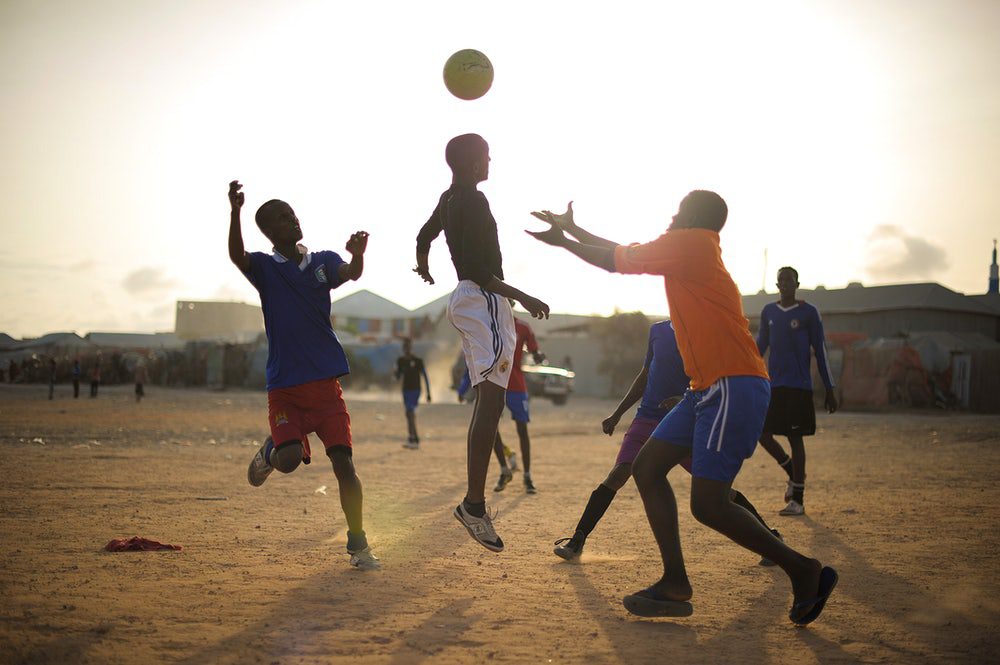
Sports programs can reduce poverty by promoting health, education and diplomacy in developing countries. The Foundation for Global Sports Development creates and supports numerous programs around the world to uplift children through sports. Access to safe and educational sports opportunities can prepare children and entire nations for success by teaching them valuable sportsmanship and conflict-resolution skills.

The Foundation for Global Sports Development

The Foundation for Global Sports Development began as an organization called Justice for Athletes in 1996. To this day, the Foundation “delivers and supports initiatives that promote fair play, education and the benefits of abuse-free sport.” For more than two decades, the Foundation’s central focus has empowered youth by encouraging young athletes to speak up about emotional, physical and sexual abuse. The Foundation also awards scholarships and grants, coordinates educational programs, promotes gender equality in sports and collaborates with countries to offer sports opportunities to children with socioeconomic disadvantages. In March 2021, the Foundation collaborated with the International Table Tennis Federation Foundation (ITTF) to support grassroots projects that help participants learn problem-solving skills for broader community issues through table tennis. The Foundation for Global Sports Development models how sports programs can reduce poverty by sponsoring children and teaching them valuable skills from a young age.

Early Childhood Benefits

Sports often teach children how to resolve conflict peacefully and respectfully. Conflict-affected areas may particularly benefit from sports programs because sports can teach children to overcome differences and work together as part of a team. According to ReliefWeb, in 2019, “1.6 billion children (69%) were living in a conflict-affected country,” a situation that continues to intensify. When children develop the skills to resolve conflict peacefully, in their adulthood, they can serve as peacemakers across a conflict-ridden nation.

Sports programs can also promote health and gender equality. These programs keep children active and often include co-ed interactions and relationships that help children learn to treat people equally, regardless of gender. Sports programs may even give children who excel at sports the opportunity to turn sport into a career and potentially support themselves and their families. From early childhood, sports programs can reduce poverty by encouraging diplomacy, boosting health, advancing gender equality and opening doors to career opportunities.

National Development

On a national level, sports programs can help raise awareness about social issues and public health. For example, in 2014, the Fédération Internationale de Football Association (FIFA) teamed up with the World Bank and the World Health Organization (WHO) to raise awareness about Ebola and help combat the outbreak in West Africa. World-renowned soccer players participated in the campaign, and as popular icons, they spread awareness about preventative measures to protect against Ebola. Sports programs can also improve public health on a local level. Coaches often help children adopt good hygiene practices and understand the importance of physical activity and nutrition. Sports programs may even serve local economies by creating jobs in coaching and mentorship.

Individual sports programs may only reach one small community but have impacts that have the potential to reach an entire nation. Former South African president and anti-apartheid activist Nelson Mandela harnessed “the power of sport during the 1995 Rugby World Cup” to reunite South Africa after the abolition of apartheid. Mandela’s words at the 2000 Laureus World Sports Awards highlight the transformative power of sport: “Sport has the power to change the world. It has the power to inspire, it has the power to unite people in a way that little else does.”

– Cleo Hudson
Photo: rawpixel

February 16, 2022
https://borgenproject.org/wp-content/uploads/borgen-project-logo.svg 0 0 Kim Thelwell https://borgenproject.org/wp-content/uploads/borgen-project-logo.svg Kim Thelwell2022-02-16 01:30:222024-05-30 22:25:44How Sports Programs Can Reduce Poverty
Global Poverty

New Story Transforms Global Housing Initiatives

Global Housing Initiatives
In 2019, the world witnessed the first 3D-printed neighborhood in Tabasco, Mexico, in partnership with nonprofit charity organization New Story and ICON, an Austin-based company developing advanced construction technology. Together, the groups built two houses within a week, a process that would usually take months. As a result, New Story is tackling the challenge of global homelessness in a cost-effective, efficient and sustainable manner through the implementation of 3D printing in global housing initiatives.

The Beginnings of New Story

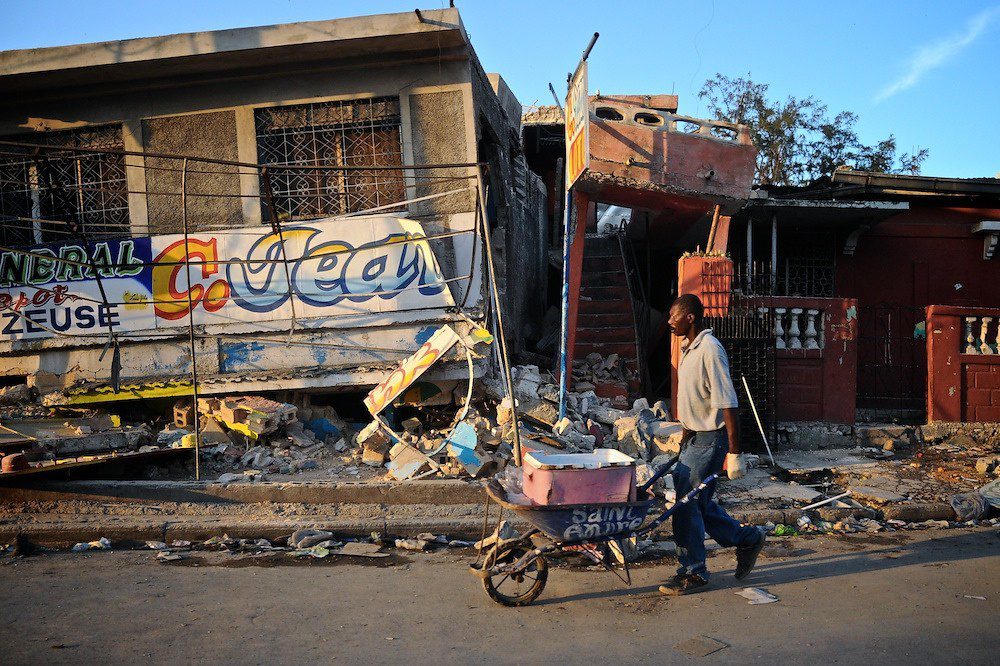
After the 2010 earthquake that devastated Haiti, New Story co-founder Brett Hagler met with struggling families. The destruction of homes due to the natural disaster displaced thousands of Haitians. However, this experience did not leave Hagler who would then go on to partner with Alexandria Lafici and Matthew Marshall to found New Story in 2014.

The organization’s original focus was on the earthquake victims that hit Haiti. It crowdfunded for building homes with a goal of roughly $6,000 for each building before construction began, as TechCrunch reported. Each house would have a timeline of approximately 45 days to build and involve the partnership of local nonprofits to vet families in need of housing.

Speaking with Sarah Buhr from TechCrunch, Brett Hagler discussed the importance of houses, saying, “there are a number of things we don’t think about that go along with not having a home, such as rape and kidnapping of children.” Additionally, from 2014 to 2018, New Story expanded from Haiti to communities in El Salvador, Bolivia and Mexico and built more than 850 homes. In addition, it has created partnerships with leading organizations around the world such as Salesforce, DocuSign and Amazon.

Now, New Story is transforming the global housing initiative with 3D-printed homes through its partnership with ICON.

ICON and New Story

In 2018, New Story partnered with ICON, an Austin-based robotics construction company using 3D printing robotics, software and advanced material, to bring 3D-printed houses to those who most need them. In March 2018, the two organizations exhibited a permanent 3D-printed home at the SXSW festival in Austin. According to CNN Business, the home had three rooms consisting of a bedroom, a living room and a small room that could either be another bedroom or office. The two constructed the house within 48 hours using a 3D printing machine.

The two organizations developed the Vulcan 3D printer. It can print homes and anyone can operate it with basic training. ICON expects the 3D-printed houses to last as long or longer than standard Concrete Masonry Unit (CMU) built homes. Printing with Lavacrete, a concrete mixture, construction projects can stay within the schedule and budget. Building homes and structures that boast impressive statistics, such as compressive strength of 2,000 – 3,500 psi, the Vulcan 3D printer changed the world with its innovation, leading to the world’s first 3D-printed neighborhood.

The World’s First 3D-Printed Neighborhood

In December 2019, New Story, ICON and ÉCHALE, a nonprofit in Mexico, built the first 3D-printed neighborhood in Tabasco, Mexico, as CNN Business reported. According to Sarah Lee, a blogger for New Story, the organization met with many families “who had to be resourceful to stay afloat.”

Many times, these homes experienced overcrowding and were falling apart. In Tabasco, a state prone to flooding in Mexico, factors like the ability to withstand an earthquake and keep families dry during heavy rains played a significant role in the design process.

Each 3D-printed home spanned 500-square-feet with two bedrooms, one bathroom, a living room and a kitchen. The houses had curved walls and a flat roof painted with cool roof paint on the outside, Lee reported. This paint ensures that the tiles are waterproof and deflect heat from the house.

The rest of the houses that New Story provided in the neighborhood comprised ecoblocks, a “compressed earth block technology that uses 90% local earth and only 10% cement.” In total, New Story, ICON and ÉCHALE provided 65 homes for struggling families.

Global Housing Initiatives to End the Global Housing Crisis

New Story and ICON brought innovative technology to implement global housing initiatives and help families and people worldwide. These 3D-printed homes are the newest chapter in global housing initiatives and only time will tell where the 3D printing industry will go.

– Gaby Mendoza
Photo: Flickr

February 15, 2022
https://borgenproject.org/wp-content/uploads/borgen-project-logo.svg 0 0 Jennifer Philipp https://borgenproject.org/wp-content/uploads/borgen-project-logo.svg Jennifer Philipp2022-02-15 07:30:392022-03-03 06:48:35New Story Transforms Global Housing Initiatives
Global Poverty

The Reality of Elderly Poverty in Vietnam

Elderly Poverty in Vietnam
Elderly poverty in Vietnam is a significant issue considering that Vietnam currently has one of the highest rates of aging populations in the world. Right now, Vietnam is still a young country, despite the fact that its elderly population has increased from 4.9% in 1975 to 7.9% as of 2020. There is reason to have some concern over the aging population. Even just between 2009 and 2019, the elderly population older than the age of 60 increased by 2%. The World Bank has calculated that Vietnam could be the country that is aging fastest globally.

A Closer Look at Elderly Poverty in Vietnam

This aging is due to an increase in life expectancy, which rose by 21.6 years from 1950-1955 to 2010-2015, as well as a decrease in fertility rates in developing countries, from 6.1 children in 1950-1955 to 2.7 children to 2010-2015. By 2050, the percentage of Vietnamese people older than 60 could be one-third of the population, doubling from 11.9 million to 29 million. Among other implications, an aging population in Vietnam could devastate the quality of life for elderly Vietnamese people, especially those already in poverty.

The Need to Work

According to a statistic from the United Nations broadcasted by Channel News Asia, 40% of the Vietnamese elderly population are still working in some capacity, well beyond the normal retirement age in comparison to other nations. Even with work, the Vietnamese elderly’s typically low-income salaries cannot provide the benefits of proper care and shelter. According to CNA Insider, about seven out of 10 elderly people in Vietnam work in the “informal sector,” holding jobs such as trash collectors, taxi drivers and street vendors, all of which can be taxing on an elderly person.

The elderly in poverty in Vietnam have even more financial difficulty as they face higher medical costs with their growing ages. About 39.9% of the elderly in Vietnam exhibit some level of poverty and must rely upon pensions from their government for their basic needs. Yet, these pensions have limitations. Only about one in five of the Vietnamese elderly qualify for pensions; a person younger than the age of 80 must “be officially identified as poor” to receive benefits, a very broad title that many in poverty do not obtain. With age, this lack of support pushes into poverty many elderly who were not formerly impoverished.

Specific Vulnerability

According to a study published in the Journal of Population and Social Studies, despite an overall concern for the Vietnamese elderly, specific groups face an increased likelihood of enduring poverty in comparison to others. Elderly Vietnamese people who live in rural areas are more susceptible to poverty than those in urban areas. The elderly who do not identify with the majority ethnicity in Vietnam, Kinh-Hoa, are also more likely to experience poverty. Such disparities in poverty among the Vietnamese population have led to discussions about how Vietnamese policy can better support minority groups and those in rural areas in addressing the overall issue of elderly poverty in Vietnam.

Growing Support

Many organizations and nations are joining in the effort to alleviate elderly poverty in Vietnam. The Japanese International Cooperation Agency recently teamed up with the World Bank to launch an initiative to develop Vietnamese policy aimed at establishing new structures of state elderly care. This plan seeks to establish better social services to address the elderly in poverty in Vietnam. The initiative consisted of three phases of programs from August 2019 to April 2020 and considers the policies of countries like Thailand, which offers case studies of elderly policy. The former programs mentioned educated policymakers in Vietnam about new models of elderly care. Such a move by Japan also brings hopes of further cooperation between the two nations, which have traditionally had tense relations.

The United Nations Population Fund has also begun working with the Vietnam Committee on Ageing in order to offset the rapidly increasing older population’s effects on the economy. In doing so, the U.N. seeks to develop multiple programs that provide socioeconomic development within Vietnam while supporting the elderly who are in desperate need of government assistance. For example, the U.N. worked with Vietnamese leaders on a resolution in 2017 that called for “population work” to examine how people of different ages experience the rapidly aging population in Vietnam. The U.N. is continuing to support Vietnam with its vast data resources to better develop a policy for elderly care.

Furthermore, global institutions are making an effort to support nations’ elderly populations. The future is bright for the Vietnamese elderly in poverty, but much more work is necessary to ensure that they have a good quality of life. Supporting global institutions that aid the elderly in poverty can help in the fight against general global poverty.

– Rachel Reardon
Photo: Flickr

February 15, 2022
https://borgenproject.org/wp-content/uploads/borgen-project-logo.svg 0 0 Jennifer Philipp https://borgenproject.org/wp-content/uploads/borgen-project-logo.svg Jennifer Philipp2022-02-15 01:30:222024-12-13 18:02:39The Reality of Elderly Poverty in Vietnam
Global Poverty

The Gender Wage Gap in France

Gender Wage Gap in France
The gender wage gap impacts women all over the world. According to USB Management Review, the gender wage gap is “the difference in wages between men and women for the same type of work or work of equal value.” With women bearing the brunt of the gender wage gap, the gender wage gap presents a barrier to gender equality, the progression of women and global poverty reduction overall. Although the Government of France has made progress in the realm of gender equality, the gender wage gap in France still puts female citizens at a notable disadvantage.

The Gender Wage Gap in France and Europe Overall

In 2018, the gender wage gap in France stood at 15.2%, slightly below the European average of 16.2% in the same year. Essentially, this statistic means that men in France earned 15.2% more than women for work of the same nature. In 2019, the European average wage gap saw improvement, dropping to 14.1% while France saw a rise in the gender wage gap, climbing to 16.5%, the 10th highest in the European Union. Estonia had the highest gender wage gap at 21.7% while Luxembourg had the lowest at just 1.3%. The feminist French newsletter, Les Glorieuses, explained that, in 2021, the gender wage gap in France essentially equated to women working without pay from November 3, 2021.

Contributing Factors to the Gender Wage Gap in France

Women tend to unfairly shoulder the burden of child care and household responsibilities, which is why 80% of women’s employment in France falls within the part-time job sector in an attempt to balance all these responsibilities. Overall, women spend a significant amount of time on unpaid work, such as household chores, in comparison to men. When women give birth to their first child, typically between 30 and 35, differences in pay become even more apparent. In addition, maternity leave tends to unfairly impact the career progression of women, placing them at another disadvantage for promotions.

Women in the Workplace

The World Economic Forum’s Global Gender Gap Report 2021 ranks France 16th globally for its gender pay gap size. The result is a consequence of low scoring in the category of Economic Participation and Opportunity for women in France, taking the 58th rank in this category globally.

In France, “women only hold 34.6% of senior and managerial positions,” which is a lower rate than the United Kingdom at 36.8% and the U.S. at 42%. Yet, France and 25 other nations take first place rankings in regard to “educational attainment for women.” Only a single company “out of France’s 40 largest companies” has a female running it — Engie, a utility company with CEO Catherine MacGregor at the helm.

Progress for Women in France’s Workplace

France passed the Cope-Zimmermann law 11 years ago, which established “quotas for the gender balance of company boards, with the aim of reaching a minimum representation of 40% for each gender.” The law mandated that within three years of its passing, “20% of a company’s board members must be women, rising to 40% within the following six years.” This law applied only to certain companies within specific turnover and employee thresholds. Currently, France is taking the global lead in this regard, with 43% of women’s representation in company boards. In comparison, the United Kingdom has a 36% representation in this regard while Sweden has 35%.

In response to the disproportionate impacts of COVID-19 on women, the “European Commission has published a drafted law that would force companies with [more than] 250 employees to publicly release annual statistics on their employees’ salaries.” The same disclosure is applicable for smaller-scale companies, “though only upon request by an employee and not to the public.” These pay transparency reports would help fight the gender wage gap. For the draft to take effect, it requires “a majority vote by the European Parliament and a unanimous agreement among all 27 member states’ governments.”

The ongoing efforts to close the gender wage in France and dismantle gender inequality barriers allow women to see the same advancement and progression as their male counterparts.

– Sierrah Martin
Photo: Flickr

February 14, 2022
https://borgenproject.org/wp-content/uploads/borgen-project-logo.svg 0 0 Kim Thelwell https://borgenproject.org/wp-content/uploads/borgen-project-logo.svg Kim Thelwell2022-02-14 07:30:392024-05-30 22:25:44The Gender Wage Gap in France
Global Poverty, Technology

Information Technology in South Sudan

Technology in South Sudan
South Sudan is a small country in northeastern Africa that achieved independence from Sudan in 2011 and is the world’s newest country. Following its independence, a civil war broke out between the two largest ethnic groups in South Sudan, the Dinka and Nuer tribes. Since the resolution of the conflict in 2018, South Sudan has been working hard to improve technology within its information and communication systems in order to revitalize its economy, advance foreign relations and expand networks to all citizens in South Sudan.

The Need for Technology

Information and communication technology (ICT) is a “diverse set of technological tools and resources used to communicate, and to create, disseminate, store, and manage information.” ICT includes any mechanism which facilitates communication and the transfer of information including the internet, computers, cellular devices, radio and television. From education and health care to business, the development of ICT has had a huge impact on nearly every aspect of modern society.

In South Sudan, nearly 80% of the population resides in rural areas with extremely limited access to the internet or mobile services. In 2021, only 8% of South Sudan had internet access, severely limiting the population’s access to the global market as well as valuable international and regional information.

Prior to COVID-19, South Sudan had been experiencing economic growth with a 9.5% GDP between 2019 and 2020. While much of the world transitioned to virtual methods of business and communication as the pandemic progressed, the lack of technology in South Sudan’s rural areas resulted in most of the country experiencing isolation from the world. Without sufficient ICT outside of South Sudan’s capital, Juba, rural populations lost access to even more valuable resources.

The Development of ICT in South Sudan

Despite the obstacles of the pandemic, the development of technology in South Sudan is still underway. In the past, the only way to access the internet was through very expensive satellite-based and mobile phone providers. However, the country has been working since 2018 to lower the price of communication by extending its fiber-optics infrastructure. As a land-locked nation, the quickest way for South Sudan to do that was to negotiate plans to tap into the existing fiber-optic networks of Uganda and Sudan.

Since its onset, the project has seen great success. Between 2020 and 2021, the percentage of internet users in South Sudan rose by 1.5%, and the number of people with mobile connections increased by 17%. In July 2021, President Salva Kir proudly inaugurated the first-ever South Sudanese-owned mobile telecom company, an operation that intends to expand ICT services to citizens in rural areas while simultaneously boosting the economy. 

Looking Ahead

While there is still room for progress, South Sudan continues to show resilience in the face of COVID-19. A large majority of the country still lacks access to ICT and each new broadband network connects those who experienced isolation. There is great potential for the continued development of information and communication technology in South Sudan in the future.

– Hannah Gage
Photo: Flickr

February 14, 2022
https://borgenproject.org/wp-content/uploads/borgen-project-logo.svg 0 0 Jennifer Philipp https://borgenproject.org/wp-content/uploads/borgen-project-logo.svg Jennifer Philipp2022-02-14 01:30:392024-06-10 03:16:10Information Technology in South Sudan
Global Poverty, Migration

An Overview of Migration to Italy from North Africa

Migration to Italy from North Africa
The migration scenario in Italy has evolved considerably in recent years. The request for residence permits for family reasons or protection has drastically increased and the geography of origin is changed. Sea landings from the North African coasts today constitute the main migratory mass toward Italy, a phenomenon that has reached critical proportions over time. Here is some information about the migration to Italy from North Africa.

A Snapshot of the Migratory Flows of the Last Decade

In the last decade, the flow of Italian coast landings from Africa has often reached critical thresholds. The beginning of the Arab Spring and the revolution in Tunisia brought approximately 60,000 people and immigrants to Italy in 2010.

The conclusion of the revolution in Tunisia in January 2011 ended with the interim election of President Mohamed Ghannouchi. This led to a brief period of stagnation in landings in Italy. A new conflict outbreak from Libya brought a new peak in migratory flows two years later.

Since 2014, these landings have reached dramatic thresholds. Between January 2015 and January 2018, the Italian Institute for International Political Studies estimates that the threshold of 180,000 landings per year was reached. These numbers were unmanageable for coast guard rescue teams in the event of shipwrecks and for the capacity of the Italian reception centers.

The February 2017 critical situation led the Italian foreign ministry to sign an agreement with the Libyan government. The three-year agreement required the Italian government to provide economic aid and technical support to the Libyan authorities and the Coast Guard to reduce the smuggling of migrants across the Mediterranean Sea while Libya improves the conditions of its migrant reception centers. After two years, the number of landings on the Italian coasts dropped from 200,000 in 2017 to 15,000 in 2019.

The COVID-19 pandemic led to various consequences with heavy repercussions on international mobility. Contrary to tourism, the effects of the pandemic on landings in Italy and Spain, have been opposite. In 2021, there were 67,000 landings in Italy.

Political Response to the Crisis in Europe

Numerous key elements gravitate around the landing of migrants in Italy. Italy does not bear all of the migration crisis expenses ranging from the rescue missions to the logistics and reception of immigrants aimed at guaranteeing livelihood and health care.

The EU commission has allocated the “2014-2020 Asylum, Migration and Integration Fund” for the integrated management of the phenomenon of migratory flows in asylum, integration and repatriation.

The situation in the reception centers is stable as the number of landings today is not so critical. It is natural to consider whether Italy will be able to withstand the pressure in the future if the 2017 figures are reached as the number of migrants housed in official Libya detention centers grew in 2021.

Europe has not developed a concrete plan on the redistribution of immigrants on European soil that will integrate and extend the Malta agreements on the subject, stipulated between Italy, France and Germany. For this reason, only 2% of the 53,000 people who disembarked from 2019 to mid-2021 moved to other European countries.

The Response to the Political Crisis in Italy

On the Italian side, one of the reasons for the rate of irregular immigration from Africa is the fact that Italy’s regular entry channels for non-EU citizens in the last decade have progressively reduced. The reasoning comes from the effect of the 2008 crisis and a political measure dictated more by the nationalist aversion to the increase in landings in recent years than by the objectivity of the figures.

This general closure also underwent replication in the acceptance of international asylum applications by Italy. The change in Italian legislation has meant that the number of permits granted for humanitarian and special protection in 2017 went from 28% to 1% in 2021. The closing trends, which many other European Union countries have followed, are somewhat unjustified, especially since the numbers of landings in recent years are growing.

The third crucial element to consider in this matter is the integration of those who land on the Italian coasts and its close correlation with employment. It is the integration that allows populations who leave their countries driven by wars, violence and poverty to be able to work while rebuilding a life and contributing to the economies of the host countries.

The Italian Institute for International Political Studies states that the difficulty of integrating refugees into the labor market of the country of destination is considerable. According to estimates, after more than a decade from the first entry into the country, the employment rate remains only slightly higher than 50%. This is due to the high general unemployment rate that has plagued Italy since the last global economic crisis and COVID-19 aggravated this further.

Looking Ahead

Over the past year, the number of migrants and refugees who lost their lives trying to reach Europe by sea was 896, a figure more than double the numbers in 2020. Italy’s inadequacies on this matter are still many and cannot be justified by the lack of a lasting and coherent political governance caused by the numerous changes of government. By its divisive character, immigration is often at the center of the media and political debate, becoming a salient point of electoral programs.

The current and past efforts represent a good starting point for improving the national emergency reception and integration plans for migrants to prepare Italy to face the possible future aggravation of these migratory flows. The country will require assistance to face refugees’ continued migration to Italy as many deaths occur at sea.

– Francesco Gozzo
Photo: Flickr

February 13, 2022
https://borgenproject.org/wp-content/uploads/borgen-project-logo.svg 0 0 Jennifer Philipp https://borgenproject.org/wp-content/uploads/borgen-project-logo.svg Jennifer Philipp2022-02-13 07:30:302024-05-30 22:25:44An Overview of Migration to Italy from North Africa
Global Poverty

School Enrollment Rates for Girls in Malawi

School Enrollment Rates for Girls in Malawi
Malawi’s average literacy rate for adults 15 and older stood at 62% in 2015, according to the latest available World Bank data, which is lower than its neighboring countries. According to the latest estimates, Tanzania’s literacy rate stands at 78% and Mozambique’s literacy rate equates to 61%. In addition, the average literacy rate across sub-Saharan Africa stands at 66%. In 2014, Malawi noted a male adult literacy rate of 75% in comparison to 55% for females of the same group. Due to these gender disparities in literacy rates, several initiatives are working to improve school enrollment rates for girls in Malawi.

Reasons for Female School Dropout Rates in Malawi

In sub-Saharan Africa in general, roughly 33% of school-aged children do not attend school. Furthermore, for every 100 male sub-Saharan African students out of primary school, there are 123 female sub-Saharan African students not attending primary school. In Malawi particularly, research shows that female students are more likely to drop out of school than male Malawian students. Data indicates that “Malawi has one of the highest school dropout rates in Southern Africa.” Among females particularly, “three in every [20]” Malawian girls leave primary school “between Standard 5 and 8.”

According to a 2018 Malawi Government’s Education Management and Information Systems (EMIS) survey, girls in Malawi drop out of school for several reasons. Among these reasons are circumstances of poverty, child marriage, early pregnancy, “parents’ negative attitudes toward the education of girls” and household responsibilities. According to the survey, about 7% of female students abandoned their education due to marriage and 5% due to pregnancy.

Another factor is poor academic performance, which links to low quality of education. Living far away from schools also plays a role — 82% of Malawians live in rural areas, which often have few schools in close proximity. A lack of female teachers in schools means female students do not have female role models within the education sector. A 2015 study noted that “female teachers who also act as role models” to female students help keep girls in school. Poverty plays a significant role too as many impoverished families cannot afford school expenses and tend to prioritize the education of male children over female children due to societal perceptions.

Programs to Improve School Enrollment Rates for Girls in Malawi

In 1994, the Malawian government made primary education free to increase enrollment rates, especially among girls. The issue arises with secondary education, which is dominated by boys because many girls drop out before fully completing high school. Girls’ completion of secondary education is one of the most effective ways to combat other problems in Malawi, such as child marriages and early pregnancies.

The Improving Secondary Education in Malawi (ISEM) program is a four-year initiative running from 2017 to 2021, “which is supported by the European Union and implemented by GENET in partnership with OXFAM.” ISEM aims to improve secondary school enrollment rates for girls in Malawi, among other goals.

The program has funded school attire and learning supplies as well as bursaries. For rural students who walk long distances to reach school, sometimes more than two hours, ISEM donates bicycles as a transportation method. By eliminating these long travel times to school, ISEM aimed to improve the energy levels of students, increase punctuality and improve school performance while maintaining students’ interest in attending school. Fifty-one girls at Chibanzi Community Day Secondary School received these benefits through ISEM’s provision of bicycles. In the Golong’ozi Community Day Secondary School, the program has helped 177 girls who, thanks to this project, are able to continue their secondary education.

ASPIRE Project

Save the Children created the Girls’ Empowerment through Education and Health Activity (ASPIRE) project in 2015 with support from the U.S. President’s Emergency Plan for AIDS Relief (PEPFAR) and the U.S. Agency for International Development (USAID). In Malawi, the ASPIRE project seeks to improve literacy levels and reduce school dropout rates while improving school enrollment rates for girls in Malawi. ASPIRE achieves this by teaching mothers the importance of girls’ education. By doing this, mothers prioritize girls’ education more and are less likely to force their daughters into early marriages. Mothers are also then more likely to encourage girls to go back to school after pregnancy. Data shows that, in 2015 and 2016, 786 students re-enrolled in schools in three particular districts that the ASPIRE project covered, “suggesting an impact from the ASPIRE project.” Female students accounted for 504 of these students.

Education is not only a fundamental right but is also a proven pathway out of poverty. For this reason, several organizations are committing to improving school enrollment rates for girls in Malawi, recognizing that education is the basis of global development and gender equality.

– Ander Moreno
Photo: Flickr

February 13, 2022
https://borgenproject.org/wp-content/uploads/borgen-project-logo.svg 0 0 Kim Thelwell https://borgenproject.org/wp-content/uploads/borgen-project-logo.svg Kim Thelwell2022-02-13 01:30:342024-05-30 22:25:44School Enrollment Rates for Girls in Malawi
Global Poverty, Homelessness

Homelessness in Poland

Homelessness in Poland
Poland’s
2004 Act on Social Assistance defines a homeless person as someone who “is not living in a dwelling” and “is not registered for permanent residence or is registered for a permanent residence in a dwelling in which they have no possibility of living.” The nation and organizations are taking several steps to address homelessness in Poland.

The Root Causes of Homelessness in Poland

In Europe overall, some researchers have found that “drug misuse, especially when co-related with mental illness, is a major factor in causing homelessness.” However, this does not mean that all homeless people have drug problems or mental illnesses. From January 2005 through June 2006 in Poland, experts conducted a study on the links between substance addiction and mental health diagnosis in homeless people. The study concludes that out of 200 homeless people, 57.4% suffer from substance addiction or a mental illness. Though not direct causes of homelessness, substance abuse and mental illness serve as contributing factors to homelessness, especially if there is little to no assistance to help them overcome or manage their conditions.

In Poland specifically, homelessness is largely linked to a lack of affordable homes on the market, placing adequate shelter out of reach for many. According to Habitat for Humanity, “Poland lacks about 1.5 million affordable homes.” In addition, about 70% of Polish families cannot afford the costs of a mortgage and Poland’s “rent market accounts [for] only 6% of the total housing stock.” Due to these circumstances, many struggle without adequate shelter.

Nonprofit work with a focus on homelessness helps to transform lives, ensuring that 40% of Polish citizens (around 15 million people) no longer have to live in inadequate and cramped housing.

Habitat for Humanity

Habitat for Humanity is a global nonprofit organization that began working in Poland in 1992. The organization’s vision is “a world where everyone has a decent place to live.” Habitat for Humanity’s work centers around providing assistance to impoverished people who lack shelter or live in substandard housing.

Habitat for Humanity has established the very “first nonprofit rental agency in Poland,” which aims to improve “access to affordable housing” for impoverished Polish people. The organization also raises awareness of homelessness in Poland and advocates for amendments to legislation and policies to increase access to affordable housing in Poland.

On the ground, Habitat for Humanity assists impoverished people in constructing and renovating housing. The organization works with the individuals in need as well as partners, donors and volunteers to achieve these goals. Habitat for Humanity also supports “homeless shelters, centers for victims of violence, nursing homes for disabled people, orphanages or youth facilities” through reconstruction or renovation work that ensures Poland’s most vulnerable groups reside in adequate conditions.

Habitat for Humanity’s Global Village program provides opportunities to global volunteers to construct housing along with families in need. The program runs in several countries with severe houses crises, such as Poland. During the months of March through September, the Global Village program hosts construction projects in the Polish cities of Warsaw and Gliwice.

Since its establishment in Poland, the organization has constructed 120 housing units, among many other efforts to address homelessness in Poland on a broader scale.

The Future of Homelessness in Poland

Recognizing the struggles of the homeless during the COVID-19 pandemic, the Polish government allotted more than PLN 17 million ($4.2 million) in 2020 to assist the homeless. Through the Streetwork Academy project, more than 4,200 homeless people received support during COVID-19 through funding worth PLN 5.45 million ($1.3 million). From June to September 2020, the project distributed more than 20,000 protective face masks to the homeless.

With ongoing commitments to address homelessness in Poland, there is hope for one of the nation’s most disadvantaged groups to live a better quality of life.

– Kyle Swingle
Photo: Pixabay

February 12, 2022
https://borgenproject.org/wp-content/uploads/borgen-project-logo.svg 0 0 Kim Thelwell https://borgenproject.org/wp-content/uploads/borgen-project-logo.svg Kim Thelwell2022-02-12 07:30:002022-02-02 11:58:54Homelessness in Poland
Economy, Global Poverty

The Role of Remittances to Venezuela

Remittances to Venezuela
The International Monetary Fund (IMF) defines remittances as “money transfers from citizens working abroad” as a contribution to the household income of their families in their home countries. The IMF sees remittances as a “lifeline for development,” especially in impoverished countries such as Venezuela. In Venezuela, the influx of remittances is growing rapidly and represents a large source of foreign income for Venezuelans. While remittances typically take the form of cash transfers, crypto remittances to Venezuela are playing a larger role in facilitating international transactions and becoming a vital source of income for Venezuelans, especially during the COVID-19 pandemic while the country faces hyperinflation and U.S. economic sanctions.

The Role of Remittances in Global Poverty Reduction

Remittances directly bolster the income of households that receive these payments and provide essential resources for the impoverished. The value of remittances lies in the fact that governance issues often linked to “official aid” do not impact remittances. Instead, remittances are able to circumvent “red tape” because the money goes directly into the pockets of the impoverished. According to the World Bank, “a 10% increase in per capita official remittances may lead to a 3.5% decline in the share of [impoverished] people,” further showing that remittances play a key role in poverty reduction. Harnessing technology and non-traditional approaches for remittances allow Venezuelans the opportunity to send and access this funding in a faster and more efficient way.

The Resiliency of Remittances

Experts expected remittances to decrease due to job insecurity abroad as a result of the pandemic. However, the flow of remittances remained resilient. According to the World Bank, remittances to developing countries only dropped 1.6% in 2020. Digitization of payments allows for a steady flow of remittances to countries like Venezuela —  according to a report by Global System for Mobile Communications, “international remittances processed via mobile money increased by 65% in 2020.” In 2018, United Nations member states adopted the Global Compact on Safe, Orderly and Regular Migration, which recognizes the importance of remittances in the development of poverty-stricken countries such as Venezuela.

Cryptocurrency in the Context of Hyperinflation

As the bolivar continues to depreciate in Venezuela, cryptocurrency functions in a way that circumvents hyperinflation. Cryptocurrency is a decentralized form of currency, where its value does not stem from fiat currency or natural resources, but instead, derives from user demand. In 2021, the Venezuelan government introduced the 1-million-bolivar bill, which is equivalent to about $0.52, in an attempt to remedy the impacts of hyperinflation and economic sanctions. Venezuela has experienced hyperinflation due to falling oil prices, resulting in the government printing vast quantities of currency as a potential solution, but this only further devalued the bolivar. Increasingly, residents are turning to digital forms of payments. For example, street vendors in the Venezuelan capital of Caracas are accepting digital coins as a form of payment.

5 Benefits of Crypto Remittances to Venezuela

  1. Stability: Cryptocurrency remains steady compared to fiat currency, especially during times of inflation.
  2. Lower Fees: Commission fees for crypto remittances are lower in comparison to international transfer fees from companies like Western Union.
  3. Money and Time-Saving Costs: Research shows that crypto remittances “produce a 1% saving of income” because of the reduction of travel and wait time when sending remittances.
  4. Safety: Because Venezuela stands as “one of the most insecure [nations] in Latin America,” residents face the risk of theft when traveling with cash. Digital currency offers a degree of security and protection for people as their funds are stored on their devices.
  5. Continuing the Flow of Remittances: As the Maduro regime takes steps to further regulate remittances while rejecting foreign humanitarian aid, decentralized currencies could allow residents to continue receiving essential monetary flows.

Remittances to Venezuela’s Unbanked Population

According to the Global Findex Database, in 2017, close to 73% of Venezuelans had bank accounts and digital forms of receiving money are increasing each year as inflation devalues fiat currency and hyperinflation threatens the affordability of basic needs. More than 50% of transactions in the country use the U.S. dollar, and in 2020, experts projected that annual remittances would climb to $4 billion. The viability and sustainability of digital remittances, specifically cryptocurrency forms, are becoming more popular.

GiveCrypto Uses Cryptocurrency to Provide Aid to Venezuelans

As Venezuela continues to experience a financial crisis, cryptocurrency, such as Bitcoin, offers a degree of stability as an inflation-proof asset. Many nonprofits implement cryptocurrency in their strategies to bring aid to Venezuelans. In 2019, U.S.-based charity, GiveCrypto, “provided temporary assistance to hundreds of vulnerable families in Venezuela through weekly crypto deposits worth around $7,” which is equivalent “to the monthly minimum wage” in the country. This aid helped families purchase food and other essential goods.

In addition to aid, the organization provides resources that educate people about crypto apps to ensure that people have complete control of their digital currency. Efrain Pineda, the program manager, says, “We want to show that people who are not techies or investors can also benefit from this technology. Anyone can use crypto to protect themselves from inflation and make their daily life easier.”

Cryptocurrency Offers Hope for Venezuelans

With little end in sight for hyperinflation, Bitcoin is gaining traction as an alternative as traditional payment methods become regulated and overloaded. Venezuela ranks fourth globally for Bitcoin trade, and as more people flee Venezuela, digital forms of remittances continue to be an invaluable source of income for residents who remain.

– Jennifer Hendricks
Photo: Flickr

February 12, 2022
https://borgenproject.org/wp-content/uploads/borgen-project-logo.svg 0 0 Kim Thelwell https://borgenproject.org/wp-content/uploads/borgen-project-logo.svg Kim Thelwell2022-02-12 01:30:442022-02-02 08:39:59The Role of Remittances to Venezuela
Page 668 of 2181«‹666667668669670›»

Get Smarter

  • Global Poverty 101
  • Global Poverty… The Good News
  • Global Poverty & U.S. Jobs
  • Global Poverty and National Security
  • Innovative Solutions to Poverty
  • Global Poverty & Aid FAQ’s
Search Search

Take Action

  • Call Congress
  • Email Congress
  • Donate
  • 30 Ways to Help
  • Volunteer Ops
  • Internships
  • Courses & Certificates
  • The Podcast
Borgen Project

“The Borgen Project is an incredible nonprofit organization that is addressing poverty and hunger and working towards ending them.”

-The Huffington Post

Inside The Borgen Project

  • Contact
  • About
  • Financials
  • President
  • Board of Directors
  • Board of Advisors

International Links

  • UK Email Parliament
  • UK Donate
  • Canada Email Parliament

Get Smarter

  • Global Poverty 101
  • Global Poverty… The Good News
  • Global Poverty & U.S. Jobs
  • Global Poverty and National Security
  • Innovative Solutions to Poverty
  • Global Poverty & Aid FAQ’s

Ways to Help

  • Call Congress
  • Email Congress
  • Donate
  • 30 Ways to Help
  • Volunteer Ops
  • Internships
  • Courses & Certificates
  • The Podcast
Scroll to top Scroll to top Scroll to top