• Link to X
  • Link to Facebook
  • Link to Instagram
  • Link to TikTok
  • Link to Youtube
  • About
    • About Us
      • President
      • Board of Directors
      • Board of Advisors
      • Financials
      • Our Methodology
      • Success Tracker
      • Contact
  • Act Now
    • 30 Ways to Help
      • Email Congress
      • Call Congress
      • Volunteer
      • Courses & Certificates
      • Be a Donor
    • Internships
      • In-Office Internships
      • Remote Internships
    • Legislation
      • Politics 101
  • The Blog
  • The Podcast
  • Magazine
  • Donate
  • Click to open the search input field Click to open the search input field Search
  • Menu Menu

Archive for category: Global Poverty

Key articles and information on global poverty.

Global Poverty, Sanitation

The Slovak Republic’s Foreign Aid in Moldova

Slovak Republic Foreign Aid
According to the World Bank, the Republic of Moldova oversaw a reduction of extreme poverty in 2011 from 7% to a rate of 3.1% in 2013. Although the Republic of Moldova has made remarkable progress in reducing extreme poverty, the republic remains one of the poorest countries in Europe. However, the Slovak Republic’s foreign aid is helping communities in Moldova garner clean drinking water and more.

About the Republic of Moldova

The problems facing the Republic of Moldova in reducing poverty include a domestic economy that is highly dependent on agriculture and remittances, a severe drought in 2020 that obstructed agricultural production and the COVID-19 pandemic. Alongside the problems, Russia’s recent invasion of Ukraine has put further strain on Moldova’s administrative capacity as the country is quickly approaching a point in which Moldova can no longer safely accept more refugees. The Republic of Moldova’s Prime Minister Natalia Gavrilita asked the U.S. on March 6, 2022, to send more humanitarian aid assistance in response to  Moldova taking in more than 120,000 displaced people as a consequence of the war in Ukraine.

According to the United Nations 2020 Voluntary National Review on the Republic of Moldova, the country is working towards clean water access for the population. The road towards clean water for Moldova requires addressing the insufficient investment in the management of wastewater. It will also require renewed efforts in water resource management. The problems remain in part due to the lack of institutional reforms and how 54% of the drinking water samples do not meet the sanitary and chemical norms for drinking water quality.

The Republic of Moldova has increased its population’s access to water sources by 9%, to 82.1% at the end of 2018. Furthermore, the proportion of the rural population with access to water supply sources leaped from 56.9% in 2014 to 71.2% in 2018. One can credit this achievement in ensuring access to water sources for the Moldovan people to the continuing combined efforts of the Republic of Moldova, the Slovak Republic and the United States.

A Brief History

The Slovak Republic’s foreign aid programs warrant attention because this government recently joined the fight in eradicating poverty in developing countries. The Slovak Republic initially implemented its foreign aid programs in 2007 with the establishment of the Slovak Agency for International Development Cooperation. The commitments of the programs were expanded upon when the Slovak Republic joined the Development Assistance Committee of the OECD in 2013.

Slovak Republic’s Foreign Aid Today

The scope of the foreign aid programs varies. The Slovak Agency for International Development Cooperation (SAIDC) lists three ‘Programme Countries’ including Georgia, Kenya and Moldova. The government also has several ‘Partner Regions’ in which the cooperation provides foreign aid assistance including Eastern sub-Saharan Africa, the Middle East and the Western Balkans.

In 2020, the Slovak Republic provided $140 million in foreign aid, which represents 0.14% of the 2020 gross national income (GNI). This is a marked increase in foreign aid spending for the country. It places the country as the 26th largest Development Assistance Committee country when comparing the official development assistance it provides to its GNI.

To understand the work that the Slovak Republic’s foreign aid is doing, it is important to take a look at the programs the Slovak Republic is implementing in the Republic of Moldova. The problems that the Republic of Moldova is facing range from a stalemated conflict to complex political, economic and social developments, as well as emigration causing social problems, particularly in rural areas.

Additionally, the problems have compounded due to what SlovakAID deems as development challenges including most of the working-age population going abroad to work, long-term problems with the quality of water resources and drinking water supply, inefficient waste management, the existence of environmental burdens and weak development of the business community. Several of the problems facing the Republic of Moldova today result from inadequate infrastructure, especially water supply and treatment infrastructure which consequently further strains the agricultural sector of the economy.

Goals of SlovakAID in the Republic of Moldova

The three objectives of SlovakAID in Moldova encompass sharing Slovakia’s transition experience supporting a democratic stable Moldova, improving the quality of life and health of citizens via sustainable water management and improving the performance of the business sector.

How is the Slovak Republic Addressing These Problems?

The Slovak Republic employs a range of developmental tools varying from the provision of grants and financial contributions provided by the embassies of the Slovak Republic, Sharing Slovak Expertise programme activities, projects for the deployment of volunteers and expert volunteers, government scholarships and financial contributions.

Progress Towards Prosperity

SlovakAID is leading a project that seeks to improve the quality of life for people in the Ialoveni municipality in Moldova through improving access to clean drinking water and raising awareness about water management. SlovakAID initially started this project in January 2020 with a deadline of March 2022. SlovakAID’s project will support the provision of quality water and sanitation infrastructure, which includes the rehabilitation of 1,035 meters (3,395 feet) of the water connection system to ensure access to reliable drinking water. SlovakAID is also raising awareness regarding water management and environmental responsibility through education campaigns.

The Slovak Republic and its foreign aid recipients have already seen success in similar programs it has completed. In September 2021, the Slovak Republic, in collaboration with Shingala Azad NGO, successfully installed two water wells and a water reservoir that now supplies sufficient water to the people living in the municipalities of Shekhka and Hasan Ava in Iraq. This program’s success was due in part to educational programs raising awareness on water management similar to how SlovakAID is running in the Ialoveni municipality in the Republic of Moldova.

Exciting Developments in Development

According to USAID Administrator Samantha Powers, the Slovak Republic is a foreign aid success story in its own right, joining the EU in 2004 and becoming an international development donor after receiving USAID support between 1990 and 2000. On February 3, 2022, Administrator Samantha Powers and Minister of Foreign and European Affairs of the Slovak Republic Ivan Korčok held a meeting and signed a new Memorandum of Understanding (MOU).

This memorandum calls for an additional three years of collaboration between SlovakAID and USAID. Through the previous MOU the Slovak Republic and USAID jointly supported community development in Moldova, enabling North Macedonia to continue making progress in its path towards joining the European Union and helping those without housing in Belgrade access clean water, sanitation and essential health care.

With this new MOU implemented, the Slovak Republic alongside USAID has renewed its continued commitment to eradicating extreme poverty around the world. Investment in the Slovak Republic via U.S. foreign aid and USAID has shown continued returns on investment. The Slovak Republic has since affirmed its place in the fight against global poverty as the country recently became the 26th highest donor of foreign aid on a GNI per capita basis. Among other returns on investment, the Slovak Republic has been able to branch out its developmental efforts in the neighboring Republic of Moldova and assist far from home in municipalities in Iraq. The Slovak Republic has made great leaps in foreign assistance, but there is much more progress that needs to occur, hence the new MOU is an exciting development for further development.

– Chester Lankford
Photo: Flickr

April 3, 2022
https://borgenproject.org/wp-content/uploads/borgen-project-logo.svg 0 0 Jennifer Philipp https://borgenproject.org/wp-content/uploads/borgen-project-logo.svg Jennifer Philipp2022-04-03 07:30:442022-03-24 09:28:15The Slovak Republic’s Foreign Aid in Moldova
Global Poverty

Free Vision Care for India

Free Vision Care
With roughly 1.39 billion people, India is the second most populated nation in the world after China. India holds more than 20% of all blind people globally and it has more blind children than any other country. While wealthier people can afford eye care, the impoverished in rural areas or city slums usually go without it. In addition, there are fewer doctors and ophthalmologists in the countryside, which means that people in those regions are underserved. Rural persons with visual disability or blindness often lack accessible health care and education, and for these individuals, it is difficult to find employment. Yet, 80% of visual impairments are preventable or treatable with timely care, according to the World Health Organization (WHO) in 2013. One organization working to reverse this trend is the nonprofit Sankara Nethralaya, which provides free vision care for impoverished people in India.

Major Causes of Blindness

According to a 2019 article by India’s National Health Portal, glaucoma affects approximately 12 million Indians and causes the majority of irreversible blindness in India, with close to 1.2 million people left sightless. Yet, a staggering 90% of glaucoma cases in India never receive a diagnosis. Furthermore, refractive error, an eye disorder in which the inability to focus creates blurred vision, causes visual impairments or blindness in the eyesight of almost 40 million Indians. This sobering figure includes 1.6 million children. Many people enduring uncorrected refractive errors are impoverished villagers without access to prescription glasses.

Four Decades of Eye Care

Founded in 1978 in Chennai, India, by Dr. S. S. Badrinath, Sankara Nethralaya’s goal is to provide high-quality free vision care for the impoverished people of India. For those who can pay for these services, Sankara Nethralaya offers affordable vision care. Funded by the nonprofit Sankara Nethralaya OM Trust, each year the Sankara Nethralaya hospital provides 4,000 major eye surgeries to destitute patients in Chennai. It also has branches in Andhra Pradesh, Kolkata and Sri City. Over the past 40 years, Sankara Nethralaya has helped millions of patients to preserve and regain their eyesight.

A Mobile Unit Travels to Remote Villages

The hospital sends out a Mobile Eye Surgical Unit that does free cataract surgeries on up to 200 people over two weeks in rural villages. The unit also screens adults for glaucoma and diabetic retinopathy, major causes of blindness in India. In addition, “Sankara Nethralaya provides teleophthalmology services in Tamil Nadu and West Bengal, thereby reducing the need for travel.” Finally, the organization’s research division, the Kamalnayan Bajaj Institute for Research, focuses on topics such as nanobiotechnology in relation to visual impairments.

Blindness Creates a Cycle of Poverty

Because of vision issues such as cataracts, many low-wage earners are unable to continue working, thereby reducing the resources of the entire family and creating more financial hardships. With sight restored, individuals can resume work and earn an income to raise their families out of poverty. WHO estimates that preventable visual disorders led to a global economic loss of $110 billion in 2020.

For its excellent work in helping patients with cataracts, glaucoma and other eye disorders, in 2021, Newsweek ranked Sankara Nethralaya as “one of the World’s Best Hospitals” for ophthalmology. The nonprofit continues its decades-long tradition of providing free vision care for the impoverished of India.

– Sarah Betuel
Photo: Flickr

April 3, 2022
https://borgenproject.org/wp-content/uploads/borgen-project-logo.svg 0 0 Kim Thelwell https://borgenproject.org/wp-content/uploads/borgen-project-logo.svg Kim Thelwell2022-04-03 01:30:192024-06-06 01:11:41Free Vision Care for India
Gender Equality, Global Poverty, Inequality

2023 Budget Prioritizes Gender Equity and Equality

Gender Equity and Equality
On International Women’s Day in March 2022, U.S. government officials revealed that the President’s Budget for 2023 will seek $2.6 billion for foreign assistance initiatives promoting global gender equity and equality. This is more than twice the requested amount for gender equality initiatives in the previous year’s budget. This increase coincides with the broader objectives outlined in the Biden administration’s National Strategy on Gender Equity and Equality. The strategy highlights the importance of advancing the economic security, health and rights of women and girls around the world. In 2019, “women were 35% more likely to live in poverty than men.” Should Congress grant this budget request, the United States federal agencies will have more resources to address the issues that lead to this disparity.

Global Gender Inequality in Numbers

Globally, in 2016, “700 million fewer women than men” participated in the workforce. Additionally, women who do participate in the labor force are likely to make less money due to gender wage gaps. This economic disparity produces a significant gender poverty gap. For every 100 men aged between 25 and 34 that live in impoverished households, 122 women live in the same conditions.

This $2.6 billion funding request will go far in addressing this issue through U.S. federal agencies and programs. USAID will take the majority of the budget increase with the purpose of promoting gender equality and the empowerment of women worldwide. Among USAID’s plans, supported by this funding, is the expansion of education among women and girls. Educational attainment can have a profound impact on poverty. It offers an opportunity to develop valuable skills that prepare people to enter the job market.

In fact, according to a study sponsored by the World Bank, every additional year of education has the power to increase a woman’s pay by more than 11%. Despite this, as of 2020, 130 million school-aged girls are not receiving a regular education. The good news is that global enrollment rates are reaching parity. In 2019, UNESCO found that “more than two-thirds of countries have reached gender parity” in primary education enrollment. USAID is already undertaking multiple efforts to promote these positive educational outcomes.

USAID Programs to Promote Education

  • Girls Leadership and Empowerment through Education (GLEE). This Malian project ran from 2018 to 2021 and provided education to almost 14,000 girls who were not attending school. GLEE plays an important role in boosting literacy skills in a country where only 38% of young Malian women aged 15-24 can read and write as of 2020.
  • Girl Rising: Empower New Generations to Advance Girls’ Education (ENGAGE). This project is an ongoing collaboration between USAID and various private sector partners that seeks to increase awareness and action on gender disparities in education around the world through a variety of activities. In 2018, Girls Rising began in Guatemala, promoting community-based programming involving 900 participants exploring the harmful effects of “rigid gender norms.” In the Democratic Republic of Congo, the program worked with youth groups to address “sexual violence in schools” through leadership camps and storytelling workshops.
  • Quality Instruction Towards Access and Basic Education Improvement (QITABI) 2. A Lebanese program aimed at improving literacy as well as “social and emotional learning skills” for more than 300,000 public school students. Planned to run from 2019 to 2024, QITABI 2 supported at-home learning for more than 174,000 students through the distribution of learning materials during the COVID-19 shutdown.

Other Focal Areas

With the additional funding, USAID also plans to strengthen its impact in other areas such as the inclusion of women in civic and political leadership, promoting the participation of women and girls in solutions that address the climate crisis and increasing access to health care for young people.

The budget request increase also sets aside $200 million for the Gender Equity and Equality Action (GEEA) fund. Established in 2021 by the Biden administration, the GEEA fund addresses gender-based violence and promotes economic security for women around the world.

The Biden administration’s support of the GEEA fund, USAID and other agencies through this historic funding increase signals its commitment to gender equity. With the wider participation of government in reaching this objective, a greater impact on reducing poverty is forthcoming.

– Gonzalo Rodriguez
Photo: Flickr

April 2, 2022
https://borgenproject.org/wp-content/uploads/borgen-project-logo.svg 0 0 Kim Thelwell https://borgenproject.org/wp-content/uploads/borgen-project-logo.svg Kim Thelwell2022-04-02 07:30:262024-05-30 22:25:542023 Budget Prioritizes Gender Equity and Equality
Development, Global Poverty

Renewable Energy in the Marshall Islands

Renewable Energy in the Marshall IslandsThe Government of the Marshall Islands has acquired additional funding for furthering its goal of shifting to renewable energy in the Marshall Islands. The Republic of the Marshall Islands plans to lead the way to a low-carbon energy future and encourages other countries to adopt similar objectives. Creating a renewable energy system will make it easier for the most impoverished in the nation to rise above the poverty line.

Increased Foreign Aid

In December 2021, the Asian Development Bank (ADB) and the Government of the Marshall Islands (RMI) signed agreements for a $7 million grant to aid in the development of renewable energy in the Marshall Islands. The grant comes after an initial $12.7 million was approved in 2018 as a part of the Energy Security Project.

The funding will support the Marshalls Energy Company (MEC) efforts to strengthen the country’s energy network and ready it for the shift to renewables. ADB Principal Energy Specialist Len George stated that “The additional financing…will allow the Government of the Marshall Islands and the MEC to strengthen efforts to implement an agreed multiyear action plan to support MEC’s performance.”

The goals of the Energy Security Project include:

  • Reduce the safety and environmental risks that come with the handling and storage of refined petroleum products.
  • Ensure the safe, reliable and continuous operation of the existing fuel tank farm.
  • Continue to supply fuel to power generation facilities across the country.
  • Transform diesel-based power systems into sustainable renewable energy generation sources.
  • Improve energy security and disaster reduction for the general population.
  • Train MEC customers on distribution code and connection requirements.
  • Modernize the country’s energy generation sources.

MEC’s Fuel Storage Tanks

The primary goal of the Energy Security Project is to revitalize the entire Marshalls Energy Company tank farm. The farmhouses have eight fuel storage tanks that hold 750,000 gallons each. At the time of the initial agreement in 2018, the farm was using only three of the tanks for fuel. An assessment of the farm concluded that at least seven of the eight tanks underwent enough deterioration to require repairs and one may even require replacing.

The MEC can successfully avoid leaks or catastrophic tank failure by using the increased grant funding to renovate the tank farm. Completing the goals of the project will be key to avoiding economic and environmental failure for the people of the Marshall Islands.

The Marshall Islands Electricity Roadmap

The Republic of the Marshall Islands introduced a roadmap in 2018 outlining a pathway to a low-carbon energy future. It was one of the first countries to submit a long-term decarbonization plan to the United Nations Framework Convention on Climate Change under the Paris Agreement.

Minister-in-Assistance to the President and Environment Minister, Honorable Dave Paul, stated that in order for the country to meet its goals, it needs to have more than half of the country’s electricity coming from renewable sources by 2025. The Government of the Marshall Islands encourages ambitious action from all countries to adopt similar goals of sharply reducing greenhouse gas emissions and making the switch to renewable energy.

Renewable Energy to Fight Poverty

About 30% of residents in the two urban areas of the Marshall Islands live below the basic needs poverty line with double that percentage living in poverty in all of the outer rural areas. The Energy Security Project will help lessen the amount of poverty in the country by bringing in more renewable energy.

Access to clean, affordable energy is a prerequisite to ending poverty. Building and maintaining renewable energy in the Marshall Islands will help create jobs and improve the health of the population. Renewable energy systems will allow for more affordable and safer access to electricity. This will lead to the development of more institutions, such as health centers and schools that will further help the most impoverished of the population thrive.

– Melissa Hood
Photo: Flickr

April 2, 2022
https://borgenproject.org/wp-content/uploads/borgen-project-logo.svg 0 0 Jennifer Philipp https://borgenproject.org/wp-content/uploads/borgen-project-logo.svg Jennifer Philipp2022-04-02 01:30:382022-04-11 07:17:38Renewable Energy in the Marshall Islands
Education, Global Poverty

Improving Education in the Sahel

Education in the Sahel
Quality education is one of the surest ways for an individual to escape poverty. However, when education is either inaccessible or of low quality, individuals have limited chances for social advancement. Such is the case in the Sahel region of Africa. Due in large part to regional instability and a lack of classroom resources, education in the Sahel currently yields some of the poorest learning outcomes in the world. Fortunately, a coalition of Sahelian governments recently came together and jointly declared their plans for education reform.

The Sahel

The Sahel is the transitional zone in Central Africa that separates the Sahara Desert from the tropical savannas of sub-Saharan Africa. Within the Sahel region is the G5 Sahel, which is a developmental partnership between five Sahelian countries: Chad, Niger, Mali, Mauritania and Burkina Faso. Donors like the World Bank and the U.N. Development Programme have backed this alliance. The alliance stands as the focal point of international assistance in the region.

The Sahel is one of the fastest-growing regions in the world —  the G5 Sahelian countries have an average fertility rate of 5.6 births per woman, which is more than twice the global average of 2.4 births per woman. As a result, the Sahel produces almost 1 million school-age children annually, which places a massive strain on the region’s school systems and educational infrastructure.

Education in the Sahel

The state of education in the Sahel may appear promising at first glance: The number of Sahelian children enrolled in primary school rose by roughly 50% from 5.9 million in 2005 to 10.8 million in 2018 while the number of students enrolled in secondary school more than tripled from 1.4 million to 4.6 million Sahelian students. However, the current quality of learning outcomes is troubling. Only 60% of children complete primary education and roughly 90% of children cannot meet the minimum standards for reading and writing upon primary school completion.

These low levels of educational attainment are due in large part to a lack of classroom resources. According to the World Bank’s Sahel Education White Paper of 2021, only one in six primary school students in Mauritania have class textbooks. In Niger, the number drops to one out of 11 students. The G5 Sahel region also has one of the highest primary student-teacher ratios in the world at 41, which is roughly three times the average ratio in high-income countries. In such conditions, it is difficult for students to receive adequate attention and instruction.

Gender Inequality

Educational outcomes are the poorest for girls and women. Because four G5 Sahel countries (Burkina Faso, Chad, Mali and Niger) possess the world’s top 10 highest rates of child marriage, many female students from these nations drop out before they reach secondary school due to marriage and pregnancy. As a result, the G5 Sahel rate of adult female literacy is an abysmal 27.4% according to each country’s most recent data, compared to the global average of 83% in 2020.

Nouakchott Declaration on Education

Despite these grim circumstances, there is cause for optimism. In December 2021, the leaders of the Sahel countries convened in Mauritania’s capital of Nouakchott to discuss the current challenges in education. Here the nations signed the Nouakchott Declaration, which provides a framework for improving education in the Sahel. The Declaration consists of four main objectives:

  1. Support Teachers: Governments will work to equip teachers with the tools necessary for student success. This includes training programs, technology resources and renewed school curricula tailored to meet regional needs.
  2. Systematic Inspection: Governments will create independent systems to monitor school conditions and ensure improved learning outcomes. These systems will identify students at a high risk of dropout and will also promote gender inclusivity in the classroom.
  3. Increase the Education Budget: Governments will allocate more funds to their schools. Around 3% of Sahel’s GDP goes toward education, which is lower than the sub-Saharan average of 4%. By 2030, the Sahel must at least meet this 4% standard.
  4. Prioritize Out-of-School Children: Government outreach programs will help strengthen the basic literacy and numeracy skills of young people who have already left the education system. This will help them find proper employment and at least partially compensate them for their lack of opportunity during early childhood.

Looking Ahead

While current conditions are grim, the countries of the Sahel are beginning to increase their investments in education and the Nouakchott Declaration signals an important first step in ensuring equitable access to quality education and social advancement across the region.

– Jack Leist
Photo: Flickr

April 1, 2022
https://borgenproject.org/wp-content/uploads/borgen-project-logo.svg 0 0 Kim Thelwell https://borgenproject.org/wp-content/uploads/borgen-project-logo.svg Kim Thelwell2022-04-01 07:30:502022-03-23 07:50:07Improving Education in the Sahel
Global Poverty, Women's Rights

Women’s Rights in Norway

Women's Rights in Norway
Advancements in women’s rights in Norway aim to empower girls and women in the nation. Gender equality as a human right is important in achieving stable and peaceful societies. These rights extend to equal opportunities for economic and political participation. Gender equality efforts aim to safeguard the needs and priorities of both women and men.

The Gender Gap in Norway

According to the 2020 Global Gender Gap Index Rating Report, Norway took second place in the gender parity chart. The country is one of the most gender-equal countries in the world in terms of “economic participation and opportunity, educational attainment, health and survival and political empowerment.”

The Global Gender Gap Index 2021 ranks Norway third in terms of gender parity with a score of 84.9% in 2021. Norway ranks behind Iceland and Finland and has made improvements in political empowerment, specifically the percentage of women in parliament — 44.4% in 2021 from 40.8% in 2020. Despite this progress, there is an obvious gender gap decline in economic participation with Norway scoring 0.6% lower than in 2020. Norway witnessed a decline in women’s participation in the labor force in 2021 and gender gaps in wage and income still exist.

In terms of the gender wage gap, women in Norway earn “an average of 87.9% of men’s wages in 2021.” In addition, only 34.5% of women hold senior positions in Norway in 2021, down from 35.6% in 2020. Furthermore, the fact that 41.2% of men engage in part-time employment in comparison to 58.4% of women in 2021 contributes to inequities. Narrowing the disparity in all sectors of the economy is necessary to attain gender equality.

Women’s Rights in Norway and Equality

Norway has made strides in achieving equality in all spheres of societal influence. In 1884, the Norwegian Association for Women’s Rights emerged to canvass and lobby for gender equality policies. These feminists advocated for women’s suffrage, the right to work and the right to equal education. In 1913, women in Norway gained the right to vote, 15 years after men began voting.

The legislative arm of the government has contributed immensely toward reforms for women’s rights in Norway. The Norwegian Parliament, also known as the Storting, amended the 1978 Gender Equality Act in 2002. The amended legislation requires both public and private sectors of society to “promote gender equality” as opposed to public entities only. The Norwegian government in furtherance of its equal rights effort in strengthening gender balance, passed a resolution in 2002 stipulating at least 40% representation of both men and women on the executive boards “of all public joint stock companies and State-owned companies.”

Strides in Achieving Gender Equality

Norway received recognition in 2016 as the first country globally to establish a gender equality ombud dedicated to a “society where power and influence [are] equally distributed and ensuring that all people regardless of who they are get treated equally.” In 2018, the country adopted the Equality and Anti-Discrimination Act to improve the rights of workers, minorities and women in Norway.

The major focus of the Equality and Anti-Discrimination Act centered on incorporating gender equality in all aspects of foreign policy, improving anti-discriminatory practices and advancing gender inclusion policies in work settings. In Norway, advertised jobs must not be gender-specific.

Norway also has a liberal parental paid leave system. In 2020, maternal leave entailed full pay for 49 weeks or 80% of one’s income for 59 weeks. Fathers in Norway can take up to 10 weeks of paid leave. Furthermore, “together, parents can receive an additional 46 weeks at full pay or 56 weeks at 80% of their income.”

Looking Ahead

Norway lacks a strong representation of women in politics but progress is visible in the election of two women as former prime ministers — Gro Harlem Brundtland in 1981 and Erna Solberg in 2013. Norway prides itself as an equal and enlightened society but there is the need for continued improvement on affirmative action and equal pay for equal work. There is still much to achieve in the clamor toward gender parity in countries all around the world. It is important going into the future that countries enact comprehensive reforms to erase harmful practices and all forms of discrimination against women in the quest for gender equality.

– Sylvia Eimieho
Photo: Flickr

April 1, 2022
https://borgenproject.org/wp-content/uploads/borgen-project-logo.svg 0 0 Kim Thelwell https://borgenproject.org/wp-content/uploads/borgen-project-logo.svg Kim Thelwell2022-04-01 01:30:482022-03-23 07:27:36Women’s Rights in Norway
Global Poverty

Period Poverty in Canada

Period Poverty in Canada
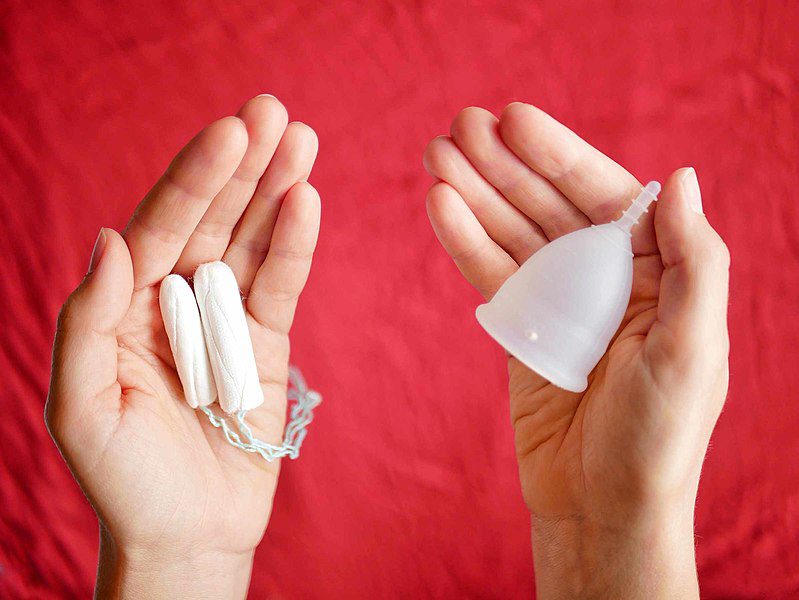
Period poverty refers to the “struggle many low-income women and girls face while trying to afford menstrual products.” This term also encompasses the “increased economic vulnerability” females face because of the economic burden caused by the high prices of menstrual supplies. This is an issue visible worldwide, but one that Canada’s provinces and municipalities have already begun tackling. In fact, the fight against period poverty in Canada has been ongoing since 2015.

Recent Polls Show Women’s Struggles

In 2020, close to 25% of Canadian women and about 33% of women younger than 25 faced financial hardship in securing “menstrual products for themselves or their dependants.” In that same year, it was estimated that “Canadians who menstruate typically spend up to $6,000 in their lifetime on menstrual hygiene products.” For women who live in remote or rural Canadian areas, the cost is even heftier —  women pay twice as much for menstrual products.

Free Menstrual Products in Schools

In 2021, a  Plan International Canada survey indicated that 63% of Canadian females “regularly or occasionally missed an activity because of their period” or due to “concerns about not being able to access menstrual hygiene products or proper facilities.” The report also showed that 34% of Canadian females “have had to regularly or occasionally sacrifice something else within their budget to afford menstrual products.”

It was due to these findings that the government of Ontario began working on reducing period poverty in the province. After months of collaboration and negotiation, in October 2021, the Ontario Government began a three-year partnership with Shoppers Drug Mart to increase access to menstrual supplies. According to Minister of Education Stephen Lecce’s announcement, the government would distribute “six million free menstrual products per school year to school boards.” This made Ontario the first of four provinces to “take action on the issue of period poverty in schools” and one of the first to actively fight period poverty in Canada.

Associate Minister of Children and Women’s Issues, Jane McKenna, has shown high hopes for the new program: “Our government is committed to reducing stigma and removing barriers that prevent women and girls from achieving their full potential.” McKenna stated that free menstrual products in schools “will help create more equitable environments. The partnership is working to advance female health  in order to help all “young female Ontarians to succeed, flourish and grow.”

Fighting Tampon Tax

Another example of how Canadian provinces fight period poverty in Canada is the removal of the “tampon tax.” Tampon tax refers to the specific tax placed on menstrual products such as tampons and sanitary napkins. Canada lifted this tax on period products in 2015, making the products more affordable for some but not all. For many facing economic challenges or enduring insecure housing, menstrual products are still unaffordable.

And for some, menstrual hygiene “becomes a choice rather than a necessity as they often have to choose between a meal or [tampons/sanitary napkins].” This has led to reports of many women and girls who struggle economically using unhygienic and unsanitary items such as “rags, dirty socks, paper towels and newspapers,” which puts them at risk of health issues such as toxic shock syndrome and other infections.

The Fight Continues

However, although the fight against period poverty in Canada has begun and is ongoing, there is still room for progress. Nonetheless, because the Canadian “provinces have general jurisdiction over health care,” Parliament has used its “federal division of powers” to begin programs to increase “access to free menstrual products” in many Canadian provinces and municipalities.

For example, similar to Ontario, British Columbia and Nova Scotia also provide free menstrual products in schools. The Canadian Government is also revising and evaluating policies as well as seeking feedback about different initiatives to provide “free menstrual products in federally regulated workplaces.” The government is working to address “menstrual equity at the national level.” Thus, despite some delays that the COVID-19 pandemic caused, the Canadian government recognizes this issue and continues being receptive to helping resolve the issue, which could lead to menstrual products becoming more affordable or even becoming free to larger portions of the population in the coming years.

– Marcela Agreda L.
Photo: Unsplash

March 31, 2022
https://borgenproject.org/wp-content/uploads/borgen-project-logo.svg 0 0 Kim Thelwell https://borgenproject.org/wp-content/uploads/borgen-project-logo.svg Kim Thelwell2022-03-31 07:30:022022-03-22 07:45:43Period Poverty in Canada
Global Poverty, Humanitarian Aid

Paul Farmer: A Legacy in Global Health

Legacy in Global Health
In February 2022, the world parted with one of its most valued physicians and advocates. Dr. Paul Farmer was a man who dedicated his life, career and effort to provide medical care to developing countries struggling with poverty. At the end of his life, Dr. Farmer received various awards for his work, published a variety of books regarding global health and co-founded Partners in Health, a nonprofit organization to provide modern medicine to those in need. Those in humanitarian work and aid may only speculate what more Dr. Farmer would have accomplished if he did not lose his life so suddenly and hope that Farmer’s work can be a legacy in global health for future humanitarians.

Paul Farmer’s Start to Global Health

Dr. Farmer started with a passion for humanitarian work. After graduating from Duke University in 1982 with honors, Farmer achieved an M.D. and Ph.D. in anthropology at Harvard in 1990. Prior to achieving his Master’s degree and Doctorate, Farmer protested U.S. immigration policies that discriminated against Haitian refugees. Farmer also extended his effort to Haiti where he helped establish a community-based health project in 1983.

In 1987, Dr. Farmer co-founded Partners in Health (PIH), aiding clinics, education and training in developing countries. Since its founding, PIH has contributed to a multitude of initiatives and movements to support global health. In 1998, the organization launched the HIV Equity Initiative, a program that administers antiretroviral therapy to Haitian HIV-positive patients. The initiative would be a steppingstone for other major organizations, such as the World Health Organization (WHO) to fund efforts against HIV. In 2003, the organization co-founded OpenMRS, a source to open medical records designed for use in developing countries.

Today, there are 15.8 million active patients using the platform in 40 countries. Following the Haitian earthquake in 2010, PIH organized a vaccination campaign for the growing threat of cholera in 2012. This effort would protect 50,000 people from the deadly sickness. PIH is only one Farmer legacy in global health and the organization will only continue to grow.

Farmer’s Work with MDR TB

One of Dr. Farmer’s notable efforts in global health was in 1999 when WHO appointed Farmer and PIH co-founder Jim Yong Kim to launch global treatment programs and effective antibiotic delivery to patients suffering from multidrug-resistant tuberculosis (MDR TB). The Bill & Melinda Gates Foundation funded a grant of $44.7 million to PIH and Harvard Medical School for MDR TB research and with this fund Farmer was able to develop “individualized drug-therapy programs for patients in Haiti, Peru and Russia.”

Peru still benefits from the work that Dr. Farmer and other humanitarians have done for the international community. The World Bank recorded that in 2000, a year after Farmer began his work, the rate of tuberculosis incidences was 183 per 100,000 people. More than 20 years after Farmer’s initial work, tuberculosis incident rates went down to 116 per 100,000 people.

Haiti’s National Teaching Hospital

Farmer’s legacy in global health will live on in PIH and in the many people he helped. After the devastation that a 7.0 magnitude earthquake brought to Port-au-Prince, Haiti, killing thousands, Farmer and PIH provided emergency care and medical relief to Haitians who experienced the disaster.

The disaster caused the loss of 70% of public health buildings and 20% of the public health system’s clinical staff. Despite the odds against the aid workers and Farmer during the crisis, Farmer was able to coordinate the building of a new and larger national teaching hospital. In 2013, the creation of Build Health International (BHI) and the Hôpital Universitaire de Mirebalais (HUM) further expanded the hospital. Containing six operating rooms and with designs to hold 600 outpatients and emergency patients daily, the newly built hospital would help more than 1,500 patients daily by its second year. Today, that legacy in global health continues on as the hospital continues to grow and save lives.

Nearing the end of Farmer’s life during the pandemic, PIH launched initiatives in response to COVID-19 globally. While the world is still battling the pandemic, PIH and other organizations, people and groups can lead in Farmer’s example with his legacy in global health. With Farmer’s various achievements and efforts, Farmer’s work will continue to live on and help many more lives in the future.

– Michelanie Allcock
Photo: Flickr

March 31, 2022
https://borgenproject.org/wp-content/uploads/borgen-project-logo.svg 0 0 Jennifer Philipp https://borgenproject.org/wp-content/uploads/borgen-project-logo.svg Jennifer Philipp2022-03-31 01:30:352022-03-23 11:54:13Paul Farmer: A Legacy in Global Health
Education, Global Poverty, Health

Lifelong Learning and Poverty Alleviation

Lifelong Learning and Poverty
Lifelong learning is the ongoing development of personal, social, civil and employment-related skills, an endeavor continuing throughout life. The acquisition of learning past one’s initial education is becoming more important in finding new opportunities. High-skill jobs are becoming more prevalent in many parts of the world, creating a larger demand for skilled workers. For this reason, lifelong learning can be a powerful tool in addressing poverty across nations. By 2030, 600 million people will be living in poverty, according to the United Nations Statistics Division (UNSD). The United Nations acknowledges the role lifelong learning can play in dwindling this statistic through its inclusion of lifelong learning in the U.N. Sustainable Development Goals (SDGs). To that end, here are three ways that lifelong learning can address poverty.

3 Ways Lifelong Learning Addresses Poverty

  1. Financial Literacy: Financial literacy is the ability to apply various skills to effectively manage one’s finances. It can be a strong tool against poverty as families with this knowledge can take advantage of helpful tax credits and public programs. Unfortunately, this is a skill that seems to be lacking even in developed nations. Through a survey, the OECD found that only 52.5% of respondents across 12 member nations had sufficient financial knowledge. Financial literacy has only become more important as people have more choices regarding retirement planning, investment strategies and tax programs. Focusing on initiatives that support the acquisition of these skills for all ages can be an effective strategy to address this issue. A 2007 study by Peng et al shows that personal finance lessons enhanced rates of savings and investment knowledge “among high school and college students.” Financial literacy classes with a focus on lifelong learning and poverty relief strategies could help reduce the economic pressure many families face.
  2. Health Literacy: Health literacy is “the ability to process and understand basic information needed to make appropriate health decisions.” People with poor health literacy skills are more likely to have poor physical health in general. In addition, these people “receive less preventative care,” struggle to manage chronic illnesses and have higher rates of hospitalization. People who do not manage their health are more likely to require costly medical services in the future for avoidable ailments. Maintaining one’s health is important to be able to participate in the labor market. Those living in poverty can rarely afford to miss out on employment. Knowledge on health and self-care must be accessible among people of all ages and literacy skills are a major factor in accessing these competencies. Children who are born to literate mothers are 50% more likely to live beyond the age of five than children of women who are illiterate. A study in Indonesia revealed a 19% vaccination rate among the children of uneducated mothers in comparison to 68% among mothers with at least secondary level education. It is clear that health literacy is crucial in maintaining the health of the next generation.
  3. Income: Educational attainment closely links to income. Those with more education are likely to earn more than those with less education. Frequently, many find that their jobs do not provide the level of compensation necessary to meet their needs and those of their families. To find better employment opportunities, it is important to continually develop one’s skills and education. In fact, just one more year of education has the power to increase income by 10%, according to World Bank data. Despite this, many of those who would benefit the most from lifelong learning find it difficult to access these opportunities. A 2007 survey in Kenya revealed that 30% of individuals did not participate in literacy programs due to a lack of learning centers nearby. Programs promoting income growth must integrate lifelong learning and poverty relief solutions in an appealing and available manner to better support marginalized groups.

Looking Ahead

Lifelong learning opportunities can influence many areas of one’s life. In promoting education, it is important to remember that people can develop new skills at all stages of life regardless of age. Programs focusing on lifelong learning and poverty show promise in improving conditions for many global citizens.

– Gonzalo Rodriguez
Photo: Flickr

March 30, 2022
https://borgenproject.org/wp-content/uploads/borgen-project-logo.svg 0 0 Kim Thelwell https://borgenproject.org/wp-content/uploads/borgen-project-logo.svg Kim Thelwell2022-03-30 07:30:592022-03-30 08:06:05Lifelong Learning and Poverty Alleviation
Global Poverty

A Closer Look at Health Care in Tonga

Health Care in Tonga
Located in the Polynesian area of the Pacific Ocean, the Kingdom of Tonga is an archipelago of 169 islands with a population of about 107,693. Health care in Tonga is in a critical position as Tongan citizens face several health issues while the nation’s health system struggles with a lack of resources. Today, the most pressing issues are non-communicable diseases (NCDs) and the onset of COVID-19.

Overview of the Health Care System in Tonga

Primary financing for health care in Tonga comes from the government but the nation still relies significantly on donor funding. Data from 2019 shows that about 5% of the country’s GDP went toward health care, equal to $242 per capita. The health care system is small, both in workforce and infrastructure. In 2013, the ratio of physicians to citizens was about 0.54 per 1,000 citizens. Furthermore, in 2015, the country had “34 maternal and child health clinics, 14 health centers, three district hospitals and the tertiary referral hospital” in place.

The Effects of NCDs Tongan Health

Unfortunately, Tonga has an incredibly high rate of non-communicable diseases (NCDs) with about 99.9% of the adult population facing a “moderate to high risk” of acquiring an NCD. In Tonga, about 80% of deaths are due to NCDs as compared to the global average of 70%. These diseases are not contagious and a combination of genetics, environmental factors and lifestyle choices can cause them. Lifestyle choices such as tobacco use, alcohol consumption, diet and lack of exercise stand as key causes of NCDs. Cardiovascular disease and diabetes are among the main health concerns in Tonga. Fortunately, the government is aware of these issues and is working to combat these concerns.

Addressing the Prevalence of NCDs

Tonga’s current goal, in line with the U.N. Sustainable Development Goals (SDGs), is to decrease NCD-related deaths by one-third by the year 2030. Over the years, Tonga has put in place policies and strategies to address the prevalence of NCDs. For example, in 2004, Tonga became “the first Pacific Island country to launch a National NCDs strategy.” A few years later, in 2007, Tonga became “the first Pacific island country to set up an autonomous body to address NCDs,” also known as the Tonga Health Promotion Foundation or TongaHealth. TongaHealth is a non-governmental organization that is working to promote physical activity, improve diets and educate people about the consequences of alcohol and tobacco use.

According to the TongaHealth website, “TongaHealth uses evidence-based approaches to increase the knowledge, skills and resources of key organizations through advocacy for and promotion of healthy environments and healthy living.” In 2014, Tonga also received recognition from the World Health Organization (WHO) for its work regarding tobacco taxation and control.

What About COVID-19?

While many nations were plunged into a total crisis of chaos when COVID-19 emerged, Tonga remained completely untouched by COVID-19 until October 2021, about a year and a half after most countries had seen their first cases. Unfortunately, the Hunga Tonga volcanic eruption in January 2022 created a need for humanitarian aid and Tonga began to see COVID-19 cases rising due to contact during humanitarian efforts. In response to the natural disaster, as of January 25, 2022, Tonga has received around $2.5 million worth of aid from the United States as well as additional international aid from France, Australia and New Zealand.

As of March 15, 2022, Tonga has recorded 2,072 COVID-19 cases and two deaths. There is a strict lockdown in place and humanitarian aid endeavors aim to be as contactless as possible. If a larger breakout occurs, Tonga’s health care system may struggle due to its lack of resources and infrastructure, a situation that would prompt urgent COVID-19 relief.

Looking Ahead

With ongoing commitments to combating NCDs and strengthening the health care system, the future of health care in Tonga looks bright.

– Mia Sharpe
Photo: Flickr

March 30, 2022
https://borgenproject.org/wp-content/uploads/borgen-project-logo.svg 0 0 Kim Thelwell https://borgenproject.org/wp-content/uploads/borgen-project-logo.svg Kim Thelwell2022-03-30 01:30:142022-03-16 08:48:26A Closer Look at Health Care in Tonga
Page 641 of 2163«‹639640641642643›»

Get Smarter

  • Global Poverty 101
  • Global Poverty… The Good News
  • Global Poverty & U.S. Jobs
  • Global Poverty and National Security
  • Innovative Solutions to Poverty
  • Global Poverty & Aid FAQ’s
Search Search

Take Action

  • Call Congress
  • Email Congress
  • Donate
  • 30 Ways to Help
  • Volunteer Ops
  • Internships
  • Courses & Certificates
  • The Podcast
Borgen Project

“The Borgen Project is an incredible nonprofit organization that is addressing poverty and hunger and working towards ending them.”

-The Huffington Post

Inside The Borgen Project

  • Contact
  • About
  • Financials
  • President
  • Board of Directors
  • Board of Advisors

International Links

  • UK Email Parliament
  • UK Donate
  • Canada Email Parliament

Get Smarter

  • Global Poverty 101
  • Global Poverty… The Good News
  • Global Poverty & U.S. Jobs
  • Global Poverty and National Security
  • Innovative Solutions to Poverty
  • Global Poverty & Aid FAQ’s

Ways to Help

  • Call Congress
  • Email Congress
  • Donate
  • 30 Ways to Help
  • Volunteer Ops
  • Internships
  • Courses & Certificates
  • The Podcast
Scroll to top Scroll to top Scroll to top