 Prospera, which was formerly known as Oportunidades and Progresa, was the world’s first national conditional cash transfer program, originally launched in Mexico in 1997. The program, which ran between 1997 and 2019 and involved multiple rebrands, focused on incentivizing and improving access to education, nutrition and health for poor families.
Conditional cash transfer programs are government welfare programs that provide residents in poor communities with funds as long as they meet the conditions of the program. Common requirements for programs like Prospera typically include mandating school enrollment for children and ensuring regular health check-ups.
After the 1995 Mexican peso crisis drastically devalued the peso, Mexico launched the Prospera program to combat poverty and inequality. Targeting particularly impoverished areas, Prospera proved notably effective in Mexico’s poorest regions, such as Chiapas, where a poverty rate of 74.7% prevails. In La Gloria, Chiapas, about 93% of families benefited from the program’s stipends. Hence, Prospera aimed to alleviate poverty in both urban and rural areas across the country.
Poverty and Education
Prospera targeted poverty reduction by emphasizing school enrollment. In Mexico, where families often depend on extra income, children are pushed to work, undermining their education. This issue is more acute in the South, where children frequently leave school to work in agriculture, exacerbating educational neglect and perpetuating the cycle of poverty.
Under Prospera, families would receive grants every month for each child attending school. As children progressed in school, the grant amount would increase. For girls, the grant amount would range from 105 pesos or $9.50 in third grade to 660 pesos or $60 by high school. The stipend for girls was higher than the stipend for boys because on average, girls were more likely to leave school at a younger age.
Additionally, children participating in Prospera from their earliest days show a higher likelihood of pursuing higher education. A study found children enrolled within their first 1,000 days were 67% more likely to attend college compared to those enrolled after 6th grade. Prospera’s emphasis on continuous school attendance played a crucial role in its success. Education plays a pivotal role in poverty reduction according to Childfund, who claim education is the “catalyst needed to pull families and communities out of the cycle of poverty.”
Health and Nutrition
Prospera provided families with health-related monetary transfers to ensure regular health checks for both parents and children. These funds, aimed at improving food consumption and nutritional health, came with no spending restrictions. The program tailored its conditions to meet specific demographic needs, such as organizing health and nutrition sessions for mothers and high school students. Notably, Prospera contributed to a 17% decrease in infant mortality rates in Mexico, highlighting its critical role in addressing health-related poverty and malnutrition issues.
Effects of Prospera
Mexico’s conditional cash transfer program, though scaled back in 2019 to focus on education, continues to significantly influence global poverty reduction strategies. Its model has inspired dozens of countries worldwide to implement similar programs, benefiting impoverished communities. While debates exist over Prospera’s long-term poverty impact, its achievements in reaching millions in Mexico’s needy urban and rural areas, enhancing educational outcomes and reducing child health issues stand out.
– Marley Wilson
Photo: Unsplash
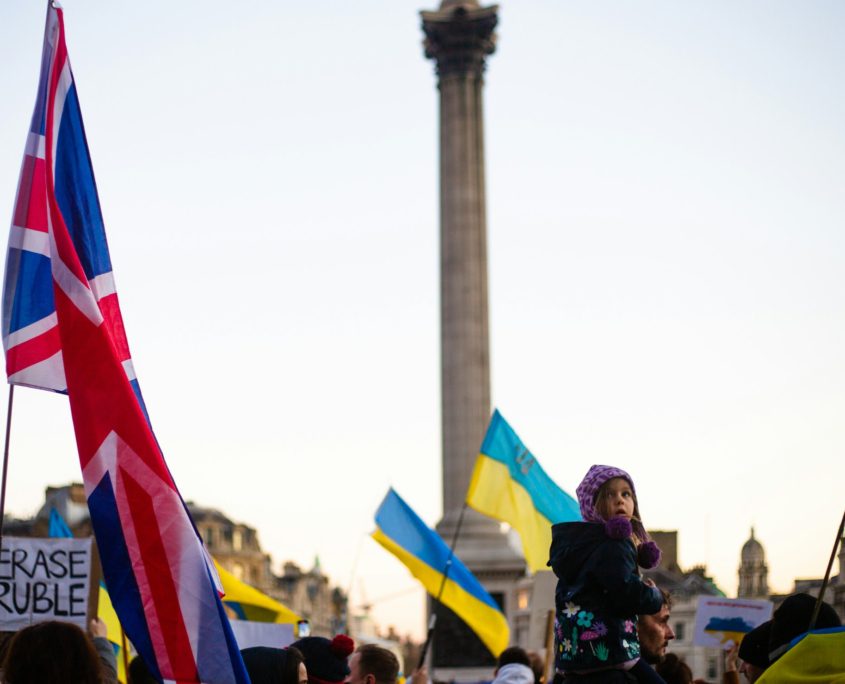 The conflict with Russia has dramatically increased child poverty in Ukraine, with the rate doubling to
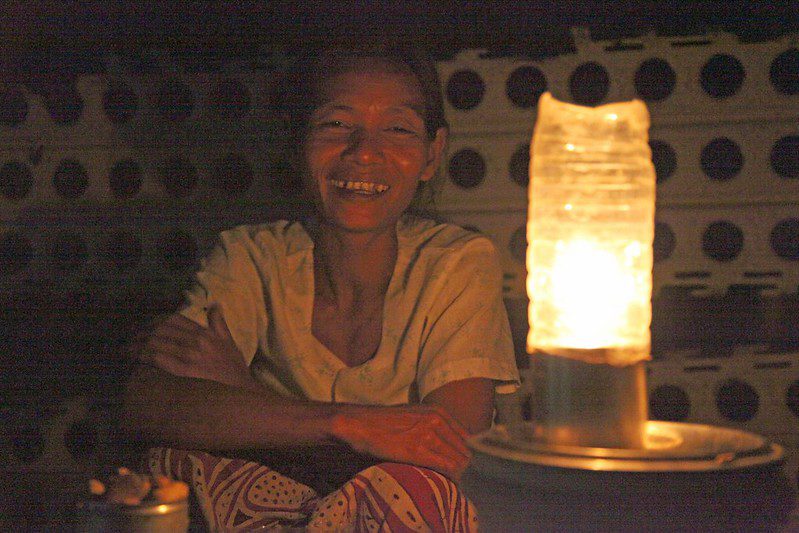 The ongoing conflict in Myanmar has caused immense hardship, displacing millions and disrupting essential services. However, amid the challenges, hope emerges in remote villages. Micro-hydropower dams, harnessing the power of rushing rivers, are proving to be more than just a source of electricity – they are fostering self-sufficiency and resilience for communities facing immense adversity. Micro-hydropower provides reliable electricity, enabling villages to operate medical equipment, power schools for extended hours and improve communication infrastructure. This fosters a sense of normalcy and stability in a region grappling with conflict.
 On Jan. 15, 1997, Andorra
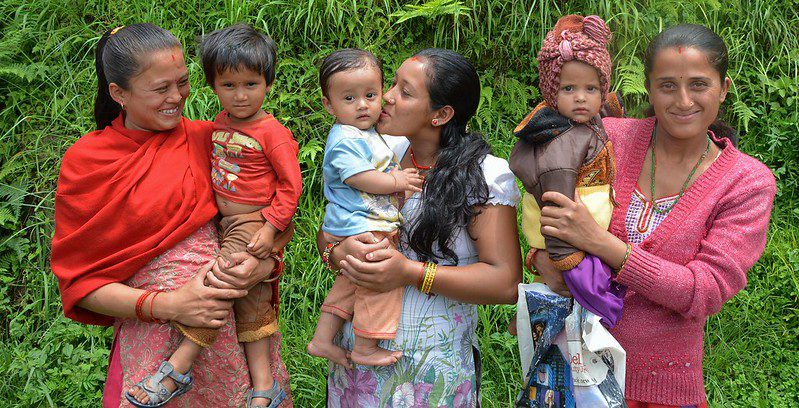
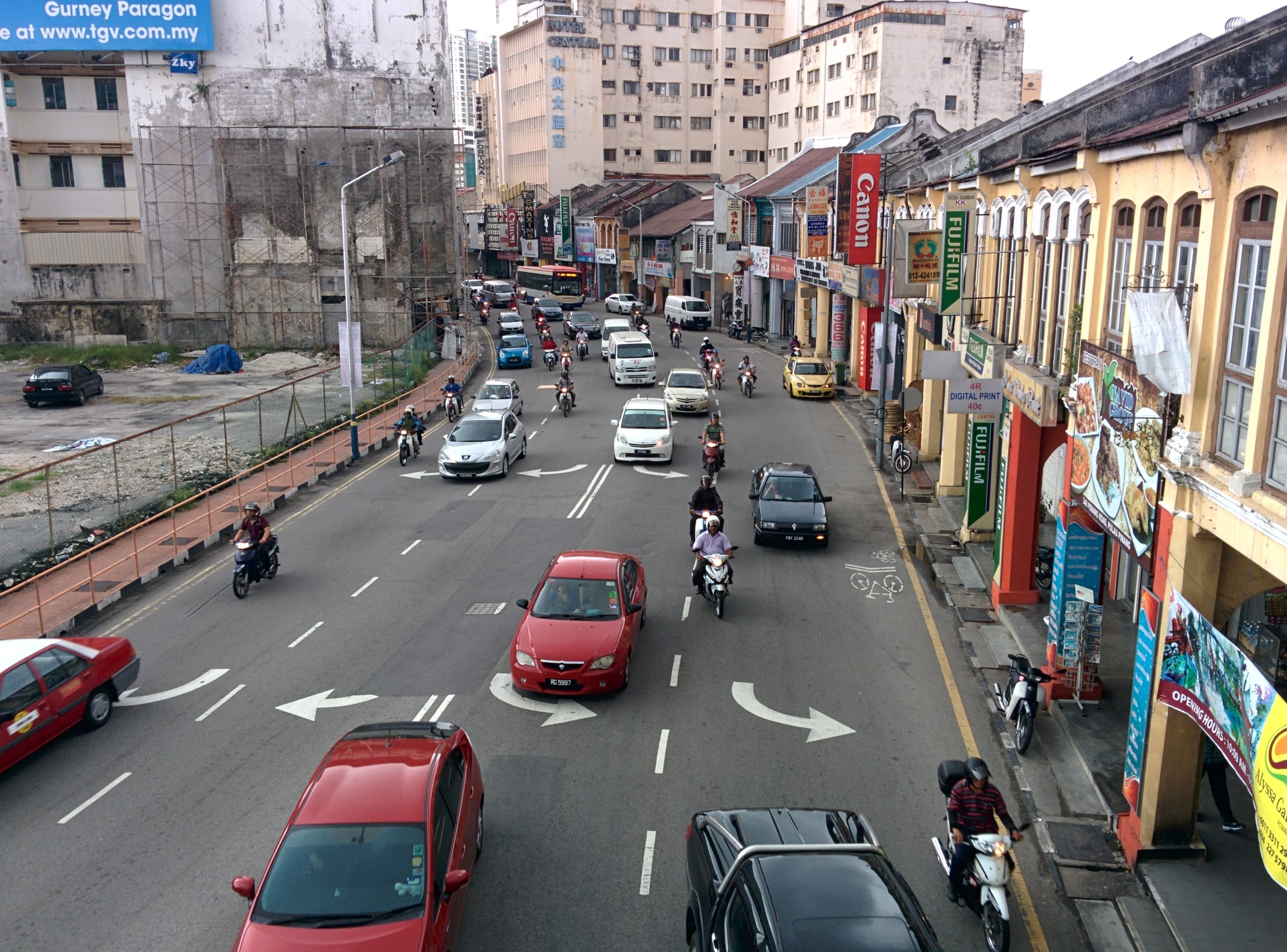
 Tearfund’s impact in the Democratic Republic of Congo (DRC) significantly contributes to alleviating the country’s enduring challenges. Amidst the wealth of natural resources and a population exceeding 95 million as of 2021, the DRC faces severe trials such as prolonged civil unrest and poverty affecting