• Link to X
  • Link to Facebook
  • Link to Instagram
  • Link to TikTok
  • Link to Youtube
  • About
    • About Us
      • President
      • Board of Directors
      • Board of Advisors
      • Financials
      • Our Methodology
      • Success Tracker
      • Contact
  • Act Now
    • 30 Ways to Help
      • Email Congress
      • Call Congress
      • Volunteer
      • Courses & Certificates
      • Be a Donor
    • Internships
      • In-Office Internships
      • Remote Internships
    • Legislation
      • Politics 101
  • The Blog
  • The Podcast
  • Magazine
  • Donate
  • Click to open the search input field Click to open the search input field Search
  • Menu Menu

Archive for category: Global Poverty

Key articles and information on global poverty.

Africa, Education, Global Poverty

Teacher.AI Revolutionizes Sierra Leone Education System

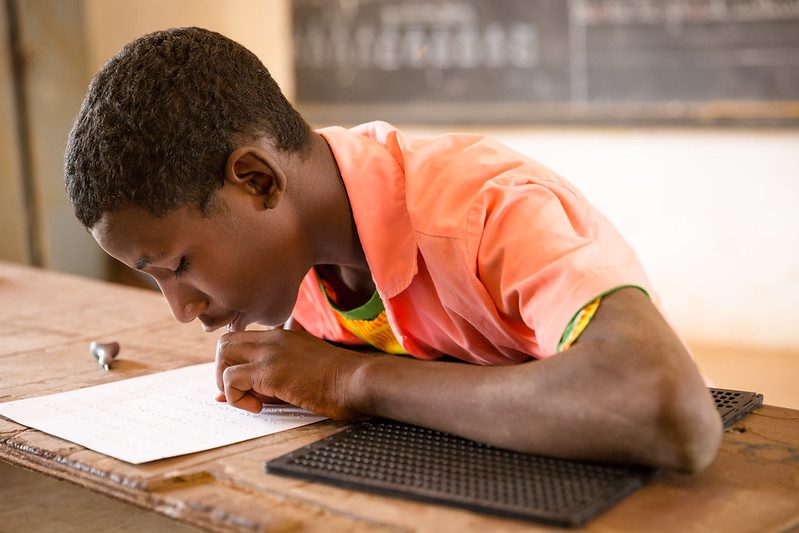
Teacher.AISierra Leone is a developing country in West Africa with potential for economic growth. However, more than 57% of its population lives in poverty, leaving many children to work instead of pursuing education. This unfortunate cycle conversely causes an influx in poverty in the country despite the number of people active in the work field.

Despite introducing the “Free Quality School Education” initiative in 2018, Sierra Leone’s education system faces many challenges. One is the spike in students attending schools after the initiative, leaving one underqualified teacher to 40 or more students.

Sierra Leone Education

Sierra Leone’s education system struggles immensely with not only getting kids to school with a 40% enrollment rate but also having a high-caliber teacher force to manage the ones who do have the opportunity to learn. The spike in students attending school after the introduction of “Free Quality School Education” caused a need for more supplies, space and teachers to go around for everyone.

This influx, however, has resulted in a scarcity of crucial one-on-one interaction between students and teachers, a vital element for individualized attention and correction. Compounding the issue is the fact that one in three teachers does not have the standard qualifications to be genuinely effective.

Moreover, a significant portion of educators, likely native to the area, may not have completed their secondary education, with statistics indicating that 65.8% of girls and 44.4% of boys fail to complete lower secondary school.

Teacher.AI

Teacher.AI is an advanced artificial intelligence created to aid teachers in under-resourced areas and give students the quality education they deserve. Teachers within Sierra Leone’s education system have had limited experience with technology since only 8% of schools have internet access. However, access to 2G is more prevalent as 86% of schools are in the range of said coverage.

The AI uses a WhatsApp-integrated chatbot for teacher support, upheld by the 2G coverage available to most developing countries, including Sierra Leone. Teacher.AI allows educators to put facts and organization behind their lesson plans and student questions.

Since the financial means to hire strong candidates is not within view for places like Sierra Leone, Teacher.AI has teamed with EducAid and developed plans to train and implement this tool in Sierra Leone classrooms.

The Affect of Teacher.AI

In April 2023, EducAid helped Teacher.AI train 1,000 teachers to use the tool successfully to their advantage. About “10% of the 116 teachers who used the chatbot on their phones during that session have continued to use it regularly since then.” Since many educators in areas like Sierra Leone have little experience using advanced technology, it will take longer for something like this to be seen as beneficial for the community.

Looking to the Future

Poor education in Sierra Leone leads to a cycle of poverty as it limits the employment opportunities for young people, forcing many into low-paying manual labor jobs like agriculture. However, with proper education, children could access higher-level jobs, offering more stability and potentially decreasing poverty rates.

Educated individuals can contribute to economic growth and urbanization, benefiting businesses and government. Moreover, they can use their knowledge to advocate for improved education systems, breaking the cycle of poverty for future generations. Investing in education now is crucial as it empowers children to improve their lives and positively impact their communities.

– Tristen Jerkins
Photo: Flickr

March 6, 2024
https://borgenproject.org/wp-content/uploads/borgen-project-logo.svg 0 0 Lynsey 2 https://borgenproject.org/wp-content/uploads/borgen-project-logo.svg Lynsey 22024-03-06 07:30:092024-03-05 03:59:18Teacher.AI Revolutionizes Sierra Leone Education System
Global Poverty, Poverty Eradication

Informal settlements and Slum Upgrading in the Philippines

informal settlementsThe Philippines is an archipelagic country in Southeast Asia, about 500 miles off the coast of Vietnam. In 2018, almost 43% of the urban population lived in informal settlements. These slum communities endure cramped living spaces, insecure tenure and inadequate access to essential services such as water and sanitation.

President Marcos’ urban development initiative

In 2023, President Marcos launched a flagship urban development initiative. The ambitious project set out to construct six million housing units by 2028 to benefit 30 million Filipinos and generate employment opportunities. Demonstrating a commitment to collaborative efforts, the government has successfully entered into memorandums of understanding with 47 local government units to facilitate cooperation on this housing initiative. Ten months in, the Department of Human Settlement and Urban Development reported 1.2 million housing units built across the country, exceeding program targets.

Community-based development is effective

Poor urban populations that work with rather than receive aid from institutions have been successful in the Philippines. According to the World Resources Institute, one participatory housing program in Iloilo City relocated two-thirds of the population to safer areas without evictions. With the help of the local government’s community-based housing programs, 1,250 households in Iloilo could relocate to safer places. This 2022 approach became a model for programs in other parts of the Philippines and Asia.

Reliable data is lacking

About 4.5 million people are homeless or living in informal settlements in the Philippines. Three million of this population are in Metro Manila, “the capital region and largest metropolitan area of the Philippines.” Due to the consistent risk of eviction, occupants are unwilling to give information for surveys on informal settlements.

Residents do not have formal addresses and there is no consistent data collection method for recording the size of squatting communities. As a result, most statistics given are low estimates. Prominent studies highlight the lack of data on urban poverty, hindering effective policies for people experiencing poverty.

Half of the population lives in urban areas

Rural-to-urban migration patterns are rapid and driven by the need for work. In the Asia-Pacific region alone, 150,000 people migrate daily to cities. This migration is driven by economic opportunity, a lack of jobs in rural areas and the allure of a better lifestyle. Many Filipinos from rural regions relocate to urban centers like Metro Manila, Cebu City and Davao City in search of employment, education, health care and more.

Cities are only sometimes built to handle this constant influx from rural areas. Due to overcrowding in city centers, the government continues to encourage rural development. Urban migration has led to nearly 115,000 units of public housing lying empty in rural areas. Efforts to address this migration include initiatives to promote rural development, create job opportunities outside major cities and improve living conditions in rural and urban settings.

Housing affordability is key

According to the Philippines Institute for Development Studies, low-income households cannot afford housing priced at 30% of their income, while middle-income households can. Coupled with rapid urbanization, this results in a need for more affordable housing near jobs for lower-income populations.

When housing costs are too high, families may be forced to live in inadequate or unsafe conditions, compromising their health and overall quality of life. Moreover, high housing costs can lead to financial strain, limiting individuals’ ability to save, invest or spend on other essential needs. Addressing housing affordability is crucial for promoting social inclusion, reducing poverty and fostering sustainable economic development in the Philippines.

Up to 20 typhoons and 150 earthquakes each year

In addition to flooding and active volcanoes, the Philippines is highly susceptible to natural disasters. It is located along the Pacific Ring of Fire and in the path of typhoons. Coastal and low-lying areas are particularly prone. Additionally, the country’s many active volcanoes, such as Mayon and Taal, pose risks of eruptions.

Informal settlements are among the most vulnerable to natural disasters. However, nonprofits like Habitat for Humanity, Build Change and CARE Philippines are spearheading projects to replace informal settlements with typhoon-resistant housing units so that communities don’t have to spend months every year rebuilding their homes.

– Ava Johnson
Photo: Unsplash

March 6, 2024
https://borgenproject.org/wp-content/uploads/borgen-project-logo.svg 0 0 Lynsey 2 https://borgenproject.org/wp-content/uploads/borgen-project-logo.svg Lynsey 22024-03-06 03:00:512024-03-06 06:39:23Informal settlements and Slum Upgrading in the Philippines
Africa, Global Poverty, HIV/AIDS

A Progress Report on HIV/AIDS in Benin 

HIV/AIDS in Benin According to the CIA World Fact Book, the Republic of Benin is a small, low-income, multi-ethnic country in West Africa. Benin borders Nigeria to the east, Niger and Burkina Faso to the north, Togo to the west and the Atlantic Ocean to the south. Benin was a French colony until it gained independence in 1960. The Kingdom of Dahomey occupied present-day Benin before colonization. Benin has been on the front lines of the HIV/AIDS epidemic since the 1980s.

Significant Progress Has Been Made on HIV/AIDS in Benin

UNAIDS data shows the total number of Beninese people living with HIV/AIDS was 72,000 in 2022, down from a high of 77,000 in 2014. The World Bank put these numbers into percentages. In 2021, 0.8% of Benin’s population was living with HIV/AIDS, a 0.7% decline from the 1.5% peak in 2001. 

UNAIDS announced that half of adults with HIV/AIDS in Benin were on antiretroviral treatments in 2017. That percentage increased to 81% in 2022. New annual HIV infections in Benin plummeted from 8,600 in 1996 to 1,800 in 2022. Similarly, AIDS-related deaths fell sharply, from 6,100 in 2007 to 1,900 in 2022. UNAIDS will continue to implement community-focused approaches to improve access to care, reduce transmission and end discrimination against Beninese people infected with HIV. 

Fighting HIV/AIDS Reduces Poverty

A 2005 report from the International Labour Office and UNAIDS explains the link between HIV/AIDS and poverty. HIV/AIDS infections have an outsized impact on household, local and national economies. HIV infections can make people too ill to work. Families often have to drain their savings to pay for medical care and fill in for missing income. Children may need to take time off school to care for an infected parent or work. Missing school has a significant impact on long-term economic livelihood. Data indicate that high rates of HIV/AIDS infections slow economic growth and reduce the size of the labor force. The report argues that countries that are an exception to this trend may have implemented a more organized response to the HIV/AIDS epidemic.

Interventions for Sex Workers

Research published in 2012 by S. Baral and others in the journal Lancet Infectious Diseases found female sex workers (FSW) and their clients to be focal points of HIV/AIDS in Benin. In a 2013 study by L. Béhanzin and others published in the National Library of Medicine, researchers focused their FSW-targeted interventions on three fundamental areas:

  • Community: Improving HIV/STI knowledge, condom education and negotiating skills to promote condom use with clients
  • Clinical: Monthly check-ups and free STI testing for FSW
  • Structural: Working with the police and FSW managers to reduce harassment and violence directed at FSW

The HIV/AIDS rate among FSWs in Benin who received the interventions declined from 53.3% in 1993 to 30.4% in 2008. According to UNAIDS, the infection rate among sex workers was 7.2% in 2022, and condom use was at 90.4%. Researchers also speculate that these interventions may have reduced the spread of HIV/AIDS in Benin outside the FSW and client populations.

Planning for the Future

HIV/AIDS in Benin is a significant and continuing public health and economic issue for the country. More work is necessary to reduce the total number of people living with HIV/AIDS. However, targeted and effective interventions have reduced the spread of HIV/AIDS in Benin over the last several decades, especially among vulnerable populations. Fewer people living with HIV/AIDS means more labor force participation, household savings, economic development and kids in school. Overall, HIV/AIDS programs in Benin have a positive economic impact and reduce poverty in the country.

– Joey T. McFadden
Photo: Unsplash

March 6, 2024
https://borgenproject.org/wp-content/uploads/borgen-project-logo.svg 0 0 Jennifer Philipp https://borgenproject.org/wp-content/uploads/borgen-project-logo.svg Jennifer Philipp2024-03-06 01:30:122024-03-05 03:48:05A Progress Report on HIV/AIDS in Benin 
Global Poverty, Government, Health, Politics

Drug Rehabilitation in Brazil and How the Government Is Tackling It

Drug Rehabilitation in BrazilBrazil has an extensive history of problems with substance abuse. The Brazilian populace contains many impoverished people facing significant challenges in accessing public medical care, forcing individuals to seek alternatives. However, the Government of Brazil is taking great strides towards reducing these issues. One such step is the establishment of the Brazil and the South Cone Programme to “support the Governments of Brazil in the implementation of effective policies in drug law enforcement and drug abuse prevention.” If Brazil continues along this trajectory, then improvements will continue. Here are some ways Brazil is tackling drug use.

Psychoactive Drugs and Access To Help

The use of psychoactive drugs is becoming more common in all treatment centers, leading to challenges in recovery and an increased likelihood of relapse. This has led to studies to better understand the most effective ways of reaching individuals struggling with such addiction. Fortunately, some authors have discovered that economic position played a significant role in the issue. Those in poverty have less access to education and are still determining how to help themselves. The Brazilian public health system, in the past, has neglected those in poverty, restricting access to treatment facilities for individuals with limited financial resources. Considering these shortcomings, drug rehabilitation in Brazil is now more accessible in urban areas, where mental health services have been increasing since 2008. Rural areas still lag, but the advancement in urban areas is a good start for facilitating drug rehabilitation in Brazil.

Alcohol Abuse Help

In terms of alcohol abuse, Brazil has taken great strides. The Brazilian health care system has tackled the problem via three programs. First is the “Family Health Strategy,” which utilizes the services of community health workers to engage in outreach activities and home visits. Second is the “CAPS” program, which provides outpatient clinics catering to individuals requiring mental health services. A specialized staff team comprising “nurses, social workers, psychologists and psychiatrists” operate these clinics. The team is well-equipped to provide comprehensive and customized care to patients with varying mental health needs. The third is a novel program devised to assist individuals who have recently undergone addiction treatment in obtaining employment through post-treatment care. The primary objective of the program is to facilitate employment opportunities for individuals who have previously struggled with addiction by addressing any barriers or challenges that may impede their progress. 

Use of Religion To Help

This approach provides an opportunity to establish connections with like-minded individuals, engage in volunteer work, receive personalized psychological care and obtain financial support early on. By incorporating religion into drug rehabilitation programs, a more comprehensive range of resources and support systems become accessible, thereby increasing the likelihood of long-term recovery and overall well-being. In addition, this approach fosters an atmosphere that acknowledges personal potential and encourages camaraderie among individuals, all while offering unwavering and impartial support. The effectiveness of spiritual therapy ultimately rests on the willingness of those seeking help to embrace it. 

Conclusion

The aspects above underscore the effectiveness of drug rehabilitation programs in Brazil, which have proven to be a valuable resource for many underprivileged individuals seeking support and assistance. It is hoped that such efforts will continue unabated, not only in Brazil but also in other countries facing comparable challenges. 

– Jordan Cunningham
Photo: Unsplash

March 5, 2024
https://borgenproject.org/wp-content/uploads/borgen-project-logo.svg 0 0 Lynsey 2 https://borgenproject.org/wp-content/uploads/borgen-project-logo.svg Lynsey 22024-03-05 10:43:092024-03-06 08:59:47Drug Rehabilitation in Brazil and How the Government Is Tackling It
Global Health, Global Poverty

Digital Health in Developing Nations: The Pioneering WHO Initiative

Digital Health in Developing NationsIn a historic development, the World Health Organization (WHO), in collaboration with the G20 India presidency, launched the “Global Initiative on Digital Health” (GIDH) in August 2023. This groundbreaking initiative signifies a united endeavor to strengthen digital health care services in both developing nations and across the globe. The GIDH has aligned with the Global Strategy on Digital Health 2020–2025 objectives, aiming for a transformative global shift in health systems through innovative digital solutions. This significant development was announced during the Health Minister’s Meeting at the G20 Summit in India, showcasing a global commitment to health advancements.

GIDH: A Network Spearheaded by WHO

The GIDH operates as a network overseen by the WHO, providing a vital platform for consolidating global standards, disseminating best practices and facilitating essential resources. This strategic collaboration is pivotal in accelerating the transformation of digital health systems in developing nations. The WHO serves as a secretariat for the initiative. Reaffirms its commitment to aiding countries in enhancing their health care capacities and ensuring access to quality digital health solutions.

The Evolution of Digital Health and COVID-19’s Impact

The digital health domain has significantly transformed since the WHO endorsed e-health in 2005. More than 120 members of the WHO have established national digital health policies or strategies, marking a worldwide trend toward integrating technology within the health care sector.

Before the outbreak of COVID-19, the field of digital health was steadily progressing. Telemedicine has shown significant potential in improving health care delivery and alleviating poverty in developing countries. Studies have indicated that telemedicine can effectively address health care needs in regions with limited resources and hard-to-reach populations. By offering remote medical services, telemedicine can ease the burden on overtaxed health care systems and relieve those most affected by health care costs.

In Africa, telemedicine is crucial for delivering health care to isolated villages without access to traditional medical facilities. It promotes social transformation and mobility while significantly enhancing the treatment of communicable and non-communicable diseases and supporting health infrastructure. Adoption of telemedicine in these regions can alleviate poverty among vulnerable groups.

In this context, the pandemic accelerated widespread adoption and integration into health care systems worldwide. This period has highlighted the crucial need for robust digital health infrastructures, emphasizing effective governance, well-developed policy frameworks and a proficient workforce that adapts and maintains digital health technologies.

During the G20 Health Ministers’ Meeting in August, participants emphasized the vital role of digital health in developing nations and across various national health care systems. For instance, the Health Minister of Saudi Arabia highlighted the significant contribution of telemedicine and the potential of innovative technologies like artificial intelligence in health care. The Indonesian representative discussed efforts to establish health databases, which are crucial for digitizing health records. Brazil’s Health Minister also underscored the importance of digital health in achieving universal health coverage, focusing on data protection and ensuring equitable access.

Goals and Focus of the GIDH

The GIDH is committed to achieving measurable outcomes through:

  • Developing priority-driven investment plans for digital health transformation.
  • Enhancing transparency and reporting in digital health.
  • Encouraging knowledge sharing and collaboration for rapid progress.
  • Advocating for integrated government approaches in digital health governance.
  • Boosting technical and financial support for implementing the Global Digital Health Strategy 2020–2025.

The Transformative Potential of Digital Health

The role of digital health initiatives in enhancing health care outcomes is gaining significant recognition, especially in achieving Universal Health Coverage and meeting Sustainable Development Goals by 2030. These digital interventions encompass a wide array of applications, ranging from aiding individuals in managing their health to assisting health care providers in upholding exemplary standards of care. Moreover, they are pivotal in fortifying health care systems by enhancing supply chain management and optimizing workforce efficiency.

A Milestone in Global Health Efforts

The G20 Health Working Group witnessed a historic moment with the inception of GIDH, showcasing a collective commitment by G20 nations toward a common health goal. This initiative, especially crucial amid the challenges posed by the COVID-19 pandemic, aims to promote collaboration, exchange of knowledge and the establishment of robust digital health infrastructures. It aligns with the overarching objective of improving health services delivery, significantly advancing global health cooperation and innovation, particularly in developing nations.

– Matilde Liboni
Photo: Pexels

March 5, 2024
https://borgenproject.org/wp-content/uploads/borgen-project-logo.svg 0 0 Lynsey 2 https://borgenproject.org/wp-content/uploads/borgen-project-logo.svg Lynsey 22024-03-05 07:30:492024-03-04 02:37:06Digital Health in Developing Nations: The Pioneering WHO Initiative
Advocacy, Charity, Global Poverty

Supporting North Korean Defectors: 5 South Korean Charities

Supporting North Korean Defectors: 5 South Korean CharitiesIn North Korea, under the rule of Kim Jong-Un, the country stands as one of the world’s most repressive nations, where the government prioritizes collective interests over individual freedoms. Basic rights and freedoms are severely restricted, with citizens lacking access to what many consider everyday freedoms, including the choice of hairstyles, access to Western television, computers, phones and the enjoyment of foreign music. However, South Korean charities play a crucial role in addressing these challenges, offering support to those who manage to escape this oppressive environment.

Unfortunately, North Koreans caught engaging in activities deemed illegal, face imprisonment or even execution in public. Since the death of Kim Il-Sung from 1994 to 1998, a period referred to as “The Arduous March,” many citizens have suffered from malnutrition and health issues.

The Journey of North Korean Defectors

Many North Koreans face a daunting choice to defect in pursuit of a better life, risking immediate death if caught using secret escape routes. Hence, some resort to bribing brokers for assistance in crossing the Yalu River, yet even with such help, evading capture along the border remains uncertain.

Furthermore, those who escape to South Korea and seek asylum consider themselves fortunate, yet they encounter challenges adjusting to an unfamiliar environment. Defectors gain the freedom to listen to music, watch movies and make life choices not dictated by their previous government. However, navigating these changes proves difficult and stressful, particularly for individuals who flee alone, without the support of family or friends.

Following are five South Korean charities that focus on aiding North Korean defectors in starting anew.

Hanawon

A prominent resettlement center for North Korean defectors, often compared to a mix between a halfway house and a trade school, opened its doors in 1999 with funding from Korea’s Ministry of Unification. At Hanawon, defectors undergo a 12-week program where they learn essential skills like using ATMs and navigating banks, grocery stores and public transport. Raised in an atheistic environment where religious materials were banned to ensure allegiance to their leader, North Korean defectors at Hanawon receive visits from volunteers across various faiths—Buddhist, Catholic, Christian—who introduce them to religious beliefs and practices, offering services for those interested in exploring newfound religious freedom.

Teach North Korean Refugees (TNKR)

Moreover, a Seoul-based nongovernmental organization specializes in teaching English to North Koreans. Teach North Korean Refugees commits to aiding refugees through one-on-one tutoring, speech competitions and mentoring for employment and educational opportunities. Consequently, it equips North Korean refugees with the skills to thrive in any setting where English is the primary language.

People for Successful Corean Reunification (PSCORE)

A nonprofit, nongovernmental organization located in Seoul actively promotes human rights in North Korea. It offers English classes and tutoring programs for North Korean defectors, emphasizing its global mission to advocate for North Korean human rights. The organization states, “Our global mission revolves around advocacy for North Korean human rights, with a core focus on empowerment through education and tutoring programs.”

Liberty in North Korea

An international nongovernmental organization focuses on aiding North Korean refugees in adjusting to their new lives. Liberty in North Korea achieves success in its resettlement program by fostering self-efficacy. The organization pairs newly arrived North Korean refugees with resettled North Koreans as role models. These mentors offer advice and encouragement on managing stress and trauma, providing relatable support from someone who has faced similar challenges, thus facilitating growth and adaptation.

Saejowi

A nonreligious, nonprofit organization in South Korea specializes in refugee counseling licensing and documenting the medical needs of North Korean refugees. Reports indicate that “90% of North Korean refugees arrive with untreated physical illnesses and Post-Traumatic Stress Disorder (PTSD).” However, Saejowi supports North Korean refugees who wish to become counselors for their peers by offering classes to develop and practice counseling skills. Consequently, more than 220 counselors have received licenses, enabling them to provide counseling to fellow refugees.

Looking Ahead

These five South Korean charities are diligently working to help North Korean defectors adjust to their new lives, emphasizing self-care and the importance of recognizing their worth. These organizations assist defectors in discovering their passions and deciding on future pursuits. In addition, by offering safety and protection, South Korean charities support defectors through the process of change, acknowledging that while change can be exhilarating, it can also be daunting.

– Nevin Guler
Photo: Unsplash

March 5, 2024
https://borgenproject.org/wp-content/uploads/borgen-project-logo.svg 0 0 Precious Sheidu https://borgenproject.org/wp-content/uploads/borgen-project-logo.svg Precious Sheidu2024-03-05 07:30:152024-03-04 02:31:14Supporting North Korean Defectors: 5 South Korean Charities
Development, Global Poverty, Innovations

Innovations Against Poverty: Prosperity Through Cooperation

Innovations Against Poverty (IAP): Prosperity Through Cooperation Poverty rates in a region often hinge on specific local conditions, necessitating tailored solutions. Innovations against poverty are essential in this context. Yet, other factors affecting socio-economic well-being, like infant mortality and global food security, present uniform challenges across different areas. Establishing a fund dedicated to innovation in combating poverty can tackle both specific and widespread issues.

It enables the development of creative solutions for unique challenges and fosters large-scale collaboration among diverse stakeholders to address global problems. As a World Bank official emphasized in 2015, “Without collaboration that is both broad and deep, we have little hope of ending extreme poverty by 2030 and to boost shared prosperity.”

The Innovations Against Poverty (IAP) Challenge Fund

The program aims to carefully select innovative projects for their potential to benefit large numbers of people living in poverty and their scalability. It challenges private sector companies in the agriculture, energy, wash and ICT sectors across Cambodia, Ethiopia, Uganda and Zambia to innovate products.

Acting as a risk-sharing mechanism, the fund effectively supports innovative producers, offering them economic protections otherwise unavailable. This approach assists companies that fall between the cracks of microfinance and commercial lending. The top proposals receive up to €200,000 in funding per company.

The Challenge Fund is financed by the Swedish International Development Cooperation Agency (SIDA). It aims to support ambitious entrepreneurs overcome a lack of capital to innovate. The fund works via an announcement that the fund is looking for proposals for the best solution to a pre-defined development problem that is not addressed by market forces.

Competitors are assessed against each other. The businesses that best fill several pre-set criteria are given a grant to implement their ideas. Following the first round of investments in companies from the four countries, more than 1.5 million people were calculated to have benefitted from improved access to basic goods and services, as well as more than 500,000 benefitting from cost savings and income, with knock-on effects for the wider communities.

The multi-stakeholder partnership approach plays a crucial role in reducing poverty. It brings together innovators, NGOs and investors, each contributing unique skills and experiences. Numerous instances document the success of this process through the Innovations Against Poverty program.

Agriculture: Afriseed

The  IAP program demonstrates its effectiveness through the financing of Afriseed. IAP not only provides initial funding but also helps entrepreneurs build relationships with local financiers. With an IAP grant exceeding €300,000, Afriseed expanded its legume production. It engaged more smallholder farmers and aimed to enlarge its market share in Southern Africa. Consequently, smallholder farmers enjoyed better access to quality seeds, higher crop yields and incomes, better integration into value chains and new market connections.

Sustainable Business: Raising Gabdho Foundation (RGF)

RGF, a social enterprise, provides clean cooking solutions and energy-efficient products. Through its collaboration with the IAP, RGF launched a new factory in June 2023 to develop effective ways to reduce air pollution from production. This partnership has already led to more than a doubling of the enterprise’s bio-briquette production capacity, with potential for even more expansion.

Furthermore, RGF introduced its Zeed Energy brand in Uganda, serving as a community marketplace for clean energy products. As the business expands, it will create more jobs, increase local revenue and benefit the environment by reducing the carbon footprint and promoting more sustainable practices among consumers and producers.

The initial opportunity presented to RGF has grown and grown into something with huge potential. RGF aims to establish a waste collection system to secure the biomass needed for briquette production. The foundation also aims to expand its sales routes beyond the capital city.

Looking Ahead

When we challenge creative individuals and small companies to innovate, the results can be transformative. Supporting anti-poverty innovations through targeted ventures that unite stakeholders seeking profit with workers aiming to improve their living conditions enhances the well-being of entire communities.

An independent impact assessment measured the success of the IAP. It revealed customers experienced better quality of life and access to new products and services. Additionally, 80% of female customers generating income from these offerings reported improved decision-making power over their earnings.

Incentivizing innovations against poverty among various stakeholders yields widespread and significant benefits for local communities. Encouraging and initiating creative solutions to persistent poverty-related issues across the developing world is well-supported by evidence.

– Arshiya Eslamdoust
Photo: Pixabay

March 5, 2024
https://borgenproject.org/wp-content/uploads/borgen-project-logo.svg 0 0 Precious Sheidu https://borgenproject.org/wp-content/uploads/borgen-project-logo.svg Precious Sheidu2024-03-05 01:30:232024-03-04 02:15:31Innovations Against Poverty: Prosperity Through Cooperation
Food & Hunger, Global Poverty

Nutrition Education in Mali’s School Systems

Nutrition EducationChronic malnutrition or stunting, affects more than 26% of children in Mali. “Stunting has long-term effects on a child’s physical and cognitive development, which makes children more susceptible to sickness and leads to poor performance in school.” As a country with a significant burden of malnutrition, integrating nutrition education into school curricula can be a proactive approach to fostering healthy eating habits and empowering students with essential knowledge about balanced diets.

Root Causes of the Lack of Nutrition Education in Mali

One fundamental issue lies in the limited allocation of resources toward educational programs focused on nutrition. More funding is needed to ensure the implementation of comprehensive curricula that integrate nutrition education seamlessly into the school system. In the Sahel countries, the nutritional status of children under five remains concerning. Additionally, the low rainfall in 2017 may make things worse during the lean season.

About 1.6 million children in the Sahel experienced severe acute malnutrition in 2018, a 50% rise over the previous significant nutrition crisis that occurred there in 2012. Since 2020, there has been a rise in the number of underprivileged children by at least 1.5 million. Consequently, about five million children in Mali critically need humanitarian aid, including access to adequate water, health, nutrition, education and protection services.

Additionally, a lack of trained educators exacerbates the problem, as only a few have the knowledge and skills necessary to teach nutrition concepts to students. Money is needed to support medical services, such as the purchase of fuel to keep vaccines cold and more humanitarian goods like life-saving medications for malnourished children, as well as to give emergency food aid to those in need.

Moreover, amid cultural problems and domestic conflicts, schools may not prioritize nutrition education in Mali, leading to the neglect of formal schooling structures. The United Nations (U.N.) confirmed 1,024 grave violations of children’s rights in the nation in 2022, including the recruitment and use of children by armed forces and groups, as well as killing and maiming.

Current Picture

More than 1,700 schools have had to close due to conflict and resource shortages, depriving at least half a million students of an education. Nearly 25% of Malians experience moderate to severe food insecurity as a result of domestic conflict. In the meantime, more than 2,500 people, primarily children, are at risk of starvation in the crisis-affected district of Menaka for the first time in the nation.

Mali faces a significant health care challenge, with approximately 2,780 physicians, translating to just 0.12 doctors per 1,000 inhabitants, far below the global standard of 1.70 physicians per 1,000 inhabitants. Despite the constitutional guarantee of the right to proper health, Mali allocates only about 2.9% of its GDP to health care, contributing to a high incidence of various diseases. Moreover, the limited health care resources are disproportionately concentrated in the capital, Bamako, where more than 4,000 health care workers strive to maintain the well-being of 1.8 million people.

Solutions Addressing Lack of Nutrition Education in Mali

  • World Food Programme (WFP): Starting in 1961 as a humanitarian agency, WFP aims to save lives in emergencies and use assistance to help communities become self-sufficient and resilient to shocks. After receiving the Nobel Peace Prize in 2020, WFP provided emergency food and nutrition assistance to 3.8 million people in Mali. This included aid for 650,000 individuals during the pre-lean season (March to May) and support for 1.2 million food-insecure people throughout the June-September lean season.
  • Implementing Undergraduate Nutrition Training: Education institutes have implemented nutrition degree programs to address proper nutrition, overnutrition and nutrition security, including agriculture and food sanitation. With an emphasis on improving access to nutritional education, these educational institutes believe in updating syllabuses with nutrition training curricula.

Conclusion

The lack of nutrition education in Mali exacerbates the chronic malnutrition crisis, impacting more than 26% of children. Limited resources and a shortage of trained educators hinder the integration of nutrition education into school curricula, perpetuating the cycle of poor health and underdevelopment. However, several organizations, including WFP, are working to address Mali’s lack of nutrition education.

– Mahima Bhat
Photo: Flickr

March 5, 2024
https://borgenproject.org/wp-content/uploads/borgen-project-logo.svg 0 0 Lynsey 2 https://borgenproject.org/wp-content/uploads/borgen-project-logo.svg Lynsey 22024-03-05 01:30:202024-03-04 02:01:51Nutrition Education in Mali’s School Systems
Global Poverty, Humanitarian Aid, Refugees, Refugees and Displaced Persons

Cash-For-Work Transforming Lives of Syrian Refugees in Jordan

Cash-for-WorkIn the expansive refugee camps of Zaatari and Azraq in Jordan, a beacon of hope shines brightly through the implementation of cash-for-work programs. These initiatives, resulting from a partnership between the United Nations High Commissioner for Refugees (UNHCR), the Jordanian government and a consortium of humanitarian organizations, offer more than mere employment opportunities; they provide a crucial pathway to empowerment and self-reliance for thousands of displaced Syrians seeking refuge from the turmoil of their homeland.

A Closer Look at Cash for Work Initiatives

Meticulously designing cash-for-work programs serves a dual purpose: aiding refugee communities by integrating them into the workforce and contributing positively to the local economy. Refugees take on various roles, from essential waste management tasks to teaching positions, each specifically tailored to meet the unique needs of the camp’s inhabitants. A notable project within the Zaatari camp saw refugees actively involved in constructing durable shelters, effectively transitioning their living conditions from temporary tents to more stable and permanent homes. This project gave refugees valuable construction skills and instilled a sense of accomplishment and community contribution.

Quantifying Impact: A Data-Driven Perspective

The success of these programs is more than merely anecdotal; compelling data and statistics support it. In 2021, the government and UNHCR released figures indicating that they granted a record-breaking 62,000 work permits to Syrians, marking the highest yearly figure since it was introduced. The financial injection is significant, but the psychological and social benefits extend beyond monetary measures.

For instance, Etidal, the primary caregiver of her severely diabetic husband, gained the ability to support her family financially through a volunteering opportunity with CARE International.

Over time, she transitioned into a hydroponics trainer, preparing others for similar opportunities. She expressed, “Through my job in the camp, I became the sole financial supporter of my beautiful family.”

Comprehensive Benefits and Psychological Impacts

The programs offer multifaceted benefits, significantly impacting participants’ mental health and community cohesion. Engaging in meaningful work allows refugees to regain a sense of normalcy, control and pride in their lives, combating the despair and idleness that can pervade camp life. These jobs fulfill immediate financial needs and foster a productive environment where refugees can contribute and feel valued by their community.

Despite their evident success, cash-for-work programs encounter challenges. Critics caution against potential risks, such as creating dependency or inadvertently distorting local labor markets. Furthermore, maintaining consistent funding and effectively scaling these initiatives to meet growing demands without compromising quality or sustainability remains an ongoing battle.

Conclusion: A Model for Humanitarian Aid

Cash-for-work programs in Syrian refugee camps exemplify humanitarian aid prioritizing dignity, empowerment and active community engagement. These initiatives provide immediate financial relief and pave the way for long-term development and self-sufficiency. By interweaving direct aid with strategic development efforts, these programs support refugee populations in reclaiming autonomy and preparing for a hopeful future.

As the world grapples with unprecedented displacement levels, success stories from Jordan’s refugee camps serve as a powerful testament to the potential of innovative, work-based solutions in humanitarian crises. These programs illuminate the path toward a more sustainable and dignified approach to refugee aid, offering valuable lessons and inspiration for global responses to displacement and poverty.

– Hana Al-Khodairi
Photo: Flickr

March 4, 2024
https://borgenproject.org/wp-content/uploads/borgen-project-logo.svg 0 0 Lynsey 2 https://borgenproject.org/wp-content/uploads/borgen-project-logo.svg Lynsey 22024-03-04 07:30:572024-03-04 01:54:41Cash-For-Work Transforming Lives of Syrian Refugees in Jordan
Electricity and Power, Global Poverty, Technology

How Wind Power in Nicaragua Is Alleviating Poverty

How Wind Power in Nicaragua Is Alleviating PovertyIn the heart of Central America, Nicaragua is making waves in the realm of sustainable energy. Amidst economic challenges and a history of poverty, the country is taking significant strides toward a brighter future by tapping into a vast and often underutilized resource—the power of the wind. The advent of wind power in Nicaragua, through groundbreaking initiatives in harnessing wind energy, not only addresses its energy needs but also catalyzes poverty alleviation.

According to the World Food Programme (WFP), nearly 25% of people in Nicaragua live in poverty, making it one of the poorest nations in Latin America. Furthermore, nearly 65% of the population works in agriculture— an unreliable industry due to the country being prone to natural disasters such as hurricanes and droughts.

Unfortunately in 2022, Nicaragua was hit by Hurricane Julia, which drove poverty in vulnerable areas up to 40%. Hazardous weather and the lack of jobs outside of farming means that much of the population is at a high risk of experiencing poverty.

The Potential of Wind Energy

With its strategic geographical location, Nicaragua boasts impressive wind resources, especially along its Pacific coast. According to EV Wind, the country has an average wind speed of 9 meters per second, making it an excellent location for wind farming. In fact, the wind farms have become vital contributors to the national energy grid— two farms, Amayo and Eolo, both located in the Rivas region, contribute massively to the country’s supply of energy.

According to data from Power Technology, the farms collectively offset nearly 300,000t of carbon dioxide emissions annually, aiding the country’s goal of generating 91% of its energy from renewable sources by 2027. The World Bank Group reported that the Eolo wind farm alone produces 7% of Nicaragua’s annual energy demand. By creating energy locally, the farms help to reduce the average marginal costs of generation, reducing the energy cost to the population.

Job Creation and Economic Growth

One of the immediate impacts of the investment into wind power in Nicaragua is the creation of employment opportunities. The Federal Reserve Bank of St. Louis reported that since 2008, the employment rate has increased from 59% to 62% in 2022.

The country experienced a higher rate of 63% in 2017 and dipped to 60.5% during the COVID-19 pandemic. The construction, operation and maintenance of wind farms have generated jobs across various skill levels, providing income to local communities.

According to Wind Power International, the construction of the Eolo wind farm generated about 400 jobs, alongside 40 full-time positions that oversee ongoing operations. As these projects expand, so does the demand for a skilled workforce, further boosting Nicaragua’s economy and providing a pathway out of poverty for many.

Access to Clean Energy

One of the significant challenges faced by impoverished communities is the lack of access to reliable and affordable energy. The focus on wind power in Nicaragua plays a crucial role in overcoming this hurdle. The National Electric Transmission Company (ENATREL) published data stating in 2022, nearly 71% of Nicaragua’s energy came from renewable sources, including wind power, hydropower and geothermal power.

Furthermore, by diversifying its energy mix, the country is not only ensuring a more stable and resilient power supply but is also working toward making electricity more accessible to remote and underserved areas. The integration of wind power into Nicaragua’s energy grid has contributed to a reduction in the cost of electricity, making it more affordable for households and businesses alike.

However, CEIC Data reported that in 2008, Nicaragua’s household energy price was at an all-time high of $0.300 per kWh and experienced a record low of $0.220 in 2021. This data directly correlates with the installation of wind farm projects in the country, proving its hand in making electricity more accessible. This, in turn, stimulates economic activities, creating a positive cycle of growth that directly impacts poverty reduction.

International Collaboration and Investment

Nicaragua’s journey into wind power has attracted attention and support from the international community. Collaborations with foreign investors, NGOs and development agencies have facilitated the financing and implementation of ambitious wind energy projects.

For example, the OPEC Fund for International Development reported in 2020 that it had provided $25 million toward Phase I and II of the Caribbean Coast Rural Electrification Process. The project aims to provide reliable electricity to more than 300,000 people in remote areas of Nicaragua.

Moreover, this support not only brings in the necessary funds but also contributes to knowledge transfer and technology exchange, enhancing Nicaragua’s capabilities in sustainable energy development. Nicaragua’s bold steps toward harnessing wind power are transforming the nation’s energy landscape and, more importantly, the lives of its people.

In addition, the commitment to sustainable development, job creation and community empowerment exemplifies the potential of renewable energy as a catalyst for poverty alleviation. As the winds of change continue to blow, Nicaragua stands as a shining example of how strategic investments in clean energy can create a more equitable and prosperous future for a nation grappling with the challenges of poverty.

– Lauren McKenna
Photo: Flickr

March 4, 2024
https://borgenproject.org/wp-content/uploads/borgen-project-logo.svg 0 0 Precious Sheidu https://borgenproject.org/wp-content/uploads/borgen-project-logo.svg Precious Sheidu2024-03-04 07:30:512024-05-30 22:32:52How Wind Power in Nicaragua Is Alleviating Poverty
Page 336 of 2161«‹334335336337338›»

Get Smarter

  • Global Poverty 101
  • Global Poverty… The Good News
  • Global Poverty & U.S. Jobs
  • Global Poverty and National Security
  • Innovative Solutions to Poverty
  • Global Poverty & Aid FAQ’s
Search Search

Take Action

  • Call Congress
  • Email Congress
  • Donate
  • 30 Ways to Help
  • Volunteer Ops
  • Internships
  • Courses & Certificates
  • The Podcast
Borgen Project

“The Borgen Project is an incredible nonprofit organization that is addressing poverty and hunger and working towards ending them.”

-The Huffington Post

Inside The Borgen Project

  • Contact
  • About
  • Financials
  • President
  • Board of Directors
  • Board of Advisors

International Links

  • UK Email Parliament
  • UK Donate
  • Canada Email Parliament

Get Smarter

  • Global Poverty 101
  • Global Poverty… The Good News
  • Global Poverty & U.S. Jobs
  • Global Poverty and National Security
  • Innovative Solutions to Poverty
  • Global Poverty & Aid FAQ’s

Ways to Help

  • Call Congress
  • Email Congress
  • Donate
  • 30 Ways to Help
  • Volunteer Ops
  • Internships
  • Courses & Certificates
  • The Podcast
Scroll to top Scroll to top Scroll to top