• Link to X
  • Link to Facebook
  • Link to Instagram
  • Link to TikTok
  • Link to Youtube
  • About
    • About Us
      • President
      • Board of Directors
      • Board of Advisors
      • Financials
      • Our Methodology
      • Success Tracker
      • Contact
  • Act Now
    • 30 Ways to Help
      • Email Congress
      • Call Congress
      • Volunteer
      • Courses & Certificates
      • Be a Donor
    • Internships
      • In-Office Internships
      • Remote Internships
    • Legislation
      • Politics 101
  • The Blog
  • The Podcast
  • Magazine
  • Donate
  • Click to open the search input field Click to open the search input field Search
  • Menu Menu

Archive for category: Global Poverty

Key articles and information on global poverty.

Development, Global Poverty, Government, Poverty Reduction, Tourism

How Ethnic Tourism In China Is Alleviating Poverty

How Ethnic Tourism In China Is Alleviating Poverty Ethnic or cultural tourism involves visiting destinations to explore local cultural elements. In China, where many ethnic groups face poverty, the government is developing tourist attractions to generate revenue and stimulate economic growth in these regions. As a result, ethnic tourism in China is rapidly evolving into an industry aimed at aiding those in need.

The Hunan Province

Hunan is located in South Central China and falls in the middle of the Yangtze River. This province has various tourist destinations, including Fenghuang Ancient Town. The area features Miao architecture, such as stilted houses. It is also home to tourist boat tours. Other sites used as tourist attractions include the villages of Laojia and Zaogang.

Local revenue has skyrocketed due to the inception of ethnic tourism in China. This resulted in the formation of Ming City Tourism Corporation (MCTC), which helps to keep these tourist destinations open and thriving. MCTC has worked to reduce competition and increase profits. The company charges fees for tourists and gives a percentage back to the villages as an annual fee. 

A portion of these fees are given back to residents periodically. Residents can make many due to MCTC hiring them to work as guides, cleaners, salespeople or actors. Some residents have also opened their shops to sell memorabilia to tourists. Each of these acts has helped numerous residents out of poverty. Tourism has greatly increased the number of jobs available, specifically in Fenghuang Ancient Town. 

The Yunnan Province

The Yunnan Province is part of southwestern China and borders Myanmar, Laos and Vietnam at its southern tip. This province is one of the more diverse areas in China, both culturally and geographically. In Yunnan, the most popular tourist destination is Lijiang, one of the centers for silk production in ancient times. 

Lijiang was one of the poorest areas in the Yunnan province before ethnic tourism in China began to have an impact locally. The Dayan Naxi Ancient Music Association is one of its main attractions, which is an orchestra that showcases old music, old musicians and old instruments. It is composed of teachers, farmers and other types of workers. The orchestra has developed a good annual revenue and has a regular large audience. It has played in larger cities and even countries overseas. 

Socio-Economic Transformations in Lijiang

Ethnic tourism in China, particularly in Lijiang, revolves around experiencing the life of these ethnic communities. Tourists coming to this area are likely to visit Luoshui, one of the most popular villages, to participate in the local life of the Naxi and Moro people. These experiences include ceremonies, traditional infrastructure and the ability to partake in conversations with natives, both young and old. Since the establishment of these tourist areas, Luoshui has become one of the top 10 wealthiest villages in Lijiang. 

There has been tremendous economic growth in Lijiang due to ethnic tourism. Data indicates that before the World Heritage induction, agriculture was the main source of income for residents in Lijiang, but even that was a small amount of income. After becoming part of the World Heritage List, Lijiang had a boost in its economy, with tourism becoming its biggest industry. This has helped the overall economy of the area and the income of residents. 

The economy in the Yunnan Province has grown steadily and continues to grow, in part due to ethnic tourism in China. The lives of residents in these villages have also improved, not only financially but also socially. Public health has been made a priority and is being provided to the most rural areas. Providing social security to qualified individuals has also been implemented. Each of these improvements has stemmed from ethnic tourism in China.

Looking Forward

The expansion of ethnic tourism in China continues to drive significant socio-economic benefits for culturally rich yet previously impoverished regions. As communities like Fenghuang and Lijiang flourish, they set a precedent for sustainable development through cultural heritage. Ongoing investment in these areas is poised to further enhance local livelihoods and preserve unique cultural landscapes for future generations.

– Dorothy Howard

Dorothy is based in Greensboro, NC, USA and focuses on Good News for The Borgen Project.

Photo: Flickr

June 5, 2024
https://borgenproject.org/wp-content/uploads/borgen-project-logo.svg 0 0 Precious Sheidu https://borgenproject.org/wp-content/uploads/borgen-project-logo.svg Precious Sheidu2024-06-05 01:30:322024-06-03 13:55:50How Ethnic Tourism In China Is Alleviating Poverty
Electricity and Power, Global Poverty

Renewable Energy in Estonia Challenges Poverty

Renewable Energy in EstoniaIn Estonia, poverty and energy poverty are conditions that affect both the citizens and the government. Estonia’s vulnerability and access to reliable, clean and economically efficient sources of renewable energy are a concern within the European Union (EU).

The latest Organization for Economic Cooperation and Development (OECD) Economic Survey reveals that double-digit inflation and labor shortages are slowing Estonia’s recovery from the COVID-19 crisis. However, according to OECD Secretary-General Mathias Cormann, Russia’s involvement with Ukraine is heightening poverty challenges. 

According to Epp Remmelg, an analyst at Estonia’s official statistics agency, “Close to 303,900 people lived at risk of poverty in 2022, which is nearly 3,000 more than in 2021. The at-risk-of-poverty rate reflects income inequality in a country.” The EU considers energy poverty a major challenge that needs to be addressed. The effects of the COVID-19 crisis and the Russian invasion of Ukraine in February 2022 were followed by a surge in energy prices. Estonian households have been primarily affected by energy poverty.

Energy Poverty Support

In Estonia, citizens considered to be “vulnerable energy consumers” are identified by the Energy Sector Organization Act to be people living alone, a family whose monthly income has not exceeded the minimum wage for the past six months and/or have received “subsistence benefits once during the past six months. The following initiatives provide support for citizens who face the effects of poverty.

  1. Welfare Development Plan (2016 through 2023): The objective of the Welfare Development Plan (2016 through 2023) is to reduce the absolute and relative poverty rates. It encompasses various initiatives aimed at improving health care, education, social services and employment opportunities. Through this comprehensive plan, Estonia aims to build a resilient and prosperous society where every individual can thrive.
  2. Subsistence Benefits: These are provided to Estonians who face poverty and submit a subsistence benefit application to their local government. This benefit provides food, clothing and housing costs for the individual and/or family. In addition, energy poverty support is included in subsistence benefits for people experiencing energy poverty.
  3. POWERPOOR Project: This aims to support countries transitioning to “clean energy” by using renewable resources. Estonia is one of 11 countries whose households receive lessons in energy intervention to become energy efficient. Energy Supporters advise citizens affected by energy poverty on how to plan and secure funding for energy efficiency. Additionally, Certified Energy Community Mentors advise users on how to create an energy-efficient community.

Clean Energy Transition

The International Energy Agency (IEA) policy review comes at a critical moment for Estonia, whose goal is to make a “clean energy” transition by replacing its 90% dependency on oil shale with renewable resources by 2030. Currently, Estonia is having success with biomass, heat pumps and onshore wind and solar as resources.

In 2022, it generated 2,606,549 megawatt-hours of energy from renewables. However, wind and sun are intermittent energies that need to be stored in large-scale energy storage devices. By storing energy, Estonia can avoid extremely high electricity prices.

Estonia Continues To Boost Renewables

Renewable energy production in Estonia now surpasses electricity generation from fossil fuels. “The good news is that homegrown renewables are putting Estonia within reach of its clean energy targets. “We’re aiming for a speedy uptake of renewable energy, especially wind and solar,” stated Kristi Klaas, Deputy Secretary General for Green Transition. 

– Pam Fenton

Pam is based in Wall Township, NJ, USA and focuses on Good News for The Borgen Project.

Photo: Unsplash

June 5, 2024
https://borgenproject.org/wp-content/uploads/borgen-project-logo.svg 0 0 Lynsey 2 https://borgenproject.org/wp-content/uploads/borgen-project-logo.svg Lynsey 22024-06-05 01:30:222024-06-03 13:49:55Renewable Energy in Estonia Challenges Poverty
Development, Economy, Electricity and Power, Global Poverty

How Renewable Energy in Malawi Is Driving Economic Growth

Renewable Energy in MalawiIn Malawi, a landlocked country in southern Africa, economic inequality persists, hindering significant poverty reduction efforts despite consistent growth. Currently, about 70% of the country’s 20 million residents live on less than $2.15 a day and a considerable portion of national income belong to the top 20% of earners. A major factor explaining the persistent economic inequality in Malawi is the low electrification rate. Currently, only 15% of Malawi has access to electricity, one of the lowest rates worldwide, primarily due to inadequate infrastructure in information, communication and energy technology. Renewable energy in Malawi offers a viable solution to increase access to electricity and support economic growth.

The disparity between rural and urban areas is stark, with only 5% of rural regions having electricity access compared to 42% in urban areas. Additionally, even areas with electricity face inconsistent service. Leo Randall-Brown, a volunteer in Bangwe, noted, “We lose power once a week or so,” remarked Leo Randall-Brown, a volunteer in Bangwe, “but [a few months ago] it was worse.” Despite these challenges, optimism grows around Malawi’s emerging energy sector. Innovative and collaborative efforts in renewable energy present a promising pathway to address disparities and support the nation’s poorest communities.

Hydroelectric Power

Hydroelectric power is a crucial element of Malawi’s energy portfolio, generating 90% of its electricity primarily from the Shire River. Yet, this represents only about 17% of the nation’s potential hydroelectric capacity. Modernization efforts are underway to improve this infrastructure. Notably, the rehabilitation of the Nkula Hydropower Plant, a project undertaken by the Austrian company Andritz Hydro and Portuguese firm Mota Engil, has increased energy generation capacity by 50%. Additionally, projects like the Mpatamanga Hydro, supported by a World Bank-backed Public-Private Partnership (PPP), aim to significantly enhance hydroelectric capacity, marking a robust effort to maximize Malawi’s energy resources.

These ongoing initiatives are crucial for enhancing energy security and alleviating poverty in Malawi. Hydroelectric projects catalyze job creation, providing substantial employment opportunities during the construction and operation phases. They also boost agricultural productivity in downstream villages by improving access to electricity for irrigation and agro-processing activities. The development of hydroelectric power in Malawi thus represents a multifaceted approach to combating poverty, fostering economic growth and empowering local communities to thrive.

Solar Power

With an annual daily mean global solar radiation equivalent to 250 million tonnes of oil, Malawi possesses a vast and sustainable solar energy resource. Solar power, a versatile form of renewable energy, facilitates both household-level and large-scale photovoltaic (PV) cell electrification. Across Malawi, tens of thousands of solar home systems (SHS) have been adopted, providing households with reliable lighting, heating, water pumping and radio usage. Mr. Randall-Brown notes, “We have a small solar panel that charges throughout the day. It acts as a kind of backup generator.”

The 2018 Energy Policy in Malawi emphasizes off-grid electricity, highlighting a cooperative effort between the government and the private sector. Companies such as VITALITE Malawi have capitalized on this policy framework, enhancing public-private partnerships (PPPs) to expand solar home system (SHS) services to an unprecedented number of households and communities. This focus on off-grid electrification significantly benefits the nation’s most vulnerable populations, reducing the need for extensive infrastructure investments while ensuring sustainable and renewable energy in Malawi for all.

Malawi has made notable progress in developing utility-scale solar power plants, exemplified by the completion of projects such as the 60 MW Salima, 20 MW Golomoti and 21 MW Nkhotakota. These projects underscore the government’s commitment to expanding grid infrastructure. Collaborative efforts with USAID and other international partners highlight Malawi’s proactive approach to promoting interconnected sustainable development. These ongoing initiatives are creating new income opportunities for both rural and urban households and enhancing agricultural practices with solar-powered irrigation. This technology is particularly crucial for Malawi, which relies heavily on rain-fed agriculture, marking a transformative era of resilience and prosperity for the nation’s agricultural sector.

Geothermal Power

Geothermal energy holds immense promise for Malawi’s energy future, owing to its location in the East African Rift System (EARS), which endows the country with significant reserves. Approximately 55 geothermal sites dot the landscape, with three major ones—Chiweta, Mwankeja and Nkhotakota—identified for detailed investigation, boasting a combined potential of 200 MW. While geothermal efforts are largely in the exploratory phase, a plant in Nkhotakota is planned for construction.

In a concerted effort to harness the vast potential of geothermal energy, the Malawian government is actively pursuing avenues for both public and private investment.  A notable stride occurred in 2013, when the government-owned energy company EGENCO forged a groundbreaking agreement with Kenya’s Geothermal Development Company, fostering intra-African technological collaboration within the East African Rift System (EARS). Beyond its role in sustainable electricity generation, geothermal energy holds the promise of delivering direct community benefits and catalyzing economic growth and technological advancement.

Looking Forward

Malawi is on the cusp of a transformative era in its energy sector, poised to make significant strides in electrification, sustainable development and poverty alleviation. The country boasts vast untapped potential in renewable energy sources such as hydroelectric, solar and geothermal resources. By harnessing these opportunities through pro-growth domestic policies and integration with foreign entities, Malawi is primed to drive inclusive growth and prosperity. As the nation embraces foreign investment in renewable energy in Malawi, it paves the way for collaborative efforts to unlock the full potential of clean energy and propel Malawi toward a brighter, more sustainable future for all its citizens.

– Matthew Candau

Matthew is based in St. Andrews, Scotland and focuses on Business and Technology for The Borgen Project.

Photo: Flickr

June 4, 2024
https://borgenproject.org/wp-content/uploads/borgen-project-logo.svg 0 0 Precious Sheidu https://borgenproject.org/wp-content/uploads/borgen-project-logo.svg Precious Sheidu2024-06-04 07:30:162024-06-03 13:32:11How Renewable Energy in Malawi Is Driving Economic Growth
Developing Countries, Foreign Aid, Global Poverty

Foreign Aid to Rwanda

Foreign Aid to RwandaRwanda is a small, hilly, landlocked country in sub-Saharan Africa with around 14 million people. The 1994 genocide against the Tutsi destroyed many essential government buildings and services, completely devastating the country. The international community largely regards the Rwandan government as an “effective development partner”. They see the country as one that employs international aid efficiently to implement its rebuilding and development strategies. Rwanda’s reputation stems from the government’s strong capacity to implement policies with minimal corruption. This ensures that no aid or natural resources are misused or wasted. Rwanda has a good history of aid going directly towards policies that benefit the population and foster sustainable development. Foreign aid to Rwanda showcases encouraging results and serves as an example for other countries.

Major Donors to Rwanda

The major foreign country donors to Rwanda are the U.S., Germany, France and Japan. As of 2021, Rwanda’s biggest donor was the U.S., donating $174 million. In total in 2021, Rwanda received $1.3 billion in foreign aid. The country receives some of the largest aid per capita compared to its regional neighbours. In 2021, Rwanda received $98 in aid per capita, greater than $55 for Uganda, $37 for the Democratic Republic of Congo (DRC) and $47 for Burundi during the same year.

Foreign aid to Rwanda has come under more scrutiny lately as international donors have expressed concern over the country’s role in supporting human rights abuses and conflict in the DRC with its reported support of the rebel military group M23. Rwanda’s reported involvement in the current conflict in the DRC. culminated in the U.S. suspending aid in 2012. Currently, Rwanda is still facing international pressure from countries like France to stop its support of M23 and is threatening to reduce foreign aid to Rwanda if it continues to support the conflict.

Health Care Aid

Most foreign aid to Rwanda from the U.S. goes to improving the population’s health by investing in preventative HIV/AIDS measures and basic health, such as malaria prevention. According to BMJ, “Rwanda was among the first African countries to document AIDS cases in 1983, and subsequent HIV/AIDS surveillance has confirmed that Rwanda’s HIV epidemic is longstanding and severe in many settings.”

There has always been a massive divide between the prevalence of HIV/AIDS in rural and urban settings. At its peak in 1986, the urban prevalence of HIV was 17.8%, while the rural prevalence was 1.3%, according to BMJ. The investment into preventative HIV/AIDS measures has resulted in a 56% reduction in new HIV infections over the last 15 years, a dramatic decrease among the population in the country that is on track to remove the HIV epidemic in the country.

U.S. supports Rwanda’s fight against HIV/AIDS through the President’s Emergency Plan for AIDS Relief (PEPFAR). This program is a global initiative that aims to fight the HIV/AIDS epidemic in countries by funding antiretroviral therapy, supporting prevention programs, and investing in health care infrastructure.

Education

Another significant investment Rwanda makes using foreign aid is in primary education for children. The great priority the government has given to education has enabled Rwanda to sustain near-universal access to primary education for over a decade. The focus on education has allowed more children to get an early start to learning through schooling with gender parity. Early education is the first step for Rwanda to develop its economy, reduce poverty and increase its quality of life. Aid from foreign countries has been integral to Rwanda’s impressive economic development since the 1994 genocide. Rwanda has consistently had positive GDP growth, except for the COVID-19 pandemic in 2020. However, Rwanda has seen a recovery in 2022 as the GDP grew by 8.2%.

Rwanda has an ambitious goal of being a middle-income country by 2035 and a high-income country by 2050. Policy decisions in Rwanda consider these goals and are highly influential in how it uses the foreign aid it receives. Foreign aid to Rwanda is necessary for its development to reach these goals, and it can not succeed by its production alone. Rwanda has positively utilized foreign aid to rebuild the country after the devastating 1994 genocide. In many respects, it is quite remarkable how much the country has developed after the genocide and how much it has exceeded people’s expectations for the country. While there are concerns about a decrease in future aid because of human rights concerns, foreign aid remains an essential source of support for Rwanda’s development goals and increasing the quality of life.

– Mathieu Paré

Mathieu is based in Toronto, Canada and focuses on Politics for The Borgen Project.

Photo: Unsplash

June 4, 2024
https://borgenproject.org/wp-content/uploads/borgen-project-logo.svg 0 0 Jennifer Philipp https://borgenproject.org/wp-content/uploads/borgen-project-logo.svg Jennifer Philipp2024-06-04 01:30:352024-06-03 13:38:45Foreign Aid to Rwanda
Global Health, Global Poverty

The Atacama Desert Clothing Dump: A Global Fashion Crisis

Atacama DesertThe fashion and global health crisis in Chile’s Atacama Desert highlights critical health and environmental issues directly impacting local lives. The Atacama clothing dump, a stark manifestation of Chile’s intricate relationship with fashion, accumulates massive quantities of secondhand clothing discarded by wealthier nations. This issue arises from the extensive importation of these garments, presenting significant concerns for the region.

In 2021, Chile imported approximately 126,000 million tons of secondhand and unsold clothing from China, the United States (U.S.) and the Republic of Korea. From 2000 to 2004, clothing production doubled and three-fifths of this clothing was estimated to end up in landfills. These imports often consist of fast fashion items, known for their low quality and quick obsolescence. Despite efforts to resell the items locally or in other South American markets, much remains unsold and contributes to the massive clothing dump in the desert. This practice has resulted in environmental and public health issues increasingly becoming a global concern.

Environmental Contamination from Fashion Waste

The chemical composition of discarded garments is a primary issue. Synthetic fabrics and chemical dyes found in fast fashion items do not decompose easily and often leach hazardous chemicals into the environment. Over time, this can result in significant soil and water pollution. Given the arid nature of the Atacama Desert, contamination of limited groundwater resources can disproportionately impact local ecosystems and nearby communities, as access to clean water is crucial in such an environment. Furthermore, the gradual breakdown of these synthetic fibers releases microplastics into the ecosystem. Wildlife ingests these microscopic particles, which can travel through the food chain, potentially reaching human populations and causing health issues such as gastrointestinal and reproductive problems. While the long-term impacts of microplastic ingestion are still under study, initial research suggests they may contribute to various health complications.

Impact on Air Quality and Community Health

Burning unsold or damaged textiles, a common practice for disposing of fashion waste significantly deteriorates air quality by releasing toxic fumes and particulate matter. These airborne pollutants potentially contribute to respiratory illness and exacerbate respiratory conditions, such as asthma, especially in vulnerable populations including children and the elderly. Furthermore, the extensive clothing dumps negatively impact the aesthetic and ecological integrity of landscapes like the Atacama Desert, which in turn harms the mental and social well-being of the local communities. The visual degradation of their environment, coupled with the economic and health challenges posed by fashion waste, contributes to increased stress and mental health issues, highlighting the multifaceted impact of global fashion practices on local populations.

Ecocitex

Ecocitex, a Chilean company, tackles the significant issue of fashion waste with innovative recycling methods. The company collects textile waste from various sources, including donations and discarded garments, sorting them to separate usable fabrics from non-recyclable materials. Usable textiles are then shredded and spun into new yarn without the need for dyeing, which significantly reduces water and chemical usage. This recycled yarn is used to create new textile products such as clothing, accessories and home goods.

Ecocitex’s success in Chile and the Atacama Desert demonstrates the potential of sustainable practices to address major environmental and global health issues. By promoting innovative recycling processes, Ecocitex encourages worldwide efforts to tackle fashion waste, raising awareness and showcasing effective recycling practices that could lead to a healthier planet and improved quality of life globally.

Looking Ahead

Addressing the fashion industry’s impact in Chile’s Atacama Desert necessitates sustainable practices and stronger international waste management regulations. Initiatives aimed at reducing the import of low-quality fast fashion and enhancing the recycling of textiles could significantly mitigate the impact on local communities and ecosystems. This shift not only promises to safeguard Chile’s fragile ecosystems but also sets a precedent for handling global textile waste more responsibly.

– Maya DaSilva

Maya is based in Seattle, WA, USA and focuses on Global Health for The Borgen Project.

Photo: Flickr

June 4, 2024
https://borgenproject.org/wp-content/uploads/borgen-project-logo.svg 0 0 Precious Sheidu https://borgenproject.org/wp-content/uploads/borgen-project-logo.svg Precious Sheidu2024-06-04 01:30:202024-06-03 13:23:30The Atacama Desert Clothing Dump: A Global Fashion Crisis
Global Poverty, Nonprofit Organizations and NGOs

The Slums of Kibera

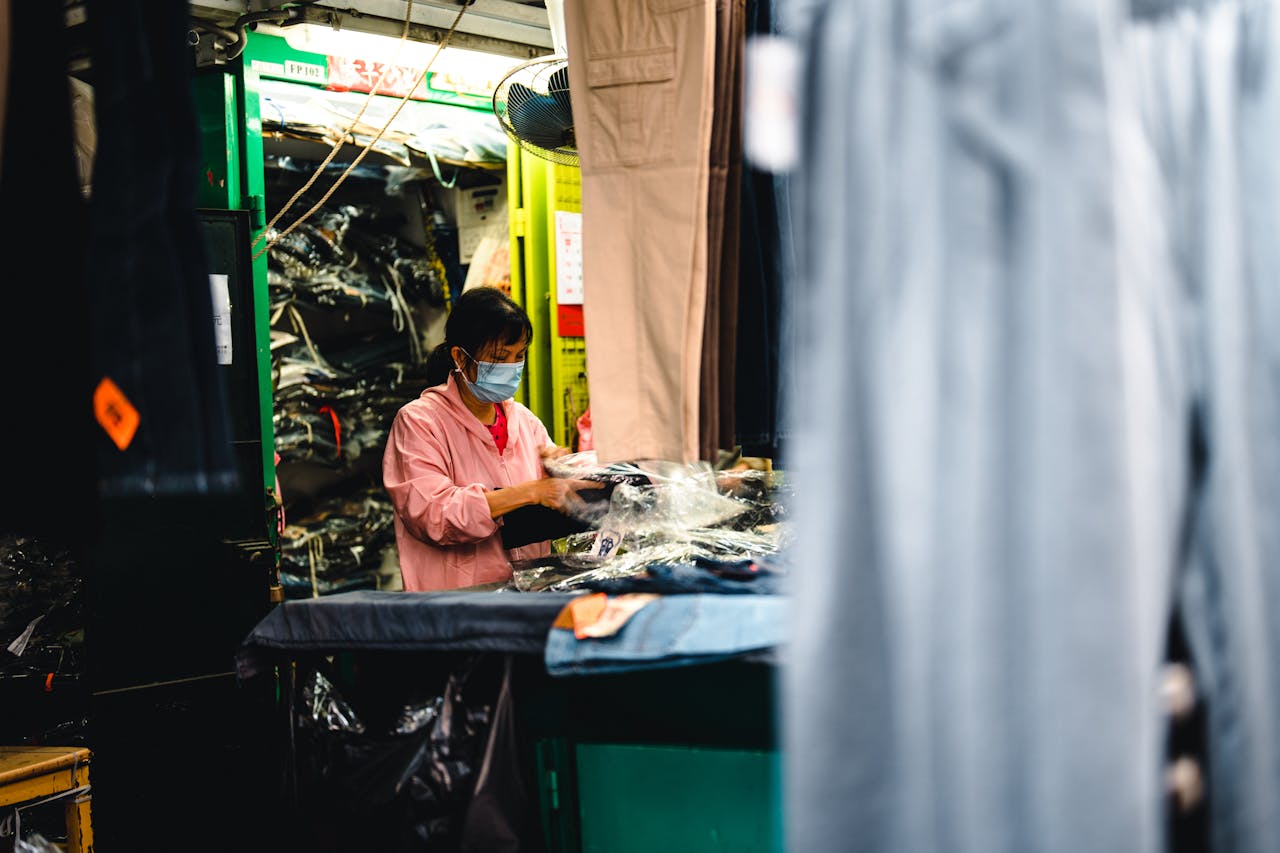
The Slums of KiberaKibera, located in Nairobi, Kenya, is one of the most prominent examples of the growing global housing crisis. This crisis is marked by a severe lack of infrastructure that impedes access to essential services like clean water and sanitation, perpetuating a cycle of poverty. According to Habitat for Humanity, at the moment, by the most conservative estimates, about 900 million people live in slums. Slums, by definition, are informal forms of settlement, leaving families to endure crucial living conditions to survive. Housing security is critical in mitigating poverty’s harsh effects, particularly in the sprawling slums of Kibera.

The Rise of Slums and the Impact

By 2030, projections suggest that one in four people worldwide will reside in slums, highlighting the extensive growth of such areas including Khayelitsha in Cape Town, South Africa and Dharavi in Mumbai, India. Kibera in Nairobi, Kenya, stands as the largest, housing 700,000 individuals according to Habitat for Humanity. The slum structures often lack adequate infrastructure, hindering equitable access to clean water, proper sanitation and hygiene. The resulting overcrowding and high-density conditions in these environments foster the rapid spread of airborne diseases caused by poor sanitation, severely impacting residents’ health.

The Kenyan government currently lacks a comprehensive plan to assist the slum dwellers in Kibera. Typically, the government sells this land to landlords, profiting at the expense of the residents. Historically, the government has failed to recognize these settlements officially and has even withheld funding for essential services. Consequently, charities and various nonprofit organizations bear the primary responsibility for addressing these ongoing issues.

Characteristics of Slums

Slums are settlements where housing fails to meet health, safety or building regulations. These areas feature homes that are unsafe and unhealthy, often lacking windows and constructed with dirt floors and materials unsuitable for sturdy walls or roofs. A critical issue within these slums is overcrowding, with families packed into cramped spaces. Residents in these areas endure life with limited access to essential services such as water, plumbing and electricity. Furthermore, issues with property rights persist, as slum dwellers typically have little to no control over the land they inhabit. 

Shining Hope for Communities

Shining Hope for Communities (SHOFCO) is a nonprofit organization based in Kibera that delivers transformative services to urban slum residents. These services include educational leadership, community advocacy and health and wellness. SHOFCO coordinates water, sanitation and hygiene education by uniting community health workers to spread safe wellness practices. The program ensures accessible and affordable sanitation and clean water. In 2016, SHOFCO introduced an aerial piping system that significantly increased clean water distribution in Kibera. This system now includes about 41 clean water kiosks that serve 37,541 users, providing them with an average of 200,000 liters of clean water daily.

Looking Ahead

Government infrastructure could play a critical role in addressing the housing crisis, especially in areas like the slums of Kibera. Supporting organizational ground-level efforts to provide more stable housing infrastructure is vital during government shortfalls. U.N. Habitat asserts that everyone has a fundamental human right to housing, ensuring access to a safe, secure, habitable and affordable home. This provision transcends mere shelter, enhancing economic and social opportunities for improved living conditions and a brighter future in regions such as Kibera.

– Dominic Samaniego

Dominic is based in Fullerton, CA, USA and focuses on Technology and Global Health for The Borgen Project.

Photo: Flickr
June 3, 2024
https://borgenproject.org/wp-content/uploads/borgen-project-logo.svg 0 0 Precious Sheidu https://borgenproject.org/wp-content/uploads/borgen-project-logo.svg Precious Sheidu2024-06-03 07:30:272024-06-01 13:44:12The Slums of Kibera
Economy, Electricity and Power, Global Poverty

How Renewable Energy in Croatia Can Reduce Energy Poverty

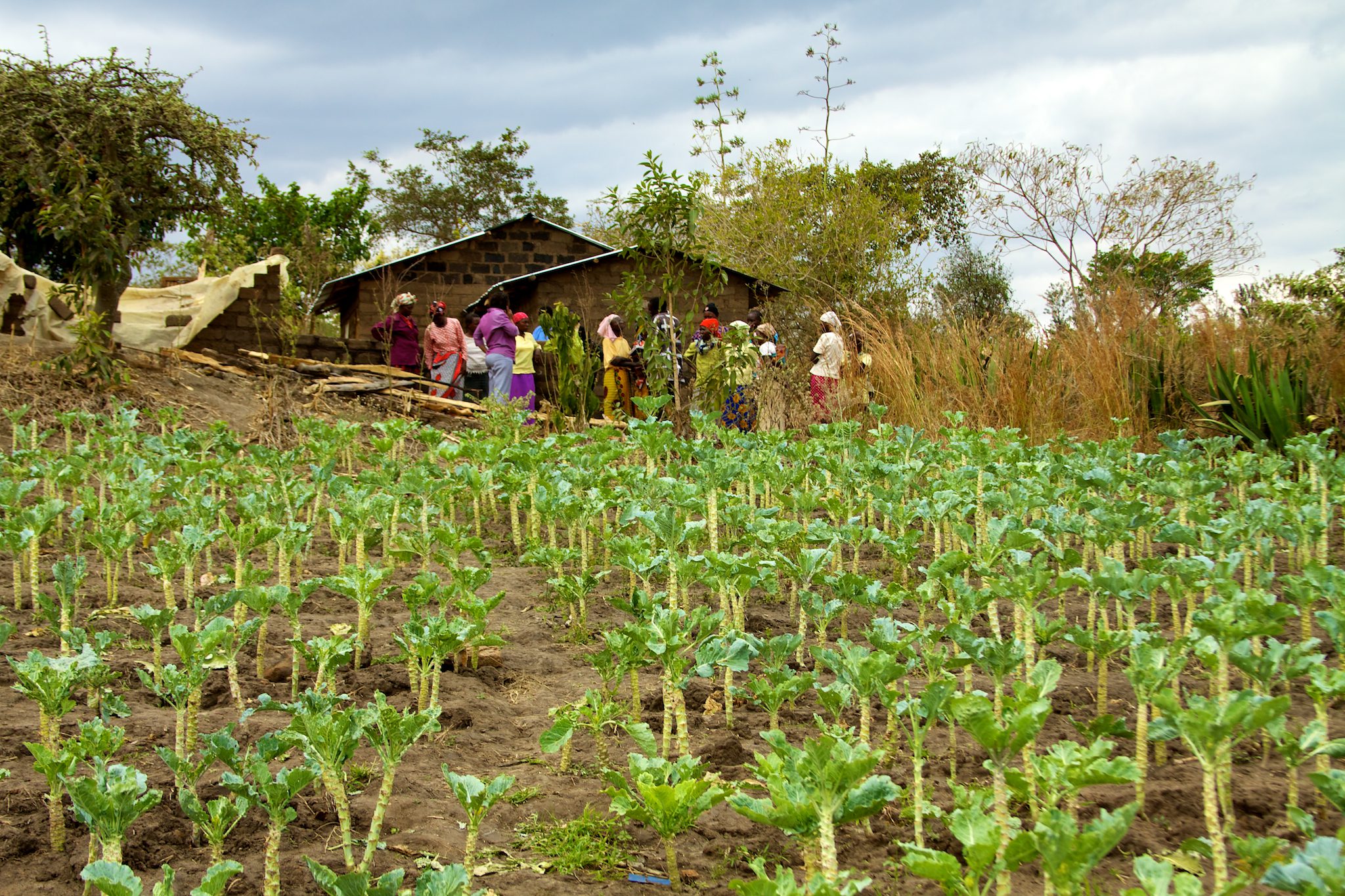
Renewable Energy in CroatiaSprawling across the Adriatic Sea, Croatia comprises more than 1,200 islands – 48 of which are inhabited. Currently, the country imports much of its energy needs in the form of fossil fuels. National Energy and Climate Plan outlines the efforts to expand renewable energy in Croatia: by 2030, Croatia aims to have a 36.4% renewable energy share and a 45% reduction in total emissions. At the end of last year, Croatia recorded four days powered fully by renewable energy sources.

Politics and Renewable Energy

Recent and upcoming political changes could impact the renewable energy share in Croatia and have important impacts on those living in energy poverty. The 2024 election year has been deemed a “super-election.” In April, the country’s long-dominating center-right party, Croatian Democratic Union (HDZ), won the Parliamentary Election on April 17, but change could still occur with the European Parliament Election taking place in June and the Presidential seat being up for reelection at the end of the year. 

In a recent survey conducted for Croatia’s 2024 election, 70% of people expressed concerns about rising costs of living accompanying inflation. While the focus of this year’s election is economic, discussions surrounding renewable energy initiatives play a role in growing Croatia’s economy and helping those living in energy poverty. Making investments in renewable energy is an economic endeavor.

This is important because typically, renewable energy discussions are pushed to the side in Croatia in favor of issues the population finds more pressing such as food safety, economic growth and youth unemployment, Clean Energy Wire reports. Renewable energy in Croatia only enters the political discourse when severe weather events occur and brings attention to the impacts of changing weather patterns. Bringing attention to the economic advantages of independent renewable energy in the election will bolster initiatives for renewable energy in Croatia and benefit initiatives targeting energy poverty.

Economic Opportunity

Currently, Croatia imports the majority of fossil fuels it uses: 100% of coal, 80% of oil and 40% of gas, according to Clean Energy Wire.

Dependency on importation makes Croatia “particularly vulnerable to the rise in fossil fuel prices” contributing to the country’s high energy prices, Clean Energy Wire stats. This shows that developing renewable energy sources could help stabilize energy prices and allow more people access to consistent energy.

Renewable energy is growing as the cheapest option for electricity. The cost of solar power electricity has been declining – falling 85% from 2010 to 2020. Similarly, wind energy has seen dramatic declines in cost. Expanding renewable energy sources in Croatia could offer cheaper energy to more people, allowing those who cannot afford the high and volatile fossil fuel prices to access this essential resource.

Renewable Energy Policy

Initiatives to combat energy poverty in Croatia are underway in legislation through the expansion of renewable energies.

New drafts of Croatia’s National Energy and Climate Plan (NECP) include language targeting energy poverty in the country. Under this Plan, an Energy Poverty Program aims at achieving the following objectives from 2021 to 2030 with an overall goal to define criteria for energy poverty:

  • Incorporation of energy education for citizens living in energy poverty
  • Creation of national standards and key identifiers describing energy poverty as a system for measurement and monitoring
  • Creation of programming will likely effectively increase energy efficiency for those in and at risk of living in energy-poverty households

Currently, 9.4% of the population cannot heat their homes adequately and is living in energy poverty. NECP plans to implement monitoring and allow the Country to identify at-risk populations, target policy accordingly, and ultimately lead to effective structural policy combating energy poverty.

Closely tied with the Energy Poverty Program, a 2020 initiative targeting energy poverty through the expansion of renewable energy use assists in renovating homes. The Program for Renovation of Family Houses has provided 100% funding for these renovations for qualifying houses in addition to free energy auditing. As of summer 2020, the program received more than $4 million.

The upcoming 2024 elections could spur change in Croatia’s priority on renewable energy and help to drive out investments in fossil fuel. This, in accordance the ongoing renewable energy initiatives, give hope to decreasing the levels on energy poverty in Croatia. 

– Carlee Unger

Carlee is based in Pembroke, NC, USA and focuses on Politics and Good News for The Borgen Project.

Photo: Flickr
June 3, 2024
https://borgenproject.org/wp-content/uploads/borgen-project-logo.svg 0 0 Jennifer Philipp https://borgenproject.org/wp-content/uploads/borgen-project-logo.svg Jennifer Philipp2024-06-03 01:30:562024-06-03 14:01:53How Renewable Energy in Croatia Can Reduce Energy Poverty
Africa, Economy, Global Poverty

Circular Economy Innovations and Poverty in Ethiopia

Poverty in EthiopiaEthiopia is a country with a cultural heritage and natural wealth. Yet, it faces high rates of poverty and environmental challenges. Even in this adversarial backdrop, innovative approaches toward a circular economy are emerging as one of the transformative solutions. These efforts shed light on how zero-waste initiatives, resource recovery programs and upcycling enterprises are not only mitigating environmental degradation but also creating economic opportunities and combating poverty in Ethiopia.

Poverty in Ethiopia

Ethiopia is among many African countries that face pervasive poverty. According to estimates by the World Bank, more than 20% of Ethiopia’s population lives below the poverty line and has little access to clean water, education and health facilities. Furthermore, rapid population growth and climatic changes raise the difficulty of the already existing challenges, making sustainable development a matter of high priority.

The principles of circular economies stress the use of resources in ways that are more regenerative, wasting little and reaping full value. It is within this argument that the circular economy opens a promising pathway for poverty alleviation in Ethiopia by inspiring economic growth while at the same time protecting the environment.

Zero-Waste Initiatives

Zero-waste initiatives aim to eliminate waste through redesigning production, reusing and promoting responsible consumption. In Ethiopia, organizations like the Zero Waste Ethiopia project pioneered such waste management strategies, with the core of reuse and recycling. By diverting waste away from landfills and incinerators, these initiatives effectively reduce environmental pollution while creating employment opportunities in the waste collection and recycling sectors.

An example of this progress is the Addis Ababa Waste-to-Energy Facility, which commenced operations in 2018. This facility converts municipal solid waste into electricity, offering a sustainable energy source to the capital while reducing methane emissions at landfill sites. In addition, community-based initiatives like the “Clean and Green Ethiopia” campaign encourage citizen participation in waste segregation and recycling, promoting environmental stewardship and community empowerment.

Resource Recovery Programs

Resource recovery programs tap into innovative technologies that release value from waste materials. Such initiatives in Ethiopia include producing biogas from organic waste and wastewater treatment plants, reducing environmental pollution and producing renewable energy and organic fertilizers. These programs empower locals by providing them with access to clean energy sources and enhanced agricultural productivity for poverty reduction.

With the support of international organizations, the Ethiopian Biogas Program began in 2009 and has since installed more than 42,000 biogas digesters in rural households, substituting traditional sources of biomass fuels and hence improving indoor air quality. The same applies to the wastewater treatment plant of the Hawassa Industrial Park, which recycles and treats industrial effluent to prevent water pollution of Lake Hawassa, sustaining the industrial development of the region in an environmentally friendly way.

Upcycled Ventures

Upcycled ventures give otherwise discarded material a high-value new life, creating a circular economy where waste represents a valuable resource. In Ethiopia, social enterprises like Sabahar and SoleRebels typify transformational potential through upcycling. Sabahar produces exquisite textiles from recycled materials, which gives artisans sustainable livelihoods while preserving traditional weaving techniques. Similarly, SoleRebels transforms old tires into fashionable footwear, offering opportunities for employment among marginalized groups while reducing waste in landfills.

These businesses not only help reduce poverty but also promote social inclusion and cultural conservation. These enterprises combine traditional craftsmanship with innovation in design, projecting cultural heritage to the world while generating income for their local communities.

Final Remark on Poverty in Ethiopia

The impacts of circular economy innovations extend into environmental sustainability dimensions, such as social and economic benefits, by creating new markets for recycled materials, employment opportunities and efficiency in resource use that contribute to poverty reduction and inclusive economic growth. However, such scaling up would involve a collaborative partnership among government, private sector and civil society stakeholders, coupled with investment in research, infrastructure and capacity building.

For a country like Ethiopia, which faces huge challenges regarding poverty and environmental issues, embracing circular economy innovations could show the way toward sustainable and inclusive development. The potential of zero-waste initiatives, resource recovery programs and upcycling enterprises can secure resilience in communities, protect natural resources and uplift the most vulnerable populations in Ethiopia. 

– Honorine Lanka Perera

Honorine is based in Highland, NY, USA and focuses on Business and Technology for The Borgen Project.

Photo: Flickr

June 3, 2024
https://borgenproject.org/wp-content/uploads/borgen-project-logo.svg 0 0 Lynsey 2 https://borgenproject.org/wp-content/uploads/borgen-project-logo.svg Lynsey 22024-06-03 01:30:072024-06-01 13:31:34Circular Economy Innovations and Poverty in Ethiopia
Global Poverty, Mental Health

Mental Health in Georgia

Mental Health in GeorgiaGeorgia, formerly part of the Soviet Union, garnered independence in 1991. From 1991 to 1993, following its break from the communist regime, civil war and unrest had wracked the country; its post-Soviet Union status still had not allowed the state to fully escape the shadow of its political past. PLOS Medicine reports that traditionally inhumane and outdated medical practices, ranging from biological treatment to high rates of institutionalization, heavily characterize mental health services in Georgia.

In 2009, Global Initiative on Psychiatry (GIP) reported that social exclusion, mental ill health and poverty were all correlative; the mental well-being of residents in poorer, more remote regions of the country proves a focal point for discussion. It was not until the Ministry of Labour, Health and Social Affairs (MoLHSA) introduced the 2011-2015 National Health Care Strategy that there was a key turning point in Georgian mental health services. The status of mental health underwent a momentous transformation, both in the realm of primary health care and in the community. This is a chronological breakdown of the reformation roadmap thus far.

1995-2009 Programs and Laws

The establishment of the 1995 mental health assistance program meant that officially registered mentally ill patients, according to the national psychiatric register, received free services, according to PLOS Medicine. These people received treatment at various hospitals as well as outpatient clinics. PLOS Medicine records show that six psychiatric clinics provided hospital care to these patients and have housed and cared for more than 1,000 people.

In 2007, a newly introduced law on psychiatric services resulted in the illegalization of the involuntary hospitalisation of mentally ill patients in Georgia, PLOS Medicine reports. A court decision was mandatory if one viewed institutionalization as the only remaining viable option. The EU has repeatedly berated Georgia on torture for the poor conditions of the country’s mental institutions; the violation of human rights was a huge motivation behind the upheaval of its mental health services.

In 2009, Georgia replicated the 2007 law on psychiatric care alongside several adaptations, carried out by psychiatric experts. This included the proposal of treatment management techniques such as physical restraint as well as treatment options relevant to forensic psychiatric treatment and prison mental health, PLOS Medicine reports.

2011-2015 National Mental Health Care Strategy

In 2010, Georgia announced the 2011-2015 National Mental Health Care Strategy with a specially curated team of psychiatrists prepared to implement these reforms. At the time of the strategy’s introduction, MoLHSA officially recorded approximately 80,000 mentally ill civilians but also admitted that they viewed this as an underestimation, PLOS Medicine reports. The program emphasized the importance of mental well-being; the strategy’s overarching objective was to improve the general population’s mental health by 2015.

By 2013, 18 outpatient psychiatric clinics were already in use but there was a negative correlation between the increased presence of available services and poorer, more remote regions; citizens of poorer regions could not access mental health services of the same quality, according to PLOS Medicine. The principal reform within this entire process was deinstitutionalization which occurred in early summer 2011 via the closing of the largest psychiatric institution at the time, the Asatiani Psychiatric Hospital.

2015-2020 Mental Health Care Strategy Plan

The country announced the plan in 2014 and prioritised the improved accessibility of mental health care services to the Georgian population. Georgia declared its obligations to care for all disabled civilians and safely keep their rights and freedoms. The strategy emphasized the destigmatization of mental health treatment and mental illness. The World Health Organization (WHO) report stated that, at this time, neuropsychiatric disorders were behind 22.8% of the country’s fatalities.

In 2016, there was an increase in funding for more mobile teams; 11 mobile teams received funding for their work across the country by 2018. The implementation of a separate scheme in this same year attempted to ensure the rights of mentally ill Georgian prisoners, specifically. 

2022-2030 National Mental Health Strategy

This national plan aims to emphasize child and adolescent mental health. The strategy further champions deinstitutionalization and the importance of community-based care for mentally ill patients. In 2022, 8.4% of the mentally ill population received treatment in a mental hospital with the remaining populace receiving care at a community-based service.

Moving Forward

Treatment for mentally ill patients has transformed in various manners since the Georgian state obtained its independence. Firstly, however, it appears that treatment is geographically discriminatory with only civilians who reside in the country’s capital being prioritized; citizens who reside in poorer, more remote regions find treatment is less accessible to them.

Secondly, it seems that treatment for mentally disabled prisoners is immensely stagnated, especially in comparison to services which are accessible to non-incarcerated civilians. The Public Defender’s Office (PDO) of 2022 noted the sub-standard conditions available for mentally ill inmates and reported a severe lack of services specifically for those with disabilities. The former Soviet Union state has made major progress since the early 1990s and will hopefully continue to make further steps to ensure all Georgian civilians, irrespective of their geographical location and incarcerated status, can access adequate mental health services.

– Naomi Finapiri

Naomi Finapiri is based in London, UK and focuses on Global Health for The Borgen Project.

Photo: Unsplash

June 2, 2024
https://borgenproject.org/wp-content/uploads/borgen-project-logo.svg 0 0 Jennifer Philipp https://borgenproject.org/wp-content/uploads/borgen-project-logo.svg Jennifer Philipp2024-06-02 07:30:252024-06-01 13:25:52Mental Health in Georgia
Global Poverty

Addressing Elderly Poverty in Iran

Elderly Poverty in IranIranian officials are warning the country’s people of a rising “tsunami,” a term they have coined to express the sudden wave of elderly individuals flooding the country’s general population. This mounting endemic challenges economic growth and highlights the Iranian government’s lack of preparedness regarding its retired residents. Mismanagement within the government’s finances has blocked more than 55% of Iranian elders from receiving pension funds and more than 35% of elders from living below the poverty line. Though an aging population seems to be their concern, the Iranian government must also tackle the surging rate of elderly poverty in Iran.

The Rise of the Grey-Haired Tsunami

Since 2022, the percentage of Iranian individuals over 60 has encompassed 10% of the total population. Iranian officials cite that this number will only continue to increase and argue that it will attain 33% by 2050. Saber Jabari, head of the Health Ministry Youth Department, ascribes this trend to the recent decrease in the country’s fertility rates. He states that many young Iranians are opting for later marriages and some are even doing away with having children altogether.

While fertility rates among Iranian youths are decreasing, the average life expectancy has increased among men from 57 years to 76 years and among women from 55 years to 78 years, according to Anadolu Agency.

In 2021, Iran’s Population Studies Centre had previously alerted government officials of the gravity of this situation. The center had cautioned that if officials continue to ignore these demographic trends, Iran would go down an irreversible path of aging, according to the Middle East Institute (MEI).

As the percentage of Iranians above the age of 60 increases, officials fear that, in years to come, the retired population could exceed that of the working population. The speed at which its residents are aging threatens the economic and social state of the country and puts into question the efficiency of its programs, i.e. the health care system and pension plan. Discrepancies within the government’s budgeting also explain the mounting poverty rate amongst the Iranian elderly.

Inadequacies in Iran’s Treatment of the Elderly

The Iranian elderly population relies heavily on a traditional family support system as well as a pension plan. Studies report that, as of 2023, nearly 50% of Iranian households live below the poverty line. Many experts attribute this cause to the Iranian government’s mismanagement of its priorities. The government’s prioritization is on foreign policy and international sanctions rather than their pension fund. Internal corruption and mismanagement have also impeded the government from developing a strong pension fund, according to MEI.

A Saba Institute study shows that 86% of retirees covered by pension funds are unable to maintain their living expenses, thus forcing many to seek a bank loan or borrow from a willing relative, Zamaneh Media reports. Improper funding is due to the government’s fiscal policy, which aims at reducing social welfare programs. This reduction has forced the Social Security Organisation and its supporting pension funds into a permanent risk state.

As poverty rates amongst Iranian households continue to mount, many families have begun to abandon their elderly members in parks in an attempt to rid themselves of financial burden. Mohammad Esmaeili Mahjoub, head of Tehran Municipality’s department for managing social issues, reports that, since the start of 2024, 25 cases of elderly abandonment have already occurred.

Elderly Abuse

Abuse among the elderly is increasing at an alarming rate. According to a study by Maziyar Mollaee from Beheshti University of Medical Sciences, 30.7% of elders were reported to have been subject to emotional abuse; 25.4% were victims of psychological abuse; 25.1% suffered from neglect; 19.7% were financially abused; 13.1% were victims of physical abuse; and, 11.7% were abandoned.

Fatemeh Abbasi, deputy responsible for rehabilitation affairs at the National Welfare Organization, stipulates that there has been a recent rise in homelessness among the elderly. Currently, more than 60% of Iranian elders do not have proper support, while 40% are in poverty.

Nearly 1.5 million elderly Iranians receive aid from the Imam Khomeini Relief Foundation, and Iranian charitable organization that aids those in poverty, while another 15,000 are under 24-hour care at various elderly residents. This increases the possibility of an elder being subject to abuse since two in three staff members in care homes report that they have committed abuse. 

Reclaiming One’s Independence

Due to the current economic situation elderly poverty in Iran seems bleak, however, various social programs have been put into place to aid the people and reduce elderly poverty in Iran. Bonyadeh Farzenegan is a non-profit organization the elderly created and currently lead. By taking on a leading role, members of the organization are fostering the development of their health and prolonging their sense of independence.

Since its founding in 2010, the organization has expanded its doors to more than 120 locations and has supported more than 200,000 elderly individuals across Iran. Many of their locations offer various forms of mentally and physically stimulating activities, such as aerobics, painting and theatre, according to Financial Tribune. Mostafa Seraj, a representative of Iran’s State Welfare Organisation, clarifies, “Our strategy behind Bonyadeh Farzenegan is to empower the elderly and delegate services and activities,” Financial Tribune reports.

Other organizations similar to Bonyadeh Farzengan have also been put into place by the Iranian government in collaboration with the United Nations Population Fund (UNPFA) to help tackle this issue and promote the betterment of the overall quality of life of the Iranian elderly.

The Future

Zeinab Nasri, the head of the Tehran Mayor’s Health Office, proclaims, “We have a long way to go before Tehran becomes an age-friendly community and that worries me. The key is for everyone who is a part of this effort to believe that change is necessary, to keep pushing forth, and accept this big responsibility,” Financial Tribune reports.

– Yasmine Nowroozi

Yasmine is based in Quebec, Canada and focuses on World News for The Borgen Project.

Photo: Wikimedia Commons

June 2, 2024
https://borgenproject.org/wp-content/uploads/borgen-project-logo.svg 0 0 Jennifer Philipp https://borgenproject.org/wp-content/uploads/borgen-project-logo.svg Jennifer Philipp2024-06-02 01:30:592024-06-02 02:47:39Addressing Elderly Poverty in Iran
Page 304 of 2162«‹302303304305306›»

Get Smarter

  • Global Poverty 101
  • Global Poverty… The Good News
  • Global Poverty & U.S. Jobs
  • Global Poverty and National Security
  • Innovative Solutions to Poverty
  • Global Poverty & Aid FAQ’s
Search Search

Take Action

  • Call Congress
  • Email Congress
  • Donate
  • 30 Ways to Help
  • Volunteer Ops
  • Internships
  • Courses & Certificates
  • The Podcast
Borgen Project

“The Borgen Project is an incredible nonprofit organization that is addressing poverty and hunger and working towards ending them.”

-The Huffington Post

Inside The Borgen Project

  • Contact
  • About
  • Financials
  • President
  • Board of Directors
  • Board of Advisors

International Links

  • UK Email Parliament
  • UK Donate
  • Canada Email Parliament

Get Smarter

  • Global Poverty 101
  • Global Poverty… The Good News
  • Global Poverty & U.S. Jobs
  • Global Poverty and National Security
  • Innovative Solutions to Poverty
  • Global Poverty & Aid FAQ’s

Ways to Help

  • Call Congress
  • Email Congress
  • Donate
  • 30 Ways to Help
  • Volunteer Ops
  • Internships
  • Courses & Certificates
  • The Podcast
Scroll to top Scroll to top Scroll to top