• Link to X
  • Link to Facebook
  • Link to Instagram
  • Link to TikTok
  • Link to Youtube
  • About
    • About Us
      • President
      • Board of Directors
      • Board of Advisors
      • Financials
      • Our Methodology
      • Success Tracker
      • Contact
  • Act Now
    • 30 Ways to Help
      • Email Congress
      • Call Congress
      • Volunteer
      • Courses & Certificates
      • Be a Donor
    • Internships
      • In-Office Internships
      • Remote Internships
    • Legislation
      • Politics 101
  • The Blog
  • The Podcast
  • Magazine
  • Donate
  • Click to open the search input field Click to open the search input field Search
  • Menu Menu

Archive for category: Global Poverty

Key articles and information on global poverty.

Aid, Global Poverty, NGOs

A New Chapter: Greenpeace in Kyiv

Greenpeace: A New Chapter in KyivGreenpeace has established its first office in Kyiv amid ongoing conflict, committing to support Ukraine’s green reconstruction. The environmental NGO links peace prospects with the country’s environmental rehabilitation, emphasizing that sustainable energy fosters a sustainable future. Natalia Gozak, office director of Greenpeace Ukraine, highlighted the importance of transitioning to green technologies during the office’s opening on Sept. 10.

Greenpeace Ukraine’s Mission and Challenges

In an interview with the New Humanitarian, Natalia outlined the three pillars of Greenpeace’s mission: The sustainable and green reconstruction of infrastructure. Incorporating solar panels, heat pumps and green technologies into regeneration projects is vital to the longevity of Ukraine’s recovery. The monitoring of nuclear sources and power plants, with particular focus on the Zaporizhzhia nuclear power plant, which is now occupied by Russian forces. The investigation into environmental crimes, such as the occupation of nuclear sites, threatens further environmental disasters. Nuclear energy sources could be weaponized as forms of warfare. 

Economic Implications and Political Scrutiny

The cost of Ukraine’s reconstruction being estimated by the World Bank to have grown to  $411 billion. It is now vital that such reconstruction projects have sustainable foundations as Gozak has pledged to be a role model for rebuilding devastated societies in as green a way as possible. Through advocating for the sustainable rehabilitation of Ukraine, Greenpeace has also exposed itself to political scrutiny and intimidation. The Russian Prosecutor General’s Office designated Greenpeace as ‘undesirable,’ interpreting its work as anti-Russian and threatening to the constitutional system and security of Russia.

Greenpeace Frameworks

Greenpeace is building on existing research and projects that advocate sustainable solutions to conflict. Guided by the European Union’s (EU’s) Green Deal, the Lugano Declaration on the Reconstruction of Ukraine committed to the rebuilding of infrastructure in alignment with the goals of the Paris Climate Agreement and 2030 Agenda for Sustainable Development. Ukrainian civil organizations are similarly creating conditions for a green recovery. Environmental NGOs such as Ecoclub Rivne and ro3kvit combine environmental policy with urban planning. The organizations have initiated projects that aim to place sustainability at the heart of reconstruction.

  • Ro3kvit. Ro3kvit was founded in March 2022 by a coalition of professors in response to the destruction caused by Russian military aggression. The knowledge and expertise of more than 100 academics have spawned green solutions to rebuilding Ukraine’s urban and rural areas. Studies on other postwar countries have informed their design methods. Projects such as ‘A vision for Mariupol: City strategy’ synthesize memory, identity and ecology in their environmental solutions. Working in partnership with Greenpeace, the project ‘Dnipro River Integrated Vision’ aims to optimize the green and economic potential of the Dnipro River. Indeed, Ro3kvit looks to a post-war future in its projects, creating urban plans that will outlast Russian military aggression. 
  • Ecoclub Rivne. Ecoclub Rivne has been working as an NGO for more than 20 years and links the sustainable development of society to the development of peace. Through linking sustainability to nonviolence and tolerance, it projects a post-war future for Ukraine that centers on green policy. Its recent Modernisation Partnership project aims to increase the efficiency of energy management in hospitals. This will be achieved by training specialists and disseminating this knowledge among managers. Alongside Greenpeace and other Ukrainian organizations, Ecoclub Rivne has sought solutions to the conflict through a focus on energy efficiency and sustainability.

Looking Ahead

The new presence of Greenpeace in Kyiv highlights a strong commitment to environmentally conscious recovery efforts in Ukraine. Through collaboration with local environmental groups, the focus remains on sustainable reconstruction, green energy initiatives and promoting long-term solutions. The efforts of Greenpeace in Kyiv represent a broader vision for rebuilding a resilient and environmentally secure Ukraine beyond the conflict.

– Lucy Tappin

Lucy is based in Oxford, UK and focuses on Good News and Politics for The Borgen Project.

Photo: Flickr

October 11, 2024
https://borgenproject.org/wp-content/uploads/borgen-project-logo.svg 0 0 Precious Sheidu https://borgenproject.org/wp-content/uploads/borgen-project-logo.svg Precious Sheidu2024-10-11 01:30:492024-10-11 01:34:34A New Chapter: Greenpeace in Kyiv
Food Insecurity, Global Poverty, Humanitarian Aid

The World Food Program: The Fight to End African Hunger

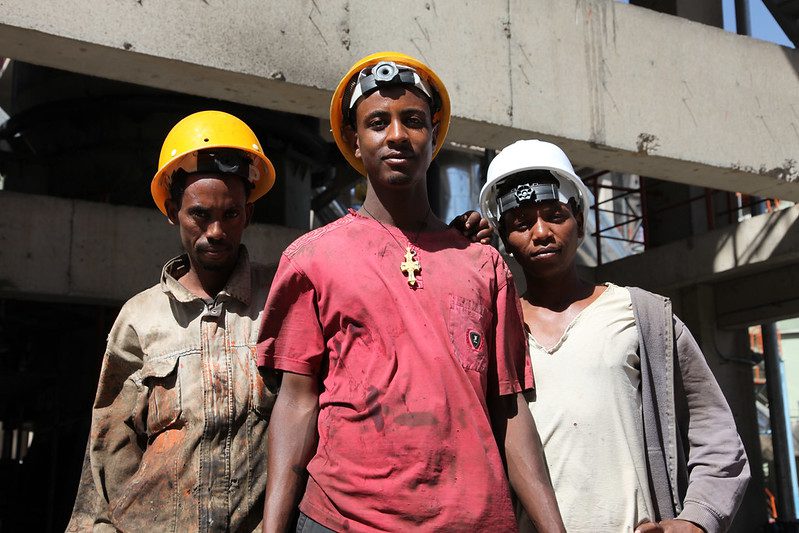
The World Food ProgramThe World Food Program (WFP), established in 1961 by the United Nations (U.N.), is the world’s largest humanitarian organization dedicated to combating hunger and food insecurity. Founded in response to the global food crises of the early ’60s, the World Food Program continues to be instrumental in addressing the needs of millions of people affected by famine and conflict. The organization has expanded its reach and impact throughout the years, evolving from initial emergency food aid efforts to a more comprehensive approach that includes nutrition support, development programs and resilience-building initiatives.

Today, WFP operates in more than 80 countries, providing critical assistance to more than 150 million people annually. Its programs include immediate food relief, school feeding initiatives and cash-based transfers designed to address urgent needs and long-term food security. WFP’s work supports smallholder farmers, improves agricultural productivity and fosters community resilience. With a mission to end hunger and save lives by providing food assistance and relief, WFP strives toward a world where no one goes hungry, leveraging its extensive experience and global network to address food insecurity and create lasting change.

A Lifeline in Africa

In Africa, hunger remains a persistent threat, exacerbated by conflict, climate emergency and economic instability. WFP plays a critical role across the continent, supporting millions facing acute food insecurity. The organization’s interventions are diverse, ranging from emergency relief in conflict zones to longer-term initiatives to improve food security. One example is the WFP’s school feeding programs, which help keep children in school while simultaneously working toward alleviating hunger. Additionally, the WFP’s cash-based transfers empower families to buy food locally, boosting economies and enhancing market access.

To combat the impact of climate instability, the WFP has implemented various resilience-building programs. These include supporting sustainable agricultural practices, enhancing water management systems and promoting climate-resilient crops. In countries like Niger and Somalia, these efforts are crucial in helping communities adapt to the increasing frequency and severity of droughts and floods.

The World Food Program in Uganda

Uganda stands as a testament to the WFP’s extensive and multifaceted operations. The country, though lush and fertile, has been plagued by regional conflicts, leading to a significant influx of refugees from neighboring countries like South Sudan and the Democratic Republic of Congo. In 2023 alone, the WFP provided food assistance to more than 1.3 million refugees in Uganda’s settlements. Despite the country’s agricultural potential, many Ugandans face chronic food insecurity due to erratic rainfall and economic hardship, particularly in rural areas.

Operations and Strategies

WFP’s approach across Africa is not merely about providing immediate food relief but also about developing long-term solutions. One of its key strategies is to support smallholder farmers, helping them to increase crop yields, access markets and ultimately break the cycle of poverty. In Africa, WFP has implemented programs that provide farmers with tools, training and financial assistance, empowering them to sustain their livelihoods.

Additionally, WFP’s resilience-building initiatives aim to prepare communities for the adverse effects of climate emergencies. These programs include constructing water harvesting systems, promoting drought-resistant crops and providing weather-related insurance. Such measures are vital to reducing vulnerability in a region where rainfall can be unpredictable.

Challenges on the Ground

Despite its successes, WFP faces significant challenges while combating hunger in Africa. Funding remains a critical issue, with the organization often making difficult decisions about which programs to prioritize. The needs across Africa are vast and while the WFP strives to reach everyone, limited resources mean that not all can receive the assistance they require.

Another challenge is the growing impact of adverse climatic conditions. In Africa, unpredictable weather patterns have led to severe droughts and flooding, further intensifying food insecurity. The WFP’s work increasingly focuses on helping communities adapt to these changes. However, the scale of the problem is daunting.

A Path Toward a Hunger-Free World

WFP’s work across Africa underscores the complexity of fighting hunger. It requires a multifaceted approach that addresses the immediate need for food and the underlying causes of food insecurity. WFP’s efforts to support smallholder farmers, build resilience to unpredictable climate patterns and advocate for systemic change are crucial steps toward creating a hunger-free world.

WFP’s mission to end hunger is a formidable one. However, with continued support and collaboration, it is a goal within reach. As Africa continues to face challenges, WFP remains a beacon of hope, providing food and the tools and knowledge to build a better, hunger-free future.

– Benjamin DeMarais

Benjamin is based in Rogers, MN, USA and focuses on Business and New Markets for The Borgen Project.

Photo: Flickr
October 10, 2024
https://borgenproject.org/wp-content/uploads/borgen-project-logo.svg 0 0 Lynsey 2 https://borgenproject.org/wp-content/uploads/borgen-project-logo.svg Lynsey 22024-10-10 07:30:002024-10-10 05:58:44The World Food Program: The Fight to End African Hunger
Aid, Global Poverty, Health

Poverty and Water Infrastructure in Vietnam

Water Pollution and Poverty in Vietnam Rapid economic development and inadequate water infrastructure pose significant public health challenges in Vietnam. Climate changes exacerbates these issues by increasing the frequency and intensity of extreme weather events. Vietnam, with its landscape rich in porous river systems, hosts more than 3,500 rivers longer than 10 kilometers. Around 70% of its population lives along these waterways, which are crucial to the nation’s culture and economy. These essential resources face threats from natural and human-induced challenges, putting the livelihoods, cultural heritage and economic stability of Vietnam at risk.

Water Threats in Vietnam

  • Freshwater Access and Pollution Threatening Public Health. Many critical water infrastructures are insufficient or in a state of disrepair. Water access from centralized supply systems has reached only about 48% of the rural population. This has led to poor handwashing and other hygienic practices in some disadvantaged areas. Nearly 30% of people in Dien Bien, Gia Lai, Kon Tum and Ninh Thuan provinces had limited availability of basic handwashing facilities at home—one of the fundamental practices to prevent COVID-19.
  • Groundwater Over-extraction. Groundwater over-extraction is recognized as the main driver of land subsidence. The decline in groundwater levels leads to the compaction of the aquifer, causing the land surface to sink. Over the past 25 years, the Mekong Delta has sunk by an average of 18 cm due to groundwater withdrawal. This sinking land has exacerbated the vulnerability of Delta residents to floods and storm surges.
  • Climate Threat. Vietnam ranks among the countries most susceptible to climate changes. Its extensive coastline and river deltas are highly exposed to rising sea levels. Flooding alone is projected to affect an estimated 10 million people. Over the next 15 years. This climate-induced flooding poses a significant long-term threat to Vietnam’s agricultural production, economic development, food security and poverty reduction efforts.
  • Salt Drought. Drought and saltwater intrusion further extend the threat to the river deltas of Vietnam. Saltwater has intruded up to 60 kilometers from the river mouth of Ben Tre province. Saltwater intrusion changes the salinity of groundwater, significantly impacting agricultural productivity and challenging the regional freshwater supply. Major infrastructural and landscape-scale interventions are necessary for the future sustainability of the deltas.

Alleviating Water-related Poverty in Vietnam

The World Bank has been instrumental in supporting Vietnam’s water and sanitation sector. Through the Vietnam Urban Water Supply and Wastewater Project, the World Bank has aimed to improve water services in major cities while addressing the needs of low-income households. This project includes developing sustainable water management practices and enhancing wastewater treatment to improve both health and environmental conditions. In addition, UNICEF has played a key role in promoting water, sanitation and hygiene (WASH) programs in Vietnam, particularly in remote areas and schools. The organization works with the Vietnamese government to improve access to safe drinking water and sanitation facilities, emphasizing hygiene education to reduce water-borne diseases, particularly in children.

Looking Forward

Efforts to improve the water infrastructure and promote sustainable practices are vital for reducing poverty in Vietnam. International support, such as initiatives by the World Bank and UNICEF, plays a significant role in enhancing access to clean water and sanitation facilities, particularly for vulnerable populations. Building resilience to climate impacts and prioritizing long-term water management could help safeguard the country’s health, economy and natural resources.

– Yuhan Ji

Yuhan is based in Cambridge, MA, USA and focuses on Global Health for The Borgen Project.

Photo: Flickr

October 10, 2024
https://borgenproject.org/wp-content/uploads/borgen-project-logo.svg 0 0 Precious Sheidu https://borgenproject.org/wp-content/uploads/borgen-project-logo.svg Precious Sheidu2024-10-10 01:30:292024-10-10 01:24:55Poverty and Water Infrastructure in Vietnam
Disease, Global Poverty, Health

Improving Access to Health Care for Marginalized Groups in Nigeria

Marginalized Groups in Nigeria
Nigeria, despite its significant economic potential, faces severe health care challenges, particularly in marginalized communities. About 40% of Nigerians live in poverty, limiting their access to quality health care services. Addressing these disparities is critical to improving access to health care for marginalized groups in Nigeria.

Barriers to Health care Access

  1. Insufficient Primary Health Centers (PHCs): In rural communities where disease burden is high, many primary health centers (PHCs) are either non-functional or under-equipped. This is a significant barrier, as PHCs are the main access points for health care in rural areas. The absence of functioning PHCs means that patients either go without care or must travel long distances, often to urban areas, to receive treatment.
  2. Out-of-Pocket Payments: Around 90% of Nigerians pay for health care services out of pocket, placing an enormous financial burden on poor families. This creates a cycle where poverty exacerbates poor health, and poor health leads to further poverty. According to the International Journal of Health and Management, catastrophic health expenditures have driven many households deeper into poverty. Only about 3% of Nigeria’s population has health insurance, and most of this coverage is employer-provided, leaving low-income earners and rural populations particularly vulnerable.
  3. Corruption and Mismanagement: Corrupt practices, which drain resources meant for public health facilities, worsen the inefficiency of Nigeria’s health care system. Funds intended for PHCs and other health services are often misappropriated, resulting in dilapidated facilities and a lack of essential medications and staff.

Here are some strategies for improving health care access.

Mobile Health Clinics

Bringing health care directly to communities is one effective solution to overcome physical barriers. Mobile health clinics and telemedicine services allow health care providers to reach remote or rural populations, reducing the need for travel and ensuring that patients receive care without excessive costs. For example, in states like Kaduna and Lagos, the government, in partnership with non-governmental organizations, has deployed mobile health units to provide essential health services such as maternal care, vaccinations and treatment for common diseases like malaria and tuberculosis. These clinics travel to remote areas, reaching populations that lack access to functioning PHCs.

This directly tackles the issue of insufficient primary health centers and ensures health care is more accessible, improving access to health care for marginalized groups in Nigeria. Mobile clinics have proven effective in bridging the gap in healthcare delivery by providing both preventive and curative services to Nigeria’s rural and underserved populations.

Insufficient Primary Health Centers

To tackle the lack of functioning PHCs, Nigeria must prioritize their revitalization. Strengthening these facilities can significantly improve access to health care for rural populations as they are the first point of contact for most vulnerable populations. 

The Basic Health care Provision Fund (BHCPF), a key initiative under the 2014 National Health Act, aims to ensure every Nigerian has access to a minimum package of health care services, particularly at the primary care level. 

However, inconsistent funding and state-level delays in implementation have limited its effectiveness. Ensuring that states contribute their share of the funds and improving oversight are essential to making the BHCPF work.

Expanding Micro Health Insurance

To reduce the reliance on out-of-pocket payments, micro health insurance has emerged as a solution tailored to the needs of low-income populations.

Providers like WellaHealth offer affordable packages that cover common illnesses such as malaria and typhoid, with access to doctors through telemedicine. These insurance models are particularly promising for rural and underserved communities, offering a pathway to affordable health care without the risk of financial ruin. They are part of the key to improving access to health care for marginalized groups in Nigeria. 

Addressing Corruption

Tackling corruption in the health care system is critical. Strengthening governance, improving transparency in the disbursement of health care funds, and increasing community oversight are necessary steps to ensure that resources intended for health care reach the people who need them most.

Improving access to health care for marginalized groups in Nigeria requires a multi-faceted approach that addresses the key barriers of insufficient primary health centers, out-of-pocket payments and systemic corruption. Strengthening primary health facilities, expanding micro health insurance, deploying mobile health clinics, and enhancing governance are critical steps toward ensuring equitable healthcare access. By prioritizing these strategies and ensuring proper implementation, significant progress can be made towards improving access to healthcare for marginalized groups in Nigeria. 

– Edzhe Miteva

Edzhe is based in London, UK and focuses on Global Health and Politics for The Borgen Project.

Photo: Flickr

October 10, 2024
https://borgenproject.org/wp-content/uploads/borgen-project-logo.svg 0 0 Jennifer Philipp https://borgenproject.org/wp-content/uploads/borgen-project-logo.svg Jennifer Philipp2024-10-10 01:30:042024-10-10 00:59:12Improving Access to Health Care for Marginalized Groups in Nigeria
Charity, Child Poverty, Global Poverty

Children in Poverty: 5 Stories From La Esperanza Granada

Children in Poverty: 5 Stories From La Esperanza Granada In Nicaragua, La Esperanza Granada, a charity established in 2002, supports more than 400 children on the outskirts of Granada. Collaborating with the Ministry of Education and local communities, the organization educates young people and children on valuable life skills. Furthermore, they provide resources to help break the cycle of poverty. La Esperanza Granada assists children by supplying school uniforms, textbooks, sanitary items, mentoring and bicycles, fostering a community that prioritizes education and nurtures high self-esteem and robust support systems. Here are five stories from La Esperanza Granada’s recent efforts to aid children in poverty in Nicaragua.

Vision Exams

Sept. 2024 marks the second year that La Esperanza Granada has provided vision exams for children in its organization, offering free glasses to those who could not afford them. This initiative aims to enhance the children’s quality of life by prioritizing their health and functional development. It also boosts their confidence and self-esteem, as they can now fully participate in school activities with new, stylish glasses they selected themselves.

Musical Performances

Younger children from Escudo Learning Centre and a sister organization collaborated on an artistic performance, captivating an audience with their newly developed skills. Under the guidance of instructors from Fundación LO CREO, these young learners participated in singing and flute lessons, honing their artistic abilities and creativity. After months of preparation, they showcased their talents in a musical performance, which fostered essential developmental skills such as discipline, cooperation and self-confidence.

Entrepreneurial Workshops

La Esperanza Granada organized an entrepreneurial workshop for university students to foster innovation and offer a platform for their entrepreneurial ideas. Business owners from diverse fields, including honey production, handicraft creation, fruit liqueur production, leather-based safety products and wildlife breeding, led the workshop. They shared their successes and failures, providing students with realistic business insights and stimulating creative entrepreneurial thinking. These personal stories from business owners not only motivated the students but also facilitated networking. Furthermore, the students were encouraged to seek advice and make connections with experienced entrepreneurs.

Engaging Lessons

At La Esperanza Granada’s learning centers, young children engage with English lessons through Duolingo. The interactive app enhances reading, writing and speaking skills. This approach not only makes learning enjoyable but also equips students with language skills that can improve their educational and employment prospects. The centers provide tablets for these lessons, offering students essential technological skills and making classes more dynamic. Such engaging educational experiences help retain children in schools where they benefit from strong support and a sense of community.

Pulps and Nectars

On August 7, 2024, young educators from La Esperanza Granada attended skill workshops at the Sabaneta Learning Centre. The workshops focused on creating fruit-based nectars and pulps. Led by MEFCA, the workshop provided practical education on extracting pulps and nectars.  Additionally, the workshops include specific procedures for pollutant elimination and cutting techniques to ensure product quality. This training enriched students with entrepreneurial ideas and practical knowledge, enhancing their collaboration skills. Such initiatives are crucial as they provide valuable skills that can generate income, helping to break down barriers of poverty.

Looking Ahead

La Esperanza Granada continues to make significant strides in supporting the youth in Nicaragua. The organization provides crucial resources and skills to break the cycle of poverty. Indeed, their diverse programs, from vision exams to entrepreneurial workshops, not only enhance educational opportunities but also empower children and young adults to improve their futures. These ongoing efforts highlight the charity’s commitment to fostering a more equitable environment for the communities on the outskirts of Granada.

– Chelsey Saya McLeod

Chelsey is based in Southampton, Hampshire, UK and focuses on Good News and Technology for The Borgen Project.

Photo: Flickr

October 9, 2024
https://borgenproject.org/wp-content/uploads/borgen-project-logo.svg 0 0 Precious Sheidu https://borgenproject.org/wp-content/uploads/borgen-project-logo.svg Precious Sheidu2024-10-09 07:30:502024-10-09 06:19:51Children in Poverty: 5 Stories From La Esperanza Granada
Global Poverty, Innovations, Technology

IT Supporting Rural Livelihood in India

Rural Livelihood in IndiaTechnological advancements in the past decades have widened the gap between the rich and the needy. The lack of access to the internet and Information Technology (IT) resources hinders the growth of a considerable percentage of India’s population. However, IT supporting rural livelihood in India has slowly manifested through the combined efforts of private and public sector initiatives.

Mission 2007: Every Village a Knowledge Center

IT supporting rural livelihood in India has been expected to act as a viable option. IT can be used for various purposes like predicting weather conditions and market prices for farming along with gaining useful knowledge and skills. To materialize this, Mission 2007 was initiated in 2003 by an alliance of 150 organizations to avail the benefits of Information and Communication Technologies (ICTs) dedicated to human well-being in rural areas.

The Jamsetji Tata National Virtual Academy (NVA) for Rural Prosperity and the Jamsetji Tata Training School (JTS) for Leadership in Rural Knowledge Connectivity were established to support and fuel this IT revolution. They aim to provide IT access and training to more than a million rural people and encourage them by enabling them to enhance their livelihood with the help of IT skills.

The National Virtual Academy

Established in 2003 under the M S Swaminathan Research Foundation (MSSRF), the NVA aims to train “grassroots workers” to use ICTs to enable them to be responsible for their development and “to build skills and capacities relevant to enhancing opportunities for sustainable livelihoods.” Alongside providing training in ICTs, the NVA also facilitates the recognition of rural people who have mastered ICTs and are using their skills to guide the betterment of villages.

The NVA aims to materialize access to “work, income and health security” like e-governance, e-commerce, e-literacy and e-health in rural areas. The initiative seeks to establish a “two-way linkage” communication system, where scientists share information on agriculture and technological advancements with rural communities while rural people provide insights into traditional farming methods. This exchange helps scientists develop sustainable farming practices that integrate both modern and traditional knowledge.

The NVA also facilitates “lateral communication” to enable people within rural areas to share their knowledge and expertise with other rural people through technological means. It, therefore, functions as a “participatory knowledge hub,” tying traditional wisdom with modern science. In 2006, the initiative recognized the achievements of 77 people from across 11 states in India, highlighting its impact in rural areas.

Jamsetji Tata Training School

The JTS aims to provide training on computer applications to rural workers at the grassroots level. It also aims to create virtual platforms to develop learning environments where rural people can learn need-based skills and competencies to gain knowledge specific to their area of work. The JTS is similar to the NVA in its primary aims and objectives and helps further build NVA’s initiatives by equipping people with Village Knowledge Centers (VKCs), Village Resource Centers (VRCs) and Knowledge Hub Consortiums (KHCs) to encourage centralized learning environments.

Some other efforts by JTS include organizing workshops between scientists and NVA fellows, addressing issues at the grassroots level with government agencies, providing training on computer applications and developing virtual platforms for learning.

Conclusion

In 2019, 41% of India’s population, amounting to approximately 574 million people, had access to the internet. Among this, 307 million internet users belonged to the urban population and 264 million people belonged to the rural population. As of 2023, 55% of India’s population, amounting to 821 million people, have access to the internet. Among these, a higher percentage of internet users come from rural areas (442 million) than urban areas (378 million). As a result of initiatives like those mentioned above, India has experienced significant growth in IT access across the country, particularly in rural areas. IT supporting rural livelihood in India is now not only a dream but a reality.

– Adya Umesh

Adya is based in Bangalore, Karnataka, India and focuses on Good News, Global Health for The Borgen Project.

Photo: Flickr

October 9, 2024
https://borgenproject.org/wp-content/uploads/borgen-project-logo.svg 0 0 Lynsey 2 https://borgenproject.org/wp-content/uploads/borgen-project-logo.svg Lynsey 22024-10-09 01:30:372024-10-09 00:59:22IT Supporting Rural Livelihood in India
Aid, Food & Hunger, Global Poverty

The Gardener Combating Famine in Gaza

famine in GazaThe ongoing conflict in Gaza has resulted in an unprecedented humanitarian crisis, with almost 1.74 million more people poverty-stricken since the start of the war on October 7, 2023. Consequently, Gaza’s reality of food insecurity has escalated into one of famine. In response to the lack of food available, Mohammed Qomssan grows vegetables amongst the ruins of his family home in the Jabaliya refugee camp, combatting famine in Gaza and planting a glimmer of hope for the Palestinian people.

Famine in Gaza

In the face of food insecurity, foreign aid is crucial for survival and restoration. However, the unrelenting cruelty of the conflict in Gaza has caused barriers “for humanitarian agencies to safely get aid to affected populations.” According to the International Rescue Committee (IRC), “The danger extends to humanitarian workers. More than 260 aid workers have been killed, more than 190 of whom worked for the United Nations.” Considering that Palestinians no longer have their resources or land available to them due to the destruction of the war, this lack of foreign aid has significantly worsened the reality of hunger in Gaza. The U.N. experts report that “famine has spread across the entire Gaza strip.”

Gardening in the Face of Famine

Despite these bleak prospects, Mohammed Qomssan with the support of his family remains hopeful, unwilling to let the conflict take away their livelihood. Returning to their home in mid-June after facing displacement twice, the family found just two rooms of their house in a habitable condition. This was the moment that sparked Qomssan’s desire to reclaim what the conflict had taken from him and his loved ones, focusing on “survival, in a part of Gaza that most others have left.”

With the knowledge that the majority of the region’s farmers have been displaced and “an estimated 80% of cropland has been destroyed in some areas,” according to IRC, Qomssan and his family set to work to utilize the ruins of their home, clearing as much rubble and installing tarpaulin to create a temporary living room and garden. Qomssan’s innovative thinking saw the potential in objects such as a bathtub, buckets, tin cans, and various other containers found amongst the debris to grow vegetables in. Vegetables grown so far include aubergines, jute, rocket, and peppers, all now considered rare luxuries in Gaza.

Although the food markets in Gaza have a limited stock, especially fresh stock, they occasionally sell seeds which Qomssan looks out for to continue growing his food supply. Qomssan documents this journey on his social media accounts to encourage others and raise awareness of famine in Gaza, The Guardian reports.

Amongst the chaos and destruction, this family’s horticultural efforts in what Qomssan describes as a decision that would allow them “to live like ordinary people,” spreads a message to Gaza’s most vulnerable that in the face of crisis, there is hope and potential for restoration.

– Imogen Prince

Imogen is based in Oxford, UK and focuses on Good News for The Borgen Project.

Photo: Flickr

October 8, 2024
https://borgenproject.org/wp-content/uploads/borgen-project-logo.svg 0 0 Naida Jahic https://borgenproject.org/wp-content/uploads/borgen-project-logo.svg Naida Jahic2024-10-08 07:30:472024-10-08 07:25:54The Gardener Combating Famine in Gaza
Disease, Global Health, Global Poverty

5 Effects of Water Pollution in Pakistan

5 Effects of Water Pollution in PakistanCurrently, more than 21 million Pakistanis face a water sanitation crisis affecting the entire country. Major cities like Karachi and Lahore struggle to provide access to clean and safe drinking water. The situation is even more dire in rural villages that lack modern systems and adequate health care. The Pakistan Council of Research in Water Resources predicts that by 2025, the country will face extreme water shortages. Large-scale industrialization has contaminated many essential water sources, benefiting the economy but causing unchecked environmental damage. The pollution introduces high levels of chemical and biological toxins into the water. Understanding the top five effects of water pollution in Pakistan could help quantify the challenges faced by the population.

5 Effects of Water Pollution in Pakistan

  1. Waterborne Diseases. The outdated water distribution network in Pakistan, located near many industrial plants and sewage systems, introduces numerous toxins into the drinking water. Bacteria such as E-coli and Salmonella, when ingested, can be detrimental to health, leading to diseases such as typhoid, intestinal worms and cryptosporidium infections, which account for more than 40% of communicable diseases in Pakistan. Widespread poverty exacerbates the effects of these diseases, as many Pakistanis cannot afford the necessary medications.
  2. Infant Mortality.  The infant mortality rate in Pakistan is among the highest in developing nations, with water pollution playing a significant role due to the vulnerability of infants to harmful bacteria and fecal matter. According to UNICEF, only 35.8% of the Pakistani population has access to clean drinking water. Exposure to toxic bacteria during pregnancy and early childhood can lead to birth defects and early onset of severe diseases, both of which significantly increase the risk of infant mortality, especially given the limited access to medical care for many families.
  3. Agricultural Damage. Man-made agricultural fertilizers are a significant source of water pollution, which poses severe challenges to Pakistan’s agricultural sector. Given the country’s predominantly dry and hot climate, manufactured water sources are crucial for the survival of many farms. Additionally, small family-owned farms in numerous villages depend entirely on agricultural profits for their livelihood. The broader population also relies heavily on this produce for sustenance. Contaminated water, which harms more than it helps the plants, forces farmers to use scarce freshwater supplies. This situation creates substantial economic and social impacts due to the limited availability of clean water.
  4. Contaminated Food Products. Contaminated food products often result from crops irrigated with impure water. Livestock exposure to polluted water, contamination in marine waters and the use of pesticides and fertilizers further toxify essential resources. Without access to healthy, clean food for consumption and sale, many populations face starvation and life-threatening diseases.
  5. Decreased Biodiversity. Water pollution destroys numerous habitats, including lakes, rivers and ponds. Pollution renders them unable to support aquatic life due to chemical contamination and nutrient depletion. This disrupts food chains as smaller, less chemically resistant organisms die off, impacting species that rely on them for sustenance. Additionally, eutrophication, spurred by excessive nitrogen and phosphorus, triggers algae blooms that further degrade marine ecosystems by limiting sunlight and reducing energy available to aquatic species.

The Paani Project

The Paani Project, headquartered in Ann Arbor, Michigan, is actively enhancing water quality in Pakistan. Founded by four Pakistani Americans seeking to address the water crisis, the nonprofit has developed more than 20,000 water systems since its inception. Additional projects include deepwater wells, solar wells and reverse osmosis plants. As of June 2024, Paani collaborates closely with local partners to identify the most suitable water solutions for each rural community, maximizing the impact of donations. The organization emphasizes transparency, providing donors with approximately 30 photos of the construction process, a video of the completed water system and a comprehensive water quality report.

Looking Ahead

Pakistan’s water crisis poses significant challenges, from waterborne diseases to agricultural damage, impacting millions of lives. Efforts by organizations like the Paani Project offer hope. Their tailored water solutions work to improve access and quality across the country. With a focus on addressing the immediate needs of affected communities, these ongoing initiatives contribute to mitigating the long-term effects of water pollution and ensuring a more sustainable future for Pakistan.

– Sophia Kharal

Sophia is based in San Jose, CA, USA and focuses on Global Health for The Borgen Project.

Photo: Pexels

October 8, 2024
https://borgenproject.org/wp-content/uploads/borgen-project-logo.svg 0 0 Precious Sheidu https://borgenproject.org/wp-content/uploads/borgen-project-logo.svg Precious Sheidu2024-10-08 01:30:282024-10-07 22:51:085 Effects of Water Pollution in Pakistan
Global Poverty, Humanitarian Aid, Natural Disaster

How International Aid Is Helping the Victims of Typhoon Yagi

Victims of Typhoon YagiTyphoon Yagi emerged over the South China Sea in early September 2024, before making landfall in several Southeast Asian countries. Described by international organizations as one of the strongest storms in decades, it has caused heavy rainfall and widespread flooding, resulting in extensive physical damage and a total death toll of more than 500. Alongside the efforts of national governments to help their citizens affected by the damage, millions of dollars in international aid for Typhoon Yagi victims have also been provided by institutions such as the European Union (EU), the World Health Organization (WHO) and the United Nations Children’s Fund (UNICEF).

Aid in Vietnam

Vietnam has been one of the nations most severely affected by Typhoon Yagi, with more than 300 deaths being recorded and more than 50,000 people being forced to evacuate their homes. As a result, international aid for Typhoon Yagi has focused on Vietnamese reconstruction. The U.K. government has given more than $1 million to the country. In contrast, the EU has given about $720,000 of the $2.4 million total promised to Southeast Asia. These have helped supply emergency resources such as food and health care items.

Alongside government aid, Vietnam has also received water sanitizing resources from UNICEF, as widespread flooding has limited the supply of clean water and left 400,000 households in the country without access to it. UNICEF has provided 80,000 water purification tablets and 4,000 liters of clean water to the country’s three worst-hit provinces, alongside other health care items such as hand sanitizers and soap. With many schools damaged or destroyed in the flooding, along with the roads and bridges leading to them, UNICEF has supplied temporary learning materials for children who have lost access to education.

Similarly, the WHO has also supplied one million water purification tablets and 500 water containers to the Vietnamese Ministry of Health. It has also worked alongside the U.S. Agency for International Development (USAID) to broadcast radio messages in several ethnic minority languages in order to ensure that various communities receive relevant safety information.

Political Difficulties in Myanmar

Myanmar, further West in the region, has also suffered severe damage as a result of the storm, affecting an estimated 630,000 people and killing more than 200. Heavy rainfall has caused flooding and mudslides, which in turn have damaged and blocked many of the nation’s roads and bridges. Furthermore, the civil war that has gripped the country since 2021 has made it difficult to assess the damage caused in rebel-controlled regions, as their communication with central military powers is limited.

As a result of such difficulties, the EU has dedicated the largest share of its aid to nations affected by Typhoon Yagi, while the U.N. World Food Programme (WFP) dedicated emergency food supplies to around 500,000 people affected by flooding in Myanmar. However, some difficulties remain for aid agencies trying to access rebel-controlled areas, both due to political instability and the damage caused to roads and bridges by excessive flooding.

Funding for Other Nations

International aid for Typhoon Yagi victims has also been provided to nations that sustained slightly less damage due to flooding. The EU allocated more than $200,000 to the Philippines and about $166,000 to Laos, while the WFP has distributed shipments of rice in some of the worst affected regions of Laos in order to aid those whose land and crops were damaged due to flooding.

Final Note

Typhoon Yagi has caused destruction across Southeast Asia, severely damaging infrastructure and leaving hundreds of thousands in precarious positions. Through providing clean water, health care and educational supplies, these organizations have demonstrated the importance of international aid in providing relief to those affected by natural disasters and helping nations recover from widespread damage. International aid for Typhoon Yagi victims, from both governments and NGOs, has proved key in providing stability and security for regions impacted by widespread flooding.

– Izzy Tompkins

Izzy Tompkins is based in Leeds, UK and focuses on Global Health and Politics for The Borgen Project.

Photo: Wikimedia Commons

October 8, 2024
https://borgenproject.org/wp-content/uploads/borgen-project-logo.svg 0 0 Lynsey 2 https://borgenproject.org/wp-content/uploads/borgen-project-logo.svg Lynsey 22024-10-08 01:30:022024-10-08 01:17:57How International Aid Is Helping the Victims of Typhoon Yagi
Economy, Food Insecurity, Global Poverty

Projects in Tunisia Combat Food Insecurity and Boost the Economy

Projects in TunisiaOn March 15, 2024, the World Bank’s Board of Directors approved two loans worth $520 million to strengthen Tunisia’s economy. The loans will be used for two projects aiming to address and combat food insecurity and reduce regional inequalities in Tunisia. High unemployment, a five-year drought and the nation’s dependence on agricultural imports have amplified inflation rates and led to many food shortages in the country.

The Emergency Food Security Support Project (PAUSAT) will have a range of objectives that will help combat the food insecurity problem while also strengthening Tunisia’s economy and self-sufficiency. Meanwhile, the second loan will focus on the Tunisia Economic Development Corridor Project. This will address the urban infrastructure along the Kasserine – Sidi Bouzid – Sfax corridor.

PAUSAT

This project will help to strengthen Tunisia’s economy by increasing resilience to future food crises. This is by supplying short-term agricultural inputs for farmers to guarantee the next cropping season. A difficult cereal harvest of 2023 contributes to the string of droughts that Tunisia has suffered. By focusing on long-term solutions, this project will also provide barley and climate-resilient seeds to small-scale farmers and milk producers.

This assistance will help to rebuild Tunisia’s economy as it aims to prevent future agricultural challenges. With 30% of children aged less than 5 and 32% of pregnant and breastfeeding women having been affected by malnutrition, the economy is not Tunisia’s only focus. Ensuring access to bread for impoverished and vulnerable households is one of PAUSAT’s short-term objectives.

PAUSAT also aims to combat food insecurity in the short term by offering the vulnerable percentage of the population bare necessities such as bread. With women making up 46%-51% of the family farm labor force and are also 50% of Tunisia’s rural population, PAUSAT’s supply of soft wheat and barley to local markets will also help reduce food insecurity and prevent malnutrition among children and pregnant women.

Tunisia Economic Development Corridor Project

The Kasserine–Sidi Bouzid–Sfax corridor faces regional economic disparities that this project seeks to address. By adding 65 km of new roads and 117 km of feeder roads, the initiative aims to enhance accessibility to inter-regional areas, facilitate business financing and improve mobility for Tunisia’s rural population. The creation of these feeder roads and roadworks will benefit small and medium-sized enterprises (SMEs) and encourage small businesses to open up further.

The Tunisia Economic Development Corridor Project also benefits households that depend on roads. By improving mobility and expanding access to more regions, the enhanced rural infrastructure enables isolated households in the countryside to reach nearby towns and cities more easily. Significantly, this connectivity opens up new employment opportunities, allowing access to businesses and fostering the growth of new SMEs.

Toward a More Connected, Well-Fed Future

Tunisia continues to face extremely challenging conditions regarding cereal harvests, droughts and rural mobility. These two new loans bring new hope as they commit to two projects dedicated to fighting food insecurity and strengthening the economy of Tunisia. By addressing important issues with these two projects, Tunisia will be able to provide both long and short-term solutions for a more sustainable and self-sufficient future.

– Chelsey Saya McCloud

Chelsey is based in Southampton, Hampshire, UK and focuses on Good News and Technology for The Borgen Project.

Photo: Pixabay

October 7, 2024
https://borgenproject.org/wp-content/uploads/borgen-project-logo.svg 0 0 Lynsey 2 https://borgenproject.org/wp-content/uploads/borgen-project-logo.svg Lynsey 22024-10-07 07:30:522024-10-07 07:07:29Projects in Tunisia Combat Food Insecurity and Boost the Economy
Page 239 of 2162«‹237238239240241›»

Get Smarter

  • Global Poverty 101
  • Global Poverty… The Good News
  • Global Poverty & U.S. Jobs
  • Global Poverty and National Security
  • Innovative Solutions to Poverty
  • Global Poverty & Aid FAQ’s
Search Search

Take Action

  • Call Congress
  • Email Congress
  • Donate
  • 30 Ways to Help
  • Volunteer Ops
  • Internships
  • Courses & Certificates
  • The Podcast
Borgen Project

“The Borgen Project is an incredible nonprofit organization that is addressing poverty and hunger and working towards ending them.”

-The Huffington Post

Inside The Borgen Project

  • Contact
  • About
  • Financials
  • President
  • Board of Directors
  • Board of Advisors

International Links

  • UK Email Parliament
  • UK Donate
  • Canada Email Parliament

Get Smarter

  • Global Poverty 101
  • Global Poverty… The Good News
  • Global Poverty & U.S. Jobs
  • Global Poverty and National Security
  • Innovative Solutions to Poverty
  • Global Poverty & Aid FAQ’s

Ways to Help

  • Call Congress
  • Email Congress
  • Donate
  • 30 Ways to Help
  • Volunteer Ops
  • Internships
  • Courses & Certificates
  • The Podcast
Scroll to top Scroll to top Scroll to top