5 Innovative Solutions to Reduce Poverty in Developing Nations
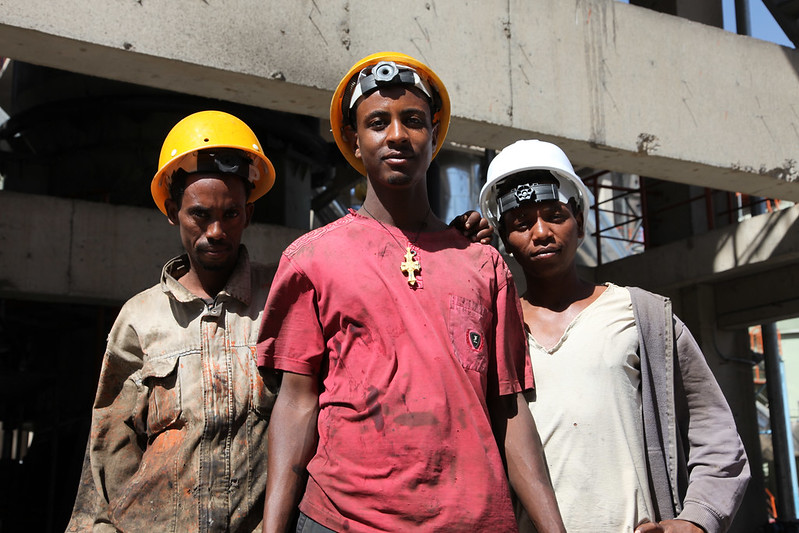 In 2022, about 670 million people lived in extreme poverty, which marks an increase of 70 million from pre-pandemic projections. Innovative solutions are essential for reducing poverty in developing nations. These strategies emphasize sustainability, empowerment and long-term change, revealing measurable progress in marginalized communities. The following explores five lesser-known innovative solutions to reduce poverty, including blockchain and biogas plants, that are transforming lives worldwide.
Blockchain for Transparent Aid Distribution
Blockchain is revolutionizing aid distribution in developing nations by ensuring transparency and reducing corruption. Example of Impact the United Nations (U.N.) World Food Programme (WFP) introduced the Building Blocks initiative in Jordan in 2017 to distribute aid to Syrian refugees. This blockchain-based system tracks cash assistance for more than 100,000 refugees monthly, cutting fraud and saving $1.5 million in banking fees in 2018 alone. Blockchain creates a secure and trackable digital ledger, ensuring that every transaction is transparent and reliable. It has the potential to be scaled to other developing nations where corruption and inefficiencies hinder aid effectiveness.
AgriTech for Urban Food Security
Urban food insecurity in developing nations can be addressed with AgriTech innovations like vertical farming and hydroponics. Hydroponic farming in Kenya’s Kibera settlement is helping residents grow vegetables in small urban spaces. These systems use less water, no soil and minimal space. As of 2022, the initiative has benefitted thousands of households, reducing food costs and improving nutrition. The benefits hydroponics allows families in urban areas to grow fresh produce while generating income from surplus crops. This model addresses food insecurity and unemployment, two significant challenges in densely populated areas.
Biogas Plants for Rural Clean Energy
Biogas plants are providing clean, renewable energy to rural households in developing nations, reducing reliance on harmful cooking fuels. Barefoot College has installed biogas plants in more than 600 villages across India since its establishment in 1972. These plants turn animal and agricultural waste into clean energy. By 2020, the initiative reached more than 100,000 rural families, reducing respiratory illnesses and saving money on fuel. Biogas systems are environmentally friendly, economically beneficial and easy to maintain, making them ideal for rural areas. They reduce deforestation, indoor air pollution and household fuel costs.
Indigenous Knowledge for Climate Resilience
Indigenous knowledge systems are helping communities in developing nations adapt to climate challenges while preserving cultural traditions. Ethiopia’s Sustainable Land Management Programme (SLMP), launched in 2008, incorporates traditional terracing methods to combat soil erosion. By 2020, this approach had restored 1.9 million hectares of degraded land and improved food security for 6 million farmers. These traditional practices are cost-effective and promote community participation, ensuring sustainable agricultural practices while preserving local ecosystems.
Social Franchising for Women Entrepreneurs
Social franchising models are empowering women in developing nations, creating economic opportunities and addressing community needs. Solar Sister, a program launched in 2010, operates in Nigeria, Uganda and Tanzania. By 2023, it had trained 9,000 women as entrepreneurs selling solar-powered products, bringing clean energy to more than 4 million people. Women participating in the program reported a 40% increase in household income. Social franchising provides women with business training, mentorship and sustainable supply chains. These businesses contribute to gender equality while driving local economic growth.
Looking Ahead
These five innovative solutions to reduce poverty—blockchain, AgriTech, biogas, Indigenous knowledge systems and social franchising—are making a difference in developing nations while empowering communities. Each strategy has demonstrated measurable success, with scalable potential to benefit millions more. By investing in innovative and proven methods, governments, NGOs and private organizations can accelerate poverty reduction and build a sustainable future for the world’s most vulnerable populations.
– Fiza Meeraj
Fiza is based in London, UK and focuses on Good News and Technology for The Borgen Project.
Photo: Flickr
