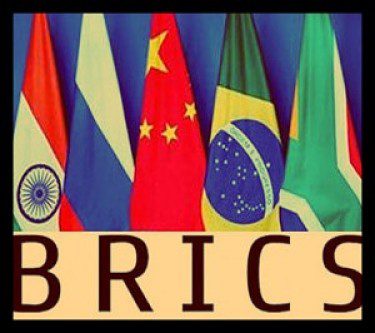
The BRICS countries met in Durban, South Africa last week to finalize plans for the establishment of a New Development Bank that would be led by the quickly developing countries. While the negotiations were not finalized and a plan wasn’t cemented, officials claim that progress is being made.
The BRICS are a group of large, quickly industrializing countries; Brazil, Russia, India, China and South Africa. Early last year they made the announcement that they would consider creating a separate development bank run by the leaders of the developing world for the developing world.
While South Africa’s Minister of Finance stated that the negotiations had been completed the day before the meeting, they apparently were not. However, they say that progress was made and that the New Development Bank will be established soon and that they are pleased with the rapid materialization of a concept that only came into their discussions one year ago.
One of the issues remaining is where the central bank will be built, as each country would obviously like to have such a large institution and the profit and recognition that would come along with it. In response to significant pressure from activist groups and student and humanitarian groups, representatives of the five countries made statements condemning the abuse of humanitarian rights in Syria and pleaded that aid workers and organizations be allowed to freely access the region to provide help for those suffering.
– Kevin Sullivan
Source: Voice of America
Photo: Post

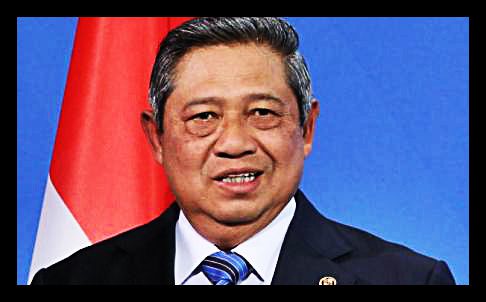 The next global development agenda has been set. The President of Indonesia, Susilo Bambang Yudhoyono, hosted the meeting to determine such an agenda; he also served as the co-chairman to the UN High-Level Panel for the post-2015 plan with an emphasis on eradicating extreme poverty. Despite the general success of the
 Last month, 400 International MBA students from the IE Business School in Madrid went to Pakistan to work on the “LettuceBee Kids” project, a “social enterprise aiming to provide a self-sufficient mechanism of survival to street children.” The IE Business program challenges its International MBA class by exposing students to extreme poverty-stricken areas and countries where they get to participate first-hand in poverty projects. Within the program, the Change in Action (CIA) module was formed in 2008 as a part of the International MBA agenda to fight global problems.