• Link to X
  • Link to Facebook
  • Link to Instagram
  • Link to TikTok
  • Link to Youtube
  • About
    • About Us
      • President
      • Board of Directors
      • Board of Advisors
      • Financials
      • Our Methodology
      • Success Tracker
      • Contact
  • Act Now
    • 30 Ways to Help
      • Email Congress
      • Call Congress
      • Volunteer
      • Courses & Certificates
      • Be a Donor
    • Internships
      • In-Office Internships
      • Remote Internships
    • Legislation
      • Politics 101
  • The Blog
  • The Podcast
  • Magazine
  • Donate
  • Click to open the search input field Click to open the search input field Search
  • Menu Menu

Archive for category: Global Poverty

Key articles and information on global poverty.

Electricity and Power, Global Poverty, Technology

Expanding Renewable Energy in the Soloman Islands

Renewable Energy in the Soloman IslandsThe Solomon Islands, an archipelago nation in the South Pacific with more than 700,000 people, faces unique energy challenges due to its geographical spread and reliance on imported fossil fuels. To tackle these ongoing issues, renewable energy in the Soloman Islands is expanding, by signing and aligning with international climate goals such as the Paris Agreement.

Current Renewable Energy Landscape

The Solomon Islands relies heavily on diesel generators, with approximately 80% of its electricity coming from fossil fuels. Hydropower has played a role in the country’s renewable energy sector, with the Lungga Hydropower Station near the capital, Honiara, serving as the primary source of renewable electricity. However, the country seeks to diversify its energy mix to reduce costs, increase sustainability and enhance energy security.

Future Renewable Energy Potential

The Solomon Islands government aims to increase the share of renewable energy in its national energy mix to a target of 100% by 2030. Solar power presents one of the most promising opportunities, given the country’s tropical climate and consistent year-round sunlight. Additionally, the newly launched Tina River Hydropower Project is expected to cut greenhouse gas emissions by 49,500 tons annually, significantly reducing the country’s reliance on fossil fuels. The government is also promoting community-based biomass projects to meet energy needs while encouraging sustainable land use practices.

The Role of Coconut Oil in Energy Production

In a unique renewable energy initiative, the Asian Development Bank (ADB) partnered with Solomon Power to explore coconut oil as an alternative to diesel fuel. The trial involved running a generator on locally produced coconut oil, with a contract supplying 1,000 liters per week. This not only provided a steady income for coconut farmers but also demonstrated the potential for coconut oil to become a viable renewable energy source. Expanding this initiative could enhance energy security while creating new economic opportunities in the agricultural sector.

Challenges and Opportunities

Despite progress, the Solomon Islands faces challenges in expanding its renewable energy sector. The geographical dispersion of islands makes energy infrastructure development costly and logistically complex. Additionally, securing financing for large-scale projects remains a hurdle for the nation and the country currently has some of the highest electricity costs in the world. Additionally, if coconut oil emerges as a major fuel source, it will require substantial investments in coconut farming, including replanting initiatives and enhanced quality control measures. The Solomon Islands needs to focus on a transition to reduce its dependence on fossil fuels to advance its energy goals and contribute to global sustainability efforts.

Renewable energy in the Soloman Islands stands at a pivotal moment in its transition. Expanding renewable energy sources could reduce dependence on fossil fuels, lower energy costs and contribute to global sustainability goals. With ongoing investments in hydropower, solar energy and innovative biofuel solutions, the country is positioning itself as a leader in sustainable energy development in the Pacific region.

– Avery Hazard

Avery is based in Segovia, Spain and focuses on Technology and Solutions for The Borgen Project.

Photo: Flickr

February 12, 2025
https://borgenproject.org/wp-content/uploads/borgen-project-logo.svg 0 0 Precious Sheidu https://borgenproject.org/wp-content/uploads/borgen-project-logo.svg Precious Sheidu2025-02-12 07:30:372025-02-12 00:20:10Expanding Renewable Energy in the Soloman Islands
Education, Global Poverty, Nonprofit Organizations and NGOs

Pashtun Poverty in Central Asia

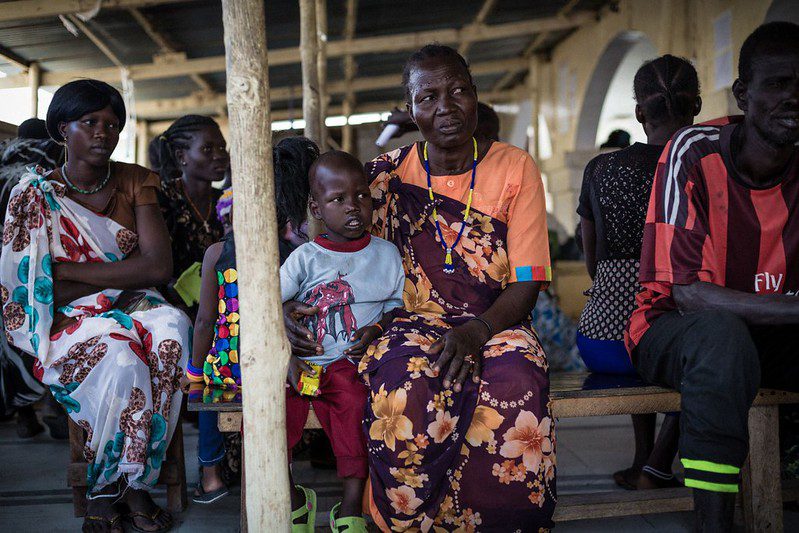
Pashtun Poverty in Central AsiaThe Pashtun people are a nomadic ethnic group whose woes continue to escape global conversation. The group of around 60-70 million people continues to face impoverished conditions across Pakistan and Afghanistan, respectively. With a life expectancy of 46 years, these people’s problems cannot be ignored. Ethnic conflicts and the lack of stability in Afghanistan throughout the last decade have drastically reduced the quality of life for Pashtuns.

FATA

Pashtun poverty is directly tied to destabilization and ethnic violence in Central Asia. Previously called “the most dangerous place in the world,” the Federally Administered Tribal Area (FATA) of Pakistan was home to 20% of the world’s Pashtuns. Although absorbed in 2018, FATA was home to blatant and widespread poverty, with 60% of people living below the poverty line.

This area was described as a “legal vacuum” because no neighboring country would assume administrative control. This led to a 33% literacy rate and plagued the area with intense ethnic and religious violence. In 2018, Pakistan merged the areas into Khyber Pakhtunkhwa in the hopes of improving conditions. Most terror attacks occurred in Pashtun areas in 2022, which points to continuing destabilization and a failure to address the conditions.

Drug Trafficking in Afghanistan

Over the border in Afghanistan, the Pashtuns have additionally dealt with decades of conflict and now Taliban rule. Although Pashtun’s relationship with the Taliban is complicated, the Taliban’s ban on narcotic production has disrupted a significant source of income for Pashtun communities. The U.N. estimated that it had affected the lives of nearly 7 million people who relied on growing opium for income.

Farmers were believed to have lost $1.3 billion in 2023 due to the halt in production, while landowners sold their stockpiles at a hiked price. While the production of narcotics is a complex issue, it is an industry upon which millions depend for their livelihoods. Its cessation has likely pushed many into poverty. Many farmers have continued to defy the ban as it’s their only way to avoid hunger and provide for their families.

Education in Pakistan

Although the situation for Pashtuns seems quite dire, great strides have been made for the education of the next generation. The village of Khanozai, in Balochistan, has a successful education scheme with an estimated 98% literacy rate. Although many Pashtun families must face the dilemma between having their children work or attend school, this village has insisted on the education of the next generation.

The Pakistani education activist Malala Yousafzai is actually Pashtun. In 2012, she spoke out against the Taliban in favor of education for girls. This led to an attack on her life. She survived and has become a global face of the movement for the right for a girl to learn. She is the only Pashtun and youngest ever person to win a Nobel Prize laureate.

The Pashtun Trust

The Pashtun Trust is an England-based charity that works to support both the local community and those in Central Asia. The nonprofit’s Khyber Pukhtunkhwa Projects work to alleviate poverty and provide education to people in Pakistan and Afghanistan. In 2019, the Trust managed to build 50 water wells throughout the region to tackle dehydration.

Pashtun poverty in Central Asia is an ongoing issue. However, nonprofit organizations like the Pashtun Trust are committed to improving the conditions of Pashtuns.

– Charley Dennis

Charley is based in London, UK and focuses on Good News and Politics for The Borgen Project.

Photo: Flickr
February 12, 2025
https://borgenproject.org/wp-content/uploads/borgen-project-logo.svg 0 0 Lynsey 2 https://borgenproject.org/wp-content/uploads/borgen-project-logo.svg Lynsey 22025-02-12 01:30:122025-02-12 00:04:40Pashtun Poverty in Central Asia
Child Poverty, Child Soldiers, Global Poverty

The Use of Child Soldiers in Iraqi Kurdistan

Child Soldiers in Iraqi KurdistanThe use of child soldiers in Iraqi Kurdistan has a long and troubling history, dating back to the mid-to-late 20th century when Kurdish militias mobilized entire communities, including children, in their struggle for autonomy. Yet, one particular 1970’s terrorist militia, The Kurdistan Workers’ Party (PKK), continues its fight today seeking an independent Kurdish state, while indicted of war crimes for exploiting children as young as 7 for combat.

The History of Child Soldiers in Iraqi Kurdistan

During Saddam Hussein’s reign, vulnerable children often became targets of informal militias, with the PKK recruiting aggressively since its formation. In 1994, reports filed by the UN Refugee Agency documented the PKK’s “systematic increase in child recruitment” and even the creation of “child regiments.” A battalion called Tabura Zaroken Sehit Agit, for instance, operated with “a committee of five children aged between 8 and 12.” A year later, sources from the Kurdish Democratic Party (KDP) verified these reports after the loss of 1,000 PKK guerrillas—many of them young boys and girls—during an attack on the Kurdish Democratic Party. Yet, instead of being deterred by heavy casualties, the PKK intensified its recruitment efforts, adding 3,000 more children to its ranks by 1998.

About 13 years after Saddam Hussein’s deposition, the practice had not subsided. Human Rights Watch documented 29 cases of the use of child soldiers in 2016 –  all tied to the PKK. Additionally, of these cases, the children concerned routinely admitted to “participating in fighting,” staffing checkpoints throughout the PKK occupied Qandil Mountains, and cleaning or preparing weapons. The latter occupations, although far from the frontlines, still carrying significant risks. Due to Iraqi Kurdistan’s neighboring proximity to Turkey, Turkish airstrikes can kill child soldiers without the children witnessing the horrors of close combat.

The Influence of Poverty

Chiefly, the depths of Iraqi poverty bear the foremost reason why these children fall into recruitment traps that militias created. Deprived of money and education, children fall susceptible to armed groups offering financial incentives. As of 2016, UNICEF reported that more than a half a million Iraqi children were engaged in labor due to declining family incomes, violence and displacement. With a further “5 million children in need of urgent humanitarian assistance.” Furthermore, long-term political instability, corruption or weak governance in Iraq has exacerbated poverty. Limited economic opportunities and displacement due to armed conflict coupled with societal pressures to achieve rite of passage or honor in protection of one’s family makes children increasingly vulnerable to militant influence.

As such, important NGOs like the International Rescue Committee (IRC), which began operating in Iraq in 2003, and the Iraq Child Rights Network which began working in Iraq in 2011, are continuously offering community-based child protection systems and implementing protective policies. In 2022, the IRC’s child and youth protection and development services supported 18,200 people, providing conflict-affected children with access to sustainable, specialized, holistic and nurturing protective services. Likewise, the ICRN has contributed its support to the National Child Protection Policy (NCPP), a policy which aims to provide a comprehensive framework to protect children from violence, exploitation and abuse, including preventing the recruitment of children into armed forces and armed groups.

Positive Changes

However, among all progress, the Kurdistan Regional Government (KRG) is driving the greatest changes. In August 2024, a conference occurred titled Promoting the Rights of Internally Displaced Persons in Accordance with International Standards. At this conference, Kurdistan’s Coordinator for International Advocacy, Dinadr Zebari, highlighted the KRG’s aims—specifically its 2021–2025 Regional Human Rights Action Plan—to raise Iraqi Kurdistan’s international reputation through “commitments to human rights.”

He stated the KRG has already implemented several human rights recommendations upon refugees, of whom are the primary source of child soldiers. These recommendations include “reception, accommodation, and essential services.” In fact, the KRG is now responsible for 80% of services for refugees, having allocated 138 schools and 54 mainstream schools throughout the region. This is monumental achievement, because 40,410 refugee students now receive formal education and there is hope that more refugees will enroll in mainstream schools since the Ministry of Education’s granting approval in 2021.

Looking Ahead

While the future looks promising for Iraq and its educational developments, there can be no complete celebration until every child is safe from militancy. About 327,000 refugees still reside in Iraq, with 41% estimated to be children under 18. Of these, 90% live specifically in the Kurdistan region. This means that potentially 93,000 child refugees still require aid and education after subtracting those already enrolled in schools. 

– Leighton Webber

Leighton is based in the UK and focuses on Politics for The Borgen Project.

Photo: Flickr
February 11, 2025
https://borgenproject.org/wp-content/uploads/borgen-project-logo.svg 0 0 Jennifer Philipp https://borgenproject.org/wp-content/uploads/borgen-project-logo.svg Jennifer Philipp2025-02-11 07:30:412025-02-10 23:31:30The Use of Child Soldiers in Iraqi Kurdistan
Global Poverty, Water, Water Crisis

Initiatives Ensuring Access to Clean Water in Ethiopia

Clean Water in EthiopiaEthiopia faces a significant water crisis, with roughly 60 million of its 126 million citizens lacking access to safe drinking water. This issue is compounded by surface water pollution, resulting from the country’s rapid population growth, urbanization and inadequate waste management. However, several nongovernmental organizations (NGOs) and government agencies have implemented initiatives to ensure access to clean water in Ethiopia.

WaterAid’s Deliver Life Project

WaterAid works from a bottom-up approach to alleviate water contamination in Ethiopia through the “Deliver Life” project. WaterAid has shared this project with 128,259 people from 177 communities to help relieve water contamination and related illnesses. This initiative focuses on tackling dirty water, creating sanitary toilets and teaching good hygiene practices.

WaterAid’s project successfully provided 10 Ethiopian schools access and resources to address water contamination. This was achieved through the distribution of water points, water supply systems, gender-separated toilets and teachings on hygiene and menstrual hygiene. WaterAid also taught eight small businesses how to manage liquid and solid waste. Furthermore, they provided waste vehicles to help reduce the likelihood of water contamination from poor sanitation.

UNICEF and ONEWASH

The United Nations Children’s Fund (UNICEF) works with the Ethiopian government on the ONEWASH National Programme, a widespread national appeal to follow water, sanitation and hygiene (WASH). This collaboration targets water contamination by producing specific fecal and chemical contamination standards, sharing resources on hygiene practices and building water systems that prioritize cleanliness.

UNICEF and ONEWASH help prevent water contamination by improving hygiene standards and water cleanliness, reducing water-related disease and infection.

Water4Ethiopia

Water4Ethiopia fundraises to supply clean water sites in Ethiopia. Following funding, volunteers work with nonprofit organizations to find a clean-water site. The nonprofit organizations oversee the building and construction of springs or wells and ensure that local people are involved in the process from start to finish.

The wells and springs ensure that the local community has continuous access to clean water despite infectious diseases in the area. Water4Ethiopia has benefited more than 5,000 people to date.

City-Wide Inclusive Sanitation

The City-Wide Inclusive Sanitation (CWIS) project in Ethiopia strives to address water contamination and improve sanitation in four towns in Ethiopia: Sheno, Welenchiti, Maksegnit and Kebridehar. This approach ensures that all locals, even those from low-income backgrounds within these towns, can get clean water.

This is achieved through initiatives that tailor solutions to specific areas, such as analyzing which technologies will improve certain areas. For example, in smaller, rural settlements, CWIS implements on-site sanitation, whereas in cities, CWIS provides sewers. This program ensures that clean water is accessible for everyone, regardless of background, helping to reduce water contamination by improving access to a clean, fresh supply.

Rainwater Harvesting

The Ethiopian Ministry of Water and Energy has developed a method for collecting clean water using rainwater. Ethiopia’s lack of sanitary water sources means many people turn to ponds or rivers. These sources are often contaminated and cause illness. The rainwater harvesting approach is active nationally, reaching nearly 70% of the population.

It utilizes roof water, which is generally of decent to good quality, making it potable and much less likely to cause disease or illness than water from rift valleys. Approximately 4 million people now have access to clean water through rainwater harvesting. This brings the total number of Ethiopians with access to clean drinking water to just less than 75 million.

Conclusion

Ethiopia’s ongoing battle against water contamination is being addressed through various initiatives that improve access to clean water, sanitation, and hygiene education. Indeed, projects like WaterAid’s Deliver Life, UNICEF’s ONEWASH, and rainwater harvesting have benefited millions. Sustained efforts and collaboration will be essential in expanding these successes and ensuring safe water for all Ethiopians.

– Ella Dorman

Ella is based in Worcestershire, UK and focuses on Global Health for The Borgen Project.

Photo: Flickr
February 11, 2025
https://borgenproject.org/wp-content/uploads/borgen-project-logo.svg 0 0 Lynsey 2 https://borgenproject.org/wp-content/uploads/borgen-project-logo.svg Lynsey 22025-02-11 01:30:292025-02-10 23:21:48Initiatives Ensuring Access to Clean Water in Ethiopia
Food Insecurity, Global Poverty, Malnourishment

SDG 1 in Haiti: Progress and Challenges in Eradicating Poverty

SDG 1 in HaitiSustainable Development Goal 1 (SDG 1), which sets benchmarks and measures the progress of the fight to eradicate poverty, remains a critical focus for Haiti. According to the Sustainable Development Report 2024, Haiti ranks 151st out of 166 countries on the SDG Index, with a score of 52.68. Despite significant obstacles, including political instability and natural disasters, Haiti has made some progress toward achieving SDG 1 in Haiti.

The World Bank reports that as of 2024, approximately 36.6% of Haitians live in extreme poverty, which is defined as living on less than $2.15 per day. This marks an increase from 29.9% in 2020, reflecting worsening living conditions due to economic hardship, political instability and frequent natural disasters hindering progress on SDG 1 in Haiti.

Haiti’s Economic Decline and Poverty Rates

Haiti’s economy has experienced a prolonged and severe decline due to ongoing crises. The country’s gross domestic product (GDP) contracted by 4.2% in 2023, following a 1.9% decline in 2022. Political instability, gang violence and frequent natural disasters have deterred foreign investments and severely disrupted economic activity.

The Multidimensional Poverty Index (MPI), which measures poverty beyond income, indicates that 41.3% of Haiti’s population, approximately 4.7 million people, experience multidimensional poverty, while 21.8% remain vulnerable to falling into multidimensional  poverty.

How Multidimensional Poverty Impacts Life in Haiti

The effects of multidimensional poverty in Haiti extend beyond just income, influencing education, health care and food security. The high cost of education services, averaging $140 per child per year, forces many families to keep their children out of school. More than 250,000 children (ages 6–11) and 65,000 youth (ages 12–14) are not enrolled in school. Although most students attend school for 11.4 years, this equates to only 6.3 years of effective education due to low-quality learning outcomes.

Haiti is also facing one of the worst hunger crises in the Western Hemisphere. More than 4.9 million Haitians, nearly half the population, are in urgent need of food assistance due to economic hardship and supply chain disruptions due to gang violence and political instability.

Despite these immense challenges, there are a variety of initiatives sponsored by organizations and programs which are actively working towards poverty reduction in Haiti. These initiatives range from international aid efforts to locally driven solutions aimed at improving economic stability, food security and education access for thousands of Haitians 

Local Organizations and Agricultural Programs

The Peasant Movement of Papaye (MPP) in Haiti along with organizations like Grassroots International, empower Haitian farmers by promoting agroecology, sustainable farming practices and land rights advocacy. Through initiatives such as reforestation efforts, cooperative farming and education programs, the movement has helped thousands of peasants gain independence and escape poverty that exploitative agricultural systems caused.  

Fonkoze, Haiti’s largest microfinance institution, plays a crucial role in empowering local entrepreneurs, particularly women, through a combination of financial services and education. By providing small loans, financial literacy training and business development programs, Fonkoze helps Haitians build sustainable livelihoods and break the cycle of extreme poverty. In 2021 alone, Fonkoze disbursed $5 million in micro-loans, empowering thousands of entrepreneurs to expand their operations and increase their income. The organization served 158,080 Hatians by providing financial education and encouraging a culture of saving and financial planning among Haiti’s most vulnerable populations. Additionally, it disbursed 10,807 loans to support small business growth, while the total number of Empowered Lending clients reached an impressive 58,000. These initiatives not only contribute to individual financial independence but continue to contribute to the future success of SDG 1 in Haiti.

International Aid and Food Security Programs

The World Food Programme (WFP) plays a vital role in addressing SDG 1 in Haiti. Through emergency food assistance, school meal programs and community-based nutrition projects, WFP combats malnutrition and strengthens resilience against food insecurity.

The World Bank also funds many projects and initiatives in order to provide relief to thousands of Haitians through infrastructure development, educational and employment opportunities. Currently, the World Bank has or is in the process of funding 181 Haitian projects.

Additionally, the World Bank has approved $20 million of additional financing which is slated to up-scale renewable energy investments providing solar grids, micro grids, energy storage systems and stand alone systems providing an expected 5-12 megawatts of renewable energy. 

The Future of SDG 1 in Haiti

SDG 1 in Haiti remains hindered by economic instability, political unrest, and frequent natural disasters. However, with sustained efforts from the Haitian government, international organizations, and local communities, meaningful and lasting change is possible.

Long-term investments in education, economic growth, and food security are essential to breaking the cycle of poverty in Haiti. By expanding access to quality education, health care and job opportunities, Haiti can move closer to achieving Sustainable Development Goal 1 and ensuring a more stable future for its people.

– Gregory Brychta

Gregory is based in Seattle, WA, USA and focuses on Good News and Technology for The Borgen Project.

Photo: Pixabay

February 11, 2025
https://borgenproject.org/wp-content/uploads/borgen-project-logo.svg 0 0 Jennifer Philipp https://borgenproject.org/wp-content/uploads/borgen-project-logo.svg Jennifer Philipp2025-02-11 01:30:122025-02-10 23:35:22SDG 1 in Haiti: Progress and Challenges in Eradicating Poverty
Education, Global Poverty

Bridging Gaps: Education In Kenya

Education Initiatives Bridging Gaps in KenyaKenya has one of the youngest populations in the world, with nearly 40% of its citizens under the age of 15. This youthful demographic presents both opportunities and challenges, particularly in education. While the country boasts an 83% literacy rate, rural and marginalized communities face significant barriers to accessing quality education. However, organizations like Just Be a Child, the Teso Education Fund (TEF) and CHinK are working to bridge this gap, transforming Kenya’s educational landscape through community-driven initiatives.

Just Be a Child: Libraries and Learning Centers

Since its founding in 2013, Just Be a Child (JBAC) has re-homed nearly 500,000 books from the United Kingdom (U.K.), giving more than 2 million children the opportunity to read. The organization has constructed eight shipping container libraries, which serve as community-led learning centers. These libraries, operated by volunteers, provide free access to books and foster peer-to-peer learning through programs like arts and crafts sessions and Yong Writer Competitions. The impact has been transformative. Children using these libraries have shown significant improvements in school performance, better retention rates and an increased likelihood of qualifying for university. JBAC has also empowered more than 300 volunteers, with 10 starting their businesses, demonstrating how education initiatives in Kenya can spark economic development.

CHinK: Holistic Support for Marginalized Children

Founded in 2007, Children in Kenya (CHinK) provides comprehensive support for 206 children at its CHinK Academy. For £20 a month, sponsors help provide children with essentials such as two meals a day, school supplies, uniforms and medical care. The organization also emphasizes extracurricular activities, such as field trips and graduation ceremonies, to create a well-rounded educational experience. This nurturing environment has helped children from extremely poor backgrounds stay in school and achieve academic success, breaking cycles of poverty in their families.

The Teso Education Fund: A Beacon of Hope

The Teso Education Fund (TEF) focuses on empowering underprivileged children in Kenya’s Teso region. By providing scholarships, school supplies and mentorship programs, TEF helps students from low-income families stay in school and access quality education. Beyond financial aid, the fund’s mentorship programs instill confidence and leadership skills, inspiring students to dream big and contribute to their communities. This initiative has a ripple effect, uplifting not just individual students but entire families and fostering long-term development in the region.

A Brighter Future Through Education

These organizations—JBAC, CHinK and the TEF demonstrate how community-driven education initiatives in Kenya can tackle systemic barriers to education. Indeed, by combining accessible resources, mentorship and holistic care, they are not only improving literacy rates but also creating pathways for personal and community development. Kenya’s youth represent a vast reservoir of potential. With continued support from these organizations, young Kenyans can potentially grow into the leaders and innovators their country needs. Expanding access to education is not just an investment in individuals—it’s a step toward a more equitable and prosperous future for Kenya.

– Mmanoko Faith Molobetsi

Mmanoko is based in Pretoria, South Africa and focuses on Good News and Politics for The Borgen Project.

Photo: Flickr

February 10, 2025
https://borgenproject.org/wp-content/uploads/borgen-project-logo.svg 0 0 Precious Sheidu https://borgenproject.org/wp-content/uploads/borgen-project-logo.svg Precious Sheidu2025-02-10 07:30:242025-02-09 22:55:16Bridging Gaps: Education In Kenya
Development, Global Poverty

Politicized Infrastructure in Sub-Saharan Africa

Politicized Infrastructure in Sub-Saharan Africa and Poverty AlleviationInfrastructure plays a central role in shaping economic, social and cultural landscapes. While often perceived as neutral, infrastructure decisions frequently serve political interests rather than humanitarian needs. Equitable and transparent investments can transform lives by expanding access to education, health care and economic opportunities. In sub-Saharan Africa, targeted infrastructure projects have helped alleviate poverty while also serving as political tools for influence and development strategies.

Transforming Rural Access: The Role of Roads

Transportation infrastructure facilitates access to essential services including health care, markets and education. The World Bank’s Sub-Saharan Africa Transport Policy Program, while aiming to lower transportation costs and improve market access, often navigates complex political landscapes.

In 2008, the World Bank introduced a mass bus transit system in Lagos, Nigeria, offering affordable and reliable public transport. This project exceeded expected usage by 100% the following year, demonstrating its success. It also functioned as a political statement, showcasing the government’s commitment to urban development.

A more recent initiative, announced in March 2024, focuses on enhancing connectivity in Ethiopia by providing and strengthening all-weather road access to improve climate resilience and food insecurity in rural communities. The strategic placement of this project enables the political leaders to align with political priorities and development goals. While politicized infrastructure in sub-Saharan Africa may distort resource allocation, strategic investments that boost rural connectivity have demonstrated significant poverty reduction by improving access to services. The World Bank’s approach ensures that projects are strategically placed to boost regional trade and economic integration.

Water and Sanitation: A Foundation for Development

More than 2 billion people worldwide still lack access to clean water and sanitation, with sub-Saharan Africa disproportionately affected. Decisions about water infrastructure allocation often carry political weight. However, organizations in collaboration with the World Bank have significantly improved access by supporting community-driven efforts to build and maintain water wells and filtration systems.

The United States (U.S.) Development Finance Corporation supports local entrepreneurs’ programs across sub-Saharan Africa to empower communities to maintain and expand water infrastructure and purification services. These ongoing efforts act as soft power tools, extending political influence through development assistance. While perhaps politically motivated, projects not only reduce the time spent collecting water but have improved health and enabled children, particularly girls, to attend school, breaking the cycle of poverty and empowering communities.

Education Infrastructure: Building Futures

Organizations such as UNICEF and the United Nations Development Programme (UNDP) have worked to improve access to education and build schools. Over the past two decades, the out-of-school population in the region has dropped from 44% in 2000 to 29% in 2020. However, the politicization of infrastructure requires navigating competing priorities and political agendas to provide education to the 98 million children in sub-Saharan Africa who still lack access to formal, quality education.

Education infrastructure projects are sometimes influenced by soft power strategies, such as initiatives by the French Government and the British Commonwealth Grants Programme in their former colonies, with projects established in attempts to maintain influence. Despite the politicization of infrastructure, aligning investments with local needs has far-reaching effects, improving school attendance and increasing employment opportunities for graduates, acting as a catalyst for long-term poverty alleviation.

Mobile Health Care and Rwanda’s Transformation

Investments in sustainable health care infrastructure can be transformative for improving quality of life and alleviating poverty in sub-Saharan Africa, where accessing health care and medical services remains a major challenge for many communities. Rwanda’s health care transformation is a visible advantage of how politicized infrastructure in sub-Saharan Africa can have positive outcomes when strategic investments are aligned with national development needs. After the 1994 genocide, the country faced serious health problems, with the life expectancy dropping to 29 years. Through targeted policies to improve health care, the life expectancy reached 67 years in 2024, more than double the 1994 average. By addressing geographic and economic barriers to health care access, investments in health care support broader development goals of reducing poverty and improving education outcomes.

Infrastructure as a Catalyst for Change

Politicized infrastructure in sub-Saharan Africa presents both challenges and opportunities. While infrastructure investments fuel economic growth, political agendas can potentially distort priorities and deepen inequalities. However, aligning projects with local needs, transparency and sustainable development goals can transform infrastructure into a catalyst for long-term poverty alleviation. By investing in strategic transportation, water, education and health care systems, nations in the region can break cycles of poverty, improve resilience and foster economic stability.

– Isobel Hurst

Isobel is based in Berlin, Germany and focuses on Good News and Politics for The Borgen Project.

Photo: Flickr

February 10, 2025
https://borgenproject.org/wp-content/uploads/borgen-project-logo.svg 0 0 Precious Sheidu https://borgenproject.org/wp-content/uploads/borgen-project-logo.svg Precious Sheidu2025-02-10 01:30:572025-02-09 22:43:42Politicized Infrastructure in Sub-Saharan Africa
Charity, Global Poverty, Volunteer

Students Against Global Poverty

Students Against Global PovertyIn the fight against global poverty, students are a vital and often overlooked aspect of charity initiatives. Students are working with charities alongside their academics to help those most in need through fundraising and volunteering efforts. In an interview with The Borgen Project, Charlotte, a university student working with MEDLIFE, stressed the importance of student participation in fighting poverty and assisting with development projects.

MEDLIFE

MEDLIFE is a global charity that helps to develop low-income communities by improving health care and education. In its efforts to achieve a world free of poverty, MEDLIFE adopts a community-focused approach and offers sustainable solutions to provide long-term aid and improvement. The nonprofit works with local staff and citizens to provide “culturally sensitive” aid and development programs to underserved communities.

Through collaborating with local doctors, the charity ensures that development projects will continue to benefit the community for a longer period rather than solely providing immediate relief. By August 2023, MEDLIFE had more than 30,000 volunteers and had established more than 600 community projects. MEDLIFE focuses on preventative health care through education.

By providing education on key health issues, the organization aims to prevent health care disasters that particularly impact those living in poverty. With a woman dying every two minutes due to childbirth or pregnancy, MEDLIFE’s Mobile Clinics offer specialized educational workshops on women’s reproductive health in efforts to prevent key issues, such as breast or cervical cancers).

Students Working With MEDLIFE

MEDLIFE offers students the chance to directly impact efforts seeking to alleviate the pressures of global poverty. Students can start MEDLIFE societies at a college/university to assist with fundraising efforts and organize volunteer trips to help with specific community projects. In 2024, Students at University College London (UCL) participated in a volunteer trip to Lima, Peru, to directly contribute to the operation of community developments.

In an interview with The Borgen Project, Charlotte reflected on how students working in Lima witnessed people face challenges accessing health care and resources. The students helped to establish and maintain Mobile Clinics specializing in general medicine, dental, obstetrics and gynecology, pharmacy, hygiene and education. Other initiatives also involved assisting with community transformation, such as building parks and stairs. The UCL Society is organizing plans for its next trip; destinations could include Costa Rica or Peru.

When asked whether students are recognized for their roles in fighting global poverty, Charlotte explained that “students often don’t receive enough recognition for their contributions.” Regarding how recognition helps raise awareness, Charlotte commented that “by shining a light on student contributions, we not only validate their efforts but also encourage a culture of social responsibility among peers.”

MEDLIFE is open not only to medical students but also to those studying a wide range of disciplines. When asked about the benefits of this, Charlotte explained how a diverse group of students is extremely useful to the charity. For example, an engineering student can assist in the structured development of the communities and a business or economics student may lead fundraising.

Conclusion

Globally, students work with a wide range of charities to assist in the fight against global poverty. Without help from students, charities could lack the appropriate funds to provide adequate aid to those in need. They are not only providing thousands in fundraising but also have the time and skills to deliver hands-on support.

– Ellie Western

Ellie is based in London, UK and focuses on Global Health and Celebs for The Borgen Project.

Photo: Pexels

February 10, 2025
https://borgenproject.org/wp-content/uploads/borgen-project-logo.svg 0 0 Lynsey 2 https://borgenproject.org/wp-content/uploads/borgen-project-logo.svg Lynsey 22025-02-10 01:30:272025-02-09 22:48:41Students Against Global Poverty
Africa, Electricity and Power, Global Poverty

How South Africa’s Energy System Limited Progress

South Africa’s EnergySouth Africa has long grappled with energy challenges rooted in its Apartheid-Era policies. The electricity grid was historically designed to serve a small, privileged minority, leaving vast portions of the population without access to reliable power. This outdated infrastructure failed to meet the demands of a growing population after apartheid ended, leading to frequent blackouts and widespread dissatisfaction. These challenges underscore the need to shift toward clean energy in South Africa.

In 2011, the government launched the Renewable Energy Independent Power Producer Procurement Program (REIPPPP) in response to the energy crisis. This initiative aimed to bring private investors into the renewable energy sector and address systemic inequalities by improving access to affordable electricity. Over the years, the program has made significant strides, reshaping South Africa’s energy landscape.

REIPPPP: A Game-Changer for Clean Energy

The REIPPPP is often lauded as a transformative project that promotes economic growth and sustainable development. By encouraging private companies, known as Independent Power Producers (IPPs), to invest in clean energy in South Africa, the program has delivered tangible results. It has added more than 6,000 megawatts (MW) of electricity to the national grid through wind, solar, and hydro projects

A key feature of REIPPPP is its focus on socio-economic benefits. Participating companies have to allocate a percentage of their revenue to local community development. Since its development, the program has provided 55,000 job years for South African citizens and could create even more, helping reduce poverty and improve living conditions for underserved communities.

Affordable Clean Energy

In rural areas, REIPPP projects have provided reliable and sustainable electricity. The Touwsrivier Concentrated Solar Plant in the Western Cape has significantly contributed to rural electrification by installing a 44 kW solar Photovoltaic (PV) system.

Additionally, the CPV1 solar power project, in partnership with local authorities, has expanded its impact by installing solar PV systems at schools. These systems have drastically reduced electricity costs, saving R5,000 (300$) per month per school. The savings were redirected toward purchasing educational resources, thereby improving the quality of education in underserved areas.

Increased Investment in the Country

The REIPPPP has attracted around R193 billion (US$16 billion) in investments, driving nearly 6 GW of renewable energy procurement since 2011. Notably, around R135.6 billion of the total investment stems from international financiers, with 25.8% contributed by foreign sources, according to the International Trade Administration (IDA). The United States remains the largest source of foreign direct investment (FDI) in South Africa’s renewable energy sector, with several U.S. companies actively participating in tenders issued by the South African Department of Energy.

Beyond providing affordable and clean electricity, the program has allocated R19.1 billion to socio-economic development initiatives, benefiting local communities and creating employment opportunities, Blue Horizon reports. This alignment between private and public sectors highlights the potential of partnerships to drive sustainable development.

By bridging gaps in energy access and fostering economic investment, the REIPPPP continues to serve as a global model for renewable energy initiatives.

The Role of Eskom in the Energy Transition

While REIPPPP has made considerable progress, its success is closely tied to Eskom, South Africa’s primary electricity supplier. Eskom generates approximately 95% of the country’s electricity, largely from coal, which poses environmental and operational challenges, according to IDA. The utility’s aging infrastructure and financial woes have prompted the government to explore partnerships with IPPs to diversify energy sources. However, through REIPPPP, Eskom has incorporated clean energy into South Africa’s national grid, providing cleaner and more reliable power, IDA reports.

This collaboration highlights the importance of combining public and private efforts to overcome energy challenges in South Africa.

Challenges and Future Outlook

Despite its successes, the shift to clean energy in South Africa is not without challenges. The current grid infrastructure is insufficient to support the increased demand for clean energy in South Africa. Minister Kgosientsho Ramokgopa emphasized that while there is significant interest from the private sector to engage in the REIPPPP, the lack of grid capacity hinders progress in deploying new projects.

The slow and complex licensing process for IPPs has been a significant barrier to the progress of renewable energy projects. These delays have deterred investment and slowed the deployment of energy solutions. Minister Ramokgopa acknowledged this issue and outlined plans to simplify and potentially eliminate licensing requirements to facilitate faster integration of renewable energy into the grid and support the country’s decarbonization efforts.

South Africa’s workforce is primarily skilled in coal and nuclear energy. As the country transitions to renewable energy, there is a risk of job losses unless the workforce is up-skilled. The lack of proper training and capacity-building programs could lead to unemployment among coal workers and a shortage of skilled professionals in the clean energy sector. It is essential to prioritize training and skills transfer to ensure a smooth transition.

Solutions for a Sustainable Future

South Africa faces significant hurdles in its transition to clean energy, but there are viable solutions. Indeed, by modernizing the grid infrastructure, simplifying regulatory processes and providing reskilling programs for coal workers, the country can accelerate its energy shift. Strengthening public-private partnerships will also attract vital investment and foster socio-economic development. These steps could ensure a just transition to a cleaner, more reliable energy future.

The REIPPPP offers a clear path forward for South Africa, demonstrating how renewable energy can foster economic growth, create jobs and tackle inequality. Furthermore, if fully embraced, South Africa has the potential to lead the global transition toward clean energy, setting a powerful example for other nations to follow.

– Mmanoko Faith Molobetsi

Mmanoko is based in Pretoria, South Africa and focuses on Good News and Politics for The Borgen Project.

Photo: Flickr

February 9, 2025
https://borgenproject.org/wp-content/uploads/borgen-project-logo.svg 0 0 Naida Jahic https://borgenproject.org/wp-content/uploads/borgen-project-logo.svg Naida Jahic2025-02-09 07:30:242025-02-08 23:31:11How South Africa’s Energy System Limited Progress
Education, Global Poverty

Education in Cambodia: Addresses Inequalities

Education in CambodiaCambodia’s education system has undergone significant changes over the years. Education in Cambodia initially centered around Buddhist teachings, taught to boys by local monks. In the mid-1860s, a second system emerged, introducing subjects like math, science and history, taught by trained teachers. However, during the mid to late 1970s, the education system collapsed. While Cambodia’s education system has since recovered and continues to improve, challenges persist. Vulnerable populations face significant barriers to accessing and attending school, perpetuating cycles of poverty. Deep-rooted cultural beliefs and attitudes regarding education for marginalized groups worsen these challenges.

Types of Inequality in Education

  • Gender Inequality. Chbab Srey and Chbab Proh, ancient Cambodian texts, outline gender roles and emphasize subservience for women. Chbab Proh positions men as breadwinners and decision-makers, while Chbab Srey dictates that women maintain the household, speak softly and obey their husbands. These traditional ideologies remain deeply ingrained in Cambodian culture. As a result, many families remove girls from school to prioritize household duties. This limited access to education significantly impacts their opportunities, perpetuating poverty for women and their families.
  • Child Inequality. Children in Cambodia face numerous forms of exploitation, preventing them from receiving education. Forced labor, human trafficking and other abuses disrupt their ability to attend school. According to the Bureau of International Labor Affairs (ILAB), Cambodia leads in child labor violations, with many children used as debt payments or forced into labor. High rates of institutionalization further exacerbate these issues, as children placed in residential care become more vulnerable to abuse and neglect. The lack of education for children under these conditions deepens inequality.
  • Inequality for Persons with Disabilities. A joint assessment by the Cambodia Development Resource Institute and UNESCO found that 24% of Cambodia’s population lives with a disability. UNICEF reports that children with disabilities face three times the risk of missing school compared to those without disabilities. Cultural stigma against disabilities isolates individuals and prevents their participation in social and educational activities. This exclusion increases the likelihood of poverty among people with disabilities, further entrenching inequality.

Educational Programs Tackling Inequality

Cambodia has initiated several programs to address inequality through education:

  • Inclusive Education Action Plan (2024–2028). This plan, a partnership between UNICEF and Cambodia’s Ministry of Education, Youth and Sport (MoEYS), aims to improve access to education for students with disabilities. It identifies necessary technologies and services while addressing societal stigma.
  • Education Strategic Plan (ESP) 2024–2028. A collaboration between the Royal Government of Cambodia, the NGO Education Partnership and MoEYS, this initiative focuses on ensuring high-quality, inclusive education for all students.
  • National Social Protection Policy Framework (2016–2025). Jointly developed by UNICEF and the Ministry of Social Affairs, this framework addresses violence against children and promotes child well-being. It also seeks to reduce reliance on residential care facilities and improve child protection services.
  • USAID Collaboration. USAID has worked with MoEYS to improve child protection services and prevent family separation. By promoting alternative care and strengthening child welfare systems, this collaboration ensures that children remain with their families whenever possible.
  • U.N.-CEDAW Initiative. The United Nations Committee on the Elimination of Discrimination Against Women (CEDAW) urged Cambodia to remove Chbab Srey from schools. Although the text remains part of literature and social studies courses, this reform reduces the reinforcement of outdated gender norms.

Moving Forward

Cambodia’s efforts to address inequality through education reflect a commitment to improving the lives of its citizens. With women representing more than 51% of the population, adolescents and children making up 35% and 20% of the population living on just over $2 a day, addressing these disparities remains critical. Programs like the Inclusive Education Action Plan and the Education Strategic Plan demonstrate Cambodia’s determination to tackle inequality. Collaborative efforts between the Cambodian government, NGOs and international organizations continue to drive progress. By investing in education and addressing systemic inequalities, Cambodia builds a stronger foundation for future generations.

– Kelly Chalupnik

Kelly is based in Kirkland, WA, USA and focuses on Global Health and Politics for The Borgen Project.

Photo: Flickr

February 9, 2025
https://borgenproject.org/wp-content/uploads/borgen-project-logo.svg 0 0 Precious Sheidu https://borgenproject.org/wp-content/uploads/borgen-project-logo.svg Precious Sheidu2025-02-09 01:30:422025-02-08 22:54:25Education in Cambodia: Addresses Inequalities
Page 209 of 2162«‹207208209210211›»

Get Smarter

  • Global Poverty 101
  • Global Poverty… The Good News
  • Global Poverty & U.S. Jobs
  • Global Poverty and National Security
  • Innovative Solutions to Poverty
  • Global Poverty & Aid FAQ’s
Search Search

Take Action

  • Call Congress
  • Email Congress
  • Donate
  • 30 Ways to Help
  • Volunteer Ops
  • Internships
  • Courses & Certificates
  • The Podcast
Borgen Project

“The Borgen Project is an incredible nonprofit organization that is addressing poverty and hunger and working towards ending them.”

-The Huffington Post

Inside The Borgen Project

  • Contact
  • About
  • Financials
  • President
  • Board of Directors
  • Board of Advisors

International Links

  • UK Email Parliament
  • UK Donate
  • Canada Email Parliament

Get Smarter

  • Global Poverty 101
  • Global Poverty… The Good News
  • Global Poverty & U.S. Jobs
  • Global Poverty and National Security
  • Innovative Solutions to Poverty
  • Global Poverty & Aid FAQ’s

Ways to Help

  • Call Congress
  • Email Congress
  • Donate
  • 30 Ways to Help
  • Volunteer Ops
  • Internships
  • Courses & Certificates
  • The Podcast
Scroll to top Scroll to top Scroll to top
