The Push for Food Self-Sufficiency in Saudi Arabia
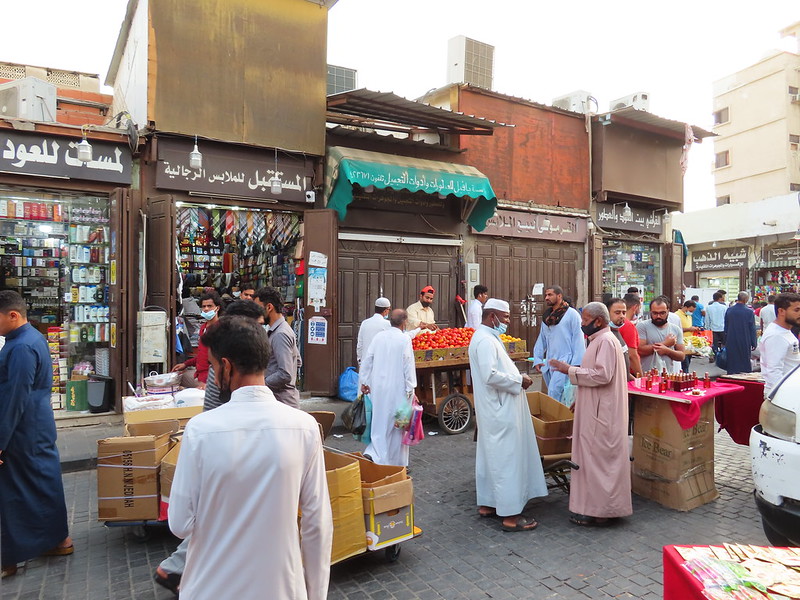 Saudi Arabia imports nearly 80% of its food, relying heavily on international suppliers like the United States (U.S.), which exported $1.58 billion worth of agricultural products to the Kingdom in 2022. Harsh desert conditions and limited freshwater resources have made large-scale farming difficult, leading to an overwhelming dependence on imports. As part of a long-term development strategy, food self-sufficiency in Saudi Arabia is now a priority of the government, as well as aiming to strengthen food security and reduce vulnerability to global market shocks.
Food Waste and Loss
Despite maintaining food security, Saudi Arabia continues to struggle with food dependency and waste. According to United Nations (U.N.) data, the country accounts for 50% of global food waste, even though it has a population of about 33 million. A recent survey found that 78% of purchased food is discarded within a week to make room for newly bought groceries.
Cultural norms that encourage abundance often lead people to neglect or discard food, worsening the food waste crisis. To address the issue, the Saudi government launched programs such as Vision 2030, which includes a target to reduce food waste by 50% by 2030. In addition, the Saudi government launched the National Program for Food Loss and Waste Reduction to support this goal. Other proposed solutions include raising food prices, as low prices and bulk deals often encourage consumers to purchase more than they need.
Investing in Sustainable Agriculture
To reduce dependence on imports, the Saudi government continues to invest in initiatives like the Agricultural Development Fund (ADF), which strengthens agricultural sectors such as soybeans and maize. The country has made significant progress in the 21st century. By 2023, Saudi Arabia had reached self-sufficiency in dairy products and eggs and began exporting the surplus. The country also boosted the production of potatoes, poultry, tomatoes, red meat, carrots, fish and onions. To support continued agricultural growth, the government promotes innovations such as vertical farming, greenhouses and hydroponics. These technologies help maximize yield while conserving resources.
International Investments
Beyond domestic initiatives, Saudi Arabia is investing internationally to secure food supplies. The Saudi Agricultural and Livestock Investment Company (SALIC) has acquired an 80% stake in Singapore-based Olam Agri for $1.8 billion. This acquisition provides Saudi Arabia with access to global supply chains and strengthens its position in the international agricultural market.
Moving Forward
Saudi Arabia’s population will likely reach 40 million by 2050. To keep pace, the government focuses on improving food consumption efficiency and reducing dependence on imports. Although the country currently contributes a significant portion of global food waste, new regulations and public awareness campaigns could help lower that share over the next five years.
Efforts to expand local food production, improve waste management and promote agricultural innovation remain integral to food self-sufficiency in Saudi Arabia, and its development plans. Continued investment in sustainable practices could help the country strengthen food security and support its growing population in the years ahead.
– Naseem Rahman
Naseem is based in Staten Island, NY, USA and focuses on Global Health for The Borgen Project.
Photo: Flickr
