• Link to X
  • Link to Facebook
  • Link to Instagram
  • Link to TikTok
  • Link to Youtube
  • About
    • About Us
      • President
      • Board of Directors
      • Board of Advisors
      • Financials
      • Our Methodology
      • Success Tracker
      • Contact
  • Act Now
    • 30 Ways to Help
      • Email Congress
      • Call Congress
      • Volunteer
      • Courses & Certificates
      • Be a Donor
    • Internships
      • In-Office Internships
      • Remote Internships
    • Legislation
      • Politics 101
  • The Blog
  • The Podcast
  • Magazine
  • Donate
  • Click to open the search input field Click to open the search input field Search
  • Menu Menu

Archive for category: Global Poverty

Key articles and information on global poverty.

Activism, Advocacy, Global Poverty

Why Do We Ignore Global Poverty?

why_do_we_ignore_global_poverty
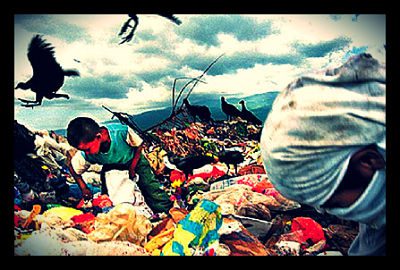
“Poverty in Africa,” “more than 500 million people live on less than $2 per day,” and “ every three seconds a child dies.” These messages appear every day across the globe on television and social media but they attract little to no attention from the viewers.

One common excuse that might make this so, is that viewers may assume they cannot make a difference because of their social status or income levels. Even when people do not have a high social status, there are opportunities where they are still able to make a difference by  influencing Congress.

Money is a major factor in reducing global poverty but it is not everything.

Others can even save their unused clothes or contribute a tiny portion of their income. With the exchange rate between United States currency and developing currency, every dollar helps.

Another common reason may not consider global poverty to be their problem. This concept is known as “Not In My Backyard” thinking. Since it may seem that global poverty does not affect people in developed countries directly, they are more likely to ignore the problem. However, global poverty indirectly affects people in developed countries.

When people are living in poverty, they have less access to education and limited livelihood options lending them to be prone to and easily convinced to join threatening groups such as terrorism, which is an international issue-a concern for developed countries.

In addition, farmers in developing countries lack proper knowledge or access to advanced farming equipment. The food supply has a high risk of being unhealthy and contains many toxic chemicals. The lack of health care in poverty regions can increase the risk of dangerous diseases spreading through other parts of the world.

Another possible excuse is that global poverty will disappear on its own. This perception is extremely misdirected. Global poverty, just like any other problem, will not disappear if nobody takes action to eradicate it. If no action is taken, global poverty will only going to get bigger and eventually reach its hand to developed countries.

The last and biggest problem is people assume global poverty is not a current issue because it would take a long time to erase global poverty. Even though it is true that global poverty is not going to disappear overnight, to speed up the process, help is always needed. The more help global poverty gets, the faster the world will eradicate it.

– Phong Pham

Sources: Productive Flourishing, Dear Bono, Global Issues
Photo: Tandem Post

January 24, 2014
https://borgenproject.org/wp-content/uploads/borgen-project-logo.svg 0 0 Borgen Project https://borgenproject.org/wp-content/uploads/borgen-project-logo.svg Borgen Project2014-01-24 11:58:092017-03-20 13:13:22Why Do We Ignore Global Poverty?
Advocacy, Global Health, Global Poverty, Health, Human Rights

Revolutionize Healthcare, Revolutionize the World

healthcare_mental_health
In order to improve and manage community health, health advocates help organize a plethora of services ranging from health events to educational experiences. Advocates come in many different forms and settings. For instance, health advocates are generally doctors and nurses though other health advocates may come from a different professional background, such as social work. However, health advocates can also come from a background unrelated to medicine, so long as the individual is burgeoning with a passion that centers on raising awareness of health-related issues.

Individuals who work as health advocates will typically aid clients in improving their health care experience by ensuring that clients not only learn about but also have an opportunity to access available programs and resources. According to SoCal Health Advocates, individuals in this field often endeavor to improve the lives of clients by breaking down barriers that prevent people from access to quality healthcare in order to prevent serious illness or prevent relapses.

However, health advocacy is not limited to only physical health. Due to its nature of stigmatization, great effort has been expended into improving mental health advocacy as well. According to the World Health Organization, it is crucial for advocacy efforts to continue educating the public about mental illness in order to truly revolutionize not only the manner in which mental health is perceived but also improve access to mental health treatments.

As part of its mental health advocacy efforts, the WHO has created MiNDbank, an online resource that has pooled together information regarding global policies and services regarding mental health. One of the goals of MiNDbank is to facilitate open debate and discussion about mental health topics in order to promote human rights for mental health patients as well as improving the mental healthcare system as a whole.

It is imperative for advocates to work towards eliminating the stigma and ignorance regarding mental illness, particularly since individuals with mental disabilities are subject to maltreatment and discrimination on a daily basis. Unfortunately, in many parts of the world, legal institutions have been unable to protect the basic human rights of these individuals.

Although the United States struggles with the burden of a stigmatized and under-funded mental healthcare system, many countries, lack adequate mental health facilities due to even greater stigma and a general lack of awareness. Therefore, mental health advocates strive to inform society about mental illness in order to reverse the disagreeable image of mental health patients, and ultimately, construct a more efficient, more understanding and more accessible global mental healthcare system.

– Phoebe Pradhan

Sources: SoCal Health Advocates, World Health Organization
Photo: IIR Healthcare

January 24, 2014
https://borgenproject.org/wp-content/uploads/borgen-project-logo.svg 0 0 Borgen Project https://borgenproject.org/wp-content/uploads/borgen-project-logo.svg Borgen Project2014-01-24 08:33:312024-05-26 23:06:32Revolutionize Healthcare, Revolutionize the World
Gender Equality, Global Poverty, Human Rights

Bayan Mahmoud Al-Zahran the First Saudi Female Law Firm

Bayan Mahmoud Al-Zahran
The first all-female law practice has opened in Saudi Arabia, marking progress for women in a nation that has historically not afforded even many basic rights to women.

Bayan Mahmoud Al-Zahran, the first woman in Saudi Arabia to be issued a law license, along with Jihan Qurban, Sarra al-Omari and Ameera Quqani, opened the firm on January 1, 2014. While they will provide services for both genders, the stated objective of the new law firm is to advocate for the rights of Saudi women and to bring cases centered on women to court.

Al-Zahran officially became Saudi Arabia’s first female lawyer on November 2013 when she defended a client at the General Court in Jeddah. She had worked for many years as a legal consultant, the only legal position previously open to women, and had represented clients in dozens of court cases.

In a strictly sex-segregated society such as Saudi Arabia, it can be hard for men and women to speak openly and understand the issues put forth by an opposite-sex client, she says.

With more female lawyers in Saudi Arabia, this hurdle for women could be alleviated.

Al-Zahran asserts, “I believe women lawyers can contribute a lot to the legal system. This law firm will make a difference in the history of court cases and female disputes in the Kingdom. I am very hopeful…”

She also states her desire for the number of female lawyers to rise in the future.

At the opening of the firm, the vice president of the Jeddah Chamber of Commerce, Mazen Batterjee, congratulated the new lawyers, but cautioned them to remain true to Sharia law in their practice and in their personal lives. He reiterated that the women should always wear their hijabs to court.

Batterjee’s tentative praise and caution are outshined by the enthusiasm of Al-Zahran’s father, Sheikh Mahmoud.

He calls the move an important step for women’s rights and affirmed his complete support his daughter. “We are very proud of our daughter who stands firm for [the] protection of women’s rights,” he states.

The issue of women’s rights in Saudi Arabia has long been a contentious one.

Women living in the Kingdom still must have a male guardian who can decide if a woman can travel, work, marry or go to school—for their entire lives.

Women are also expected to fully cover themselves in public spaces and are forbidden from driving.

In October 2013, over 60 women drove cars in protest of the law, a move that earned global attention and praise while pointing to a growing, though still small, movement in Saudi Arabia toward increased rights for women.

If it is up to her and her firm’s lawyers, Al-Zahran plans to see the dream of women rights in Saudi Arabia fully realized.

– Kaylie Cordingley

Sources: Arab News, Feminist, International Business Times
Photo: The Art of 12

January 24, 2014
https://borgenproject.org/wp-content/uploads/borgen-project-logo.svg 0 0 Borgen Project https://borgenproject.org/wp-content/uploads/borgen-project-logo.svg Borgen Project2014-01-24 04:00:142018-03-13 13:04:38Bayan Mahmoud Al-Zahran the First Saudi Female Law Firm
Global Poverty

Universal Health Coverage a Possible Post 2015 Goal

universal_health_coverage

What is Universal Health Coverage?


Universal Health Coverage (UHC) pools resources and finances to provide health care services to the world’s entire population by focusing on improving health care for citizens and reducing poverty caused by health care costs.  Universal Health Coverage can improve the health and economic well being of individuals and communities — especially those that are socially disadvantaged or vulnerable.

Universal Health Coverage is sometimes also referred to as “Universal Coverage” or “Social Health Protection.” Different countries may make different policy changes when implementing Universal Health Coverage, but it generally consists of three main principles:

  1. Reduced out of pocket spending: Three million people around the world pay out of pocket for healthcare. These people often forgo care due to their inability to pay for it. Universal Health Coverage seeks to reduce these direct payments from the individual to the provider.
  2. Repayment: Those who can afford it, contribute to pre-paid healthcare. This can come in the form of general taxes, payroll taxes, member contributions or charitable donations.
  3. Risk pooling: Universal Health Coverage works by pooling the financial risk so that the financial costs incurred when someone is sick or injured are spread throughout the entire system.

Moving Towards Universal Health Coverage (UHC)

Universal Health Coverage, as a goal of many countries, may become part of the post-2015 Millennial Goals sustainable development agenda. Universal Health Coverage, for the most part, means that all people who need health services will receive them when needed without undue financial hardship — this includes prevention, treatment, rehabilitation and palliative care.

The United Nations, World Bank Group and World Health Organization are all in favor of UHC and are pushing that it become part of the new development plan.

Moreover, the World Bank Group has a new goal of eliminating global poverty by 2030 which can only be met if all people have fair and accessible health care.  People should not have to live in poverty in order to pay for health care.

In December of 2013, the World Bank Group and World Health Organization released a report that outlined their findings on the Universal Health Coverage.  They suggest that those receiving both health coverage and financial protection should be covered.

The World Bank Group further supports Universal Health Coverage because it will ultimately improve health outcomes, reduce financial risk and improve equity. However, they point out that each country will have it’s own unique path to achieving this goal.

The World Bank recently studied all 22 countries that provide Universal Health Coverage in addition to the state of Massachusetts, who has had health coverage for six years. These studies provide tools and implementation plans that can be adopted by other countries and states.

To find more information on the World Bank study series go to: https://www.worldbank.org/en/topic/health/publication/universal-health-coverage-study-series

– Lisa Toole

Sources: UHC Forward, World Health Organization (WHO), World Bank Group, CNN
Photo: MSH

January 24, 2014
https://borgenproject.org/wp-content/uploads/borgen-project-logo.svg 0 0 Borgen Project https://borgenproject.org/wp-content/uploads/borgen-project-logo.svg Borgen Project2014-01-24 04:00:122024-05-26 23:06:01Universal Health Coverage a Possible Post 2015 Goal
Activism, Advocacy, Global Poverty

What is Advocacy and Why You Should Care?

What is Advocacy? Advocacy is a word we all hear on a regular basis, thrown around on the news, in the paper, etc. In fact, a Google News search for the word yields nearly 74,000 results. Despite its growing commonality, is it a word whose definition we fully understand? What is advocacy, exactly, and what does it mean to be an advocate?

According to the group Rights of Older People, advocacy “involves representing and working with a person or group of people who may need support and encouragement to exercise their rights, in order to ensure that their rights are upheld.” Speaking, writing or acting on behalf of those who are disadvantaged or groups being discriminated against are core ideals to the definition of advocacy.

The Alliance for Justice suggests several activities that could be included in a demonstration of advocacy: conducting research, organizing a rally, broadening public education and awareness, mobilizing voters, engaging in litigation and lobbying. Furthermore, the group encourages organizations wanting to be more involved in advocacy to become educated on current policies and issues; evaluate the organization’s missions, values and strategic plan while also collaborating with those who share similar values and goals.

Now it may seem to many that advocacy is virtually synonymous with the word “activism,” as they both involve public action and support of a particular belief, policy or group. According to DoSomething.org, activism “can be described as intentional action to bring about social change, political change, economic justice or environmental well being.” Most often equated to notions of protest or dissent, activism takes a wide variety of forms, ranging from writing letters and political campaigning to locking yourself in chains or organizing a sit-in.

While advocacy falls under the umbrella of activism, not all forms of activism are necessarily advocacy. “An advocate can also be involved in controversial activities or issues,” says DoSomething.org, “but because they are speaking on behalf of a group, they tend to be more likely to follow the paths of lobbying and legislation.” It seems as if speaking, rather than acting in general, is what distinguishes advocacy from activism.

Linguistically, the word “advocacy” stems from the Latin roots meaning “to summon,” “to voice” or “to call to,” as UNICEF explains, evoking the image of “calling people to stand by your side.”  Defined by UNICEF as “an active verbal support for a cause or position,” advocacy involves public vocalization, not necessarily direct action; as an advocate, the main priority is to make your voice heard, especially if your voice is representing an underprivileged class of individuals.

These definitions and explanations help to make advocacy less abstract and more tangible and accessible. You do not have to engage in a protest march, donate bundles of money or even organize a political campaign to be an advocate. In the end, it boils down to this one fact: if you have a voice, you can be an advocate.

– Mallory Thayer

Sources: Merriam-Webster, Alliance For Justice, Rights of Older People, UNICEF
Photo: Google

January 23, 2014
https://borgenproject.org/wp-content/uploads/borgen-project-logo.svg 0 0 Borgen Project https://borgenproject.org/wp-content/uploads/borgen-project-logo.svg Borgen Project2014-01-23 08:57:072024-06-05 02:12:06What is Advocacy and Why You Should Care?
Global Poverty

Drug Use in Developing Countries

adams family
The United Nations Office on Drugs and Crime reports while drug use is stabilizing in industrialized countries, it is increasing in developing nations around the health and security of a nation than drug use in developed countries. Poor nations may not be able to handle drug abuse because of their underdeveloped boarders.

There has been a growth of heroine use in Eastern Africa and cocaine use in West and South Africa.  South East Asian and the Middle East are experiencing increased production and use of synthetic drugs (synthetic drugs include synthetic marijuana, MDMA, and “bath salts”.)

The Economist reports that Afghanistan is the heart of a multi-billion-dollar drug network smuggling heroine.  Tajikistan, part of the former Soviet Union, borders countries economy.  The majority of the country’s population lives on less than $2 a day and often do not have power to heat their houses in the winter. However, the capital city of Dushanbe is full of mansions and flashy cars, signs that the city is profiting from the drug trade.

If is hard to find data on illicit drug use in developing countries but the use of opiates (heroine, opium, morphine) is likely to be the highest in Eastern Europe and Central, South and South East Asia where the drug is produced. Most opiate users, 7.8 million, live in and around Afghanistan and Myanmar, both major opiate-producing countries.

The World Health Organization reports that alcohol abuse and tobacco use have also risen dramatically in Eastern Europe and South and Southeast Asia. Research on the social and environmental causes of substance abuse has been lower than in the developed world but early research and case studies point to urbanization, poverty, migration, technological change, and interest in drug production as contributing factors.

Historically imprisonment has been the most common solution to illicit drug use and addiction. However research shows that imprisoning drug users is not very effective. The medicalization of drug use and the medical and therapeutic treatment of drug use is much more effective. Unfortunately developing countries face many barriers when implementing the medical treatment of drug addiction. Developing countries do not have the financial recourses or health infrastructure to provide programs like harm reduction initiatives (clean needles, needle drop off sites), drug residential rehab programs, or oral methadone.  There is also a moral view of drug use held by many people in poor countries that drug addiction is a personal choice and people should assume responsibility for it. These countries are more likely to take punitive action in dealing with drug use rather than treatment or harm reduction.

– Elizabeth Brown

Sources: World Health Organization, Elements Behavioral Health, The Economist, The White House
Photo: Giphy.com

By phentermine side effects or learn what are the side effects of taking phentermine

January 23, 2014
https://borgenproject.org/wp-content/uploads/borgen-project-logo.svg 0 0 Borgen Project https://borgenproject.org/wp-content/uploads/borgen-project-logo.svg Borgen Project2014-01-23 04:00:092024-12-13 17:49:54Drug Use in Developing Countries
Global Poverty

5 Deadly Infectious Diseases

deadly_infectious_diseases
Infectious disease is the second most deadly health condition in the world (only behind heart disease) and claims over 16% of all lives lost annually. Nearly half of the World Health Organization’s top ten causes of disease in 2008 were infectious diseases; all of which disproportionately affect developing and low-income countries.

Take the pulse of this major player in global health with the below quick reference guide to five of the world’s most notorious infectious diseases.

Cholera (chol·er·a) – A strictly diarrheal illness caused by a bacterium that infects the intestinal tract and festers in any place contaminated with infected fecal matter. Transmission occurs through drinking water or eating food tinged with the bacterium, which is why cholera often affects regions lacking safe drinking water or proper treatment of sewage.

20% of infections progress to severe symptoms, which include watery diarrhea, leg cramps and vomiting. Cholera-induced dehydration can be life threatening, and may cause death within hours. Three to five million people are infected with cholera annually, causing between 100,000 and 200,000 deaths.

Human Immunodeficiency Virus (HIV) – AIDS is a critical, incurable condition caused by the virus known as HIV. The virus damages T-cells, a critical component of the body’s immune response, and causes prolonged illness in its victims. HIV can be spread through contact with infected blood of another individual, or from mother-to-child during pregnancy and breast feeding. AIDS is now manageable with a cocktail of antiretroviral drugs, but still killed 1.7 million people in 2011.

Influenza (in·flu·en·za)– Contagious disease of the respiratory system caused by the influenza virus, of which there are two main types: A and B. The flu causes fever, chills, muscle aches and occasional vomiting or diarrhea. Severity of the flu varies seasonally and depending on the infected individual. Extreme outbreaks have changed history: the 1918 pandemic, for example, affected 20-40% of the global population and killed 50 million people.

Malaria (ma·lar·i·a) – An infectious disease caused by a blood-borne parasite transmitted to humans through the bite of infected female mosquitoes. Malaria causes flu-like symptoms in its victims. Bouts of malaria are distinguished by cycles of sweating, chills and fever. In 2010, 219 million people came down with malaria; of those, 600,000 lost their lives. 91% of malaria deaths occur in African nations.

Tuberculosis (tu·ber·cu·lo·sis) – An infectious disease affecting the lungs. The bacteria that cause tuberculosis are spread in the droplets released after a cough or sneeze, thereby entering the respiratory tract and causing fatigue, cough, chills, fever and night sweats. Countries with high burdens of HIV see more frequent and more severe cases of TB, including infections of the kidneys, brain and spine. 8.6 million people were infected with TB in 2012. Of those, 1.3 million lost their lives.

– Casey Ernstes

Sources: Centers for Disease Control, Centers for Disease Control Key Facts, Centers for Disease Control Cholera, Flu, Mayo Clinic, Mayo Clinic Tuberculosis, The World Health Organization, The World Health Organization Media Centre
Photo: CNN

January 22, 2014
https://borgenproject.org/wp-content/uploads/borgen-project-logo.svg 0 0 Borgen Project https://borgenproject.org/wp-content/uploads/borgen-project-logo.svg Borgen Project2014-01-22 20:43:252024-06-05 02:12:065 Deadly Infectious Diseases
Global Poverty

Bolus, Outdated Medical Routine Endangers African Children

Bolus, Outdated Medical Routine Endangers African Children
In 2011, a group of researchers published results in the New England Journal of Medicine suggesting that the Western method of treating shock leads to a higher mortality rate among African children. Despite these findings, the WHO has yet to revise its shock treatment process- potentially risking the lives of thousands.

For decades, seriously dehydrated patients in Europe and other developed countries were treated with large quantities of fluid in a 15 minute drip known as a bolus. Until the 2011 trials, this practice had never been tested in a clinical setting. Named the Fluid Expansion As Supportive Therapy (FEAST), the trials enlisted over 3,100 African children suffering from shock and tested the effectiveness of bolus-treated patients versus non-bolus treated patients.

The results stunned doctors and led to a premature shutdown of the trials due to an excessive number of deaths. Overall, researchers concluded that the presence of bolus significantly increased 48-hour mortality in critically ill children. Bolus-treated children had an 89.4% survival rate whereas the non-bolus treated children had a 92.7% survival rate.

Put shortly, out of every hundred children treated, more than three died from the bolus treatment than those who were rehydrated more slowly.

Possible explanations for the perceived discrepancy between African and European success rates include better hospital facilities in Europe, access to ventilators, and the increased severity of the cases in Africa. Until a similar trial takes place in a developed country, doctors will not be able to definitively explain continental differences.

However, as Sarah Boseley reports in The Guardian, the WHO 2013 edition of the Pocket Book of Hospital Care for Children still lists a 20 ml/kg bolus as an acceptable method of shock treatment.

A recently published paper in the British Medical Journal expressed concern that the number of children meeting the WHO’s standard definition of shock “might expose substantial numbers of children to harm.” Based on the known number of children along the Kenyan coast treated for shock ranging in the millions, the BMJ believes continued rapid fluid resuscitation treatment could produce “hundreds of thousands of excess deaths.”

As a preeminent leader in global health and safety, the WHO’s actions directly influence the lives of millions. Their continued use of a highly questionable practice reflects poorly on the organization, and postponing a response only weakens their influence in the developing world.

– Emily Bajet

Sources: The Guardian, The Guardian Heath, BMJ, The New England Journal of Medicine, Modern Ghana
Photo: The Guardian

January 22, 2014
https://borgenproject.org/wp-content/uploads/borgen-project-logo.svg 0 0 Borgen Project https://borgenproject.org/wp-content/uploads/borgen-project-logo.svg Borgen Project2014-01-22 19:32:252018-01-30 13:14:10Bolus, Outdated Medical Routine Endangers African Children
Activism, Developing Countries, Development, Extreme Poverty, Food & Hunger, Food Security, Global Poverty, Poverty Reduction, Technology

Spreading Agricultural Technology to India’s Poor Farmers

India_Technology
It is an accepted fact that poverty is the root cause of malnutrition. Over 42% of the Indian population lives on less than $1.25 a day. However, if farmers could increase their output and earn more from what they already have through the use of innovative technology, food insecurity could decrease and that same dollar and a quarter could go much further.

Technology can help farmers to augment their knowledge of which crops to produce for the best return, find the most effective farming practices and make plans based upon weather forecasts.

The e-Choupal initiative is one way that technology is being used to give farmers the information they need to be more successful. The aforementioned benefits of technology are all accounted for on the e-Choupal platform, even enabling buyers to come to the farmers instead of having to haul the produce to market, where oftentimes traders manipulate the market in order to exploit the farmers out of their proper earnings.

The initiative also provides access to storage services and agricultural equipment in addition to other important assets for rural farmers. The e-Choupal network has expanded to 6,500 centers synchronizing the efforts of 40,000 villages to produce greater quantities of better produce and profit.

In this same vein of increased technology and higher profits, organic farming is a possible venue poor farmers could explore. Organic produce consistently garner high prices, the demand for which is only rising. The only constraints are the ones that the e-Choupal network is already helping to eradicate, at least in India, including lack of technical expertise and insufficient market knowledge.

Another example of innovative agricultural technology is the use of drip-irrigation, which cuts water use by 40%, and saves the equivalent of 10 million households water expenditures per year. Much in the same way, the e-Choupal initiative has created a network where over 25,000 small farmers have organized a supply chain that has augmented their average annual incomes by a very significant $1,000.

India is a country of fertile lands and capable farmers. Technology is the catalyst that promises to drive the more than 400 million people living on less than $1.25 a day out of poverty.

– Jordan Schunk
Sources: The Huffington Post, New Indian Express, Rural Poverty Portal
Photo: The Fourth Revolution

January 22, 2014
https://borgenproject.org/wp-content/uploads/borgen-project-logo.svg 0 0 Borgen Project https://borgenproject.org/wp-content/uploads/borgen-project-logo.svg Borgen Project2014-01-22 16:07:182015-02-09 14:12:08Spreading Agricultural Technology to India’s Poor Farmers
Global Poverty

Poverty Vortex

Poverty Vortex
If you live in the United States or have been paying any attention to global news over the past week, you have probably heard a lot of discussion and speculation about the icy weather phenomenon that meteorologists are calling the “polar vortex.”

According to Mark Fischetti of Scientific American, the polar vortex is a wind pattern that circles around the Arctic, essentially keeping cooler air flowing North rather than South. The icy temperatures that are being felt all over the United States are a result of this polar vortex shifting South and taking icy gusts along with it.

Meteorologists all over the country called the icy conditions “life-threatening” and warned Americans to stay inside and stay bundled. Unfortunately, several cities experienced widespread electricity outages and frozen pipelines, causing schools to close and many people to temporarily evacuate their homes.

It is often during times like these when it is important for us to think to ourselves: what about those who live like this every single day?

Icy temperatures aside, a similar panoptic pull and tug of the polar vortex can be compared to the sweeping destruction of extreme poverty. Extreme poverty is not isolated within one particular arena of life rather it affects each and every facet of daily life for almost 1.2 billion people.

Although many citizens of developed countries are aware that extreme poverty exists, it often takes a drastic event like the polar vortex to happen in our own lives before we stop and consider how it must be like to never have basic daily needs met.

Consider these statistics:

  • Approximately 190 million Americans felt the effects of the polar vortex.
  • 1.22 billion people felt the effects of extreme poverty in 2010.
  • 40,000 people in Indiana suffered through an electricity outage during the polar vortex.
  • 589 million people living in sub-Saharan Africa do not have reliable access to electricity.

The dictionary defines “vortex” in several ways. One of these definitions states “something regarded as drawing into its powerful current everything that surrounds it.”

While America quickly learned that the polar vortex did indeed draw everything into its powerful current, the “poverty vortex” in the developing world functions in a similar manner.

Electricity is a great example of this. While 589 million people in sub-Saharan Africa do not have electricity, this does not mean that it only affects the energy sector within a given country. Rather, a lack of reliable access to electricity affects health care standards and educational accessibility. The cyclical nature of extreme poverty is its own poverty vortex.

However, just as icy temperatures began to subside after a few days and most of America started functioning normally again, the same relief is possible for those in the developing world by breaking the poverty vortex.

By drawing upon our own struggles as a chance to learn more about how people in the developing world live on a daily basis, we can begin to understand how and why the cycle of poverty must be broken. Pick up your phone today and call your members of Congress: tell them that the poverty vortex exists and must be broken.

– Brandi Geurkink

Sources: RT USA, Scientific American Blog Network, The Clarion-Ledger, The World Bank, The Dictionary
Photo: International Business Times

January 22, 2014
https://borgenproject.org/wp-content/uploads/borgen-project-logo.svg 0 0 Borgen Project https://borgenproject.org/wp-content/uploads/borgen-project-logo.svg Borgen Project2014-01-22 04:00:052016-04-07 18:38:48Poverty Vortex
Page 2064 of 2162«‹20622063206420652066›»

Get Smarter

  • Global Poverty 101
  • Global Poverty… The Good News
  • Global Poverty & U.S. Jobs
  • Global Poverty and National Security
  • Innovative Solutions to Poverty
  • Global Poverty & Aid FAQ’s
Search Search

Take Action

  • Call Congress
  • Email Congress
  • Donate
  • 30 Ways to Help
  • Volunteer Ops
  • Internships
  • Courses & Certificates
  • The Podcast
Borgen Project

“The Borgen Project is an incredible nonprofit organization that is addressing poverty and hunger and working towards ending them.”

-The Huffington Post

Inside The Borgen Project

  • Contact
  • About
  • Financials
  • President
  • Board of Directors
  • Board of Advisors

International Links

  • UK Email Parliament
  • UK Donate
  • Canada Email Parliament

Get Smarter

  • Global Poverty 101
  • Global Poverty… The Good News
  • Global Poverty & U.S. Jobs
  • Global Poverty and National Security
  • Innovative Solutions to Poverty
  • Global Poverty & Aid FAQ’s

Ways to Help

  • Call Congress
  • Email Congress
  • Donate
  • 30 Ways to Help
  • Volunteer Ops
  • Internships
  • Courses & Certificates
  • The Podcast
Scroll to top Scroll to top Scroll to top