• Link to X
  • Link to Facebook
  • Link to Instagram
  • Link to TikTok
  • Link to Youtube
  • About
    • About Us
      • President
      • Board of Directors
      • Board of Advisors
      • Financials
      • Our Methodology
      • Success Tracker
      • Contact
  • Act Now
    • 30 Ways to Help
      • Email Congress
      • Call Congress
      • Volunteer
      • Courses & Certificates
      • Be a Donor
    • Internships
      • In-Office Internships
      • Remote Internships
    • Legislation
      • Politics 101
  • The Blog
  • The Podcast
  • Magazine
  • Donate
  • Click to open the search input field Click to open the search input field Search
  • Menu Menu

Archive for category: Global Poverty

Key articles and information on global poverty.

Child Poverty, Development, Global Poverty

Things To Know About Child Poverty in San Marino

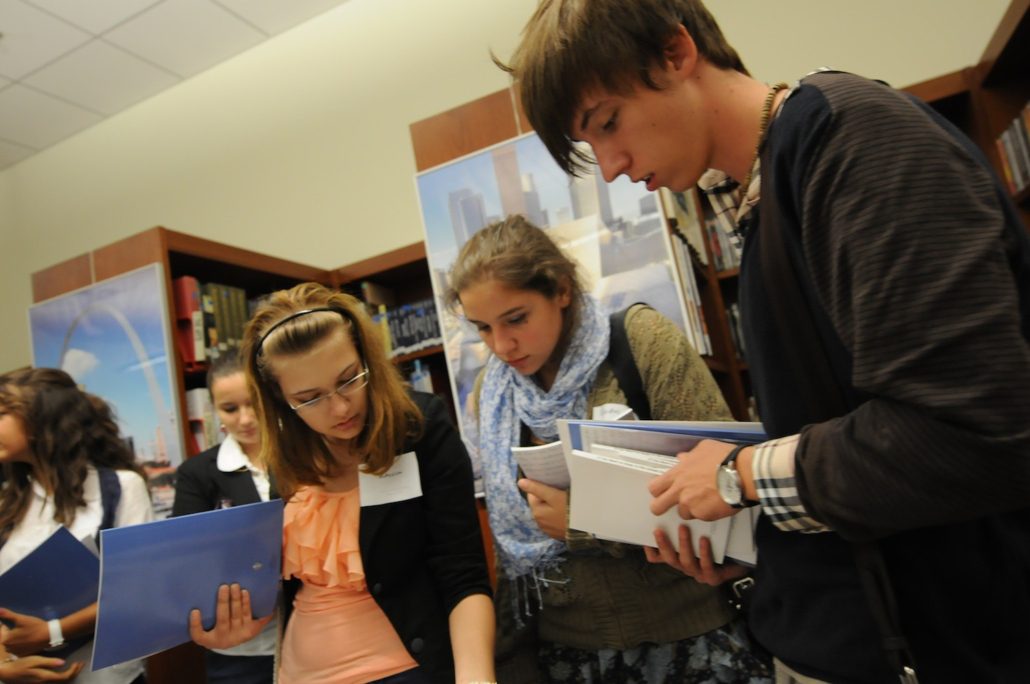
Child Poverty in San MarinoSan Marino is Earth’s oldest constitutional Republic, named after the legendary stonemason Saint Marinus. Despite its rich history, San Marino continues to face challenges related to child poverty. Of the roughly 5,000 children aged 15 or younger, about 6.1% live below 50% of the national poverty line.

This statistic models an ongoing socioeconomic issue that requires persistent attention and committed action from the government. However, children are protected under the Children’s Rights Convention, which provides a vital foundation for their welfare. San Marino offers accessible resources to all adolescents to ensure that protection and stability are allotted to them. This commitment to their well-being is a cornerstone of the nation’s policy.

Justice

Criminal justice is another major issue in San Marino, particularly regarding the treatment of minors. Under the country’s Penal Code, which defines all criminal offenses, children aged 12 or younger cannot be charged with misdemeanors. Arresting a child at that age is considered both illegal and inappropriate. This legal provision reflects understanding child development and safeguarding children’s rights.

However, any child older than 12 can be prosecuted, which has sparked debate about the appropriate age of criminal responsibility. Adolescents under 18 may be granted a pardon under specific circumstances, such as limited cognitive capacity, allowing for flexibility in sentencing. While San Marino does not have dedicated juvenile detention centers, it has established separate divisions for questioning minors, ensuring a more sensitive and age-appropriate approach to handling such cases.

Infant Mortality Rate

San Marino’s low infant mortality rate is a critical health indicator that demands ongoing attention to prevent any potential rise. Between 2013 and 2023, the mortality rate for children under the age of five stood at 1.4 deaths per 1,000 live births, according to the United Nations Children’s Fund (UNICEF). At that time, the population was approximately 33,733. By 2025, it has declined slightly to around 33,572, reflecting a gradual decrease over two years.

Respiratory infections are the most common cause of under-5 mortality in San Marino, with children experiencing symptoms ranging from mild to severe. In response, UNICEF reported that local health clinics have taken action to stabilize rates by providing targeted treatment. For instance, children experiencing diarrhea are given oral rehydration solutions, including fluid-based or pre-packaged treatment packets. These proactive health care measures support the well-being of San Marino’s youngest residents and help lay the foundation for a healthier future generation.

Conclusion

San Marino stands at a critical point, ready to tackle pressing challenges. Issues like child poverty in San Marino, complexities within the criminal justice system and managing mortality rates highlight the nation’s commitment to its youth. With the country introducing the Children’s Rights Convention and with UNICEF’s support, initiatives and instruction have been adhered to with great commitment. Furthermore, the public remains focused on expanding and improving communities, an essential goal for the country’s future. By addressing these concerns with practical solutions, San Marino can reinforce its legacy as the world’s oldest republic and build a more prosperous, equitable society for all its citizens.

– Janae Bayford

Janae is based in Centennial, CO, USA and focuses on Good News and Global Health for The Borgen Project.

Photo: Unspalsh

July 9, 2025
https://borgenproject.org/wp-content/uploads/borgen-project-logo.svg 0 0 Lynsey 2 https://borgenproject.org/wp-content/uploads/borgen-project-logo.svg Lynsey 22025-07-09 03:00:572025-07-08 14:42:13Things To Know About Child Poverty in San Marino
Africa, Global Poverty, Humanitarian Aid

The Impact of Aid on Internally Displaced Persons in Benue

Internally Displaced Persons in BenuePoverty in Nigeria is on the rise, particularly in the North Central region of Benue State, which has endured persistent killings, clashes and displacement for many years. This has resulted in thousands of residents becoming homeless and trapped in cycles of hunger. Both international and local organizations play a crucial role in addressing and alleviating the ongoing crises in this region of Nigeria.

About Benue State

Benue State was established on February 3, 1976, during the reorganization of Nigeria’s states. It was carved out from the former Benue-Plateau State. With more than 30 distinct ethnic groups, including the Tiv, Idoma, Igede and other indigenous communities, Benue boasts a rich cultural tapestry, each contributing its language, customs and artistic expressions.

For decades, the region has been marred by crises, including violent clashes between farmers and herders, which have significantly contributed to the rise of poverty in Nigeria. A particular episode occurred in 2012, known as the “Agatu Massacre,” which persisted until 2016. This conflict between native Idoma farmers and Fulani herders in the Agatu Local Government Area resulted in the loss of approximately 3,920 lives between 2013 and 2017, with an additional 2,000 individuals succumbing to internally displaced person (IDP) camps.

The Benue Crisis

The Benue crisis has continued to escalate, with numerous incidents reported over the years. Notably, in June 2025, about 200 individuals, including IDPs, were killed in the Yelewata and Daudu communities within the Guma Local Government Area. As of 2024, the number of internally displaced persons in Benue has surged to about two million, increasing poverty in the region by preventing people from working and children from attending school, among others.

Local Impact on Internally Displaced Persons

Local humanitarian organizations, including the National Emergency Management Agency (NEMA), the Benue State Emergency Management Agency (BSEMA), the Nigerian Red Cross Society and various security agencies, have collaboratively conducted a rapid needs assessment to facilitate the distribution of essential relief materials. These materials include bags of parboiled rice, maize, spaghetti, vegetable oil, seasoning cubes, tomato paste, iodized salt and nonfood items like mattresses.

On its part, the Foundation for Justice Development and Peace (FIDP) has made significant contributions to the welfare of IDPs in the Guma Local Government Area. It has provided vital support, including constructing an optimized toilet block, solar-powered lighting and a solar-powered borehole for the Daudu 1 and Gbajimba 2 IDP camps. These facilities were developed with generous support from Catholic Relief Services (CRS) to end poverty in those areas.

Furthermore, in January 2025, Benue State Governor Rev. Fr. Hyacinth Alia launched a comprehensive five-year action plan to enhance IDPs’ livelihoods. This initiative includes the establishment of 210 farmers’ cooperatives across all camps in the state, which will benefit more than 4,200 IDPs. The program is designed to provide extensive training in cultivating rice, maize, cassava and vegetables, covering all stages of agricultural production.

International Impact on Internally Displaced Persons in Benue

In addition to local interventions to support IDPs, international organizations such as the International Organization for Migration (IOM) and the United Nations High Commissioner for Refugees (UNHCR) have collaborated to produce a biometric registration progress report. This report reveals verified figures indicating that there are currently 184,711 IDPs across 48,163 households in Benue State.

Notably, 86% of these individuals are women and children, with a demographic breakdown of 56% female, 44% male, 5% elderly, 12% classified as vulnerable and 16% children under five. These statistics were derived from six Local Government Areas (LGAs) identified as having IDPs, based on the Displacement Tracking Matrix (DTM) Round 11 conducted in March 2023.

As of 2025, the IOM has reported an expansion in the locations covered, with 31 new sites added to the 65 previously documented in 2024. This expansion has resulted in an additional 26,165 IDPs being recorded. While the overall distribution of demographics remains consistent, there has been a notable change in the percentage of individuals classified as vulnerable from 12% to 13%.

Utilizing the IOM biometric report, the United Nations Children’s Fund (UNICEF) actively supports the residents of Benue State through various programs, psychosocial resources and counseling initiatives.

Final Remarks

Despite ongoing local and international efforts, the humanitarian crisis in Benue State remains far from over. As displacement continues to rise and resources fall short, sustained support and decisive government action are urgently needed to restore hope and dignity to millions of affected lives.

– Damilola Bukola Omokanye

Damilola is based in Abuja, Nigeria and focuses on Good News for The Borgen Project.

Photo: Flickr
July 9, 2025
https://borgenproject.org/wp-content/uploads/borgen-project-logo.svg 0 0 Lynsey 2 https://borgenproject.org/wp-content/uploads/borgen-project-logo.svg Lynsey 22025-07-09 03:00:012025-07-08 14:05:37The Impact of Aid on Internally Displaced Persons in Benue
Development, Employment, Global Poverty

SPOONS Cambodian Restaurant: Transforming Young Lives

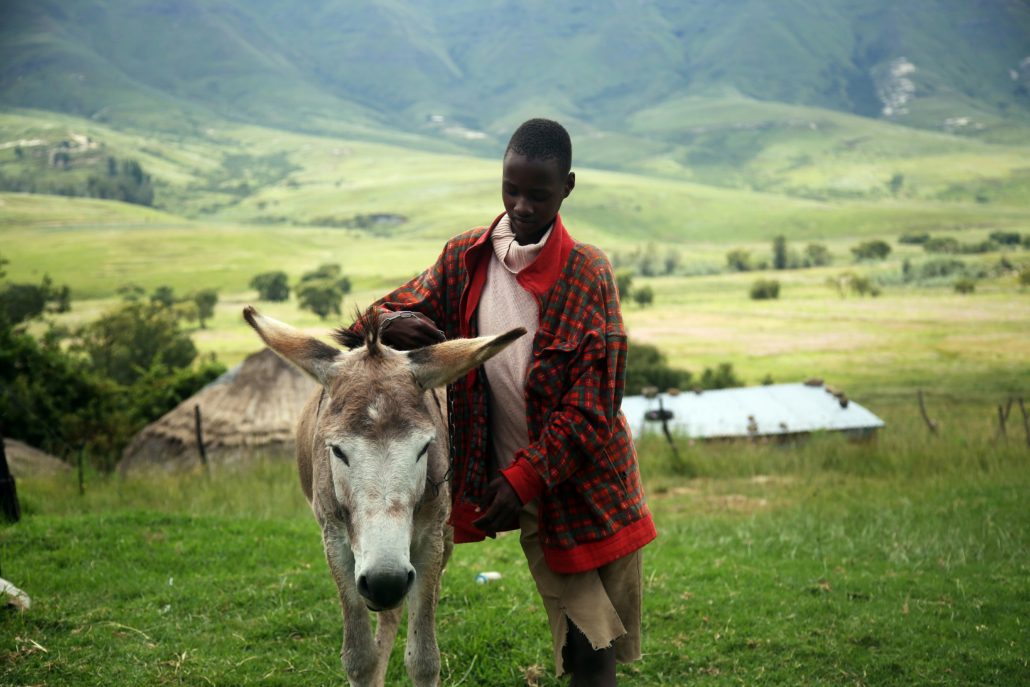
Cambodian RestaurantCambodia has seen rapid economic improvement in the past decade, with around 16% of Cambodians living in poverty in 2023, less than half the percentage in 2016, around 37%. However, many in rural areas and provincial regions still experience destitute conditions. One Cambodian restaurant in Siem Reap, however, is giving young individuals a chance to escape these conditions, giving them a sustainable career path and a better life.

SPOONS, operating a cafe and restaurant out of Cambodia’s popular tourist city, Siem Reap, serves traditional and fusion Cambodian dishes alongside coffee and pastries. This would be impressive enough, but SPOONS is not only a Cambodian restaurant. Doubling as a locally-run charity training young people in culinary, hospitality and barista skills, SPOONS specifically recruits from disadvantaged communities across Cambodia.

The Program

Students are chosen from a pool of more than 350, spanning 10 different provinces. Last year, the 12-month program took on 75 students, 23 of whom had not even completed high school. Most come from rural towns and villages, with the SPOONS organization completing in-person interviews and home visits, to get to know the candidates and their conditions. After selection, they go from the remote jungles to Siem Reap’s budding restaurant scene in no time, transforming their lives.

Living in dorms only a few kilometers away from the restaurant, the students pick specializations and begin their hands-on experience, working with customers from across Cambodia and the world. Not only do they learn to cook, serve customers or bake, they practice vital English language skills alongside this. Last year, the program had no drop-outs – all 75 students graduated, according to the 2024 SPOONS report.

The Vision

This process furthers the SPOONS vision: to engage with the community and allow these young people a chance to escape their disadvantaged lives and make a living. Giving back to the Cambodian people remains the key focus, however. Originally U.S.-based Everything is Going to be Okay (EGBOK) organization shut down during the pandemic due to multiple difficulties, but current president Mao Sophany saw an opportunity to take the project back to Cambodia and start from scratch.

Beginning with just 10 students, the organization trained them up and began to involve the project with local community organizations. With this grassroots focus, by 2024, SPOONS gave back to Siem Reap by offering short courses in hospitality for hotels and Community-based ecotourism projects. The SPOONS organization is quickly expanding from a simple Cambodian restaurant to an influential community charity.

All 75 students found employment within just two weeks of graduation last year. Soon, SPOONS plans on continuing the main program whilst expanding community outreach alongside this, promoting local products and sustainability through its partnerships with other local and international nonprofits, according to the 2024 report.

The Focus

For many young Cambodians, education transforms their lives. Many, however, sacrifice this education for work or struggle to find proper infrastructure in rural communities. Struggling to provide for their families, young people drop out of high school and begin earning, rather than getting an education. SPOONS recognises this. After 12 months, graduates have a year’s experience in their chosen field and an education to support this career path.

The focus in the coming years is to prioritize these high school drop-outs who left education for work. Sophany affirms that, as a local charity it keeps focusing on “empowering Cambodia’s youth and creating a more inclusive society,” according to the 2024 report.

Even after these students start their careers, the SPOONS alumni network slowly builds. The program fosters a desire to give back, helping the next generation’s poor. 150 alumni pledge $2 a month, generating an additional $3,600 annually, which the charity puts towards supporting current students, according to the 2024 report. Graduates, through these donations, directly support the next generation of SPOONS alumni in their goals, creating a connection across generations. Through just one Cambodian restaurant, hundreds of lives are affected.

The Impact

Rachana, one of last year’s graduates, went from feeling hopeless and lost in her rural province of Banteay Meanchey to working at a five-star luxury hotel on Song Saa Private Island. She hopes “that the next generation will try their best to complete their study and create a better life for themselves,” SPOONS repots.

Many in Cambodia never complete high school or, like Rachana, feel this lack of opportunity to escape poverty after graduation. SPOONS is more than just a Cambodian Restaurant; it gives these young people security from uncertainty, and hope from their poverty.

– Lee Stonehouse

Lee is based in Newcastle upon Tyne, UK and focuses on Good News and Politics for The Borgen Project.

Photo: Flickr
July 9, 2025
https://borgenproject.org/wp-content/uploads/borgen-project-logo.svg 0 0 Naida Jahic https://borgenproject.org/wp-content/uploads/borgen-project-logo.svg Naida Jahic2025-07-09 01:30:552025-07-08 13:59:42SPOONS Cambodian Restaurant: Transforming Young Lives
Food Security, Global Poverty, Tourism

Food Systems in the Galapagos Islands

Food Systems in the Galapagos Islands Galapagos—known for its incomparable biodiversity—thrives from its wildlife. Although more people depend on food imports, this causes a significant reliance on shipments. Food production has been slowing down since the 1970s. Farmers have experienced ongoing struggles with harvesting and sustaining agricultural lands.

Every day, approximately 1,100 food imports, consisting of related food, drink and basic equipment, travel 700 miles to arrive in the Galapagos city port, Puerto Ayora. Much of the population obtains imports such as crates of cereal and apples. The prices of food increased over the years due to the timely travel of shipments. Based on forecasts, food imports could increase by around 95% by 2037. 

Efforts to Regenerate Food Systems

Environmental conservation organizations like Global Nomadic are diving into regenerating food systems across the islands. The organization accepts individual internships for an in-person experience, helping promote food manufacturing. More than 10,000 people applied as interns and volunteers to participate in Global Nomadic’s initiatives. The organization also provides instructors to guide committed students in assisting with these projects. About 40 countries have achieved transformation under these initiatives.

The organization involves small, dedicated groups of farmers helping restore soil and protect ecosystems. Some of its present projects range from harvesting gardens, composting, testing fertilizer packaging and seed germination. Global Nomadic believes in restoring organic farming management to grow the ethnic food supply. This is crucial for the Galapagos Islands, which rely significantly on daily shipping. By educating others to cultivate locally fresh crops, the organization aims to enhance sustainable efforts.

Impact of Tourism on Farming in Galapagos

Farmers do not exactly welcome the idea of traditional agricultural farming with enthusiasm due to the number of tourists visiting the islands each year. The industry sold more tours than the amount of food produced. Many local farmers use chemically-based equipment to nurture crops, so they proposed transitioning to a wholesome food system.

Efforts to Promote Family Farming

Galapagos’ Corporate Office, based in Quito, Ecuador, has rolled out two programs to swiftly run food production in the regions. The Heifer Ecuador Organization developed the National Flagship Program to promote family farming to build systemic modifications to improve food systems in the Galapagos Islands. Furthermore, the program gives producers a chance at transforming economic and social progress.

The Flagship Program started in 2020 and has reached nearly 189,000 families living in rural and urban areas. Its 2030 goal is to help 16,000 rural households to diminish all rates of poverty. The organization believes in raising the income of all families to improve lives. In 2019, about 18 value chains were constructed, aiding 32 families. It also spurred 123 organizations and 55 alliances to form, galvanizing strong unity across all communities.

Looking Ahead

Many consider the Galapagos Islands to be a special paradise to visit. The most iconic wildlife discovered there are the green tortoises and blue-footed boobie birds. Despite the vivid diversity, food is scarce for many of the locals. However, ongoing initiatives aim to improve food systems in the Galapagos for the better. The islands continue to hope for a new, revolutionized era.

– Janae Bayford

Janae is based in Centennial, CO, USA and focuses on Business and Good News for The Borgen Project.

Photo: Flickr
July 9, 2025
https://borgenproject.org/wp-content/uploads/borgen-project-logo.svg 0 0 Precious Sheidu https://borgenproject.org/wp-content/uploads/borgen-project-logo.svg Precious Sheidu2025-07-09 01:30:442025-07-08 13:43:12Food Systems in the Galapagos Islands
Disability, disability and poverty, Global Poverty

Everything To Know About Disability and Poverty in Andorra

Disability and Poverty in AndorraMany countries have developed plans and programs to help the disabled, be it through funding, services or a mix of both. For example, Andorra’s government provides many different benefits and social programs to help combat disability and poverty in Andorra.

An Overview of Disability and Poverty in Andorra

Andorra, as a country, has impressive anti-discriminatory laws when it comes to disabled groups in its nation. Andorra is a signatory of the 2006 United Nations (UN) resolution, “Convention on the Rights of Persons with Disabilities (CRPD).” In accordance with being a signatory to this resolution, Andorra offers numerous provisions to “general obligations of the public authorities with respect to the exercise of human rights and fundamental freedoms by persons with disabilities.” This includes “[improving] access to communication for all persons with disabilities,” providing protections for service dogs, and regulating that landlords will not charge renters for improvements to their dwellings with the intention of improving accessibility.

In addition, disabled members of Andorra’s population are allowed to access public funds—such as disability pensions and social insurance—in order to help them pay for food, rent and other basic necessities, provided they meet a certain number of criteria.

Disability Benefits

The government of Andorra gives much to the disabled community to combat disability and poverty in Andorra. For most, the government calculates the amount of a disability pension that someone is entitled to by “multiplying the insured’s total lifetime pension points by the value of the pension point.”

There are multiple pension types in Andorra as well, each corresponding to a specific disability benefit that the government offers. For example, Andorra offers social insurance to the disabled so long as the disabled are younger than the retirement age. Additionally, recipients must have an assessed earning loss of at least 60% due to their disability and have at least 12 months of contributions if they are under the age of 21.

The disability solidarity pension, meanwhile, offers disability benefits to those who are older than 18 but younger than the retirement age of Andorra. The income of the disabled must also be less than the “social cohesion threshold,” which is “100% of the legal monthly minimum wage for a person living alone[…] plus 50% for each dependent child younger than age 14.”

Once someone who is disabled reaches the Andorran retirement age, the Andorran government phases out of the disability pension program they are on, and phases them into Andorra’s old age pension system.

Looking Ahead

Studying how the Andorran government is combating disability and poverty in Andorra can be beneficial in numerous ways. For one, it can allow people to fully understand how Andorra can apply the social policies it has to help the disabled to the general population. Understanding the framework for how Andorra cares for its disabled can help to combat areas of social division where Andorra is lacking. One such example is coverage of essential health services, which, as of 2021, UNICEF marked as only average compared to other nations.

– Caelan Caukin

Caelan is based in Los Angeles, CA, USA and focuses on Global Health and Politics for The Borgen Project.

Photo: Unsplash

July 8, 2025
https://borgenproject.org/wp-content/uploads/borgen-project-logo.svg 0 0 Jennifer Philipp https://borgenproject.org/wp-content/uploads/borgen-project-logo.svg Jennifer Philipp2025-07-08 08:54:412025-08-04 14:07:38Everything To Know About Disability and Poverty in Andorra
Disease, Global Poverty, Technology

Fighting Diseases in Mozambique With an App

Diseases in MozambiqueMozambique, a country in southeastern Africa, has implemented a new digital system and app that helps community health workers in poor and rural areas fight diseases.

Community Health Workers in Mozambique

To ensure access to health care for everyone in the country, community health workers serve Mozambique’s more rural and impoverished areas. Community health workers diagnose and treat many diseases in Mozambique, including malaria, pneumonia, malnutrition and diarrhea.

They also provide family planning services, antenatal care, postpartum care and pregnancy tracking. Further, they give healthy children check-ups and follow-up care for patients with tuberculosis and HIV.

What is upSCALE?

upSCALE consists of two different applications. One is an app for supervisors of community health workers. The app allows them to monitor health care workers’ performance and monitor the stock levels of medical and health care supplies. It also allows them to schedule and follow up on supervisory visits.

The second application is designed for community health workers themselves. It features the Mozambique Ministry of Health’s official curriculum. It guides users through treatment, diagnosis, patient referrals, follow-ups, registration and routine health checks.

The program provides community health workers with mobile phones and supervisors with tablets to access the apps. Community health workers receive an initial five-day training on using the app, followed by a two-day refresher each year. Supervisors receive additional training tailored to their role. Between 2017 and 2022, the upSCALE app registered approximately 650,000 patients and supported health care services for more than 200,000.

How upSCALE Helps Fight Diseases in Mozambique

The app was originally developed to improve the quality and coverage of local health care. It aims to address community health workers’ inconsistent adherence to clinical guidelines and the inadequate supply of medications and health supplies. The app has largely been successful in both of these goals. By allowing supervisors to monitor the real-time stock of medication and health supplies, they can ensure that the stock never runs out.

Both apps have also helped the Ministry of Health fight diseases in Mozambique by giving the sector accurate and up-to-date information about the spread of diseases in the country. The information is also disease-specific, allowing the government to make informed decisions about community health interventions.

On a local level, the information enables supervisors to target their interventions and allocate resources more effectively. It has also been valuable for malaria treatment, helping to fill key knowledge gaps in malaria research.

Conclusion

The upSCALE app has proven to be a game-changer in Mozambique’s fight against disease. The country has strengthened health care delivery in underserved areas by equipping community health workers and their supervisors with essential digital tools. With improved adherence to clinical guidelines, real-time data sharing and better resource allocation, upSCALE saves lives and shapes the future of public health in Mozambique.

– Axtin Bullock

Axtin is based in Georgetown, MA, USA and focuses on Technology and Global Health for The Borgen Project.

Photo: Unsplash

July 8, 2025
https://borgenproject.org/wp-content/uploads/borgen-project-logo.svg 0 0 Lynsey 2 https://borgenproject.org/wp-content/uploads/borgen-project-logo.svg Lynsey 22025-07-08 07:30:412025-07-08 02:14:06Fighting Diseases in Mozambique With an App
Global Poverty, Humanitarian Aid, Poverty Reduction

Everything To Know About Poverty in El Salvador

Poverty in El SalvadorNestled along the Pacific coast of Central America, El Salvador is a middle-income country home to around 6 million people. Since the establishment of a republican government in 1992, following a decade-long civil war, widespread gang violence and economic turmoil have plagued the country. Nonetheless, poverty rates have consistently declined by a total of 14% from 2000 to 2023, suggesting that El Salvador is trending upwards.

“The world’s coolest dictator,” Nayib Bukele, is attempting to transform El Salvador into a burgeoning digital hub, with Google announcing plans to open offices there in 2024. However, even during this wave of digitization and Bukele’s crackdown on organized crime, poverty in El Salvador remains a major problem.

As of 2023, 30.3% of the population lives in poverty, while 40% of the population lives in a situation of vulnerability. This is everything to know about poverty in El Salvador.

Everything To Know About Poverty in El Salvador

  • The COVID-19 Pandemic Impacted Poverty: The COVID-19 pandemic exacerbated economic conditions for many living in poverty. The poorest households lost between $90 to $100 of monthly income during the pandemic, and have yet to recover these wages. Furthermore, the likelihood of falling into poverty grew from 14.4% to 20% during the pandemic and has not decreased since.
  • Changing Weather Patterns are Worsening Poverty: In 2024, heavy flooding interfered with construction and public investment projects, slowing economic growth in El Salvador. The flooding forced almost 4,000 people into shelters and interfered with small-scale agriculture and fishing. This placed the poorest Salvadorans at great risk of food insecurity. Experts estimate that a severe natural disaster in El Salvador could potentially double the number of people living in extreme poverty.
  • Bitcoin and Digitization is Still Inequitable: El Salvador invested heavily in digital projects in order to spark economic growth—adopting Bitcoin as the official currency in 2021—but these investments have not reached some of the most impoverished and rural segments of society. El Salvador ranks last in broadband access among Latin American and Caribbean countries. Additionally, automation threatens the jobs of seven out of 10 El Salvadorans working in poverty, showing the limitations of technological development.
  • Job Opportunities are Poor, Particularly for Women: Job inactivity is acute, as 1.7 million Salvadorans are not seeking a job, while women in El Salvador suffer some of the highest inactivity rates in all of Latin America. Additionally, working age women (ages 20 to 44) suffer higher poverty rates than men, and the gap in these rates is still growing.
  • The Urban-rural Divide Persists: Rural populations experience significantly worse income and job opportunities versus urban populations, as well as access to services such as clean water or sanitation. The extremely poor in rural areas make just $31 per month, while the non-poor in urban areas make $710 per month on average—a massive discrepancy.
  • Education is a Major Hurdle: Salvadorans complete an average of 7.3 years of schooling, but these numbers are much worse for rural areas, at only 5.6 years. Children living in poverty have the lowest rates of literacy and school attendance. Education is a very effective pathway out of poverty, as poverty rates drop to 16% with secondary schooling and only 5% with a university education, but it unfortunately remains inaccessible to many.
  • Remittances Underlie the Salvadoran Economy: El Salvador was in the top 10 countries in the world for the highest flow of remittances in 2023, and the government recently created an e-wallet to help make remittance transfers easier. Salvadorans make up the fourth largest immigrant group in the United States, so much of the money being sent to El Salvador is earned by workers in the U.S. However, remittances can discourage formal employment, meaning a reliance on them could become an obstacle to growth.

Solutions

CLOC-Vía Campesina-El Salvador, a grassroots advocacy group representing peasants, small farmers, indigenous people and other disadvantaged groups, fights for the rural poor in El Salvador. It is tied to the global La Vía Campesina movement, which has connected peasants around the world in a struggle for food sovereignty and security since 1993. CLOC-Vía Campesina-El Salvador is calling on the government for greater credit and funding to rural farmers, phytosanitary programs to eliminate screwworms and integration of rural farmers into local markets. 

The Salvadoran American Humanitarian Foundation (SAHF) operates out of Miami in tandem with its Salvadoran sister group, FUSAL, to combat poverty in El Salvador. The groups focus on childhood development and malnutrition, educational disparities and natural disaster relief. In 2023, they sent an astounding $43 million in humanitarian goods to El Salvador, including glasses, food, wheelchairs, blankets, medicine and oral rehydration packets, which reached more than 100,000 people.

What Is Next for El Salvador?

Although these challenges to ending poverty in El Salvador remain, the country is making major strides towards poverty reduction. Compared to Latin American countries with similar income levels, El Salvador has some of the lowest poverty rates, and income inequality in El Salvador is among the lowest in all of Latin America. Additionally, the country has begun to manage its debt and spending effectively, which qualifies El Salvador to receive a $120 million loan from the IMF. This funding will allow the government to begin addressing some structural causes behind poverty, such as corruption, weak access to credit and low employment. Compared to its peers, El Salvador is on the right track to eradicating poverty, but they still have a lot of work left to get there.

– Max Turnacioglu

Max is based in Bethesda, MD, USA and focuses on Business and Politics for The Borgen Project.

Photo: Flickr
July 8, 2025
https://borgenproject.org/wp-content/uploads/borgen-project-logo.svg 0 0 Jennifer Philipp https://borgenproject.org/wp-content/uploads/borgen-project-logo.svg Jennifer Philipp2025-07-08 07:30:372025-07-08 02:09:37Everything To Know About Poverty in El Salvador
Global Poverty, Health, Sustainable Development Goals

Updates on SDG 3 in the Russian Federation

SDG 3 in the Russian FederationThe Russian Federation has long borne the burden of chronic diseases. More than 40% of citizens are living with two or more long term health conditions, which cause 86% of deaths in Russia. There are a number of systems addressing this systemic issue, including The Federal Research and Practical Center for Palliative Medical Care in Sechenov University. On June 5th, 2025, the World Health Organization (WHO) designated this center as a Collaborating Centre for Training in Palliative Care. This designation reflects Russia’s dedication to improving Sustainability Development Goal (SDG) 3, Good Health, by improving the quality and accessibility of palliative medical care in the Russian Federation.

What Is Palliative Care?

Palliative care aims to alleviate suffering and improve quality of life among people with serious illnesses. According to the Osteosarcoma Institute, palliative care involves understanding the symptoms and pain that come with an illness and then, working in collaboration with a medical team to focus on comfort. Examples of palliative care include treatment for terminal cancer patients, Alzheimer’s patients, hospice care and pain management.

How Does Palliative Care Affect Poverty?

Access to health care is so crucial in the fight against global poverty, but why palliative care? As the Osteosarcoma Institute states, palliative care is providing care to those with serious and long-term illnesses. The long-term care necessary for these illnesses can get expensive very quickly, and without accessible palliative care, many can find themselves staring down the barrel of poverty. Palliative care also provides stability to people with these illnesses, which allows them to retain work. Essentially, poverty and palliative care share many connections. If somebody lacks access to long term services, they can quickly find themselves in poverty. Below the poverty line, health care access is even less accessible. Therefore, increasing access to palliative care is an effective method to reduce the number of those living in poverty. 

The Center’s Mission and Objectives

Sechenov University organized The Federal Research and Practical Center for Palliative Medical Care in 2019 to develop the palliative medical care system in Russia. Specifically this institution aimed to bring better health care to Russian citizens. Article 36 of the Russian Constitution defines said health care as a social fundamental right. The Center itself focuses on the organizational side of the mission, by developing and implementing programs that will deliver this care to Russian citizens. By training medical personnel focused on palliative care, they are raising the quality of the health care industry across Russia. By bringing this program to Russia, they are ensuring more people have access to this long-term and expensive care. In doing so, they’re also reducing the presence of poverty. 

Global Implications

The Federal Research and Practical Center for Palliative Medical Care, located in Sechenov University, is a center that is establishing a new standard for medical care in Russia. However, its implications reach much farther than that. The center has long partnered with prestigious medical institutions such as Harvard University, Johns Hopkins University and Oxford University. In doing so, they are fostering a new culture in the health care industry and creating a global exchange of research, expertise and medical knowledge. These partnerships develop systems that provide quality palliative care to those in need across the globe. As a result, this institution is strengthening the quality of medical care that Russian citizens have access to. Furthermore, it is cultivating globally competent palliative care and reducing the presence of poverty world-wide.

Challenges on the Path Forward

While major steps have been made toward SDG 3 in the Russian Federation, good health does not come easy. The path to improvement holds a number of challenges: lack of financing, shortfall of medical personnel and distribution of medical care. Specifically, in recent years, as the aggression between Ukraine and Russia deepens, the Russian Federation has prioritized military spending. This leaves the medical industry without the funds they need to progress. As a result of this, there is a blatant shortfall of medical personnel in numerous regions. For example, the Center for Eastern Studies notes that Altai Krai requires more than 1,500 physicians and 1,200 mid-level practitioners.

Moscow, the nation’s capital and largest city, is more fortunate with financial and medical resources. This makes it a hotspot for medical treatment in Russia. Moscow citizens reap the benefits of specialized hospitals, medical professionals and major investments into health care infrastructure. However, those outside the major city receive severely inferior treatment. To work toward the United Nations SDG 3 in the Russian Federation, policymakers must address the uneven distribution of these necessary resources.

A Step Toward Better Care

The World Health Organization’s recent designation of the center as a WHO Collaborating Centre for Training in Palliative Care marks an important step in pursuit of SDG 3 in the Russian Federation. It is a symbol of medical progress in Russia and across the world. Its mere existence fosters global exchange of information that improves the palliative care industry exponentially. By addressing their shortfalls in funding, staffing and infrastructure and redistributing materials more equitably across the nation, the Russian Federation will only continue to propel the medical industry to progress and reduce poverty globally. It is the hope of this center that one day it will not be an isolated example of progress. Instead, it will serve as the national standard for palliative care.

– Caroline May

Caroline is based in Denver, CO, USA and focuses on Good News and Technology for The Borgen Project.

Photo: Pixabay

July 8, 2025
https://borgenproject.org/wp-content/uploads/borgen-project-logo.svg 0 0 Jennifer Philipp https://borgenproject.org/wp-content/uploads/borgen-project-logo.svg Jennifer Philipp2025-07-08 03:00:272025-07-08 01:48:23Updates on SDG 3 in the Russian Federation
Disease, Global Poverty, Health

5 Diseases in Hawaii

Diseases in HawaiiThough Hawaiians live next to lush nature and clear blue waters, they are vulnerable to several diseases. The state’s 21% shortage of physicians exacerbates their risk, according to the Hawaii Journal of Health & Social Welfare, and Hawaii has the third highest cost of living in the United States. Additionally, the population of 1.5 million people, 376,000 of whom are Native Hawaiians, is at the highest levels of poverty in Hawaii. These are five common diseases in Hawaii.

1. Leptospirosis

The first of the diseases in Hawaii is leptospirosis. This is a bacterial disease that commonly exists in warm climates; of the 100-200 cases identified in the United States, around 50% occur in Hawaii, as KHON2 reported. Leptospirosis can infect both humans and animals, and symptoms include fever, headaches, muscle aches, red eyes, vomiting and diarrhea. Most cases are mild, but extreme cases can cause both acute liver and kidney failure or even death if not treated. 

According to the Hawaii Department of Health (DOH), one of the most common ways people contract Leptospirosis is by swimming in bodies of fresh water such as ponds, rivers or streams; if the urine from an infected animal seeps into a body of freshwater, it an be contaminated, and the bacterium can enter through broken skin, the mouth, the nose or eyes. 

In 2023, Hawaii Pacific University received $50,000 to research how leptospirosis grows in Hawaii’s wetlands and fishponds. To stop the spread, recommendations are that people not swim in freshwater bodies of water, drink from freshwater bodies, keep animals from accessing catchment water-collection areas from tree branches, and vaccinate farm animals and pets. Antibiotics like doxycycline or penicillin can treat the disease.

2. Oral Cancers

According to the University of Hawaii Cancer Center, the rate of oral cancer in Hawaii is higher when compared to the rest of the United States. Early symptoms can include a bump or sore in the mouth that has not healed in two weeks, difficulty swallowing, numbness in your mouth or face or constant earaches, and the survival rate is only 50%, according to Hawaii News Now.

One of the theorized causes of these higher rates is betel nuts. As part of cultural practices in Asia and the Pacific Islands, it is meant to be chewed sometimes with either tobacco or lime, which research suggests can cause oral cancer, according to the National Institute of Health. 

Two organizations fighting oral cancer in Hawaii are the Oral Cancer Foundation (OCF) and the University of Hawai’i Cancer Center. OCF funds oral cancer research, like through their Oral Cancer Walk in Honolulu that raised more than $5,000 for oral cancer research, and connects people to free oral cancer screening events. At the University of Hawai’i Cancer Center, researchers have found new treatments for oral cancer survivors that include exercise. 

Experts encourage individuals experiencing early symptoms to get screened for oral cancer. Additionally, Oral and Maxillofacial Surgery Associates, Inc. recommends performing monthly self-examinations using a light and mirror to detect any unusual changes.

3. Legionellosis

Legionnaires’ disease and Pontiac fever are both referred to as Legionellosis. It is a disease caused by Legionella bacteria. While Pontiac fever is a milder infection similar to the flu, Legionnaires’ disease is a potentially deadly lung infection, according to the U.S. Department of Labor. Hawaii News Now reported that the bacteria can be found in plumbing systems, hot water tanks, water fountains and air conditioning systems. 

In recent years, there have been high-profile incidents of Legionella bacteria being found in water systems that serve a large number of people. In May 2022, the DOH confirmed five people were infected at a hotel in Waikiki. Then, in June 2024, Hawaii News Now reported legionella bacteria were discovered in the Prince Jonah Kuhio Kalanianaole federal building and courthouse in downtown Honolulu; around that same time, detectable levels of bacteria were found in six other federal buildings.

Though not specifically in Hawaii, there are organizations that provide education, conduct research and advocate among federal and state governments to prevent the spread of Legionellosis. These include Legionella.org and the Alliance to Prevent Legionnaires’ Diseases.

Those who are over the age of 50 or have a history of chronic lung disease, weakened immune system or cancer are at an increased risk of developing Legionnaires’ disease when exposed to Legionella bacteria. Symptoms of Legionnaires’ disease include cough, shortness of breath or fever.

4. Melanoma

The skin’s overexposure to ultraviolet radiation (UV rays) from the sun can cause melanoma, and since Hawaii receives so many UV rays, Hawaiians are often more vulnerable. In a study of melanoma cases due to UV radiation across the United States, nearly 97% came from Hawaii; this is according to a study that the International Journal of Cancer conducted. The study also found that 94% of all cases in the United States occurred in non-Hispanic whites.

Organizations in Hawaii work to educate the public on how to reduce the risk of melanoma. In 2021, the University of Hawaii Cancer Center partnered with the Hawaii Skin Cancer Coalition to educate the public on how to stay safe while in the sun. When the sun is brightest between 10 a.m. and 4 p.m., they recommend that you seek shade whenever possible. Additionally, they encouraged the use of UV-protecting clothes, sunglasses, and sunscreen above SPF 30 and reapplied every two hours.

Additionally, the American Cancer Society in Hawaii provides resources for those battling cancer in Hawaii. They provide both transportation to medical appointments, through the Road to Recovery Program, and housing for Hawaiians battling cancer at the T.C. Ching Hope Lodge.

5. Measles

Another of the diseases in Hawaii is measles. Measles is a highly infectious disease that causes pneumonia, brain inflammation and death; it is also highly contagious, especially in areas with low rates of vaccination. Symptoms can include high fever, cough, runny nose and red eyes that are watery.

According to the DOH, a laboratory confirmed in April that measles infected two people, one school-age child and one adult; this came as measles cases all around the United States rose to more than 1,200. Though almost 90 people were exposed, most were either vaccinated or immune; the DOH said it is important that people in Hawaii are vaccinated to prevent outbreaks.

Looking Ahead

Though some of the diseases in Hawaii listed above are present all over the United States, it is important to consider how vulnerable Hawaiians are to these diseases. Considering the rates of poverty and income inequality in the state, especially among Native Hawaiians, those who contract these diseases will have a far harder time affording treatment and care. This underscores the importance of nonprofit work in Hawaii that fights both common diseases and financial insecurity in Hawaii.

– Seth Pintar

Seth is based in San Diego, CA, USA and focuses on Business and Politics for The Borgen Project.

Photo: Unsplash

July 8, 2025
https://borgenproject.org/wp-content/uploads/borgen-project-logo.svg 0 0 Jennifer Philipp https://borgenproject.org/wp-content/uploads/borgen-project-logo.svg Jennifer Philipp2025-07-08 03:00:062025-07-08 01:41:305 Diseases in Hawaii
Economy, Education, Global Poverty

Vocational Education Training Centers in Singapore 

Vocational Education Training Centers in SingaporeSingapore, a country that claimed independence from its colonial origins in 1965, is a budding country that has an extraordinary amount of economic and educational opportunities. Just decades after its independence, the country has begun its rapid development, topping the charts as one of the world’s highest GDP growth in recent times. From face value, it seems that Singapore’s growth was almost magical. However, many scholars and experts attribute vocational education training centers in Singapore with its growth, and this article takes a closer look at these institutions.

History of Singapore

Singapore’s growth does not come without issues. Before its independence, the British ruled Singapore, who saw the country as a trading center and did not have any interest in improving the region itself. During independence, Singapore’s citizens had an average income of $500. More than 70% of the citizens lived in poor conditions, and Singapore faced double digit rates of unemployment. During this time, Singapore wanted to design a formalized form of education in order to begin its industrialization and growth. Vocational education, which is a form of education that teaches individuals practical skills for the workforce, was an opportunity to swiftly equip Singapore’s population with the skills necessary for economic growth, and vocational training centers in Singapore were perfect for this task.

A New Future

In 2015, Singapore launched the SkillsFuture Initiative, a national movement that emphasized the need for skills relevance and paved the way for more vocational education. From there, vocational education training centers in Singapore began to form in all regions of Singapore in order to serve all demographics.

Singapore’s most major vocational education center is the Institute for Technical Education. This institution reformed curricula, created new initiatives and created a closer tie with the workforce and education. These institutions, alongside others, are responsible for the massive growth that Singapore’s economy has been going through because it teaches its citizens technical skills that can help benefit themselves and the country.

The Impact

The impact of Singapore’s vocational education training centers has been profound. Once vocational education began to improve with the newly elected government, benefits began to appear. Indeed, by 2005, graduates of vocational education centers had an employment rate of 90%, marking it one of the highest in the world.

The impact goes beyond individuals. By creating an educated population that understands the workforce and economy, Singapore has effectively created a workforce that wants to improve its own country. Technological innovation, medicine breakthroughs and manufacturing booms were the result of a workforce that is quickly growing in quantity and quality. 

The Next Steps

The impact of vocational education training centers in Singapore has only just begun. Indeed, considering the short history of Singapore, experts project that the economy will only improve. Furthermore, as it is looking more towards expanding into the global market through its highly qualified workforce, more and more major companies are considering doing business in this small yet mighty country.

This will result in more economic growth and opportunities for the people of Singapore, and it is through that, the lives of the people in Singapore will continue to improve at impressive rates. What was once a region mistreated by its colonial owner has transformed into a hub of technological growth and global leadership. On top of topping the charts for impressive GDP growth, Singapore is a country that has improved each of its citizens’ lives through a transformed economy. 

Due to a national movement that involved teaching Singaporeans technical skills, the vocational education centers have effectively transformed the area into the bustling region it is today.

– Kallen Zhou

Kallen is based in Hattiesburg, MS, USA and focuses on Business and Technology for The Borgen Project.

Photo: Wikimedia Commons

July 8, 2025
https://borgenproject.org/wp-content/uploads/borgen-project-logo.svg 0 0 Jennifer Philipp https://borgenproject.org/wp-content/uploads/borgen-project-logo.svg Jennifer Philipp2025-07-08 01:30:292025-07-08 01:35:07Vocational Education Training Centers in Singapore 
Page 161 of 2162«‹159160161162163›»

Get Smarter

  • Global Poverty 101
  • Global Poverty… The Good News
  • Global Poverty & U.S. Jobs
  • Global Poverty and National Security
  • Innovative Solutions to Poverty
  • Global Poverty & Aid FAQ’s
Search Search

Take Action

  • Call Congress
  • Email Congress
  • Donate
  • 30 Ways to Help
  • Volunteer Ops
  • Internships
  • Courses & Certificates
  • The Podcast
Borgen Project

“The Borgen Project is an incredible nonprofit organization that is addressing poverty and hunger and working towards ending them.”

-The Huffington Post

Inside The Borgen Project

  • Contact
  • About
  • Financials
  • President
  • Board of Directors
  • Board of Advisors

International Links

  • UK Email Parliament
  • UK Donate
  • Canada Email Parliament

Get Smarter

  • Global Poverty 101
  • Global Poverty… The Good News
  • Global Poverty & U.S. Jobs
  • Global Poverty and National Security
  • Innovative Solutions to Poverty
  • Global Poverty & Aid FAQ’s

Ways to Help

  • Call Congress
  • Email Congress
  • Donate
  • 30 Ways to Help
  • Volunteer Ops
  • Internships
  • Courses & Certificates
  • The Podcast
Scroll to top Scroll to top Scroll to top