Project HOPE: Improving Syria’s Health Crisis
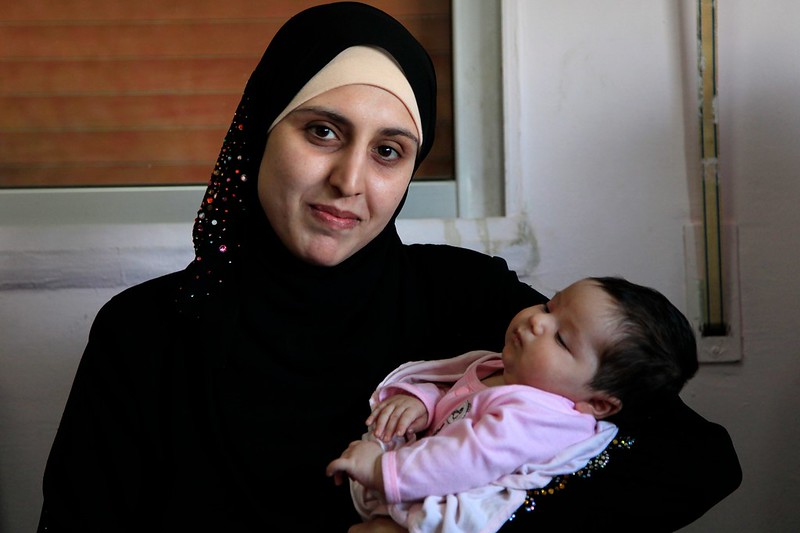 The end of the 24-year regime of Syrian president Bashar Al–Assad has led to the conclusion of a decade of civil war. It has also exposed major gaps in humanitarian and health care needs. Impacted areas across Syria are facing significant gaps in health care, nutrition, water supply, hygiene and sanitation. Specialized medical staff, essential medications, functional infrastructure and psychosocial support remain in short supply. At the same time, malnutrition, inadequate shelter and logistical challenges continue to hinder delivery.
In the middle of Syria’s health crisis, Project HOPE, in coordination with the Jordan Health Aid Society-International (JHASi), is delivering essential medical supplies and working with local partners to assess health and humanitarian needs. The team has identified shortages of medicine, basic medical supplies and staff.
Problems Facing Health Care Infrastructure
Diseases, such as cholera and acute watery diarrhoea, are spreading due to Syria’s health crisis. According to Dr. Altaf Musani, the U.N. World Health Organization Director of Health Emergencies, more than 1,444 suspected cases of cholera and seven associated deaths have been recorded. He said, “We know that when cholera gets hold in camps, it can serve as a brush fire, increasing both morbidity and mortality.” He also warned that more than 416,000 children in Syria are at risk from severe malnutrition and that at least half of children under 5 suffering from severe acute malnutrition are not receiving treatment. Dr. Musani also noted that more than 50% of the maternity hospitals in northwest Syria have suspended operations due to underfunding since September 2024.
Dr. Musani said that Syria’s health crisis is partly because the country’s health facilities lack funding and face shortages of skilled workers and equipment. The war forced 50% to 70% of the health workforce to leave the country to look for other opportunities and the health infrastructure still needs investment.
The Impact of Syria’s Health Crisis
Syria’s health care system has undergone a lot of changes in the past decade. The conflict itself devastated the health care system due to loss of health infrastructure, systematic attacks on health care facilities and the mass exodus of health care workers. Parallel governance structures resulted in a fractured and inconsistent health care landscape.
The full impact of Syria’s health crisis falls most heavily on vulnerable populations. Women in need of maternal care face restricted access to maternal health care facilities. Children experience disrupted vaccine schedules and a shortage of pediatric care. Refugees and internally displaced people lack even basic medical services. Older individuals and people with chronic conditions experience inconsistent access to necessary medications, which intensifies preventable health complications.
HOPE in Syria
Project HOPE delivered the first nonprofit shipment of medical supplies to southwestern Syria with the support of JHASi and the Al Yusr Charity Organization. The shipment included essential medicine and medical supplies for more than 5,000 people. This part of the country had previously been inaccessible to aid organizations following the end of the Assad regime, contributing to Syria’s health crisis.
Project HOPE has been operating in southern Syria and has assessed 13 hospitals and medical centers in the Daara and Suwayda Governorates since mid-December to identify the greatest health needs. The assessment found significant gaps in health care, nutrition, mental health support and water, hygiene and sanitation services. “Southern Syria desperately needs humanitarian attention, including food aid, health sector support, clean water and mental health care services, particularly for vulnerable groups like women, children, older adults and people with disabilities,” said Laith Salman, Project HOPE’s Team Lead in Syria.
Looking Ahead
Project HOPE has made accomplishments in the field by working to relieve the complications caused by Syria’s health crisis. “A large portion of the population is experiencing trauma, depression and anxiety due to the effects of war. While there are efforts from NGOs to provide mental health and psychological (MHPSS) support, there is a significant lack of trained mental health professionals, specialized facilities and MHPSS programs in the area to help those suffering from the psychological aftermath of decades of conflict,” says Laith Salman. Syria will require continued support from NGOs to recover from its post-conflict health crisis. Project HOPE is one example of an organization providing ongoing assistance to help address the impact of the conflict.
– Abirame Shanthakumar
Abirame is based in Markham, Ontario, Canada and focuses on Global Health for The Borgen Project.
Photo: Flickr
