 Spanish Town Hospital’s urology department recently celebrated its fifth anniversary on June 28, 2026, with new equipment. This equipment will help serve the severe need for health infrastructure to support patients with prostate cancer in Jamaica.
A Generous Anniversary
Spanish Town Hospital is located in St. Catherine, Jamaica’s fastest-growing parish. It serves patients from Kingston and St. Andrew, as well as parts of Clarendon, St. Mary and St. Ann. It is one of 24 public hospitals on the island.
In celebration of its anniversary, the urology department received equipment for detecting and treating prostate cancer. The Jamaican National Health Fund and private companies generously supported the department and paid for the lifesaving equipment. Donors gave Spanish Town Hospital new equipment, including an advanced ultrasound machine, prostate biopsy machine and prostate biopsy gun.
This equipment is critical for Jamaicans given the high rate of prostate cancer on the island. Prostate cancer is the most commonly diagnosed cancer among Jamaican men, accounting for 38.5% of new cancer cases among men in 2024. Prostate cancer is also the leading cause of cancer deaths among Jamaican men. In 2024 alone, Jamaica recorded 1,394 new cases of prostate cancer and 809 deaths.
Cost
Screening for prostate cancer and catching the disease in its earliest stages is one of the easiest ways to prevent cancer deaths. However, researchers most often cite socioeconomic factors as the reason many Jamaicans do not get screened for prostate cancer. As socioeconomic status rises, so does screening for prostate cancer. Early detection of prostate cancer is also positively correlated with socioeconomic status. This means those in poverty face the highest risk of late detection, and therefore death.
Furthering the disparity, Jamaica splits its health care system into private and public services. Generally, private hospitals have shorter waiting times, more resources and better-qualified personnel. As socioeconomic status increases, so does use of private health care systems. Private hospitals, and therefore the best screening for prostate cancer in Jamaica, are too expensive for those in poverty to access.
World Bank data from 2021 lists 16.7% of the population as below the Jamaican national poverty line. That represents more than a sixth of the population unable to access the lifesaving technology found in private hospitals. These Jamaicans also cannot get preventative testing for deadly prostate cancer.
Good News
Spanish Town is a public hospital that now has the capabilities to help those in poverty receive screening and treatment for prostate cancer.
Dr. Elon Thompson, the leader of the urology department, told the Jamaica Gleaner the new equipment fills “one of the key missing components” in treating patients. He added that it will help the department diagnose prostate cancer earlier.
This equipment upgrade is part of an effort to turn the 70-year-old hospital into a modern center of health care. Officials estimate the renovations will cost 5.5 billion Jamaican dollars, or about $347.8 million. The Inter-American Development Bank (IDB) is financially supporting the government of Jamaica to cover the cost. The IDB funds development throughout Latin America and the Caribbean, and it receives a large share of its own operating budget from the United States.
– Isabella Law
Isabella is based in Pilesgrove, NJ, USA and focuses on Good News and Global Health for The Borgen Project.
Photo: Flickr
 Globally, period poverty remains a widespread problem. The World Bank estimates that
  In 2024, approximately 4.9 million children worldwide died before their fifth birthday, with 2.3 million of these deaths being newborns. Around
 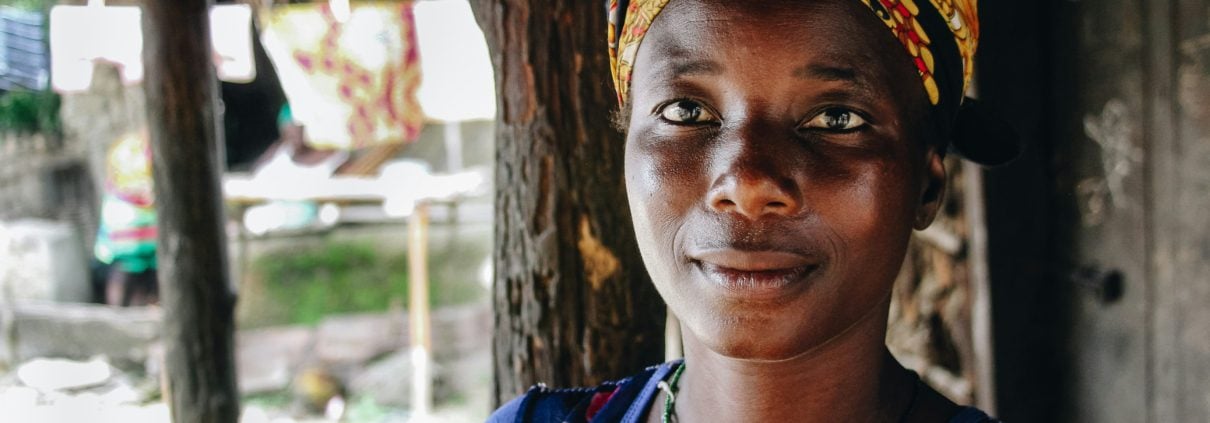 In a small, rural community in the interior lowlands of Sierra Leone, a young woman experienced days of obstructed labor, which unfortunately resulted in the loss of her child. While she survived, severe complications from her perilous delivery caused heavy urinary and fecal leakage, leading to extreme postpartum depression and isolation from the community due to stigma. For years, this has been the
 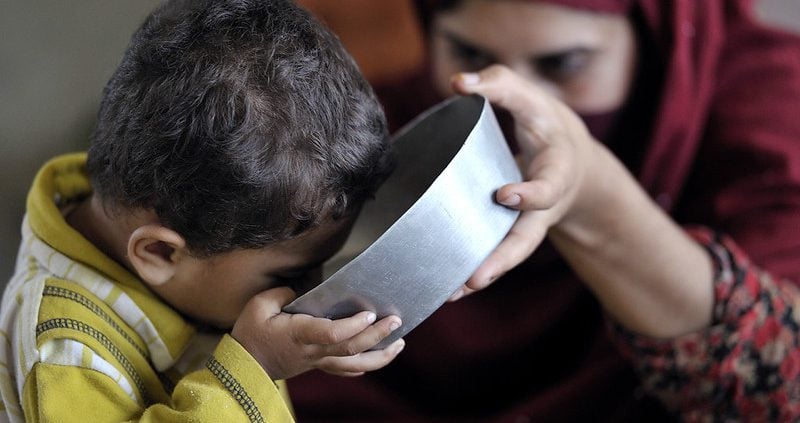 Pakistan’s Benazir Income Support Programme (BISP)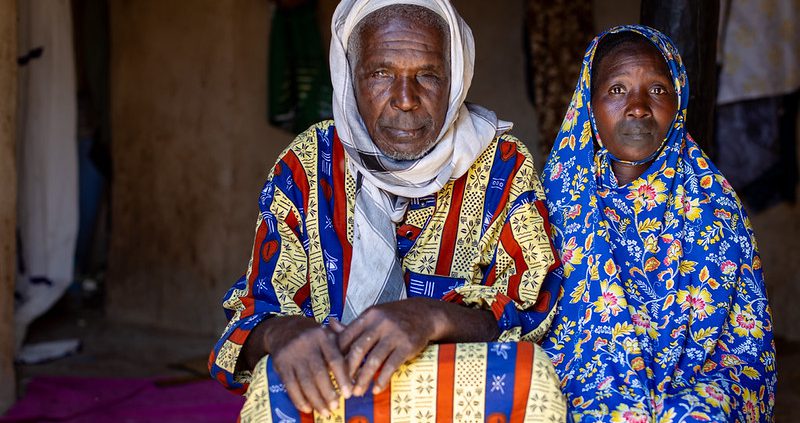
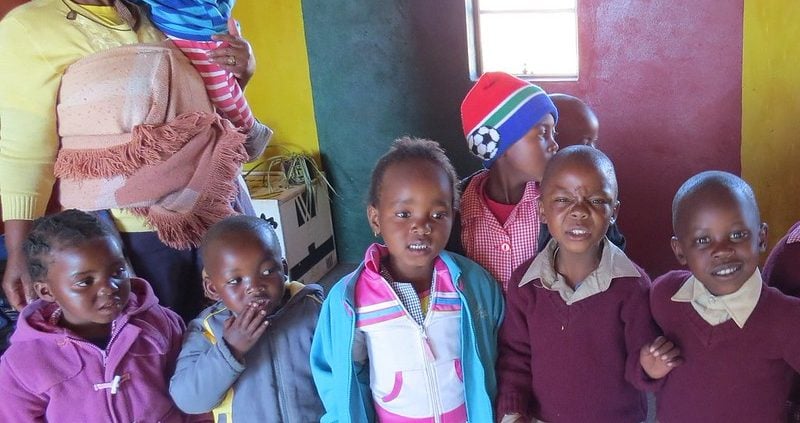 John Green—writer, creator, educator and tuberculosis fighter—started The Good Store with his brother and fellow creator Hank Green. The store began with the Awesome Socks Club, a subscription-based sock company that donates 100% of its profits to Partners in Health and their maternal health unit in Sierra Leone. Alongside the Awesome Socks Club, Green fights tuberculosis in Lesotho with Keats and Co., which sells coffee to sponsor Partners in Health and their tuberculosis care project. The Good Store exemplifies celebrities using their platforms to make a difference.
 Lost and alone, many fall into a spiral of
  On June 25, 2026, the Pan American Health Organization (PAHO)
  In June 2026, Sierra Leone’s minister of health, Dr. Austin Demby, announced a 31% drop in maternal mortality following the first 100 days of the government’s 300 Days of Activism campaign. It marks the latest effort to improve