• Link to X
  • Link to Facebook
  • Link to Instagram
  • Link to TikTok
  • Link to Youtube
  • About
    • About Us
      • President
      • Board of Directors
      • Board of Advisors
      • Financials
      • Our Methodology
      • Success Tracker
      • Contact
  • Act Now
    • 30 Ways to Help
      • Email Congress
      • Call Congress
      • Volunteer
      • Courses & Certificates
      • Be a Donor
    • Internships
      • In-Office Internships
      • Remote Internships
    • Legislation
      • Politics 101
  • The Blog
  • The Podcast
  • Magazine
  • Donate
  • Click to open the search input field Click to open the search input field Search
  • Menu Menu

Archive for category: Global Health

Information and stories about global health.

Clean Water Access, Global Health, Global Poverty

Project Waterfall and Clean Water in Ethiopia

Clean Water in EthiopiaAccess to clean water continues to improve in Ethiopia as organizations and local communities invest in sustainable water solutions that strengthen health, education and economic opportunity. Roughly 62 million people in Ethiopia do not have access to clean water, while waterborne diseases remain a leading cause of death among children under 5. These public health challenges adversely affect educational opportunities, reduce economic productivity and contribute to long-term poverty, particularly in rural communities. However, for more than a decade, Project Waterfall, an international nonprofit, has partnered with coffee-growing communities in Ethiopia to expand access to clean water, sanitation and hygiene services.

Changes in Climate Threaten Clean Water

The changing climate, prolonged droughts, shifting rainfall patterns and seasonal flooding continue to strain Ethiopia’s water resources, placing increasing pressure on rivers, groundwater supplies and aging water infrastructure. Many rural families travel long distances to collect unsafe drinking water, increasing their risk of diarrhea and other waterborne diseases. According to the World Bank, 38.6% of Ethiopians live below the international poverty line of $4 per day (2021 purchasing power parity, or PPP), making it especially difficult for low-income households to afford medical treatment for waterborne illnesses. Children, particularly girls, often miss school because they spend hours fetching water or attend schools without safe drinking water and adequate sanitation facilities. These conditions reduce household productivity, limit educational opportunities and make it more difficult for families to escape poverty.

Despite recording a historic $3 billion in coffee exports this year, coffee-growing communities face unique challenges. Ethiopia is Africa’s largest coffee producer and the world’s fifth-largest coffee exporter, with approximately 15 million people depending on coffee production for their livelihoods. Yet many of the same communities that produce one of the country’s most valuable exports still struggle to access safe water and sanitation services.

Project Waterfall Invests in Sustainable Clean Water

Founded in 2011, Project Waterfall unites the global coffee industry to fund sustainable water, sanitation and hygiene (WASH) projects in coffee-growing regions worldwide. Rather than providing temporary relief, the organization works with experienced delivery partners, including Splash and WaterAid, to build systems that communities can maintain long after construction ends. Today, Project Waterfall has funded 34 projects, reached more than 80,000 people across seven countries and continues expanding its work where water insecurity remains most severe.

Project Waterfall began working in Ethiopia in 2014, investing in projects that install clean water systems, improve sanitation facilities, provide hygiene education and train local leaders to maintain water infrastructure. The organization also partners with schools to establish WASH clubs to teach students healthy hygiene practices while helping protect new facilities for future generations.

Clean Water Creates Better Health and Better Schools

One of Project Waterfall’s newest initiatives, Project WISE (WASH in Schools for Everyone), demonstrates how clean water can transform everyday life for students. Working with Splash, the program aims to bring safe drinking water, sanitation facilities and hygiene education to every public school in Addis Ababa, serving nearly 1 million children. According to Splash, the program reached 94% of government schools in Addis Ababa while securing $11.4 million in co-investment from the Ethiopian government.

The impact extends beyond access to drinking water, with schools receiving child-friendly water stations, improved toilets, menstrual health education and behavior-change programs that encourage lifelong hygiene habits. According to Splash, WASH service improvements have contributed to a 17% reduction in respiratory illness among students, while menstrual hygiene facilities are helping girls attend school more consistently. In addition to Project Waterfall’s work, the World Bank reports that Ethiopia’s national One WASH Program, spearheaded by the World Bank and the United Nations Children’s Fund (UNICEF), has constructed or rehabilitated more than 10,000 WASH facilities in schools, including 575 schools that now have improved water supplies and 428 schools with menstrual hygiene management facilities, increasing regular attendance and reducing dropout rates among girls. By the end of 2024, Project WISE had upgraded two schools in Addis Ababa, directly benefiting roughly 1,200 daytime students, 1,000 evening students and 170 staff members.

Building a More Resilient Future

Project Waterfall’s partnerships with local governments and organizations demonstrate how community-led solutions can produce lasting results rather than temporary fixes. As these programs expand to additional schools and drought-affected communities, more Ethiopians will gain opportunities to pursue education, improve their livelihoods and build healthier futures. Continued investment in clean water infrastructure will not only strengthen communities today but also help create lasting pathways out of poverty for future generations.

– Ashley Belling

Ashley is based in Chicago, IL, USA and focuses on Technology and Global Health for The Borgen Project.

Photo: Flickr
July 16, 2026
https://borgenproject.org/wp-content/uploads/borgen-project-logo.svg 0 0 Lynsey Alexander https://borgenproject.org/wp-content/uploads/borgen-project-logo.svg Lynsey Alexander2026-07-16 07:30:202026-07-15 13:04:41Project Waterfall and Clean Water in Ethiopia
Education, Global Health, Global Poverty

The Clooney Foundation: Waging Justice for Women

Waging Justice for WomenWomen’s access to fundamental rights to free speech, health care and education are goals that Amal and George Clooney are actively working toward in more than 40 countries around the world. Their foundation’s stated aim is to defend free speech and women’s rights, focusing on freeing women from discrimination, child marriage and violence.

Waging Justice for Women

In their program, Waging Justice for Women, launched in 2022, the foundation aims to:

  • Challenge unjust laws before national, regional and international bodies and represent the women affected.
  • Establish mobile legal aid clinics to empower women to advance their rights.
  • Fund and mentor the next generation of African gender justice champions through the annual Waging Justice for Women fellowship.

Global Variations in Women’s Rights

Government action on women’s rights varies across the world. Norway and Sweden grant parents 13 months of paid parental leave, whilst in the United States, paid maternity leave is not federally mandated. Access to fundamental rights, whether parental leave or protections against violence, varies tremendously depending on where a woman lives.

Challenges Facing Young Girls

More than 12 million young girls worldwide find themselves in situations of abuse, discrimination, economic disparity and child marriage, according to Time magazine. Many women face these situations due to economic, educational and cultural systems that limit their choices and opportunities. The Clooney Foundation has teamed up with the Gates Foundation and Michelle and Barack Obama to help end child marriage and secure fundamental rights for women, with education access as its primary course of action. Research shows that access to education significantly increases women’s odds of avoiding child marriage, poverty, unintended pregnancies and early death.

Nicholas Burnett makes a similar case in his study, writing that education gives people the knowledge and tools needed to break the cycle of poverty. He notes that one in five adults globally, some 781 million people, cannot read a simple sentence with understanding, and that two-thirds of these illiterate adults are women, with illiteracy concentrated in low-income countries where severe poverty is widespread.

Impact of the Clooney Foundation

The Clooney Foundation has already changed the lives of many. It represents survivors and victims of rape and gender-based violence in the Democratic Republic of the Congo and has initiated a judicial investigation against the group that committed these crimes, holding those responsible accountable and granting thousands of women greater safety and protection in their homeland.

The foundation has also worked with the Bill and Melinda Gates Foundation and the Obamas to help lower the child marriage rate in Malawi by 20%. While there is still much progress to be made, this work with the Malawian government has improved quality of life and expanded access to rights for young girls in the country.

Broader Impacts of Women’s Rights

Access to women’s rights positively impacts not only the woman herself but also the community around her. Rhonda E. Howard-Hassmann discusses how the more autonomy women gain, the more they devote themselves to their families and communities. Howard-Hassmann also cites a study from the Ivory Coast and Indonesia that found positive patterns of social connection, responsibility and trust within communities after women gained greater autonomy and rights.

The Clooney Foundation has made several important changes in the lives of countless women in over 40 countries, and it plans to continue this work for years to come.

– Sadie Lopez

Sadie is based in Seattle, USA and focuses on Good News, Celebs for The Borgen Project.

Photo: Wikimedia Commons

July 16, 2026
https://borgenproject.org/wp-content/uploads/borgen-project-logo.svg 0 0 Lynsey Alexander https://borgenproject.org/wp-content/uploads/borgen-project-logo.svg Lynsey Alexander2026-07-16 07:30:092026-07-15 13:28:17The Clooney Foundation: Waging Justice for Women
Global Health, Global Poverty

A Deep Dive Into the Cholera Outbreak in Angola

Cholera Outbreak in AngolaThe nation of Angola is located in southwestern Africa. Since early 2025, a formidable cholera outbreak in Angola has yielded more than 3,000 cases of the infection. The outbreak is primarily impacting the provinces of Luanda and Bengo and has continued to worsen into 2026.

How Cholera Spreads

Cholera is an infection that can cause moderate illness, severe diarrhea and vomiting, and even death if left untreated. People contract this infection by ingesting food or beverages contaminated with the Vibrio cholerae bacterium. After consuming contaminated food or drink, the infection can take 12 to 120 hours to incubate. Many individuals carry the infection without manifesting symptoms, though they can still unknowingly spread it to others for up to 10 days.

Cholera thrives in environments with poor sanitation and limited clean water for drinking and hygiene. The risk of an outbreak increases during humanitarian crises, natural disasters or any situation that hinders the effective functioning of water infrastructure and sanitation systems. These factors often lead large populations to converge into overcrowded areas, increasing the risk of contaminating shared water sources.

Cholera and poverty form a vicious cycle. The poor infrastructure, overcrowding and water scarcity that characterize impoverished communities are highly conducive to cholera outbreaks. Outbreaks, in turn, worsen living conditions for impoverished individuals, since treatment can be costly and local health care systems are often strained and unable to provide sufficient care.

The Outbreak in Angola

Since the 1970s, Angola has periodically faced cholera outbreaks. The World Health Organization (WHO) reports that many of these outbreaks are linked to cholera outbreaks in the Democratic Republic of the Congo, Angola’s northeastern neighbor, which is currently experiencing one of the most severe humanitarian crises in the world.

The most recent outbreak began on Jan. 7, 2025. In May 2026, 3,596 new cases of cholera were reported worldwide, and 2,120 of those cases came from Angola, meaning approximately 59% of new global cholera cases that month came from the country alone. The rate of new cholera cases in Angola was five times higher than the 413 cases reported in Mozambique, the country with the second-highest total.

According to the most recent survey, conducted in 2018, approximately 53% of Angola’s population lives in poverty. The outbreak, therefore, poses a significant threat to large portions of the population, especially in the heavily impacted provinces of Luanda and Bengo. Still, the outbreak can be addressed: common measures to control cholera include oral vaccinations, case management and surveillance, and water, sanitation and hygiene (WASH) interventions.

Efforts to Alleviate the Outbreak

Organizations, including the WHO and Angola’s Ministry of Health, have begun important work to address the Cholera outbreak in Angola. The Ministry of Health, with support from WHO, the United Nations Children’s Fund (UNICEF), the World Bank and other organizations, has implemented a vaccination campaign. In January 2025 alone, the ministry vaccinated more than 900,000 people, and a month later it distributed a further 700,000 doses of oral cholera vaccine. These groups, along with other local and international organizations, are leading efforts to end the outbreak.

WHO is combating the outbreak by training health care workers to detect and report new cases, conducting infection surveys, processing data and mobilizing communities to implement prevention measures. WHO is also supporting cholera treatment centers in Bengo and Luanda provinces, which provide emergency treatment for infected patients in need of medical care.

UNICEF has expanded its WASH initiatives in Angola since the outbreak began. These initiatives have proven a vital tool in the fight against waterborne diseases like cholera. In support of this work, UNICEF has distributed essential hygiene and sanitation supplies to more than 64,500 children in Angola since the outbreak started. The organization is also installing water tanks in heavily affected areas to help reduce transmission and is supporting the Angolan government in training volunteers and mobilizing communities to prevent the spread of the disease.

Looking Ahead

Though the cholera outbreak in Angola remains a difficult situation, the WHO, UNICEF and the Ministry of Health continue working to bring it to an end.

– Melody Hubbard

Melody is based in Knoxville, TN, USA and focuses on Global Health and Politics for The Borgen Project.

Photo: Flickr

July 14, 2026
https://borgenproject.org/wp-content/uploads/borgen-project-logo.svg 0 0 Lynsey Alexander https://borgenproject.org/wp-content/uploads/borgen-project-logo.svg Lynsey Alexander2026-07-14 03:00:292026-07-14 05:42:44A Deep Dive Into the Cholera Outbreak in Angola
Global Health, Global Poverty, Technology

Tafenoquine Malaria Treatment in Brazil

Malaria Treatment in BrazilAccording to the World Health Organization (WHO), there were an estimated 282 million cases of malaria with 610,000 deaths in 80 countries worldwide in 2024. Malaria remains a life-threatening disease affecting mostly countries with tropical climates. Among low- and middle-income countries, nearly half of households spend more than 40% on health care. The United Nations Development Programme (UNDP) stated that 1.9 billion people who live in areas with malaria face the threat of being pushed into poverty.

Malaria in Brazil

In Brazil, malaria has a disproportionate impact on the poorest and most vulnerable communities, predominantly concentrated in the Amazon regions. When malaria is contracted, symptoms can be overbearing, affecting the person’s ability to work. As these regions are relatively remote, accessing health care requires time and travel costs, further adding to the economic burden.

Between 2016 and 2022, large-scale deforestation from illegal mining worsened the situation. Miners who come to these regions are potential parasite carriers and may increase transmission. Mining, which involves deforestation and river dredging, also creates breeding grounds for mosquito species that carry malaria. Researchers have described communities in Brazil’s Amazon regions as trapped in a cycle in which deforestation drives poverty, and poverty in turn drives further deforestation.

In 2023, Brazil declared malaria a public health emergency in the Yanomami Indigenous Territory in the Amazon rainforest bordering Venezuela. Nearly every person tested by a team of doctors sent to the region had malaria.

Diagnosis and Treatment

Early diagnosis and treatment are key to successful recovery and reducing disease transmission. Some people have higher risks of developing and experiencing severe symptoms, including infants and children under 5 years of age, pregnant women and individuals with immunocompromised conditions.

Common treatment involves oral medication, though some cases may require injections. Standard therapies include a combination drug regimen based on artemisinin, considered the most effective option against the P. falciparum parasite; chloroquine, used against the P. vivax parasite in regions where it remains effective; and primaquine, often added to prevent relapses caused by the P. vivax and P. ovale parasites.

A Single-Dose Treatment Emerges

The challenge with these treatments is poor patient adherence. They involve multiple stages, and the full treatment course takes 14 days. Many people must travel far and miss work just to access treatment, and when a course goes uncompleted, the risk of relapse and continued spread of malaria increases.

To address this issue, Brazil started a rollout of pediatric tafenoquine, a single-dose treatment that has proven effective against relapsing malaria. Tafenoquine kills P. vivax parasites, which often hide and remain dormant in the body for years before symptoms appear.

P. vivax has the widest geographical reach of any malaria species and predominates across Latin America. While most malaria deaths in Africa are caused by P. falciparum, tafenoquine is a promising treatment and a potential path toward eliminating malaria in regions where P. vivax is dominant.

Thailand recently became the second country to adopt this single-dose treatment, approving pediatric tafenoquine in a step toward its own malaria elimination goals.

Since its first rollout, Brazil has also adopted tafenoquine for adults within its health system. More than 7,000 adults across different municipalities were treated between June 2024 and April 2025, and the country reported a 26.8% drop in malaria cases by the first quarter of 2025.

Global Efforts and Research

Eliminating malaria is a collective effort. In the United Kingdom, reports show that investment in treatment research boosts the country’s economy and creates jobs while saving lives. Brazil is still a long way from its goal of eliminating malaria by 2035, but continuous research, treatment and testing of tafenoquine represent a step closer to that goal, and to strengthening global health security overall.

– Marine Baume

Marine is based in London, UK and focuses on Global Health for The Borgen Project.

Photo: Unsplash

July 14, 2026
https://borgenproject.org/wp-content/uploads/borgen-project-logo.svg 0 0 Lynsey Alexander https://borgenproject.org/wp-content/uploads/borgen-project-logo.svg Lynsey Alexander2026-07-14 01:30:322026-07-13 13:50:57Tafenoquine Malaria Treatment in Brazil
Disease, Global Health, Global Poverty

5 Things You Need to Know About Diabetes in the Philippines

Diabetes in the PhilippinesWith more people living sedentary lifestyles, having less healthy diets and obesity becoming more prevalent around the world, the threat of diabetes is more apparent than ever. This chronic disease affects millions of people globally, and those in low-income countries are especially vulnerable to its effects. The Philippines, in particular, has seen an increasing number of diabetes cases, with recent estimates reaching almost 5 million Filipino adults. Here are five crucial things to know about diabetes in the Philippines.

What is Diabetes?

Diabetes, or diabetes mellitus, is a chronic illness that affects the body’s ability to produce or effectively use insulin, a hormone that breaks down sugar in the blood so that the body can use it for energy. Without insulin, sugar cannot be broken down, leading to a buildup in the blood. Over time, elevated blood sugar levels can lead to serious and potentially fatal complications such as kidney failure, cardiac arrest, stroke, blindness and limb amputation.

In 2024, approximately 4.7 million adults in the Philippines were reported to have diabetes, increasing from 4.2 million in 2011. Almost 30,000 people have Type 1 diabetes, a third of whom are children. Concern over the prevalence of diabetes in the Philippines continues to grow as the number of adults with diabetes is expected to nearly double by 2050. In 2024 alone, diabetes contributed to the deaths of nearly 44,000 Filipinos, making it one of the top five causes of death in the country.

Culture and Diabetes in the Philippines

Food is an important aspect of Filipino culture, with many social events and celebrations centered around eating. However, certain eating habits common in the Philippines can increase the risk of diabetes. Many popular Filipino foods, such as adobo and lechon, tend to be high in refined carbohydrates, sodium, saturated fats, cholesterol and added sugar. Overconsumption of these types of food can increase the risk of developing diabetes by contributing to obesity, making the body more resistant to insulin and increasing blood sugar levels. Other factors such as a lack of physical activity, smoking, drinking alcohol and barriers to accessing medical care also contribute to the risk of diabetes in the Philippines.

Treatment Access

The ongoing treatment of diabetes and related health complications is expensive. On average, it costs the Philippines about $2 billion annually to address diabetes-related health concerns. With about 15.5%, or 17.5 million people in the Philippines living below the national poverty line, many cannot afford critical medical interventions such as glucose monitors and insulin injections. These financial barriers not only prevent people from treating their diabetes, but they also prevent people from getting diagnosed. In the Philippines, it is estimated that more than half of people with diabetes have not been diagnosed. Without a diagnosis, people living with diabetes cannot begin the process of getting life-saving treatment.

Organizations Helping to Address Diabetes in the Philippines

In response to the growing global concern about diabetes, several health initiatives have been created to provide treatment to those living with diabetes, including people in the Philippines. For example, the World Health Organization’s (WHO) Global Diabetes Compact was launched in 2021 to ensure that people with diabetes are diagnosed, have good control of their blood pressure and blood sugar levels, and receive affordable, quality treatment.

WHO has also collaborated with local community resources in the Philippines to help address diabetes-related issues in a few regions. The Healthy Hearts Programme helps people living with diabetes in the Philippines manage their illness by teaching them and their families about diabetes and providing medical treatment such as insulin and blood pressure monitors. The program has helped people such as 13-year-old Brielle Paulino manage his diabetes. Paulino lives with Type 1 diabetes and, thanks to the Healthy Hearts Programme, he is able to give himself insulin injections and monitor his blood sugar so that he can one day fulfill his dream of becoming a chef.

Looking Ahead

The increasing prevalence of diabetes in the Philippines raises concerns over the health and well-being of millions of people. With more people adopting sedentary lifestyles and unhealthy diets, it is crucial to bring awareness to this disease and how it can not only be treated but also prevented. Thanks to global initiatives, people in low-income countries living with diabetes have a better chance at living long, fulfilling lives.

– Lily Alexander

Lily is based in Surrey, British Columbia, Canada and focuses on Global Health for The Borgen Project.

Photo: Flickr

July 14, 2026
https://borgenproject.org/wp-content/uploads/borgen-project-logo.svg 0 0 Lynsey Alexander https://borgenproject.org/wp-content/uploads/borgen-project-logo.svg Lynsey Alexander2026-07-14 01:30:162026-07-13 14:17:445 Things You Need to Know About Diabetes in the Philippines
Global Health, Global Poverty, Health

Universal Health Care in Mexico: A Fresh Start for Mexican Citizens

Universal Healthcare in MexicoMexico’s President, Claudia Sheinbaum, has recently announced a positive health reform aimed at granting universal health care coverage starting in January 2027. Describing this as a “historic step” towards free and equitable health services to all citizens of Mexico. Here is more information about the move toward universal health care in Mexico.

The Current Situation

Mexico, the 13th largest country in the world, with a population of more than 100 million people, is a culturally, socially and economically diverse nation. Although it earns a medium-high income, it still has suffered from inequality, poverty, economic insecurity and mental health disorders.

The current health system in Mexico is divided into three types of services: 

  • Social Security: Only the formal, salaried members of the economy, about 47% of the population, receives this.
  • Those Not Covered by Social Security: The poorest members of Mexican society, about 45% of its population, do not receive social security.
  • Private Providers: Private providers attend to non-insured families who can afford them. This accounts for 4% of the population.

The current health care situation in Mexico is dire. Director of the Mexican Ministry of Health, Mariana Barraza-Lloréns explains that half of Mexico’s population is uninsured and incapable of accessing health care due to financial disparity. Barraza-Lloréns also focuses on the Indigenous communities that the current health care system impacts and marginalizes. These communities have infant mortality rates that are 58% higher and a life expectancy that is five years lower than national averages. Barraza-Lloréns argues that universal health care is a need.

What To Expect

This new health care system will be carried out in several phases, beginning with initial registration for this health care system starting with Mexicans aged 85 and older. Sign-ups will continue throughout the year, organized by age group and an official identification card will be given to each citizen to grant them access to services starting January 2027. By prioritizing emergency care, continuity of treatment across institutions and access to services regardless of insurance affiliation. In this first phase this universal health care in Mexico will mainly cover emergency services, high-risk pregnancies, heart attacks, strokes and cancer diagnosis. By the end of 2027 and starting 2028, Mexico plans to roll out its next phases and extend its promise for health care for all.

Why Is Universal Health Care in Mexico Important?

A WHO study in 2020 offered insights into Mexico’s overall health index. While life expectancy has increased from an initial 34 years in 1930 to 75 years in 2017, there has still been a significant delay with these improvements. With mortality rates in cases such as heart disease and diabetes ranging anywhere from 70-80 deaths per thousand, there is evidence to suggest lack of access to proper health services. Sheinbaum’s new health reform aims to provide care to all citizens regardless of insurance status. With 46% of its citizens under the poverty line, universal health care would provide life-changing services to many. 

Countries such as Sweden, which access universal health care, offer some of the highest life expectancy rates in the world, averaging about 81 years. Sweden has seen drastic improvements in overall public health in the last several decades with these universal health reforms. With decreases in mortality, work-related injuries, and mental health, Sweden’s public access to health care has served many.

Universal health care is an object of political, economic and social discussion in many countries across the world. As seen in countries such as Sweden and many others, free public access to health care has proven to be a guarantee for life expectancy and quality of living. Time will tell how Mexico’s health reforms will positively impact the citizens of the country.

– Sadie Lopez

Sadie is based in Seattle, WA, USA and focuses on Global Health for The Borgen Project.

Photo: Wikimedia Commons

July 12, 2026
https://borgenproject.org/wp-content/uploads/borgen-project-logo.svg 0 0 Jennifer Philipp https://borgenproject.org/wp-content/uploads/borgen-project-logo.svg Jennifer Philipp2026-07-12 03:00:402026-07-12 02:52:21Universal Health Care in Mexico: A Fresh Start for Mexican Citizens
Global Health, Global Poverty

4 Projects Expanding Health Care Access in Madagascar

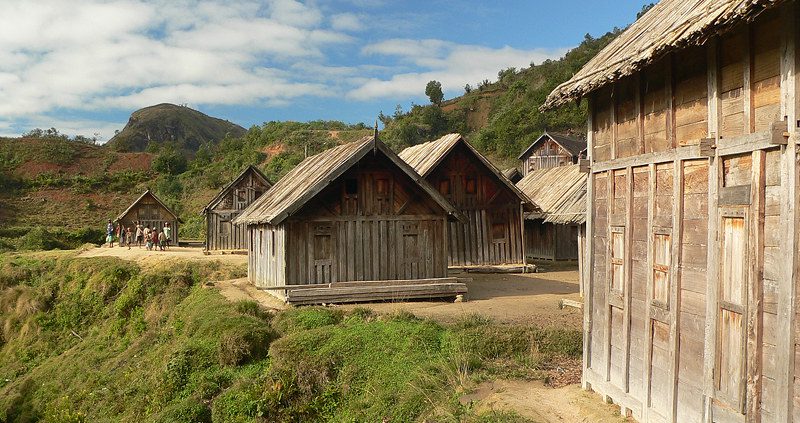
A health worker assists a mother and child in a Madagascar clinic. Health Care Access in MadagascarFor many families living in Madagascar’s remote villages, reaching health centers can require hours of walking across rough terrain. For mothers with sick children, that journey can mean the difference between life and death.

State of Health Care Access in Madagascar

Madagascar is the world’s fourth-largest island, located approximately 400 kilometers off the eastern coast of Africa in the Indian Ocean. The island has a population of around 31 million people, many of whom live in isolated rural communities with limited access to health care. Nearly half of Madagascar’s population lives more than five kilometers from a health care center, a distance that creates major barriers to care. Despite these challenges, mobile clinics and community health programs now extend essential services to remote populations.

Madagascar’s health care system operates on four tiers: the central level sets national policy, the regional level coordinates implementation, the district level oversees hospitals and primary health centers, and the community level relies on health workers.

Despite this structure, access to health care remains limited across the country. Only one doctor serves approximately 11,000 people, and the life expectancy stands at 62.9 years, below the global average of 71.4 years. Just 4.4% of Madagascar’s population is over 65, reflecting this shorter life expectancy.

Madagascar suffers recurring humanitarian crises, including droughts, cyclones and famine, which place additional strain on the health care system. Disease is also a heavy burden, as malaria placed 28.9 million people at risk in 2022. This disease caused 4.9 million cases and killed more than 12,500 people in 2021. Contracting malaria keeps adults from working and children from attending school, reducing household income and reinforcing cycles of poverty. Tuberculosis incidence remains high, ranging from about 220 to 233 cases per 100,000 people. Under-five mortality stands at 66 deaths per 1,000 live births, while neonatal mortality reaches 24.1 deaths per 1,000 live births.

Rural Challenges

These challenges hit people in remote regions hardest, where distance and poor infrastructure make accessing health care extremely difficult. Geography poses one of the biggest barriers to health care access in Madagascar. According to the United Nations Children’s Fund (UNICEF), some residents must travel at least two kilometers just to reach the nearest health center, and many communities sit much farther away. Nearly half the population lives more than five kilometers from a health care facility, and roughly 75% of local health centers lack reliable electricity. These barriers to effective health care contribute considerably to cycles of poverty.

This lack of basic maintenance limits health centers’ emergency and nighttime care. Mobile clinics and outreach programs offer an important solution, bringing health care directly to isolated communities and helping to close the gap in access.

Reaching Remote Communities in Madagascar

Medair, founded in 1989, has implemented the “Tanan-kavana ho an’ny Fahasalamana” (TKF) project in Bevaho, Mahatsinjo, Anandravy, Antokonala and Ivato. This project aims to reduce morbidity in remote rural areas of southeastern Madagascar and provides free health care, especially for mothers and children. The TKF project, co-funded by the European Union (EU), began in May 2025 and is due to run until July 2026. In 2022, Medair impacted 2,716,365 people through its health and nutrition programs. The initiative shows how outreach health care can significantly support rural communities.

UNICEF’s Improved Nutritional Outcomes Project, known as PARN, has hired nearly 11,000 community health workers across Madagascar to provide care to mothers and children under 5 years old. With funding from the World Bank, UNICEF is providing assistance to strengthen the health system in regions where PARN is being implemented.

ACCESS Program

Management Services for Health and the United States Agency for International Development (USAID) operated the Accessible Continuum of Care and Essential Services Sustained (ACCESS) program across 78 districts and 14 regions. This project worked to ensure that quality health care services were available and accessible to all communities. Efforts include improving maternal and child health, treating malaria, increasing access to reproductive health and family planning services, combatting malnutrition and ensuring access to safe water, hygiene and sanitation. From 2018 to 2025, ACCESS covered more than 16 million people and supported nearly 1,900 health facilities. Maternal mortality decreased from 130 to 65 per 100,000 live births from October 2019 to September 2024 and neonatal mortality decreased from 5 to 3 per 1,000 live births from January 2021 to September 2024.

In southeast Madagascar, Sustainable Environment, Education and Development (SEED) is building community-led, sustainable initiatives in rural areas such as Ambinanibe. Project Votsira’s community education program fills gaps in health knowledge by running biweekly sessions at the local health center, with topics shaped by community needs. Topics include malaria prevention, breastfeeding, childhood illnesses, sexually transmitted infections (STI) and HIV awareness and nutrition. Between July and October 2024, the sessions drew more than 700 attendees in Ambinanibe, reflecting strong community demand for health support. Alongside this, SEED’s Water, Sanitation and Hygiene (WASH) and Solar in Health Centers project is improving physical health care infrastructure by installing solar power, building five gender-segregated latrines and a menstrual hygiene management facility and introducing a clean rainwater harvesting system.

Looking Ahead

Madagascar continues to face significant challenges to health care access, driven by geography and recurring climate disasters. However, mobile clinics and community health workers expand access to lifesaving care for rural communities. As these initiatives grow, they hold the potential to reduce preventable illness and offer a pathway to greater economic stability and stronger rural communities across Madagascar.

– Helen Turnbull

Helen is based in Cardiff, UK and focuses on Good News for The Borgen Project.

Photo: Flickr

July 4, 2026
https://borgenproject.org/wp-content/uploads/borgen-project-logo.svg 0 0 Lynsey Alexander https://borgenproject.org/wp-content/uploads/borgen-project-logo.svg Lynsey Alexander2026-07-04 03:00:362026-07-03 12:21:394 Projects Expanding Health Care Access in Madagascar
Global Health, Global Poverty

HPV Vaccination in Pakistan Reaches 9 Million Girls

HPV Vaccination in PakistanIn its first phase in 2025, Pakistan carried out the largest single human papillomavirus (HPV) vaccination campaign any country has ever conducted, reaching more than 9 million girls aged 9 to 14. The drive targets cervical cancer, a disease that kills eight women every day in Pakistan and falls hardest on the poor. HPV vaccination in Pakistan now stands as one of the most ambitious women’s health interventions in the country’s history, and a rare example of prevention reaching girls before a disease ever takes hold.

A Cancer of Inequality

Cervical cancer is one of the most preventable cancers, yet it remains one of the deadliest for women in low-income settings. Globally, cervical cancer caused about 350,000 deaths in 2022, and roughly 94% of those deaths occurred in low- and middle-income countries, a gap that reflects unequal access to vaccination, screening and treatment. The disease is driven by the human papillomavirus, and a vaccine given in early adolescence prevents most cases.

In Pakistan, the burden is heavy. Cervical cancer affects more than 5,000 women each year and kills around 3,200 of them. Screening and treatment remain concentrated in cities and private clinics, which places them out of reach for many rural and low-income women. For families living close to the poverty line, a late cervical cancer diagnosis can mean both the loss of a mother and catastrophic medical costs. Vaccinating girls early offers a way to interrupt that cycle before it begins.

The Largest Campaign of Its Kind

Pakistan launched the campaign on Sept. 15, 2025, through the Federal Directorate of Immunization, in partnership with Gavi, the Vaccine Alliance, United Nations Children’s Fund (UNICEF) and the World Health Organization (WHO). The first phase covered Punjab, Sindh, Pakistan-administered Kashmir and Islamabad Capital Territory, with a goal of vaccinating at least 90% of 13 million eligible girls aged 9 to 14.

More than 49,000 health workers, most of them women trained with WHO support, delivered the vaccine in schools and communities. By early 2026, WHO reported that HPV vaccination in Pakistan had reached more than 9.6 million girls, although the agency notes that official coverage figures will not be confirmed until later in 2026. A single dose of the vaccine prevents most cases of cervical cancer, making the intervention one of the most cost-effective in global health.

Reaching the Hardest Places

Delivering the vaccine at this scale was not simple. Officials at the Federal Directorate of Immunization noted that severe flooding and displacement complicated the rollout, yet the campaign still reached close to 70% of its target. Vaccine hesitancy posed another barrier. To counter misinformation, Federal Health Minister Syed Mustafa Kamal had his own daughter vaccinated publicly, after which refusal rates fell and acceptance climbed in many districts.

The phased design reflects where the need is greatest. The poorest and most remote regions are scheduled for later rounds, with Khyber Pakhtunkhwa due in 2026 and Balochistan and Gilgit-Baltistan in 2027. Balochistan is Pakistan’s poorest province and Khyber Pakhtunkhwa also ranks well above the national average on poverty, and both carry limited health infrastructure. With about 22.5% of Pakistanis living below the national poverty line in fiscal year 2025, it is the households in these hardest-to-reach provinces that the later phases must serve.

What Comes After Vaccination

Vaccination is only the first of the WHO’s three targets for eliminating cervical cancer, known as the 90-70-90 goals: vaccinating 90% of girls, screening 70% of women and treating 90% of those who need it. Screening is where the gap is widest. In low- and middle-income countries, only about 19% of eligible women undergo screening, compared with far higher rates in wealthy nations. Pakistan has made a strong start on vaccination, but screening and treatment for the millions of women already past vaccination age remain limited, and sustaining the gains will require investment well beyond a single campaign.

Looking Ahead

HPV vaccination in Pakistan will not, on its own, eliminate cervical cancer. The country still needs accessible screening and affordable treatment, especially for poor and rural women who have the least access to both. Even so, protecting more than 9 million girls in a single campaign is a concrete step toward breaking a cycle in which a preventable cancer and household poverty reinforce each other. If the later phases reach the girls in Pakistan’s poorest regions, a disease that has long tracked inequality could begin to lose its grip.

– Amna Al Harrazi

Amna is based in Dubai, UAE and focuses on Good News and Global Health for The Borgen Project.

Photo: Flickr

July 3, 2026
https://borgenproject.org/wp-content/uploads/borgen-project-logo.svg 0 0 Lynsey Alexander https://borgenproject.org/wp-content/uploads/borgen-project-logo.svg Lynsey Alexander2026-07-03 01:30:082026-07-02 11:24:24HPV Vaccination in Pakistan Reaches 9 Million Girls
Global Health, Global Poverty

MedAdd: 3D Printing Project Improving African Health Care

Skulls and denture cast on white surface, related to 3D printing medical devices. MedAddMedAdd’s 3D printing project is giving South Africans access to life-changing medical devices that were once out of reach. For decades, South Africa has depended heavily on imported medical equipment, which is often unaffordable for public hospitals or poorly suited to patients’ individual needs. However, a homegrown initiative is now working to change that one patient at a time.

Despite a poverty rate of 37.9%, the country continues to grow, with 8% to 9% of its GDP coming from health care, which exceeds the World Health Organization’s (WHO) recommended spending by 4%. Statssa reports the public sector spends $30.59 on health care, contributing 44%. This increases the demand for 3D printing in South Africa, especially for custom-designed implants and prosthetics.

What Is MedAdd?

The Central University of Technology (CUT) and the Department of Science and Innovation (DSI) lead the innovative Medical Device Additive Manufacturing Technology Demonstrator Project (MedAdd), transforming health care across South Africa. MedAdd developed 3D printing, also known as additive manufacturing, of medical devices tailored specifically to the needs of the region.

Financial support of a R97 million (approximately $5.85 million) additive manufacturing (3D printing) project in Bloemfontein on April 8, 2022, provided a start-up.

How This Works

MedAdd aims to reduce South Africa’s dependence on imported devices. The Centre for Rapid Prototyping and Manufacturing (CRPM) at CUT is doing groundbreaking work in the design, development and manufacturing of medical devices. This makes the university a leading institution in South Africa in the field of customized medical production.

MedAdd’s 3D printing solution provides a groundbreaking approach for South Africa’s dependence on medical device imports. With the health care budgets, hospitals and clinics lacking vital equipment, will receive immense support through this initiative, as it will also help with the costs of imported devices.

MedAdd aims to:

  • Enhance the existing equipment and capabilities at CUT
  • Enable CUT, academic partners and local companies to demonstrate reproducibility and increase innovative medical device products
  • Be available for up-and-coming companies to industrialize new products, taking out the risks of innovative development prior to commercialization
  • Enable students, including researchers and personnel, to develop the required skills necessary for the development of the new technology and industry

MedAdd Is Changing Lives

The importance of health innovation, which is the focus of the DSI, is already enhancing the impact of science in society. Rebecca Maserumule, Acting Deputy Director-General for Technology Innovation at the DSI, emphasized the importance for African countries to proactively invest in medical research and health innovation.

She says, “Our overall objective in this space is to help grow the health economy by providing locally developed and relevant diagnostics and medical devices with a view to boosting their manufacturing.”

Maserumule adds that enhancing existing capacity to manufacture active pharmaceutical ingredients, vaccines, biopharmaceuticals, diagnostics and medical devices will address the disease burden and ensure the security and sustainable supply of essential therapeutics and prophylactics.

Currently, more than 1,000 patients have been assisted through the CRPM’s efforts, which are supported by state and private hospitals and funding from the DSI, TIA and other partners. Among these cases are Princess Moshona and Luan Adams.

BBC covered a MedAdd success story emphasizing how the 3D printing medical devices changed the life of a gunshot survivor, Princess Moshona, who was shot in the jaw by carjackers, deforming her face. Thanks to a 3D metal implant treatment, her face is restored.

Another success story follows Luan Adams, whose face was disfigured by sinus cancer affecting his speech and breathing. Currently, a facial prosthetic implant made of silicone at the CRPM has helped both his breathing and his speech. The CRPM 3D-printed the titanium frame implant used to hold the prosthetic in place. Thanks to this, Adams shares that he is more than grateful to be alive.

MedAdd’s Future and Impact

South Africa’s leadership in 3D printing is projected to reach a market size of $70 million by 2030, setting a benchmark for other African nations. The emergence of technology hubs and fab labs, like the Togolese fab lab Woelab Lomé, reflects a growing ethos of innovation across the continent, which is instrumental in adopting new technologies for societal needs.

Looking further ahead, the broader Africa 3D printing medical devices market is projected to reach $1,065 million by 2025, with a compound annual growth rate of 17.04%.

A Model for the Continent

MedAdd shows that Africa does not wait for imported solutions to meet its health care needs. By investing in local manufacturing capability, accredited research infrastructure and partnerships across government, academia and industry, South Africa is building a model that other African nations can follow. As 3D printing technology becomes more available and accessible, initiatives like MedAdd offer a blueprint for how developing nations can close the medical device gap affordably, sustainably and on their own terms.

– Joy Kohol

Joy is based in Muncie, IN, USA and focuses on Good News and Global Health for The Borgen Project.

Photo: Pexels

June 26, 2026
https://borgenproject.org/wp-content/uploads/borgen-project-logo.svg 0 0 Lynsey Alexander https://borgenproject.org/wp-content/uploads/borgen-project-logo.svg Lynsey Alexander2026-06-26 01:30:572026-06-20 11:58:07MedAdd: 3D Printing Project Improving African Health Care
Global Health, Global Poverty

How Somalia’s Vaccination Program Reaches Vulnerable Children

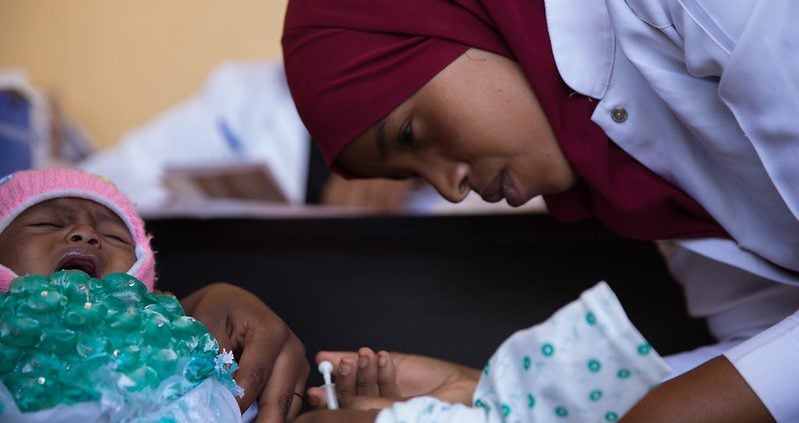
Somalia's Vaccination ProgramYears of drought, conflict and economic hardship have displaced thousands of families from Somalia’s Bakool and Hiraan regions. Many families have sought safety in communities such as Kahda District in Mogadishu, where humanitarian organizations continue expanding access to essential services. Through Somalia vaccination efforts for children, health care workers are helping vulnerable families access lifesaving immunizations and build healthier futures for children who might otherwise face preventable diseases.

Displacement Crisis in Somalia

Somalia continues to face one of the world’s largest displacement crises. According to the United Nations High Commissioner for Refugees (UNHCR), millions of Somalis have experienced displacement due to conflict, climate-related disasters and food insecurity. Families arriving in communities such as Kahda often struggle to access health care services, increasing children’s vulnerability to diseases such as measles and polio. Malnutrition and limited health care access can further increase health risks for young children.

Challenges and Progress

Health officials classify many of these children as “zero-dose” children because they have not received even one routine vaccine. A 2025 study found that approximately 60% of Somali children remain zero-dose, with the highest concentrations located in rural, nomadic and conflict-affected regions. Limited health care infrastructure, transportation barriers and workforce shortages continue to prevent many families from accessing immunization services. Reaching these children remains one of Somalia’s most important public health priorities.

Partnerships Driving Success

Vaccination efforts for children continue achieving remarkable progress through partnerships led by Gavi and the International Rescue Committee (IRC). Established in 2000, Gavi works to increase vaccine access in lower-income countries, while the IRC, founded in 1933, provides humanitarian assistance in more than 40 countries worldwide. Through the REACH consortium, led by the IRC, health care workers have delivered more than 30 million vaccine doses and reached more than 1 million children across Somalia since 2022. The initiative also expanded humanitarian access from 16% of targeted communities to 100%, allowing health care workers to reach children who previously lacked access to routine immunizations.

Community-Based Efforts

Somalia’s vaccination program for children succeeds because health care workers actively bring immunization services directly to families. Mobile health teams travel to remote villages, displacement camps and underserved communities to vaccinate children and connect families with health care resources. Community health workers educate parents about vaccine safety, identify children who missed vaccinations and encourage families to complete immunization schedules. These efforts help health care workers protect more children from preventable diseases and strengthen community health.

Broader Impact of Vaccination

Vaccines provide benefits that extend beyond individual health. Immunization reduces child mortality, prevents disease outbreaks and lowers health care costs for families already facing financial hardship. When children stay healthy, they are more likely to attend school, participate in their communities and achieve better long-term outcomes. Public health experts consistently identify vaccination as one of the most cost-effective investments countries can make to improve health and reduce poverty.

Continuing Efforts and Future Outlook

Coordinated investments and expanded humanitarian access continue improving vaccination coverage across Somalia. Organizations such as Gavi, the United Nations Children’s Fund (UNICEF), the World Health Organization (WHO) and the IRC work alongside local partners to strengthen health care delivery systems and expand access to immunization services. These partnerships help ensure that children living in remote and underserved communities receive the same opportunities for healthy development as children living in more accessible areas. The continued growth of Somalia’s vaccination program for children offers hope to families seeking better health outcomes, according to WHO and UNICEF immunization coverage estimates.

Challenges remain, particularly in regions affected by insecurity, climate shocks and displacement. However, Somalia’s vaccination program for children continues demonstrating what targeted investments, strong partnerships and community-based health care can accomplish. Health care workers have already delivered more than 30 million doses and reached more than 1 million children through the REACH consortium. As health care teams continue serving families in Bakool, Hiraan and communities such as Kahda, they are protecting children, strengthening local health care systems and creating healthier futures across Somalia

– Kianna Hines

Kianna is based in Brooklyn, NY, USA and focuses on Good News and Global Health for The Borgen Project.

Photo: Flickr

June 23, 2026
https://borgenproject.org/wp-content/uploads/borgen-project-logo.svg 0 0 Lynsey Alexander https://borgenproject.org/wp-content/uploads/borgen-project-logo.svg Lynsey Alexander2026-06-23 07:30:192026-06-20 11:19:58How Somalia’s Vaccination Program Reaches Vulnerable Children
Page 2 of 42‹1234›»

Get Smarter

  • Global Poverty 101
  • Global Poverty… The Good News
  • Global Poverty & U.S. Jobs
  • Global Poverty and National Security
  • Innovative Solutions to Poverty
  • Global Poverty & Aid FAQ’s
Search Search

Take Action

  • Call Congress
  • Email Congress
  • Donate
  • 30 Ways to Help
  • Volunteer Ops
  • Internships
  • Courses & Certificates
  • The Podcast
Borgen Project

“The Borgen Project is an incredible nonprofit organization that is addressing poverty and hunger and working towards ending them.”

-The Huffington Post

Inside The Borgen Project

  • Contact
  • About
  • Financials
  • President
  • Board of Directors
  • Board of Advisors

International Links

  • UK Email Parliament
  • UK Donate
  • Canada Email Parliament

Get Smarter

  • Global Poverty 101
  • Global Poverty… The Good News
  • Global Poverty & U.S. Jobs
  • Global Poverty and National Security
  • Innovative Solutions to Poverty
  • Global Poverty & Aid FAQ’s

Ways to Help

  • Call Congress
  • Email Congress
  • Donate
  • 30 Ways to Help
  • Volunteer Ops
  • Internships
  • Courses & Certificates
  • The Podcast
Scroll to top Scroll to top Scroll to top