• Link to X
  • Link to Facebook
  • Link to Instagram
  • Link to TikTok
  • Link to Youtube
  • About
    • About Us
      • President
      • Board of Directors
      • Board of Advisors
      • Financials
      • Our Methodology
      • Success Tracker
      • Contact
  • Act Now
    • 30 Ways to Help
      • Email Congress
      • Call Congress
      • Volunteer
      • Courses & Certificates
      • Be a Donor
    • Internships
      • In-Office Internships
      • Remote Internships
    • Legislation
      • Politics 101
  • The Blog
  • The Podcast
  • Magazine
  • Donate
  • Click to open the search input field Click to open the search input field Search
  • Menu Menu

Archive for category: Global Health

Information and stories about global health.

Global Health, Global Poverty, Health

Health Care in Rural India

Health Care in Rural IndiaIndia is the most populous country in the world, home to some 1.4 billion people. It is a very diverse nation, both demographically and geographically. India is still a developing country; therefore it faces a lot of challenges in terms of healthcare. Health care in rural India, in particular, faces many challenges and obstacles. Access to quality health care is still an elusive goal for many Indians living in rural areas of the country.

Background

According to the country’s Ministry of Finance, approximately 65% of Indians live in rural areas. As with many other countries, India also faces a divide between urban and rural areas. People living in rural areas face significant obstacles that hinder their access to proper health care. Rural areas face a lack of qualified medical professionals, inadequate medical supplies and limited awareness regarding diseases. There is a need to improve health care access in rural India. Proper health care is a right that all humans have. Access to quality health care in rural India needs to be reformed and expanded.

The National Health Mission (NHM)

The Indian government has implemented measures to improve access to proper health care. In 2013, New Delhi launched the National Health Mission (NHM). The purpose of this mission is to improve health care access in rural and underserved areas. The NHM encompasses two sub-missions: the National Rural Health Mission (NRHM) and the National Urban Health Mission (NUHM).

The mission aims to expand proper health care access to underserved areas in India. Additionally, the government has also launched a health insurance program (Ayushman Bharat) in 2018. This program provides free health care access to poorer Indians who cannot afford private health care services. Under Ayushman Bharat, the government established Health and Wellness Centers (HWCs) throughout the country. These centers aim to bring health care access closer to the people.

First-Hand Problems

The Borgen Project spoke with Arjun Singh, an immigrant from India, on the topic of health care in rural India. Mr. Singh has witnessed first hand the problems that rural areas face in accessing health care. Mr. Singh grew up in a small village in northwestern India. Specifically, he grew up in Rajasthan, a large state situated in western India. Rajasthan is located in the desert. It is a mostly rural state.

Around 75% of people in Rajasthan live in rural areas. Mr. Singh states how difficult it was for him and his family to get access to proper health care. He states that village clinics have inadequate medical infrastructure and they’re routinely understaffed. There is a shortage of qualified medical personnel. One study stated that around 45% of personnel are absent from subcenters and aid posts.

However, Mr. Singh has clarified that things may be different now than they were during his time in India. In the decades since he left India, health care access in rural areas has improved. He stated how government initiatives such as the National Health Mission and Ayushman Bharat have made significant strides in improving rural access to proper and quality health care.

– Samriddha Aryal

Samriddha is based in Centreville, VA, USA and focuses on Global Health for The Borgen Project.

Photo: Flickr

September 7, 2025
https://borgenproject.org/wp-content/uploads/borgen-project-logo.svg 0 0 Naida Jahic https://borgenproject.org/wp-content/uploads/borgen-project-logo.svg Naida Jahic2025-09-07 07:30:412025-09-07 01:33:40Health Care in Rural India
Disease, Global Health, Global Poverty

Mobile Vaccination in Nigeria is Saving Kids Lives

mobile vaccination in nigeriaNigeria is the most populous country in Africa, and it has the second-highest number of children who have not received any vaccines in the world. But it’s addressing this problem with mobile vaccination teams. While there is still a long way to go, mobile vaccination in Nigeria has proven to be very successful.

What Are Zero-Dose Children?

Children who have not received any vaccinations are referred to as zero-dose children. These children make up a substantial portion of preventable deaths in children worldwide. Most zero-dose children live in lower and middle-income countries.

Globally, “Nigeria has one of the highest proportions of zero-dose children.” In 2021, experts estimated that more than 2.2 million zero-dose children were in the country. The children of teenage and young mothers are particularly likely to be zero-dose children.

There are many reasons parents do not vaccinate their children. The majority of zero-dose children in Nigeria are born to poor families. As a result, they often live in an area where a health center is not readily accessible. Meaning they have to pay for transportation to the health center, something many of them can not afford to do. This need to travel also means that parents must take a day off from work, meaning lost wages.

Another common reason is misinformation about vaccines and their safety. Young mothers face extra challenges, and many avoid traditional health centers due to stigmatization and hostility from other mothers there as well as the health care workers. The social stigma that comes with being a young mother prevents them from returning after their first visit.

Mobile Vaccination in Nigeria is Working

Several steps make up mobile vaccination in Nigeria. Step one is identifying an area with a high number of zero-dose children. In Nigeria, vaccination of children is “lowest in the north,” according to the New Incentives. This knowledge, together with short surveys of areas, gives decision makers real-time data on the vaccination status of children.

Step two is providing parents with correct information about vaccines and their importance. That includes talking about possible side effects and addressing misinformation about vaccines. The final step is vaccinating the children. All of this requires working with the local communities and their leaders.

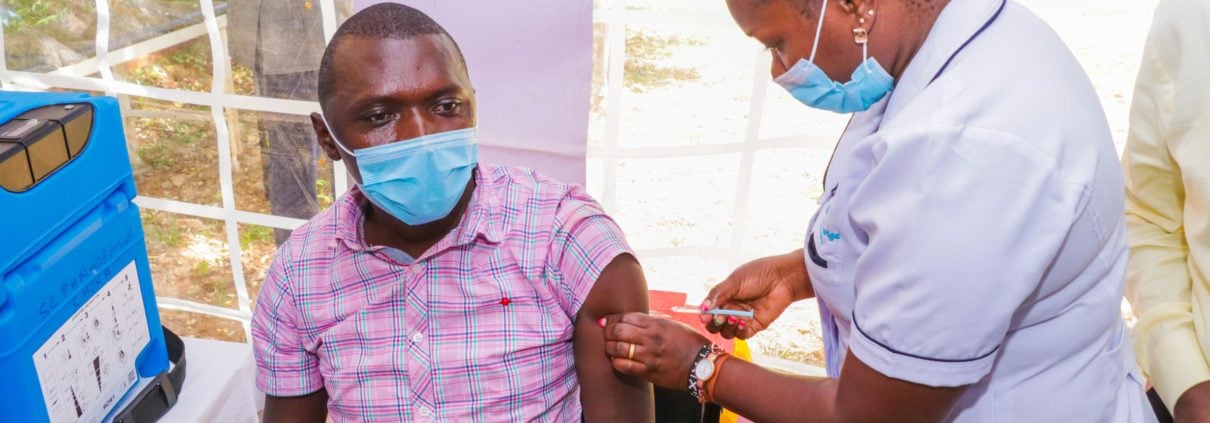
Mobile vaccination in Nigeria has proven to be very effective. One study found that thanks to mobile vaccination, six states in Northern Nigeria saw an average increase in fully immunized children aged 12–23 months, from 19% to 55%.

Conclusion

Mobile vaccination in Nigeria has been proven to be effective and is saving lives. While there is still more work to do, particularly with the children of young mothers, this is a fantastic start. With continued use of mobile vaccination and strong leadership, Nigeria can help save more lives.

– Axtin Bullock

Axtin is based in Georgetown MA, USA and focuses on Technology and Global Health for The Borgen Project.

Photo: Flickr

August 15, 2025
https://borgenproject.org/wp-content/uploads/borgen-project-logo.svg 0 0 Naida Jahic https://borgenproject.org/wp-content/uploads/borgen-project-logo.svg Naida Jahic2025-08-15 01:30:062025-08-14 07:12:10Mobile Vaccination in Nigeria is Saving Kids Lives
Global Health, Global Poverty, HIV/AIDS

The Fight Against HIV in Suriname

hiv surinameWith a population of just 640,000, Suriname is both the least populated nation on the continent and the smallest in size. Despite its modest scale, Suriname stands out as a constitutional democracy where Christianity remains the dominant faith. Although it rarely makes international headlines, the country deserves attention, not only for its rich cultural diversity but also for the pressing challenges its people continue to face, for example, the fight against HIV in Suriname.

The Prevalence of HIV

The prevalence of HIV is pretty high, estimating for almost 8,000 people per year, most of them being adults. Men are at a higher risk of this disease. In Suriname, the lack of up-to-date and detailed data on HIV prevalence continues to hinder effective policymaking. To address this, international support helped strengthen national statistics offices across the region, improving data collection and reporting.

However, economic challenges such as currency devaluation and inflation have led to major cuts in health spending, resulting in frequent shortages of antiretroviral treatment. Experts emphasize the need for renewed advocacy and updated investment cases to ensure the sustainability of HIV services.

Key Groups in the Fight Against HIV in Suriname

In Suriname, NGOs play a central role in HIV prevention among sex workers and men who have sex with men. Their outreach includes individual counseling, group education sessions, condom and lubricant distribution, and referrals to health services. For sex workers in gold mining areas, prevention efforts are integrated with malaria programs. These initiatives have shown clear success.

HIV prevalence among sex workers in Paramaribo dropped significantly, from 24.1% in 2005 to 5.8% in 2012. Most sex workers now demonstrate strong awareness of HIV prevention (96.5%), high rates of testing (82.7%), and frequent condom use (90%), according to the UNAIDS report. Still, challenges remain, particularly with consistent and correct condom use. The prevalence among sex workers remains higher than in the general population, highlighting the need for ongoing targeted interventions.

The Link Between Poverty and HIV in Suriname

The fight against HIV in Suriname cannot be separated from the country’s broader social and economic challenges. More than 17% of the population lives in poverty, while 1.1% survives in extreme poverty. Poverty is especially pronounced among households with children and in the center of the country, living much below the average poverty line. These economic hardships could directly affect the national HIV struggles. Limited household resources often mean reduced access to health care, HIV testing, and consistent treatment. What is more,  women—despite outperforming men in education—remain underrepresented in the workplaces, leaving them economically vulnerable and at greater risk of health inequities.

Fighting the Disease

Suriname has made significant progress in the fight against HIV, with support from the Global Fund and local civil society organizations. Today, 83% of diagnosed individuals are receiving antiretroviral treatment, and 90% of them have achieved viral suppression — a major step toward the UNAIDS 90-90-90 targets.

As international donor funding gradually phases out, Suriname faces the critical challenge of sustaining these achievements domestically. The country’s Sustainability Action Plan for 2021–2024 makes strategies to maintain HIV prevention and treatment services, expand local funding and continue prioritizing key populations. With sustained commitment and focused action, the fight against HIV in Suriname can continue to yield progress and bring the country closer to ending the epidemic.

– Julia Skowrońska

Julia is based in Wrocław, Poland and focuses on Global Health for The Borgen Project.

Photo: Flickr

August 6, 2025
https://borgenproject.org/wp-content/uploads/borgen-project-logo.svg 0 0 Naida Jahic https://borgenproject.org/wp-content/uploads/borgen-project-logo.svg Naida Jahic2025-08-06 03:00:292025-08-06 03:36:40The Fight Against HIV in Suriname
Disease, Global Health, Global Health

Health Care Crisis: 4 Diseases Impacting Kenya

Diseases Impacting KenyaKenya’s health care system has profoundly suffered as problems like corruption, lack of adequate resources, systemic malpractice, suboptimal policy-making, and Kenya’s ever-increasing poverty rates, amongst other severe issues, pervade Kenya’s fragile health care sector. The current climate crisis has also ignited further issues regarding Kenya’s health care system, as the rate of Neglected Tropical Diseases (NTDs) has drastically increased in recent years. Here are four diseases impacting Kenya.

Malaria

In 2022, Kenya reported around 5 million cases of malaria, with more than 12,000 Kenyans dying as a result of the outbreak. Lack of rainfall and high temperatures have exacerbated the already dire risk of Malaria contamination, as Kenya’s lack of rainfall has created environmental conditions that are highly conducive to Malaria exposure.

Extreme changes in Kenya’s weather patterns have attracted a breed of mosquito, Anopheles Stephensi, which serves as an avid transmitter of malaria. Studies have concluded that the resurgence of the Anopheles Stephensi population in Kenya could potentially expose around 126 million Kenyans to Malaria.

HIV/AIDS

Kenya currently has the seventh largest percentage of people infected with AIDS/HIV globally. Due to the erroneous distribution of health care facilities across Kenya, faulty educational policies and cultural/systemic gender norms, AIDS/HIV reigns as one of the leading causes of death in Kenya. The HIV/AIDS epidemic disproportionately affects women, especially young women (15-24), as women and young girls make up two-thirds of the current percentage of Kenyans living with AIDS/HIV. The current U.S. foreign aid freeze has only exacerbated this issue, as foreign aid has historically accounted for 40% of Kenya’s HIV/AID preventative resource supply.

Cholera

Kenya has historically been a hotspot for frequent Cholera outbreaks and has continued to affect the Kenyan population due to poor sanitation infrastructure and lack of access to clean water. Heavily populated areas like refugee camps, informal settlements, and other highly populated and poorly regulated areas have especially served as hotspots for Cholera contamination.

While efforts like nationwide vaccine distribution, an increase in research towards Cholera prevention/preparedness, and an increase in policy highlighting health care reform in Kenya have helped mitigate outbreaks in recent years, Kenya has had a Cholera outbreak almost every single year since its first outbreak in 1971.

Tuberculosis

In 2016, Tuberculosis was the fourth-leading cause of death in Kenya, and the reported cases of TB contamination have increased sixfold in the last 15 years.  The COVID-19 pandemic only exacerbated these rates, as the percentage of Kenyans who contracted Tuberculosis increased from 49% in 2019 to 61% in 2020. While the spike in Tuberculosis rates has since decreased as the turbulence of the pandemic has decreased, the 2020 Tuberculosis outbreak represents the severe fragility of Kenyan’s health care sector, as statistics have repeatedly shown that the slightest economic, political, health care, or societal issue can seriously exacerbate an already extremely vulnerable healthcare system.

The Future

Though many issues continue to fray the fabric of the health care sector in Kenya, there is hope for the welfare of Kenyan citizens. In 2024, President William Ruto implemented the Social Health Insurance Fund, mandating health care coverage for citizens nationwide.

NGOs like UNICEF and the World Health Organization (WHO) continue to implement immunization programs to reduce diseases impacting Kenya.  Though much work is still necessary when it comes to health care reform in Kenya, the shift in political attention towards healthcare reform, coupled with the persistence of NGO efforts to supply Kenya with the proper resources to combat disease outbreaks, establish that hope for the improvement of Kenya’s fractured healthcare system remains steadfast.

– Ava Lachini

Ava is based in Los Angeles, CA, USA and focuses on Global Health for The Borgen Project.

Photo: Flickr

August 2, 2025
https://borgenproject.org/wp-content/uploads/borgen-project-logo.svg 0 0 Naida Jahic https://borgenproject.org/wp-content/uploads/borgen-project-logo.svg Naida Jahic2025-08-02 03:00:452025-08-01 14:12:16Health Care Crisis: 4 Diseases Impacting Kenya
Disease, Global Health, Global Poverty

Drug-Resistant Tuberculosis Treatment in Peru

Tuberculosis Treatment in PeruPeru, located in western Latin America, has one of the highest tuberculosis rates in the region, with 33,000 reported tuberculosis cases in 2023. However, the country is leading efforts to improve treatment.

What Is Tuberculosis?

Tuberculosis is one of the most deadly infectious diseases in the world. It is an airborne disease that attacks the lungs, but it can also affect the kidneys, spine and brain. While antibiotics are used to treat tuberculosis, some people develop drug-resistant strains, meaning the bacteria no longer respond to the usual medications.

Treating drug-resistant tuberculosis requires special medications, which can cause side effects and may take months or even years to work. In comparison, non-drug-resistant tuberculosis typically takes up to nine months to treat.

Tuberculosis Treatment in Peru

Every year, doctors in Peru diagnose around 1,500 people with multidrug-resistant tuberculosis, one of the most difficult forms of the disease to treat. The standard treatment can take up to two years and involves daily pills along with two or three injections a day. That changed in 2024, when Peru became one of the first countries in Latin America to adopt new treatments for drug-resistant tuberculosis: bedaquiline, pretomanid, linezolid and moxifloxacin (BPaLM). These regimens are shorter, take just six months and eliminate the need for injections.

This shorter treatment period comes with several benefits. Patients need fewer visits to the health center, reducing their transportation costs. It also causes fewer side effects than previous treatments. Fewer visits make it easier for people to stay in treatment while continuing to work. Peru did not implement this new treatment program overnight. Since 2023, doctors, nurses and health monitors have been receiving training on how to use the treatment, manage its potential side effects and support patients throughout both treatment and recovery.

The new regimen is also included in Peru’s National Tuberculosis Plan, which makes tuberculosis treatment free for patients. The new treatment, with all its benefits, has proven successful. More than 1,200 people have received the shorter regimen as of March 2025 and treatment success rates have increased from 60% to 90%. Additionally, dropout rates, the number of people who stop treatment, have dropped from 25% to just 7%.

Leading the Way in Tuberculosis Treatment

As a result of its success in implementing the new treatment, Peru is leading the way in tuberculosis treatment. In June, Peru held a regional meeting that brought together 20 different countries to accelerate collaboration and scale-up of the implementation of the new treatment. The meeting was held with PeerLINC, a global peer-to-peer knowledge hub for tuberculosis. About 200 clinicians and health officials participated in the meeting and the training on the new treatment.

Peru’s experience shows that with strong national leadership, targeted training and patient-centered care, even the most challenging forms of tuberculosis can be effectively treated. By cutting treatment time, reducing side effects and improving success rates, Peru is setting a new standard for managing drug-resistant tuberculosis in Latin America and globally. As other countries look to replicate this success, Peru’s progress offers a powerful example of how innovation and commitment can transform public health outcomes.

– Axtin Bullock

Axtin is based in Georgetown, MA, USA and focuses on Technology and Global Health for The Borgen Project.

Photo: Unsplash

July 23, 2025
https://borgenproject.org/wp-content/uploads/borgen-project-logo.svg 0 0 Lynsey 2 https://borgenproject.org/wp-content/uploads/borgen-project-logo.svg Lynsey 22025-07-23 07:30:322025-07-23 00:57:57Drug-Resistant Tuberculosis Treatment in Peru
Global Health, Global Poverty

Endometriosis in Uganda: A Silent Crisis and the Power of NGOs

Endometriosis in UgandaEndometriosis is a severe, chronic and progressive disease that affects one in 10 women of reproductive age globally. It happens when endometrial tissue grows outside the uterus, usually on the ovaries, fallopian tubes and pelvic lining. This tissue reacts to hormonal cycles, causing internal bleeding, inflammation and scarring. When left undiagnosed or untreated, the disease can spread to other organs like the bladder or bowel and result in infertility or, in severe cases, require the removal of the uterus and ovaries.

In Uganda, many women are led to believe that menstruation cramps, debilitating pain and heavy bleeding are part of being a woman. Yet, the reality is that intense cramps, heavy periods, constant fatigue, gastrointestinal distress, pain during intercourse and the ineffectiveness of nonsteroidal anti-inflammatory drugs (NSAIDs) are the hallmarks of endometriosis.

Absence of a Targeted Health Care Policy

According to Grace Nagawa, Executive Director of the Endometriosis Foundation Uganda, one in seven Ugandan women may have endometriosis. However, there is no government or international data on its prevalence. This absence is not trivial as it prevents precise assessments, targeted allocation of resources and the implementation of proper public health policies. To date, endometriosis remains absent from Ugandan public health legislation. Furthermore, despite the government’s recent increase in the national health budget to more than $1 billion in 2025/26, there is still no dedicated national budget for endometriosis.

This oversight results in limited specialist resources for diagnosis and treatment, which is exacerbated by the low awareness of the condition. Many Ugandan women face years of misdiagnosis, with the first correct diagnosis taking nine to 10 years. This delay often leads to progression to advanced stages of the disease, such as Stage 4, which constitutes the most severe one. Uganda also faces a severe shortage of endometriosis specialists. Following the death of Dr. Kiggundu in 2025, only four specialists remain to treat the condition nationwide, resulting in an unmet demand for care. Critical diagnostic equipment, notably laparoscopes, is also lacking, especially in regional hospitals.

Socioeconomic Repercussions on Women and Girls

The socioeconomic impact of endometriosis in Uganda is huge. Severe pain often disrupts education and employment. According to a 2025 value-for-money audit, around 64% of Ugandan girls miss school due to menstruation. The financial burden of endometriosis is also considerable, as the cost of hormonal treatments and surgery is prohibitive for many.

Laparoscopic surgery, the most effective diagnostic method, can cost more than what most affected women can afford. While wealthier Ugandan women can afford a laparoscopy or receive treatment abroad, notably in Nairobi, the most impoverished are forced to suffer in silence. Chronic pain, delayed diagnoses and disrupted lives also contribute to mental health issues, such as anxiety, depression, isolation and trauma.

Local Efforts: NGOs Are Leading The Fight

Despite these challenges, two Uganda-based NGOs are working to support and empower women and girls affected by endometriosis:

  • Endometriosis Foundation Uganda aims to improve health by educating the public and health care professionals through awareness walks and charity marathons. It also partners with health organizations to enhance diagnostic and treatment processes. For example, it organizes training sessions with the Endometriosis Foundation in Kenya, where gynecologists have more expertise, enabling better support for Ugandan women unable to seek treatment abroad.
    The organization also helps women who are economically affected by endometriosis and cannot afford treatment or surgery. Finally, its mission also consists of advocating for better access to health care, timely diagnosis, appropriate treatment and national investment in medical research.
  • The Endometriosis Care Center Uganda (ECCU) is a critical NGO established in 2021 and runs four main programs. The Health Promotion Program offers free screening clinics, symptom assessments, treatment options and referrals to endometriosis specialists. The Habitation and Rehabilitation Program provides women and girls with face-to-face therapy sessions, telecounselling and self-help groups to help them cope with chronic pain and the emotional fallout of endometriosis.
    Through the Social Capacity Building and Empowerment Program, ECCU promotes narrative-sharing among women with endometriosis, fostering peer support between women at different stages of their medical journey. This program also provides life-skills development, confidence and talent nurturing to help women and girls return to education and employment after years of illness.
    Finally, through its Lobbying and Advocacy Program, ECCU advocates for recognizing and including endometriosis in the Ministry of Health’s data systems and Ugandan legislation. Finally, it also works toward implementing laws and policies that improve the diagnosis, treatment options and provision of resources for endometriosis in Uganda.

Conclusion

Endometriosis poses a critical health and socioeconomic challenge in Uganda. A significant number of women are affected, often struggling for years with misdiagnosis and untreated symptoms. The Endometriosis Foundation Uganda and the ECCU are working to improve access to health care, awareness and diagnosis and advocate for policy change.

While their efforts are critical to supporting affected women and girls, major gaps remain. There is a pressing need for a comprehensive approach involving the Ugandan government, international organizations and local NGOs. Key issues include the shortage of endometriosis specialists, the high cost of treatment and the lack of targeted health policies and data.

– Juliette Delbarre

Juliette is based in London, UK and focuses on Global Health for The Borgen Project.

Photo: Flickr

July 23, 2025
https://borgenproject.org/wp-content/uploads/borgen-project-logo.svg 0 0 Lynsey 2 https://borgenproject.org/wp-content/uploads/borgen-project-logo.svg Lynsey 22025-07-23 07:30:042025-07-23 03:10:09Endometriosis in Uganda: A Silent Crisis and the Power of NGOs
Global Health, Global Poverty, Technology

Radio and Public Health in Africa: Still a Critical Voice

radio and public health in africaInformation is power—especially when it comes to health. The problem is that reliable information is not always easy to come by. For example, as of 2024, internet penetration in Uganda is 27%. The main source of information for Ugandans is radio at 38%, including word of mouth at 21%, phone calls at 15% and television at 14%. When health concerns arise, the internet connects experts with new findings and patients with treatment paths—but it is not the only technology leading to healthy outcomes. As pandemics, stigma and misinformation continue to affect the global population, communities are shaping public health in Africa with the proven power of radio.

Engagement between Health Care Workers and the Public

Research in the medical field is always evolving, bringing new information to light surrounding important issues. Malawi Liverpool Wellcome Trust designed a participatory radio program Umoyo Nkukambirana or “Let’s Talk About Health,” which hosted medical researchers, presenting health topics and current research in Chichewa—the local language.

The radio would advertise the program in advance, encouraging listeners to raise questions via SMS text and local radio listening clubs with the researchers responding. Indeed, topics ranged from diabetes to vaccines, with roughly 500 citizens sending in questions, primarily from rural areas.

By creating a conversation and opening the floor to citizens without alternative access to information, engagement increased, and education followed.

Radio and Public Health in Africa during COVID-19

Throughout the pandemic, community radios played a pivotal role in the spread of life-saving information. Koch FM from Kenya broadcasted public health advice along with songs advising people on preventative measures; Radio Dondo in Mozambique hosted debates, interviews, and reports on the ongoing crisis; and Argoba Community Radio in Ethiopia contributed to the fight against misinformation as it spread from social media channels.

Various global organizations noticed these actions, with UNESCO, the EU and the African Center for Disease Control partnering in 2022 to offer a program to four African regions and their community radio journalists. The program focused on research and presentation processes in journalism, with UNESCO stressing “the unique power of the radio in reaching the grassroot communities with the right information.”

Fighting Ebola Misinformation

Even as technologies improve across developing countries, radio can be seen as a well of historic information. In Uganda, AI is using this information to gain insight into public opinion and misinformation. In 2022, when the country declared an Ebola outbreak, polarizing discourse and misinformation followed. To learn about how public sentiment was being shaped, Jonathan Mukiibi at Makerere University developed a program that transcribed recordings from community radio shows, then analyzed them for data points. He sought to add the voices of those who did not have access to the internet. In a country where political parties are often viewed with distrust, many of the country’s inhabitants believed that the declared Ebola outbreak was just a political move to undermine the recently elected party. With the help of Mukiibi’s new program, policymakers could make better decisions in current and future outbreaks.

In an age increasingly defined by smartphones and the internet, the threads weaved between radio and public health in Africa continue to connect people effectively. This decades-old technology serves as a sturdy platform and a wellspring of data. When it comes to the health of the people, it does not matter how the information is getting out; it just matters that people receive it.

– Levi Ravnsborg

Levi is based in Summerland, BC, Canada and focuses on Technology and Solutions for The Borgen Project.

Photo: Wikimedia Commons

July 15, 2025
https://borgenproject.org/wp-content/uploads/borgen-project-logo.svg 0 0 Naida Jahic https://borgenproject.org/wp-content/uploads/borgen-project-logo.svg Naida Jahic2025-07-15 01:30:012025-07-15 02:03:20Radio and Public Health in Africa: Still a Critical Voice
Disease, Global Health, Global Poverty

Disease Prevention in Sierra Leone

Disease Prevention in Sierra LeoneDisease has inflicted much damage across Sierra Leone, causing the country to have an average life expectancy of only 61 years compared to the global average of 73. However, with help from various health organizations and policies, disease prevention in Sierra Leone has improved.

Infection Prevention and Control

During the Ebola outbreak from 2013 to 2015, 8,706 citizens of Sierra Leone were infected with Ebola. At the time, limited awareness of hygiene and infection control was an issue among Sierra Leone’s healthcare providers. To combat this, Sierra Leone’s Ministry of Health and Sanitation created a National Infection Prevention and Control Unit, or NIPCU, to provide oversight in all Health care processes. With the new implementation of policies and standardized training, the NIPCU serves to bring a united front for disease prevention in Sierra Leone. 

As of 2016, the NIPCU established 28 isolation units across Sierra Leone, providing a total bed capacity of 190, and trained a total of 8,221 health workers. The Infection Prevention and Control policies provided a much-needed form of organized education and training within Sierra Leone. However, caring for the ill requires a group effort.

Centers for Disease Control and Prevention

Going hand in hand with IPC, the Centers for Disease Control began helping Sierra Leone during the Ebola epidemic by training healthcare workers. The CDC also supported Sierra Leone during the COVID-19 pandemic, which saw a total of 7,674 confirmed cases. To combat COVID-19, the CDC introduced an IPC Certification Course, whose graduates continue assisting people infected with COVID-19. 

As of March 2021, 43 graduates of Sierra Leone’s Advanced IPC Certification Course serve as mentors and supervisors, providing continued oversight of the practices established by the IPC and CDC. The success of the CDC continues to guide Sierra Leone towards other disease treatments. According to the CDC, Sierra Leone’s National HIV Response is looking at epidemic control by 2030.  

International Federation of Red Cross


Supporting the Sierra Leone Red Cross, the International Federation of Red Cross has helped prepare communities to stop the spread of diseases, such as measles, Acute watery diarrhea, and viral hemorrhagic fever. The IPC and the CDC focus on preparing communities for outbreaks and disease prevention in Sierra Leone. However, the IFRC emphasizes community engagement, resilience building, education, and transportation in addition to their volunteer and training efforts. Activities include:

  • Preparing various sectors on how to  respond to potential outbreaks to maintain the economy
  • Training media to convey important lifesaving information to affected communities
  • Interacting with students, teachers, and schools to prepare them with important epidemic messages and referrals.

The IFRC and Sierra Leone Red Cross have trained over 200 government partners and volunteers in disease preparedness and community surveillance.

The organizations and policies working in Sierra Leone have made strides in creating a standardized system for monitoring, preparation, and prevention in Sierra Leone. While there is still work to be done in improving health in the country, the progress made in education and training in Sierra Leone is essential in the journey ahead.

– Matthew Perduk

Matthew is based in Chantilly, VA, USA and focuses on Good News and Global Health for The Borgen Project.

Photo: Flickr

June 28, 2025
https://borgenproject.org/wp-content/uploads/borgen-project-logo.svg 0 0 Kim Thelwell https://borgenproject.org/wp-content/uploads/borgen-project-logo.svg Kim Thelwell2025-06-28 07:30:372025-06-27 21:42:34Disease Prevention in Sierra Leone
Aid, Global Health, Global Poverty

Liveaboard Helpers Provide Hope for Africa

Liveaboard helpersHealth care is widely accessible in many parts of the world, but in some places, it is much more difficult to access. Mercy Ships volunteers have been providing help to the less fortunate since 1978. A partnership with MSC in 2011 has helped Mercy Ships enhance its services.

Mercy Ships has impacted more than 2 million lives with the help of its liveaboard helpers. It has done over 119,000 surgeries, trained more than 50,000 people and has had more than 1,500 volunteers each year. Globally, 50% of all human beings live near a coast, making this the reason they use ships. “Two physicians per 10,000 people in sub-Saharan Africa” is the reason it serves the African region.

Providing Surgeries in Africa

Many of the stories by Mercy Ships recount the experiences of people living in countries where inadequate health care is available, as well as those who require surgeries.

According to Mercy Ships, ” In some areas of the world, medical professionals are a rarity. In countries like Sierra Leone, Madagascar, and others across sub-Saharan Africa, hospitals are scarce, and access to quality medical care is limited.” “Many people suffer from treatable conditions simply because there are no doctors or medical resources available to help them.”

In a 2019 Mercy Ships press release said how one child, Aissata from Guinea, was born with a cleft lip. She received assistance from liveaboard helpers through the Africa Mercy ship, which the child, of less than a year old, traveled around 200 miles with her mother to receive assistance from the liveaboard helpers.

“Their family is among the world’s estimated 5 billion people who do not have access to safe, affordable, timely surgery,” said the press release. “In sub-Saharan Africa specifically, 93% of the population cannot get the surgery it needs.” Africa requires places to get surgeries and health professionals.

Partnership

A partnership between MSC and Mercy Ships began in 2011. MSC originally provided cargo, but that turned into much more because of the attention MSC gave to Mercy Ships.

“I spent part of my childhood and early years in the shipping industry in the Horn of Africa, it is a region close to my heart,” said Diego Aponte, the founder. “I saw firsthand the challenges faced by many local communities there and this shaped my conviction that improving the availability of healthcare would bring real and lasting impact for them.”

MSC helps to provide funding, leading the way for Mercy Ships to focus on other areas.

In 2024, MSC Foundation, MSC Group and Mercy Ships partnered to grow the number of Mercy Ships to three.

This new ship will have a two-deck hospital, the ability to house around 600 crew, training areas and six operating rooms. The new ship will operate in sub-Saharan Africa.

In an MSC press release, Gert van de Weerdhof, CEO of Mercy Ships, said, “This new vessel and her future crew will enable us to meet surgical needs while supporting host nations as they develop healthcare systems with their next generation of medical professionals.”

– Matthew Restrepo

Matthew is based in Milton, GA, USA and focuses on Good News and Global Health for The Borgen Project.

Photo: Flickr

June 26, 2025
https://borgenproject.org/wp-content/uploads/borgen-project-logo.svg 0 0 Naida Jahic https://borgenproject.org/wp-content/uploads/borgen-project-logo.svg Naida Jahic2025-06-26 01:30:272025-06-25 11:59:17Liveaboard Helpers Provide Hope for Africa
Disease, Global Health, Global Poverty

Sanitation Improvements in Uganda: Empowering Youth Innovation

sanitation improvements in UgandaIn Uganda, more than 24 million people—more than 60% of the population—lack access to basic drinking water services. Nearly one in 10 still practice open defecation and two-thirds of households do not use soap when washing. Despite these challenges, the country continues to make progress in improving school hygiene and sanitation. Local youth are leading many of these efforts. Across the country, students and communities collaborate on projects that address public health concerns and support sustainable development. These sanitation improvements in Uganda strengthen education, especially for girls and help protect children from preventable diseases.

Addressing a National Sanitation Crisis

Many Ugandan schools still face serious challenges related to water, sanitation and hygiene (WASH). According to UNICEF, nearly 30% of schools do not have usable toilets and 40% lack access to handwashing stations. These shortages contribute to frequent illnesses, absenteeism and high dropout rates, particularly among girls, who are more likely to miss school during menstruation when hygiene facilities are inadequate.

The Centre for African Justice notes that poor WASH conditions in schools harm students’ health, attendance and dignity. While Uganda has policies like the School Health Policy in place, implementation often falls short, particularly in rural regions. To bridge these gaps, youth-led movements and nonprofit organizations continue to play a vital role in sanitation improvements in Uganda and raising community awareness.

Students Lead Practical Sanitation Solutions

A collaborative project between Wright State University students and a rural Ugandan school offers a clear example of youth-driven innovation. The engineering students co-designed and installed composting latrines, handwashing stations and improved gray water discharge systems. These improvements introduced sustainable technology while strengthening local ownership. Teachers, students and parents reported stronger attendance and a renewed sense of pride in their school environment.

Clean Water Boosts Girls’ Education

Access to clean water directly supports girls’ education. At God’s Hope Primary School, the nonprofit Simone’s Kids installed a clean water system that replaced unsafe, time-consuming water collection, reducing student absenteeism. Previously, children spent hours walking to collect water from unsafe sources. The new system provides safe drinking water and supports regular handwashing practices. Girls, in particular, benefited from private sanitation facilities, which allowed them to manage menstrual hygiene and continue their education without disruption.

Safe Water Unlocks Opportunity

Water for Good, a nonprofit working in Uganda, highlights how safe water systems open new possibilities for children. A young girl shared how a new well at her school enabled her to attend classes regularly and focus on her future goals. These stories show how basic water access can change educational outcomes and help students imagine new possibilities.

A Sustainable Path Forward

Youth-led sanitation efforts in Uganda reflect a broader commitment to health, equity and education. By installing clean water systems, building safe toilets and promoting hygiene, these projects create safer learning environments. Continued investment in school sanitation could support better academic outcomes and strengthen national development. Uganda’s youth remain central to this progress, shaping a future where all students can learn and thrive with dignity.

– Vasara Mikulevicius

Vasara is based in West Bloomfield, MI, USA and focuses on Good News and Global Health for The Borgen Project.

Photo: Flickr

June 22, 2025
https://borgenproject.org/wp-content/uploads/borgen-project-logo.svg 0 0 Precious Sheidu https://borgenproject.org/wp-content/uploads/borgen-project-logo.svg Precious Sheidu2025-06-22 01:30:002025-06-21 13:59:11Sanitation Improvements in Uganda: Empowering Youth Innovation
Page 3 of 40‹12345›»

Get Smarter

  • Global Poverty 101
  • Global Poverty… The Good News
  • Global Poverty & U.S. Jobs
  • Global Poverty and National Security
  • Innovative Solutions to Poverty
  • Global Poverty & Aid FAQ’s
Search Search

Take Action

  • Call Congress
  • Email Congress
  • Donate
  • 30 Ways to Help
  • Volunteer Ops
  • Internships
  • Courses & Certificates
  • The Podcast
Borgen Project

“The Borgen Project is an incredible nonprofit organization that is addressing poverty and hunger and working towards ending them.”

-The Huffington Post

Inside The Borgen Project

  • Contact
  • About
  • Financials
  • President
  • Board of Directors
  • Board of Advisors

International Links

  • UK Email Parliament
  • UK Donate
  • Canada Email Parliament

Get Smarter

  • Global Poverty 101
  • Global Poverty… The Good News
  • Global Poverty & U.S. Jobs
  • Global Poverty and National Security
  • Innovative Solutions to Poverty
  • Global Poverty & Aid FAQ’s

Ways to Help

  • Call Congress
  • Email Congress
  • Donate
  • 30 Ways to Help
  • Volunteer Ops
  • Internships
  • Courses & Certificates
  • The Podcast
Scroll to top Scroll to top Scroll to top