• Link to X
  • Link to Facebook
  • Link to Instagram
  • Link to TikTok
  • Link to Youtube
  • About
    • About Us
      • President
      • Board of Directors
      • Board of Advisors
      • Financials
      • Our Methodology
      • Success Tracker
      • Contact
  • Act Now
    • 30 Ways to Help
      • Email Congress
      • Call Congress
      • Volunteer
      • Courses & Certificates
      • Be a Donor
    • Internships
      • In-Office Internships
      • Remote Internships
    • Legislation
      • Politics 101
  • The Blog
  • The Podcast
  • Magazine
  • Donate
  • Click to open the search input field Click to open the search input field Search
  • Menu Menu

Archive for category: Foreign Aid

Foreign aid coverage and information.

Foreign Aid, Global Poverty, Humanitarian Aid

Complications for Yemen’s Humanitarian Crisis

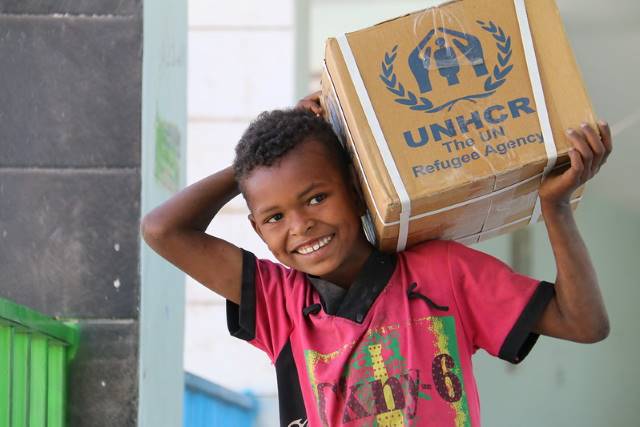
Yemen's humanitarian crisisCaught in a civil war rife with ongoing violence costing thousands of lives, Yemen is currently the most impoverished country in the Middle East and is experiencing a severe humanitarian crisis. Yemen’s humanitarian crisis is a matter of urgency as roughly 24 million Yemenis depend on foreign aid for survival.
Houthis Terrorist Designation

On January 10, 2021, U.S. Secretary of State Mike Pompeo announced that Yemen’s Houthis group would be designated as a foreign terrorist organization by the State Department. The designation went into effect on January 19, 2021, only a day before the new presidential administration would see Pompeo exit his position. This decision has drawn international concerns and criticisms as it is feared that the label would pose major challenges to U.S.-Yemen relations.

As foreign aid must go through the Houthis in order to be allocated to the people of Yemen, this act would further complicate the distribution of essential aid from the U.S. and exacerbate the humanitarian crisis in Yemen. Meanwhile, it has equally evoked a necessity to put the spotlight back on Yemen’s dire state of relentless and unforgiving civil war.

Conflict and Corruption in Yemen

Since North and South Yemen unified in 1990 to form the present state of Yemen, the country has struggled with internal unity due to the inherent religious and cultural divide among citizens. However, these differences became increasingly visible in 2014, when Yemen experienced a period of unrest throughout its population after Yemen’s president, Abdrabbuh Mansur Hadi, lifted fuel subsidies, threatening an aggravated state of poverty and food insecurity throughout the nation.

Frustrated with the pervasive corruption within the administration, widespread protests would encourage the Houthi rebels to consolidate power and take over Yemen’s Government the same year. In an effort to regain control over the region, Saudi Arabia utilized military intervention to overthrow the Houthis with the aid of foreign powers such as France, the United States and the United Kingdom. However, this conflict only set the stage for the calamity to come.

Since the Houthi takeover and the Saudi-led intervention, the humanitarian crisis in Yemen has seen more than 200,000 fatalities recorded as a result of direct and indirect effects of the country’s civil war.

Signs of Promise

While the designation of the Houthis as a terrorist organization throws a wrench into the already complex relationship dynamic between the United States and Yemen, there are three signs of promise:

  • Following Pompeo’s announcement, the United States exempted organizations such as the Red Cross and the United Nations to continue essential aid to Yemen and allowed for exports of agricultural commodities and medicine.
  • On January 25, 2021, the United States approved a month-long exemption that would allow transactions to take place between the U.S and the Houthis.
  • The new secretary of state, under the Biden Administration, Antony Blinken, has pledged to review the terrorist designation of the Houthis — a reassuring statement for the stability of aid to Yemen’s people.

Despite this setback, the designation has nevertheless raised an opportunity to bring our attention back to Yemen’s tumultuous state. Revitalized efforts of diplomacy may inspire more substantial action in order to address Yemen’s growing humanitarian crisis.

– Alessandra Parker
Photo: Flickr

March 2, 2021
https://borgenproject.org/wp-content/uploads/borgen-project-logo.svg 0 0 Yuki https://borgenproject.org/wp-content/uploads/borgen-project-logo.svg Yuki2021-03-02 01:30:102021-02-26 14:48:07Complications for Yemen’s Humanitarian Crisis
Foreign Aid, Global Poverty, Women

Susan Rice’s Approach to Foreign Aid

Susan Rice's Approach to Foreign Aid
Susan Rice’s approach to foreign aid has formed by her listening to her colleagues’ advice. Her approach is to negotiate and implement policies to help textile workers, small farmers and other people in need.

Susan Rice’s Background

According to her latest 2019 book, “Tough Love: My Story of the Things Worth Fighting For,” Susan Rice grew up in Washington, D.C. Her first job in 1979 at age 14 was as a Democratic page in the U.S. House of Representatives. She graduated high school and took home many awards from the National Cathedral School NCS in D.C. After this, she was a fellow at the Brookings Institute and an undergraduate at Stanford University.

She studied at Oxford in the U.K., where she earned her M.Phil. (masters) degree in international relations. Afterward, she went on to earn her Ph.D. During that time, her thesis “The Commonwealth Initiative in Zimbabwe, 1979–1980: Implications for International Peacekeeping” won the 1991 Chatham House–British International Studies Association Award for the most distinguished doctoral dissertation in international relations in The U.K. She went on to be the youngest black woman to serve in a presidential administration.

Susan Rice’s approach to foreign aid has involved her putting her colleague’s advice into practice. When she first started as assistant secretary of state for African affairs, her colleague Ambassador Prudence’s advice was to pay attention to policy outcomes, not the bureaucracy.

African Growth Opportunity Act and Other Programs

During her years in the Clinton Administration, Susan Rice worked hard toward the African Growth Opportunity Act (AGOA), which passed Congress in 2000. In 2015, Congress updated and extended the program through 2025. The AGOA requires countries to remove obstacles to U.S. trade, implement poverty reduction procedures, fight corruption and bolster human rights.

Poverty is reducing among women through the creation of jobs and through new businesses that women own. The African Women’s Entrepreneurship Program (AWEP), which supports women who own businesses in sub-Saharan Africa, came to be because of the AGOA.

The Department of State also created an International Visitor Leadership Program (IVLP). This program sponsors a small group of African women business owners to come to the U.S. for a three-week intensive networking event to meet with leaders in bipartisan policy, industry and nonprofits. The support these women entrepreneurs receive helps create jobs and influence society. It lifts their communities out of poverty one job at a time.

Work as the US Ambassador to the United Nations

Susan Rice’s approach to foreign aid widened when the Obama Administration made her the U.S. Ambassador to the United Nations. The Trans-Pacific Trade Partnership (TPP), which began with the George W. Bush Administration, continued in the Obama Administration.

It had the intent of lowering or eliminating tariffs on imports and exports of participating countries, thus making it more affordable for them to produce, import and export. The affordability attracts businessmen and women and lifts people out of poverty by creating jobs in both the import and export country. This symbiotic relationship helps lift people out of poverty by the creation of these jobs. In 2014, according to Susan Rice’s speech, one-third of TPP participants were from the Association of Southeast Asian Nations (ASEAN). Indonesia, Malaysia, Philippines, Singapore and Thailand, Brunei Darussalam, Vietnam, Lao PDR, Myanmar and Cambodia all benefit from TPP.

How TTP and AGOA Impact People

Susan Rice’s approach to foreign aid is to negotiate and implement policies like TTP and the AGOA. According to The World Bank, TTP will increase the wages of poor under-skilled textile workers in Vietnam by over 14% by 2030. African countries could also benefit from TTP and especially African women.

According to The World Bank, women make up most of the small farmers in Africa. These women carry goods across borders where they sometimes meet with opposition in documents, regulatory requirements and tariffs.

As Brookings reported, Africa is benefiting from the AGOA. In 2014, African countries exported nearly $1 billion worth of textiles to the U.S. creating jobs for poor under-skilled workers, especially women.

– Kathleen Shepherd-Segura
Photo: Flickr

March 1, 2021
https://borgenproject.org/wp-content/uploads/borgen-project-logo.svg 0 0 Jennifer Philipp https://borgenproject.org/wp-content/uploads/borgen-project-logo.svg Jennifer Philipp2021-03-01 07:30:472024-12-13 18:02:23Susan Rice’s Approach to Foreign Aid
Foreign Aid, Foreign Policy, Global Poverty, USAID

4 New Members of the 117th Congress Who Could Shape America’s Approach to Foreign Aid

4 Incoming Members of the 117th Congress Who Could Shape America’s Approach to Foreign Aid
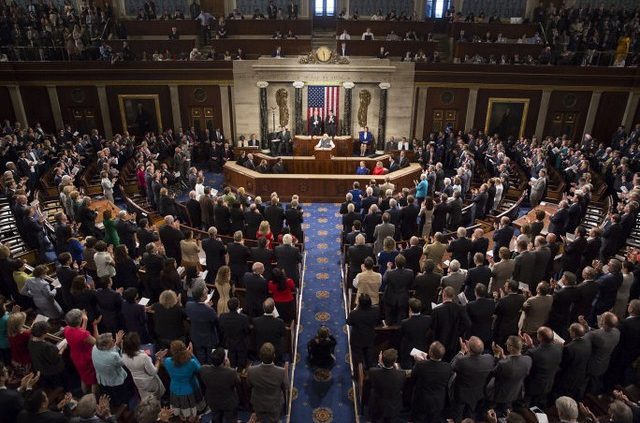
At least 65 representative-elects and senator-elects joined the 117th Congress in January 2021 to serve with a president who wants to “bring aid back to the center of our foreign policy.” The next two years could represent a sea of change in the U.S.’s approach to foreign policy and foreign aid under an administration committed to global development. Several new representatives want to increase foreign aid and improve the U.S.’s approach to peacekeeping and diplomacy. Here are four new members of the 117th Congress who could shape the U.S.’s approach to foreign aid.

4 New Members of the 117th Congress

  1. Sara Jacobs (CA-53) served as a policy advisor to the Hillary Clinton 2016 Presidential Campaign. Jacobs has worked to end child poverty through her nonprofit San Diego For Every Child. Jacobs was elected to represent California’s 53rd district in the U.S. House of Representatives. The Foreign Policy for America Action Network, a non-partisan advocacy organization that promotes safe foreign policy and endorses a slate of candidates each cycle who are believed to serve on key committees or lead on key legislation, endorsed Jacobs. The organization stated that she is ready to tackle issues such as immigration reform and global health on day one. According to Jacobs’ website, she supports protecting and maintaining current funding levels for USAID. However, she also supports properly funding the State Department and USAID to maximize efficiency.
  2. Mondaire Jones (NY-17) has worked in the Department of Justice and provided legal counsel with the Legal Aid Society. When inaugurated, he and fellow New York Representative-elect Ritchie Torres will be the first openly gay Black men in Congress. Jones promotes a “Diplomacy-First” foreign policy, sharing the belief that if the U.S. can dedicate more funding to foreign aid. He has criticized budget cuts to USAID (the president’s Fiscal Year (FY) 2020 budget provided $41 billion for USAID, as opposed to $50 billion in the FY 2016 budget) and plans to push for reinvestment in the State Department to allow the U.S. to take initiatives in humanitarian efforts. According to his website, Jones supports redirecting funds designated for conflict and weapons sales toward aid and promoting peace and development in foreign countries.
  3. Jake Auchincloss (MA-4), a former city councilor, was recently elected to the district formerly held by Joseph Kennedy III. With an extensive background in foreign policy and service in Panama and Afghanistan, Auchincloss supports a nuanced apportionment of foreign aid. Auchincloss advocates for a recommitment to “the types of foreign aid programs that strengthened America’s alliances and improved our security in the 20th century.” He supports continued aid to countries like Iraq in combatting COVID-19 and terrorism, and he wants the U.S. to commit to increasing foreign aid. Like The Borgen Project, he believes that foreign aid is a national security asset to the U.S.
  4. In June, Jamaal Bowman (NY-16), a Bronx middle school principal, defeated 16-term incumbent Eliot Engel. Bowman has emphasized the necessity for a foreign policy that gives voice to developing nations, particularly in Africa, as those countries emerge as world leaders on the global market. Bowman also supports a new Marshall Plan, which lent assistance to Europe after World War II. This new Marshall Plan put forward by Representative Joaquin Castro (TX-20) is meant to address the economic and social disparities in Central America that have led to mass migration, poverty and violence. By addressing the root causes of these issues, Bowman believes the U.S. can help millions of vulnerable people.

A Look to the Future

Jacobs, Jones, Auchincloss and Bowman have come out in favor of innovative solutions to addressing global poverty. However, any of the new members of the 117th Congress could advance the U.S.’s approach to foreign aid. The bold approaches put forth by some of these representatives have the potential to set a standard for the future of U.S. foreign aid as Congress takes on the COVID-19 pandemic and faces a changing foreign and economic landscape.

– Kieran Graulich
Photo: Flickr

February 21, 2021
https://borgenproject.org/wp-content/uploads/borgen-project-logo.svg 0 0 Kim Thelwell https://borgenproject.org/wp-content/uploads/borgen-project-logo.svg Kim Thelwell2021-02-21 07:30:512024-05-30 07:55:524 New Members of the 117th Congress Who Could Shape America’s Approach to Foreign Aid
Foreign Aid, Global Poverty

The Anglophone Crisis in Cameroon

Anglophone Crisis in Cameroon
Since November 2016, the Anglophone Crisis in Cameroon has been ongoing, which is an issue that links to its population’s identity. A section of the English-speaking minority population of the country, originally from the northwest and southwest regions of the country, is protesting against the current government. Their claims mostly focus on the marginalization of the English language, the lack of access to English education, the common law system and even jobs for native anglophone Cameroonians. The conflict started with a peaceful protest from anglophone lawyers and teachers and escalated with the emergence of an anglophone separatist movement. As the situation remains tense, the attention of the international community is necessary.

The State of Affairs

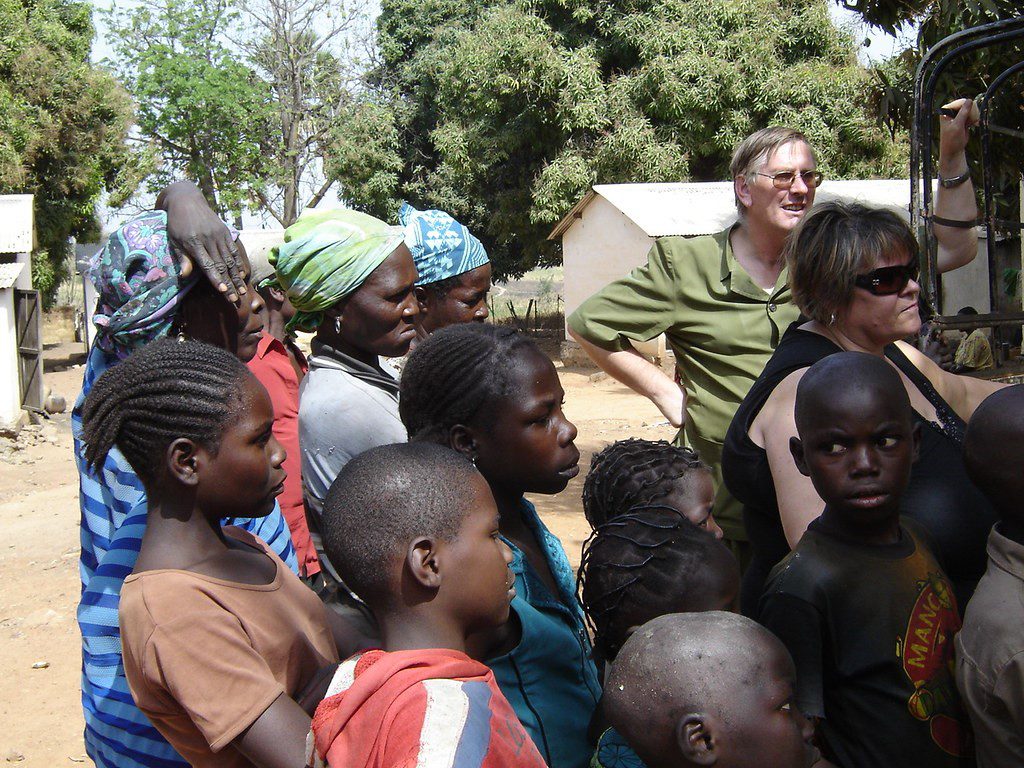
Beyond the language and identity claims, this conflict collides with other threats, such as Boko Haram, that have significantly weakened the economy of the country, especially in the northwest and southwest regions. In 2018, the National Organization of Employers, Gicam, reported that about 45% of the cocoa produced in the country is in the southwest, and 75% of Cameroonian arabica coffee comes from the northwest. Export earnings from these two commodities have fallen by 20% due to the conflict in the English-speaking area, where a fifth of the total population lives. Moreover, an increase in unemployment and the shutting down of businesses has occurred. Human Rights Watch estimates nearly 300 Cameroonians have died since January 2020 in regions of concern, and over 1 million have experienced internal displacement. In such a context, foreign aid could be particularly beneficial, but things are not that simple.

The Challenges of Foreign Aid

Through time, Cameroon has received foreign aid from countries and institutions such as France, the United States and the World Bank. In September 2020, Cameroonian Foreign Minister Lejeune Mbella Mbella asked for increased international cooperation in support of the country’s ongoing struggle against “terrorism.” Moreover, the UN OCHA has launched a Humanitarian Response Plan (HRP) that identified 3.9 million people in need. Estimates determined that the initiative would provide $320.7 million USD.

Despite some previous successes of foreign aid programs in Cameroon, challenges remain, especially in the context of the current Anglophone Crisis. Firstly, aid and humanitarian workers are highly at risk, which slows down their work. In January 2020, pro-independence fighters kidnapped seven aid workers from the Martin Luther King Jr. Memorial Foundation and the COMINSUD. Although they later released all staff, the abductions resulted in several organizations restricting their area of operations.

Secondly, cooperation with the government tends to be difficult sometimes. Indeed, Cameroonian authorities have publicly charged NGOs such as Human Rights Watch, Amnesty International and the Think Tank International Crisis Group – among other organizations – of working to “destabilize state institutions.” Resistance also comes over concerns of aid distribution, as Cameroon ranks 152 out of 180 countries in the 2018 Transparency International corruption perceptions index, and it ranks 166 out of 190 economies in the World Bank’s Doing Business 2019 report.

Good News and Solutions

Despite remaining challenges and perceptions, foreign aid has had some success in Cameroon in the past, which keeps some humanitarian workers optimistic, even during the Anglophone Crisis. Indeed, the poverty rate has dropped from 53% in 1996 to 37.5% in 2014. As many organizations continue to provide humanitarian aid to Cameroon, some experts remain optimistic that the living conditions of Cameroonians will continue to improve. The work of state and nonprofit actors continues to reap positive results, though the improvements cannot always occur easily. The United States Agency for International Development (USAID) is one of the organizations providing support to the country.

To improve these good results, it appears important to address the different obstacles to the redistribution of foreign aid in Cameroon. For this purpose, both the state and civil society level initiate actions. Indeed, at the civil society level, international organizations such as the World Bank have developed a performance-based system – Country Policy and institutional Assessment – that allows the institution to evaluate the qualification of a country to receive aid while reducing the risks of corruption.

This kind of mechanism can be a standard for international NGOs providing financial assistance to Cameroon. At the state level, the Cameroonian government has made another step towards its decentralization process. Indeed, regional advisors have undergone recent election. Their role is to foster the development of their localities while remaining accountable to the people. These new authorities can increase transparency and can use their knowledge of the local dynamics to help humanitarian workers in the distribution of aid.

– Jules Sombaye
Photo: Flickr

February 20, 2021
https://borgenproject.org/wp-content/uploads/borgen-project-logo.svg 0 0 Kim Thelwell https://borgenproject.org/wp-content/uploads/borgen-project-logo.svg Kim Thelwell2021-02-20 08:58:252024-05-30 07:56:45The Anglophone Crisis in Cameroon
Foreign Aid, Global Poverty

5 Facts About Denmark’s Foreign Aid

Denmark's Foreign Aid
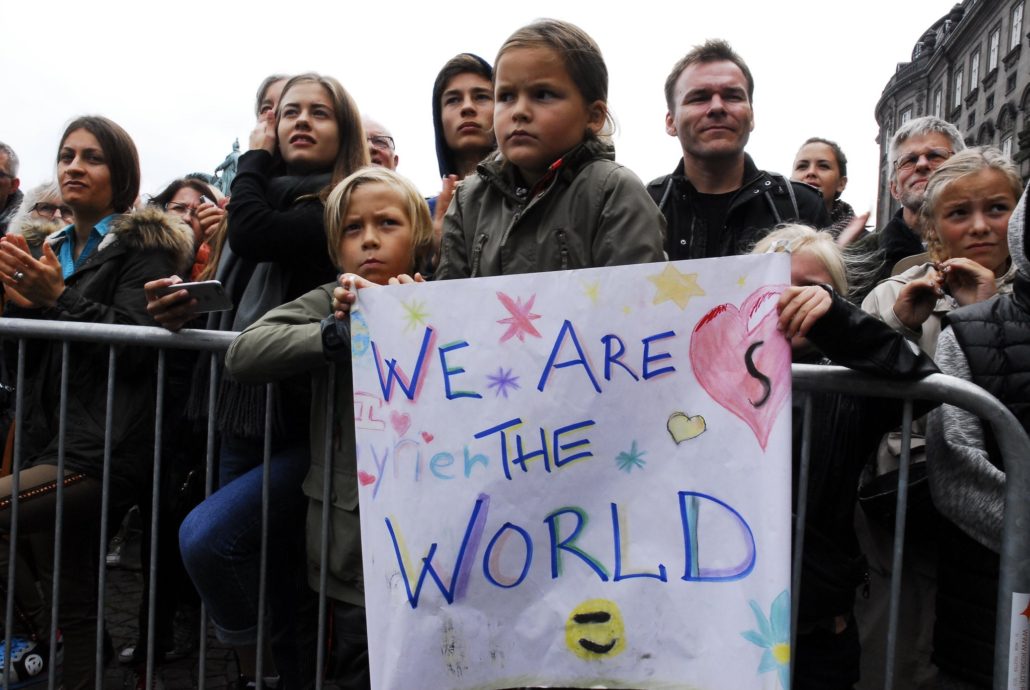
When it comes to foreign aid, one of the most widely-commended countries is the small nation of Denmark. The Danes are well-known for their generous aid spending and both donor and recipient nations recognize Denmark as a highly effective partner in the fight against global poverty. Here are five facts about Denmark’s foreign aid.

5 Facts About Denmark’s Foreign Aid

  1. Denmark is a world leader in foreign aid spending. In 2019, Denmark spent $2.55 billion on foreign aid, a seemingly small figure compared to the $34.62 billion the United States spent, but Denmark’s population is only about 1.76% that of the U.S. When adjusted for population, Denmark’s foreign aid totals $447 per-capita, much higher than the United States’ $95 per-capita. In fact, Denmark is the fourth-highest per-capita spender of all OECD countries after Norway, Sweden and Luxembourg.
  2. Denmark has consistently been a world leader since the 1970s. The United Nations uses foreign aid as a percentage of Gross National Income to measure a country’s proportional spending, and Denmark is one of the few countries that has met or exceeded the U.N.’s target of 0.7% of GNI since 1978. Denmark’s foreign aid currently amounts to 0.71% of its GNI, trailing only Luxembourg, Norway and Sweden among OECD countries. However, for a brief period during the 1990s, Denmark actually increased this number to over 1%.
  3. Low-and-middle-income countries rate Denmark high for usefulness, influence and helpfulness in foreign aid. In a new study that AidData conducted, leaders from 40 aid-receiving nations ranked Denmark as a top development partner. Besides meeting the U.N.’s foreign aid target, Denmark scored second among all countries for its usefulness regarding policy advice, second for its influence in setting agendas and first for its helpfulness regarding reform implementation. Since 2009, these reforms have included promoting greater private sector expansion and focusing on social progress as a catalyst for economic growth. Denmark’s long-term commitments to implementing such policies in a small number of prioritized nations have proven to be highly effective in reducing extreme poverty.
  4. Denmark manages its foreign aid spending and implementation through DANIDA, the Danish International Development Agency. DANIDA’s top priorities for 2020 are advancing human rights and equality, developing sustainable green growth, providing humane asylum for displaced people and maintaining international cooperation in all global efforts. Denmark’s foreign aid reaches over 70 low-and-middle-income countries, but those of the highest urgency include Afghanistan, Somalia and Niger. Efforts in Afghanistan largely center around education as Danish aid provides teacher education, updated textbooks and curriculum development. In Somalia, DANIDA works to develop safety nets, human rights advancements and strengthen national and local governance. Niger receives policy advice on properly handling the irregular number of migrants in the country as well as basic delivery of living essentials to impoverished children.
  5. Denmark can still improve. While the country is one of only six to meet the U.N.’s target of 0.7% GNI in 2019 with 0.71%, this is a substantial drop from 2015 when Denmark spent 0.85% of GNI on foreign aid. Addressing this cutback, which was largely due to increased spending on refugees within the country, should be a top concern. Reverting back to 2015’s percentage or higher is a positive step Denmark can take, and such a move is all the more likely now as Denmark’s 2019 net migration was negative for the first time in almost a decade. As the country spends less on internal migrants, more of the Danish budget is available to supplement the once-highly-robust foreign aid sector.

One of the most effective ways developed governments can help to improve conditions in poverty-stricken nations is by properly funding and managing healthy foreign aid budgets. By taking Denmark’s example, more countries should seek to meet the U.N.’s 0.7% GNI target and implement this aid in a manner that best fits the needs of impoverished individuals in low-income countries.

– Calvin Melloh
Photo: Flickr

February 19, 2021
https://borgenproject.org/wp-content/uploads/borgen-project-logo.svg 0 0 Jennifer Philipp https://borgenproject.org/wp-content/uploads/borgen-project-logo.svg Jennifer Philipp2021-02-19 07:30:522024-05-30 07:56:385 Facts About Denmark’s Foreign Aid
COVID-19, Foreign Aid, Global Poverty

The Impact of Spain’s Foreign Aid 

Spain’s Foreign Aid
Spain is a great example of a country with a diverse and organized foreign aid plan. The European nation provides aid in many different sectors to a diverse set of recipients and its population places a high value on international support. Spain’s foreign aid expenditure was a total of $2.9 billion USD in 2019, making it the 13th-largest provider of foreign aid in the world. While Spain’s foreign aid allocations fluctuate due to economic trends and fortune, the nation displays a strong commitment to development across the world. 

Spain’s Aid Strategy

Spain’s foreign aid primarily goes towards Sub-Saharan Africa and Latin America as a whole, but there are some exceptions. Some of the main countries Spain gives aid to have a long history or a strong relationship with the country. The top 10 nations that receive aid from Spain are:

  • Venezuela
  • Colombia
  • Turkey
  • El Salvador
  • Syria
  • Morocco
  • Guatemala
  • The West Bank and Gaza Strip
  • Bolivia
  • Ukraine
Of these nations, some were former colonies of Spain whereas some are very close to Spain. For example, Morocco is a mere 8 miles from Spain across the Strait of Gibraltar. This could be a primary reason why these nations are among the top receivers of Spanish foreign aid. Still, aid to these top 10 recipients only accounts for a quarter of Spanish foreign aid, showing how balanced and wide-reaching the nation’s aid planning is.

Spain’s foreign aid is diverse and targets many different sectors for development. The primary sector Spain invests in is governance and security, followed by education, industry and trade, humanitarian aid and health care. This makes up about half of the aid that Spain sends out, with the rest unspecified or in smaller sums going to sectors like water and sanitation, infrastructure and debt relief. Spain has recently made crucial contributions in these sectors to donor countries. For example, Spain sent €2 million in aid to Venezuela during its economic crisis, which Spain’s foreign aid agencies spent getting food and medical supplies to the most impoverished.

Aid in the Past Decade

Unfortunately, Spain’s commitments to foreign aid have dropped in recent years, mainly due to economic considerations. The economic crisis of 2008 hit Spain hard, and the country’s foreign aid budget mirrors its economic troubles. Spain currently contributes 0.21% of its GNI (Gross National Income) to foreign aid. This is down from a high of nearly 0.5% in 2009 when the effects of the crisis first hit. While foreign aid commitments suffered in the past decade, Spain has a strong plan to revamp its foreign aid budget in the coming years.

Still, in recent years, Spain has put its foreign aid to good use. The Spanish Agency for International Development Cooperation’s Humanitarian Action Office identified five current crisis areas that Spain’s current foreign policy plan for 2018 to 2021 emphasized. These are the Syrian regional crisis, the Sahel and Lake Chad, the Palestinian Territories, the Sahrawi Refugee Camps and Latin America and the Caribbean. Spain also participated in various emergency responses to natural disasters. These include the 2018 earthquakes in Indonesia, the 2018 Fuego volcano eruption in India and Cyclone Idai in Mozambique in 2019. The aid Spain provided included on-the-ground disaster response support and the deployment of a team of medical professionals from its health care system in response to the cyclone.

Public opinion towards foreign aid in Spain remains remarkably strong despite the recent downturn in the foreign aid budget. According to a 2018 Eurobarometer survey, Spaniards attached the greatest importance to international aid of any European nationality. It also ranked highest in Europe regarding citizens’ belief that their government should give more emphasis to international aid. 

Looking to the Future

The future of Spain’s foreign aid is bright and signifies a return to the country’s previous strong commitments to foreign aid. Spanish Prime Minister Pedro Sánchez supports a target of 0.5% GNI contribution to foreign aid and included it as a part of his governing coalition’s agreement.

Spain has been displaying a commitment to a new future of foreign aid recently, especially during the COVID-19 crisis. The country’s foreign development agencies released the Spanish Cooperation Joint Strategy to fight COVID-19, which included an extra $2 billion budget for foreign aid in 2020 and 2021. It also announced that it will prioritize global health and epidemic prevention in its development cooperation policy.

Since 2020, Spain has pledged to contribute hundreds of millions of dollars to multilateral institutions such as the Global Fund to Fight AIDS, TB and Malaria, the Green Climate Fund, the U.N.’s Sustainable Development Goals Fund and the Global Agriculture and Food Security Program. These contributions, its balanced aid policies and the populace’s enthusiasm for foreign aid indicate that Spain will continue to be a global leader in this area. 

– Clay Hallee
Photo: Flickr

February 19, 2021
https://borgenproject.org/wp-content/uploads/borgen-project-logo.svg 0 0 Jennifer Philipp https://borgenproject.org/wp-content/uploads/borgen-project-logo.svg Jennifer Philipp2021-02-19 07:30:302024-05-30 07:56:37The Impact of Spain’s Foreign Aid 
Developing Countries, Foreign Aid, Global Poverty, Humanitarian Aid

3 Countries Supported Through Iceland’s Foreign Aid 

Iceland’s Foreign AidIceland, located in the North Atlantic Ocean, has a population of fewer than 400,000 people. The small Nordic island is home to some of the most sought after natural landmarks and tourist attractions such as the northern lights. Although small, the country has provided big backing to countries triple its size through its foreign aid programs. In 2008, Iceland experienced what economists considered to be the most severe economic downturn in its history. After years of hard work, Iceland was able to rebuild its economy and rebounded successfully. Aside from the financial crisis in 2008, the country has been able to maintain relatively low poverty rates with rates remaining at 0.10% from 2013 to 2015. Iceland has paid its good fortune forward by offering assistance to countries experiencing economic fragility. The Icelandic government is committed to fighting poverty by providing support to nations in need. The main objective of Iceland’s foreign aid pursuits is to reduce poverty and hunger while advocating for human rights, gender equality and sustainable development. Three countries, in particular, have been supported by Iceland’s foreign aid.

Syria

Syria has a long history of political turbulence with numerous uprisings dating back to the 20th century. One event, in particular, was especially tumultuous. In 2015, Syria had experienced a major political uproar in one of the largest and oldest cities in the country, Aleppo. “The Battle of Aleppo” began in 2011 in the city of Deraa. Citizens who opposed the leadership of President Bashar al-Assad decided to rebel. This led to a civil war between the Syrian government and protesters who the Syrian government referred to as rebels. The civil war that lasted six years had a detrimental impact on the citizens. There were massive food and gas shortages. Multiple buildings were victim to mass bombings, including schools and hospitals. Civilians were caught in the crossfire and suffered greatly as a result. Iceland stepped in to offer assistance and allocated $600,000 to support civilians impacted by the war in 2015. The country continued in its efforts by supporting Syria with $4 million worth of humanitarian aid in 2016.

Malawi

Malawi holds one of the highest rates of poverty in the world, at 51.5.% in 2016. Malnutrition and infant mortality impact Malawi’s 18.6 million population. The country has experienced notable economic growth in the past three years, with a 4.4% increase in economy in 2019. Unfortunately, these economic gains have been stalled as a result of the COVID-19 pandemic. In early November 2020, the Icelandic government donated $195,000 to the World Food Programme to assist with the COVID-19 response in Malawi.

Uganda

Uganda and Iceland established their relationship in the year 2000. The Icelandic government is committed to enhancing the livelihood of Ugandan fishing communities located in the Kalanga and Buikwe districts. Uganda is one of the largest recipients of Icelandic foreign aid with an annual distribution of $6 million. Iceland’s contributions have seen monumental success with safe water coverage now standing at 77%, up from 58% in 2015. The primary school completion rate in Buikwe is up from 40% in 2011 to a staggering 75.5%.

Iceland: A Foreign Aid Leader

While Iceland may be small in comparison to its peers, Iceland has been tremendously influential in its foreign relations. The three countries above are just a few of the nations that Iceland has assisted. Humanitarian efforts continue to provide support to countries in need through Iceland’s foreign aid.

– Imani Smikle
Photo: Flickr

February 12, 2021
https://borgenproject.org/wp-content/uploads/borgen-project-logo.svg 0 0 Kim Thelwell https://borgenproject.org/wp-content/uploads/borgen-project-logo.svg Kim Thelwell2021-02-12 07:31:182021-02-10 03:31:453 Countries Supported Through Iceland’s Foreign Aid 
Foreign Aid, Global Poverty, Health

How Vision Health Affects Global Poverty

How Vision Health Affects Global Poverty
About 9.2% of the world lives in extreme poverty today. Vision health affects poverty as well. Additionally, 87% of blind people live in developing nations. About 87% of the blind population lives in developing nations. In fact, poverty is the leading cause of poor vision health. Impoverished countries often do not have the resources and funds to ensure positive vision health.

Poor vision results in a lack of opportunities for people. In addition, it takes a heavy toll on families in poverty. About 75% of the visually impaired require some sort of assistance. As a result, many must forfeit educational opportunities in order to care for visually impaired family members. Consequently, the familial unit becomes cemented in poverty due to the lack of opportunities for higher-paying jobs. Additionally, the world loses about $168 billion as a result of poor vision health.

Significant efforts have emerged to improve vision health in developing countries. Here are three examples of organizations coming together to distribute resources in a sustainable manner.

Eyes On Africa

Eyes On Africa is a nonprofit organization that aims to provide free eyewear to Africans. The organization recognizes the importance of eyewear in improving quality of life and productivity. Over the last 15 years, the organization has partnered with DIFF Eyewear, the Peace Corps and multiple NGOs in order to bring eyewear to communities across Africa. Furthermore, Eyes on Africa places an emphasis on working directly with communities. It distributes eyewear and connects with individuals to provide sustainable solutions. To date, Eyes on Africa has been able to provide over 20,000 pairs of glasses to those in need.

VOSH

VOSH is an organization that connects with optometrists to provide people with eyewear. In the last 50 years, VOSH has worked in numerous countries and has started over 75 chapters all over the world in an effort to provide eye care to areas in need. The organization primarily provides eye exams and treatments. VOSH is passionate about sustainability. Thus, it bolsters pre-existing eye care practices instead of starting new ones. The organization has successfully reached over 10,000 people worldwide.

OneSight

OneSight is a nonprofit organization that aims to improve global vision health by providing eyewear and eye care to vulnerable communities. The organization implemented a two-step plan to build sustainable centers and charitable clinics. These clinics focus on community outreach to make certain that their methods are applicable to them. OneSight accomplishes this by providing both urgent care and permanent solutions. This organization has successfully aided 1.5 million people in Gambia and Rwanda.

With the help of these nonprofit organizations, vision health has improved drastically. Furthermore, with eyesight improvements, people are able to find jobs and improve economic conditions.

– Stella Vallon
Photo: Flickr
February 10, 2021
https://borgenproject.org/wp-content/uploads/borgen-project-logo.svg 0 0 Jennifer Philipp https://borgenproject.org/wp-content/uploads/borgen-project-logo.svg Jennifer Philipp2021-02-10 18:37:382024-05-30 07:56:36How Vision Health Affects Global Poverty
Foreign Aid, Foreign Relations, Global Poverty, Humanitarian Aid

Facts on Foreign Aid Efforts in Afghanistan

Foreign Aid efforts in AfghanistanAfghanistan’s evolution after two gruesome decades of immense adversity has caught the attention of countries all over the world. The South Asian nation has made breakthroughs in infrastructure, getting millions of girls in school and improving community development. Nonetheless, foreign aid efforts in Afghanistan are still crucial for the further development of the country.

Foreign Aid Skepticism and COVID-19

The world wants to see Afghanistan succeed, but despite willing donors, definitive complications hinder the level of aid that Afghanistan is severely reliant on. The imminent withdrawal of U.S. troops has caused violence from the Taliban to spike while pressures of long-awaited peace talks between the two powers unfold, making donors wary of sending money that could be wasted due to corruption based on past events.

On top of that, COVID-19 is running rampant and bruising economies all over the world, cutting aid efforts in half compared to previous years.

Afghanistan’s rooted systematic issues will continue to undermine any reconstruction and development efforts unless a clear and mindful plan is made that addresses the topical concerns affecting the nation and motions toward this kind of growth are beginning to come to fruition. There are several important facts to note about foreign aid efforts in Afghanistan.

Cuts to US Forces Links to Cuts Toward Aid

To end the United States’ longest war, the Pentagon announced that a cut to U.S. forces in Afghanistan from 4,500 to 2,500 will be underway by mid-January 2021. This decision has already sparked vigilance and tensions between the Afghanistan government and the Taliban, as there is a great concern that the Taliban will feel invited to expand its influence and interfere with hopes of peace and progress. United Nations High Commissioner for Refugees, Filippo Grandi, urges that Afghans are in “acute need” of humanitarian support, stating that nearly 300,000 Afghans have been displaced by conflict in 2020.

Deadly attacks on Afghan forces show the Taliban’s intentions during a time where peace talks are being strained after months of stagnance and it has made donors feel uneasy about whether the Taliban could abuse any funding meant for aid. Even amongst suspicions, foreign donors like Germany are still showing support, urging the international community “not to turn their backs on Afghanistan.”

Ensuring Prosperity is an International Effort

After 19 years of promised reforms and attempts to grow the economy after the U.S. ousted the Taliban in 2001, Afghanistan will still be reliant on international support for the foreseeable future. Ministers from about 70 countries and officials from humanitarian organizations have pledged a total of $12 billion to the war-torn country over the next four years, at Afghanistan’s international donor conference held on Nov. 23 and 24 of 2020.

Germany has pledged $510 million in civilian assistance, the United Kingdom pledged $227 million in civilian and food aid, Norway pledged $72 million in development assistance and humanitarian aid and the United States pledged $600 million in civilian aid but made half of it conditional on the progress of Taliban peace talks. The U.S. was not alone in donating with specific conditions. All donors stressed that aid would only come as long as Afghanistan shows that it is committed to the peace process and that all parties to the Afghan conflict must respect human rights.

COVID-19 Causes Donation Restraints

Afghanistan is one of many countries taking an economic plunge due to COVID-19. The poverty level jumped from 54% last year to 70% during the pandemic, with more than half the population living on $1.14 a day, despite the billions of dollars devoted to the country over the last two decades.

A global pandemic combined with fragile circumstances emphasizes the need for foreign aid in Afghanistan, but with the heavy burden of COVID-19, most international donors have made significant restrictions on how much they can give. At the last donor conference in 2016, countries pledged a total of $15.2 billion for the years 2017-2020 compared to the $12 billion for 2021-2024.

Past Corruption is Obstructing Development

The U.S. government’s independent oversight authority on Afghan reconstruction, the Special Inspector General for Afghanistan Reconstruction (SIGAR), reported on October 20, 2021, that $19 billion of the total $63 billion that the U.S. has spent on Afghanistan’s reconstruction since 2002 was lost to waste, fraud and abuse.

With corruption forming such a stain on Afghanistan’s reputation and leaving remnants of distrust amongst potential donors, it is apparent why obtaining the necessary aid for growth and development has been such a hindrance for the war-torn country. That is why it is vital to ensure that future investments being made toward reconstruction are not lost and exploited.

Prospects for Peace

The Afghan government and the Taliban have endured a three-month impasse regarding peace talks that were finally brought to a close on November 2, 2020. The Afghan government and the Taliban are now expected to implement an agenda on how they can be partners in developmental changes and advancing realistic and sustainable peace plans.

As the world carefully watches the peace talks unfold, there is hope for a new start. Afghanistan is ready to transform into what it has envisioned for decades, and with realistic compromises set in place, there is an assurance that donors and the international community will feel less wary about foreign aid efforts in Afghanistan.

– Alyssa McGrail
Photo: Flickr

February 10, 2021
https://borgenproject.org/wp-content/uploads/borgen-project-logo.svg 0 0 Kim Thelwell https://borgenproject.org/wp-content/uploads/borgen-project-logo.svg Kim Thelwell2021-02-10 01:30:362024-05-30 07:55:58Facts on Foreign Aid Efforts in Afghanistan
Foreign Aid, Global Poverty

The Rapidly Evolving Nature of China’s Foreign Aid

China’s Foreign Aid
The pathway of China’s development in foreign aid has strongly correlated with its own trajectory of economic and diplomatic development. China’s foreign aid programs have matched with its modernization over the past seven decades, going from limited in scope to becoming both global and influential.

China’s Development Regarding Foreign Aid

For instance, four noticeable and distinct time periods showcase China’s approach toward foreign aid. In its first phase, from 1949 to China’s adoption of Reform and Opening-up Policy in 1978, its foreign aid was primarily ideological and centered around competing with Taiwan for diplomatic recognition as the rightful claimant to China following World War II. For instance, China utilized aid in order to encourage countries to vote favorably for or side diplomatically with China in international institutions. By the end of 1975 during the cultural revolution, foreign aid had amounted to 5.9% of total government spending. For comparison, in recent years, the United Kingdom’s spending on foreign aid peaked at 0.7% of its GDP. Following the Reform and Opening-up Policy, aid took a complementary role to diplomatic cooperation and trade and shrank in ideological orientation.

China’s third phase of aid focused on international institutions as China became increasingly involved in international organizations, treaties and the global economy. Since 2013, in its most recent orientation, foreign aid has matched step with China’s greater economic role in the world as it has played a greater role contributing to global aid infrastructure, such as the World Bank Group, and finds its own ways of improving on the effectivity of its own aid.

The Evolution of Chinese Aid

The expansion and evolution of Chinese aid have come from two main factors, one domestic and one international. Most recently, China’s 13th five-year plan, covering the phase of 2016-2020, laid out an increasingly global agenda for China’s development, bringing up core principles such as sustainability, openness and inclusivity. It follows that China’s current agenda for foreign aid will adopt these development principles. Internationally, adoptions of U.N. resolutions such as the Paris Climate Agreements and the G20 Hangzhou summit have carried sustainable and global development goals into its aid agenda, helping China grow as an international leader in global sustainable development.

A Picture of China’s Foreign Aid

The very nature of estimating China’s foreign aid is challenging because the data itself is a state secret. An AidData report, published in late 2017 and meticulously computed and collected by hand over a period of five years, analyzed Chinese aid commitments from 2000-2014 and provides the most recent data. Furthermore, the nature of China’s foreign aid is unlike that of other major global aid donors because it follows its own unique logic. For instance, only as recently as 2018 had China’s foreign aid come under a single centralized body. Furthermore, Chinese aid tends to emphasize economic and infrastructure aid, coming in the form of export credits or near-market rate loans.

As a result of many of these factors, one can truly call little of China’s aid official development assistance (ODA), the most common type of foreign aid in the world today. In fact, one can consider just 22% of China’s aid ODA, while roughly 93% of U.S. aid is ODA. To illustrate the distinction, estimates using looser definitions of ODA have found that China’s quantity of foreign aid has approached that of the United States in some years. Other estimations of ODA in the strict sense find that China’s quantity of aid is comparable with that of countries such as Luxembourg.

Chinese Foreign Aid Around the World

Of China’s complicated foreign aid breakdown, the top three destinations of Chinese foreign aid around the world are Africa in first with 34% of all aid flow, Central and Eastern Europe with 16% and Latin America with 15%. When accounting for only ODA-like aid, however, aid takes on a more nuanced perspective. While Latin America keeps most of its share, now with 12% of ODA-like flows, Central and Eastern Europe receives only 3% of ODA-like flow, and Africa nearly doubles its portions, receiving 58% of China’s ODA-like aid flows.

The Benefits of China’s Foreign Aid

AidData ultimately concluded in its research that Chinese aid, contrary to some people’s fears, certainly did more good than harm. One point AidData made was that Chinese ODA would, on average, contribute to a 0.7% increase in economic growth two years after project commitments, although it did not find positive correlations between non-ODA aid and growth.

China’s evolution from net aid recipient to major global donor has been a transition that has kept pace with its financial development. Despite the shortlisting of available data and information, China is poised to overtake the U.S. as the largest aid donor in Africa if one considers all of the aid it gives. Mystery ultimately shrouds China’s aid, even today, and to know where the next stage of Chinese aid will go, it would be beneficial to follow China’s broader national development agendas which set the broader tone and direction of all economic efforts in the country. Given its expanded role in today’s world, China will likely continue on its overall trend of improving both the quantity and impact of its own foreign aid as it incorporates international development agendas, learning from and teaching others about its own economic lessons.

– Marshall Wu
Photo: Flickr

February 8, 2021
https://borgenproject.org/wp-content/uploads/borgen-project-logo.svg 0 0 Jennifer Philipp https://borgenproject.org/wp-content/uploads/borgen-project-logo.svg Jennifer Philipp2021-02-08 07:30:042021-07-01 06:10:26The Rapidly Evolving Nature of China’s Foreign Aid
Page 15 of 61«‹1314151617›»

Get Smarter

  • Global Poverty 101
  • Global Poverty… The Good News
  • Global Poverty & U.S. Jobs
  • Global Poverty and National Security
  • Innovative Solutions to Poverty
  • Global Poverty & Aid FAQ’s
Search Search

Take Action

  • Call Congress
  • Email Congress
  • Donate
  • 30 Ways to Help
  • Volunteer Ops
  • Internships
  • Courses & Certificates
  • The Podcast
Borgen Project

“The Borgen Project is an incredible nonprofit organization that is addressing poverty and hunger and working towards ending them.”

-The Huffington Post

Inside The Borgen Project

  • Contact
  • About
  • Financials
  • President
  • Board of Directors
  • Board of Advisors

International Links

  • UK Email Parliament
  • UK Donate
  • Canada Email Parliament

Get Smarter

  • Global Poverty 101
  • Global Poverty… The Good News
  • Global Poverty & U.S. Jobs
  • Global Poverty and National Security
  • Innovative Solutions to Poverty
  • Global Poverty & Aid FAQ’s

Ways to Help

  • Call Congress
  • Email Congress
  • Donate
  • 30 Ways to Help
  • Volunteer Ops
  • Internships
  • Courses & Certificates
  • The Podcast
Scroll to top Scroll to top Scroll to top