• Link to X
  • Link to Facebook
  • Link to Instagram
  • Link to TikTok
  • Link to Youtube
  • About
    • About Us
      • President
      • Board of Directors
      • Board of Advisors
      • Financials
      • Our Methodology
      • Success Tracker
      • Contact
  • Act Now
    • 30 Ways to Help
      • Email Congress
      • Call Congress
      • Volunteer
      • Courses & Certificates
      • Be a Donor
    • Internships
      • In-Office Internships
      • Remote Internships
    • Legislation
      • Politics 101
  • The Blog
  • The Podcast
  • Magazine
  • Donate
  • Click to open the search input field Click to open the search input field Search
  • Menu Menu

Archive for category: Foreign Aid

Foreign aid coverage and information.

Foreign Aid, Global Poverty, Health

Japanese Foreign Aid is Crucial During COVID-19

Japanese Foreign AidJapan has been a controversial figure in foreign aid for a number of reasons. The nation is famous for its strict policies in terms of refugees and immigrants, only accepting 20 refugees out of 19,000 asylum-seeking applicants in 2017. However, historically, Japan has taken the ranks as a leading provider of foreign aid, especially during the 1990s. Even today, Japan ranks fifth in global foreign aid. While impressive, Japan faces criticism for its decreases in providing aid abroad when the nation takes in so few asylum seekers. However, currently, Japanese foreign aid is making a name for itself through the country’s significant contributions throughout the COVID-19 pandemic.
International Development Association (IDA)

In December 2021, Japan pledged to give $3.4 billion to the International Development Association (IDA) of the World Bank, a record donation for the nation. The aim of this contribution is to provide developing nations with the resources necessary to rebuild after the economic losses brought on by the COVID-19 pandemic. Japanese Finance Minister Sunichi Suzuki announced, “Now is the time for global solidarity,” according to Reuters. Japanese foreign aid to the IDA will significantly help developing nations facing the highest levels of poverty globally.

COVID-19 Vaccines

Japan has extended its support to other nations beyond simply providing monetary donations. In September 2021, Japan doubled its goal of providing 30 million COVID-19 doses, extending this number to 60 million doses globally. Japan had distributed the first 30 million vaccines to nations with vaccine shortages, such as Taiwan, Vietnam and Indonesia.

The vaccines will continue to reach nations in need and may extend beyond Asia. This donation is crucial in eliminating the health care disparities among nations, especially as the impoverished in developing nations suffer the most from a lack of COVID-19 vaccines. Overall, this is beneficial for all nations because the intensity of the pandemic could calm as vaccine distribution accelerates.

Supporting Latin America and the Caribbean

When Japan is not directly sending vaccines, it donates to organizations that distribute vaccines. Japan donated more than $11.1 million to UNICEF in August 2021 to support Latin America and the Caribbean (LAC). The funds will support the storage of vaccines at ideal temperatures and assist in achieving “effective and inclusive vaccination” across the LAC region. Much of this donation will directly aid in the creation of vaccine sites and the payment of staff and health workers to operate such facilities.

UNICEF reports that children in the LAC region are enduring social, educational and emotional impacts due to COVID-19. Japanese foreign aid in the form of the donation will increase vaccination rates for normality to resume. UNICEF has coordinated much of the efforts to drive donations for vaccines in the LAC region, a region reporting more than 40 million cases and 1.4 million deaths by the close of July 2021, accounting for 20-30% of the global toll of COVID-19 cases. Thus, UNICEF applauds Japan for its donation to accelerate vaccination efforts in the LAC.

Current Top Aid Provider

According to data from the Overseas Development Institute, among the Group of Seven nations, Japan has donated the most in global aid for COVID-19 at $5.1 billion in 2020. In comparison, Germany pledged $4.4 billion while France committed $1.9 billion and Canada gave $1.0 billion. Falling on the lower end of the donation spectrum, Britain gave $990 million while the United States gave $103 million and Italy committed $50 million. However, the United States could surpass Japan’s total donations as the Biden administration has expressed several foreign aid commitments during the COVID-19 pandemic with more to come.

Nonetheless, Japan is contributing greatly to the overall mission of aiding developing countries amid COVID-19, whether it be through monetary or in-kind donations.

Now more than ever, critics affirm that developed countries can do more to support developing nations. Japan has certainly stepped up to the plate during this time of global crisis. Japanese foreign aid has become crucial for developing countries and their recovery from the pandemic.

– Rachel Reardon
Photo: Flickr

March 3, 2022
https://borgenproject.org/wp-content/uploads/borgen-project-logo.svg 0 0 Kim Thelwell https://borgenproject.org/wp-content/uploads/borgen-project-logo.svg Kim Thelwell2022-03-03 07:30:052022-02-23 03:27:47Japanese Foreign Aid is Crucial During COVID-19
Foreign Aid, Global Poverty

Foreign Aid for Tonga’s Natural Disasters

Tonga’s Natural Disasters
In January 2022, Tonga underwent a series of natural disasters that left the country in a state of reparation due to the damage to homes, infrastructure and technological services. As the repairs from Tonga’s natural disasters are widespread and costly, in January 2022, the United States pledged more than $2.5 million in relief aid. The assistance from the U.S. to support reparation efforts will provide the Polynesian nation’s construction industry with significant opportunities for work, helping the country to recover quickly.

Damages From Natural Disasters

Natural disasters are common in Tonga, but January 2022 recorded a tsunami, a volcanic eruption and an earthquake. The Hunga-Tonga-Hunga-Ha’apai volcanic eruption on January 15, 2022, was powerful enough to potentially claim the title of the strongest eruption on the island in at least the last 30 years, if not more. The eruption then triggered a tsunami on the same day, which caused flooding, fatalities, building destruction and a loss of electrical power for extended periods. The tsunami then led to an earthquake, the final natural disaster occurring on January 27, 2022.

The damages do not end with destroyed power and cable lines. However, the extensive dangers of repairing the cable services remain. The storm severed the main cable line connecting Tonga to the rest of the world. The cable line rests on coral reefs, which can be dangerous to navigate. While these details paint a grim picture of the country, Tonga’s construction industry and workforce, with the help of local and international aid volunteers, are ready to help rebuild the island nation.

Tonga Construction Industry and Workforce

In the wake of Tonga’s natural disasters, the construction industry plays a vital part in reparation efforts. Tonga’s construction industry plays a role in implementing some of the goals of the Tonga Strategic Development Framework (2015 -2025). The Framework is a plan to revitalize Tonga’s economy through construction and reconstruction efforts. Tonga aims to achieve this by lowering the costs of construction materials and labor and by making building structures more resilient to extreme climate conditions. The Tongan government especially pushed for these efforts after the destruction of Cyclone Gita in 2018, one of Tonga’s worst cyclones.

In 2020, Tonga’s construction industry contributed more than 14% to the nation’s gross domestic product (GDP). The last clarified national poverty rate was about 22% in 2015. New construction projects since 2018 have created new positions specifically for assisting with relief after Tonga’s natural disasters. Tonga’s natural disasters create a need for construction assistance across all areas of Tonga, including all outlying islands and the main island. The added positions offer jobs to Tongans of all age ranges and levels of educational attainment. The new jobs often come with training, supervision and in-field experience. Each new job is invaluable considering Tonga’s first month of storms in 2022. Foreign aid can also potentially increase the salaries of construction workers during these most recent reparation efforts, helping them to rise out of poverty.

Foreign Aid and the Path to Recovery

Tonga’s natural disasters often cause millions of dollars of damage. As an impoverished country, Tonga’s government lacks the funds necessary to finance reconstruction materials and pay construction workers. For this reason, Tonga relies heavily on international aid. First, the U.S. government pledged $100,000 in financial assistance on January 20, 2022, and less than a week later, on January 26, 2022, the U.S. government allocated $2.5 million to support Tonga’s recovery.

The path to recovery is not easy for Tonga, but the aid does not stop with the United States’ support. British and Australian ships entered Tongan waters in January 2022 to provide necessities such as medical supplies, water and food.

To earn international coverage and garner more support for Tonga, Tongan Olympian athletes, such as Pita Taufatofua, are using their influence to encourage people to donate to support relief efforts and use social media to bring global attention to the humanitarian situation in Tonga.

By beginning construction again, the Tongan economy will be on its way to recovery. Reconstruction and reparation will take time, but with the funds promised by foreign aid and allies, the nation is one step closer to recovery. Though Tonga’s natural disasters are unpredictable, international aid provides hope for relief each time.

– Clara Mulvihill
Photo: Flickr

February 27, 2022
https://borgenproject.org/wp-content/uploads/borgen-project-logo.svg 0 0 Kim Thelwell https://borgenproject.org/wp-content/uploads/borgen-project-logo.svg Kim Thelwell2022-02-27 01:30:042024-05-30 22:25:48Foreign Aid for Tonga’s Natural Disasters
Food & Hunger, Food Insecurity, Food Security, Food Security, Foreign Aid, Global Poverty

UN Food Systems Summit

UN Food Systems Summit
The U.N. Food Systems Summit recently took place on September 23, 2021. The U.N. Food Systems Summit highlighted the key nexus between food sustainability and food insecurity. The Summit was a virtual conference, and it described the food-related challenges that many people around the world are currently facing. Statistics highlighted the magnitude of the nutritional issues.

The UN Food Summit: Igniting Action and Hope

The World Food Program’s (WFP) Executive Director, David Beasley, mentioned several concerning facts. For example, 3 billion people are unable to attain a balanced diet. Beyond that, 9 million people die from hunger each year. In 2020 alone, 25,000 people died per day due to starvation. However, following these morbid realities, the Summit revealed the goals of the U.N. and some solutions to the pre-established issues. The emphasis was on galvanizing people to care for one another. At its core, the Summit was a rallying call to action.

Main Objectives of the Summit

The main objective of the Summit was to raise awareness of the food system’s importance to the entirety of the sustainable development agenda. The urgency of addressing the issues plaguing global food systems has increased, particularly in the aftermath of the COVID-19 pandemic. The Summit also aimed to unite stakeholders around a common understanding of food systems as a foundation for action, to recognize the necessity of innovation addressing global food obstacles and catalyze action for the transformation of food systems in every corner of the globe.

António Guterres, the U.N. Secretary-General, issued a summary and statement of action for the Summit. One of the key points of the statement was how the pandemic has significantly worsened food insecurity, resulting in a 20% increase in the number of people facing hunger between 2019 and 2020. Furthermore, the Secretary-General established five action areas to help ensure the necessary changes to achieve all of the SDGs by 2030:

  1. Nourish All People
  2. Boost Nature-Based Solutions
  3. Advance Equitable Livelihoods, Decent Work and Empowered Communities
  4. Build Resistance to Vulnerabilities, Shocks and Stresses
  5. Accelerating the Means of Implementation

This statement of action was very robust. It included details about how the U.N. Resident Coordinators and U.N. Country Teams will work with national governments to develop new national pathways to improve food systems and ensure the accomplishment of the SDGs by 2030.

Global Leaders Reactions

During the Summit, leaders from a variety of countries spoke in an attempt to elicit empathy and initiative in the fight against food insecurity and malnutrition. Presidents, Prime Ministers, Agriculture Ministers and others were present at the Summit. The Summit’s goal was to “transform food systems to achieve the 2030 Agenda for Sustainable Development.” Many of the leaders who spoke focused on the specific issues plaguing the food systems within their state and established courses of action and priorities for tackling those issues.

Spain stated that it will be focussing on boosting family farming, with President Pedro Sanchez saying that “family farming…contributes to the economic and socio-cultural fabric of rural areas.” He followed that statement by announcing that the Spanish government will support family farming by boosting the coalition for the Decade of Family Farming. Dr. Tedros Ghebreyesus, the Director-General of the World Health Organization (WHO), made a strong statement condemning humanity’s current state of production and consumption. He emphasized the urgency of investment into global food systems and called upon food manufacturers to change the composition of their products.

The Conversation Needs to Continue

The U.N. Food Systems Summit provides hope and reassurance that action will occur to address food insecurity and poverty worldwide. The Summit was available to watch for anyone with internet access, and those who registered were able to connect in chat sections. Globalizing the combat of food insecurity and reaching the individual level increases awareness and participation in the Summit, which is beneficial to the U.N. cause. International humanitarian organizations and NGOs should continue to host these community dialogues to raise awareness of the issues plaguing humanity and to establish roadmaps to alleviate these issues.

– Wais Wood
Photo: Flickr

October 24, 2021
https://borgenproject.org/wp-content/uploads/borgen-project-logo.svg 0 0 Lynsey Alexander https://borgenproject.org/wp-content/uploads/borgen-project-logo.svg Lynsey Alexander2021-10-24 07:30:542021-10-21 10:59:23UN Food Systems Summit
Foreign Aid, Global Poverty

What is the International Aid Transparency Initiative?

The International Aid Transparency Initiative
The International Aid Transparency Initiative (IATI) is a global coalition dedicated to improving the transparency of humanitarian and developmental programs and their effect on the areas receiving aid. The International Aid Transparency Initiative holds programs to its standardized expectations, working with the likes of the United Nations Development Programme (UNDP) and others. The UNDP is dedicated to advocating for global development by giving countries the proper resources, understanding and familiarity with those resources that are designed to help those in need of help to maximize help and impact.

The Use of Provided Data

Published data allow for fund transparency. This enables easy tracking of fund functions, location and impact. The data initiative allows for more informed decisions by donors, NGOs and governments toward countries or areas that are developing or in desperate need of aid. The transparency allowed by the data creates a place for politicians, journalists and the public to fully understand where their donations will be going.

The organization providing data determines how much they wish to share. If someone reading over the data realizes an inconsistency or error, they can reach out to the organization’s publisher to rectify an error.

The IATI’s Work

The International Aid Transparency Initiative has been a leader in transparency standards since it began in 2008 and ore than a decade later, its efforts continue. The IATI’s standards aim to better keep track of where aid goes, how much foreign aid is going to different countries and for what purpose. A leading member of the IATI is Transparency International, a current member of the International NGO Accountability Charter. This Charter strictly outlines guidelines regarding transparency.

With around 900 organizations from about 50 countries working alongside the International Aid Transparency Initiative, group efforts benefit the fight against global poverty. With access to a large amount of data and information, the public has widespread access to make a better-informed donation to specific organizations. Since global poverty is such a large problem for many people around the world, being able to see where funds go and who is directly benefiting from the aid is a useful ability to have. Many of the organizations and countries that work alongside the IATI are members of the initiative or use the data standard for their own uses.

The International Aid Transparency Initiative stands as a force for knowledge and education to help better show people how organizations and countries allocate aid. The information and data available through this initiative allows for more education toward the fight against global poverty. It is an invaluable tool to decipher how much aid an area is receiving and how much more it may need, as well as which areas are in more desperate need of funding. The knowledge that the IATI provides should l in turn allow donors to see potentially underlooked areas.

– Jake Herbetko
Photo: Flickr

October 5, 2021
https://borgenproject.org/wp-content/uploads/borgen-project-logo.svg 0 0 Lynsey Alexander https://borgenproject.org/wp-content/uploads/borgen-project-logo.svg Lynsey Alexander2021-10-05 01:30:542021-10-01 10:27:00What is the International Aid Transparency Initiative?
COVID-19, Foreign Aid, Global Poverty

Conservative MPs Against UK Foreign Aid Cuts

U.K. foreign aid cuts
On July 13, 2021, the U.K. government voted in favor of a £4 billion ($5.5 billion) cut to its foreign aid budget in an effort to recover from debt that its COVID-19 response imposed. Parliament voted in favor of the measure, with 333 for and 298 against the cut. Those voting against the foreign aid cut included 25 Members of Parliament (MPs) of the ruling Conservative party. Surprisingly, this is an unusually high number for a government that stigmatizes voting against party lines. Among those who voted against the cut were former Prime Minister Theresa May and former cabinet ministers Jeremy Hunt and David Davis.

Backbench Rebellion

Before the vote, a far more sizeable group of Conservative MPs planned to rebel against the government’s line. However, Chancellor of the Exchequer Rishi Sunak persuaded many to vote in favor of the measure. He assured them that the cuts would only be temporary until the country’s public finances were healthier post-COVID-19. However, experts predict it will be years before the national budget reaches ‘healthy’ levels.

The Response

Many members of the opposition believe that the U.K. foreign aid cuts will adversely affect thousands of lives, predicting a possible 100,000 deaths and millions facing malnutrition.

Even former Conservative Prime Ministers opposed the move. David Cameron, whose government adopted the 0.07% pledge, called it a “grave mistake” to undermine the U.K.’s 2013 promise. Sir John Major questioned why the government could afford “a ‘national yacht’ tha[t] no one either wants or needs” while also claiming the necessity of cutting aid to “the most miserable and destitute people in the world.”

Long-time recipients of foreign aid are also aghast at the likely repercussions of this decision. After the recent resurgence of the Taliban in Afghanistan, NGOs such as Afghanaid fear that reduced aid will only exacerbate the extensive instability in the region, with the hardships falling largely on the poorest members of the population.

NGOs Step Up

NGOs and aid organizations have responded to the cuts in a number of different ways. For example, the Bill and Melinda Gates Foundation pledged £93.5 million ($192.6 million) to help cover the costs rescinded by the U.K. government. Other organizations, such as the Children’s Investment Fund Foundation, the ELMA Foundation and the Open Society Foundations pledged similar funds to make up for the cuts. Specifically, a number of global life-saving treatments will go unfunded without the help of these organizations.

In addition, several NGOs also made last-minute pleas to the Foreign Office to halt the cuts to foreign aid. The International Development Committee (IDC), aided by leading foreign aid experts, published an inquiry into the results of the cuts. This inquiry predicts that the U.K. government will turn away from severely war-affected areas such as Syria and Yemen. The Norwegian Refugee Council (NRC), an organization that receives 5% of its funding from the U.K. and works in places such as Syria and Yemen, is also concerned. The NRC cautions that “It is more important than ever that aid from the U.K. reaches those who are most vulnerable, in line with humanitarian principles,” rather than with “political or economic interests.”

Looking Ahead

Despite the monumental damage predicted as a result of the U.K. foreign aid cuts, the global response from philanthropists and aid organizations is very encouraging. Hopefully, their willingness to step forward will reverse some of the damage and encourage others to do the same.

– Augustus Bambridge-Sutton
Photo: Wikimedia Commons

September 20, 2021
https://borgenproject.org/wp-content/uploads/borgen-project-logo.svg 0 0 Kim Thelwell https://borgenproject.org/wp-content/uploads/borgen-project-logo.svg Kim Thelwell2021-09-20 01:30:272021-11-30 15:12:46Conservative MPs Against UK Foreign Aid Cuts
COVID-19, Foreign Aid, Global Poverty

5 Facts About US Foreign Aid During COVID-19

U.S. Foreign Aid During COVID-19The year 2020’s sudden outbreak of COVID-19 caught many countries off guard. The U.S. is demonstrating its status as a global superpower by releasing economic, medical and other foreign aid during COVID-19.

5 Facts About US Foreign Aid During COVID-19

  1. The U.S. Agency for International Development (USAID) has given more than $1.5 billion to different governments and organizations during the pandemic. The government split the money among various humanitarian, developmental and economic programs and organizations. The aid aims to help sustain governments at risk during the pandemic. It also intends to make the public more aware of COVID-19 and how to combat it. Additionally, the aid from the U.S. will go toward improving health education and hospitals, funding quick response teams capable of inhibiting COVID-19’s spread. The U.S. Government has also planned a $4 billion relief fund to aid high-risk countries through COVAX, a program that provides vaccines to low-income countries.
  2. The U.S. State Department works alongside other organizations. USAID and the CDC help the U.S. Government provide the necessary aid to countries at high risk. Congress created an emergency fund of $2.4 billion with the purpose of supporting both humanitarian programs and security and stabilization programs for countries in need. For example, foreign aid helps countries create safe and secure ways for citizens to receive necessary medical care during the pandemic.
  3. The U.S. gave the most foreign aid in 2020. In 2020, the U.S. gave around $35 billion in aid, with Germany close behind at just shy of $30 billion. The global amount of money that has gone toward COVID-19 relief measures is equal to about $16 trillion. U.S. foreign aid during COVID-19 is only around 1% of that. The majority of foreign aid during COVID-19 went toward short-term solutions, such as the aforementioned public health education programs and hospital care programs.
  4. U.S. foreign aid programs help combat more than just COVID-19. Recently, the House of Representatives passed an $11 billion bill to support countries in need, including through the Global Fund to Fight AIDS, Tuberculosis and Malaria.
  5. The U.S. has approved $1.9 trillion in COVID-19 aid. Of that $1.9 trillion, the U.S. has dedicated $11 billion to fight the global pandemic. That $11 billion includes $800 million for aid programs from the U.S. Agency for International Development as well as the CDC Global Fund. The remaining $10 billion will support global health, humanitarian aid and economic aid.

To conclude, the U.S. has provided more aid than any other nation to help countries combat the COVID-19 pandemic. This has allowed many at-risk countries to minimize or at least lessen the impact of the disease.

– Jake Herbetko
Photo: Flickr

September 2, 2021
https://borgenproject.org/wp-content/uploads/borgen-project-logo.svg 0 0 Kim Thelwell https://borgenproject.org/wp-content/uploads/borgen-project-logo.svg Kim Thelwell2021-09-02 01:30:572021-09-02 00:35:015 Facts About US Foreign Aid During COVID-19
Foreign Aid, Global Poverty

Luxembourg’s World-Leading Foreign Aid

World-leading Foreign Aid
The world-leading foreign aid of Luxembourg has been noteworthy. Here is an investigation into it involving case studies, motivational theories and theories of wealth redistribution to explore (a) how Luxembourg developed its foreign aid program and (b) how these results may be replicable in other developed nations.

Analysis of Morality

While a nation’s moral values may seem like a logical starting point to understand why countries give foreign aid, the reality is more complex. In 2020, the Latin America Travel Company (LATC) developed the Travel Morality Index to assess “the ethicality and morality of a destination.” While Luxembourg was not included in its analysis, the LATC provided its methodology to assess a country’s morality.

The index uses a combination of five scoring factors, which literature has shown are the prime indicators of an ethical society: human rights, animal welfare, gender equality, workers’ rights and the state of peace. Luxembourg was included in global rankings for three of these five domains (the Voiceless Animal Cruelty Index and the Institute for Economics & Peace’s Global Peace Index omitted the nation from their rankings).

Luxembourg ranks 11th in the Cato Institute’s Human Freedom Index (HFI), tied with Finland and Japan. Of all 12 nations that are either behind or tied with it, Sweden is the only country that also defeats Luxembourg in foreign aid.

Turning now to gender equality, the United Nations Development Programme (UNDP) ranks Luxembourg 23rd among 189 countries included in the Gender Inequality Index. In this case, nine of the 11 nations ahead of Luxembourg in the Gender Inequality Index provide less generous foreign aid. Finally, examining workers’ rights, Luxembourg ranks 14th in the Labour Rights Index, with 12 of its 13 superiors allocating less money towards foreign aid. Across these metrics, there are close to a dozen countries ranked as more ethical than Luxembourg but which give less to foreign aid.

Why Do Nations Give?

An emerging theory in the field of moral responsibility called Motivational Egoism argues that individuals have the motivation to do moral acts because it serves their self-interest. This theory holds for everything including one holding a door open for someone because they know that helping them will them feel good, to devoting one’s life to the betterment of society because of the praise and compensation that they expect to receive. As it pertains to generous foreign aid, this view argues that nations donate to foreign aid because it is beneficial to their self-interest, for example, by benefiting their economies.

Professor Idema and Professor Rueda at the University of Oxford argue that individuals support the redistribution of currency based on how it impacts their expected lifetime income. Decades before, Professor Plotnick (University of Washington) and Professor Winters (Dartmouth) expressed a similar view. They argued that citizens support larger government-led redistribution initiatives because of the way it will benefit them both directly (state of mind) and indirectly (how reducing poverty betters society). The question, then, is how does Luxembourg’s world-leading foreign aid support the nation’s self-interest?

Luxembourg’s Benefit

Fighting global poverty yields countless global benefits. Aside from a humanitarian justification, aiding the global poor also helps the most developed nations in multiple ways. First, it bolsters national security. Testifying to Congress in 2017, Admiral Mike Mullen and General James Jones argued that sheer military might is not enough to “prevent radicalization.” Instead, foreign aid is necessary to maintain national security because many threats stem from poverty and government corruption (both of which Luxembourg’s foreign aid projects address).

Second, it increases productivity and innovation. A Department for International Development report found that economic growth concerning poverty reduction sparks innovation aimed at an increased quality of life. Lastly, foreign aid benefits the job market by increasing consumers. According to Ricardo Michel of USAID, restricting consumers to the richest third of the world limits global revenue. By supporting those lower two-thirds, millions–if not billions–attain the resources necessary to join the global market, create more demand and in turn create more jobs.

Now, the three benefits just mentioned are all global benefits of foreign aid. They are largely independent of the giver of foreign aid, benefitting all developed nations. However, a primary benefit of being the nation to provide foreign aid–rather than just reaping the benefits of the aid of other wealthy nations–is that supporting developing countries builds trade. Essentially, foreign aid is an investment.

Researchers in Copenhagen discovered that aid towards “complementary [capital] inputs” increases direct investment. Coincidentally, Luxembourg has been working to “attract foreign direct investment” since 2002. Luxembourg’s economy revolves primarily around investment, and foreign aid receives treatment as such because of the ways it benefits national security, innovation and the job market and how it produces direct investment in the nation.

Takeaways About Luxembourg’s World-Leading Foreign Aid

Theories in philosophy and political science both suggested promoting self-interest as a reason for providing foreign aid, and Luxembourg’s investment-based economy has certainly benefited from it. Now, it is time to revisit the question that launched this investigation: what takeaways come from Luxembourg’s success?

Luxembourg’s foreign aid spending provides a concrete model for how other developed nations can develop unilateral support for international aid. By framing aid as a way to promote a nation’s security and economy, legislation aimed at poverty reduction could gain bipartisan (or poly-partisan) traction and countries could finally begin competing over their contributions to alleviating global poverty.

– Sam Konstan
Photo: Flickr

September 2, 2021
https://borgenproject.org/wp-content/uploads/borgen-project-logo.svg 0 0 Lynsey Alexander https://borgenproject.org/wp-content/uploads/borgen-project-logo.svg Lynsey Alexander2021-09-02 01:30:322021-10-02 05:13:16Luxembourg’s World-Leading Foreign Aid
Activism, COVID-19, Foreign Aid, Foreign Policy, Global Poverty

5 Ways Connecticut Senators Fight for Foreign Aid

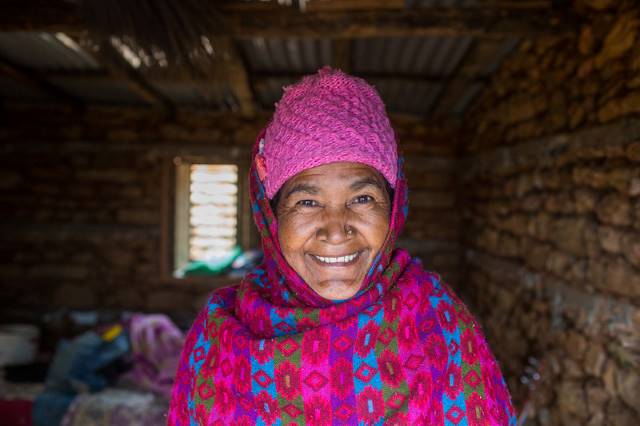
Connecticut SenatorsConnecticut Senators Chris Murphy (D-CT) and Richard Blumenthal (D-CT) have long been advocates for aid-based foreign policy. Frequently, they try to increase the presence of the United States on the global stage. As a member of the Foreign Relations Committee, Murphy has a clear vision of progressive U.S. foreign policy, while Blumenthal has a similar vision of foreign involvement and humanitarian assistance.
5 Ways Connecticut Senators Fight for Foreign Aid

  1. Increasing the International Affairs Budget: In March 2021, Murphy, among other senators, proposed a $12 billion increase to the U.S. International Affairs Budget. Protecting the International Affairs Budget is unquestionably essential to mitigating global poverty. As of 2021, however, foreign aid constitutes less than 1% of the U.S. budget. As one of the most powerful countries in the world, the U.S. has the capacity to increase aid exponentially. Through this proposal, called “Investing in 21st Century Diplomacy,” Murphy has shown a strong commitment toward maintaining diplomatic ties and providing aid to other countries.
  2. Requesting Funding for Refugee Programs: In March 2018, Blumenthal, with 24 other senators, wrote a letter to Senate appropriators calling for complete funding for particular refugee programs. Amid a time when the International Affairs Budget was in danger of reducing, Blumenthal led a letter advocating for refugee programs. In this proposal, Blumenthal recognized the national security benefits of increased foreign aid as well as the commitment of the U.S. to provide aid. Primarily, the letter responded to the Trump administration’s proposed elimination of the ERMA account, a source of funding for unforeseen humanitarian crises.
  3. Introducing the Global Health Security Act: Murphy, along with Senator Mitt Romney (R-Utah) introduced the Global Health Security Act in April 2020, a bill that focuses on implementing the Global Health Security Agenda by appointing two different entities: The United States Coordinator for Global Health Security and the Global Health Security Interagency Review Council. The Global Health Security Act focuses on preventing infectious diseases across the globe. Its central goal is to achieve the Global Health Security Agenda, a 2014 initiative similarly targeted toward stemming infectious diseases.
  4. Recognizing COVID-19 in India: In May 2021, Blumenthal recognized the severe COVID-19 crisis in India and the need for immediate foreign aid. While at an event in Middletown, Connecticut, Blumenthal advocated the need for various medical supplies to go to India. While visiting a local Hindu temple, Blumenthal spoke about the issue and the need for immediate U.S. action.
  5. Advocating for Humanitarian Assistance: Murphy furthermore advocates for humanitarian assistance to fight hunger and poverty, two issues that impact extremism. As a member of the Foreign Relations Committee, Murphy has recently advocated for humanitarian aid in Yemen, a country struggling with famine and poverty. In May 2021, Murphy, with three other senators, wrote a letter to U.S. Secretary of State Antony Blinken. The letter thanked him for his recent involvement in fighting the crisis in Yemen and urged the Biden administration to take a more active role in encouraging other countries to do the same thing.

Committing to a Progressive Foreign Policy

Actively solving issues like hunger and infectious diseases tie directly into fighting global hunger. Hence, Connecticut Senators Murphy and Blumenthal remain committed to a progressive foreign policy. They have shown their commitment through public statements, letters to other senators and legislation like the Global Health Security Act. Ultimately, the Connecticut Senators want the U.S. to be an active member of a global community. The country would, accordingly, use its power to alleviate global inequalities and stem poverty.

– Samuel Weinmann
Photo: Flickr

August 27, 2021
https://borgenproject.org/wp-content/uploads/borgen-project-logo.svg 0 0 Lynsey Alexander https://borgenproject.org/wp-content/uploads/borgen-project-logo.svg Lynsey Alexander2021-08-27 01:30:532021-08-27 01:37:565 Ways Connecticut Senators Fight for Foreign Aid
Foreign Aid, Global Poverty, USAID

Airlifts from USAID Help Fight COVID-19 in Nepal

airlifts from USAIDNepal is a small country in Asia that encompasses most of the Himalayan mountains. In May 2021, Nepal experienced an uncontrolled spread of COVID-19 and Nepal’s government could not contain cases without foreign assistance. The United States Agency for International Development (USAID) responded to this need by sending airlifts of personal protective equipment and oxygen to help fight COVID-19. Airlifts from USAID have served to limit the poverty caused by the COVID-19 pandemic. With such support, it is possible to keep COVID-19 cases manageable while reducing poverty at the same time.

COVID-19 in Nepal

Nepal became the world’s fastest-growing hotspot for COVID-19 infections in May 2021. At the time, the country reported more than 513,000 cases and 6,300 deaths in a population of 29 million. Due to the rapid rate of infection, Nepal’s healthcare system was unable to accommodate such high numbers.

Vaccine accessibility was another issue for Nepal as only 7.3% of the population had received one dose of the vaccine as of May 25, 2021. With India bordered by Nepal, the vaccine shortage in India posed a major problem for Nepali citizens. In part, this was due to India’s government blocking vaccine exports as India needed to preserve its supply for Indian citizens. To solve this problem, foreign assistance was needed.

The dire situation in Nepal has severely hurt the economic welfare of its citizens. Recovery from COVID-19 in Nepal not only requires control of the infection rate but also economic support for the most affected citizens. Migrant workers who travel to India for work have accounted for a significant portion of the rise in cases.

Therefore, the COVID-19 surge in both India and Nepal has eliminated the primary source of income for many Nepali families. Nepal’s economy also suffers from a halted tourism industry, which previously generated a significant amount of revenue from the Himalayan mountains. Without the success of these crucial industries, Nepali families are at greater risk of sliding deeper into poverty.

Airlifts From USAID

USAID has had a long-standing relationship with Nepal. Over the last two decades, the organization has allotted $600 million in funding Nepal’s healthcare sector. To aid the currently overwhelmed medical system in Nepal, USAID responded by scheduling three airlifts to bring in medical supplies for healthcare workers. These airlifts are part of a recent $15 million aid package to the government of Nepal.

By May 2021, Nepal had received $50 million worth of COVID-19 assistance from USAID. The government estimates that this support has positively impacted 60% of Nepal’s population. Due to USAID’s COVID-19 support, Nepal has been able to perform nationwide COVID-19 testing and contact tracing. Furthermore, the country has been able to treat COVID-19 patients more adequately.

In addition to medical supplies donated by USAID, the U.S. government has committed to sharing vaccine doses with Nepal. The U.S. government’s strategy for distributing vaccines includes a combination of direct donations and distribution through international organizations. U.S. ambassador to Nepal, Randy Berry, confirmed in early June 2021 that the U.S. will directly donate a portion of seven million vaccines to Nepal. The donation is part of an effort to assist Asia by distributing doses among 17 Asian nations.

The Effectiveness of Airlifts

COVID-19 has had a physical, mental and economic impact on Nepali citizens. Many Nepali citizens travel to India for work, but with travel restrictions in place, the people of Nepal face more instances of poverty. USAID has provided immense support for Nepal throughout the pandemic, especially during the resurgence of cases. Combined with a plan to distribute more vaccines to the country, foreign aid has played a significant role in helping Nepal fight COVID-19.

– Viola Chow
Photo: Flickr

August 13, 2021
https://borgenproject.org/wp-content/uploads/borgen-project-logo.svg 0 0 Yuki https://borgenproject.org/wp-content/uploads/borgen-project-logo.svg Yuki2021-08-13 01:30:452024-05-30 22:24:08Airlifts from USAID Help Fight COVID-19 in Nepal
Foreign Aid, Global Poverty

Stadium Diplomacy: Foreign Aid to Côte d’Ivoire

Foreign Aid to Côte d'Ivoire
An unlikely form of foreign aid to Côte d’Ivoire is on the rise: donated sports stadiums from China. However, these gifts do not come free.

Côte d’Ivoire’s Olympic-Sized Gift From China

In an act of foreign aid to Côte d’Ivoire, China gifted a massive 130 million euro stadium in Ebimpé. Stade Olympique Alassane Ouattara boasts an impressive 60,000 person capacity. It is the biggest stadium in Côte d’Ivoire and the ninth-largest in all of Africa. The new Olympic level venue will host the African Cup of Nations finals in 2023, a major soccer tournament.

Stadium Diplomacy

For decades, China donated massive new sports stadiums to numerous African countries in an act of goodwill and self-interest. Stadium diplomacy, the term for this new political strategy, offers China and the other country a unique deal. The receiving nation sees a boost to its economy through the revenue these stadiums generate. Additionally, China gets numerous benefits in return.

In the last 50 years, China constructed more than 100 sports stadiums all over the continent of Africa. This guaranteed itself access to natural resources, privileged trading contracts, strengthened relations, access to political leaders and supporters in the United Nations. China is now the biggest trading partner of all of Africa. Stadium diplomacy falls under the category of soft power, a type of diplomacy that uses attraction, negotiation and cooperation rather than force.

How Can Stadiums Fight Poverty?

While Côte d’Ivoire boasts one of West Africa’s most robust economies, 39.4% of its population still lives in poverty. Furthermore, the economy experienced a recent downturn since the beginning of the COVID-19 pandemic. The services and manufacturing sectors, both involved in constructing and running a stadium, are among those people expected to bring the nation’s economy back on track.

The stadium will bring an influx of people and infrastructure to the region. It will also bolster the economy, fueling the service and manufacturing sectors and provide jobs, all as a result of foreign aid to Côte d’Ivoire. Stade Olympique Alassane Ouattara will also help develop the nearby Anyama region, which is building its first metro line in preparation for the crowd.

Criticism of the Stadiums

However, stadium diplomacy has its critics, with many Africans desiring more direct help. While Ivorian President Alassane Ouattara praised the stadium as “one of the most beautiful things our country has accomplished in the field of sports,” other nations have expressed concern and even anger.

Gabon, a nation that lies along the western coast of Central Africa, faced a major backlash among its citizens for participating in stadium diplomacy. Engong Stadium, located in Oyem, had a quick and dramatic turnaround from construction to abandonment. The lavish complex sports has three basketball courts, a tennis court and an international standard track-and-field. However, it is now empty and unused. Locals were angry about what they saw as a misuse of resources and money. “We cannot eat your stadiums” they chanted, adorned in combat uniforms. At the same time, groups stormed the overgrown field and burned down the presidential box.

Whether Côte d’Ivoire’s new stadium will turn its economy around will become more clear in the future. However, one thing is certain: stadium diplomacy in Côte d’Ivoire offers an extremely innovative and very plausible way to alleviate regional poverty.

– Caroline Bersch
Photo: Unsplash

August 5, 2021
https://borgenproject.org/wp-content/uploads/borgen-project-logo.svg 0 0 Kim Thelwell https://borgenproject.org/wp-content/uploads/borgen-project-logo.svg Kim Thelwell2021-08-05 10:04:412021-08-29 01:50:03Stadium Diplomacy: Foreign Aid to Côte d’Ivoire
Page 12 of 61«‹1011121314›»

Get Smarter

  • Global Poverty 101
  • Global Poverty… The Good News
  • Global Poverty & U.S. Jobs
  • Global Poverty and National Security
  • Innovative Solutions to Poverty
  • Global Poverty & Aid FAQ’s
Search Search

Take Action

  • Call Congress
  • Email Congress
  • Donate
  • 30 Ways to Help
  • Volunteer Ops
  • Internships
  • Courses & Certificates
  • The Podcast
Borgen Project

“The Borgen Project is an incredible nonprofit organization that is addressing poverty and hunger and working towards ending them.”

-The Huffington Post

Inside The Borgen Project

  • Contact
  • About
  • Financials
  • President
  • Board of Directors
  • Board of Advisors

International Links

  • UK Email Parliament
  • UK Donate
  • Canada Email Parliament

Get Smarter

  • Global Poverty 101
  • Global Poverty… The Good News
  • Global Poverty & U.S. Jobs
  • Global Poverty and National Security
  • Innovative Solutions to Poverty
  • Global Poverty & Aid FAQ’s

Ways to Help

  • Call Congress
  • Email Congress
  • Donate
  • 30 Ways to Help
  • Volunteer Ops
  • Internships
  • Courses & Certificates
  • The Podcast
Scroll to top Scroll to top Scroll to top