• Link to X
  • Link to Facebook
  • Link to Instagram
  • Link to TikTok
  • Link to Youtube
  • About
    • About Us
      • President
      • Board of Directors
      • Board of Advisors
      • Financials
      • Our Methodology
      • Success Tracker
      • Contact
  • Act Now
    • 30 Ways to Help
      • Email Congress
      • Call Congress
      • Volunteer
      • Courses & Certificates
      • Be a Donor
    • Internships
      • In-Office Internships
      • Remote Internships
    • Legislation
      • Politics 101
  • The Blog
  • The Podcast
  • Magazine
  • Donate
  • Click to open the search input field Click to open the search input field Search
  • Menu Menu

Archive for category: Foreign Aid

Foreign aid coverage and information.

Foreign Aid, Global Poverty

Foreign Aid to South Sudan

Foreign Aid to South Sudan
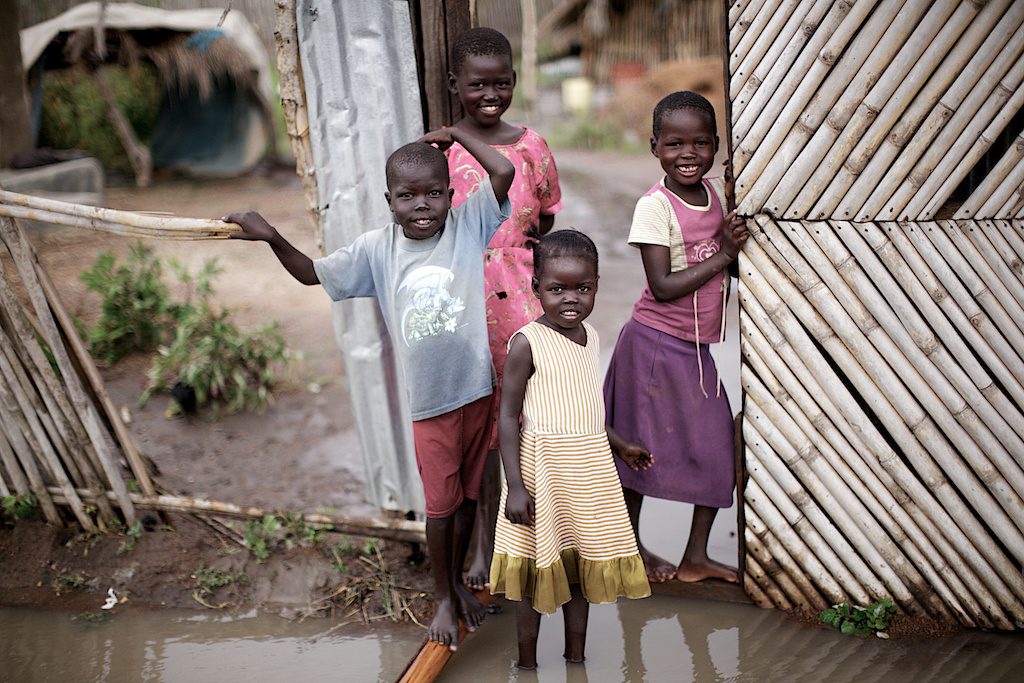
The need for foreign aid to South Sudan is quickly growing. Not only is South Sudan’s humanitarian crisis worsening but extreme flooding, mass famine, economic troubles and aid cuts combine to exacerbate poverty and instability. As the Russia-Ukraine war continues, South Sudan struggles as donors scale back their donations and redirect their foreign assistance budgets to aid Ukraine.

Violence and Political Unrest

The political situation in South Sudan is shaky and has led to violence and insecurity among the South Sudanese people. For context, South Sudan voted to secede from Sudan and became an independent state in 2011. However, shortly after, in 2013, civil war broke out due to a conflict between South Sudan’s president Salva Kiir, Sudan People’s Liberation Army in-Opposition (SPLA-IO) and “other armed groups and affiliated militias.” The warring parties reached a peace agreement in 2015, but that quickly fell apart in 2016. In 2018, Kiir and Riek Machar, former leaders of the SPLA-IO, signed a peace accord in hopes of resolution.

The peace accord led to the division of power in a unity government officially inaugurated in February 2020, with Kiir as president and Machar as the first vice president. In August 2022, the unity government decided to extend by two years the post-civil war “transitional period,” which the government previously agreed would end in 2022. “Due to the lack of progress on many provisions of the peace agreement,” the transitional period will end in 2023, Africanews reports.

The need for foreign aid in South Sudan is critical because the general violence may have lessened, but the prevalence of other atrocities has risen. For example, United Nations Mission in South Sudan (UNMISS) found a “218[%] increase in conflict-related sexual violence” at the end of the second quarter of 2022.

In 2021, UNMISS documented 440 civilian murders and 64 rapes in Western Equatoria committed by the SPLA-IO and the military. South Sudan has held no perpetrators accountable and some senior officials in the government are advocating against accountability for various crimes, including ones committed by rebel groups and government authorities.

Flooding and Extreme Famine

The need for foreign aid to South Sudan is also high due to recurring mass flooding and extreme famine. According to the U.N. Office for the Coordination of Humanitarian Affairs (OCHA), in 2022, the flooding impacted around 1 million people. Bearing in mind that South Sudan has a population of about 12.4 million people, this statistic means flooding has affected around 8% of the country’s total population.

A World Food Programme (WFP) report published in July 2022 reveals the extent of the extreme famine within South Sudan. Of the population of 12.4 million, around 7.7 million people are enduring severe food insecurity. This equates to more than 60% of the population struggling to meet their food needs. The report also reveals that more than “one-third of the counties in South Sudan have Global Acute Malnutrition (GAM) rates that exceed the emergency threshold of 15[%].”

Economic Woes and Aid Cuts

In areas such as Warrap, locals say the price of basic goods has risen by 50% due to the “war in Ukraine as well as local currency depreciation and other supply chain disruptions.” In an October 2022 interview with The New Humanitarian, Agany Monychol, a doctor who runs a hospital in Tonj, said malnutrition cases are now twice as prevalent due to the rising prices of food.

The New Humanitarian also notes that aid cuts are not just a result of donor reallocations to Ukraine but also stem from a distrust of the South Sudanese government due to corrupt spending.

In June 2022, the WFP suspended aid to 1.7 million South Sudanese people due to “critical funding shortages.” Donor funding for Monychol’s hospital had also been reduced by 30%, leading to staff cuts and patients struggling without medicine.

Action to Assist South Sudan

The humanitarian crisis and growing poverty rates stem from a combination of factors, which is why foreign aid to South Sudan is crucial. According to the latest official World Bank estimates from 2016, 82% of South Sudanese people live under the national poverty line, giving South Sudan a first-place ranking for the highest poverty rates out of the World Bank’s recorded list of country-specific poverty estimates.

Despite funding shortfalls, the WFP provided 4 million people in South Sudan with food aid between January 2022 and June 2022. The U.S. is also committed to providing aid to South Sudan. According to the Department of State’s website, the U.S. is the top-ranking provider of foreign aid to South Sudan. From January 2022 to August 2022, the U.S. supplied South Sudan with more than $371 million worth of humanitarian aid.

As the youngest nation in the world, it will take time for the government of South Sudan to address issues relating to poverty while focusing on establishing political stability to maintain peace. Until then, it is important to continue to provide foreign aid to South Sudan in order to address the humanitarian crisis.

– Matthew Wikfors
Photo: Flickr

December 15, 2022
https://borgenproject.org/wp-content/uploads/borgen-project-logo.svg 0 0 Kim Thelwell https://borgenproject.org/wp-content/uploads/borgen-project-logo.svg Kim Thelwell2022-12-15 01:30:342022-12-13 23:08:07Foreign Aid to South Sudan
Foreign Aid, Global Poverty

Foreign Aid to Palestine

Foreign Aid to Palestine
There is no escaping the fact that the West Bank has significant indicators of improved living conditions and infrastructure. Roads that were once rough dirt trails have been smoothed out over the past three decades. Standard childhood vaccination rates have reached nearly 100%. Boys and girls are attending school and reading at record levels.

Since the Oslo Accords in the mid-1990s, a treaty that was meant to deliver peace and a Palestinian state, significant sums of foreign aid to Palestine made possible many of these changes: The Organization for Economic Cooperation and Development (OECD) estimates that between 1994 and 2020, funding to the Palestinians totaled more than $40 billion. 

Poverty-Affected Citizens

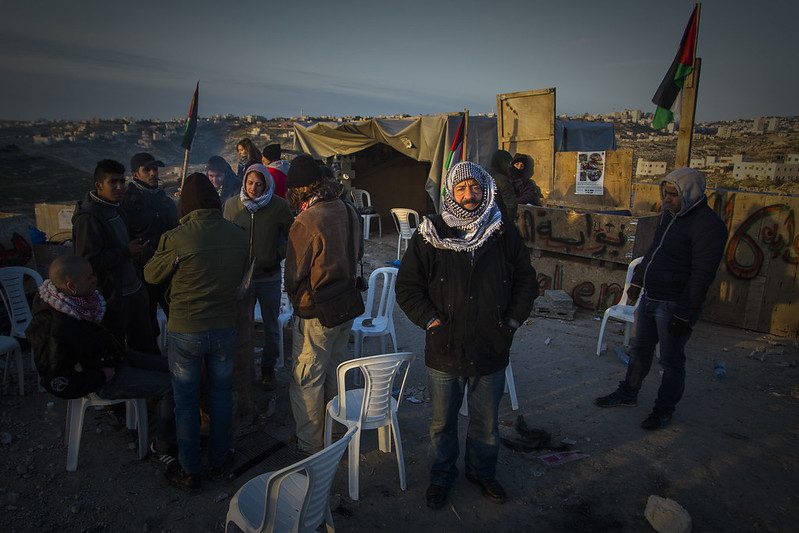
Due to the embargo on the Gaza Strip since 2007, which has caused a resurgence of hostilities and political divides, the Palestinian economy has suffered. A total of 2.1 million Palestinians—out of a total population of 5.3 million—need humanitarian aid. Parallelly, 80% of Gaza’s populace is aid-dependent.

A cycle of poverty, unemployment and food insecurity has mired people, which the rise in food and gasoline prices as a result of the conflict between Russia and Ukraine has exacerbated. In the West Bank, where more than 60% of the land is under Israeli control and home to East Jerusalem, Area C and H2, 800,000 Palestinians require greater access to basic amenities like electricity, water and health care yet there is still little prospect for education or economic opportunity.

Individual States

Between 1994 and 2020, Germany, France, Norway, the U.K. and Japan provided more than 20% of all foreign aid to Palestine. Along with their contributions to UNRWA, Germany and other European nations were anticipated to invest up to €80 million ($70 million) in water projects in Gaza in 2021.

The European Union

In 2021, the European Commission rapidly redirected €100,000 from current World Health Organization (WHO) initiatives to address the first emergency health requirements in reaction to the violence raging throughout Palestine and the high number of civilian deaths. The Palestinian Authority launched the COVID-19 immunization program on March 21, 2021, following the receipt of vaccinations from the COVAX facility.

With more than €2.2 billion, the EU and its member states are one of the largest funders of COVAX. Since 2000, the European Union has contributed more than €818 million in humanitarian aid to support the Palestinian people with their most basic needs.

The United Nations

U.N. organizations spent nearly $4.5 billion, including $600 million in 2020 alone, in Gaza between 2014 and 2020. Three-quarters of Gaza’s population are Palestinian refugees, who receive more than 80% of that funding through the U.N. agency for Palestinian refugees. UNRWA, which also offers food assistance and health services, runs schools for some 280,000 students in Gaza.

The World Bank

The World Bank granted a $30 million Development Policy Grant for the Palestinian Territories to assist reforms in the areas of inclusiveness, transparency and the green economy on July 7, 2022. Additionally, the World Bank will give $7 million to Gaza’s most vulnerable populations.

While the Gaza Emergency Support for Social Services Project offers access to a variety of social services, short-term funding for services, and online work possibilities, 80% of recipients of a comparable intervention under the Gaza Emergency Cash for Work and Self-Employment Support fund contracts worth more than $500,000, demonstrating the effectiveness of this modality in fostering employment prospects for adolescents and women in particular.

The Arab Nations

Between 1994 and 2020, five Arab nations gave the Palestinians the majority of the $8.5 billion in Arab funding. Their abundance in oil and gas plays a crucial role in maintaining the welfare of Palestinians, which also increases their capacity to have an influence on the Palestinian cause. Saudi Arabia received $4 billion in donations during this time, followed by the UAE ($2.1 billion), Algeria ($908 million), Qatar ($766 million) and Kuwait ($758 million) as the top five donors.

Since 2012, Qatar has given Gaza $1.3 billion in aid for infrastructure, health care and agriculture. This includes the $360 million allocated in January for 2021 and the additional $500 million pledged in May for post-war rehabilitation. The money from Qatar also helps pay the wages of the Hamas leadership and supports needy families. According to the Palestinian Authority, $1.7 billion will go to Gaza, with it primarily going toward pay for the tens of thousands of government officials who had to leave their jobs in 2007 when Hamas assumed power.

Conclusion

Foreign aid to Palestinians came in a variety of forms and sizes, for a variety of reasons. These included crisis relief, development projects, budget support, donations to grassroots groups, loans and technical help. Regardless of the aims or types of help that Palestinians have received over the past 20 years, this aid has had a substantial impact on the country’s political, social and economic landscape.

Although there have been substantial socioeconomic improvements, more foreign aid in Palestine is necessary to promote the establishment of institutions necessary for a two-state solution and to fulfill Palestinian aspirations for their economy to be on the road to sustainable growth.

– Karisma Maran
Photo: Flickr

October 27, 2022
https://borgenproject.org/wp-content/uploads/borgen-project-logo.svg 0 0 Naida Jahic https://borgenproject.org/wp-content/uploads/borgen-project-logo.svg Naida Jahic2022-10-27 14:28:522022-11-03 19:33:40Foreign Aid to Palestine
Foreign Aid, Global Poverty

How Norway’s Foreign Aid Programs are Fighting Global Poverty

how-norways-foreign-aid-is-fighting-global-poverty
Norway is a country in Europe with more than 5 million residents. Although possessing little hard power on the global stage, Norway has made its influence known through its foreign aid program, Norwegian Agency for Development Cooperation (Norad). Norway’s contribution of $4.7 billion to its foreign aid program in 2021 constituted 0.93% of its Gross National Income (GNI), making it the second largest contributor among OECD countries as a percentage of GNI to foreign aid. Norway’s foreign aid acts as a major player in global development programs and given its relatively small size serves as a testament to how any country can play a role in promoting global development to reduce poverty. In fact, Norway has made significant investments in major fields to reduce poverty and unleash opportunities for a more prosperous and stable world.

A Leader in Promoting Universal Education

Norwegian foreign aid has played a critical role in promoting global access to quality education in recent years. From 2013-2016, Norway met its pledge to nearly double its annual education aid from $210 million to $400 million by 2016. This increase resulted in several achievements in promoting quality education opportunities for children in developing countries.

During this three-year period, 3.1 million children obtained support each year, 1.6 million were in conflict-affected countries, 11 million students received school supplies along with 8.5 million textbooks, 140,000 teachers underwent training and 5,400 schools either underwent construction or received repair in several developing countries, according to Their World.

These concrete gains for education access from Norwegian foreign aid could help reduce poverty by promoting access to education and the socioeconomic opportunities it creates to achieve higher living standards for future workers. Countries receiving the bulk of aid are also recovering from or are currently enduring civil war and negative impacts on education. Syria, Afghanistan, Somalia, Ethiopia, South Sudan, the Palestinean territories and Lebanon are the biggest recipients of Norad aid, according to OECD.

This means Norwegian foreign aid is working to promote education in countries where the effects of war have impacted education access most acutely through the destruction of infrastructure and threat of violence inhibiting the experience of quality education.

The U.N. lauded Norway for its commitment to promoting global education through its Norad increases, as it represented an increase from 2% to 9% of humanitarian funding for one country going to education, more than twice the U.N. goal of 4%, according to Their World.

The country has also taken action to rally other countries behind promoting education access. It hosted the 2015 Oslo Education Summit to provide a global platform for forging a strategy to promote universal education in participating countries. At this Summit, the World Bank pledged to commit $5 billion over five years to global education.
Norwegian foreign aid has played a critical role in both contributing more than a fair share of its aid to education, but also as a small country nonetheless played an important role in galvanizing the international community to promote global education in its aid programs to reduce poverty.

Promotion of Global Health

Norway’s foreign aid has also played an important role in promoting global health and recently combating the COVID-19 pandemic. Between 2000-2016, Norway spent roughly 53 billion Norwegian Krone (NOK) ($5.7 billion) on global health care programs through Norad. As with education, Norwegian foreign aid has worked to promote global cooperation to promote human health through collective action.

From its NOK 4.7 billion ($494 million) Norad spent on health care in 2016, 80% of it underwent distribution through multilateral organizations, demonstrating Norway recognizes the importance of galvanizing other countries to work together in reducing poverty through the promotion of quality health care access to have a healthy workforce capable of contributing to national development and achieving higher living standards for themselves.

Norwegian foreign aid for health care like education has also seen greater contributions than other developed countries. In 2020, Norway spent NOK $6.6 billion (roughly $665 million) on healthcare-related foreign aid.

Norad aims its investments in health care at four main goals. Reduction of deaths from preventable diseases through promotion of food security, clean water, sanitation and the delivery of vaccines. Also, equality of access to and distribution of quality health care services and combating corruption to ensure the former is accomplished.

Combating COVID-19

Norway’s foreign aid has also contributed to the fight against the COVID-19 pandemic. Since 2020, Norway has increased its health-related foreign aid expenditures by 8.4% in direct response to combating the COVID-19 pandemic.

Norway has also along with South Africa co-chaired the COVID-19 Tools Accelerator, a global initiative to promote equitable access to COVID-19 vaccines and treatments, raising $18 billion in the process.

Through such spending and global leadership, Norway has proved itself an important factor not just by itself but also by supporting the global response to a global health crisis to combat poverty through better human health.
Norway for its small size plays a major role in the fight against global poverty. The fact Norway can contribute as much to reducing global poverty can serve as inspiration that both anyone or any country can play a role in fighting global poverty in the interest of a more prosperous and stable world. Norway’s efforts can also serve as an example that more powerful countries could do more, as the combination of Norwegian commitment and great power capacity to execute such commitment could achieve immense gains in the fight against global poverty through international aid.

– John Zak
Photo: Flickr

September 28, 2022
https://borgenproject.org/wp-content/uploads/borgen-project-logo.svg 0 0 Naida Jahic https://borgenproject.org/wp-content/uploads/borgen-project-logo.svg Naida Jahic2022-09-28 01:30:482024-06-04 01:18:04How Norway’s Foreign Aid Programs are Fighting Global Poverty
COVID-19, Foreign Aid, Global Poverty

The Importance of Foreign Aid in Times of Crisis

Foreign Aid in Times of Crisis
The world seems to be dwindling under a series of historic shocks. Beginning with a global pandemic in 2020 and moving to a new war in Europe as well as significant changes in abortion legislation in the U.S., many parts of the world are moving into an energy crisis. With wealthy nations having their hands full with domestic issues and geopolitical antagonism, developing countries are on their own. Here is why foreign aid in times of crisis is a critical issue and what some are doing about it.

Partnership and Security

When globalization is on the decline, poorer countries often end up on their own. That puts the countries in a position where they have to find countries and organizations that are still willing to provide foreign aid in times of crisis to them after wealthier western countries have disregarded their needs. Instead wealthier western countries defaulted on their promises to raise living standards and increase national security. With the world becoming increasingly fragmented with a lack of genuine cooperation, global welfare and security are at a large risk. Further, global issues, such as the climate crisis, that require a joint effort from as many nations as possible, will be even harder to address.

Changing Weather Patterns

Whilst changing weather patterns are a hurdle that every country needs to face and adapt to, it is the low-income countries that carry the brunt of it. Especially, the sub-Saharan regions in Africa that such weather phenomena affect leading those regions to be reliant on long-term investment. A study that the IMF conducted has shown that one draught can decrease an African country’s medium-term economic growth potential by one percentage point. Meanwhile, savings from long-term investments that go towards improving resilience and coping mechanisms have proven to be of great significance. Some of the coping mechanisms include improved seed varieties, durable health systems and refined access to finance and telecommunications.

In Ethiopia alone, farmers’ yield increased by 40% as a result of improved seed varieties that proved resistant to rust, a fungus. Unfortunately, countries that face challenges of adaption most often do not possess the means to do so. The farmers lack funding and institutional capacity, hence why it is down to the international community to prevent changing weather patterns from threatening development and stability in low-income countries.

Impact of COVID-19

The COVID-19 pandemic has cost 15 million lives and pushed 100 million people into poverty in 2020 alone. The pandemic demanded a unified response across nations, constituting large amounts of foreign aid in times of crisis, to prevent a setback in human development and human rights. Yet, that did not happen. Instead, developed countries injected trillions of dollars into their own recovery, leaving poorer countries to mend themselves. It does not come as any surprise that in May 2022, 72% of people in high-income countries received at least one dose of the COVID vaccine, contrary to 17% in low-income countries.

With developing countries entering the pandemic with lower fiscal buffers than they had in 2008-09, in the aftermath they are now faced with unequal recovery, effects of the climate crisis and economic shocks to food, fuel and financial markets. Arguably, the neglect of the global responsibility that wealthy countries cause this. The U.N. Secretary-General António Guterres’ stressed to the Economic and Social Council segment on operational activities for development, in New York, in May that “In a world of crisis, rescuing the Sustainable Development Goals (SDG) is more important than ever.”

The 2030 Agenda for Sustainable Development

More encouraging is the 2030 Agenda that the United Nations developed which constitutes a reformed development system to provide foreign aid in times of crisis that matches countries’ needs and priorities. No poverty, no hunger, good health, quality education and gender equality are only some examples of the 17 Sustainable Development Goals (SDGs) that aim to accelerate progress in low-income countries.

To promote substantial change, funding is necessary. With less than 10 years left, world leaders at the SDG Summit in 2019 promoted “A decade of action and delivery for sustainable development”. This represents the kind of innovative, cooperative model the world needs to rekindle relationships, strengthen organizations and expand financing in times of crisis.

The World Bank Suspends Debt

In an attempt to ease the burden COVID-19 and other shocks have put on low-income countries, the world has introduced the Debt Service Suspension Initiative (DSSI). The initiative suspended $12.9 billion in debt-service payments for 48 participating countries, allowing them to focus their financial capacities on protecting the lives and livelihoods of their citizens.

Looking Ahead

The multitude of crises and complexity of domestic and global issues that the world is facing has led to a demand for stronger leadership and cooperation at all levels. Moreover, the bar is rising higher for the wealthier nations to live up to their responsibility to lower-income nations by providing enough funding to prevent setbacks in human development and promote sustainable progress.

– Pauline Lützenkirchen
Photo: Flickr

September 8, 2022
https://borgenproject.org/wp-content/uploads/borgen-project-logo.svg 0 0 Jennifer Philipp https://borgenproject.org/wp-content/uploads/borgen-project-logo.svg Jennifer Philipp2022-09-08 01:30:342022-09-06 12:10:25The Importance of Foreign Aid in Times of Crisis
Foreign Aid, Global Poverty, Humanitarian Aid

The History of Poland’s Foreign Aid

Poland's Foreign Aid
In a matter of decades, Poland has gone from being a recipient of foreign aid to a strong presence within the international donor community. Poland is not the only country to do this. China, India, Japan, Korea and Thailand have all undergone a similar recipient-to-donor transition. Just how did Poland and other former aid recipients transform into emerging or full-fledged aid donors? This article will provide a short history of Poland’s foreign aid in the hopes of shedding some light on the answer.

 The 1950s-1970s: A Soviet Donor Under Comecon

One of Poland’s earliest exercises in providing international aid was through the Council for Mutual Economic Assistance, popularly known as Comecon. Founded in 1949, Comecon’s purpose was to strengthen economic cooperation and development among Eastern European countries. Alongside Poland, the Soviet Union, Czechoslovakia, Hungary, Bulgaria, Romania and Albania made up Comecon’s membership.

As far as general principles were concerned, Comecon’s preamble emphasized the idea of mutual economic assistance in favor of maintaining the stronghold of communism and socialism in the Eastern bloc. It was through Comecon that Poland first assumed its role as a donor and Poland’s foreign aid began.

The 1980s: Economic Crises and the Fall of the USSR

During the 1980s, an unprecedented economic and political crisis struck Poland. The causes of the country’s crisis had deep roots in its system of a planned economy and policy of forced industrialization.

By the end of 1981, Poland had accumulated a foreign debt of $27 billion. Polish standards of living continued to fall rapidly as the country’s economic struggles worsened until 1989 when the Soviet Union collapsed.

The few years after the fall of the USSR between 1990 and 1994 was when Poland could be said to have fully made the switch from Soviet donor to the beneficiary of the West. During this time, the G-24 and international financial institutions sent $36 billion in aid to Poland. The United States separately committed another $719 million in grant assistance.

The 1990s-2000s: Poland’s Recovery and Accession to the EU and OECD

Poland used its foreign assistance to restabilize and restructure its economy. Over the decades, it has even become one of the fastest-growing economies in Europe. Poland’s process of accession to the European Union, which officially occurred in 2004, marked the beginning of its transition from that of a recipient to a donor.

Polish NGOs began to enter other parts of Eastern Europe to help their Western counterparts communicate with the local communities, according to a University of Cambridge Summary Paper. Polish NGOs then shifted from doing this to starting their own initiatives and establishing the national ODA (Official Development Assistance) structures.

Decades Later, Poland Gives Back

Poland has since become an active participant in global development cooperation.“Polish Aid” is one of Poland’s most prominent development and humanitarian assistance programs today. Directed by the Ministry of Foreign Affairs (MFA), Polish Aid’s mission is to contribute to building a more sustainable world for present and future generations by providing humanitarian aid, development aid and global education.

 The program underwent implementation in forms specified in Article 4 of the Development Cooperation Act of September 16, 2011. In 2019, the grant equivalent of Poland’s ODA was nearly PLN 3 billion.

Over the years, Poland has prioritized post-Soviet countries in their aid allocation. Ukraine, Belarus, Turkey, Tanzania, India, Mongolia, China, Kenya, Iraq, Georgia, Moldova and Lebanon were key recipients of Polish bilateral assistance in 2019.

Poland’s bilateral assistance has gone primarily to helping former Communist countries transition to democracy, improve the economy and support civil society.

In effect, Poland’s aid allocation has raised levels of economic, social and political freedom in states that previously struggled to offer these liberties. Ukraine is one such state that has developed rapidly under the auspices of Poland, according to the Carnegie Endowment for International Peace. Since gaining its independence in 1991, Ukraine now boasts a strong civil society, well-organized political parties and a diverse and pluralistic polity with multiple centers of power.

Poland is just one of a plethora of countries that have evolved from beneficiary to donor in a few short decades. The history of Poland’s foreign aid should serve as an important reminder of the reasons for how effective and worthwhile providing aid to a struggling country is. It might be that the initial leg-up is all a country needs to get a position where they too can help others.

– Lauren Hyomin Kim
Photo: Flickr

August 4, 2022
https://borgenproject.org/wp-content/uploads/borgen-project-logo.svg 0 0 Jennifer Philipp https://borgenproject.org/wp-content/uploads/borgen-project-logo.svg Jennifer Philipp2022-08-04 07:30:332024-05-30 22:29:54The History of Poland’s Foreign Aid
Foreign Aid, Global Poverty

Switzerland’s Foreign Aid for Ukraine

Switzerland’s Foreign Aid
The Federal Department of Foreign Affairs (FDFA) provides the basis of Switzerland’s foreign aid strategy. The country’s Foreign Policy Strategy 2020-23 focuses on building “peace and security, prosperity, sustainability and digitalization.”

Since the start of the Russian invasion of Ukraine, Switzerland’s foreign aid to Ukraine will double by the end of 2023 to $104 million. Switzerland’s support of Ukraine coincides with its foreign aid strategy to build peace and security for people around the world.

Peace and Security

According to a press release from January 2020, the FDFA approved Switzerland’s foreign aid strategy to construct a world safe for everyone to live in and prosper. “In the spirit of cooperation with other countries, Switzerland is committed to working towards a safe and peaceful world where everyone can live free from want and fear, have their human rights protected and enjoy economic prosperity,” FDFA stated on its website.

Accordingly, Switzerland’s candidacy on the U.N. Security Council in 2023-24 will advance Switzerland’s foreign aid globally but especially to Ukraine. Switzerland’s temporary seat will begin in January 2023 through December 2024 and during those two years, Switzerland will “intensify their work towards a peaceful international order,” according to the FDFA.

Foreign Aid to Ukraine

In July 2022, Foreign Minister Ignazio Cassis announced that Switzerland’s foreign aid will double in Ukraine. He pledged approximately $104 million to Ukraine for reconstruction. According to Cassis, “Ukraine has to lead its reconstruction, but we have to support it,” Swissinfo reported.

Cassis also announced that Switzerland will continue to support organizations operating in Ukraine. He said that “Multilateral efforts are ‘an antidote to the use of force’.” However, Switzerland remains open to peace talks between Russia and Ukraine.

Protection for Ukrainian Refugees

In March 2022, the Swiss government decided to grant protection to Ukrainian refugees. Protection will extend to any Ukrainian citizen or resident of Ukraine. It also includes people whom the Ukrainian government granted protection before February 2022.

This protection, or Permit S, is a temporary measure “to persons in need of protection as long as they are exposed to a serious general danger, in particular during a war or civil war as well as in situations of general violence” (Asylum Act §§ 4, 66, para. 2.). Permit S is valid for one year. However, it may extend to five years, depending on the length of the ongoing war.

The Bid to Seize Russian Assets

Ukrainian President Volodymyr Zelensky called the Swiss government to freeze their Russian oligarch’s assets. The U.S. House of Representatives urged President Joe Biden to use the funds from the Russian assets to support military and humanitarian aid.

Switzerland froze the Russian oligarch’s assets. However, it has yet to announce any intention to take control of the funds and use them for Switzerland’s foreign aid in Ukraine. Cassis said, “This is a global question and Switzerland will announce its position at the appropriate time.”

Switzerland has always valued peace and it strives to create a peaceful world. Its temporary seat on the U.N. Council could further implement its foreign aid policy to create a secure and safe world for all people to live in. With the ongoing war in Ukraine, Switzerland’s foreign aid strategy to support Ukraine provides hope for the Ukrainian citizens and the world that Switzerland’s value for peace will be one of their top priorities.

– Chris Karenbauer
Photo: Flickr

July 24, 2022
https://borgenproject.org/wp-content/uploads/borgen-project-logo.svg 0 0 Jennifer Philipp https://borgenproject.org/wp-content/uploads/borgen-project-logo.svg Jennifer Philipp2022-07-24 01:30:172022-07-20 07:38:58Switzerland’s Foreign Aid for Ukraine
Foreign Aid, Global Poverty

UK’s Foreign Aid to the WFP

U.K.'s Foreign Aid
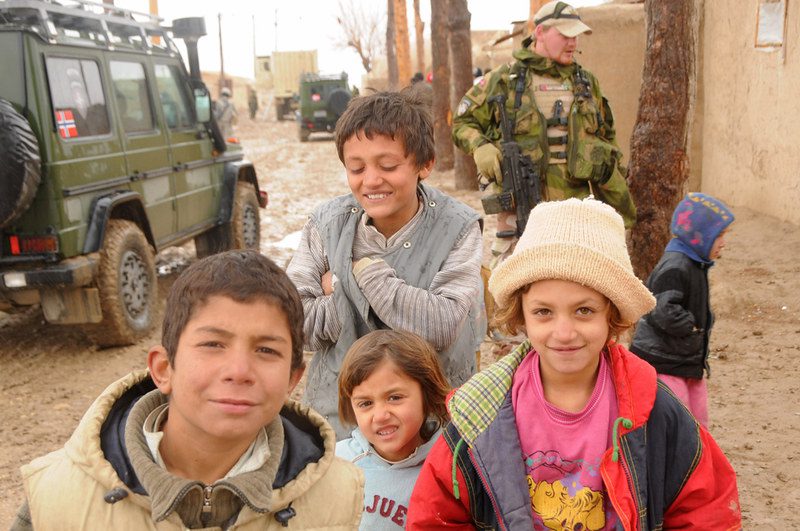
The World Food Programme (WFP) has been facing significant challenges in helping Afghans struggling with poverty and food insecurity. The Integrated Food Security Phase Classification (IPC) said that “nearly 20 million people are facing food insecurity” in Afghanistan. Furthermore, the IPC said that 6.6 million of them are struggling with “acute hunger.” The key factors exacerbating food insecurity in Afghanistan are sharp economic decline, drought and high prices for food. However, the U.K.’s foreign aid to the WFP alleviates that burden which allows the organization to help the Afghans.

The Importance of Foreign Aid

The financial assistance from the U.K. and even other countries, allowed the WFP to provide nutritional support and emergency food to 17 million Afghans, according to the WFP’s website. This highlights the importance of foreign aid spending in saving the lives of those living in poverty or below the poverty line.

There was a feeling of hopelessness amongst international affairs observers regarding Afghanistan after the Taliban came back to power and the economy deteriorated sharply. Nevertheless, the financial assistance the WFP has received from countries willing to help gives people hope that Afghanistan can be rebuilt one Afghan at a time. The proof is in the accounts of the Afghans the WFP is helping.

The Success Story of Alia and Her Husband

The Taliban takeover of Afghanistan and the pandemic has caused many Afghans, especially women, to lose their jobs and livelihoods. Alia used to own a beauty parlor in Afghanistan and her husband worked as a mechanic and both provided for their “four sons and three daughters,” the WFP reported.

However, after the economy collapsed and the Taliban took over, Alia lost her job because the Taliban would not allow women to work and her husband stopped working “because of health problems.” Nevertheless, the U.K.’s foreign aid to the WFP gave Alia, her husband and her children income and food. Furthermore, their children were also able to go to school afterward. However, they are not the only Afghans who received foreign aid that stabilized their lives.

The Story of Asefullah and His Family

Asefullah is a 13-year-old kid living in the Khost Province of Afghanistan with his “family of seven.” The family is living in poverty and their only source of income is the oldest sibling who “makes enough to buy bread and nothing else,” according to the WFP. However, after the U.K.’s foreign aid to the WFP, Asefullah and his family “no longer face many problems” because the food they have received kept them “alive for the past nine months.”

The story of Alia, Asefullah and their families shows the necessity of preserving or even increasing, foreign aid to developing and war-torn countries. Foreign aid not only reduces poverty but also saves families struggling to make a living.

How Much the UK and Other Countries Spend on Foreign Aid

The foreign aid budget is the most important tool in the international effort to tackle poverty. As of May 16, 2022, the U.K. is spending “about £11.5 billion” every year on foreign aid and international development. Forty percent of the aid budget goes to international organizations such as the U.N. and the World Bank. Liz Truss, the U.K.’s Foreign Secretary, stated on May 16 2022 that the aim of the U.K.’s foreign aid budget is “improving economic security worldwide and increasing jobs and growth at home,” according to BBC.

Furthermore, on May 16, 2022, the U.K.’s foreign office pledged to spend £3 billion on humanitarian aid “over the next three years,” considering it “a priority,” BBC reported. In fact, the U.K.’s foreign aid to the WFP in 2021 was £376.260.054 making it the fourth-largest donor in 2021. In other words, the lives of people struggling with poverty and food insecurity depend on the foreign aid budget of countries, specifically powerful ones such as the U.S. and the U.K.

Looking Ahead

Unfortunately, many countries had to reduce their foreign aid spending due to the economic impact of the COVID-19 pandemic. Thus, it was reasonable to conclude that countries would not be able to tackle poverty and food insecurity in developing countries. Nevertheless, U.K.’s foreign aid to the WFP managed to stabilize the lives of families in Afghanistan. Therefore, this proves that the recent trend of reducing the foreign aid budget has not impacted the determination of powerful countries to help the vulnerable in developing countries globally.

– Abdullah Dowaihy
Photo: Flickr

July 7, 2022
https://borgenproject.org/wp-content/uploads/borgen-project-logo.svg 0 0 Kim Thelwell https://borgenproject.org/wp-content/uploads/borgen-project-logo.svg Kim Thelwell2022-07-07 01:30:212022-06-28 10:05:17UK’s Foreign Aid to the WFP
Foreign Aid, Global Poverty

Foreign Aid to Syria (Syrian Arab Republic)

Foreign Aid to Syria
Syria, a country once a destination known for its breathtaking scenery and rich culture, remains devastated by a decade-plus long civil war. The Syrian civil war, which began as a peaceful uprising in 2011, has led to about half a million deaths as of 2022. The conflict occurs between the Syrian government, rebel groups, the Islamic State (IS) and foreign countries —  some that side with the government and others that side with the rebel groups. Unfortunately, more than 11 years of intense fighting have taken its toll on the approximately 17.5 million people who live in Syria today. Many international organizations have committed to giving foreign aid to Syria as the vast majority of Syrians require foreign aid for their survival. Crucially, violence and destruction within the country affect the impoverished most severely.

The Need for Aid

According to a March 2022 report provided by the United Nations (U.N.) Office for the Coordination of Humanitarian Affairs (OCHA), today, about 90% of Syrians live in poverty and more than 80% endure food insecurity. Access to food security, sanitation and health care has become a major issue as a consequence of the civil war. Foreign aid to Syria seeks to combat many of these issues.

According to USAID, roughly 75% of Syrians today are specifically in need of humanitarian foreign aid. Aid can come in the form of food, health care supplies or other basic commodities. The U.N. suggests that cross-border aid, which includes helping people cross the border and transporting aid directly into the country, must remain active. In late May of 2022, the U.N. Syria Commission called on the Security Council to ensure that the border remains open so that organizations can provide the necessary aid.

Currently, there is only one authorized border crossing into Syria, known as Bab al-Hawa, between Northwest Syria and Turkey. Foreign aid requires this crossing to be open so that goods and services can reach the country. Moreover, the U.N. estimates that nearly 15 million people across the country rely on foreign aid. In certain parts of the country, the number of people receiving aid can be even higher, particularly in more conflict-riddled regions.

Of the many forms in which aid can come, food and health care are the most typical and most vital. Food prices are rising while food availability diminishes. Foreign aid can be partially helpful in bringing food supplies to people who either do not have adequate access to food or cannot afford it.

Suppliers of Aid

The largest suppliers of foreign aid to Syria are the European Commission, part of the European Union (EU), which has supplied more than $140 million so far in 2022, and the United States, which gave nearly $15 billion from 2012 to 2022. In addition, the United Nations plays a large role in the delivery of aid to Syria. The U.N.’s food-assistance branch, the World Food Programme (WFP), estimates that 5.6 million Syrians receive aid from the WFP monthly. The process of bringing foreign aid to Syria is a worldwide effort, yet challenges remain severe.

Challenges

The EU’s European Civil Protection and Humanitarian Aid Operations stated that civilian attacks and attacks on hospitals thwart international aid efforts. Limited access to the country combined with precarious and violent conditions once inside present challenges in transporting aid. The widespread and persistent issues that the Syrian people face, including recurring displacement, make foreign aid even more difficult to circulate. Another challenge is that violence and disturbances in other parts of the world, such as in Ukraine at the moment, place Syria in a somewhat less visible role on the international stage. In particular, a shortage of products, such as oil and wheat from Ukraine, has caused disruptions in Syrian aid programs.

Moving Forward

The current exception, which allows aid to cross the Bab al-Hawa border in Northwest Syria, the last open border into Syria, is set to expire on July 10, 2022. That border opening is a result of a rare policy exception that the U.N. Security Council issued in 2014, which contradicted the Syrian government’s wish to not have foreign interference in Syria. The Security Council resolution required the border at Bab al-Hawa to remain open, which has brought necessary aid to Syria for the past eight years.

Many international organizations, including the U.N. and the EU, believe that this channel is necessary for aid to make its way into Syria. The U.N. Security Council needs to vote to extend the exception before the July deadline to ensure that aid can reach the Syrians in need. Those tracking foreign aid to Syria are hopeful that, if the resolution is extended, the border will continue operating at the status quo and aid will continue to cross the northwest border.

– Lara Drinan
Photo: Flickr

June 20, 2022
https://borgenproject.org/wp-content/uploads/borgen-project-logo.svg 0 0 Kim Thelwell https://borgenproject.org/wp-content/uploads/borgen-project-logo.svg Kim Thelwell2022-06-20 01:30:442022-06-17 11:40:53Foreign Aid to Syria (Syrian Arab Republic)
Foreign Aid, Global Poverty

The Impacts of Britain’s Foreign Aid Cuts

Britain's Foreign Aid Cuts
Britain’s budget for direct humanitarian aid, which stood at more than £1.5 billion in 2020, reduced to £744 million in 2021, with official developmental assistance funds from the country down 21% overall. This major budgetary shift, in the form of Britain’s foreign aid cuts, could have long-term devastations on impoverished communities across the world that are trying to recover from the pandemic, extreme weather conditions, and now, the consequences of the Russia-Ukraine war.

Potential Impact

The United Nations (U.N.) stated on April 13, 2022, that the war in Ukraine could potentially push 1.7 billion people into circumstances of poverty and food insecurity. The slashing of the British budget makes these circumstances only direr as the equivalent of more than one-fifth of the world faces the risk of poverty. Cuts to countries such as Ethiopia (from £241 million to £108 million), Kenya (£67 million to £41 million) and Somalia (£121 million to £71 million) raise concerns for African nations and their respective fights against poverty.

Head of government relations at Oxfam, Sam Nadel, noted that these cuts are occurring amid an array of global challenges, such as war, the pandemic and famine in Africa, which ultimately hinders the ability to adequately address these issues and fight off future devastations.

The Impact of the Ukrainian Crisis

Countries like the United States and Britain are putting the remainder of their foreign affairs budgets toward addressing the crisis in Ukraine. In May 2022, British ministers announced an allocation of £220 million worth of humanitarian aid to Ukraine amid the war, meaning, in the broader budget, the remainder of foreign aid for other nations is smaller than before.

The United States Congress approved on May 19, 2022, an aid allocation of $40 billion for Ukraine, which the United States will distribute through traditional means of aid.  This is an all-encompassing budget that includes economic support ($9.4 billion), weapons ($12.5 billion), food assistance ($7 billion) and more. This amount of aid surpasses the amount given to any other individual country in the past decade by the United States and serves as a major shift in the focus of aid distribution. Though U.S. foreign aid only makes up about 1% of the 2022 federal budget, this aid package, so far, exceeds the contributions of all other nations.

Public Opinion

Public opinion plays a significant role in the future of foreign aid priorities. One major way that foreign aid can still make it to impoverished nations is through public outreach. By having citizens call their congressional leaders in support of protecting foreign aid and poverty-focused policy, the risk of aid cuts greatly diminishes.

If the public perception of foreign aid goes against putting more dollars into the foreign assistance budget, then the chances of congressmen being able to pass more federal spending become lower. In the current landscape of federal spending, 73% of U.S. citizens believe that foreign aid to Ukraine is either at the right amount or too little, according to a Washington Post/ABC News poll conducted in April 2022. In addition, U.S. citizens are wary about using direct military action against Russia with 72% against the use of force. U.S. citizens are well aware of the crisis in Ukraine and are keen on vocalizing their support for certain measures.

The Future of Foreign Aid

Britain’s foreign aid cuts come at a time when the world requires significant assistance. Now more than ever, countries must prioritize foreign aid to nations in crisis. Through public outreach, increased foreign aid allocations and more vocal support, aid to nations in crisis can continue. Through the collective efforts of the international community, the world can recover from the current global challenges.

– Albert Vargas
Photo: Flickr

June 14, 2022
https://borgenproject.org/wp-content/uploads/borgen-project-logo.svg 0 0 Kim Thelwell https://borgenproject.org/wp-content/uploads/borgen-project-logo.svg Kim Thelwell2022-06-14 01:30:282022-06-10 13:18:43The Impacts of Britain’s Foreign Aid Cuts
Foreign Aid, Global Poverty

What is the Millennium Challenge Corporation?

The Millennium Challenge Corporation
The United States has many agencies of humanitarian assistance and the Millennium Challenge Corporation (MCC) stands as one of them. The MCC is “an innovative and independent U.S. foreign assistance agency that is helping lead the fight against global poverty.” Founded by the United States Congress in 2004, the agency focuses on a country’s policies and results. This agency aims to strengthen the institutions and economies of developing nations that already show signs of good governance. The MCC is uniquely selective in delivering aid by choosing to aid nations that have existing yet fragile institutions to promote democracy and competent governance.

Operations

The agency measures a nation’s eligibility to receive aid from the Millennium Challenge Corporation through 20 different indicators based on different political freedoms, civil liberties, economic freedoms and economic conditions. A nation is eligible to receive aid if it passes 10 out of 20 of the indicators, passes the “Control of Corruption Indicator” and/or passes either the “Political Rights Indicator” or the “Civil Liberties Indicator.” A nation passes an indicator if it performs better than the median score in the nation’s income group, a score that a particular third party will measure.

The MCC is diverse in its approach to stabilizing developing nations. It generally delivers three types of aid packages: Compacts, Concurrent Compacts for Regional Investments and Threshold Programs. Compacts are large five-year grants to specific grassroots projects targeted at poverty reduction or economic growth that meet MCC’s eligibility standards.

Concurrent Compacts for Regional Investments are grants designed to promote trade, economic integration and collaboration between nations.

Threshold Programs help nations that are not quite eligible to receive MCC Compact packages by allowing countries a chance to show their dedication to “democratic governance, economic freedom and investments in their people.”

Comparing USAID and MCC

One of the key differences between the U.S. Agency for International Development (USAID) and the Millennium Challenge Corporation is that USAID grants aid exclusively on the merits of a proposed project toward some form of a democratic goal. USAID also has programs that have “unrestricted ineligibility” where any nation may receive aid for a particular project.

On the other hand, the Millennium Challenge Corporation has strict standards on different aspects of a nation’s governance to determine whether a program receives a grant. It requires that nations meet certain political and economic standards determined by reputable third-party sources in order to receive aid. The Millennium Challenge Corporation grants are also restricted to five years whereas USAID programs can extend the period of a grant or contract.

While USAID and the Millennium Challenge Corporation have various differences, both collaborate closely in delivering and developing aid programs. For example, the USAID administrator holds a role as a permanent member of the Millennium Challenge Corporations Board of Directors.

The Millennium Challenge Corporation learns from USAID’s decades of technical expertise while USAID also benefits from the Millennium Challenge Corporation’s rigorous economic and political analysis to improve the outcomes of aid programs.

USAID and the Millennium Challenge Corporation both serve important roles in delivering aid to struggling nations. USAID has an emphasis on building up new institutions whereas the Millennium Challenge Corporation has more of an emphasis on strengthening already existing institutions in struggling nations. The goals of these agencies often overlap, leading to large amounts of interagency collaboration.

– Alexander Richter
Photo: Flickr

May 1, 2022
https://borgenproject.org/wp-content/uploads/borgen-project-logo.svg 0 0 Kim Thelwell https://borgenproject.org/wp-content/uploads/borgen-project-logo.svg Kim Thelwell2022-05-01 01:30:472024-05-30 22:25:58What is the Millennium Challenge Corporation?
Page 11 of 61«‹910111213›»

Get Smarter

  • Global Poverty 101
  • Global Poverty… The Good News
  • Global Poverty & U.S. Jobs
  • Global Poverty and National Security
  • Innovative Solutions to Poverty
  • Global Poverty & Aid FAQ’s
Search Search

Take Action

  • Call Congress
  • Email Congress
  • Donate
  • 30 Ways to Help
  • Volunteer Ops
  • Internships
  • Courses & Certificates
  • The Podcast
Borgen Project

“The Borgen Project is an incredible nonprofit organization that is addressing poverty and hunger and working towards ending them.”

-The Huffington Post

Inside The Borgen Project

  • Contact
  • About
  • Financials
  • President
  • Board of Directors
  • Board of Advisors

International Links

  • UK Email Parliament
  • UK Donate
  • Canada Email Parliament

Get Smarter

  • Global Poverty 101
  • Global Poverty… The Good News
  • Global Poverty & U.S. Jobs
  • Global Poverty and National Security
  • Innovative Solutions to Poverty
  • Global Poverty & Aid FAQ’s

Ways to Help

  • Call Congress
  • Email Congress
  • Donate
  • 30 Ways to Help
  • Volunteer Ops
  • Internships
  • Courses & Certificates
  • The Podcast
Scroll to top Scroll to top Scroll to top