• Link to X
  • Link to Facebook
  • Link to Instagram
  • Link to TikTok
  • Link to Youtube
  • About
    • About Us
      • President
      • Board of Directors
      • Board of Advisors
      • Financials
      • Our Methodology
      • Success Tracker
      • Contact
  • Act Now
    • 30 Ways to Help
      • Email Congress
      • Call Congress
      • Volunteer
      • Courses & Certificates
      • Be a Donor
    • Internships
      • In-Office Internships
      • Remote Internships
    • Legislation
      • Politics 101
  • The Blog
  • The Podcast
  • Magazine
  • Donate
  • Click to open the search input field Click to open the search input field Search
  • Menu Menu

Archive for category: Foreign Aid

Foreign aid coverage and information.

Foreign Aid, Global Health, Global Poverty, Technology

Top 5 Highlights of the Vatican Pontifical Council

Vatican Pontifical CouncilEvery other year, the Vatican Pontifical Council is held in Vatican City for the purpose of improving human health and well-being. From May 6-8, 2021, the Cura Foundation and the Science and Faith Foundation joined the Pope, influential scientists, Christian leaders, humanitarians, ethicists and lawmakers to discuss recent advances in technology and medical science that will make for a better world.

The Cura Foundation and the Science and Faith Foundation seek to improve global health by partnering with doctors and researchers who are nearing medical breakthroughs. At this year’s Vatican Pontifical Council, they and other foundations took center stage. The Cura Foundation’s mottos, “unite to prevent,” and “unite to cure,” described the purpose of the discussions. Here are five promising developments from the Council.

Top 5 Highlights of the Vatican Pontifical Council

  1. The solution to global health spending according to Dr. Mark McClellan, director of Duke University’s Robert J. Margolis Center for Health Policy. Recalling the lessons of the COVID-19 pandemic, Dr. McClellan explained why the U.S. and other wealthy countries need to increase their spending on aid for developing countries. He explained that meeting countries on their level will mean considering digital care, care teams, medicine availability and more. In addition, prioritizing healthcare equality will not just benefit developing countries, but wealthy countries as well. The U.S. will see minorities such as Black and Native people, who statistically earn less money than whites, gain more equality. Focusing on health equality for the world will lead to more open-minded communities and better quality of life for minorities.
  2. Pope Francis explains the union of mind, body, and soul. In light of the COVID-19 pandemic, the union of the mind, body and soul is essential. Many factors can cause division between them, but unity encourages intellect and progress. Interdisciplinary research that works toward uniting mind, body and soul is the reason various leaders and initiators have been able to improve global health as they have.
  3. Sanford Health shares its findings on regenerative medicine. Many retired athletes and elderly people experience chronic joint pain that seems untreatable. However, Sanford Health explained that regenerative medicine can be useful in combating chronic pain. Regenerative medicine helps to speed the healing process and can especially aid practitioners in orthopedics. If regenerative medicine is integrated into care more widely, the physical quality of life will improve greatly for many people worldwide.
  4. Rick Anderson advocates for digital technologies. According to the president of DarioHealth, Rick Anderson, digital technologies are particularly beneficial for those with chronic diseases since they offer a wide variety of treatment options. For example, people with diabetes can use digital devices to test their blood sugar. Getting these devices to people who need them worldwide is a challenge, however. Anderson says the aid needed most in this scenario is internet access. Even low-speed internet can let people order what they need.
  5. New treatments for rare diseases. Dr. Michael Yeaman of UCLA has been studying neuromyelitis optica (NMO), a rare disease that disrupts proteins in the eyes and spinal cord and can lead to mobility loss. Different people can have widely different manifestations of NMO. Dr. Yeaman focuses on personalized medication to meet each patient’s needs. Dr. Jill Weimer, a senior director for Sanford Research, also discussed changing patients’ gene mutations as a cure for disease. While this possibility needs more research, it shows much promise.

The innovations in health and technology discussed at the fifth Vatican Pontifical Council will help minimize not only disease but also poverty. Worldwide improvements in health lead to fewer preventable deaths, more stabilized economies and more people finding jobs. Though this was the fifth Vatican Pontifical Council, it was the first virtual one, demonstrating that the Council is adapting to the pandemic and continuing to make a difference.

– Selena Soto
Photo: Wikimedia Commons

August 5, 2021
https://borgenproject.org/wp-content/uploads/borgen-project-logo.svg 0 0 Jennifer Philipp https://borgenproject.org/wp-content/uploads/borgen-project-logo.svg Jennifer Philipp2021-08-05 01:30:172024-12-13 18:02:31Top 5 Highlights of the Vatican Pontifical Council
Foreign Aid, Global Poverty, USAID

A Closer Look at USAID Programs in Guinea

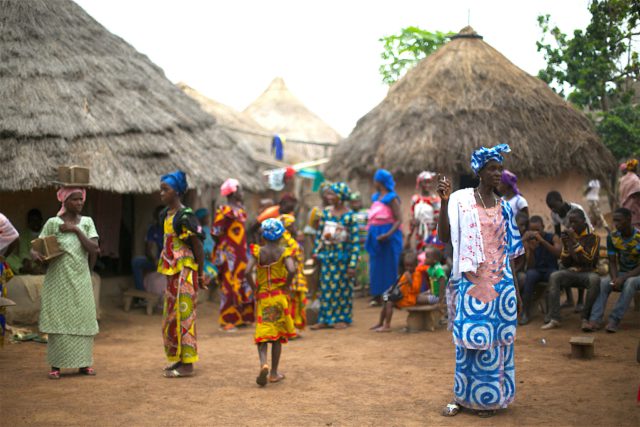
USAID programs in GuineaAccording to the World Bank, 35% of people in Guinea lived below the international poverty line in 2012, meaning they subsisted on less than $1.90 a day. Around 55% of Guineans lived below the country’s national poverty line in the same year. The U.S. began providing aid to Guinea through the United States Agency for International Development (USAID) shortly after the agency’s creation in the early 1960s. The relationship between USAID and the Guinean government has remained strong and a number of aid programs continue today. USAID programs in Guinea provide a diverse set of services in various economic and social sectors.

Feed the Future Guinea Agricultural Services Project

Agriculture is the backbone of the Guinean economy. According to the World Bank, the agricultural sector employs 52% of workers in Guinea and farming is the main income of 57% of rural households. Hence, improving agricultural output and profits is key to reducing poverty and hunger in Guinea, particularly for the rural population.

USAID started the Feed the Future Guinea Agricultural Services project in 2016 and still runs it in 2021. Feed the Future is a U.S. government program dedicated to eliminating global hunger and food insecurity, with efforts in a number of countries around the globe. Guinea’s Feed the Future program partners with local farmers and organizations, such as the Federation of Fruit Planters of Lower Guinea, which has more than 1,000 members.

USAID also brings in students from the Apprenticeship in Extension, Entrepreneurship and Rural Innovation (AVENIR) program, an initiative created to provide 640 unemployed Guinean college graduates with skills to start up their own agricultural businesses. These AVENIR agents then pass on their knowledge on sustainable farming and good entrepreneurship to Guinean farmers.

The results of the Feed the Future program are impressive, increasing certain crop yields by five, 10 or even 500 tons a year. AVENIR agents bring in technology such as irrigation pumps and solar dryers to increase productivity and decrease harvest waste. Farmers trained by USAID’s AVENIR agents have negotiated for better prices, boosting their profits, and in turn, helping them to rise out of poverty.

Malaria Control and Other Health Programs

Many USAID programs in Guinea work in the health sector, especially in disease control. Malaria, in particular, poses a massive threat to public health, accounting for 14% of deaths among Guinean children younger than 5. Alongside the National Malaria Control Program, USAID works to strengthen the healthcare system and identify new methods of treating malaria. USAID also invests in malaria prevention methods such as insecticide-infused mosquito nets.

Data from the World Bank shows that the malaria-fighting efforts of USAID and others have made a difference in Guinea. The number of average cases of malaria per 1,000 people has decreased from nearly 430 in 2012 to around 280 in 2018. This essentially means that, on average, people in Guinea became 15% less likely to contract malaria.

USAID programs in Guinea also help the country fight the spread of other dangerous outbreaks such as Ebola and COVID-19. The Global Health Supply Chain — Procurement and Supply Management program (GHSC-PSM) helps manufacture and distribute valuable health supplies such as disease test kits, antimalarial drugs and more.

Health services are crucial for all people in Guinea, but especially those living in poverty, who would not have access to reliable, affordable healthcare without the intervention of USAID and other aid programs. By preventing the spread of diseases such as malaria, Ebola and COVID-19, USAID programs improve the quality of life of Guineans living below the poverty line.

The Cultural Cohesion for Peace and Prosperity Project

USAID programs in Guinea also focus on peace and community sustainability. For example, USAID’s Cultural Cohesion for Peace and Prosperity Project (C2P2) works to prevent conflict between competing communities in Guinea, whether the fighting results from religious, ethnic or other differences.

Social science research shows a strong link between poverty and conflict. High poverty rates increase the likelihood of conflict occurring, and when violence breaks out, the people with the least resources often suffer the most. Ending and preventing conflict between various community groups allows people to focus on generating income rather than simply surviving.

The Impact of USAID

Overall, USAID programs in Guinea have a significant impact on those living in poverty, whether the programs focus on agriculture, health services or peace. Continuing to prioritize, fund and expand aid programs is key to improving overall living conditions and reducing poverty levels in Guinea.

– Julia Welp
Photo: Flickr

August 3, 2021
https://borgenproject.org/wp-content/uploads/borgen-project-logo.svg 0 0 Kim Thelwell https://borgenproject.org/wp-content/uploads/borgen-project-logo.svg Kim Thelwell2021-08-03 07:30:282024-06-06 00:15:34A Closer Look at USAID Programs in Guinea
Children, Foreign Aid, Global Poverty, Nonprofit Organizations and NGOs

The Pearl Foundation Aids Nicaragua

Pearl Foundation
The Pearl Foundation is a nonprofit organization based on Christian beliefs. As a humanitarian service, the organization expands its ministry in Nicaragua through assistance in nursing homes, helping find recyclables, providing feeding services and much more.

Why Nicaragua?

Linda and Darrell Hindson started taking mission trips to Nicaragua in 2000. The couple had developed such a bond with the people there that they then set more trips in motion. With the church’s help, the pair founded the Pearl Foundation in 2007, with the ultimate goal being ministry but also improving the lives of the people of Nicaragua.

How the US Provided Aid in Honduras

In an interview with The Borgen Project, Reynel Soto recalled poverty in the mountains of Honduras. He claimed that “Poverty is when people have no money, no houses… That’s what poverty is to me.” He also recalled there not being many job opportunities. The people survived off the land, farming and taking advantage of banana and mango trees. When asked about the United States coming in to help, he said, “Concrete costs a lot of money. The U.S. came in and pour concrete in the floors and built roofs… It made a big difference, yeah.”

The Pearl Foundation understands the need to connect with all of humanity every time a stomach is full, a person learns how to make money despite economic difficulties and someone finds joy in the midst of pain. The organization comprises teams that are working towards reducing poverty by highlighting the value of relationships and personal morals.

Accomplishments

In recent years, the Pearl Foundation has funded Christmas presents for children, fed multitudes of families and individuals, have explored the recycling opportunities at dumps and have educated the public on economic distress on their blog and Facebook, prompting people to donate money. With headquarters in both Granada, Nicaragua and Boiling Springs, South Carolina, the organization gathers numerous volunteers and raises money.

The Impact of Nonprofits

Many nonprofits host fundraisers, ask for donations online and rely on volunteers or interns to maintain necessary resources. The money they obtain may go toward a specific need or advocacy while the rest goes toward expansion. Making decisions to fund infrastructure, feeding programs, shoes and more are essential to encouraging economic growth, making for a better future and quality of life for communities.

Nonprofits take on a responsibility most would not. According to Naomi Camper, nonprofits should participate in the policy-making process to further ensure stable communities as organizations are experienced in financing, resources, communication and marketing. With this knowledge, economies stand a chance at growth, security and mobility.

Foreign Aid Myths Many US Citizens Believe

U.S. citizens have many misconceptions when it comes to foreign aid. Many believe that the U.S. spends around 25% on foreign aid when the reality is 0.1%. To top it off, the myth goes that any aid does not even make a difference. However, there has been a reduction in diseases such as malaria, polio, HIV/AIDS and many other curable or controllable illnesses around the world. In recent years, increased spending on the health of children saved approximately 3.3 million lives.

Many may also think of foreign aid as charity, meaning that the U.S. gets nothing in return. The reality is that the U.S. seriously negotiates what it does with the budget to ensure that it will benefit U.S. citizens. To avoid corruption, many organizations such as USAID keep track of how donor countries use the money, as well as create systematic contracts with government facilities. These precautions keep foreign aid genuine.

Another misconception is that foreign aid is only useful and necessary during war times. However, the likelihood of safety is greater during times of peace, as it reduces the chance of conflict. In the long run, providing stability to those who need it will likely not lead to the need for U.S. military intervention.

The Importance of Economic Growth

Economic growth ensures services for communities, essentially when it comes to improving living standards. Nonprofit organizations have employed approximately 12.3 million people compared to those that other U.S. companies employ. Nonprofits also supply the unemployed with job skills and training to help find them opportunities and take care of elderly parents.

Economic growth can also increase based on the events a nonprofit hosts. For example, an organization can hold a concert as a fundraiser. Many people go shopping to dress up for the occasion, go out to eat before or after, potentially pay for parking and, of course, donate. This brings in tax revenue, giving businesses a reason to stay open.

Bringing Hope to the Hopeless

The Pearl Foundation contributes to job opportunities, tax revenue and peace when aiding the people of Nicaragua. Not only is it about poverty, but the nature of mankind. The organization uses its morals to reach new staff members and volunteers to raise money. It passionately serves people by providing fun and games, food, assistance and knowledge of ways to make a living. Nicaragua is in good hands thanks to the assistance the Pearl Foundation provides.

– Selena Soto
Photo: Flickr

August 2, 2021
https://borgenproject.org/wp-content/uploads/borgen-project-logo.svg 0 0 Kim Thelwell https://borgenproject.org/wp-content/uploads/borgen-project-logo.svg Kim Thelwell2021-08-02 11:35:402021-09-16 11:39:33The Pearl Foundation Aids Nicaragua
Foreign Aid, Global Poverty

The Build Back Better World Initiative

Build Back Better World Initiative
Congress has been negotiating the size and scope of a domestic infrastructure bill for most of Joe Biden’s presidency. Still, action is necessary to further infrastructure abroad. The U.S. and its allies in the G7 recognize this need and have launched the Build Back Better World Initiative (B3W) to address global infrastructure challenges. A closer look at the initiative provides insight into the state of infrastructure in low and middle-income countries around the world.

The Infrastructure Gap

Infrastructure connects people and goods, which allows economies to scale and grow. Forming highways, ports, bridges, railways, pipelines, sewage systems and more, infrastructure projects are vital for transport, communication, energy and health. Infrastructure projects are the foundation of economic development and are vital to the Sustainable Development Goals (SDGs), including universal access to water and electricity. 

Infrastructure projects are also important for developing nations because the projects can be a major source of employment, spurring economic growth and allowing workers to gain new skills. The White House currently estimates that the infrastructure needed in low and middle-income countries globally totals more than $40 trillion.

Infrastructure gaps are significant because the gaps hinder economic growth. According to World Bank research, “Every 10% increase in infrastructure provision increases [economic] output by approximately 1% in the long term.” In other words, spending on infrastructure grows an economy. Further, as environmental challenges continue to threaten nations around the world, the World Bank says that even small investments in climate-resilient infrastructure can save trillions of dollars in recovery efforts.

The Build Back Better World Initiative

Partnering with G7 nations, the U.S. launched the B3W to alleviate some of the problems associated with infrastructure gaps. The White House will look toward not only its allies but the private sector for hundreds of billions of dollars in funding for infrastructure investment. The administration says that it will leverage partnerships with the private sector because “status quo funding and financing approaches are inadequate” to meet the size of these challenges. 

The focus for projects is four distinct areas, including climate, health, digital technology and gender equity. The aim is to reach all around the world with different partners, but, USAID and other U.S. development groups will take leading roles. However, there is still an understanding that local needs will be a priority, as “infrastructure that is developed in partnership with those whom it benefits will last longer and generate more development impact.” 

The Biden administration has stressed the importance of good governance in foreign assistance and has already noted the importance of using B3W as a way to encourage full transparency with monitoring tools, common contracts and metrics for evaluation.

The Build Back Better World Initiative and US Interest

Foreign assistance supports U.S. strategic interests, which is why Deputy National Security Advisor for International Economics Daleep Singh has indicated support for the initiative. In recent years, especially when the U.S. has taken a step back from foreign affairs, China has accelerated spending on global infrastructure with the Belt and Road Initiative. 

However, Singh indicates that the point of the initiative is not to inflame hostilities or work as an anti-China group but rather to provide an alternative to Belt and Road financing. The goal is to “rally countries around a positive agenda that projects our shared values.” B3W supports U.S. interests by providing an alternative and showing that the U.S. is once again ready and willing to be a good partner for the world.

With Congress working on a domestic infrastructure package, it is important to not lose sight of the critical need for sustained and significant investment in infrastructure around the world. Infrastructure projects connect the world, making it safer and healthier. Funding infrastructure around the world as part of the Build Back Better World Initiative aligns with U.S. strategic interests. Hopefully, this initiative will encourage bridging gaps and becoming a more connected world.

– Alex Muckenfuss
Photo: Flickr

July 30, 2021
https://borgenproject.org/wp-content/uploads/borgen-project-logo.svg 0 0 Kim Thelwell https://borgenproject.org/wp-content/uploads/borgen-project-logo.svg Kim Thelwell2021-07-30 07:30:462021-08-02 02:28:27The Build Back Better World Initiative
Foreign Aid, Global Poverty

USAID Shifts to Direct Aid in El Salvador

direct aid in El Salvador
On May 1, 2021, the Legislative Assembly of El Salvador removed the nation’s attorney general and all members of its Supreme Court. This sudden action sparked concern regarding the separation of powers in El Salvador’s government, with human rights organizations viewing it as a power grab by the country’s president, Nayib Bukele. USAID acted on the concerns by pulling all foreign aid funding previously dispersed through the Salvadoran government. The funding is now promised as direct aid to El Salvador’s civil society groups. Direct aid in El Salvador will ensure the most vulnerable El Salvadorans receive the help needed.

USAID Projects in El Salvador

USAID’s most recent foreign aid projects in El Salvador are designed to address the root causes of migration from Latin America to the United States. In January 2021, President Biden issued an executive order that set aside $4 billion to address immigration from the Northern Triangle countries: El Salvador, Guatemala and Honduras. The order states that improving livelihoods in these countries eliminates the need for migrants to flee to the United States. In May 2021, USAID launched an official Northern Triangle Task Force. The task force laid out a strategy for improving livelihoods by targeting three areas:

  1. Prosperity – USAID will fund economic development to prevent poverty in El Salvador. This strategy includes improving infrastructure, investing in higher-value industries to create job opportunities and fostering entrepreneurship. The Salvadoran organizations receiving aid to implement these programs are primarily private sector actors.
  2. Security – USAID will target crime and corruption as another root cause of migration. This strategy includes increasing government transparency and making justice systems more responsive to citizens’ needs. Originally, the governmental National Civil Police and Institute for Access to Public Information were involved with the implementation of USAID projects related to this target. However, the shift to direct aid requires non-governmental organizations in El Salvador to replace government actors.
  3. Governance – USAID aims to make governments in the Northern Triangle more effective at responding to citizens needs. This strategy includes increasing accountability for government spending, improving government delivery of services and promoting citizen engagement with democracy. Civil society is the main recipient of direct aid for this purpose.

Civil Society in El Salvador

Direct aid in El Salvador builds upon a preexisting robust civil society landscape. Civil society in El Salvador first rose to prominence in the 1960s by providing humanitarian services. The Salvadoran Civil War in the 1980s saw the organizations taking on economic and social welfare work to replace overextended governments. The constitution of El Salvador protects the right of assembly and the Ministry of Interior and Territorial Development registers civil society organizations under that protection. Previous administrations promoted the creation and smooth functioning of civil society organizations. However, President Bukele mistrusts civil society organizations and his government stigmatizes them.

Civil society organizations previously received direct aid in El Salvador from USAID. In 2020, $7.5 million out of $60 million in USAID funding for El Salvador targeted improving governance and involving civil society. Experts had been lobbying for civil society organizations’ increased involvement with the distribution of aid long before President Bukele incited USAID’s action and many activists in Latin America praised USAID’s adjustment. Activists expressed hope that civil society organizations from other countries in the Northern Triangle would also secure larger roles in upcoming projects.

Strategy for El Salvador

While foreign aid from the United States circumvents the Salvadoran government, foreign policy officials continue to pressure the Bukele administration to restore the separation of powers. Secretary of State Antony Blinken traveled to Costa Rica in June 2021 for an annual meeting with the member states of the Central American Integration System. During the gathering, Blinken met privately with the Salvadoran foreign minister to discuss the issue of aid. The Biden administration also decided to bypass the lengthy appointment process for an ambassador to El Salvador and instead sent former U.S. ambassador Jean Manes to El Salvador as charge d’affaires to handle diplomatic relations with El Salvador immediately.

While the programs in El Salvador that will receive direct aid are currently unspecified, the United States has successfully committed domestic private actors to invest in El Salvador. For example, Vice President Kamala Harris announced that Microsoft will give internet access to three million citizens in the Northern Triangle countries, including El Salvador. This demonstrates how private actors fulfill roles that governments traditionally perform, such as infrastructure expansion, when governments fail to provide services. USAID hopes to utilize civil society organizations to run similar programs for democratic reform in El Salvador.

Moving Forward

The Salvadoran government’s decision to remove its top judiciaries led USAID to retract its trust in the country’s government with regard to aid funding. USAID chose civil society organizations to receive aid instead and also set aside direct aid to further democratic reforms. Official plans for redirected aid funding have yet to be released, but U.S. government officials have historically seen success in engaging private actors in tasks that governments usually complete. As the United States continues to pressure the Salvadoran government to increase accountability, foreign aid to El Salvador fosters more civil society engagement.

– Viola Chow
Photo: Wikipedia Commons

July 27, 2021
https://borgenproject.org/wp-content/uploads/borgen-project-logo.svg 0 0 Kim Thelwell https://borgenproject.org/wp-content/uploads/borgen-project-logo.svg Kim Thelwell2021-07-27 07:30:222021-07-27 02:01:36USAID Shifts to Direct Aid in El Salvador
Foreign Aid, Global Poverty

The Future of Italy’s Foreign Aid

Italy's Foreign Aid
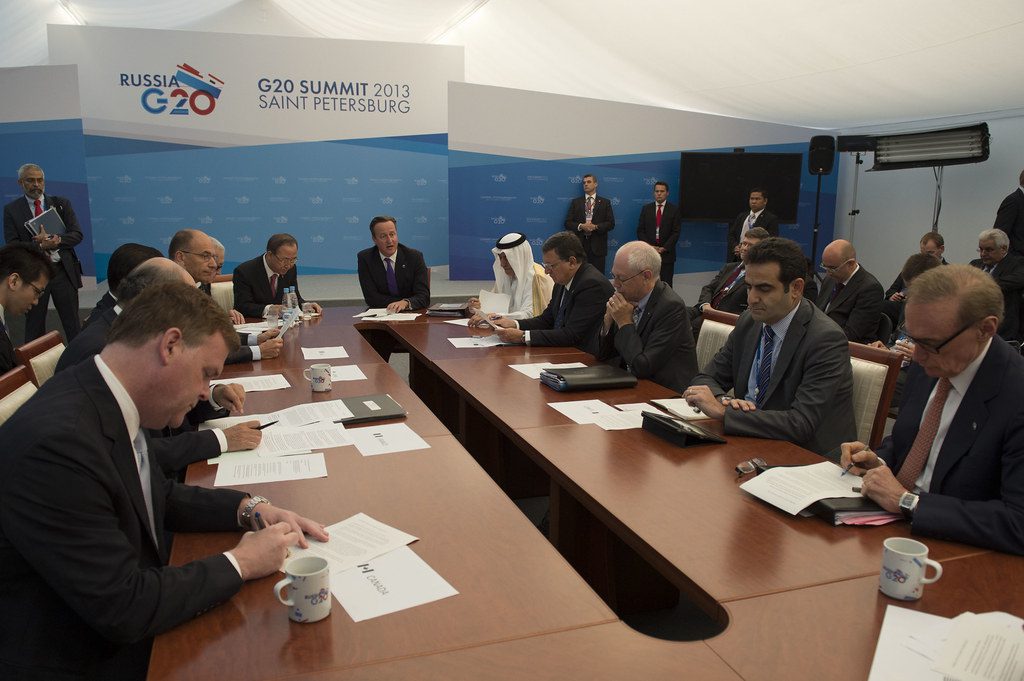
On October 30, 2021, Italy will host the G20 summit, the annual economic forum on international cooperation and financial stability. In addition to policy coordination between the world’s major, advanced and emerging economies in efforts to achieve global economic growth, the summit also focuses on development programs in impoverished countries. A closer look at Italy’s foreign aid shows the extent to which Italy helps the world’s most vulnerable people.

Italy’s Foreign Aid

According to U.N. standards, Italy is not contributing enough to foreign aid. Italy is the 10th-largest Organization for Economic Cooperation and Development (OECD) donor for the Development Assistance Committee (DAC). The country spent $4.2 billion on official development assistance in 2020. However, this represents only 0.22% of the country’s gross national income. It falls below the U.N. target of 0.7% as well as the DAC average of 0.32%.

Current Fund Allocation

Bilateral aid consists of grants that go to countries without a multilateral intermediary. Italy dedicates 31.1% of its bilateral aid to hosting refugees in donor countries. The country was on track to reach the U.N.’s official development assistance (ODA) target up until 2017. It then started to decrease funding as in-country refugee costs decreased by 76% from 2017 to 2019.

Furthermore, along with many other countries in the European Union, much of Italy’s foreign aid has gone toward border control instead of basic services such as water, food and education. These services are key elements that help fight poverty and decrease the likelihood of forced migration or the need for border control. A June 2019 Instituto Affari Internazionali (IAI) report found that the country lacks a consistent strategy surrounding development cooperation, largely due to Italy’s fixation on migration and its opportunistic and transactional approach to foreign policy.

Bilateral vs. Multilateral

Although it seems Italy could be doing more to help the world’s impoverished, it is important to note that most of its official development assistance (62%) goes to multilateral institutions. This means that the government authorizes non-governmental organizations (NGOs), think tanks and multilateral institutions such as the World Bank Group to allocate foreign aid accordingly. While some multilateral groups can have political leanings, NGOs and think tanks tend to operate apolitically. This minimizes the risk that Italy’s foreign aid only serves to reinforce political ambitions or national security through distribution.

For example, through Italy’s earmarked contribution of more than $82 million to the United Nations Development Programme (UNDP), the UNDP considers Italy a “vital partner in their mission to end extreme poverty” and is helping the country operationalize its G7 commitments through the Africa Centre for Sustainable Development in Rome. Once established, the goal of the Centre is to accelerate the implementation of the Sustainable Development Goals (SDGs) in Africa by advocating the best practices regarding food security, access to water and clean energy.

Italy in the G20

As host of the G20 economic forum, Italy has an important position among other members in leading discussions on development and poverty. In fact, in a telephone conversation with the European commissioner for international partnerships, Emanuela Del Re, the Italian vice minister of foreign affairs, asserted that the G20 could be “the relevant international forum to define measures to ensure that vulnerable countries are part of the socio-economic recovery.”

While Italy should be contributing more toward its foreign aid as a whole, its commitment to multilateral cooperation is a promising step in alienating aid from internal politics. Furthermore, by prioritizing the management of the pandemic in economically developing countries in the G20, Italy could reevaluate its interest in migration as a central development issue and create the opportunity for a more balanced allocation of foreign aid.

– Annarosa Zampaglione
Photo: Flickr

July 21, 2021
https://borgenproject.org/wp-content/uploads/borgen-project-logo.svg 0 0 Kim Thelwell https://borgenproject.org/wp-content/uploads/borgen-project-logo.svg Kim Thelwell2021-07-21 06:26:572024-05-30 22:23:53The Future of Italy’s Foreign Aid
Aid, Aid Effectiveness & Reform, Foreign Aid, Global Health, Global Poverty

Greenland’s Foreign Aid Dilemma

Greenland's Foreign Aid
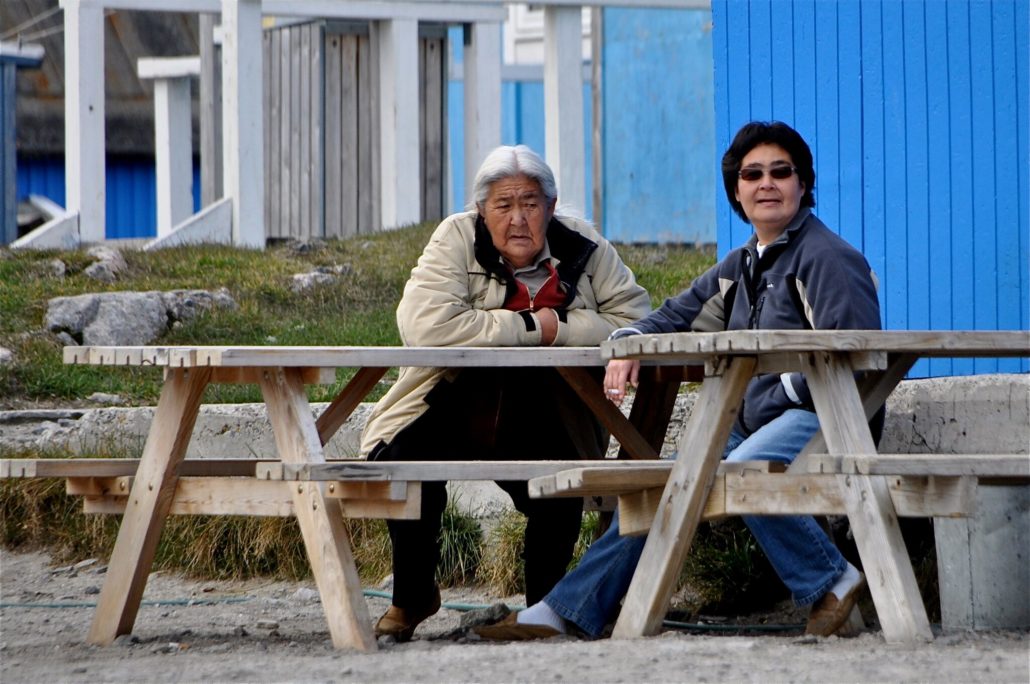
Many countries around the world benefit from foreign aid, but few rely on it for their livelihood. Greenland is one of the few countries that would struggle to exist at all without it, as Greenland’s foreign aid is essential to its economy. Each year, Denmark, Greenland’s former colonial ruler, gives the island nation about $591 million in subsidies. That represents about 60% of the Greenlandic government’s budget and comes to more than $10,000 for every person living in Greenland. The subsidy, however, is not the cure-all Denmark might hope it to be.

Greenland’s Foreign Aid and Social World

Greenland is a land of contradictions. It is the largest island in the world, yet has a population of fewer than 60,000 people. Its average income is about $33,000, placing it far above the international average, yet Greenland also suffers from a suicide rate seven times higher than in the United States, and a poverty rate of 16.2% as of 2015. Traditional practices remain the norm in many parts of the country. Fishing accounts for 90% of Greenland’s exports, and dog sleds are still a common sight in the island’s undeveloped interior.

How can Greenland receive so much aid and still suffer from such social ills? Part of the answer lies in international politics. Although Greenland is nominally independent, many of its politics are still under the control of Denmark. Worried about losing influence in Greenland, Denmark has often blocked other countries’ efforts to invest in Greenland.

For example, Denmark raised objections to a $12.1 million aid package to Greenland from the U.S. in 2020. While politicians raised some valid concerns about the package (particularly in light of President Trump’s tactless 2019 offer to buy Greenland from Denmark), the fact remains that foreign investment would almost certainly enrich Greenlanders. This would be especially relevant if Greenlanders, rather than Danes, were the ones to make decisions about foreign aid.

Potential Wealth in Greenland

On the other hand, Greenland itself enjoys huge sources of potential wealth. The island is strategically located in the arctic region. Greenland also possesses valuable mineral deposits in its interior, which global warming will eventually uncover. Unfortunately, Denmark’s reluctance to permit foreign aid, and a lack of local capital, have prevented Greenland from taking advantage of these resources.

Greenland’s dependence on Danish money is a major source of instability for the country. Were the Danish government to change its policy, Greenland’s fragile economy would collapse. Greenland’s reliance on fish also creates uncertainty, since fish prices tend to fluctuate quickly. Economic development, as well as investment from a variety of countries, would remove much of the country’s economic uncertainty.

The goal of foreign investment should be to make countries prosperous and, eventually, self-sufficient. Greenland, however, shows few signs of becoming more economically independent from Denmark. Greenland’s GDP has grown very slowly and actually shrank between 2013 and 2014, despite Denmark’s funding. Danish aid to Greenland seems to have become an absent-minded gift, rather than an aid program with a clear purpose and goals.

Consequences of Denmark’s Aid

If Denmark sticks to the status quo of offering aid but preventing others from doing the same, Greenland will continue to suffer from its high poverty rate. Denmark will still have to pay huge sums of cash to keep the Greenlandic economy afloat.

However, if Denmark were to permit more investment in Greenland and put more emphasis on helping Greenland achieve self-sufficiency, Greenland would become wealthier and its economy would be more stable. This would in turn benefit Denmark because Greenland would eventually no longer need so much financial support. Whatever Greenland’s foreign aid future holds, it seems clear that it can do better than the status quo.

– Thomas Brodey
Photo: Flickr

July 20, 2021
https://borgenproject.org/wp-content/uploads/borgen-project-logo.svg 0 0 Kim Thelwell https://borgenproject.org/wp-content/uploads/borgen-project-logo.svg Kim Thelwell2021-07-20 16:44:122024-05-30 22:24:03Greenland’s Foreign Aid Dilemma
COVID-19, Foreign Aid, Global Poverty

5 Facts About the UAE’s Foreign Aid

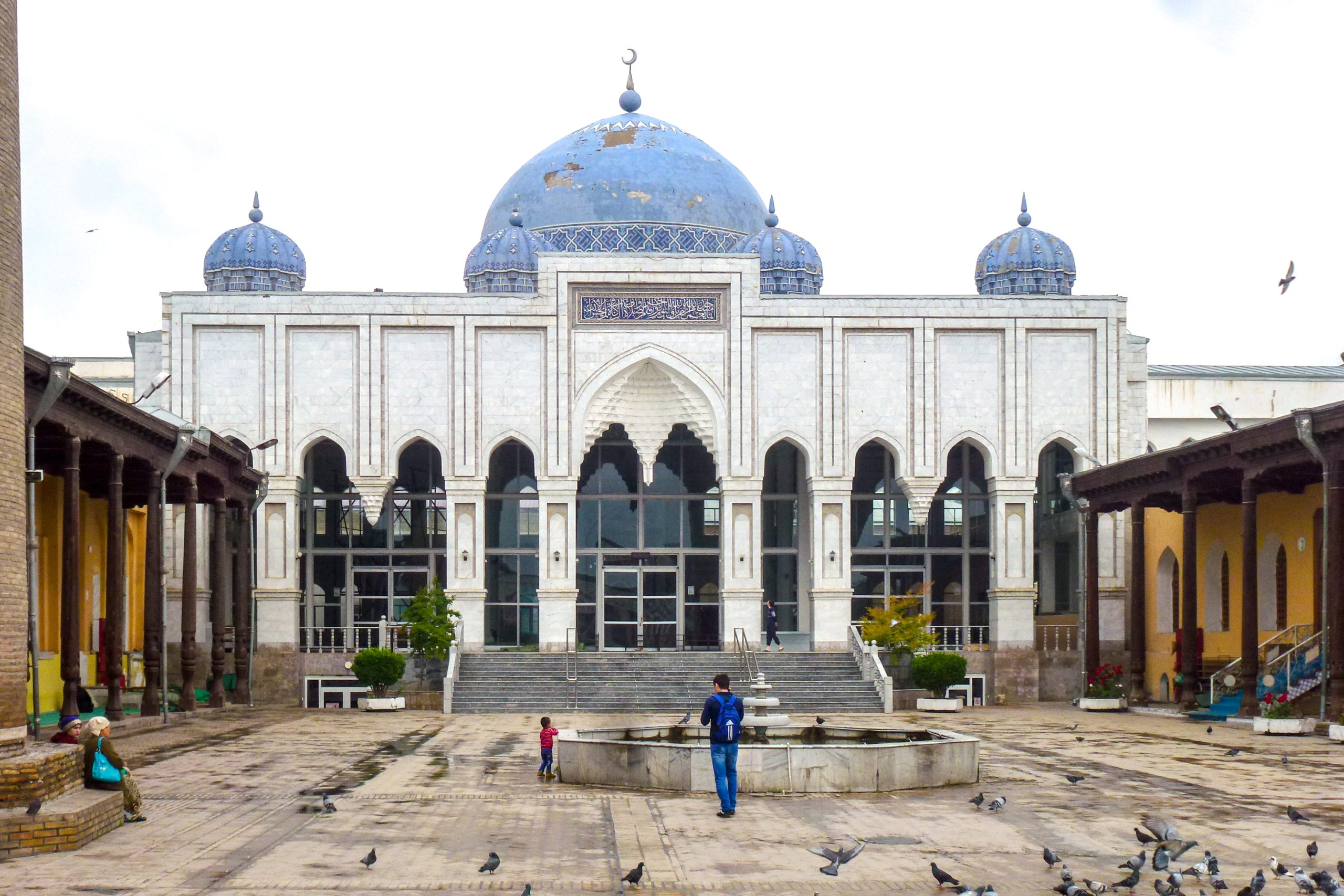
The UAE’s Foreign AidMany know the United Arab Emirates (UAE) as one of the richest countries in the world, thanks to its abundant reserves of oil and natural gas. One of its most popular cities, Dubai, is home to some of the world’s most extravagant and expensive buildings, while artificial islands shaped like palm trees dot its coast. Putting its riches to a good cause, the UAE’s foreign aid program is remarkably well-funded and successful.

5 Facts About the UAE’s Foreign Aid

  1. The UAE’s foreign aid program is one of the largest in the world. In 1970, the U.N. first agreed on its percentage target for official development aid (ODA): 0.7% of gross national income (GNI). Since 1970, growing numbers of developed countries have officially committed to this target. However, most fail to meet it each year. For example, the United States, while the biggest donor in terms of dollar amount, only donated 0.17% of its GNI in 2020, making it one of the lowest contributors in terms of the U.N. ODA agreement. In contrast, since 2013, the UAE has remained one of the highest-ranking ODA donors and has consistently surpassed the 0.7% of GNI target. In 2018, the UAE devoted 0.93% of its GNI to foreign aid.
  2. The UAE’s foreign aid program was private until 2009. Surprisingly, the UAE’s very public devotion to foreign aid only began around a decade ago when it began to submit detailed foreign aid data to the Organization for Economic Co-operation and Development (OECD). Since then, the UAE’s Ministry of Foreign Affairs, along with the president and prime minister, have been very vocal and open about foreign aid. This openness has led some to suspect that the UAE intends to improve its global image through its interest in foreign aid.
  3. Most of the UAE’s foreign aid goes to other Middle Eastern and Arab countries. While the UAE has sent foreign aid to hundreds of nations in total, the majority of its foreign aid goes to nearby countries. The UAE makes significant donations to developmental projects and humanitarian aid in countries experiencing violence and natural disasters. In 2015, the majority of the UAE’s humanitarian aid went to refugees in Syria, Yemen and Iraq. These countries, along with Egypt, Jordan, Afghanistan and Pakistan, are consistent recipients of UAE aid. In 2019, UAE foreign aid dropped below the 0.7% of GNI target for the first time since 2012. The preliminary data for 2020 shows foreign aid accounting for 0.48% of the UAE’s GNI. These lower levels of aid may be due to the UAE’s need to devote resources to the fight against COVID-19 within its own borders. The vast majority of the UAE’s aid in 2020 went toward COVID-19 related medical and food aid. In total, 47 countries around the world received COVID-19 aid from the UAE in 2020.
  4. The UAE’s foreign aid likely has some political motivation. After 2013, the UAE’s foreign aid portfolio became less diverse and more focused on a small selection of countries. The UAE claims that its aid “has only humanitarian objectives.” However, there are often clear correlations between the UAE’s political interests and its top aid recipients. For example, in 2013, the UAE’s foreign aid to Egypt massively increased. The country likely increased it in order to support the military coup in Egypt at the time. Additionally, despite Yemen’s pressing need for aid, it did not receive significant aid from the UAE until 2015.
  5. The UAE’s foreign aid officially goes toward “reducing poverty and improving quality of life.” Despite the UAE’s somewhat political motivations, its foreign aid program is both impactful and extensive. Among its top goals for foreign aid, the UAE lists “humanitarian assistance, elimination of poverty, support for children, transportation, infrastructure, government support and empowerment of women.” Much of the country’s foreign aid goes to development projects aimed at long-lasting infrastructure improvements in countries such as Egypt and Afghanistan. It also goes toward aiding refugees in Syria and Yemen or to sub-Saharan Africa and Asia. The UAE hosts several large charity aid programs such as the Emirates Airlines Foundation, which has supported various humanitarian aid projects in 18 countries for nearly two decades. One of these projects include the Emirates Friendship Hospital Ship, a mobile hospital currently located in Bangladesh. The vessel provides mobile medical assistance to those in need.

Looking Ahead

Given its clear commitment to increasing levels of valuable foreign aid, the UAE continues as one of the world leaders in aid. Wealthier countries of the world need to follow suit and contribute more to helping struggling nations around the world.

– Anneke Taylor
Photo: Flickr

July 15, 2021
https://borgenproject.org/wp-content/uploads/borgen-project-logo.svg 0 0 Jennifer Philipp https://borgenproject.org/wp-content/uploads/borgen-project-logo.svg Jennifer Philipp2021-07-15 07:30:312024-06-07 05:08:135 Facts About the UAE’s Foreign Aid
COVID-19, Foreign Aid, Global Poverty

Tajikistan’s Response to COVID-19

Tajikistan’s Response to COVID-19In February 2020, many countries arranged a summit to discuss how they would assist countries with weaker health care systems due to the COVID-19 pandemic. Tajikistan’s response to COVID-19 was one of the topics at the summit.

Tajikistan, a small country in Central Asia, is regarded by the World Health Organization (WHO) as one of the most impoverished countries. Primarily private out-of-pocket deals run the country’s health care system. According to the WHO, this process undermines the system’s ability to grow in equity, efficiency and quality.

Combating COVID-19

Tajikistan was one of the first countries to receive COVID-19 support. In April 2020,  the World Bank provided emergency relief to Tajikistan, along with aid from various other countries. The World Bank said that it is a continuous goal to strengthen Tajikistan’s response to COVID-19 by improving its health care system.

On June 7, 2020, Tajikistan received emergency medical teams (EMTs) and mobile laboratories from Poland, Germany, Russia and the United Kingdom. After this support, the country began to see an increase in COVID-19 contact tracing, testing and optimization of patient care. The EMTs gave Tajikistani health care workers advice on how to handle severe COVID-19 cases.

Tajikistan enacted a national COVID-19 laboratory upscale plan, and with help from international aid, the Tajikistan government established a Public Emergency Operations Center. On July 22, 2020, Russian lab experts arrived in the Central Asian country to help strengthen its data management system. Now, Tajikistan is seeing an increase in testing and staff capacity.

In addition, USAID donated $7.17 million to the Tajikistan government. Tajikistan used the funding to support migrants that traveled into the country. The country is also buying new, life-saving equipment and medical supplies. In April 2020, the USAID and other American organizations sent 58,620 kilograms of food to more than 100 health and social welfare institutions. These donations totaled approximately $171,000.

Further, the World Bank allocated $11.3 million to a grant for the Tajikistan Emergency COVID-19 Project. The project works to improve healthcare for Tajikistan’s citizens, sending funds to impoverished households and informing the public on COVID-19 safety measures.

Hope for Tajikistan

The Intensive Care Unit in Varzob, Tajikistan, was one of 10 hospitals chosen for refurbishment with funding from the World Bank. The hospital received upgraded medical equipment and supplies to strengthen Tajikistan’s response to COVID-19. The Tajikistan hospital can now serve all district citizens instead of only private out-of-pocket citizens.

Several hospitals throughout Tajikistan received batches of medical equipment. Donations included 68 ICU ventilators, 68 ICU beds with patient monitors and 400,000 pieces of personal protective equipment.

According to the World Bank, 41% of Tajikistani households reported that they had to reduce food consumption, while 20% of families could not afford health care. With international funds, the Tajikistan government sent out one-time cash payments of 500 somonis to approximately 65,000 low-income families with children less than three years old.

In February 2021, Tajikistan received a grant for COVID-19 vaccines and to increase the oxygen supply in 15 of the country’s hospitals. Most of the funding went to Tajikistani patients suffering from COVID-19 to receive top-of-the-line care. Subsequently, the remaining grant money provided one-time cash assistance to an additional 70,000 poor households.

Future of Tajikistan

On June 16, 2021, the Asian Development Bank approved a grant of $25 million to strengthening Tajikistan’s response to COVID-19. This grant helped the country procure COVID-19 vaccines and improve its vaccination system. On the same date, Tajikistan created a goal to vaccinate about 62% of its population. This grant is one of many that allowed the country to strengthen its supply of medical equipment and care for the maximum number of high-risk COVID-19 patients.

As of July 9, 2021, Tajikistan has vaccinated 1.2% of the population, administering 223,648 doses. With help from international aid, the country is giving out approximately 9,273 doses each day. It will take more than 200 days to vaccinate 10% of the population, but Tajikistan is steadily recovering from the COVID-19 pandemic.

– Rachel Schilke
Photo: Flickr

July 15, 2021
https://borgenproject.org/wp-content/uploads/borgen-project-logo.svg 0 0 Kim Thelwell https://borgenproject.org/wp-content/uploads/borgen-project-logo.svg Kim Thelwell2021-07-15 06:32:522021-08-17 04:12:05Tajikistan’s Response to COVID-19
Food & Hunger, Food Aid, Foreign Aid, Global Poverty

Promising Foreign Aid in Central Asia

Foreign Aid in Central Asia
Central Asia comprises Kazakhstan, Tajikistan, Uzbekistan, Turkmenistan and Kyrgyzstan. The combined population of these countries is about 72 million. Promising foreign aid efforts in Central Asia are working to combat a variety of issues in these countries.

Food Distribution

One critical area for foreign aid in Central Asia has been food security. During the COVID-19 pandemic, the World Food Programme (WFP) has been leading a program to provide food to impoverished children in Tajikistan. This program has given vegetable oil and flour to more than 22,000 households in Tajikistan.

This has been part of a more significant effort by the WFP School Feeding Programme to ensure student food security in Tajikistan. The School Feeding Programme has helped more than 600,000 students across the country.

Russia is a critical contributor to these aid programs. Since 2012, Russia has given more than $28 million to the School Feeding Programme to facilitate food distribution and the modernization of food infrastructure for schools.

The World Food Programme and Russia are not the only sources of food aid in Central Asia. The United Arab Emirate’s 100 Million Meals campaign has distributed more than 600,000 meals to Central Asia as of June 2021.

The organization gave out food baskets with enough food to feed an entire family for a month. It assists families in Kazakhstan, Tajikistan and Kyrgyzstan. The campaign coordinated with other charity organizations within these three countries, and the campaign target has already increased from 100 million meals to more than 200 million meals.

Electrical and Water Supply

Another critical area for foreign aid in Central Asia is the development of electrical infrastructure and water management. The U.S. recently started an effort via USAID to develop a sustainable and reliable electricity market in the region. An October 2020 agreement between USAID, Kazakhstan, Kyrgyzstan and Tajikistan planned to create an electrical market with “expected economic benefits from regional trade and… reductions in greenhouse gas emissions.”

USAID also recently started the Water and Vulnerable Environment project, which will help all five Central Asian countries. The project aims to “promote regional cooperation to improve natural resources (water) management that sustains both growths, promote[s] healthy ecosystems, and prevent[s] conflict.” This is the second water management project USAID has supported in the region in recent years, as it recently completed the Smart Waters project.

The Smart Waters project successfully ensured that dozens of citizens received degrees in water management or received additional training in the field. The project also trained almost 3,000 people in “water resources management, water diplomacy, water-saving technologies, and international water law through 100 capacity building events.”

Medical Assistance

USAID partnered with the World Health Organization (WHO) in 2021 to help Uzbekistan address the management of drug-resistant tuberculosis. The project’s goal is to better manage the disease by providing assistance to Uzbekistan’s Ministry of Health. The program conducted 35 training sessions throughout Uzbekistan, which resulted in more than 600 specialists receiving certification to prevent, identify and treat drug-resistant tuberculosis.

In recent years, foreign aid in Central Asia has resulted in food distribution, medical assistance, efforts to develop an electrical grid and assistance in water management. The U.S., Russia and the United Arab Emirates have contributed to these efforts alongside various international and local organizations.

– Coulter Layden
Photo: Flickr

July 13, 2021
https://borgenproject.org/wp-content/uploads/borgen-project-logo.svg 0 0 Kim Thelwell https://borgenproject.org/wp-content/uploads/borgen-project-logo.svg Kim Thelwell2021-07-13 10:39:482024-05-30 22:23:54Promising Foreign Aid in Central Asia
Page 13 of 61«‹1112131415›»

Get Smarter

  • Global Poverty 101
  • Global Poverty… The Good News
  • Global Poverty & U.S. Jobs
  • Global Poverty and National Security
  • Innovative Solutions to Poverty
  • Global Poverty & Aid FAQ’s
Search Search

Take Action

  • Call Congress
  • Email Congress
  • Donate
  • 30 Ways to Help
  • Volunteer Ops
  • Internships
  • Courses & Certificates
  • The Podcast
Borgen Project

“The Borgen Project is an incredible nonprofit organization that is addressing poverty and hunger and working towards ending them.”

-The Huffington Post

Inside The Borgen Project

  • Contact
  • About
  • Financials
  • President
  • Board of Directors
  • Board of Advisors

International Links

  • UK Email Parliament
  • UK Donate
  • Canada Email Parliament

Get Smarter

  • Global Poverty 101
  • Global Poverty… The Good News
  • Global Poverty & U.S. Jobs
  • Global Poverty and National Security
  • Innovative Solutions to Poverty
  • Global Poverty & Aid FAQ’s

Ways to Help

  • Call Congress
  • Email Congress
  • Donate
  • 30 Ways to Help
  • Volunteer Ops
  • Internships
  • Courses & Certificates
  • The Podcast
Scroll to top Scroll to top Scroll to top