• Link to X
  • Link to Facebook
  • Link to Instagram
  • Link to TikTok
  • Link to Youtube
  • About
    • About Us
      • President
      • Board of Directors
      • Board of Advisors
      • Financials
      • Our Methodology
      • Success Tracker
      • Contact
  • Act Now
    • 30 Ways to Help
      • Email Congress
      • Call Congress
      • Volunteer
      • Courses & Certificates
      • Be a Donor
    • Internships
      • In-Office Internships
      • Remote Internships
    • Legislation
      • Politics 101
  • The Blog
  • The Podcast
  • Magazine
  • Donate
  • Click to open the search input field Click to open the search input field Search
  • Menu Menu

Archive for category: Foreign Aid

Foreign aid coverage and information.

Foreign Aid, Global Poverty, Humanitarian Aid

The Nonprofit That May Have Found the Answer to Effective Foreign Aid

Effective Foreign Aid
GiveDirectly, which four MIT and Harvard students founded in 2012, was donned potentially “the most economically efficient charity ever” by the online magazine The Atlantic. The organization champions unconditional and direct economic investment into the world’s poorest areas, having the potential to alleviate whole areas from poverty within years as well as promote effective foreign aid.

How Does it Work?

In its simplest form, GiveDirectly allows the public to send cash directly to the poorest individuals through bank transfers via mobile phones that they receive from those on the ground. So far, more than $650 million has been donated to 1.4 million people living in poverty. Donors are then able to stay informed about the progress of the individuals they have donated to, with GiveDirectly averaging a 99% follow-up rate from every recipient. The method of this highly effective foreign aid rests on the simple idea that people see a greater improvement in their overall quality of life when they have a say in how recipients spend the money.

Obstacles

GiveDirectly has been battling with the unproven notion that it is not a good idea to give money to those who are poor. This led the organization to conduct its own research into the matter. The research revealed how the extensive benefits of cash transfers often reach beyond a program’s core objectives, facilitating effective foreign aid. The research also found that monetary poverty, education, health and employment all improved as a result of direct injection of cash into poor areas.

Rory Stewart, president of GiveDirectly and former U.K. Secretary of State for International Development, initially had his reservations about GiveDirectly. He stated he thought the best way to approach foreign aid was by “teaching people to fish rather than giving them fish.” However, after his appointment as the president in 2022, he stated on BBC World News that “a relatively small amount of money from Western standards can transform people’s lives so much more rapidly and efficiently than many traditional aid programs.”

Projects for the Future

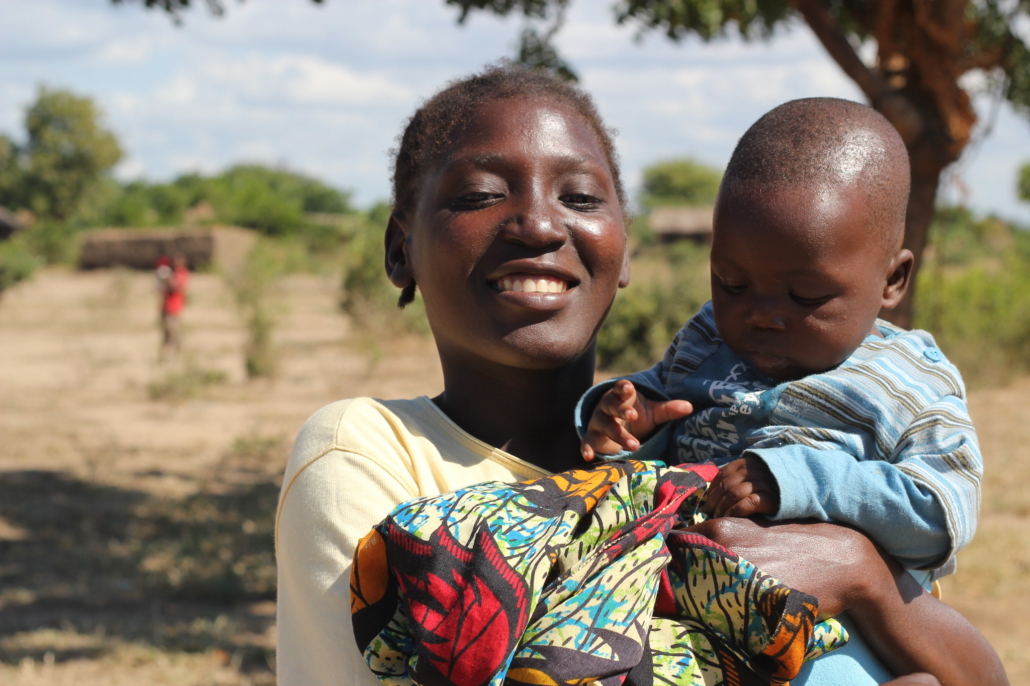
GiveDirectly functions on an optimistic outlook of human nature and individualism. Individual cash donations allow people to make their own investments, giving dignity to the receiver. Tarkok, a subsistence farmer in Kenya, has been the recipient of $180 over the last 11 days. He “intend[s] to use [the money] to buy at least three bags of 90 kg maize grains that [will] last … for at least six months.” The rest of the money will go toward the purchase of goats. This is just one example of the impact small donations can have on the world’s poor.

Looking Ahead

Rory Stewart’s appointment as president of GiveDirectly last year marks a shift in the world of international development. More than 180 governments have implemented cash programs during COVID-19, marking a decisive step forward to meeting the U.N.’s goal to end global poverty by 2030. GiveDirectly is now the world’s fastest-growing nonprofit, with more than $1 billion raised so far, showing the impact that its new approach is having on foreign aid, alongside alleviating poverty.

– George Somper
Photo: Flickr

May 12, 2023
https://borgenproject.org/wp-content/uploads/borgen-project-logo.svg 0 0 Jennifer Philipp https://borgenproject.org/wp-content/uploads/borgen-project-logo.svg Jennifer Philipp2023-05-12 11:06:182023-06-06 14:27:57The Nonprofit That May Have Found the Answer to Effective Foreign Aid
Foreign Aid

Key Facts About UK Aid to India

UK Aid to IndiaThe United Kingdom and India have had a long history of partnership. The two regularly collaborate in fields such as technology, education and trade. The U.K. has also given India valuable aid that has supported its progress and development over the past decades. According to the Independent Commission for Aid Impact, the U.K. supplied India with £2.3 billion in aid between 2016 and 2021. However, in recent years, as India’s economy has flourished, the U.K. has moved away from bilateral aid to the country. Instead, the focus is now on investment that will not only help India but will also yield considerable returns for the U.K. Here’s everything you need to know about the U.K.’s aid to India.

Official Development Assistance (ODA)

The U.K. is a member of the Organisation for Economic Cooperation and Development’s Development Assistance Committee. And as such, it makes contributions toward ODA. According to the parliament, ODA has the development and welfare of developing countries as its main objective.

In 1970, the U.N. set a target for all countries that supported ODA to donate 0.7% of its gross national income. Before meeting the target for the first time in 2013, the U.K. consistently failed to do so in the years prior. The International Development Act of 2015 only solidified the country’s commitment to this goal. So, for the first time since 2013, the U.K. decided to reduce ODA spending to 0.5% of its GNI due to financial challenges during COVID-19.

Past Efforts: UK Aid to India

The U.K. has been providing aid to India for a while now, but it has gradually shifted its focus over the years. In the past, bilateral aid was the main form of support to India. The U.K. government gave particular importance to social sector programs in India between 2008 and 2011. According to a framework paper, aid focused on “areas such as health, education, rural livelihoods and urban slum improvement” via Indian-government-led programs. The target states for such programs included Andhra Pradesh, West Bengal, Odisha, Madhya Pradesh and Bihar.

In 2011, the U.K. directed its focus to the Indian private sector. According to an accord made in July of that year between the countries, the U.K. provided financial and technical assistance predominantly in Odisha, Bihar and Madhya Pradesh. The government also approved the Private Sector Development Initiative in eight Indian states where the U.K. could provide aid in the form of “returnable capital”.

The U.K. reevaluated its aid strategy again in 2012 and agreed with the Indian government on a new direction for support after 2015. It decided to cease financial grants to government sector programs after 2015. Instead, the country looked to focus on technical cooperation in areas like governance, growth, education and skills, trade and investment and health. The government also pledged to support small entrepreneurial projects which would lead to more opportunities in the private sector.

Changing Priorities

In recent years, the Department for International Development (DFID) and other agencies are investing to modernize and improve the Indian economy. In 2018, out of all the bilateral aid given to India, 85% of it was directed toward economic development. The top three funded programs that year were National Infrastructure Investment Fund, Infrastructure Equity Fund and the Poorest States Inclusive Growth Program.

According to a policy paper, “the U.K.’s support in India is helping stimulate prosperity, generate jobs, develop skills and open up new markets for both countries.” Besides supporting Sustainable Development Goals (SDG) 7, 8, 9 and 11, DFID promises results in other areas.

A major focus is on skills training and start-ups. The target is to invest in 50 enterprises, with an estimate to generate 25,000 jobs and yield high returns on investment. DFID will additionally fund urban development for 700,000 people, creating 20,000 jobs and securing around £1 billion in financing.

DFID will also support clean energy in India and potentially yield a return of £6.5 billion for the private sector. It is set to prevent 20 million tonnes of greenhouse gas emissions by providing clean energy to 1.8 million people. Furthermore, it aims to help 2 million people living in poverty in India deal with drought, flood and extreme heat.

Looking Ahead: UK Aid to India

According to the Independent Commission for Aid Impact, India ranked n0. 11 as the largest recipient of the U.K. bilateral aid in 2021. While this shows that India still receives aid from the U.K., its objective has changed substantially over the past decades, as it has been the “largest recipient of the U.K.’s development investment.”

Out of the £2.3 billion donated to India between 2016 and 2021, £129 million was invested in Indian ventures. British International Investment (BII) also invested £1 billion in the country during that time, representing 28% of its global portfolio. All these investments have been generating profitable returns for the U.K.

In May 2021, the UK government released a policy paper tagged 2030 Roadmap for India-U.K. Future Relations. It contains guidelines that will ensure a deepening partnership with India on issues like trade, defense and clean energy. The U.K. investment in India is creating opportunities in both nations, leading to a more prosperous U.K. While certain sectors still need aid in India, history suggests that effective partnerships and support can uplift the entire nation.

– Siddhant Bhatnagar
Photo: Flickr

May 7, 2023
https://borgenproject.org/wp-content/uploads/borgen-project-logo.svg 0 0 Jennifer Philipp https://borgenproject.org/wp-content/uploads/borgen-project-logo.svg Jennifer Philipp2023-05-07 01:30:472023-05-04 17:31:31Key Facts About UK Aid to India
Foreign Aid, Global Poverty

Sanna Marin’s Defeat and Finland’s Foreign Aid Budget 

Finland’s Foreign Aid
On Monday, April 3, 2023, Finland’s Prime Minister and the world’s former youngest state leader Sanna Marin conceded electoral defeat after her Social Democratic Party (SDP) came in third place to the center-right National Coalition Party (NCP) and the nationalist Finns Party. NCP leader Petteri Orpo is set to be the next prime minister and state leader, as Marin steps aside from her role as party leader. Under her, Finland had a steadfast commitment to the U.N.’s 2030 agenda and its Sustainable Development Goals (SDG) that aim to end global poverty and create a safer and fairer world. Here is some information about Marin’s record on international development, the fallout from this recent election and what it might mean for Finland’s foreign aid budget.

Foreign Aid Under Marin

Marin has governed as prime minister since 2019 as the leader of the SDP. During this time, she has overseen an increase in the amount Finland spends on fighting poverty in developing nations. In 2018, Finland spent 0.36% of its gross national income (GNI) on Official Development Assistance (ODA). This had increased to 0.47% of GNI by 2021.

A core priority of Finland’s foreign aid is to promote the rights of girls and women worldwide. This is in line with the U.N.’s SDG number 5. Finland has historically been at the forefront of political gender equality. It was the first European country to grant women voting rights. It was also the first in the world to allow them to stand as candidates.

Finland’s proud history of championing women’s rights manifests in its support for women and girls around the world facing extreme poverty. In 2020 Finland spent more than $220 million to promote gender equality and female empowerment in developing nations. As the U.N.’s SDG number 5 has decried, the empowerment of women is not just a basic human right – it is also an incredible catalyst for economic growth and development.

Party Positions

Despite the progress made under Marin, the SDP’s opponents have shown less enthusiasm toward Finland’s humanitarian commitments.

The campaign of the center-right NCP won 20.6% of the vote. It was fought on the promise of reducing government spending and debt. In second place, with 20.1% of the vote, was the nationalist Finns Party. They had previously stated their desire to cut Finland’s foreign aid spending by at least €200 million.

The last time the NCP and the Finns Party were in government together, from 2015 to 2019, they reduced Finland’s spending on foreign aid. However, during the administration’s final year, they began to reverse their cuts to ODA. The Social Democrats embraced this trend.

The third-placed SDP remained committed to increasing the amount Finland spends on international development, campaigning on a promise to keep Finland on the path toward spending 0.7% of GNI on ODA.

Hope for the Future

There remains uncertainty as to whether the far-right Finns Party will constitute the government. The SDP may have come in third place but with 19.9% of the vote, their popularity remains high. It is not unforeseeable that they enter into a coalition government with Orpo’s NCP.

As the biggest party, the NCP will take the lead in attempting to form a new coalition government. They may not share the same enthusiasm for ODA as the SDP, but their party platform confirms its commitment to assisting developing nations and lifting people out of extreme poverty.

In the wake of Marin’s departure, there remains hope that Finland’s history of supporting the world’s poorest will continue. Marin’s time as prime minister reinforced Finland’s global reputation as a leading light in the fight for gender equality and the mission to end global poverty.

– Henry Jones
Photo: Flickr


April 22, 2023
https://borgenproject.org/wp-content/uploads/borgen-project-logo.svg 0 0 Jennifer Philipp https://borgenproject.org/wp-content/uploads/borgen-project-logo.svg Jennifer Philipp2023-04-22 01:30:122023-04-27 10:05:35Sanna Marin’s Defeat and Finland’s Foreign Aid Budget 
Foreign Aid, Global Poverty

Foreign Aid to China

Foreign Aid to ChinaForeign aid to China has played a crucial role in combating poverty. China stands as a long-term receiver and donor of foreign aid due to its rapidly growing economy and desires to sustain its international power. However, China receives less foreign aid than before due to its current classification as an upper middle-income country, with various international relations implications.

General Aid to China

Since the revolution in 1949, foreign aid to China has increased bilaterally and multilaterally, supporting social reform and development initiatives. In terms of foreign relationships and support, international organizations, such as the World Bank, still support China by investing billions in various development projects in transportation, public administration, water and sanitation, agriculture and more.

The United Nations Development Program (UNDP) has also focused on poverty relief in China. For instance, in partnership with the Alibaba Group, the UNDP launched the Rural Taobao project in 2014, which established e-commerce platforms in rural areas to provide access to goods and services that were previously unavailable. This public-private sector collaboration has helped many people in rural areas sell their products online and has created job opportunities for local residents.

Special Projects

Like other countries, China has also received foreign aid from various countries and international organizations, particularly in the aftermath of natural disasters such as earthquakes and floods. For instance, in May 2008, the Singapore Red Cross provided support worth S$150,000 to victims of the Sichuan earthquake, including assistance to meet the shelter, food, water and health care needs of 120,000 people in Lushan county.

In addition to responses to natural disasters, USAID has supported a range of poverty reduction projects in China, such as improving access to clean water and sanitation, supporting the development of small and medium enterprises and strengthening civil society organizations. However, the United States has reduced its foreign aid to China over the years.

This is due to the increasingly tense bilateral relationship between the world’s two superpowers and related geopolitical implications. Instead of having a much larger investment realm, the U.S. has focused aid on Tibetan communities, rule of law initiatives and climate change policy, particularly in areas where international attention and humanitarian assistance are crucial and localized, as these programs align with the values and interests of the United States.

The decision to provide foreign aid to China depends on various factors, including the specific development needs of China and the donor country’s priorities and resources.

Aid From China

In recent years, China has become a large donor of foreign aid itself, particularly to developing countries in Africa and Asia. Since 2000, China has spent $843 billion on bilateral aid, financing 13,427 bilateral aid projects in 165 countries, making it the biggest new player in this domain. The 2021 version of China’s approach to foreign aid and development priorities document “offers high-level principles that China claims to ascribe to.”

Although some concepts are carried over from previous papers, the 2021 version expands on the vision “articulated by its predecessors,” with “many of its new terms seeming to be in direct response to recent critiques of China’s flagship push to fund physical and digital infrastructure overseas through the Belt and Road Initiative.”

The Belt and Road Initiative (BRI) is a global infrastructure development strategy the Chinese government proposed in 2013. The initiative aims to connect Asia, Europe and Africa through a network of roads, railways, ports and other infrastructure projects, with the goal of promoting economic development and trade. According to the World Bank, the initiative involves more than 70 countries and represents more than “one-third of the global trade and GDP and approximately 60% of the world’s population.”

The BRI is controversial, with some countries accusing China of using it to expand its global influence and engage in “debt-trap diplomacy.”

A Significant Role in China’s Development History

Foreign aid has played a significant role in China’s development history, with foreign aid to China increasing bilaterally and multilaterally since 1949. However, there has been a significant downward trend in foreign aid to China as China has become a key donor of foreign aid itself.

– Scarlett Ren
Photo: Flickr

March 30, 2023
https://borgenproject.org/wp-content/uploads/borgen-project-logo.svg 0 0 Jennifer Philipp https://borgenproject.org/wp-content/uploads/borgen-project-logo.svg Jennifer Philipp2023-03-30 07:30:242024-05-30 22:30:55Foreign Aid to China
Foreign Aid, Global Poverty

Aid in the Horn of Africa

Aid in the Horn of Africa
A historically long drought in the Horn of Africa has displaced millions of families while pushing people into poverty and forcing them to resort to extreme measures to ensure their survival. The disregarded effects of extreme weather events, which disproportionately affect poverty-stricken countries and communities, have resulted in very little U.S. congressional action. However, the introduction of a resolution may be the beginning of collective governmental action to provide aid in the Horn of Africa. Rep. Karen Bass [D-CA-37] introduced a resolution (H.Res.1137) for the “drought and endemic food insecurity plaguing the Horn of Africa” in May 2022, acknowledging the role of extreme weather events in the crises afflicting the Horn of Africa.

The Role of US Foreign Aid

The resolution reaffirms the importance of USAID and the role it plays in “meeting humanitarian obligations, cultivating enduring self-reliance in developing nations, ensuring the stability of global financial markets and mitigating the likelihood of conflict in accordance with our national security interests.” Furthermore, the resolution highlights the significance of funding for emergency humanitarian aid in the most disadvantaged countries. “Supporting the development of sustainable agricultural sectors in developing nations and assisting with the international resettlement of refugees escaping droughts and extreme hunger” is also of utmost importance.

The resolution calls on the Biden administration, the Department of State and USAID to take urgent humanitarian action. The U.S. must offer “technical and material assistance, as appropriate and to the extent allowable under Federal law and congressional appropriations,” and must support not only the governments of the countries afflicted but also the organizations aiming to resolve the crisis in the Horn of Africa in order to “alleviate hunger and deliver food aid to communities impacted by the drought in the Horn of Africa.”

While a resolution does not have legal force, it represents the non-binding position of the House or Senate and the Chambers can use it to deal with internal affairs.

The Humanitarian Situation in the Horn of Africa

The Greater Horn of Africa, which consists of  Djibouti, Eritrea, Ethiopia, Uganda, Kenya, Sudan, South Sudan and Somalia, is an Eastern region of Africa with more than 290 million people, according to the World Bank. This region is experiencing a four-year-long drought, largely impacted by the effects of changing weather patterns that continue to worsen over the years. The drought is one of the “most severe and longest” in recent history, the United Nations Population Fund says.

Besides the lack of access to water and food resources, rising food prices and poverty also afflict the region due to the impacts of the COVID-19 pandemic and the war in Ukraine. This economic crisis and food insecurity create a dangerous combination, resulting in starvation and disease as people have to choose between feeding their families or seeking out health care. Many children are especially vulnerable to disease due to malnutrition and vitamin deficiencies, making them that much more at risk.

The World Health Organization (WHO) is providing vital aid in the Horn of Africa for those who face malnutrition and disease, prioritizing the health sector.

The crisis in the Horn of Africa detrimentally impacts women as they make “perilous journeys with their families to makeshift shelters in formal and informal camps and face long distances to fetch water, heightening their vulnerability to rape, abuse and exploitation,” the UNFPA explains.

With situations becoming so dire, families are resorting to extreme measures to ensure survival. Girls are dropping out of school and child marriage is becoming more prevalent as “marrying off a daughter means one less mouth to feed,” the UNFPA says. A lack of education keeps girls in cycles of poverty and child marriage has detrimental impacts on not only the girls themselves but on entire economies.

The Crisis in Numbers

Overall, according to the WHO, in the Greater Horn of Africa, more than 46 million people within the region are experiencing acute food insecurity. In Djibouti, 400,000 people require aid but these needs are more pronounced in rural areas. With such suffering in the region, many had to relocate or flee the country as 6,086 million people face internal displacement. About 37,000 people have become refugees.

In Ethiopia, the drought is especially impactful with effects on 17 million people out of 292 million. While organizations such as the WHO are providing as much aid as possible, 51% of Ethiopia still lacks health partners and resources. About 20.4 million are suffering from acute food insecurity and almost 5 million people face internal displacement.

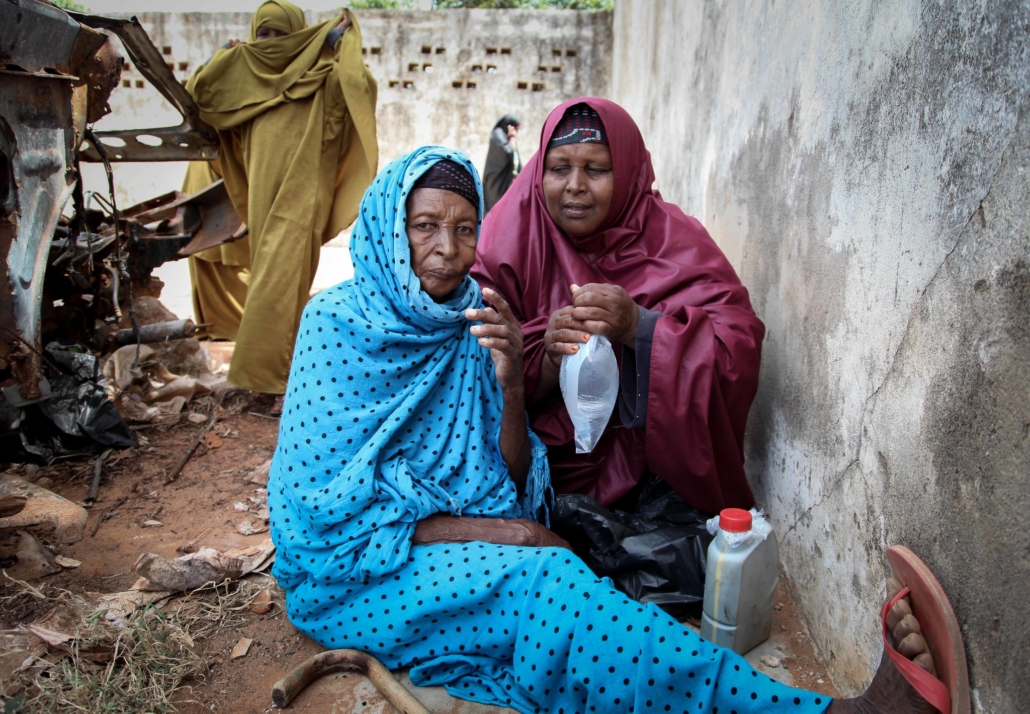
This drought could affect exponentially increased numbers of people in Somalia. Between April and June of 2023, the region could face famine with 8.3 million potentially experiencing crisis levels of food insecurity or worse, compared to the 6.7 million Somalis enduring this today. The children of Somalia are harshly impacted, with acute malnutrition predicted to reach 1.8 million children, 513,550 of whom may face severe malnourishment.

The resolution for aid in the Horn of Africa is a strong step in the right direction. More concrete action on the part of the U.S. is necessary to resolve the humanitarian crisis in the most impoverished region of Africa.

– Nixi Hults
Photo: Wikipedia Commons

March 14, 2023
https://borgenproject.org/wp-content/uploads/borgen-project-logo.svg 0 0 Kim Thelwell https://borgenproject.org/wp-content/uploads/borgen-project-logo.svg Kim Thelwell2023-03-14 07:30:042023-03-13 05:11:56Aid in the Horn of Africa
Foreign Aid, Global Poverty

Foreign Aid to Somalia

Foreign Aid to Somalia
Amid a drought, political conflicts and extreme food insecurity, Somalia is facing a severe humanitarian crisis. The Integrated Food Security Phase Classification projected that between January and March 2023, 6.4 million Somalis would endure “crisis” or worse levels of food insecurity. Of these people, 1.9 million individuals would endure “emergency” levels of food insecurity and 322,00 would endure catastrophic levels of food insecurity. Further, through July 2023, about 1.8 million Somali children will suffer acute malnourishment. These statistics are likely to worsen as the year progresses. With the forecasted continuation of a dry spell, foreign aid to Somalia is critical.

Famine, Drought and Poverty

Somalia has faced humanitarian crises since the civil war broke out in the 1990s, continuing to materialize in the famines of 2008, 2011 and 2017.

Droughts and famine have only brought Somalis deeper into crisis as the United Nations Food and Agricultural Organization (FAO) estimated that 260,000 Somalis died on top of expected deaths between the years 2010 and 2012 alone. The population of the country is difficult to precisely calculate due to the mass movement of Somali refugees in response to food insecurity and conflict. In 2018, Somalia stood as the world’s fifth-highest source of refugees, according to the U.N. High Commissioner for Refugees (UNHCR).

According to 2014 data, Somalia had only about 0.02 doctors for every 1,000 citizens and a hospital bed density of 0.9 beds per 1,000 people as of 2017. Infectious diseases run rampant, such as hepatitis, typhoid, malaria and polio. Along with food insecurity, Somalia faces problems with water scarcity, deforestation, water contamination and improper waste disposal. Due to political instability and poor governance, terrorism and extremism are prevalent in Somalia. According to Somalia’s Voluntary National Review report of 2022, “Nearly seven out of 10 Somalis live in poverty, the sixth-highest rate in the region. Poverty averages at 69[%] among nomadic pastoralists, agro-pastoralists and [internally displaced persons]” while urban poverty stands at 60%.

US Foreign Aid to Somalia

The U.S. Department of State’s website has reported that U.S. foreign policy in Somalia strives “to promote political and economic stability, prevent the use of Somalia as a safe haven for international terrorism and alleviate the humanitarian crisis caused by years of conflict, drought, flooding and poor governance.”

Since 2006, the U.S. has given more than $3 billion in humanitarian aid and $253 million in developmental aid since 2011. The United States Agency for International Development (USAID) allocated $411 million in December 2022 to respond to the drought and prevent famine in Somalia. In total, the U.S. contributed $1.3 billion in 2022 alone.

More Action

The U.S. can still do more to aid in the Somali crisis. Stephen M. Schwartz, a foreign policy and diplomacy expert and “the first U.S. ambassador to Somalia since 1991,” recommends the United States,  in an article published in the Foreign Policy Research Institute, “apply a whole-of-government approach” to alleviate tensions and extremism, something that could strengthen relations and national security.

He also urges the U.S. to support Somalia by improving corruption, establishing an economic connection between Somalis and U.S. citizens and businesses, accelerating and expanding developmental assistance and continuing efforts for military reform, which would improve quality of life and lessen conflicts.

In November 2022, the United Nations requested 25% more financial aid for 2023 to better aid and continue to fund humanitarian operations globally, highlighting that people in Somalia are already facing hunger-induced mortality.

The World Food Programme (WFP) has also warned about the growing gap between those suffering and response, reporting that it is working to increase its food assistance to benefit 4.5 million people per month, but required “$327 million until January 2023 to continue saving lives.”

In December 2022, UNICEF appealed for $10.3 billion to help more than 173 million people globally, including 110 million children, which would cover the millions of children impacted by famine in Somalia. By increasing funding for this appeal, UNICEF can send sufficient resources to fully meet the humanitarian needs of each struggling country. UNICEF projects that it requires $272.3 million to help the 7.7 million Somalis in need through nutrition, health, education and social protection. As countries continue and increase support financially, foreign aid to Somalia can save the lives of vulnerable people in the country.

– Audrey Gaines
Photo: Flickr

February 28, 2023
https://borgenproject.org/wp-content/uploads/borgen-project-logo.svg 0 0 Kim Thelwell https://borgenproject.org/wp-content/uploads/borgen-project-logo.svg Kim Thelwell2023-02-28 07:30:342023-02-27 08:26:56Foreign Aid to Somalia
Foreign Aid, Global Poverty

About Russia’s Foreign Aid

Russia’s Foreign Aid
The Russian Federation or simply Russia has had what one can only describe as a tumultuous time over the period since the collapse of the Soviet Union. The economic revolution after the fall of the USSR could be the driving force behind the economic adversity the nation suffered during the period. With Russia enacting extreme economic reform with the aim to transform itself into a modern capitalist nation, Russia actually received vast humanitarian aid itself due to the hardship many lived through during the first years after the Soviet Union.

While there is still much work necessary in the country, Russia has transformed itself from a net receiver of foreign aid into a significant net donor. Russia’s Official Development Assistance (ODA) steadily increased from $100 million in 2004 to more than $1 billion in 2017, making it one of the largest foreign aid donors in the world. Here is some information about Russia’s foreign aid.

Russia’s Foreign Aid

According to the World Bank, Russia has been formulating its development cooperation agenda for nearly a decade. The nation has increased its foreign aid efforts, chiefly, with a significant boost to ODA. As stated previously, Russia’s ODA gradually increased between 2004 and 2017. While also increasing foreign aid, Russia equally provides significant military aid to certain nations.

Alongside the ODA, Russia has increased its role in improving assistance to the International Development Association (IDA). The World Bank stated that “Russia expressed strong support for the IDA as an important multilateral mechanism for providing assistance to the poorest countries.”

Putin and his government list “poverty reduction, disaster relief and the development of trade and economic partnerships as the key reasons” why Russia gives foreign aid, according to AidData.

However, studies also suggest that Moscow might actually be a “pioneer in de-stabilizing aid.” This is a form of aid designed to promote unrest and provoke antagonism towards other states and international institutions. Governments can do this through financial military aid.

Benefits to Russia

Many assume that providing foreign aid only benefits the recipient nation. However, there are many reasons why foreign aid could also benefit Russia itself. By providing foreign aid, there is a chance to boost economic activity in recipient countries. Russia may be able to improve conditions for trade and foreign investment in receiving countries. Thus, increasing the industrial capabilities and capacities may help provide more markets for Russia and increase potential trading partners, according to the World Bank.

Increasing and strengthening national institutions that combat organized crime and terrorism in receiving nations may also prove beneficial to Russia by improving Russian national security. AidData suggests that Russia also benefits from “checkbook diplomacy via foreign aid.” Nicaragua benefited heavily from Russia’s ODA, receiving $150 million alongside substantial military aid.

Nicaragua happens to be one of the only nations that recognize the Russian-backed separatist regions of Abkhazia and South Ossetia as independent nations. Perhaps unsurprisingly, Nicaragua was one of only 11 states to back Russia in a U.N. General Assembly resolution during the Russian invasion of Crimea in 2014. This suggests that Russia also benefits politically from foreign aid, gaining favor from nations that receive financial and military aid from the nation.

Benefits of Foreign Aid

While it is possible to see how Russia may benefit from giving foreign aid, it is clear that foreign aid helps many nations around the world tackle serious issues such as poverty. Humanitarian Careers has stated that the first significant reason foreign aid is so important is that “it saves lives.”

Countries that provide foreign aid contribute a number of their funds to humanitarian assistance. Nations that crises, disasters or conflicts around the world affect are often unable to afford basic necessities due to the situations they are in. Foreign aid allows for the provision of food and water alongside other vital supplies that are necessary during a crisis. Foreign aid also allows for a more steadfast recovery and helps rebuild areas where catastrophes devastated, according to Humanitarian Careers.

A second key benefit of international foreign aid is that it helps impoverished countries develop. Increased funding to key government departments such as infrastructure, health care and education can help reduce poverty. Assisting poorer nations benefits their citizens’ livelihoods and increases their incomes.

A substantial part of foreign aid is in the form of military aid. Military aid can come in many different forms. It mostly comes in the form of donations of military equipment or loans which a nation can spend on its armed forces. This can be vital as many donor nations have significant security threats such as terrorism, organized crime groups or separatist movements. While often divisive depending on which side of the debate a person is on, military aid can provide huge security to a nation.

Increasing Efforts

The Russian government has made huge strides to increase its foreign aid in recent years, having moved from a net receiver of foreign aid into a global donor of foreign aid. Foreign aid not only provides many benefits to Russia but also will help nations in need better provide for their citizens.

Ultimately, foreign aid can provide significant resources to those in severe poverty across the globe. The more foreign aid provided from those nations who can afford to can only continue to benefit those who struggle to make ends meet and those who have suffered through tragic natural disasters and regional conflicts that devastate local populations.

– Josef Whitehead
Photo: Flickr

February 23, 2023
https://borgenproject.org/wp-content/uploads/borgen-project-logo.svg 0 0 Jennifer Philipp https://borgenproject.org/wp-content/uploads/borgen-project-logo.svg Jennifer Philipp2023-02-23 01:30:342023-02-21 09:29:13About Russia’s Foreign Aid
Foreign Aid, Global Poverty

Estonia’s Foreign Aid

Estonia's Foreign Aid
Estonia is a Baltic country located in Northern Europe, which gained its independence from the Soviet Union in 1991. Although it is a newly independent country, Estonia has a developed economy with its globally known advanced digital services industry. Being an EU member state since 2004 and an OECD member state since 2010, Estonia’s economy is growing. The country’s GDP in 2021 was $51,531 billion, with $38,700 per capita, according to The CIA World Factbook.

How is Estonia’s Foreign Aid Organized?

Estonia’s foreign aid focus on two aspects, which are development cooperation and humanitarian assistance. Between 2020 and 2030, Estonia is providing development assistance, in particular to Ukraine, Georgia and Moldova in Europe and to Botswana, Kenya, Namibia and Uganda in Africa. Estonia’s priorities in its development aid are ensuring peace, security and stability, diminishing poverty in target countries, and sharing its development experience with them in line with the United Nations’ Sustainable Development Goals (SDGs).

Estonia’s Ministry of Foreign Affairs states that Estonia’s foreign aid serves not only the development of other countries but also Estonia’s own security. To realize this purpose, two institutions are in charge of organizing Estonia’s foreign aid. On the one hand, the Department for Development Cooperation and Humanitarian Aid of the Ministry of Foreign Affairs of Estonia is the policy maker of the country’s official development assistance program. It sets strategies, and short-term and long-term action plans both for development assistance and humanitarian aid. On the other hand, Estonia Centre for International Development is responsible for implementing Estonia’s foreign aid projects both in development cooperation and in the field of humanitarian assistance, increasing Estonia’s participation in international aid projects and providing a bridge between the stakeholders and the beneficiaries. The centre is delivering its duties in a way that best serves the country’s interest.

The Amount That Estonia Spends on Foreign Aid

Although Estonia organizes its foreign aid professionally, when it comes to numbers, Estonia does not meet the international standards for official development assistance (ODA) amount. In 1970, the OECD’s Development Assistance Committee (DCA) set its ODA target for the first time that member countries should spend 0.7% of their GDP on their ODA programs. There has been no change in this target since then. Additionally, the member states who were members of the EU by 2004 agreed in 2005 to meet this target by 2015. Despite the fact that Estonia joined the EU only in 2004 and received an exemption from the aforementioned commitment, as an OECD member country, Estonia is still under the obligation of sparing an amount for its ODA equal to 0.7% of its GDP.

Estonia used to increase the ratio of its GDP spared for foreign aid. According to Estdev, in 2016, Estonia allocated 0.19% of its GDP for foreign aid, its record so far. Following that, between 2017 and 2020, Estonia spared 0.16% of its state budget for its ODA program. Lately, in 2021 Estonia increased this ratio to 0.17%, which is equal to $59 million, according to OECD.

The Future of Estonia’s Foreign Aid

It is a positive sign that the COVID-19 pandemic did not prevent Estonia from continuing its foreign aid activities at the same level. Moreover, the Estonian government pledged to increase the rate spent on foreign aid to 0.33% by 2030, according to its Ministry of Foreign Affairs. However, this target is far from the OECD ODA target.

 – Murathan Arslancan
Photo: Flickr

February 16, 2023
https://borgenproject.org/wp-content/uploads/borgen-project-logo.svg 0 0 Jennifer Philipp https://borgenproject.org/wp-content/uploads/borgen-project-logo.svg Jennifer Philipp2023-02-16 07:30:282023-02-14 06:59:40Estonia’s Foreign Aid
Foreign Aid, Global Poverty

Foreign Aid to Yemen

Foreign Aid to Yemen
Yemen is facing the world’s worst humanitarian crisis, according to the U.N. The civil war has been going on since 2014 and the country is not facing another challenge due to the Russia-Ukraine War.

The Civil War and its Impact on the Yemeni People

Two main groups are controlling different parts of Yemen. The internationally recognized government (IRG) is controlling the south and east of the country, and the Houthi group is controlling the west of the country and its capital, Sana’a. The IRG is also supporting the Southern Transitional Council (STC). The situation caused around 377,000 casualties between 2015 and 2021. Although casualties slowed down in 2022 due to the ceasefire which took place between April and October 2022, Yemeni people are in need of humanitarian assistance. According to a U.N. report, more than 23.5 million people of Yemen’s 31.2 million population need humanitarian assistance.

Food insecurity, disruption of education, scarcity of health care facilities, severe drought and intense flooding are among many issues people are facing in Yemen. The issues require humanitarian assistance in relation to the problems.

Education

The U.N. Development Programme (UNDP) estimates that primary and secondary school attendance has fallen sharply since the beginning of the conflict, from 100% to 75% and from 50% to 28% in 2021, respectively. Girls often endure the most challenges due to a lack of education.

Health Care

In February 2021, the U.N. High Commissioner for Refugees stated that “Yemen cannot even afford to worry about the coronavirus” because of famine risk and other infectious diseases such as diphtheria and measles. The outbreak of cholera in Yemen in 2016 was also one of the worst in recent history. Moreover, only half of Yemen’s sanitary facilities were fully operating in 2021.

Food Security

Even before the current war, food insecurity was a problem. For the period from October to December 2022, the World Food Programme (WFP) estimated that 54% of the population of Yemen suffered from extreme food insecurity while 2.2 million children and 1.3 million pregnant and nursing women experienced acute malnutrition.

The WFP is also facing underfunding as it stood around $1 billion short of its $1.98 billion requirements for 2022. As a result, in both December 2021 and June 2022, the organization expressed that it has had to reduce the rations it provides.

The Russia-Ukraine War also deeply impacted Yemen’s food security, as the country used to import 40% of its wheat from Russia and Ukraine.

Main Donors of Foreign Aid to Yemen

The Office for the Coordination of Humanitarian Affairs released a report on March 16, 2022, stating the countries’ foreign aid to Yemen pledges. The U.S. and the European Commission were the first two potential donors of foreign aid to Yemen in the previous year.

The U.S. pledged around $500,000 and donated more than $1 billion. Also, the European Commission pledged $173 million USD and donated €170 million.

The U.N. is appealing for large amounts for Yemen. The March 2022 appeal was the largest amount for Yemen since the conflict began, which was $4.3 billion. However, the U.N. could receive only 54% of the required funds at $2.3 billion.

In addition to the efforts on brokering for peace, the international community should also increase the amount of foreign aid to Yemen to respond to the world’s humanitarian crisis.

– Murathan Arslancan
Photo: Flickr

January 22, 2023
https://borgenproject.org/wp-content/uploads/borgen-project-logo.svg 0 0 Jennifer Philipp https://borgenproject.org/wp-content/uploads/borgen-project-logo.svg Jennifer Philipp2023-01-22 07:30:092023-01-18 15:08:34Foreign Aid to Yemen
Aid, Foreign Aid, Global Poverty

Social Media’s Effects on Foreign Aid

Social Media’s Effects on Foreign Aid Nowadays, most people seek their news from various social media platforms (Twitter, Instagram, Facebook and TikTok). The rise of news media in the 1980s brought a new age where audiences access real-time global news constantly. One of these newer platforms is TikTok, the first major non-U. S. social media competitor, originating in China from the company ByteDance. Currently, TikTok’s platform highlights social media’s effects on foreign aid as global crises like the war in Ukraine unfold in real time from Ukrainian influencers who urge action. Digital platforms like TikTok can influence popular opinion on foreign policy. Social media’s effects on foreign aid and how a country allocates this aid stem from these platforms’ ability to determine what information and ideas are shared.

A closer look at how news content influences American opinions on foreign aid and relations comes from recent Pew Research Center surveys. These surveys found that compared to other countries, Americans view foreign policy very differently depending on where they receive their news. The survey found that those who received their political news from right-leaning media sources were less open to international cooperation than those who viewed their news from various news sources. Similarly, those that rely on left-leaning sources were more open to foreign intervention. These surveys demonstrate how important news and social media are to informing U.S. citizens about foreign affairs and policy and how they direct their audiences to act.

The CNN Effect

The term “CNN effect,” created in the 1980s around the new media boom, underlines communication technology’s ability to potentially spur responses from domestic audiences and political leaders regarding global events covered in real-time, according to Piers Robinson’s study.

One example of the CNN effect is the West’s intervention in Northern Iraq and Somalia, which sparked a debate about social media’s impact on foreign aid and policy. During this time, as citizens learned about news in Northern Iraq and Somalia, they increased pressure on politicians to respond to these crises. According to Robinson’s study, the debate sparked because citizens often worked with incomplete information without context or wrong information. Therefore, they influenced their public leaders and how they responded to the conflict too hastily. This demonstrates the importance of fighting misinformation on social media platforms, as the news people digest through social media directly impacts the pressure they put on their political leaders to respond to foreign issues.

The War in Ukraine: A Case Study

On Feb. 24, 2022, a TikTok video documented the beginning of the Ukraine war depicting missiles falling over Kyiv, providing early, decontextualized and direct access to images and videos of the Russian Invasion. Many have named the war in Ukraine “the first TikTok war,” although other conflicts, such as the Syrian civil war and the Arab Spring uprisings, have been covered by social media. However, the platforms used for organizing protests and broadcasting footage were mainly Facebook and Twitter.

Access to direct photos and footage of the war in Ukraine from Ukrainian accounts raises Western sympathies as foreign news floods media feeds. Ukrainians are much less distant than war victims in the past as people recognize the same references, music and social networks as those in Ukraine. Ukrainian photojournalism on social media creates a new intimacy, especially as traditional news organizations pull their journalists out of the war in Ukraine for safety reasons.

The White House Briefing Session

The current war in Ukraine is an example of social media’s effects on foreign aid and how foreign leaders, specifically the U.S., approach news regarding the war in Ukraine. In March 2022, the White House reached out to Ukrainian TikTokers to hold a briefing session regarding the war in Ukraine. Thirty influencers attended the Zoom call alongside the special adviser for communications at the White House National Security Council, Matt Miller and former White House press secretary Jen Psaki. They covered the United States’ goals to distribute aid and information about the United States’ reaction should a nuclear attack.

Since most of Generation Z receive their news via TikTok and use the platform to research news topics and learn about the larger world, the White House decided to hold the briefing to ensure the information on TikTok comes from an authoritative, reputable source. The guests, Gen-Z creators with 500,000+ followers, noted the importance of knowing the correct information regarding the war in Ukraine because they “set the tone” for information their audiences receive and how they assess it.

Human Rights at the Forefront

Since the beginning of the war in Ukraine, social media companies and messaging services have aimed to block disinformation and state-sponsored media to respect human rights in wartime. As crises worldwide are viewed daily, companies are called to fulfill human rights responsibilities on their platforms. This includes avoiding infringement on human rights and addressing adverse impacts on human rights that stem from media and messaging companies’ practices. The Human Rights Watch documents social media companies’ underinvestment in human rights challenges worldwide, despite these platforms’ roles in spreading misinformation. Moving forward, monitoring the incitement of violence, hate speech and disinformation is crucial for social media platforms and responding adequately to conflicts.

News and Social Media In Review

The War in Ukraine and the long list of other global crises covered by social media are examples of social media’s effects on foreign aid. The ability of global citizens to view intimate, real-time footage and news about the crisis in Ukraine elicits sympathy for foreign affairs. This direct access to human rights violations encourages media consumers to act and call their leaders to respond to foreign crises.

– Arden Schraff
Photo: Unsplash

January 3, 2023
https://borgenproject.org/wp-content/uploads/borgen-project-logo.svg 0 0 Jennifer Philipp https://borgenproject.org/wp-content/uploads/borgen-project-logo.svg Jennifer Philipp2023-01-03 07:30:132023-01-02 09:35:31Social Media’s Effects on Foreign Aid
Page 10 of 61«‹89101112›»

Get Smarter

  • Global Poverty 101
  • Global Poverty… The Good News
  • Global Poverty & U.S. Jobs
  • Global Poverty and National Security
  • Innovative Solutions to Poverty
  • Global Poverty & Aid FAQ’s
Search Search

Take Action

  • Call Congress
  • Email Congress
  • Donate
  • 30 Ways to Help
  • Volunteer Ops
  • Internships
  • Courses & Certificates
  • The Podcast
Borgen Project

“The Borgen Project is an incredible nonprofit organization that is addressing poverty and hunger and working towards ending them.”

-The Huffington Post

Inside The Borgen Project

  • Contact
  • About
  • Financials
  • President
  • Board of Directors
  • Board of Advisors

International Links

  • UK Email Parliament
  • UK Donate
  • Canada Email Parliament

Get Smarter

  • Global Poverty 101
  • Global Poverty… The Good News
  • Global Poverty & U.S. Jobs
  • Global Poverty and National Security
  • Innovative Solutions to Poverty
  • Global Poverty & Aid FAQ’s

Ways to Help

  • Call Congress
  • Email Congress
  • Donate
  • 30 Ways to Help
  • Volunteer Ops
  • Internships
  • Courses & Certificates
  • The Podcast
Scroll to top Scroll to top Scroll to top