• Link to X
  • Link to Facebook
  • Link to Instagram
  • Link to TikTok
  • Link to Youtube
  • About
    • About Us
      • President
      • Board of Directors
      • Board of Advisors
      • Financials
      • Our Methodology
      • Success Tracker
      • Contact
  • Act Now
    • 30 Ways to Help
      • Email Congress
      • Call Congress
      • Volunteer
      • Courses & Certificates
      • Be a Donor
    • Internships
      • In-Office Internships
      • Remote Internships
    • Legislation
      • Politics 101
  • The Blog
  • The Podcast
  • Magazine
  • Donate
  • Click to open the search input field Click to open the search input field Search
  • Menu Menu

Archive for category: Foreign Aid

Foreign aid coverage and information.

Foreign Aid, Global Poverty

Foreign Aid to Lebanon

Foreign Aid to Lebanon
Lebanon is a culturally rich and diverse country in West Asia, with a population of more than 5 million. Following the outbreak of civil war in Syria in 2011, and the deadly explosion in the port of Beirut in 2020, a destabilized political landscape has increased the need for foreign aid to Lebanon.

The European Commission cites the political crisis in Lebanon as a reason for increased poverty statistics in the country: 36% of Lebanese live in extreme poverty, while 90% of Syrian refugees living in Lebanon are said to be dependent on aid to cover basic human needs. 

As a result, various governments and intergovernmental organizations have organized aid to Lebanon. A look at different aid plans from the U.S., the EU and the U.K. showcases the different forms foreign aid can take and how it tackles extreme poverty.

US Aid

On June 14, 2023, the U.S. Agency for International Development (USAID) outlined its latest plans for foreign aid to Lebanon in a press release. USAID announced an additional $17.4 million in funding to help combat what it deems “deteriorating human conditions” in Lebanon, which it claims currently affect around 2.26 million people.

The press release also detailed how this particular boost in funding will be split between three different organizations fighting Lebanon’s current humanitarian crisis. It announced that $11.1 million will go toward the UN World Food Programme (WFP), while the remaining $6.3 million will go to two USAID partners: Relief International and International Medical Corps.

Since October 2022, the U.S. has provided close to $92 million in foreign aid to Lebanese citizens, and refugees from all countries currently in Lebanon. 

As the largest contributor in USD to the Official Development Assistance (ODA) budget, providing $55.28 billion in 2022, the U.S. has continued to assist Lebanon through other international programs. According to the World Bank, 2021 saw the biggest spike since the end of Lebanon’s civil war in 1990 in its recipients of ODA, receiving 6.9% of its GNI to help its impoverished populations. 

EU Aid

On a visit to Lebanon on March 30, 2023, European Commissioner for Crisis Management Janez Lenarčič announced €60 million in humanitarian aid from the EU to help those in the country most in need. According to the EU, money from this package will go towards funding food, education, health, cash support and disaster preparation, providing aid to the Lebanese population and Syrian refugees. While admitting that the lives of those in Lebanon could not be drastically improved until political unrest is resolved, Lenarčič claimed that “humanitarian aid is essential for the victims of Lebanon’s multiple crises.” 

Since 2011, the EU has provided more than €3 billion towards improving the situation in Lebanon, including almost €860 million in humanitarian aid alone.

As well as this, several EU member states make up some of the highest contributors to ODA by percentage of GNI. In 2022, Luxembourg, Sweden and Germany all surpassed the contribution target of 0.7% of GNI. 

UK Aid

The recent U.K.-Lebanon development partnership summary (published July 17, 2023) outlines how the country’s foreign aid to Lebanon is targeting the most vulnerable populations facing the effects of the humanitarian crisis. 

Like the U.S., the U.K. is a supporter of UN programs helping those on the ground in Lebanon, including the WFP’s Syrian refugee response in Lebanon, which provides ‘multi-purpose cash assistance’ to support refugees’ basic needs. In the financial year 2022-23, the U.K. claims its individual monetary aid to the program reached 27,180 households per month for 3 months. 

The government summary also emphasizes the positive effect of U.K. contributions to ODA reaching Lebanon. Between 2016 and 2023, the U.K.’s £78 million in ODA support to Lebanese-launched Reaching All Children with Education (RACE) was partially credited for the maintenance of schooling in 2022 for around 500,000 Lebanese and refugee children. 

Conclusion

Foreign aid to Lebanon has been widespread in 2023 and demonstrates a continued international effort to fight the extreme poverty that the current humanitarian crisis caused.

While the political situation within Lebanon’s borders and in neighboring Syria remains unresolved, positive action is being taken throughout the nation as a result of foreign aid to alleviate the impact on hundreds of thousands of vulnerable populations.

– Alice Weatherley
Photo: Unsplash

October 15, 2023
https://borgenproject.org/wp-content/uploads/borgen-project-logo.svg 0 0 Yuki https://borgenproject.org/wp-content/uploads/borgen-project-logo.svg Yuki2023-10-15 01:30:112023-10-11 06:38:58Foreign Aid to Lebanon
Foreign Aid, Global Poverty

Niger’s Coup and its Repercussions on Foreign Aid

Niger’s coup
While Africa’s so-called Coup Belt may have been enveloped in a period of relative dormancy over the past decade, recent coups and rebellions in the Sahel have reignited concerns over political stability and governance in the region. The 2023 military takeover in Niger serves as one such prominent reminder of the underlying challenges facing the Sahel, highlighting the devastation insurgency can bear on critical aid and developmental support reaching its nations while forcing consideration of alternative routes to attaining regional sustenance and growth.

The Resurgence of West and Central Africa’s Coup Belt

The geographical stretch of West and Central Africa’s Sahel, what is referred to as its Coup Belt, has witnessed a resurgence of its historical tendency towards significant political unrest, characterized by rebellion and conflict, including Niger’s recent 2023 coup.

Turmoil in the Backdrop of One of the Poorest Nations

Within Niger’s harsh landscape, poverty looms large, leading to its Human Development Index ranking as the world’s third lowest in 2023. A staggering 41% of Niger’s population grapples with extreme poverty, while 40% of the state budget hinges on foreign aid.

Pressure on resources essential for sustenance has also been on the rise, with spillover from inflated food prices in Nigeria, the influx of refugees from conflict in neighboring states, as well as the lingering effects of Niger’s 2021 drought.

Additionally, early 2023 reports indicate that Niger struggles with severe food insecurity, affecting more than 3.3 million individuals, with approximately 7.3 million more faced with moderate food insecurity while perched on the edge of worsening conditions. Hence, agitation from the recent coup and its aftermath threatens to plunge a further 28% of the population into an even more dire state of hunger.

The International Reaction to Niger’s Coup

On July 26, Niger experienced momentous political upheaval as the military revolted, detaining President Mohamed Bazoum, suspending the constitution and installing General Abdourahmane Tchiani as the new head of state. The military further established the National Council for the Safeguard of the Homeland, a governing body that took hold of both legislative and executive powers.

Niger’s coup was immediately and vigorously met with international condemnation. Nations and international and regional organizations were quick to respond with varying means of pressure on the governing military to restore constitutional order, primarily through sanctions and rollback on foreign aid and assistance.

Following Niger’s coup, the EU promptly announced a suspension of all budgetary support and the cessation of security collaborations with Niger, a sentiment that reverberated in the individual responses of European governments to the coup.

International and Regional Organizations Respond to the Coup

Prior to the 2023 Coup, Niger had already been heavily dependent on international assistance. With external budget support and loans accounting for almost half its annual budget, foreign aid to Niger constitutes a crucial lifeline for its fiscal operations. Niger receives infusions of nearly $2 billion in development aid annually, making it West Africa’s second-largest beneficiary of international assistance.

Niger also possesses one of the most substantial portfolios within the World Bank in the African region, valued at $4.5 billion. Between 2022 to 2023 alone, Niger received a noteworthy $600 million in direct budgetary support extended by the World Bank.

However, in tandem with the global community after the coup, the World Bank suspended disbursements for most operations in Niger, except specific partnerships. While such measures are aimed at quelling political insurgency, they also bear direct repercussions on the livelihood of Nigeriens. For example, the termination of an ongoing joint cash program established between the Bank and Niger intended to provide support to vulnerable populations, is anticipated to impact an estimated 66,000 Nigerien households.

Regional Sanctions Highlight the Extent of Nigerien Dependency on Foreign Aid

The Economic Community of West African States (ECOWAS) had committed to ending the recent surge of coups within the Sahel region of West Africa. Following the coup in Niger, ECOWAS enforced a series of sanctions, encompassing border closures, cessation of commercial activities, asset freezes and the suspension of financial aid to Niger. The Central Bank of West African States (BCEAO) also took a resolute stance, freezing Niger’s assets and shuttering its local branches due to operational risks.

The ECOWAS sanctions induced far-reaching effects, leading to the cancellation of Niger’s planned $51 million bond issuance in the West African regional debt market, invoking uncertainties over Niger’s ability to meet debt repayments. Additionally, the gravity of ECOWAS sanctions on Niger was exemplified by Nigeria’s cessation of power supply through the Birnin-Kebbi line, causing prolonged power outages in the Capital Niamey, among other cities.

Furthermore, Niger’s landlocked status amplified the impact as neighboring countries strictly enforced border restrictions. Nigeria, which supplies 70% of Niger’s electricity, severed the power link, raising concerns over economic repercussions across all sectors. As Niger’s primary supplier of food imports, the cessation of trade with Nigeria also resulted in a 17% increase in the price of rice within the first week of sanctions.

Nevertheless, a glimmer of hope remains. While ECOWAS had similarly imposed sanctions on Guinea, Mali and Burkina Faso, it eventually lifted them, despite their remaining under military rule.

Hope for Niger

The military government of Niger has announced the reopening of borders with Algeria, Burkina Faso, Libya, Mali and Chad. From among its neighbors, Mali and Burkina Faso have already signaled solidarity by planning a joint official delegation to support Niger. Algeria also emerged as an ally to Niger’s positive trajectory, advocating for a peaceful diplomatic resolution that would enable it to honor its long-standing commitment to building deeper political, security and economic relations with Niger.

Finally, in a broader context, while Western powers exert significant pressure on Niger for the restoration of the deposed president, indications of support for ECOWAS military interference remain scant, as concerns regarding potential immigration flows towards Europe in the aftermath likely deter from the idea.

– Nadia Asaad
Photo: Flickr

October 14, 2023
https://borgenproject.org/wp-content/uploads/borgen-project-logo.svg 0 0 Yuki https://borgenproject.org/wp-content/uploads/borgen-project-logo.svg Yuki2023-10-14 01:30:552023-10-10 09:17:38Niger’s Coup and its Repercussions on Foreign Aid
Foreign Aid, Global Poverty, Women and Female Empowerment

Foreign Aid to India: Top 4 Contributions

Foreign Aid in IndiaIndia is the world’s largest recipient of foreign aid, receiving more than $80 billion in 2020. This aid comes from a variety of sources, including developed countries, international organizations and non-governmental organizations (NGOs). India is home to the world’s largest population of poor people. India has a population of more than 1.4 billion people and more than 280 million of them live below the poverty line. That is equivalent to 10 times the entire population of Australia!
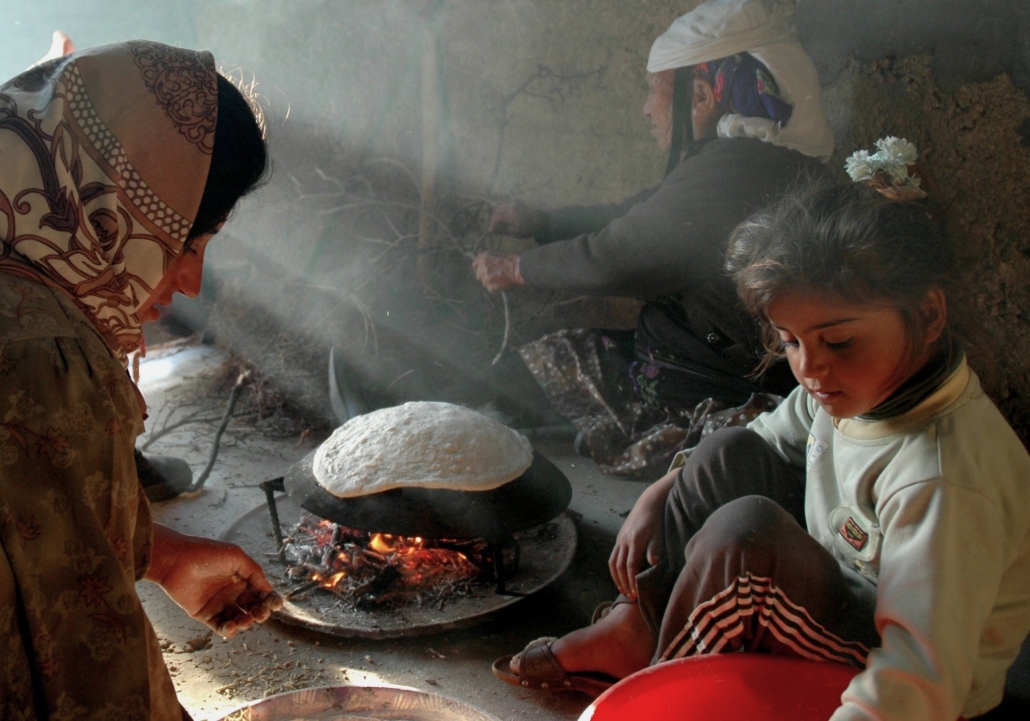
Foreign Aid Has Been Instrumental in Reducing Poverty in India

The good news is that India has taken several initiatives over the last two decades to significantly improve its economic growth. According to the World Bank,  the poverty ratio in India fell from 45% in 1993 to 21% by 2011. This decline is attributed to several other factors, such as improving education standards and progressive economic policies, however, foreign aid has also played a key role in alleviating poverty in India.

Top 4 Ways Foreign Aid Has Helped in India’s Fight Against Poverty

  • Helping India in building infrastructure and promoting economic development. With only 1% of the world’s vehicles, India accounts for nearly 10% of all crash related deaths. According to a World Bank study, road crashes are estimated to cost the Indian economy between 5 to 7% of GDP a year. Over the last six decades, the United States Agency for International Development (USAID) has provided billions of dollars in aid to India for a variety of projects, including the Green Revolution, the construction of dams and irrigation canals and the provision of education and healthcare. Another leading example is World Bank which has also provided billions of dollars in aid to India, for projects such as the construction of roads and bridges, the development of renewable energy sources and the improvement of financial services.
  • Addressing humanitarian crises. In India, 2.4 million people suffer from HIV/AIDS infection and as per WHO, India has 15 million cases of malaria with 19,500–20,000 deaths annually. The Bill and Melinda Gates Foundation has provided hundreds of millions of dollars in aid to India for projects such as the fight against malaria and HIV/AIDS and the improvement of education and healthcare.
  • Advancing education and thereby creating employment opportunities. Although India has made significant progress in improving its literacy rate over the past two decades, it still stands at 74% as of 2018, meaning that more than 300 million people remain illiterate. Foreign Aid has helped improve education in India by supporting innovative educational programs designed to meet the needs of specific groups of children, such as girls, children from rural areas or children with disabilities. In 2020, Bill & Melinda Gates Foundation contributed more than $500,000 to Pratham, an NGO focused on improving education in India.
  • Advancing inclusive development and women’s economic empowerment. According to the latest World Bank figures from 2021, less than 1 in 5 Indian women work – at least formally. Foreign aid has helped build partnerships and leveraged local resources to ensure marginalized and underrepresented population have equitable access to quality healthcare, sanitation, education, nutrition, finance and household decision-making. In India, USAID combats stigma and discrimination and promotes the rights and inclusion of populations in high-risk situations, including indigenous and tribal peoples, women and persons with disabilities.

The Future of Foreign Aid in India

The resulting impact of foreign aid in India has been mixed. On the one hand, foreign aid has helped to reduce poverty and improve the lives of millions of Indians. On the other hand, there have also been some negative consequences, such as corruption and dependency on foreign assistance.

The future of foreign aid in India is uncertain. The Indian economy is growing rapidly and the country is becoming less reliant on foreign assistance. However, there are still many challenges that need to be addressed, such as poverty, hunger and illiteracy. Foreign aid can play a key role in addressing these challenges.

– Brijesh Goel
Photo: Unsplash

October 6, 2023
https://borgenproject.org/wp-content/uploads/borgen-project-logo.svg 0 0 Jennifer Philipp https://borgenproject.org/wp-content/uploads/borgen-project-logo.svg Jennifer Philipp2023-10-06 15:00:332023-10-06 07:44:57Foreign Aid to India: Top 4 Contributions
Foreign Aid, Global Poverty

The Czech Republic’s Foreign Aid

The Czech Republic’s Foreign Aid
The Czech Republic, also known today as Czechia, has a current GDP of about $290.92B, with a GDP per capita of $27,638.40 and a total population of more than 10 million people. The country has undergone decades of development, leading it to rank among the richest countries in the world. Because of this, the Czech Republic has developed foreign policy objectives to assist developing countries in need. The objectives include programs such as the Development Cooperation, which promotes development projects and offers humanitarian aid. 

Development Cooperation

According to the Ministry of Foreign Affairs of the Czech Republic, the country’s development cooperation aims to support projects that bolster the Czech Republic’s foreign aid by providing scholarships to students and humanitarian aid and participating in global organizations that help developing nations. The Czech Republic is the 26th member of the Organization for Economic Co-operation and Development (OECD’s) Development Assistance Committee, or DAC. In addition to providing assistance to other countries, the Czech Republic is able to pursue development projects in order to strengthen its own relations with other countries at a political and economic level. In doing so, the country improves its security on a global as well as regional scale. Overall, the Czech Republic’s national interests involve strengthening security, building international trade, international investment, climate adaptation and reducing disaster risk. 

The Czech Republic’s foreign aid programs in the development cooperation include shifting a centrally planned economy to a market economy and transitioning an existing political system to that of a democratic one. The country is keen on getting involved with the aforementioned programs so that it may utilize its own knowledge of government reform, justice reform, tax system modification, societal transformation and the development of market environments. 

According to the OECD, the Czech Republic’s development cooperation is a vital aspect of the country’s foreign policy. It aims to reduce global poverty and inequality by prioritizing economic growth, managing natural resources in a sustainable manner, developing democratic institutions and inclusive social transformations and promoting agricultural and rural growth. 

Official Development Assistance Allocation

In 2022, the Czech Republic allocated around 0.36% of its GNI to ODA, or official development assistance. Just a year prior, the country ranked the highest as a contributor to multilateral organizations and has had one of the highest shares of bilateral assistance for CSOs, or civil society organizations, further bolstering the success of the Czech Republic’s foreign aid. In 2021, the Czech Republic utilized 11.5% of its allocable bilateral aid to strengthen trade performance in developing countries and 8.9% toward reducing malnutrition. By allocating aid funds to developing nations, the Czech Republic allows countries to integrate into the world economy while also providing assistance and growth opportunities. 

Priority Countries

According to the OECD, the Czech Republic’s foreign aid initiatives concentrate its bilateral assistance in Mongolia, Ethiopia, Moldova, Afghanistan and Bosnia and Herzegovina. An estimated 35% of the Czech Republic’s bilateral ODA assisted these five countries in 2011. The Czech Republic further provided programs whereby the country could strengthen and establish democratic institutions, civil society, the rule of law and good governance. In order to get involved with the “Arab Spring” events, the Czech Republic extended its program countries to include those in Northern Africa: Tunisia and Egypt. 

The Czech Republic’s assistance in Afghanistan, for example, involves agriculture, education and water and sanitation, with sectors of the Czech development cooperation dedicated to these efforts. The Czech Development Agency implements bilateral project cooperation while also supporting national funds in Afghanistan. In turn, this support funds programs and projects of international Afghan organizations.

In February 2018, the Ministry of Foreign Affairs of the Czech Republic signed a memorandum with the Ethiopian Ministry of Finance and Economic Cooperation highlighting the bilateral Development Cooperation Program, which offers support for trade projects, humanitarian aid, smaller local projects and government scholarships. 

Bosnia and Herzegovina has been a significant partner in the Czech Republic’s development cooperation. The country underwent a post-war transformation and gained humanitarian assistance, which evolved into joining the European Union. This conveys the great impact and knowledge that the Czech Republic possesses when it comes to providing powerful resources for struggling countries. The agenda of the Czech Republic’s development cooperation for Bosnia and Herzegovina involved sustainability goals and democratic governance, including assistance with economic growth in relation to providing renewable energy, clean water and efficient political guidance. 

Agenda 2030 and Humanitarian Assistance Expansion

For the years 2018-2030, however, the country’s foreign aid program countries include Cambodia, Ethiopia and Zambia, Bosnia and Herzegovina, Georgia and Moldova. Cambodia, Ethiopia and Zambia are categorized as the least developed countries by the OECD/DAC. Bosnia and Herzegovina, Georgia and Moldova are categorized as middle-income countries. 

In 2016, the Czech Republic’s bilateral assistance reached $10.97 million in least-developed countries, $19.98 million in lower-middle-income countries and $0.33 million in other low-income countries. Additionally, during this time, the Czech Republic’s ODA was worth $260 million, with the ODA/GNI share at 0.14%. In comparison to the year prior, the volume and GNI in 2016 were significantly higher. 

According to the Development Cooperation Strategy of the Czech Republic, 2018-2030, Agenda 2030 addresses the goals for global development as well as the country’s Sustainable Development Goals (SDGs). Specifically, the agenda lays out the aspects of development regarding economic, social and environmental sectors. In order to achieve development and humanitarian aid objectives, the Czech Republic sets out to collaborate with financial institutions as well as international organizations. 

The Czech Republic’s Foreign Aid Growth

All in all, the Czech Republic’s foreign policy initiatives employ the use of development cooperation in order to provide assistance to developing countries. At the same time, the country’s humanitarian aid acts as an opportunity for the Czech Republic to strengthen ties with its allies, further prompting social, economic, environmental and security growth. 

– Bianca Roh
Photo: Flickr

September 21, 2023
https://borgenproject.org/wp-content/uploads/borgen-project-logo.svg 0 0 Jennifer Philipp https://borgenproject.org/wp-content/uploads/borgen-project-logo.svg Jennifer Philipp2023-09-21 12:02:322026-04-16 10:07:05The Czech Republic’s Foreign Aid
Food Insecurity, Foreign Aid, Global Poverty

5 Charities Fighting Food Insecurity in Palestine

Food Insecurity in Palestine
For nearly 80 years, Palestine has faced a complex humanitarian crisis connected to both internal and external political conflict that has caused unrest, instability and the loss of many lives. The exacerbation of the already dire situation — especially in the West Bank and in the Gaza Strip — has led to economic instability, the loss of homes, restricted trade and access to essential resources and high unemployment rates, all of which have resulted in rising poverty rates. Currently, achieving Sustainable Development Goal 2 regarding food security is the greatest challenge, giving rise to initiatives that focus on fighting food insecurity in Palestine. 

Food Insecurity in Palestine in Numbers

As it stands, 33.6% of the population (about 1.8 million people) are moderately or severely food-insecure. However, this national average does not highlight the significant differences within the country, with 24% of the 1.8 million people residing on the West Bank and 75% in the Gaza Strip. 

An overwhelming 51% of food-insecure people are children, while 49% are adults and 1% are elderly. An important fact to note is that 76% of food-insecure people are refugees, while 24% are non-refugees.

The Main Causes 

While several factors are contributing to food insecurity in Palestine, here are some of the primary causes:

  • Prolonged conflict
  • Economic stagnation
  • Restriction on trade and access to resources
  • High unemployment rate
  • High poverty rate

After decades of turbulence and violence, there are, fortunately, several organizations dedicated to fighting food insecurity in Palestine. Here is some information about them.

Action Against Hunger

Founded in 2002, Action Against Hunger is a global humanitarian organization taking action against the causes and effects of hunger. Currently, it is aiding Palestinian families by supporting small businesses as well as promoting economic empowerment for women and young people. This is primarily achieved through providing food, money and mental health services, whilst also improving access to clean water, good hygiene and safe sanitation. In 2022, the organization was able to help 525,314 people – 519,000 people were reached by the Water, Sanitation & Hygiene Programs and 6,000 people’s lives were improved due to the Food Security and Livelihoods Programs. 

SKT Welfare

SKT Welfare, which provides urgent aid and sustainable relief to millions of disadvantaged people around the world, has been aiding Gaza in Palestine since the conflict in Gaza erupted in 2014. The Muslim charity is fighting food insecurity in Palestine through hand-delivering food packages to families in need. Each food parcel provides a family with enough food for an entire month and contains basmati rice, groats, red lentils, brown lentils, cooking oil, white bean, salt, salsa, jam, sugar; dates, olive oil, tea, feta cheese and soap. The majority of the food distributions are carried out in Khuza’a, a beautiful Palestinian community that the surrounding conflict has unfortunately hit very hard. 

Muslim Hands

Originating in Nottingham, Muslim Hands is another Muslim international aid organization that has been running since 1993 and helping Palestine since 2007. It provides food, medical care and education to families and over the past 10 years, has raised more than £1 million for children in Gaza and reached 2,500 orphans in the region. Additionally, last year Muslim Hands provided Qurbani (the religious sacrifice of an animal during the Eid Al Adha) that fed nearly 315 Palestinian families. Also addressing the root of poverty in the region, Muslim Hands helped create 25 sustainable jobs and its agricultural production helped 100 families. 

World Food Program USA

An American organization dedicated to tackling global hunger, World Food Program USA (WFP) has been fighting food insecurity in Palestine by providing life-saving food assistance to the most vulnerable and food-insecure non-refugee Palestinians. The organization places a large focus on starting projects that, in time, offer people some financial stability during turbulent times. For example, WFP carries out a range of resilience-building activities, such as vegetable farms, greenhouses, poultry and sheep, alongside technical and vocational training for young people and people with disabilities. In turn, these activities not only provide food sources, but they also generate an income for several people.

United Nations Relief and Works Agency for Palestine Refugees in the Near East

Finally, the United Nations Relief and Works Agency (UNRWA) for Palestine Refugees in the Near East is also fighting food insecurity in Palestine during a crucial time of need. The UNRWA zakat program provides both food and money to Palestinian refugees, helping them get a meal on the table. In this time of crisis, access to not only food but also psychological and medical care and support are urgently needed and provided by UNRWA. 

For as long as the conflict is prevalent in Palestine, hopefully, the innocent people affected continue to receive the help they so desperately need, and in turn, over time, the poverty rates will decrease.

– Sheherazade Al Shahry
Photo: Flickr

September 18, 2023
https://borgenproject.org/wp-content/uploads/borgen-project-logo.svg 0 0 Lynsey Alexander https://borgenproject.org/wp-content/uploads/borgen-project-logo.svg Lynsey Alexander2023-09-18 07:30:192024-12-13 18:02:585 Charities Fighting Food Insecurity in Palestine
Foreign Aid, Global Poverty

A Foreign Aid Success Story: Armenia’s Journey from Recipient to Donor

Foreign Aid Success 
Barack Obama sent the message that “Development isn’t charity” when he signed off on the 2016 Global Food Security Act. It was accompanied by the sentiment that should the international community invest in a developing nation, they may see a return on their investment.

On April 10, less than a decade after graduating from being a recipient of the World Bank’s IDA fund, Armenia became an official contributor. Bringing with it a $1 million paid-in contribution, Armenia’s development is a foreign aid success story worth knowing about. 

Armenia’s Humanitarian Crisis

Prior to IDA funding in 1993, Armenia’s humanitarian situation was grave. Newly independent and grappling with soaring inflation, Armenia was suffering from an acute food and energy shortage. On top of this, the war over the disputed region of Nagorno-Karabakh put a major drain on resources, disrupted trade routes and occupied government attention. Armenians found themselves displaced, unemployed and without their basic needs met when the IDA offered its assistance — the precedence for foreign aid was clear. 

The Impact of Global Emergencies

In spite of Armenia’s progressive development, aid as an international priority has taken a backseat. A deluge of global crises, from the COVID-19 pandemic to rising energy prices, has led governments to rethink their aid commitments. The U.K. government, for example, has reduced its pledge to spend 0.7% of its gross national income on Official Development Assistance. The new aim is 0.5% as a “temporary measure,” and the 0.7% U.N. recommendation has no set date for reimplementation. The abstract promise of a return “when the fiscal situation allows” is the only suggestion of intent.

The COVID-19 pandemic laid bare that aid is the first thing to leave a country’s agenda when the going gets tough. Cuts to foreign aid budgets without warning seem to stem from aid being perceived as mere philanthropy by states and citizens alike.

Armenia’s foreign aid success suggests otherwise. It has brought Obama’s “invest now, benefit later” mentality to fruition and illuminates the mutual benefit of aid for all to see. Armenia’s development has brought improvements to health care, the market and international relations. Here is information about Armenia’s foreign aid success.

1. Improvements in Health Care 

Statistics that the World Bank published show clear improvements in the overall health of the Armenian population. In 2000, Armenia’s life expectancy at birth was 71 years. As of 2019, Armenia’s life expectancy has improved to 75 years. 

A look at rates of survival in children tells a similarly positive story. Armenia’s infant mortality rate was 27 per 1,000 live births in 2000. By 2020, this figure had reduced to just 10 per 1,000. 

Of course, one cannot wholly attribute improvements in Armenian health to foreign aid. However, World Bank and IDA payments to Armenia since membership total $2.6 billion, spanning 78 projects. One should not understate the positive impact of humanitarian work on today’s narrative.

2. Expanding the Consumer Market

Ricardo Michel, Director of the Center for Transformational Partnerships at USAID, explained that increasing the number of consumers spurs economic growth both domestically and overseas. This theory is tried and tested; 11 of the U.S.’s top 15 trading partners have received U.S. aid. When faced with the reality that only 5% of the world’s consumers live in the U.S., investing in foreign aid enables U.S. companies valuable access to an expanded consumer market. By this logic, Armenians are stimulating economic growth at home and abroad as a result of past aid from the IDA. 

3. Strengthening International Ties 

Representatives of the World Bank have emphasized the significance of foreign aid to Armenia in strengthening multilateral ties with the international community. Akihiko Nishio and Antonella Bassani, Vice Presidents at the World Bank, welcomed Armenia as a new donor in April, stressing that “the world is in dire need of international solidarity.” With crises coming thick and fast, foreign aid builds the bonds required for global responses and subsequent recoveries — ones that leave no nation behind.

Looking Forward

As the world watches Armenia repay the international community for its assistance, it becomes clear that foreign aid does not need to come from a place of philanthropy, but actually functions as an economic investment for developed countries. 

– Imogen Townsend
Photo: Unsplash

September 13, 2023
https://borgenproject.org/wp-content/uploads/borgen-project-logo.svg 0 0 Lynsey Alexander https://borgenproject.org/wp-content/uploads/borgen-project-logo.svg Lynsey Alexander2023-09-13 01:30:142024-06-11 00:17:51A Foreign Aid Success Story: Armenia’s Journey from Recipient to Donor
Foreign Aid

The Kuwait Fund: Small State in the International System

Kuwait FundFounded in 1961, the Kuwait Fund for Arab Economic Development (KFAED) aims, on behalf of the Kuwaiti government, to aid the growth of all developing countries. Unlike the name suggests, the Kuwaiti fund operates both within and beyond the Middle East, making it the first institution of its region to actively participate in international development initiatives. 

The KFAED typically assists by extending concessional loans to fund development projects in agriculture, energy and transport amongst other vital industries that promote social and economic advancement in recipient states. Over the years, the Fund extensively grew its reach and influence to become a prominent actor in international humanitarian assistance, working toward alleviating the conditions of the most vulnerable worldwide. 

A History of Kuwaiti Economic Assistance

Throughout the 1950s, under colonial rule, Kuwait began bargaining for more control over its oil production and wealth and funneling significant amounts to the aid of all seven Sheikhdoms that now constitute the United Arab Emirates (UAE). After its independence, Kuwait was quick to establish the KFAED with the mission of channeling the state’s wealth toward assisting more of its neighboring Arab states. 

The Fund rapidly grew and began investing in projects that would become especially prominent in the Middle East. For instance, KFAED’s eighth loan was directed toward the development of the Suez Canal in Egypt. By 1974, the fund had widened its geographical coverage and became involved in projects across continents, eventually reaching nations across Asia, Africa, South America and Eastern Europe. 

While the fund started as a 50 million Kuwaiti Dinar (KD) initiative, in the span of a decade it became worth 1 billion KD and constituted the world’s largest foreign aid program at the time. The fund also proved to be resilient, as during the 1990 invasion of Kuwait, the KFAED moved its headquarters to London where it remained operational, and was able to return the following year to resume its operations from Kuwait. 

International Humanitarian Aid

The fund has also been quick to respond with humanitarian aid during natural disasters and wars. Figures since 2015 place Kuwait’s foreign aid contribution at more than double the U.N. Official Development Assistance 0.7% commitment target. The fund has also pledged $500 million in humanitarian aid to Yemen and Syria each, making it the third largest donor to Syria since the onset of the war. The KFAED also provided $200 million to Iraq in aid, along with an agreement to postpone $4.6 billion worth of Gulf War compensation owed to it by Iraq. 

The fund took it upon itself to take part in co-finance projects with other national, regional and international partners. The KFAED joined the Arab Coordination Group, and in 2016 took part in the Arab-DAC Dialogue on Development held at the OPEC Fund for International Development. In addition, the KFAED’s scope expanded to include offering grants and subsidies to support development initiatives, with its beneficiaries encompassing both governments as well as other organizations. 

Partnership with the UNDP

In 2021, the KFAED joined the United Nations Development Programme (UNDP) to support individuals and communities affected by crises worldwide. Following the COVID-19 pandemic, the Kuwait Fund signed a partnership agreement with the UNDP to support and build resilience in affected areas while assisting them in achieving U.N. Development Goals in the face of new global challenges. The partnership set out to advance what they termed the humanitarian-development-peace nexus which is primarily aimed at recovery and post-crisis stabilization but also tackles poverty, inequality and climate change. 

As part of the agreement, the KFAED provided funding for the UNDP’s operations across 170 countries to find long-term solutions and implement durable plans and responses. In the joint projects in Iraq, Jordan and Yemen, the fund contributed a total of $16.5 million. The projects specifically aimed to enhance the living conditions of Internally Displaced People, refugees and asylum seekers by providing access to essential health services, shelter, improving water services and installing solar power. Notably, the joint initiative included building and commissioning the Khan Younis wastewater treatment plant, greatly improving public health and access to water for more than 217,000 individuals in the Gaza Strip.

By 2023, the Kuwait Fund had issued more than 1,000 loans across 105 countries. Ultimately, through the far-reaching initiatives of the KFAED, Kuwait has established itself as a key facilitator and supporter of initiatives aimed at enhancing resilience and supporting the vulnerable in the face of the world’s most urgent crises. The agreement between the Kuwait fund and the UNDP then serves to demonstrate further Kuwait’s growing global prominence at the intersection of international humanitarian aid and development.

– Nadia Asaad 
Photo: Flickr

August 30, 2023
https://borgenproject.org/wp-content/uploads/borgen-project-logo.svg 0 0 Lynsey Alexander https://borgenproject.org/wp-content/uploads/borgen-project-logo.svg Lynsey Alexander2023-08-30 07:30:562024-05-30 22:32:18The Kuwait Fund: Small State in the International System
Development, Foreign Aid, Global Poverty

A Conversation on Foreign Aid and Development

foreign aid and developmentIn a recent interview, The Borgen Project spoke to social and economic historian Dr. Richard Sheldon and Tessa Munt, former MP and current Liberal Democrat counselor, about foreign aid and development.

Foreign Aid

The British public is divided on foreign aid and development. There are those who celebrate the humanitarian achievements of foreign aid packages, there are some who decry foreign aid as “neo-colonial extraction” and there are others who consider it a waste on outsiders. Generally, the support trumps the critique. In fact, support is strengthened when one considers and reviews critique.

Tessa Munt and the Public Debate

ODA, or Official Developmental Assistance, is the vehicle for aid delivery in the U.K. ODA typically takes the form of all-in-one packages — funds, manpower and organizational assistance. The U.K. government is not currently meeting the U.N. target of 0.7% of GDP allocated for foreign aid. Set at 0.5%, the British government says it has no intention to restore foreign aid spending to the pre-pandemic levels of 0.7% until at least 2027/28. Tessa Munt and the Liberal Democrats are strong supporters of foreign aid and overseas development. Munt says, “the Liberal Democrats are the government of foreign aid” and the foreign aid target will return to 0.7% when the Liberal Democrats are in power.

Although public support of foreign aid is strong and sustained, public concerns over immigration and notions of free-riding may draw funds away from positive ODA programs toward initiatives designed to keep migration low. The Bibby Stockholm barge is one such example. Using foreign aid budgets, the U.K. has procured the engineless barge from the Netherlands at the cost of an estimated £18 million. The Bibby Stockholm is one of a number of sites the U.K. government is trying to set up to provide an alternative to housing migrants in hotels. The barge will house asylum seekers who are awaiting the outcome of their asylum applications. Its use has been criticized as inhumane and its ultimate purpose serves to deter asylum seekers from seeking illegal migration routes to safety in the U.K.

Stories like this and the recent attack on a hotel housing asylum seekers in Knowsley, Merseyside, dominate the headlines. As a result, foreign aid can be appropriated and its aims misunderstood. Munt offered a solution, arguing that the positive deployment of ODA programs weakens “the push factor that brings asylum-seekers to our shores.” Munt succinctly finishes the discussion on the xenophobic pushback to foreign aid with this: “Foreign aid is, or should be, at 0.7% – that leaves us with 99.3% to spend however we wish.”

Critique with Dr. Richard Sheldon

Dr. Sheldon explains to The Borgen Project his thoughts on whether or not foreign aid is beneficial and effective. “‘Generally, yes… I think it does work.” Not only does foreign aid work, according to Dr. Sheldon, but it is “very much in our interests to do it.” ODA and foreign aid hope to slow asylum channels by creating stability and reducing poverty in troubled regions and enabling opportunities for investment and trade. Dr. Sheldon goes further, by arguing that”‘we have an obligation and a duty” toward the poor across the globe and that there are “all sorts of places where advancement isn’t possible without some kind of external aid.”

The numbers appear to support Dr. Sheldon’s case. According to a Global Citizen article published in 2018, foreign aid and development financing has saved 700 million lives over the last 25 years. U.K. foreign aid, in particular, saved more than 990,000 lives between January 2015 and December 2017 by immunizing more than 56 million children across the world, according to Results.org.

In Syria, for example, the U.K. has provided a total of £3.8 billion worth of official development assistance from 2011 to 2022. Food aid and emergency assistance in Syria through U.K. aid “alleviated suffering and allowed recipients to use their own resources on housing and health care. It had enabled some families to send their children back to school. There was also evidence of positive outcomes at the community level, in the form of reduced incidence of local crime, fewer disputes and families having a more optimistic outlook about the future,” according to the Institute of Chartered Accountants of India (ICAI). Through foreign aid, the U.K. has saved the lives of thousands and averted much greater burdens of asylum.

Foreign Aid Issues

Foreign aid is not without its issues, however. Charges laid at the sector surround questions of power and wealth extraction. According to research in 2017 by a coalition of U.K. and African social justice campaigners, more than $40 billion leaves Africa each year through multinational corporations “repatriating profits and illegally moving money into tax havens.” Further still, countries have faced accusations of using foreign aid “as a weapon to boost trade and further political aims.”

Take the series of structural adjustments implemented in the 1980s by the International Monetary Fund (IMF), for example. During this period, the IMF placed conditions on aid packages that required the restructuring of a nation’s economic life. These conditions directed a reduction in state expenditure, and, state assets, like water gas and coal repositories, were to be privatized and bought by multinationals in the West. As a result, millions of people suffered unemployment and impoverishment at the same time social security systems weakened due to requirements to reduce state expenditure.

But, as Dr. Sheldon argues, the situation was complex. The IMF required governments to reduce state expenditures because of eye-watering levels of debt in the Global South and the risk of widespread defaulting.

Dr. Sheldon comments, “Yes, I think there were a lot of very harsh ideologically driven set of conditions [that] very much reflects the [late] Cold War and the triumphalism [of] the Reagan and Thatcher years.” Dr. Sheldon goes on to say that these issues “do matter – more rather than less,” but they need not diminish aid in its entirety. Foreign aid also “pushe[s] for political reform, accountability, democracy and human rights… [I’ve] been studying this for quite some time, and the time scale (for the 700 million lives saved) isn’t in the most generous time period,” Dr. Sheldon highlights.

Looking Ahead

If one looks at the reduction in extreme poverty from the 20th century, progress is remarkable. The percentage of those living in extreme poverty stood at 53% in the 1950s  — this percentage reduced to 9% in 2018. Dr. Sheldon argues that “capitalism, international aid, transport and humanitarianism have all [contributed] toward this.”

Ultimately, the emotive nature of this topic means that when individuals hear stories of misuse and misinformation about refugees and asylum seekers, they’re inclined to negatively perceive foreign aid as a whole. Dr. Sheldon argues that this is not correct; foreign aid is “part of the positive picture.” Despite the world population growing at a “rapid rate,” by most measures, poverty and extreme poverty have declined. As a result of this, the threat of global instability and concurrent issues of asylum have decreased. And, because of foreign aid, the U.K. has benefited from increased trade and increased stability.

– James Durbin
Photo: Flickr

August 15, 2023
https://borgenproject.org/wp-content/uploads/borgen-project-logo.svg 0 0 Kim Thelwell https://borgenproject.org/wp-content/uploads/borgen-project-logo.svg Kim Thelwell2023-08-15 01:30:102023-09-04 07:23:27A Conversation on Foreign Aid and Development
Foreign Aid, Global Poverty

Portugal’s Foreign Aid Contributing to the Fight Against Poverty

Portugal’s Foreign AidAlthough Portugal only provides a limited amount of foreign aid compared to its Development Assistance Committee (DAC) counterparts, the country has been focusing its development strategy on the most deprived countries. In 2022, Portugal allocated $504.7 million of Official Development Assistance (ODA). Notably, 69.8% of this aid was directed toward Least Developed Countries (LDCs), representing the highest share among DAC members. This trend continued in 2021 when 61.3% of Portugal’s foreign aid was dedicated to fragile contexts.

Portugal’s ODA in Post-Conflict Settings

Foreign aid that Portugal disbursed has enabled several countries to limit and recover from conflicts. In Mozambique, Portugal has been providing vital assistance in the context of the Cabo Delgado Province insurgency. Back in 2019, the Mozambique Recovery and Reconstruction Support Fund, which Portugal implemented, enabled civil society programs to receive direct funds from private and public sector organizations in Portugal. In cooperation with the EU, the country also set up the +Emprego program in 2020, which improved youth employment, prevented radicalization and delivered humanitarian assistance. By stabilizing the situation, Portugal’s foreign aid thus prevented many people’s living conditions from worsening.

Similarly, Portugal significantly helped in the East Timorese transition after 1999 by providing non-negligible humanitarian assistance. Timor-Leste, still considered a fragile state, cooperates closely with Portugal toward reducing poverty and bolstering development in this country. 

Portugal’s Work in Social Infrastructures

Portugal, as part of the Community of Portuguese-Speaking Countries (CPLP), has approved the Strategy for Food and Nutritional Security. Structured around three core principles, this program strives to establish and bolster effective governance and policies related to food security. Simultaneously, it seeks to promptly enhance food accessibility for the most vulnerable populations while also fostering increased food availability. As a strategic component of this initiative, the CPLP has successfully instituted National Food and Nutritional Security Councils in São Tomé, Cape Verde and Guinea Bissau.

Moreover, the program involves a Family Farming Work Group tasked with drafting guidelines as part of the program’s objective to enhance food availability. 

The country also participates in strengthening health systems in CPLP countries. Portugal has equipped Guinea-Bissau with laboratories to ensure its partner is prepared to face an Ebola crisis. In collaboration with the Aga Khan Development Network (AKDN), the Portuguese government played a crucial role in distributing medical supplies. It provided 5,000 medical masks and 200,000 masks in the Maputo Province of Mozambique. This essential donation not only ensured the protection of those in need but also sustained economic and social activities.

Portuguese ODA and the Environment 

Out of its total bilateral allocable aid, Portugal spent 7.5% toward supporting the environment in 2020-2021. This can seem trivial compared to the DAC average (34.3%), but the country has made some important contributions to fighting climate change in developing countries. The OECD highlighted Portugal’s commitment to ocean protection, demonstrated when the country co-hosted the 2022 UN Ocean Conference. 

Moreover, Portugal is supporting the Carbon Sustainability and Ecosystem Services Roadmap in the Principe Island of São Tomé and Principe, which is analyzing the island nation’s carbon emission and removal and making projections for possible reduction. The project will conclude with recommendations that aim to support decision-making concerning carbon emission mitigation. 

In Guinea-Bissau, the Collective and Territorial Integrated Actions for the Valorisation of Agriculture (dubbed EU-ACTIVA) has the objective of enabling agricultural intensification while guaranteeing it remains sustainable. Approximately 4,000 families will receive training that enables them to teach others effective techniques for cultivating the local soil in accordance with climate patterns. By doing so, this initiative will ensure improved living conditions for the residents of Guinea-Bissau.

Room for Improvement

Despite all those significant contributions and achievements, there is still more Portugal’s foreign aid could do to improve the conditions of the world’s poor. The OECD points out that Portugal only invests 0.23% of its Gross National Income in ODA, and thus still has not reached the 0.7% ODA/GNI ratio that it has committed to, and still fares behind fellow DAC members. The organization also recommends that Portugal put more emphasis on long-term objectives and results to achieve more sustainable change in partnerships with other countries. 

However, Portugal’s vital work toward developing LDCs and improving the lives of those that inhabit them demonstrates the country’s enthusiasm when it comes to tackling poverty, and is a positive sign indicating the potential implementation of more effort in the future. 

– Kenza Oulammou
Photo: Unsplash

August 10, 2023
https://borgenproject.org/wp-content/uploads/borgen-project-logo.svg 0 0 Lynsey Alexander https://borgenproject.org/wp-content/uploads/borgen-project-logo.svg Lynsey Alexander2023-08-10 07:30:522023-08-12 13:42:22Portugal’s Foreign Aid Contributing to the Fight Against Poverty
Foreign Aid, Global Poverty, Technology

The Use of Biometric Technology in the Fight Against Aid Fraud

Biometric Technology
Delivering foreign assistance presents formidable challenges, particularly in regions affected by conflict, where corruption, fraud and theft undermine the integrity of aid programs. Shockingly, an estimated 5% to 15% of foreign aid is lost due to fraudulent activities and diversions. To address these issues, biometric technology has emerged as a crucial tool in the fight against aid fraud.

Aid Theft and Fraud

Last month, Ethiopian officials and fighters stole food aid, leading the U.S. and UN to suspend aid to Ethiopia, a nation recovering from a two-year war. Although the food aid aims to benefit needy families, the relevant authorities discovered massive volumes of aid in commercial mills or markets. In March 2023, authorities found enough stolen food aid to feed 134,000 people for a month in a single town.

Additionally, individuals and groups sometimes use fake identities to steal aid from those truly in need of assistance. In 2018, Ugandan officials created false identities to unlawfully obtain millions of dollars in aid meant for refugees.

In other regions, terrorists have attempted to radicalize individuals and bolster recruitment efforts by diverting foreign assistance. From 2015 to 2019, the USAID Inspector General documented more than 350 allegations of fraud, armed group interference, and other issues involving aid in Syria and Iraq alone.

A Biometric Solution

Amid the challenges in providing aid, a technological solution has emerged: biometric technology. This technology automates the recognition of a person’s identity using unique physical characteristics. Aid officials document aid recipients’ biometric data, such as fingerprints or iris scans and use this data to verify beneficiaries’ identities during aid collection. As a result, biometric technology effectively reduces aid fraud and diversion.

Proponents assert that biometric technology simplifies registration processes because many individuals in need of assistance lack formal identification documents. Moreover, they consider users’ biometric data more reliable than paper documentation, which can be manipulated or copied, as it is unique to each individual’s body.

This technology ensures that assistance reaches its intended recipients, preventing unauthorized users or those using false identities from stealing aid. As a result, organizations can utilize biometric systems to enhance the effectiveness of foreign assistance programs worldwide and to increase accountability.

Implementation

Biometric solutions have undergone implementation in areas desperately in need of humanitarian aid, such as Jordan and Uganda, and have delivered encouraging results in these regions.

In 2012, UNHCR Jordan piloted the first cash assistance program using iris scans to confirm the identities of Syrian refugees in Jordan and facilitate cash transfers. By 2014, the iris scan cash assistance program achieved a 20% reduction in the number of families living below the 50 JOD/month ($71) poverty threshold. Moreover, the program proved to be highly cost-effective, with $95 of each $100 donated directly benefiting refugees.

A similar program in Jordan later integrated the same iris scan technology, allowing more than 100,000 Syrian refugees to purchase groceries using aid from the World Food Programme (WFP).

In Uganda, which is home to the largest refugee population in Africa, approximately 1.1 million asylum-seekers have undergone biometric registration, representing 75% of the population who sought asylum there before the program’s initiation. The introduction of biometric verification technology has facilitated the implementation of biometric checks at food distribution and collection sites, thereby enhancing credibility and ensuring that aid reaches those genuinely in need.

Criticism

Despite success stories, critics have raised concerns about the usage of biometric technology in foreign assistance programs. Their focus lies on issues such as privacy, data protection, false positives and the potential exclusion of certain groups from assistance programs.

The criticism has resulted in delays and prevented the implementation of biometric technology in specific regions. For example, the Houthi rebel group in Yemen opposes the use of biometrics in assistance programs, as they argue that it could undermine sovereignty and lead to the dangerous control of information. Due to this opposition, the Houthis have resisted the adoption of biometric technology in a region where more than 24 million people require humanitarian assistance.

Looking Forward

Until now, aid officials have utilized biometric recognition software to register 4.4 million refugees in 48 countries worldwide and the utilization of this technology continues to expand. As technology advances rapidly, biometrics should offer an even greater potential for a positive humanitarian impact globally.

– Abigail Hill
Photo: Flickr

July 15, 2023
https://borgenproject.org/wp-content/uploads/borgen-project-logo.svg 0 0 Kim Thelwell https://borgenproject.org/wp-content/uploads/borgen-project-logo.svg Kim Thelwell2023-07-15 16:39:012023-08-17 08:45:44The Use of Biometric Technology in the Fight Against Aid Fraud
Page 9 of 61«‹7891011›»

Get Smarter

  • Global Poverty 101
  • Global Poverty… The Good News
  • Global Poverty & U.S. Jobs
  • Global Poverty and National Security
  • Innovative Solutions to Poverty
  • Global Poverty & Aid FAQ’s
Search Search

Take Action

  • Call Congress
  • Email Congress
  • Donate
  • 30 Ways to Help
  • Volunteer Ops
  • Internships
  • Courses & Certificates
  • The Podcast
Borgen Project

“The Borgen Project is an incredible nonprofit organization that is addressing poverty and hunger and working towards ending them.”

-The Huffington Post

Inside The Borgen Project

  • Contact
  • About
  • Financials
  • President
  • Board of Directors
  • Board of Advisors

International Links

  • UK Email Parliament
  • UK Donate
  • Canada Email Parliament

Get Smarter

  • Global Poverty 101
  • Global Poverty… The Good News
  • Global Poverty & U.S. Jobs
  • Global Poverty and National Security
  • Innovative Solutions to Poverty
  • Global Poverty & Aid FAQ’s

Ways to Help

  • Call Congress
  • Email Congress
  • Donate
  • 30 Ways to Help
  • Volunteer Ops
  • Internships
  • Courses & Certificates
  • The Podcast
Scroll to top Scroll to top Scroll to top