• Link to X
  • Link to Facebook
  • Link to Instagram
  • Link to TikTok
  • Link to Youtube
  • About
    • About Us
      • President
      • Board of Directors
      • Board of Advisors
      • Financials
      • Our Methodology
      • Success Tracker
      • Contact
  • Act Now
    • 30 Ways to Help
      • Email Congress
      • Call Congress
      • Volunteer
      • Courses & Certificates
      • Be a Donor
    • Internships
      • In-Office Internships
      • Remote Internships
    • Legislation
      • Politics 101
  • The Blog
  • The Podcast
  • Magazine
  • Donate
  • Click to open the search input field Click to open the search input field Search
  • Menu Menu

Archive for category: Food & Hunger

Information and stories on food.

Food & Hunger, Food Aid, Food Security

UN to Provide Food Aid to Yemen

Food Aid to Yemen
Nearly 54 percent of Yemen’s population remains below the country’s poverty line. The rate of unemployment among young people in Yemen has grown to be around 60 percent of the population.

“Preliminary studies show that between March 2011 and March 2013, Yemen’s economy saw a loss of about $4.75 billion as a result of oil pipeline bombings and acts of sabotage targeting some installations,” said Yemeni Minster of Oil and Minerals, Ahmed Abdullah Daris.

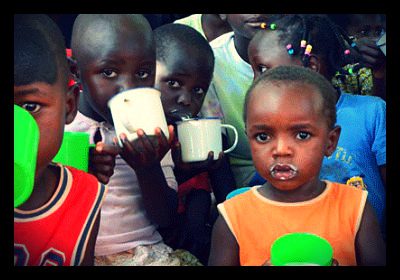
Recently, the United Nations food agency has stated that they are scaling up their food aid to Yemen as nearly half of the population is going hungry. More than 10 million of Yemen’s 25 million inhabitants either require food aid due to an inability to find enough food for themselves, or are teetering on the edge.

In 1996, the World Health Organization defined food security as “when all people at all times have access to sufficient, safe, nutritious food to maintain a healthy and active life.”

Food security is built on three pillars: (1) food availability, or the opportunity to have sufficient quantities of food available on a consistent basis; (2) food access, having sufficient resources to obtain appropriate foods for a nutritious diet; (3) and food use, appropriate use based on knowledge of basic nutrition and care, as well as adequate water and sanitation.

“The country has one of the world’s highest levels of malnutrition among children,” said World Food Programme spokeswoman Elisabeth Byrs, “with nearly half of all kids under the age of 5—a full 2 million of them—stunted. A million of those kids are acutely malnourished.”

The problem is difficult to tackle. Yemen, one of the poorest countries in the world, has been going through a difficult political transition since the removal of president Ali Abdullah Saleh after a year of deadly protests against his 33-year rule.

At the same time, Yemen is also vulnerable to international hikes in food prices, since it imports around 90 percent of its main staple foods like wheat and sugar. The price hikes, according to the U.N., affect around 90 percent of Yemeni households and may be the reason why nearly 50 percent of children under the age of 5 suffer from chronic malnutrition.

Starting in July, the U.N. agency plans to launch a special two-year “Recovery Operation” aimed at addressing long-term hunger in the region. The Recovery Operation will help to ensure food stability for around 6 million people. Under the program, the U.N. will provide malnutrition prevention and treatment, give 200,000 girls in school take-home rations and will help create rural jobs, improve farms and water supplies.

The program aims to safeguard Yemeni lives and boost food security and nutrition in poverty-stricken areas. The program seeks to reach 6 million Yemeni people from mid-2014 to mid-2016, and will aim to provide solutions for long-term relief instead of short term. The U.N. has announced that their efforts would only offer temporary relief.

The U.N. warns, however, that the aid increase will be costly, with the agency estimating that the two-year program will cost around $491 million.

– Monica Newell

Sources: Gulf News, Press TV, Al-Monitor, Yemen Post
Photo: Care

June 13, 2014
https://borgenproject.org/wp-content/uploads/borgen-project-logo.svg 0 0 Borgen Project https://borgenproject.org/wp-content/uploads/borgen-project-logo.svg Borgen Project2014-06-13 13:22:372024-06-04 01:08:04UN to Provide Food Aid to Yemen
Aid Effectiveness & Reform, Food & Hunger, Global Poverty, Hunger

What is a Food Riot?

Throughout history, food shortages have led to civil unrest. Most notably in recent history, the Global Food Crisis of 2008 spurred an outbreak of food riots around the world. Now, with food prices increasing at the highest rate since 2008, political leaders are concerned that a similar outbreak of food riots may be on its way.

In the beginning of 2014, international food prices rose 4 percent. In the time between January and April, food prices spiked to a level just short of their all-time high in August 2012. The rapid increase is similar to the surge in food prices in 2007 and 2008 that led to so many food riots.

If history repeats itself, the recent food price hikes give government officials adequate reason to worry.

The difficulty with monitoring food riots is that the term is loosely defined. In broad terms, a food riot is some sort of public disturbance raised in response to food’s availability. Interpretations of this definition, however, are as varied as the riots themselves, leading to a great deal of confusion surrounding the topic of food riots.

How severe must the disturbance be to earn the title of a riot? A food riot is generally a violent protest. Participants have been known to harm other citizens or police forces. In return, police forces respond with brutality to control the situation. Some news articles will only cite occasions that have resulted in casualties as food riots.

Other news sources believe that any public response to food-related issues falls in this category. They report even the most peaceful demonstrations as food riots.

Where is the proper balance? How can the media successfully educate the public on these world events without an accepted definition of a riot?

In the wake of recent food pricing inclines, The World Bank has developed a widely accepted definition to guide examinations of these conflicts. Their 2014 Food Price Watch defines a food riot as “a violent, collective unrest leading to a loss of control, bodily harm or damage to property.”

The definition has helped The World Bank determine which episodes in the recent past were actually food riots. A database of food riots between 2007 and 2014 has since been collected, revealing that 51 riots have taken place in 37 countries.

The cause of food riots also prompts confusion. Increasing food prices are not the only cause of riots. In Vietnam, decreasing prices of coffee have resulted in violent outbreaks in the past. A decline in value of major exports can have just as strong of an impact on a nation as unavailability of food and other resources.

The World Bank has also established guidelines for the causes of food riots, saying that they are “motivated by a lack of food availability, accessibility or affordability,” whether directed at the government or other groups.

There are two types of food riots. In a Type 1 incident, the riots are directed at the government. Distress takes its form in public protests outside of government buildings, often in response to rising food prices. It is the most common form of food riot reported in the media because their causes often have international implications.

In a Type 2 episode, rioters demonstrate near food suppliers because they are not politically driven. They attack supply trucks, stores or refugee camps. These riots are more locally focused and occur during times of drastic food shortages.

Defining food riots helps aid organizations determine how to best help areas experiencing food shortages to prevent violent outbreaks. Government officials know how to respond to rising food prices by studying food riots of the past. By alleviating causes of global hunger, aid organizations and government officials can increase peace in underprivileged nations.

– Emily Walthouse

Sources: Food Price Watch, Global Issues, Slate, The World Bank
Photo: NPR

June 12, 2014
https://borgenproject.org/wp-content/uploads/borgen-project-logo.svg 0 0 Borgen Project https://borgenproject.org/wp-content/uploads/borgen-project-logo.svg Borgen Project2014-06-12 04:00:282024-05-26 23:44:17What is a Food Riot?
Children, Food & Hunger, Food Aid

Food Alone Not Enough for Malnourished Children

Researchers studying malnourished children in Bangladesh have concluded that current therapeutic food interventions, while effective in saving lives, is not enough to reverse damage done in formative years.

Doctors have been trying to address problems that formerly malnourished children now in treatment still face such as stunted growth, immune deficiencies and slow intellectual growth. It is now becoming apparent that these development challenges are due to an immature system of microbial organisms that inhabit the digestive tracts of healthy children.

In the study, researchers compared fecal samples of 64 malnourished children to samples from 50 healthy Bangladeshi children that had been collected monthly over the first two years of their lives. In the healthy samples, 24 species of bacteria were found and used to predict the maturity of a child’s microbial system.

The study showed that when these children were afflicted with diarrhea, their microbial systems quickly recovered. The malnourished children hospitalized for diarrhea showed little recovery in the maturity of these systems after treatment with antibiotics and therapeutic foods, as they were lacking in healthy microbes to begin with.

This deficiency likely stems from undernourishment in the first two years of life, a formative period that is essential to developing a healthy brain, immune system and microbial system.

“Perhaps healthy growth and attainment of our full potential requires healthy development of our microbial organ, and also microbes living in other parts of our bodies,” said researcher Jeffrey I. Gordon of Washington University in St. Louis.

Current treatment for undernourishment includes rehydration, a liquid diet of milk suji (whole milk powder, rice powder, sugar and soya oil) and a series of multivitamins and antibiotics to help fight infection. This method has decreased the mortality rate in malnourished children by 47 percent and reduced risk of hypoglycemia.

Researchers in the recent study questioned the long-term results of such treatment protocols and the extent to which they restore normal growth and development. Gordon stated that the current methods should be adjusted to include probiotic supplements, as well as prolonged consumption of therapeutic foods.

“We need to think of food as interacting with this microbial organ,” he said.

Ed Yong, a science writer for Discover Magazine, writes that roughly 1,000 species of bacteria reside in the human bowel, though the makeup of these species varies from person to person. Each individual carries about 160 different bacterial species; it is estimated that 57 exist in the majority of the population. These microbes serve functions such as breaking down complex sugars, producing vitamins and fatty acids and converting chemicals into useful substances.

Factors that impact the development of healthy bacteria include diet, genetics and locale. Research has shown that even the method of delivery can impact the bacterial makeup of an infant; those that are delivered via C-section show less diversity in microbial systems than those delivered naturally. These differences can affect other facets of daily life including susceptibility to disease, predisposition to obesity and the ease with which certain foods are digested.

– Kristen Bezner

Sources: Discover, Science Direct, National Geographic 1, National Geographic 2, Nature
Photo: Chai Counselors

June 9, 2014
https://borgenproject.org/wp-content/uploads/borgen-project-logo.svg 0 0 Borgen Project https://borgenproject.org/wp-content/uploads/borgen-project-logo.svg Borgen Project2014-06-09 07:51:522024-06-05 01:57:30Food Alone Not Enough for Malnourished Children
Aid Effectiveness & Reform, Developing Countries, Food & Hunger

Malnutrition in Cambodia

After many decades of economic struggle and vicious civil strife Cambodia is slowly working toward becoming an advanced society with a robust economy.

Cambodia is a colorful and richly cultural society that has contributed pricelessly to the Asian and Buddhist realms, among countless others. Despite its encouraging contemporary development, there are still drastically high levels of malnutrition in Cambodia, as in many developing countries.

For those unfamiliar with this nation, some descriptive information may help to place it in perspective. Cambodia is referred to as the Kingdom of Cambodia. It is in Southeast Asia and is located in the southern area of the Indochina Peninsula. It is surrounded by Thailand to the northeast, Laos to the northwest and is largely bordered by Vietnam in its southern and eastern regions. Its national language is Khmer, and its officially recognized religion is Theravada Buddhism.

Cambodia’s incremental progress is and has been significant. Since 2004, its poverty rate has decreased by 5 percent every consecutive three years. Additionally, the population statistics on most “key health indicators” have improved dramatically over recent decades. At the same time, however, sizeable segments of its population still suffer from gross malnutrition, and the population’s average life expectancy is 58 and 64 years for men and women, respectively.

According to the United Nations World Food Programme data, 18 percent of the population lives under the food poverty line. The child population is alarmingly more afflicted; about 40 percent of Cambodian children suffer from chronic malnutrition and stunted development consequent of nutrient deficiency. This is a troublingly high statistic that begs attention and effective, long-term solutions.

Though Cambodia primarily exports high volumes of paddy rice produced at a surplus, the U.N. reports that extremely high poverty rates and inaccessibility to nutritious food are responsible for this widespread malnutrition. Natural disasters such as droughts and occasional flooding additionally contribute unfavorable and sometimes devastating circumstances for residences and agricultural production.

The population’s alarmingly high malnutrition rates are currently being addressed by the U.N., which provides assistance, local food education and attempts to formulate and implement more long-term food security and production infrastructure.

– Ariel Swett

Sources: WFP, UNICEF
Photo: Flickr

June 8, 2014
https://borgenproject.org/wp-content/uploads/borgen-project-logo.svg 0 0 Borgen Project https://borgenproject.org/wp-content/uploads/borgen-project-logo.svg Borgen Project2014-06-08 19:27:502024-05-26 23:41:40Malnutrition in Cambodia
Food Aid, Foreign Aid

10 Photos of US Foreign Aid in Action

In theory, foreign aid is a great concept that many citizens support in the United States. But how often do we actually get to see our heart-felt donations, activism and support of U.S. foreign aid in action? Here’s to all of you who want to see some concrete results of your efforts. All of the work and investment going into U.S. foreign policy is making a difference, and here are some real life examples to prove it!


1. U.S. Actor, Matt Damon, and Haitian Singer, Wyclef Jean, Distribute U.S. Food Aid to Haitian Flood Victims

US Foreign Aid

2. USAID’s Nutrition Programs

US Foreign Aid

3. Haitians Waving to a Departing U.S. Helicopter After Delivering Food and Water to Port au Prince

US Foreign Aid

4. USAID’s Decrease in Maternal Mortality Rates

US Foreign Aid

5. USAID Funds’ Replacement of 187 CDA Tubewell Pumps in Islamabad, Pakistan

US Foreign Aid

6. USAID‘s Female Health Workers

US Foreign Aid

7. USAID Delivers Deworming Medication to Kindergartners in Nam Dinh Province, Vietnam

US Foreign Aid

8. USAID’s Increases in Life Expectancy and Decreases in Maternal & Child Mortality Rates

US Foreign Aid

9. Emergency Food Distribution by USAID in Agok, Sudan

US Foreign Aid

10. USAID’s  Tropical Disease Treatments

US Foreign Aid

Photo: USAID Flickr Slideshow , U.N. , Flickr

June 8, 2014
https://borgenproject.org/wp-content/uploads/borgen-project-logo.svg 0 0 Borgen Project https://borgenproject.org/wp-content/uploads/borgen-project-logo.svg Borgen Project2014-06-08 19:12:162014-08-08 08:15:2610 Photos of US Foreign Aid in Action
Activism, Advocacy, Economy, Food & Hunger, Food Aid, Foreign Aid

5 Facts About the Food for Peace Reform Act of 2014

Food for Peace Reform Act of 2014
On Tuesday, U.S. lawmakers introduced the Food for Peace Reform Act of 2014. U.S. Sen. Bob Corker, R-Tenn., and Sen. Chris Coons, D-Del., jointly introduced this legislation, which would end restrictions on international food aid programs.

“More than anything else, the mission of America’s food aid program is to save lives,” Coons said. “Our current system for acquiring and distributing food aid is inefficient and often hurts the very communities it is trying to help.”

1. Feed More People
The reformed food aid legislation would feed about 9 million people around the world.

2. Greater Efficiency
The legislation would make hundreds of millions of dollars more available per year. Currently, the food aid program has restrictions that require food to be produced in the United States rather than purchased locally. It costs more and takes months to reach people in disaster areas. It would also allow U.S. locally or regionally acquired commodities, cash transfers or vouchers to be used for aid.

3. Small Effect on U.S. Agriculture
U.S. food aid contributed merely 0.86 percent of total U.S. agricultural exports between 2002 and 2011 and just 1.41 percent of net farm income.

4. Let USAID Ship Food on Any Available Vessels
Currently, half of food aid must also be transported on U.S. vessels, which takes months and costs more. The cargo preference requirement means that aid is shipped at 46 percent higher than the market rate.

5. End Monetization
“Monetization” is a requirement that says 15 percent of all U.S. donated food must be sold first by aid organizations, which produces cash that funds development projects. Removing this would save 25 cents out of every taxpayer dollar, would feed 800,000 more people and make about $30 million per year more available. Many development supporters argue that monetization upsets local markets.

“At a time when our budget is strained and U.S. resources are limited, Congress needs to find ways to be more efficient and effective with every dollar,” Corker said.

– Colleen Moore

Sources: Reuters, Agri-Pulse
Photo: Africa Green Media

June 6, 2014
https://borgenproject.org/wp-content/uploads/borgen-project-logo.svg 0 0 Borgen Project https://borgenproject.org/wp-content/uploads/borgen-project-logo.svg Borgen Project2014-06-06 15:03:122024-12-13 17:50:185 Facts About the Food for Peace Reform Act of 2014
Food & Hunger, Food Security, Global Poverty, Malnourishment, Refugees and Displaced Persons

1,000 Days Campaign in Rwanda 

1,000_days_campaign
Since conflict started in the Democratic Republic of Congo, children have been fleeing the violence to Rwanda and into the hands of another challenge: malnutrition. The state of food security and proper nourishment in Rwandan refugee camps is becoming dire as nearly 44 percent of children under 5 face serious chronic malnutrition.

However, the Rwandan government is making strides to welcome its new residents with open arms and humanitarian aid. Under the command of Prime Minister Pierre Damien Habumuremyi, the Rwandan government launched the “1,000 Days in the Thousand Hills” campaign back in September of 2013 to combat malnutrition in both its refugee camps and its local population. With the help of the Ministry of Disaster Management and Refugee Affairs (MIDIMAR), the 1,000 days campaign was implemented first in the Kiziba camp in Western Rwanda, then in all five refugee camps in the country.

The mission of the campaign: combat malnutrition using programs that make populations more self-reliant and educated on proper health. The approach: provide children with the proper nutrients for the first 1,000 days from birth until the child’s second birthday and establish local community efforts to produce more nutritious food.

The 1,000 Days campaign in Rwanda is not unique. In fact, similar programs have been implemented in a variety of other locations including Ethiopia, Indonesia and Guatemala. But what makes Rwanda’s campaign special is its focus on integration. Like all of MIDIMAR’s programs, the 1,000 Days in the Thousand Hills campaign aims to connect the refugee and local populations by using their combined forces to solve mutual problems. All practices used in the local population are being used in refugee camps and vice versa.

What are these practices? As established, the campaign seeks to make populations at risk more self-sufficient while still receiving help to reduce malnutrition. Programs include setting up kitchen gardens and animal breeding programs. At the start of the campaign, 315 kitchen gardens were set up and 151 families received rabbits to breed, eat and sell. The hope is to make refugees and local populations independent with livestock and farming techniques that provide them with greater nutrients.

On top of this, the 1,000 days campaign aims to provide children with the necessary sustenance for healthy development and nutrition from day one until age 2. This allows children to escape malnutrition and stunting of growth and to have better immune systems and brighter futures. The program achieves this goal both by putting more food into the community and educating parents on what counts as fortified and healthy foods, such as vegetables, fruits and milk. In addition, the campaign seeks to spread awareness on the warning signs of malnutrition and the diseases associated with the condition.

All of this culminates in two results: first, it brings children out of risk of malnutrition by providing them with necessary protein from the start. Second, it pulls populations into a state of food security by providing sustainable ways of harvesting good food.

The program is set to end in October of 2016, but many strides towards success can be taken by then. With any luck and lots of hard work, malnutrition will cease to be an insurmountable problem facing refugees in Rwanda.

– Caitlin Thompson

Sources: All Africa, Doctors Without Borders, Ministry of Disaster Management, Relief Web, Republic of Rwanda, Republic of Rwanda Ministry of Health, World Vision International, 1000 Days
Photo: Republic of Rwanda Ministry of Health


June 5, 2014
https://borgenproject.org/wp-content/uploads/borgen-project-logo.svg 0 0 Borgen Project https://borgenproject.org/wp-content/uploads/borgen-project-logo.svg Borgen Project2014-06-05 20:39:262024-06-05 01:57:291,000 Days Campaign in Rwanda 
Food & Hunger, Global Poverty, Hunger

Hunger in Niger: 5 Things to Know

Hunger in Niger
Niger may not be the first country to spring to mind when you think about hunger in Africa, but the food security situation there is actually among the worst on the continent. Conditions there were especially dire in 2012, when the hunger crisis that stretched across West Africa’s Sahel region made news headlines across the world.

Although the situation has improved within the last several years, there are still approximately 2.5 million people in Niger that lack secure access to food. Here are five facts you should know about hunger in Niger:


1. A Problem of Geography

Niger is land-locked, and land-locked into the middle of the Sahara Desert at that. Over 80 percent of the country consists of arid land that is nearly impossible to farm. What arable land that exists is often plagued by extended periods of flooding during Niger’s short rainy season and drought throughout the rest of the year. Farmers are already facing an enormous challenge of climate in simply trying to grow food. However, with few outlets for access to seeds and tools, farmers in Niger fail to make enough food to support even a fraction of Niger’s population.

Fortunately, international organizations are stepping in to increase the resources available to these farmers. Though simply increasing agricultural output is not enough to solve the problem of hunger in Niger, it is certainly a step in the right direction.


2. Poverty, Fertility and Their Consequences

Niger is no stranger to poverty; according to the World Bank, “Niger’s per capita income and development indicators are among the worst in the world.” Whether hunger is a cause or an effect of poverty is a complicated question, but there is no doubt that the two are intimately related.

Niger is also home to the highest fertility rate in the world, with each woman on average giving birth to 7.6 children. With so many mouths to feed and limited money to do so, it’s no wonder that so many in Niger go hungry.


3. A Struggling Economy

About 80 percent of Niger’s economy is based on agriculture and livestock. How can an economy thrive when it depends on an industry that is suffering? With little capital to work with, hunger in Niger is a problem that is proving difficult to solve from the inside. Niger’s economy is also dependent on the world market for uranium, a natural resource it has in abundance. When uranium prices fall, so does the economy.


4. Taking Care of Refugees

The population of Niger is already high, at around 17 million people. Yet with refugees from countries like Mali and Nigeria, which have recently experienced conflict, flooding into the country for the past few years, the population of Niger continues to swell.

With the existing population already struggling to eat enough, how can refugees possibly afford food? Refugees receive a food voucher upon entering Niger, which allows them to purchase U.S. $14 worth of food. Though the voucher may not seem worth very much, refugees prefer it to a standard grain handout because it allows them to customize their diet and keep their families fed while they adjust to life in Niger. The cereal handout traditionally given to refugees in Niger failed to meet human nutritional requirements, so the voucher is a step toward making sure that refugees and their children are properly nourished.


5. Why There is Still Hope

The people of Niger have banded together with the help of aid from international organizations to lessen the effects of recent droughts. By removing dead vegetation from lakes, Nigeriens are creating jobs for themselves while at the same time preventing the lakes from flooding land that could be used for farming. The dedication of the people of Niger to preventing the next hunger crisis has captured international attention and drawn donations from around the world. Hunger in Niger is certainly no quick fix, but that has not stopped the Nigeriens from getting started.

– Elise Riley

Sources: WFP1, WFP2, The World Bank, Washington Post, The Guardian, Sahara Conservation, Action Against Hunger
Photo: OneWorld South Asia


June 5, 2014
https://borgenproject.org/wp-content/uploads/borgen-project-logo.svg 0 0 Borgen Project https://borgenproject.org/wp-content/uploads/borgen-project-logo.svg Borgen Project2014-06-05 20:36:082024-12-13 17:50:18Hunger in Niger: 5 Things to Know
Food Security, Global Poverty, Malnourishment

Soybeans and Global Food Security

A recent study by NASA’s Jet Propulsion Lab in California has shown that soybeans can be re-engineered to grow in more arid environments without losing standard crop yield. If the new varieties prove durable, the cultivation of soybeans in Sub-Saharan Africa and South Asia will help address food insecurity issues in the region. Here are five reasons why soybeans are important in addressing global food security:

1. Food production must increase by 70 percent to meet the world’s food needs by 2050.

There are a number of factors that will affect global food security in the coming decades including: population increase, movement away from rural areas and toward urban centers, food production and climate change.

Today, undernourishment affects 870 million people worldwide. Between now and 2050, there will be an additional two billion people on our planet, with around 24 million children pushed into hunger due to food security issues.

2. Soybeans are one of the world’s most important protein crops.

Soybeans have a protein content of over 35 percent, as well as healthy unsaturated fats and carbohydrate fibers, making them some of the healthiest food sources around. They are also one of the least expensive sources of protein when compared to eggs, milk, beef and cow peas.

Due to the use of soybeans in both the food and animal feed industries, soybean farmers can earn a substantial amount of cash because the crop can be successfully grown at a low cost of production.

3. Modifying soybeans can address both climate challenges and food insecurity.

In a recent study led by NASA’s Jet Propulsion Lab (JPL,) computer models have been applied to look for a super soybean. The research study determined that soybean plants can be redesigned to increase crop yield by 7 percent without using more water. The study also demonstrated that soybeans can be redesigned to use either 13 percent less water, or reflect 34 percent more light back into space without reducing crop yields–good for both food security and climate change.

While other geo-engineering solutions for climate change tend to be expensive, such as spraying sulfates into the upper atmosphere in order to reduce incoming sunlight or loading the ocean with iron in order to increase plankton photosynthesis, modifying annual crops is inexpensive and can be implemented quickly.

4. Soybean cultivation is growing in Africa.

Research by the University of Agriculture Makurdi in Nigeria in collaboration with the International Institute of Agriculture (IITA), aims to help improve the lives and livelihoods of small-hold farmers in the drought-prone areas of sub-Saharan Africa and South Asia by providing more durable soybean varieties that can stand up against more arid conditions. Like the redesigned varieties in the JPL study, new varieties being promoted in Africa can help increase crop yields without using more water.

Soybean production remains relatively isolated in Africa, with Nigeria as the largest soybean producer, followed by South Africa and Uganda. However, the new, more durable varieties may allow for more countries to begin cultivating soybeans, helping improve the health of their populations as well as reducing local poverty.

5. Soybeans could have a long-term impact on poverty.

Food and water security will be a major national security focus in the coming decades as both climate change and population increases affect food production worldwide. Countries lacking basic food resources to feed their growing urban populations may become hotbeds for conflict, unrest and terrorist activities.

While many solutions for food insecurity should be addressed and considered by lawmakers, scientists and farmers alike, soybean technology is a first step in addressing the needs of poverty stricken regions by providing a modified crop that can meet multiple goals.

Re-engineered soybeans are an innovative (and healthy) way to help address local food security issues worldwide. Not only do they provide a good food source, but their wide use in products from oils to food to animal feed guarantee a lucrative market for local farmers. Reducing poverty through innovative changes in the way staple crops are traditionally grown is an economical and feasible way to bring food security, in light of climate and population challenges, to developing regions of the world.

– Andrea Blinkhorn

Sources: Daily Trust, United Nations Conference on Trade And Development, Intech, NASA, VOA News, World Food Programme, Stop Hunger Now
Photo: HD WAll IMG

June 4, 2014
https://borgenproject.org/wp-content/uploads/borgen-project-logo.svg 0 0 Borgen Project https://borgenproject.org/wp-content/uploads/borgen-project-logo.svg Borgen Project2014-06-04 04:00:512024-06-07 04:41:25Soybeans and Global Food Security
Extreme Poverty, Food & Hunger, Gender Equality, Hunger

Carolina Maria de Jesus: Life in Favelas

The book begins: “July 15, 1955. The birthday of my daughter Vera Eunice. I wanted to buy a pair of shoes for her, but the price of food keeps us from realizing our desires. Actually we are slaves to the cost of living.”

Carolina Maria de Jesus’s diaries were edited into a book called “Room of Garbage” (1960), which quickly became one of the most successful books in Brazilian publishing history. In Sao Paulo, 10,000 copies of the book sold out in the first three days and it has since been translated into 13 different languages, becoming an international bestseller. Despite her success, within a few years she would return to living in the favelas and would later die in poverty.

Carolina was born in 1914 to a single mother in Minas Gerais. After attending primary school for two years, she was forced to drop out. She wrote her diary entries while living in the favelas (slums) of Sao Paulo with her three illegitimate children.

After World War II, the number of favelas exploded in major cities such as Rio de Janeiro and Sao Paulo due to mass migrations. Favelas were located on the unwanted lands left behind by urban development, often in the hills surrounding the cities.

A self-confident woman, Carolina refused to conform to social standards. She never married, and she expressed herself aggressively with sometimes racist views. Her diary entries describe her struggle to rise above poverty, living as one of the “discarded” and marginalized.

She collected paper, bottles and cans for coins, held various odds and ends jobs and scavenged in garbage bins for food to feed her children. Her stories, poems and diary entries deal with themes of poverty, loneliness, hopelessness and death. She writes of the racial injustice and discrimination heaped onto the poor and the blacks in the favelas.

She writes about political events and politicians with their empty promises to the urban poor, arguing, “Brazil needs to be led by a person who has known hunger. Hunger is also a teacher. Who has gone hungry learns to think of the future and of the children.” Many readers and critics were surprised that an uneducated black woman from the slums could eloquently write about politics, racism and gender discrimination.

In 1958, Audalio Dantas, a reporter for Diario da Noite, heard Carolina yell at a group of men on a playground, “If you continue mistreating these children, I’m going to put all of your names in my book!” Dantas convinced her to show him her writings and took them to his editor.

Although her book would reach international acclaim, many Brazilians criticized and ostracized her for her refusal to conform to social norms. Today, most Brazilians do not acknowledge her impact, only recognizing her as that “slum dweller who cracked up.” Why is Carolina Maria de Jesus important if her country refuses to remember her?

Her stories humanize poverty and hunger, bringing attention to the human lives behind facts and figures. She describes the pain of hearing her children ask for more food because they are still hungry. She writes about watching restaurants spill acid in the trashcans to prevent looting by the poor. In the favela, she had the “impression she was a useless object destined to be forever in a garbage dump.”

A quick search on the Internet can show you numbers and statistics about the millions of people living below the poverty line in the world, but Carolina’s words showed people “the meaning and the feeling of hunger, degradation and want.” To overcome global poverty and move forward with understanding and empathy, Carolina’s stories and the countless stories of others must not be forgotten.

– Sarah Yan

Sources: Latin American Studies, The Life and Death of Carolina Maria de Jesus, Notable 20th Century Latin American Women
Photo: Omenelick 2 Ato

May 14, 2014
https://borgenproject.org/wp-content/uploads/borgen-project-logo.svg 0 0 Borgen Project https://borgenproject.org/wp-content/uploads/borgen-project-logo.svg Borgen Project2014-05-14 04:00:032024-05-26 23:35:46Carolina Maria de Jesus: Life in Favelas
Page 60 of 78«‹5859606162›»

Get Smarter

  • Global Poverty 101
  • Global Poverty… The Good News
  • Global Poverty & U.S. Jobs
  • Global Poverty and National Security
  • Innovative Solutions to Poverty
  • Global Poverty & Aid FAQ’s
Search Search

Take Action

  • Call Congress
  • Email Congress
  • Donate
  • 30 Ways to Help
  • Volunteer Ops
  • Internships
  • Courses & Certificates
  • The Podcast
Borgen Project

“The Borgen Project is an incredible nonprofit organization that is addressing poverty and hunger and working towards ending them.”

-The Huffington Post

Inside The Borgen Project

  • Contact
  • About
  • Financials
  • President
  • Board of Directors
  • Board of Advisors

International Links

  • UK Email Parliament
  • UK Donate
  • Canada Email Parliament

Get Smarter

  • Global Poverty 101
  • Global Poverty… The Good News
  • Global Poverty & U.S. Jobs
  • Global Poverty and National Security
  • Innovative Solutions to Poverty
  • Global Poverty & Aid FAQ’s

Ways to Help

  • Call Congress
  • Email Congress
  • Donate
  • 30 Ways to Help
  • Volunteer Ops
  • Internships
  • Courses & Certificates
  • The Podcast
Scroll to top Scroll to top Scroll to top