
COVID-19 has caused many issues for poor families around the world. However, Kenyan food distributor Twiga Foods is helping families during COVID-19.
What is Twiga Foods?
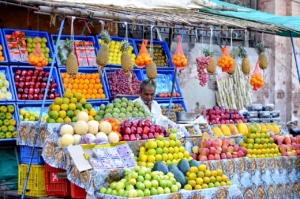
Twiga Foods emerged in 2014 as a mobile-based food distribution company. What it does is source produce from local farmers and manufacturers. Suppliers can post their produce online so vendors can order it at an affordable price. Today, Twiga employs about 4,000 suppliers and about 35,000 vendors.
Fast Company has listed Twiga Foods as one of the most innovative companies. Twiga Foods was also listed as one of the World Economic Forum’s “Technology Pioneers.” The company has “reinvented Africa’s approach to retail, making it less time-consuming and more efficient.” The company “presents a convenient and reliable alternative to the current expensive farm and factory-to-market processes.”
The mission for Twiga Foods is simple: “to feed and supply Africa’s growing urban population with traceable, quality and affordable products whose quality, health and safety standards are at one with global conventions and best practice.”
What Twiga is Doing During the COVID-19 Pandemic
The spread of COVID-19 created a lot of concern for Twiga Foods. Some of its clients include hotels and restaurants which have run minimally during the pandemic. However, Twiga was listed as an essential business, and the company was able to keep operating and employ thousands of people.
In June 2020, Twiga partnered up with Shining Hope for Communities (SHOFCO) and Jumia to support families during the pandemic. The program these companies created offers a “convenient way for customers who wish to donate during the pandemic period.” Twiga Foods is providing discounted prices of fresh produce up to 50% as an incentive for people to donate to the cause.
How Companies like Twiga Foods Can Help the Market
The success of Twiga Foods matches Kenya’s growing economy and reduction of poverty. Kenya’s GDP went from $61.45 billion in 2014 to $95.5 billion in 2019. However, Kenya’s GDP in 2020 has gone down to about $80 billion.
Not only has the GDP risen over the past few years, but poverty rates in Kenya have gone down. From 2005 to 2006, 46.8% of Kenyans lived below the poverty line. From 2015 to 2016, the amount of Kenyans living under the poverty line dropped to 36.1%. This drop in the poverty rate was due to the increasing importance of non-agricultural income to supplement agricultural income for rural households.
Between 2013 and 2017, about 25% of the nation’s GDP came from agriculture. However, farmers across Kenya find it hard to make a living due to the insufficiency of the African agricultural market. Having companies like Twiga Foods support these farmers can help improve food safety, environmental and social practices.
When Twiga Foods connects rural farmers to informal retail vendors in the cities, it can enhance the agricultural market for both the suppliers and the consumers. Farmers can have guaranteed access to a fairly-priced, transparent and mobile marketplace. Vendors can get high-quality and fresh produce to sell to consumers at a lower price. Having food sold at a lower price is a way that Twiga foods is helping families afford the food they need to survive.
– Jackson Lebedun
Photo: Flickr
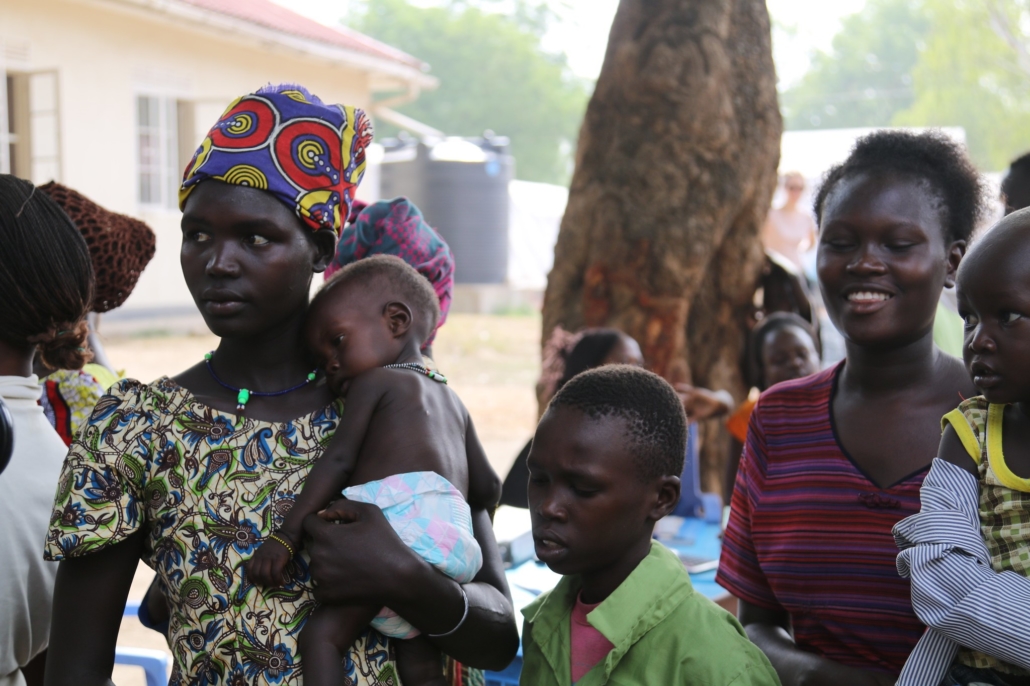

 Around the world, a record number of people have become forcibly displaced due to violence, natural disasters or a variety of other reasons. According to the U.N. Human Rights Council, 70.8 million people are forcibly displaced, and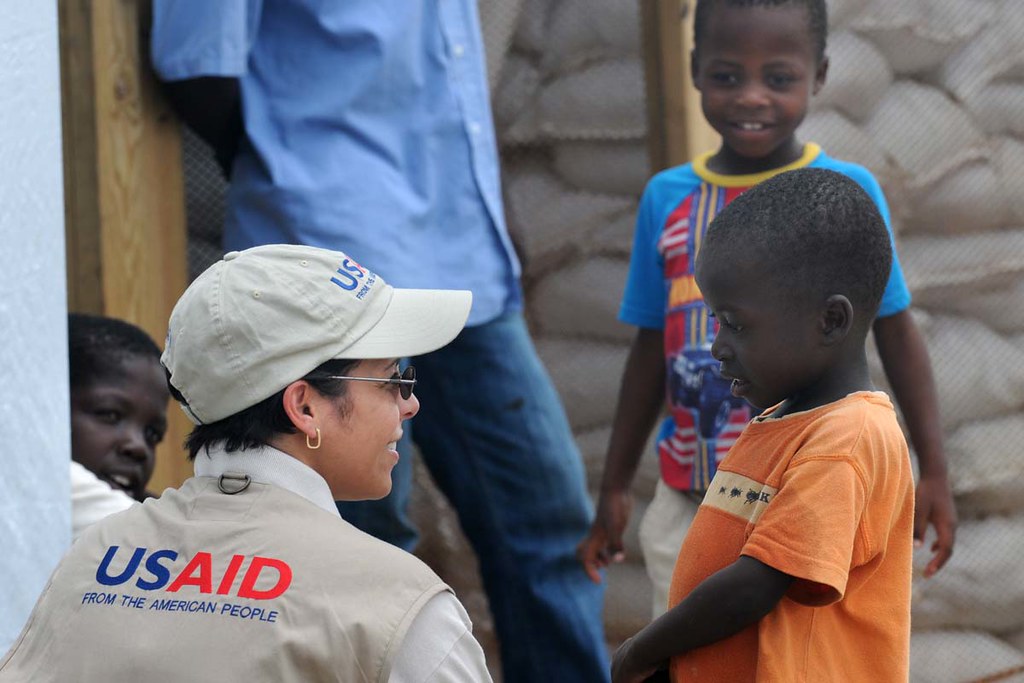
 Goats are the animals of choice for many humanitarian groups across the world looking to provide life-saving, sustainable aid. From East Asia to Haiti, these animals have saved the lives of countless families suffering from poverty and starvation. Goats are particularly sought after in countries where agriculture is prominent. Nearly 85 percent of the world’s farmers are smallholder farmers, meaning that they limited resources. Smallholder farmers typically earn income through the cultivation of one or two crops planted on a tiny plot of land. Many humanitarian groups are highlighting how goats fight poverty through various campaigns.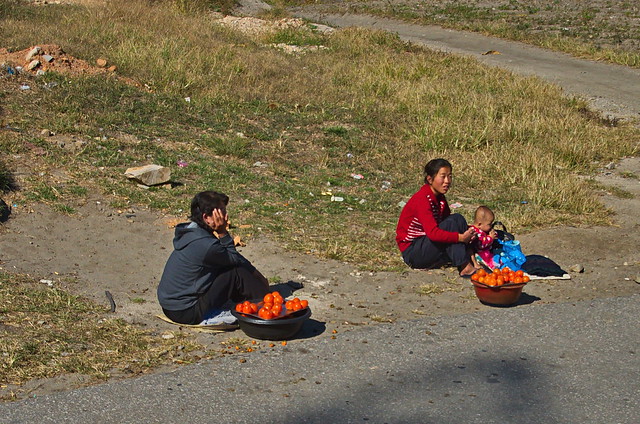
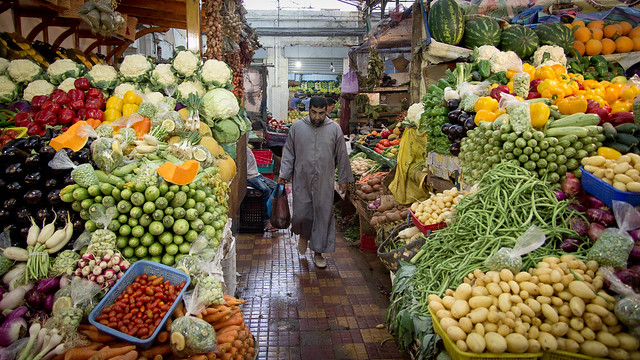 According to the U.N., malnutrition has been on the rise in recent years. The latest data states that 821 million people are undernourished. This translates to one in nine people suffering from hunger. These statistics are staggering; fortunately, this problem is currently being addressed by numerous organizations that are combating food insecurity across the globe.
 For more than 60 years, the U.S. Agency for International Development has upheld its commitment to end global poverty, providing desperately needed refugee food assistance today. USAID works in more than 100 countries. It primarily provides humanitarian assistance, promotes global health and supports global stability. All around the world, more than 25 million people face refugee crises. And among these 25 million people, more than half are young children.