• Link to X
  • Link to Facebook
  • Link to Instagram
  • Link to TikTok
  • Link to Youtube
  • About
    • About Us
      • President
      • Board of Directors
      • Board of Advisors
      • Financials
      • Our Methodology
      • Success Tracker
      • Contact
  • Act Now
    • 30 Ways to Help
      • Email Congress
      • Call Congress
      • Volunteer
      • Courses & Certificates
      • Be a Donor
    • Internships
      • In-Office Internships
      • Remote Internships
    • Legislation
      • Politics 101
  • The Blog
  • The Podcast
  • Magazine
  • Donate
  • Click to open the search input field Click to open the search input field Search
  • Menu Menu

Archive for category: Electricity and Power

Electricity and Power, Global Poverty, Natural Disaster

Renewable Energy in Antigua and Barbuda

Renewable Energy in Antigua and BarbudaEnergy and climate crises are pushing insular countries, such as Antigua and Barbuda, to the frontlines. Rising fuel costs, combined with hurricanes and a tourism-dependent economy are exposing how fragile a state’s fossil-fueled energy system can become. For years, imported fossil fuels generated electricity entirely, leaving communities vulnerable to fluctuations of the global oil markets.

Now, a different future is being sketched across these islands. It is common for government plans and regional forums to center on renewable energies projects. Rather than being treated as a distant ideal, green energy is increasingly being framed as a matter of survival — economically, environmentally and socially. 

Antigua and Barbuda, as many small island developing states, is seeing the transition away from fossil fuels as the pathway to keeping the coasts protected and the economy afloat. Here is more information about the promotion of renewable energy in Antigua and Barbuda.

Antigua and Barbuda

Nestled in the eastern Caribbean’s Leeward chain, Antigua and Barbuda is a twin-islands nation that squeezes a population of nearly 95,000 onto 440 square kilometers of low coral atolls and limestone ridges — Antigua’s volcanic hills peak at just 405 meters, while Barbuda’s pancake-flat expanse is waterless and boasts pink sands.

When it comes to demography, a peculiar distribution characterizes Antigua and Barbuda: nearly all residents — 98% — crowd onto Antigua, with 60% living in St. John Parish and another 26% crammed into the capital and port city of St. John’s.

Having been a check point for the slave trade routes in the 17th century, most islanders (87% of the total) are of African descent navigate a youthful, female-skewed demographic with life expectancy hovering near 79 years.

Green Energy Targets

Antigua and Barbuda is aiming at one of the most ambitious targets in renewable energy among Small Island Developing States (SIDS), targeting 86% of electricity from local renewables by 2030 and 100% for water management essentials like desalination. This vaults it into the ninth spot among the best SIDS for expected MW capacity by 2030 — eyeing 483 MW — despite a population of less than 100,000, far outpacing per capita efforts by giants like Fiji or Cuba, home to millions of inhabitants. This green energy strategy crosses three main sectors: geothermal, wind and solar power, not all equally viable and the current share of renewable energy is only at 7%.

Although a country of very small size, geothermal power could leverage the nation’s perch on the Caribbean Plate. A 2018 pact with Polaris Energy scouts baseload potential on the territory and the government has recently expressed the intention of entering the geothermal market of St. Kitts and Nevis, a neighbor small island country, to strengthen regional energy cooperation.

At an initial look wind may seem like a source perfectly suiting an oceanic nation. However, this power proved to be a double-edged sword: trade winds whip reliably, but 2017’s Hurricane Irma — obliterating 95% of Barbuda — canceled the efforts of erecting resilient turbines, stalling ambitious sites.

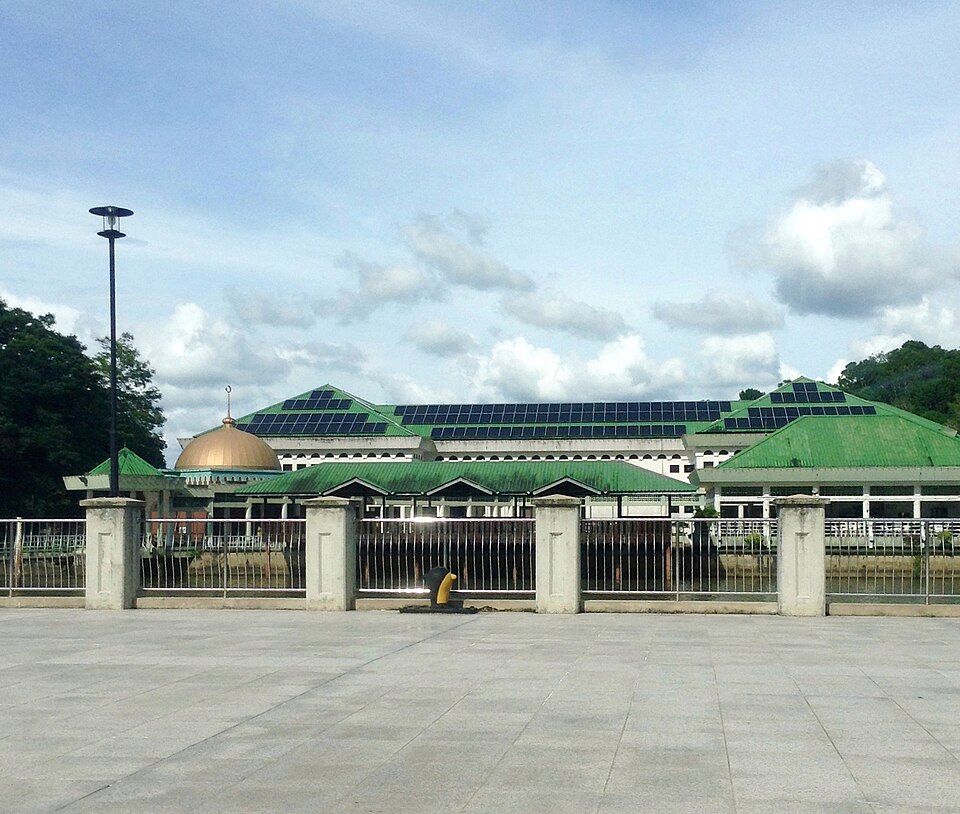
It is solar power that steals the spotlight as the most reliable source of green energy, dominating almost 100% of current renewables. Bathing in year-round Caribbean sun, Antigua and Barbuda benefits from more than 4,300 hours of sunlight, making it the perfect spot for accumulating solar energy. A key feature of the sector is the shift from rooftop systems to off-grid systems. Projects like the hurricane‑resistant solar and battery plant on Barbuda are designed not just to generate clean power, but to keep the lights on after storms and also attract foreign capitals.

Changing Weather Patterns

Poverty remains a persistent challenge in Antigua and Barbuda, worsening under the strain of changing weather patterns. Those already on the margins face increasing threats from extreme weather, disrupted livelihoods and limited access to essential services such as health, transport and communications. The combined effects of hurricanes and the lingering fallout from COVID‑19 continue to erode social and economic stability.

Women are disproportionately affected, forming the majority in tourism and public sectors while shouldering household leadership. A UN Women and IISD survey urged retraining of public employees and stronger integration of gender concerns into climate policies. Many women rely on microfinance after disasters, while health risks — from waterborne diseases to mental stress — intensify vulnerabilities.

Expanding renewable energy in Antigua and Barbuda is vital to reversing these trends. Clean energy projects can lower costs, create stable jobs and strengthen climate resilience, ensuring that development benefits vulnerable groups more equitably. For instance, the International Renewable Energy Agency estimated that in a scenario where Antigua and Barbuda make it to 100% renewable energy, including the use of hydrogen and the proliferation of electric vehicles as variables, the cost of energy would decrease from USD 0.15 kWh to USD 0.09.

Why Are SIDS Obsessed With the Green Transition?

SIDS like Antigua and Barbuda, Mauritius, Nauru and others champion the green transition despite contributing a minuscule slice of global GHG emissions — less than 1% collectively, for 39 countries falling into this category.

Changing weather patterns hit them first before any other country in the world: sea-level rise erodes shorelines, hurricanes wreck homes and economies, coral die-offs cripple tourism and fish stocks.

Climate-resilient infrastructure and innovation are advancing at the national level among all SIDS. For instance, the Maldives and Tuvalu are experimenting with adaptive urban designs such as floating cities and artificial islands, adapting to rising sea levels. Collectively, SIDS are speaking out through the Alliance of Small Island States, urging stricter emissions targets and fair financial mechanisms for climate impact mitigation at the international level.

– Riccardo Chiaraluce

Riccardo is based in London, UK and focuses on Technology and Politics for The Borgen Project.

Photo: Flickr

April 4, 2026
https://borgenproject.org/wp-content/uploads/borgen-project-logo.svg 0 0 Jennifer Philipp https://borgenproject.org/wp-content/uploads/borgen-project-logo.svg Jennifer Philipp2026-04-04 03:00:502026-04-03 13:20:36Renewable Energy in Antigua and Barbuda
Electricity and Power, Global Poverty, Technology

Renewable Energy in Equatorial Guinea

Renewable Energy in Equatorial GuineaEquatorial Guinea, a country just slightly above the equator line, has 1.4 million residents. Gas and fossil fuels provide 69% of the energy consumed in the country. The other 31% of energy consumed comes from hydropower, largely from the Dijibloho hydroelectric plant. Here is more information about renewable energy in Equatorial Guinea.

Greenhouse Gas Reduction

In 2023, the Equatorial Guinean government announced a goal of reducing its greenhouse gas emissions by 35% by the year 2030. The government can only achieve this endeavor through further investment into renewable energies. An expansion in further hydropower projects could not only work towards this goal, but also provide stable employment for many citizens. The construction of the Dijibloho Dam from 2008 to 2012 demonstrates the potential benefits of hydropower investment, evidenced by the rapid growth in renewable energy generation in the years after the dam became operational. In 2011, Equatorial Guinea consumed only 4% of its energy through hydropower yet in 2015, the third year with the Dijibloho Dam running, this percentage jumped to 33%.

Hydropower Expansion

Building on its recent hydropower investments, the government of Equatorial Guinea is expanding efforts to reduce greenhouse gas emissions and increase renewable energy production through the construction of the Sendje hydro project. This dam, with plans brewing since 2020, is ongoing and entirely funded by the Equatorial Guinean government. The new project is planned to attain a capacity of 200 MW, which would far eclipse the 120 MW capacity of the Dijibloho Dam. Therefore, when this Sendje hydro project reaches completion, the country’s energy consumption can begin to transfer towards a higher dependence on hydropower than that of fossil fuels.

The Beneficial Effects of Relying on Hydropower

Large projects like the Sendje dam represent the impact that investment in renewable energy in Equatorial Guinea can have on a community at large. Those living near the dam have the opportunity to attain a sustainable job not just through the construction of the plant, but also its maintenance and operation. The creation of new jobs remains the most powerful tool for reducing poverty by providing income as well as social identity. Equatorial Guinea’s President, Teodoro Obiang Nguema Mbasogo, acknowledges this and plans to continue investing in the natural resources of the country to support the nation’s burgeoning non-oil sectors.

Reliable energy can also play a significant role in reducing poverty among local residents who the project did not directly employ. Approximately 18% of households in Equatorial Guinea still lack access to electricity, with higher percentages in rural areas. Projects like the Sendje Dam are particularly beneficial for these communities, providing access to reliable electricity that can be produced more sustainably and often at lower long-term cost than fossil fuel based energy.

Looking Ahead

Renewable energy is abundant in Equatorial Guinea. Through the expansion of renewable energy infrastructure in projects like the Sendje dam, the country can reduce greenhouse gas emissions, create jobs, and expand access to electricity. These developments both help to address poverty in rural communities and protect the rich natural environment. Continued investment in renewable energy therefore has the potential to support both economic development and environmental preservation across the country.

– Zaccheri Morra

Zaccheri  is based in Tallahassee, FL, USA and focuses on Good News for The Borgen Project.

Photo: Wikimedia Commons

March 27, 2026
https://borgenproject.org/wp-content/uploads/borgen-project-logo.svg 0 0 Jennifer Philipp https://borgenproject.org/wp-content/uploads/borgen-project-logo.svg Jennifer Philipp2026-03-27 07:30:552026-03-27 03:34:22Renewable Energy in Equatorial Guinea
Electricity and Power, Global Poverty, Health

Community Health Services Sustain Health Care Access in Cuba

Health Care Access in CubaWhen blackouts and fuel shortages threaten hospitals across Cuba, it is the doctors, nurses and medical students long embedded in neighborhoods who keep the system running. The de facto blockade of Cuba’s oil supply in recent months has had serious and widespread effects across all of Cuba, notably within the National Health Service (NHS). Representing the nation at the U.N. in September of 2025, Foreign Minister Bruno Parilla described daily challenges facing Cubans: “A grave scenario of prolonged and daily blackouts, difficulties in affording food, insufficient availability of medicines, reduced public transport, limited community services and pronounced inflation, which is eroding real incomes.”

Authorities and community clinics have reorganized services to protect health care access in Cuba. This ensures the continuous availability of life-saving treatments, including oncology care, dialysis and maternal health, across rural provinces. It also maintains regular access to primary family care physicians.

Cuba’s widespread, free-at-the-point-of-use medical system plays a critical role in maintaining access to health care, particularly during periods of economic or energy disruption. The health system’s ability to function under these conditions reflects Cuba’s family doctor and primary health care model. This model is built on principles that protect universal care and strengthen community resilience for all people in Cuba. These key principles form the foundation of Cuba’s strategy for maintaining health care access during humanitarian crises.

Accessibility and Regionalization

These first two principles establish that health care access in Cuba is universal and should remain available regardless of geography, income or social status. Before Cuba’s post-revolution health care reforms, rural Cubans had little to no access to hospital care. Today, “polyclinics,” general medical care centers are found in communities across the country, giving people outside major cities access to health care on a scale not seen since before the Spanish colonization of Cuba.

During the current fuel shortages and electricity disruptions, maintaining accessibility has required reorganizing how doctors and staff deliver care across Cuba. As a result, five million patients, including those undergoing dialysis or chemotherapy, who require constant electricity and regular specialist care, may see changes to their treatment plans.

Hospitals have prioritized electrical power for critical treatments to ensure staff can continue treating the most vulnerable patients. Thousands of cancer patients require ongoing chemotherapy or radiotherapy, procedures that rely on stable electricity. Local health authorities have responded by concentrating patients in facilities with reliable power generators and hospital beds so that treatments can continue uninterrupted.

The newspaper Girón spoke with Yamira López García, the provincial director of Public Health in Matanzas, about the situation. She reaffirmed the government’s commitment to maintaining the operational capacity of all facilities within the public health system and expanding outpatient services so that “no patient will be left without the possibility of treatment.”

The paper also reported that radiotherapy, chemotherapy and dialysis remain available to patients and that authorities have established infrastructure for new admissions. These efforts demonstrate how the system seeks to preserve health care access in Cuba even as logistical conditions deteriorate.

Prevention

Preventive medicine is the central pillar of Cuba’s health care model. Rather than focusing solely on hospital treatment, the system relies on neighborhood doctors and nurses to monitor family health and identify risks early. The NHS has called for doctors to be reassigned to facilities near their residences to strengthen neighborhood clinics and reduce transportation pressures.

Specialists from secondary care institutions have also been temporarily deployed to community polyclinics to ensure local services remain operational. Because this regionalized network already exists, the system can redistribute medical personnel across local facilities without dismantling care. Clinics remain embedded within the communities they serve, helping maintain health care access in Cuba even when transportation and electricity shortages disrupt larger hospitals. 

These visits allow health workers to identify patients who may require urgent care before conditions worsen, reducing pressure on hospitals and helping preserve health care access at the community level in Cuba.

Community Participation

Rather than imposing health care structures on communities, Castro’s system sought to integrate local populations and emphasize organized public participation. Health care delivery, for example, is not limited to professional staff but also involves collaboration among medical institutions, local communities and educational programs. To maintain universal health care access in Cuba, medical students have joined primary care teams in clinics and doctors’ offices. 

As part of their training, students assist with household visits, patient monitoring and public health education. Their work expands the capacity of the neighborhood health system while allowing services to continue despite staffing and transportation challenges. This collective approach strengthens the resilience of local clinics. It ensures that community-based care remains a cornerstone of health care access in Cuba.

International Collaboration

Cuba’s health care strategy also includes international collaboration, with thousands of medical professionals participating in missions across Africa, Asia and Latin America. At the beginning of the COVID-19 pandemic, tens of thousands of Cuban doctors were working in more than 50 countries. Rather than recalling them, the Cuban government asked them to cooperate with host nations in combating the pandemic.

In recent months, many of those host countries have donated thousands of tons of critical aid, reflecting how international cooperation and reciprocal support can lead to better outcomes. The Nuestra América Convoy to Cuba is one such coalition aimed at delivering humanitarian aid based on “cooperation, respect for international law and U.N. values.” Arriving in Havana on March 21, 2026, the convoy is made up of volunteers from around the world and carries food, medicines and energy supplies.

Final Remarks

The energy crisis has tested every link in Cuba’s health care system. The resilience of community clinics and primary care networks demonstrates how strong public health infrastructure can protect health care access in Cuba, even under severe resource pressures. The polyclinic model supports universal accessibility and regionalized services, while prevention and community participation make clinics more adaptable under pressure. This approach offers a potential model for other low-resource settings facing similar shocks.

– Zoey Cruz

Zoey is based in Bedfordshire, UK and focuses on Technology and Global Health for The Borgen Project.

Photo: Pixabay

March 9, 2026
https://borgenproject.org/wp-content/uploads/borgen-project-logo.svg 0 0 Hemant Gupta https://borgenproject.org/wp-content/uploads/borgen-project-logo.svg Hemant Gupta2026-03-09 01:30:432026-03-08 10:59:47Community Health Services Sustain Health Care Access in Cuba
Electricity and Power, Global Poverty, Sustainable Development Goals

Renewable Energy in Africa: Startups Driving Sustainable Growth

Renewable Energy in Africa: Startups Driving Sustainable GrowthRenewable energy in Africa is transforming markets, communities and the environment as innovative companies expand access to clean, affordable power across the continent. While roughly 600 million Africans still lack access to electricity, particularly in parts of West and Central Africa, a range of startups and business ventures are stepping in with technology-driven solutions that improve lives and create economic opportunities.

The Energy Challenge and Opportunity

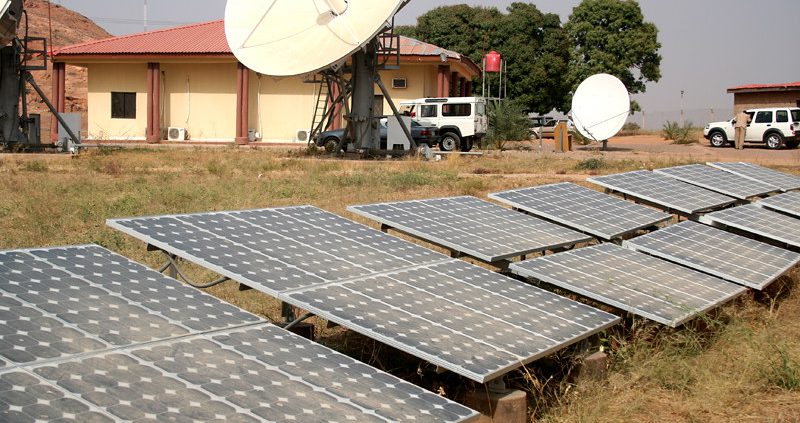
Despite Africa’s enormous renewable potential, it holds about 60% of the world’s best solar resources, and the continent has historically received a small share of global clean energy investment. Renewables accounted for around 14% of total energy supply in 2020, and Africa received 2% of global clean energy funding in recent years.

Currently, energy access remains a development priority. Nearly half of the population in sub-Saharan Africa lives without reliable electricity, limiting business growth, health services and education. However, the growth in renewable energy, especially solar, signals a shift toward long-term, sustainable infrastructure across both urban and rural communities.

Startups Powering Progress

Several startups are leading the charge in delivering renewable solutions that expand access to power and stimulate local economies:

  • Sun King. Sun King operates a pay-as-you-go solar model that provides clean energy systems to households and small businesses. Its products, including solar lanterns and home kits, have reached millions of users across East Africa, helping households reduce dependence on expensive and polluting kerosene lighting while increasing productivity after dark.
  • M-KOPA. M-KOPA has pioneered affordable solar energy through digital micro-payments. Offering flexible payment plans, M-KOPA enables low-income households in countries such as Kenya, Uganda, Nigeria and Ghana to access solar systems without high upfront costs. The company has served millions of households and facilitated broader financial inclusion in underserved regions.
  • Bboxx. Bboxx provides pay-as-you-go solar power and smart energy solutions across multiple African countries. Bboxx not only supplies solar equipment but also integrates technologies such as batteries and enabled management systems that help users monitor and pay for energy more efficiently. With operations in more than 10 countries, Bboxx aims to expand its reach in the coming years.

Business, Health and Social Benefits

The spread of renewable energy in Africa is not only an environmental benefit; it is also a business and social solution. Consistent electricity enables small enterprises to scale, increases educational opportunities by providing light for study after dark and powers clinics and refrigeration for vaccines. Solar power investment also creates jobs, from installation technicians to business service providers, boosting local economies and workforce development.

Looking Ahead

Investors are taking notice, with grid and clean energy ventures attracting hundreds of millions in funding in recent years, showing growing confidence in Africa’s renewable energy market. Indeed, with continued innovation and investment, the region is positioned to make renewable energy a cornerstone of sustainable economic growth and climate resilience. Renewable energy in Africa is not just a technical solution; it is reshaping markets, supporting communities and helping build a cleaner future for millions.

– Nishanth Pothapragada

Nishanth is based in London, Ontario, Canada and focuses on Business and Global Health for The Borgen Project.

Photo: Flickr

March 6, 2026
https://borgenproject.org/wp-content/uploads/borgen-project-logo.svg 0 0 Precious Sheidu https://borgenproject.org/wp-content/uploads/borgen-project-logo.svg Precious Sheidu2026-03-06 07:30:172026-03-06 03:50:44Renewable Energy in Africa: Startups Driving Sustainable Growth
Electricity and Power, Global Poverty

Renewable Energy in Kyrgyzstan

Renewable Energy in KyrgyzstanMany acknowledge Central Asia for its untapped, often overlooked energy resources. While the age of oil and gas has started to come to an end, Central Asia’s relevance in the energy space still remains. Kyrgyzstan opening its first solar power plant at the end of 2025 sheds light on the possible use of clean energy as a tool of national development.

Kyrgyzstan has made noticeable agreements with multiple leaders of the energy transition such as the UAE, China and Japan largely due to the expansive amount of minerals found in the country. While these countries get cheap access to important materials needed for renewable energy technology, Kyrgyzstan gets direct access to that technology. This is crucial to Kyrgyzstan’s economic development as the country currently suffers from unequal resource distribution and labor inequality. It is important to note the possible benefits Kyrgyzstan can gain through its current traction in clean energy because these issues are found in multiple corners of the world, not just to Kyrgyzstan.

Larger Access to Electricity

The current infrastructure for energy in Kyrgyzstan proves to be in poor shape; however, the increased investments in renewable energy in Kyrgyzstan will channel that energy to larger audiences with improved infrastructure. There is already evidence of this transition in the country: more than 50% of the urban population has a primary reliance on clean energy and fuels. This dependence indicates lower energy vulnerability which is a strong sign ending energy poverty.

Increased Jobs and Export Opportunities

New initiatives to increase private investment from the government offers the chance of more opportunities to employ local populations to work on renewable energy systems. This would have immense impacts on the Kyrgyz economy. While many initiatives are still in talks, Kyrgyzstan has already showcased the future through its current plans like the newly implemented the Partnership for Action on Green Economy. This plan directly assesses gaps and finds opportunities for local participation, with a particular dimension of gender-specific participation.

Some analysts note that Kyrgyzstan’s energy production will lead to a surplus generation which can then be exported to foreign entities interested in both renewable energy resources and technology and the actual energy itself. This would turn Kyrgyzstan into an export economy which would help with economic development as a whole. 

Climate Resilience

There is a common perception that consumption of fossil fuels is necessary for economic and national development. However, the impacts of Kyrgyzstan’s investments in clean energy show otherwise. The nation is directly contributing to climate resilience and the energy transition while still being able to develop its population, providing an alternative path to other nations in similar positions. Furthermore, this investment helps to address a key problem in local energy poverty rates. Central Asia, as a whole, generates 75% of its electricity through fossil fuel consumption making the region susceptible to global disruptions. By investing into clean energy, like Kyrgyzstan, nations in the region can combat this vulnerability as they would rely on their local energy sources for electricity generation thereby reducing this chokepoint.

Looking Ahead

Kyrgyzstan’s current patterns and position towards clean energy development have not been solely towards the interests of foreign entities or even the global energy transition. Kyrgyzstan stands as an example of how clean energy is very much the future and what it can do to improve the livelihoods of future populations. The country’s investments in renewable energy in Kyrgyzstan are not only enhancing the day-to-day lives of its population through larger access to electricity and increased jobs for citizens but also changing the perception of the country as a whole as they invite foreign investments and development alongside exporting current capital. These initiatives are essentially reshaping Kyrgyzstan’s role in the global economy into both a provider and teacher for other nations.

– Saanvi Mudpa

Saanvi is based in Seattle, WA, USA and focuses on Technology and Solutions for The Borgen Project.

Photo: Unsplash
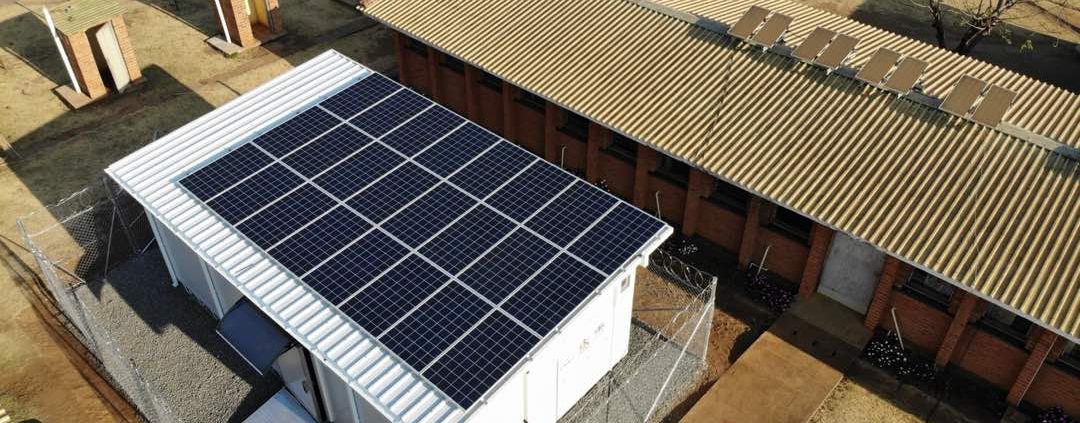
March 4, 2026
https://borgenproject.org/wp-content/uploads/borgen-project-logo.svg 0 0 Jennifer Philipp https://borgenproject.org/wp-content/uploads/borgen-project-logo.svg Jennifer Philipp2026-03-04 03:00:282026-03-04 00:15:44Renewable Energy in Kyrgyzstan
Electricity and Power, Global Poverty

Micro-Hydro Power Stations in Nepal’s Villages

Micro-Hydro Power StationsNepal’s mountainous terrain and abundant water resources make off-grid electricity a persistent challenge for rural villages. Indeed, many remote communities remain outside the reach of the national grid, relying on kerosene lamps or wood fuel for lighting and basic energy needs. Micro-hydro community power stations in Nepal’s mountain villages offer a promising alternative, generating small amounts of renewable electricity from local rivers and streams to directly power homes, schools and small businesses.

This decentralized approach expands electricity access in areas where extending grid infrastructure would be prohibitively expensive or technically difficult. Between 2007 and 2014, more than 400 micro-hydropower plants were built under Nepal’s Micro-Hydro Village Electrification Program. These projects brought reliable, clean power to hundreds of rural communities and helped nearly 625,000 people improve their quality of life.

The power stations in Nepal’s mountain villages harness community involvement, local labor and sustainable water flow. They reduce poverty, increase economic productivity and improve education and health outcomes in the country’s most isolated areas.

Expanding Electricity Access in Remote Areas

Micro-hydro systems in Nepal typically produce between 10 and 100 kilowatts of electricity, enough to power dozens or even hundreds of homes in mountain villages. These systems do not require large dams or reservoirs, making them well-suited for Nepal’s steep topography and numerous rivers. Communities work together to construct, operate and maintain these stations and many projects include local training on electrical systems management.

For example, community-owned micro-hydro plants supported by the Nepal Micro-Hydro Promotion project helped villages install turbine systems that replaced expensive diesel generators and provided light for homes and power for mills and small enterprises.

Boosting Local Economies and Education

Access to electricity through Micro-hydro community power stations in Nepal’s mountain villages has had clear economic impacts. In Darbang, a 51-kilowatt micro-hydro plant sparked local economic growth by powering poultry farms, metal workshops and other small businesses that now operate year-round. The community coordinated construction and operations, drawing on training and technical support from government programs such as the Alternative Energy Promotion Center.

Electrification enables local entrepreneurs to use electric tools and machines, which increases productivity and income. Families who previously relied on manual labor and inefficient fuels now have access to power that supports income-generating activities and reduces the time spent on chores such as fetching firewood.

Reliable electricity improves education by enabling students to study after dark and powering classrooms with lighting and digital equipment. Community clinics can store vaccines and run basic medical devices, which enhances public health outcomes. Micro-hydro plants also displace kerosene and wood-burning fuels, reducing indoor air pollution that contributes to respiratory illness.

Community Ownership and Sustainability

Micro-hydro community power stations in Nepal’s mountain villages are often built and operated by locals, with support from organizations such as UNDP and the government’s rural energy programs. This model prioritizes community management, with members taking responsibility for operations, maintenance and tariff collection to sustain systems in the long term.

Micro-hydro community power stations in Nepal’s mountain villages illustrate how decentralized renewable energy systems can bridge gaps in electricity access where national grid expansion remains limited. These projects power homes, support economic activity, improve education and health and empower communities to manage their own energy futures. As Nepal continues expanding renewable energy solutions, micro-hydro power offers a scalable way to reduce energy poverty in some of the country’s most remote locations.

– Shahzeb Khan

Shahzeb is based in San Ramon, CA, USA and focuses on Business and Global Health for The Borgen Project.

Photo: Unsplash

February 17, 2026
https://borgenproject.org/wp-content/uploads/borgen-project-logo.svg 0 0 Hemant Gupta https://borgenproject.org/wp-content/uploads/borgen-project-logo.svg Hemant Gupta2026-02-17 03:00:552026-02-16 23:52:54Micro-Hydro Power Stations in Nepal’s Villages
Electricity and Power, Global Poverty, Women and Children

How Power Outage in Ukraine Affects Mothers and Children

How Power Outage in Ukraine Affects Mothers and ChildrenAs temperatures drop across Europe, including in Ukraine, the country continues to experience serious disruptions to its power infrastructure. These disruptions have ripple effects in Ukraine, particularly for mothers and children, including newborns. In January 2026, temperatures in Kyiv dropped as low as 5 degrees Fahrenheit.

As of January 2026, about 80% of Ukraine is experiencing emergency power cuts. These outages have left roughly 15% of residential buildings in Kyiv without heating. The power cuts are caused by damage to Ukraine’s energy infrastructure, worsening the country’s energy crisis throughout the winter. The severity of Ukraine’s winter, coupled with continued attacks on energy infrastructure, has increased the challenges families face in staying warm, particularly mothers and children.

Health Impacts of Power Outages

Ukraine’s winter conditions are difficult for most people, but for children and newborns, they can be especially dangerous. Without reliable power and heating due to outages, newborns and children face increased risks of hypothermia and respiratory distress.

For mothers and pregnant people, power outages create additional barriers to accessing adequate health care. Much medical equipment, including incubators and neonatal devices, has become unusable, resulting in a higher proportion of high-risk pregnancies and deliveries.

Power outages during winter also affect the mental health of children and mothers. Extended darkness, lack of heating and limited sunlight contribute to psychological strain. Social isolation caused by reliance on remote learning has further affected the mental health of children in Ukraine.

Man-Made Warmth

There are ways to mitigate extreme cold and address power outages in Ukraine. One approach is shifting aid efforts toward generating warmth. Providing emergency generators has helped offset energy shortages. For example, UNICEF has prevented complete shutdowns of essential services by supplying generators and solar power infrastructure, helping keep hospitals operational.

Man-made warmth also includes efforts to foster community and social interaction despite the cold. This is done through “warming tents,” which serve as community hubs where Ukraine’s State Emergency Service provides food and charging ports. These spaces also allow children to play with games and toys, offering psychological and social support.

While giving birth during power outages can be dangerous, donations that support emergency birth kits help reduce these risks.

Organizations such as the United Nations Population Fund (UNFPA) also provide mobile clinics to strengthen health care access in hard-to-reach communities. These emergency birth and sexual health kits, combined with mobile clinics, have helped reduce preventable maternal deaths.

Looking Ahead

Europe is known for harsh winters, but modern heating and electricity usually allow mothers to give birth safely and children to remain healthy. In Ukraine, widespread power outages have increased risks for mothers, newborns and children. However, with continued support from organizations such as the UNFPA, reproductive and sexual health services are expected to help reduce pregnancy-related deaths in 2026. Community spaces such as warming tents also help children experience a sense of normalcy during a difficult winter.

– Bernice Attawia

Bernice is based in London, UK and focuses on Global Health, Politics for The Borgen Project.

Photo: Flickr

February 12, 2026
https://borgenproject.org/wp-content/uploads/borgen-project-logo.svg 0 0 Precious Sheidu https://borgenproject.org/wp-content/uploads/borgen-project-logo.svg Precious Sheidu2026-02-12 07:30:412026-02-12 00:44:15How Power Outage in Ukraine Affects Mothers and Children
Electricity and Power, Global Poverty, Technology

Renewable Energy in Kiribati

Renewable Energy in KiribatiKiribati is a nation consisting of 33 islands in the Pacific Ocean lying directly along the earth’s equator in Micronesia. The territory gained independence from the United Kingdom in 1979. Kiribati’s location makes it the only country in the world that falls into all four hemispheres. Sitting on the International Date Line, it has the earliest time zone in the world. The country’s natural resources are coconuts and fish. Due to the threat of rising sea levels possibly engulfing the low-lying nation as a result of climate change, Kiribati has purchased land in Fiji for potential resettlement of its citizens (approximately 116,000 people). Still, the country continues to progress, improving its infrastructure, creating jobs and advancing its resilience to fluctuating climate conditions. The use of renewable energy can be key to Kiribati’s continued growth.

Kiribati’s Energy Challenges

As a developing nation in the remote continent of Oceania, Kiribati has distinct economic challenges. Among these is its ability to provide reliable, affordable energy to all of its citizens. Not only is Kiribati dependent upon imported fossil fuel (currently about 80% of its power comes from foreign oil) but energy distribution to its outlying islands is difficult due to their long ocean distances from the inner islands. Kiribati’s outer islands currently derive their energy from limited-capacity solar power systems and biomass (mainly wood).

Burning of biomass can release particulates and chemicals that can cause respiratory issues, heart problems and cancer. A lack of reliable, affordable energy can affect the health and well-being of island inhabitants. The use of renewable energy in Kiribati can provide a sustainable, economic solution to the country’s energy challenges and could push Kiribati’s current long-term growth rate from slightly over 2% to 4% and significantly reduce poverty.

Kiribati’s Energy Roadmap

In 2017, Kiribati developed an “Integrated Energy Roadmap” to address its energy dilemma. The roadmap defines a plan for making Kiribati’s energy supply not only more cost effective, but also greener, targeting a 22% reduction in fossil fuels. Reducing fossil fuel use will not only help to lessen the global carbon footprint but can also manifest social inclusion by providing affordable energy to all of Kiribati’s citizens. The country’s proposed strategy can help Kiribati to achieve energy independence and enhanced economic development by harnessing natural resources and utilizing indigenous workers. The energy roadmap includes strategic choices tailored to various islands’ characteristics. Plans for renewable energy in Kiribati include more efficient solar programs, wind power, biofuels and ocean energy.

The Green Hope Foundation

Kiribati has made progress towards its goal. The Green Hope Foundation has installed solar water distillation systems that purify seawater for drinking and agricultural use on several islands. Purification systems are essential as Kiribati’s groundwater is being depleted due to rising sea levels. Indigenous women help manage the facilities and educate their communities on water conservation. The distillation systems currently serve 1,900 people on three islands. Green Hope has plans to serve five additional communities of 6,500 individuals. Also in the works is a grid-connected solar photovoltaic project in Tarawa, the nation’s capital city that holds almost half of its 116,000 residents.

Other Types of Energy

Wind power holds promise for some of Kiribati’s islands. Kiritimati (also known as Christmas Island) has sufficient wind speeds to provide energy generation for its population of about 7,000 people. However, certain issues, such as noise, safety and the need to cut down coconut trees that provide much of the country’s income must be resolved prior to implementation.

Biofuel from coconut oil holds potential as nearly 80% of Kiribati’s land is covered in coconut trees. A coconut oil mill owned by Kiribati Copra Mill Limited in Tarawa has done trials mixing coconut oil with diesel fuel and with kerosene. The trials were reasonably successful, and commercialization is feasible in the near future. This biofuel could potentially be used across the country. 

Kiribati’s location and environmental conditions are optimal for ocean energy development. Indeed, the country’s energy roadmap includes plans for a 1-megawatt ocean thermal energy conversion plant. Testing and development have already occurred in South Tarawa. Though results demonstrated that such a plant would be feasible, it would require high startup costs and has logistical challenges such as the need for specialized vessels, ongoing maintenance, subsea cabling and material corrosion issues.

Outlook for Implementation of Renewable Energy in Kiribati

The use of natural resources for energy is an economical and environmentally friendly choice; however, implementation does not come without complications and challenges, including high installation costs. Kiribati and other developing countries do not always have the funds to build the required energy infrastructures. However, large-scale renewable power projects can attract investors who expect to receive a substantial return on their investment. The World Bank has contributed a considerable amount of funding, helping to enable renewable energy in Kiribati to become a reality.

Not only does Kiribati’s energy plan benefit the environment and help to accelerate its rise from poverty, but it also addresses social issues such as inclusion and women’s resilience. Indeed, Kiribati’s approach is a reminder that a well-thought out, inclusive policy to address energy challenges can have benefits far beyond the dollar.

– Debbie Barto

Debbie is based in Monroe, WA, USA and focuses on Technology and Global Health for The Borgen Project.

Photo: Flickr

January 31, 2026
https://borgenproject.org/wp-content/uploads/borgen-project-logo.svg 0 0 Jennifer Philipp https://borgenproject.org/wp-content/uploads/borgen-project-logo.svg Jennifer Philipp2026-01-31 01:30:062026-01-31 02:04:58Renewable Energy in Kiribati
Economy, Electricity and Power, Global Poverty

How Clean Energy in Kenya Is Powering Poverty Reduction

Clean Energy in KenyaWhen the sun sets over rural Kenya, darkness no longer marks the end of the day for many families. Clean energy increasingly influences daily life in communities that formerly relied on expensive fuel and smoky kerosene lamps. Children study after dusk, homes are brightened by solar lights and small businesses remain open later.

Renewable energy benefits the nation’s well-being and economy more than simply endorsing positive environmental pursuits. It actively supports poverty reduction in Kenya by expanding opportunities at the household level.

Expanding Clean Energy Access in Kenya

Millions of Kenyan families suffered from low productivity and bad health for decades due to energy poverty. Families spent a significant amount of their earnings on charcoal, firewood and kerosene. These fuels depleted cash and harmed people’s health.

Respiratory ailments were caused by indoor air pollution and opportunities for education and employment were limited by sporadic lighting. However, recent findings show how the nation has rewritten its past. Kenya has made great strides in expanding access to clean cooking and power through strong regulations and targeted infrastructure investments, according to a recent IEA assessment.

Kenya is positioned as a regional leader in economic and energy growth, thanks to its ambitious implementation plans. Its push for electrification using clean energy technology has put the country on track to achieve universal access to electricity by 2030. “Kenya is showing how the strategic deployment of clean energy technologies and electrification in end-use sectors can significantly improve the lives of millions of the most vulnerable people in the world,” stated IEA Deputy Executive Director Mary Burce Warlick.

A key contributing factor to this remarkable turnaround is the transition to clean energy. The nation is currently among the world leaders in clean power, producing more than 90% of its electricity from renewable sources. Large-scale initiatives like Lake Turkana Wind Power improved the country’s national grid and showed Kenya’s dedication to sustainable development.

Solar Power’s Impact in Kenya

This shift links clean power directly to long-term poverty reduction in Kenya by supporting inclusive economic development. Rural residents who would have had to wait years for grid connections can now get electricity immediately thanks to off-grid solar installations. Businesses like M-KOPA use pay-as-you-go methods to enable families to purchase solar systems with modest daily payments made with mobile money.

Millions of people now have dependable energy for the first time thanks to M-KOPA’s solar power connections to more than two million homes. Solar electricity facilitates exciting opportunities for people in Kenya. Parents may operate small home-run businesses, charge neighbors’ phones and extend store hours after dark with dependable electricity.

Reduced energy expenses provide free money for food, medical care and school tuition. Clean energy enhances pathways to poverty reduction in Kenya, enabling households to transition from a bare minimum existence to a more sustainable future, with potential for future investments. Additionally, clean energy enhances health outcomes, particularly for women and children.

Solar illumination reduces indoor air pollution and replaces kerosene lamps. Families are less likely to have fire hazards and respiratory issues. Furthermore, solar energy helps hospitals by supplying consistent illumination and refrigeration for vaccinations in isolated locations.

Final Remarks

The United Nations (U.N.) lists its Sustainable Development Goals, a notable aim being to ensure access to clean, affordable energy. Kenya’s journey toward sustainable energy is a story of possibility. The nation demonstrates that climate action and economic advancement can coexist by increasing access to reasonably priced renewable energy.

Clean energy today provides security, dignity and a practical way out of poverty for many Kenyan households.

– Prubleen Bhogal

Prubleen is based in London, UK and focuses on Good News, Politics for The Borgen Project.

Photo: Flickr

January 28, 2026
https://borgenproject.org/wp-content/uploads/borgen-project-logo.svg 0 0 Hemant Gupta https://borgenproject.org/wp-content/uploads/borgen-project-logo.svg Hemant Gupta2026-01-28 01:30:142026-01-25 23:25:00How Clean Energy in Kenya Is Powering Poverty Reduction
Electricity and Power, Global Poverty

Solar Electric Light Fund: Fighting Time Poverty With Solar Energy

Solar Electric Light FundHaving sufficient time is essential for maintaining and improving all areas of life, including health, employment, education and personal well-being. However, individuals around the world face significant time deprivations, often due to unpaid labor and challenges in meeting daily survival needs. Known as time poverty, it can be understood as the lack of discretionary time that individuals experience on a daily basis.

Time poverty is especially prevalent among women and children in developing regions who perform a disproportionate amount of domestic and unpaid work. This results in a compromised ability to engage in livelihood-improving activities, such as pursuing education, securing paid employment or engaging in self-development. As a result, breaking the cycle of extreme poverty becomes increasingly challenging.

While the reality of time scarcity poses challenges for these individuals and communities, fighting time poverty is a process deeply intertwined with the fight against energy poverty.

Understanding Time and Energy Poverty

The Solar Electric Light Fund (SELF) is a nonprofit organization dedicated to combating energy poverty by providing access to solar power where it’s needed most. The Borgen Project spoke with Bob Freling, the executive director of SELF, to gain a deeper understanding of the relationship between energy and time poverty and how solar power serves as a solution to both.

Energy poverty can be defined as the lack of access to safe and adequate energy. This condition directly fuels time poverty, particularly for rural communities disconnected from central power grids. In these energy-poor regions, the absence of reliable energy to provide necessities like clean water, electricity and fuel means individuals must go through a time-consuming process to gather the raw materials needed to produce these resources.

The task of gathering these materials often falls to the women and children within a household, becoming part of their daily domestic work. For lighting and cooking, women often gather firewood or coal to create fires. Similarly, households that lack access to clean running water often require the frequent retrieval of water from distant sources.

Often, this is a process that must be repeated multiple times a day and consumes several hours a week. The United Nations (U.N.) estimates that every day, women and girls collectively spend 200 million hours on water retrieval worldwide. In these contexts, fighting time poverty becomes inseparable from addressing energy access.

Women and Children Trapped in Poverty

This widespread loss of time among women and children engenders many social disadvantages. Particularly, these demands result in reduced economic participation among women. This tradeoff between paid and unpaid labor limits women’s ability to engage in their primary occupations and compromises the opportunity for income diversification.

As a result, these women are put into positions where they are likely to remain income-poor, contributing to ongoing cycles of poverty for themselves and their families. Freling told The Borgen Project, “Time itself is a form of power – and for many women, that power has been systematically taken away. Unpaid labor is often invisible in economic systems, but its impact is enormous.”

Indeed, though largely unrecognized, unpaid labor makes significant contributions to global and national GDPs. For instance, the U.N. estimates that this work accounts for 21.4% of the average GDP in Caribbean and Latin American economies. In addition to women’s challenges, children living in time-poor households may face similar time deprivations, often resulting in long-term consequences for their education and development.

To meet basic household needs, many children must participate in domestic and income-generating tasks. These needs often take precedence over education, negatively impacting school attendance and study time and in some cases result in complete withdrawal from schooling. This has adverse effects on these children’s future ability to attain paid employment.

In addition to working in the home, time poverty may also increase children’s participation in exploitative labor within public industries, harming their health and development.

Solar Electric Light Fund: Solar-Powered Solutions

According to Freling, SELF addresses these challenges of time poverty by “tackling the underlying energy gap.” As a solution, SELF has implemented solar-powered water systems within communities, making clean water easily accessible. Many of SELF’s solar projects produce significant time-saving effects for community members, particularly in the time spent on gathering water and fuel materials.

“What was once an hour-long journey becomes a short walk down the block,” said Freling. To reduce reliance on collecting firewood, SELF provides communities with access to clean cooking alternatives through its Solar Cooking Program. This program teaches women to cook and bake using solar-powered cooking methods within their own homes, as well as for entrepreneurial purposes.

With this reclaimed time that was once allocated to collecting raw materials, women can exercise more control over their time. Often, this transition is followed by increased economic participation and productivity. This program also provides direct employment opportunities, with many participants working in or launching their own solar cooking and baking businesses.

Impacts of the Solar Electric Light Fund

Freling explains the significant impact programs like these have on fighting time poverty: “Solar energy returns time. It gives women back hours that can be spent earning income, caring for their families, learning new skills or participating in community life.” He notes, “That shift may seem simple, but over years and generations, it’s transformative.”

Alleviation from domestic and economic tasks has similar positive implications for children and their education. As households gain access to solar cooking, clean water and reliable electricity, there is a reduced need for children to contribute to household survival needs. This reclaimed time provides children with the opportunity to attend school consistently, study at home and ultimately graduate.

As noted by Freling, energy access also supports child education by freeing up time beyond daylight hours. With improved lighting systems, children can continue to read, study and learn at home after dark. SELF enables this by implementing in-home solar power systems designed to be accessible to low-income families.

These shifts improve children’s well-being and enable improved educational outcomes, making individuals and communities better equipped to work towards collective and sustainable development.

Looking Ahead

Through SELF’s dedication to affirming energy access, solar energy is fighting time poverty. It continues to dismantle the systems that perpetuate it. For women and children in developing regions, the shift to clean energy is especially transformative. As it produces significant time-saving effects for these groups, it opens doors by enabling economic participation, educational attainment and improving the quality of life.

As Freling explains, “Energy is not valuable for its own sake. It matters because of what it enables: clean water, food security, education, health care and opportunities. Over time, those gains begin to dismantle the barriers that perpetuate poverty and inequality.”

– Quinlan Bohannon

Quinlan is based in Portland, OR, USA and focuses on Technology and Solutions for The Borgen Project.

Photo: Flickr

January 26, 2026
https://borgenproject.org/wp-content/uploads/borgen-project-logo.svg 0 0 Hemant Gupta https://borgenproject.org/wp-content/uploads/borgen-project-logo.svg Hemant Gupta2026-01-26 01:30:032026-01-25 22:43:13Solar Electric Light Fund: Fighting Time Poverty With Solar Energy
Page 2 of 15‹1234›»

Get Smarter

  • Global Poverty 101
  • Global Poverty… The Good News
  • Global Poverty & U.S. Jobs
  • Global Poverty and National Security
  • Innovative Solutions to Poverty
  • Global Poverty & Aid FAQ’s
Search Search

Take Action

  • Call Congress
  • Email Congress
  • Donate
  • 30 Ways to Help
  • Volunteer Ops
  • Internships
  • Courses & Certificates
  • The Podcast
Borgen Project

“The Borgen Project is an incredible nonprofit organization that is addressing poverty and hunger and working towards ending them.”

-The Huffington Post

Inside The Borgen Project

  • Contact
  • About
  • Financials
  • President
  • Board of Directors
  • Board of Advisors

International Links

  • UK Email Parliament
  • UK Donate
  • Canada Email Parliament

Get Smarter

  • Global Poverty 101
  • Global Poverty… The Good News
  • Global Poverty & U.S. Jobs
  • Global Poverty and National Security
  • Innovative Solutions to Poverty
  • Global Poverty & Aid FAQ’s

Ways to Help

  • Call Congress
  • Email Congress
  • Donate
  • 30 Ways to Help
  • Volunteer Ops
  • Internships
  • Courses & Certificates
  • The Podcast
Scroll to top Scroll to top Scroll to top