Solar Bottle Entrepreneurs
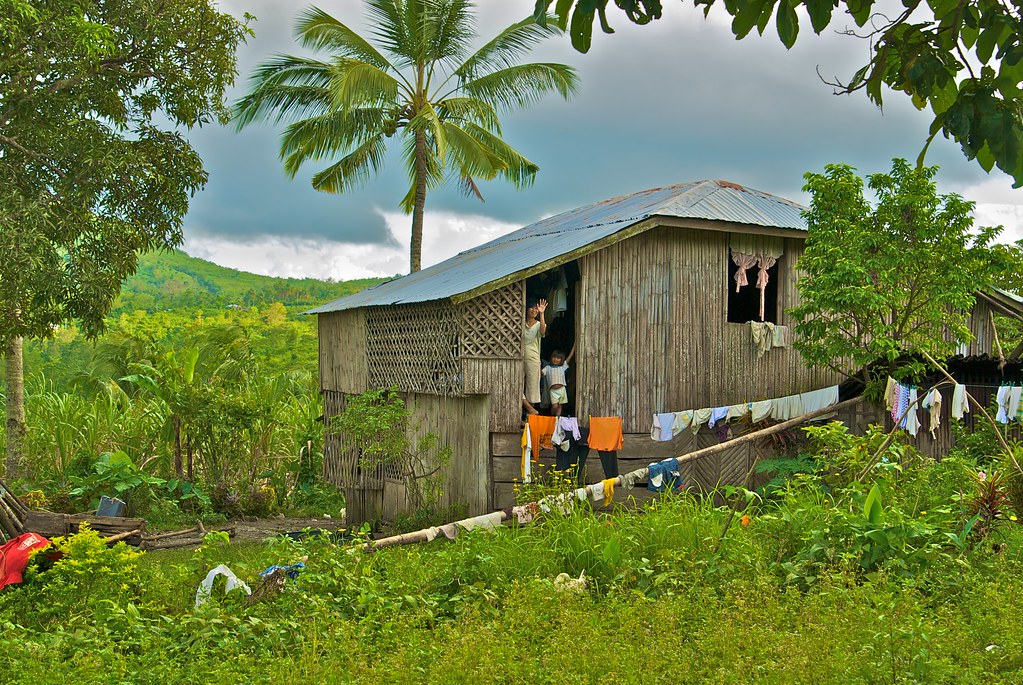 My Shelter Foundation is a Philippines-based organization that helps provide lighting to low-income families by using recycled plastic bottles as solar-powered light bulbs. Established in 2011, within 20 months of its launch, the company produced more than 350,000 bottled lights, with 150,000 of that figure benefiting households in the Philippines. This innovative project highlights how affordable solar lighting solutions can simultaneously combat poverty and reduce energy inequality.
This initiative focuses on the idea of using everyday materials found in poor neighbourhoods, allowing the bulbs to be constructed using simple skills. It is constructed by using a clear, plastic bottle filled with water and bleach. The bottle is then fitted securely into a hole in the roof, with part of it exposed to incoming sunlight outside. The water inside the bottle then refracts and disperses natural light below. This design can provide illumination equivalent to 50-60 watts, according to UNFCCC.
Alongside its clear environmental benefits, the Litre of Light campaign also plays a fundamental role in improving the quality of life in low-income communities.
Lowering Household Costs
The most significant impact of these improvised light sources is their ability to reduce household expenses. Currently, the average electric bill in the Philippines per month is ₱5,388 ($87.26). Yearly, this equates to a rough cost of $1,04. By providing affordable, energy-efficient lighting options, low-income families are able to reduce their electricity consumption and save money, often around an estimated average of $6 per month, according to UNFCCC.
Although this may seem like a small amount, it can make a significant difference for poorer households.
Families could redirect this money towards more essential needs, such as school supplies or transportation costs to schools, all of which contribute to improved educational outcomes.
Empowering Communities
Another less direct advantage of this project is that people can build it easily using only a few basic tools and materials. This means that people of all ages and skill sets can participate in assembling this energy product. Participants receive all the tools and materials they need to assemble the bulbs, as well as provide assistance with quality control during the first installations, according to UNFCCC.
This creates a strong community volunteer model that members can scale up effectively. This approach of large-scale implementation has already undergone tests with groups of up to 100 people, and in some cases as many as 300, helping to build hundreds of solar bottles in remote rural areas
The Future
The success of this initiative lies in its ability to contribute to poverty alleviation by creating new sources of income for low-income communities. This project has helped establish a market for solar bottle entrepreneurs, such as Mang Demi, enabling individuals with limited employment opportunities to build small businesses. Once unemployed and struggling to afford electricity bills despite having basic carpentry skills, Demi now earns up to $0.40 per installation, demonstrating how small-scale innovations can cultivate economic opportunities and relieve financial pressures, according to UNFCCC.
Ultimately, this simple innovation shows how small, accessible solutions can create meaningful change. By transforming everyday plastic bottles into a source of light, communities are not only lighting up their homes, but solar bottle entrepreneurs are also expanding opportunities to resist poverty.
– Sophia Lupo
Sophia is based in London, UK and focuses on Technology and Solutions for The Borgen Project.
Photo: Flickr
