5 Things to Know about Renewable Energy in Brazil
 Brazil is one of the largest energy markets in the world, and the largest energy market in Latin America. There are over 88 million consumers of electricity in Brazil, including residential, commercial and industrial consumers. With Brazil producing and consuming that much energy, renewable energy sources such as hydroelectric, solar, and wind power are incredibly popular throughout the country.
Renewable Energy Efforts
- Brazil is a world leader in renewable energy. The global average for renewable energy sectors is 25%, whereas renewable energy accounts for more than 80% of Brazil’s energy network, according to the International Trade Administration (IDA). Brazil also has one of the cleanest energy matrices in the world, with the vast majority of its energy production being renewable. For the most part, Brazil also focuses on domestic energy production, instead of outsourcing or importing their energy.
- The most popular form of renewable energy in Brazil is hydropower. In 2020, hydroelectric power produced 66% of all electricity generated in Brazil, which is five times more than the amount of electricity that fossil fuels produced. Most hydroelectric power plants operate in the Amazon River Basin, which is in northern Brazil. Brazil has more than 150 active hydropower plants.
- Plastic water bottles are providing energy. Several areas in Brazil still do not have reliable access to electricity. Some organizations, like Litro de Luz, are working to provide access to electricity through the use of recyclable materials. The organization uses these materials, including plastic bottles and PVC pipes, to create solar panels that function as lanterns or lamp posts. Litro de Luz focuses on low-income families in impoverished regions. Their inventive solar energy methods have provided reliable renewable electricity to more than 20,000 people.
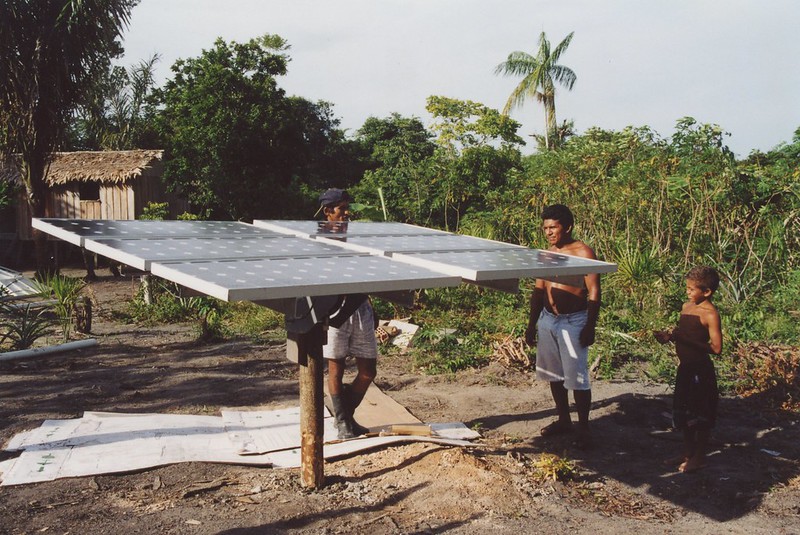
- While solar energy only accounted for less than 10% of energy produced in Brazil in 2020, it is rapidly becoming more popular as a renewable energy source, according to the U.S. Energy Information Administration (EIA). There has been a focus on providing solar energy in low-income areas due to the low cost of installation and upkeep. Organizations like ABSOLAR work with Brazilian solar companies and energy companies to promote the increased use of solar energy throughout the country. By 2030, Brazil hopes to have solar energy account for the majority of its power expansion.
- Wind turbines are another form of renewable energy in Brazil. The first wind turbine in Brazil began operations in 1992, and Brazilians have steadily increased the use of turbines since. The Brazilian Wind Power Association estimates that 16% of renewable energy in the country comes from wind power. There are also more than 1,100 wind farms in Brazil, both onshore and offshore. In addition to providing clean energy, wind power is also helping to provide jobs in Brazil. Each wind turbine installed creates roughly 11 jobs.
A Booming Industry
Renewable energy in Brazil is a booming industry. It provides thousands of jobs and access to clean, reliable energy to those in need. Brazil utilizes several renewable energy sources, including hydroelectric, solar and wind power. There are also many organizations working to make renewable energy available to everyone, such as ABSOLAR, Litro de Luz, and the Brazilian Wind Power Association. Renewable energy is helping to make electricity access affordable, reliable, and clean around the world. Brazil is steadily growing as a leader in this mission.
– Lizzie Mazzola
Lizzie is based in Raleigh, NC, USA and focuses on Technology and Solutions for The Borgen Project.
Photo: Flickr
