Powering Progress: Renewable Energy in Ghana
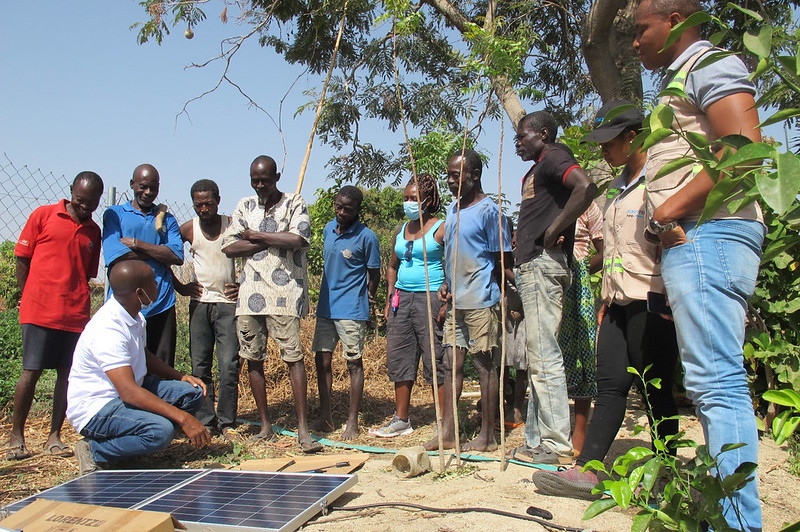 In 2019, the Government of Ghana, in collaboration with stakeholders including the Energy Commission of Ghana, the Ministry of Energy and international partners, launched the Renewable Energy Master Plan (REMP) designed to improve poverty reduction, job creation and economic growth. As the primary goal of the plan remains to reduce greenhouse gas emissions and achieve 10% renewable energy penetration by 2030, with a focus on solar, wind, hydro and biomass energy sources, it also seeks to attract investments and create jobs.
Economic Landscape in Ghana
According to the World Bank, Ghana’s poverty challenges have persisted since 1990, with periods of progress and setbacks. However, the COVID-19 pandemic exacerbated these issues, leading to a significant rise in poverty levels by 2020. In 2022, public debt in Ghana rose to 78.3% of GDP. As a result, Ghana faced worsening living standards which forced many people into extreme poverty. For instance, Statista data indicates that approximately 6.9 million Ghanaians were living in extreme poverty in 2024, surviving on less than $2.15 per day.
Renewable Energy in Ghana: The Potential
Renewable energy projects, such as REMP, could address broader socio-economic challenges such as job creation, which could reshape and improve the country’s economic landscape. Ghana’s abundant natural resources, including significant renewable energy potential in solar, wind, hydro and biomass, could enhance key aspects of socio-economic life, such as economic growth.
The country has made significant progress in advancing its renewable energy targets, leveraging its solar, wind, small-scale hydropower and biomass potential. A key contributor to this effort is the Bui Power Authority, which has installed 250 MWp of solar panels, significantly boosting Ghana’s solar capacity and supporting the national goal of increasing renewable energy in the energy mix.
Additionally, the Bui Power Authority is developing Africa’s largest floating solar farm, with a 50 MW project set for completion by 2024 and plans to expand to 250 MW by 2030. These initiatives, alongside the deployment of off-grid solar systems and mini-grids, have brought electricity to thousands of households in rural and underserved communities, aligning with the REMP’s objectives of promoting sustainable energy, reducing carbon emissions and improving energy access.
Furthermore, these projects have created thousands of jobs in construction, installation, and maintenance, positively impacting the job market and contributing to poverty reduction. Through these efforts, Ghana is demonstrating how strategic renewable energy investments can drive sustainable development, economic growth, and improved quality of life.
Impact on Ghana’s Job Market: Key Data and Outcomes
Ghana has prioritized direct job creation through labour-intensive activities such as construction and installation of renewable energy projects. This initiative has significantly impacted the job market, generating both direct and indirect employment opportunities. According to the International Renewable Energy Agency (IRENA) Annual Report 2025, the renewable energy sector has seen substantial employment growth, with solar energy projects contributing a significant percentage of jobs globally. Beyond direct employment, renewable energy in Ghana could improve job growth in related industries, including manufacturing, transportation, and logistics, as the production and supply of renewable energy equipment require substantial labour.
One of the most transformative aspects of renewable energy is the focus on skill development. In 2024, the Energy Commission started the Energy Academy, aiming to improve the skills of professional working in energy industry in Ghana, enhancing their employability in the growing green economy.
The Future
Renewable energy in Ghana has made significant strides in addressing economic challenges such as poverty, low employment rates and slow economic growth through job creation and professional training. As the renewable energy plans move forward, this global collaboration remains essential to achieving its goals, including the construction of advanced solar ecosystems and high employability rates, ultimately transforming Ghana’s job market and driving sustainable economic growth.
– Liubov Linnyk
Liubov is based in England and focuses on Business and New Markets for The Borgen Project.
Photo: Flickr
