Exploring the Economic Impact of Renewable Energy in Mali
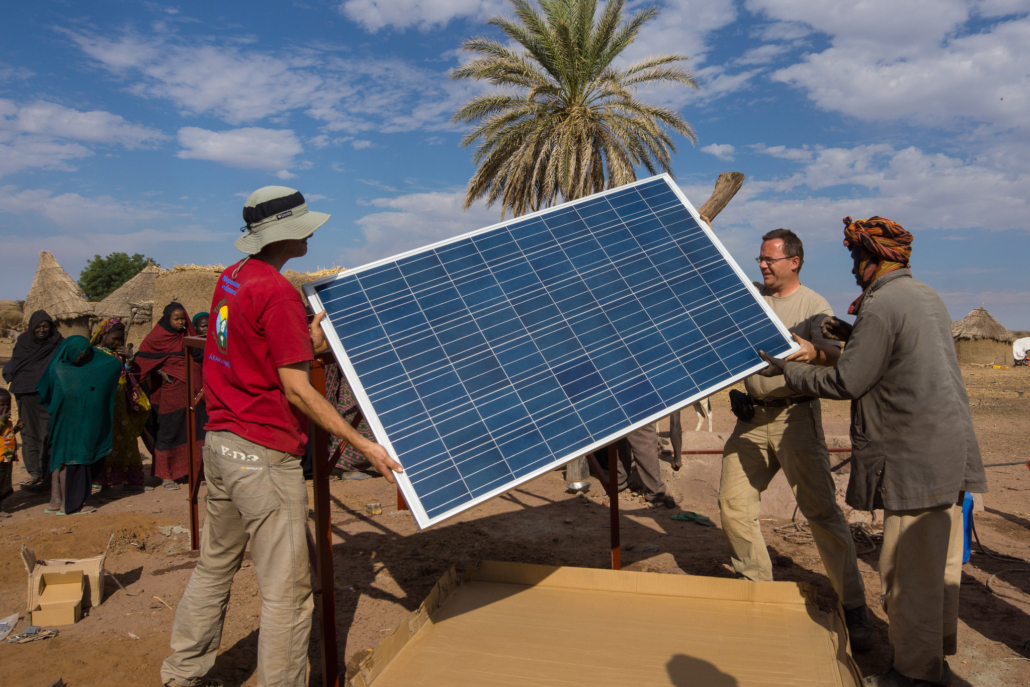
Many citizens in Mali, a Sub-Saharan desert country in Africa with a population of almost 24.5 million, struggle to afford energy, and simmer in poverty. In 2022, poverty rates hit 19.1%, meaning almost 20% of their population makes less than $2.15 a day. With their growing impoverishment, their government has decided to take initiative and implement renewable energy in Mali. Not only does renewable energy create a cheaper alternative for those who cannot otherwise afford it, but it also creates jobs for those who need them. A staggering 52% of the population has access to electricity, less than 5% have access to clean cooking, and as of 2023, the unemployment rate sits at 3.01%.
What is Renewable Energy?
In general terms, renewable energy is harnessed power that is derived from a continuously and naturally replenishable source, and is often a carbon-free source. Renewable energy sources include:
- Hydropower
- Wind Power
- Biomass
- Solar Energy
All of these create a form of electricity.
Today, electricity greatly enhances people’s lives, which they use for everything from evening illumination to laundry, food preparation, factory operation and even things like international communication. It is essential for raising living standards, promoting economic growth and reducing poverty.
How Does Renewable Energy Affect Mali?
Currently in Mali, the average lifespan is only 59 years. On average, 97 newborns out of 1,000 pass away before they turn five. About 80% of Malians lack proper sanitation, and many do not have access to safe drinking water. The population is growing at a pace of 3.2% each year, and 47% of Malians are under the age of 15.
In 2006, Mali’s government implemented the National Energy Policy, which is supported by its five main objectives:
- Improving access to energy
- The rational use of existing energy sources
- The efficient use of existing natural resources to produce energy
- Sustainable use of biomass resources through the conservation and protection of forests
- Strengthening government capacity and streamlining administrative procedures within the energy sector
These objectives aid in getting more electricity access across the continent, and also has the potential to create employment opportunities across the globe. According to the International Renewable Energy Agency (IRENA), transitioning to renewable energy in Mali is expected to “create 40 million additional jobs in the energy sector by 2050, with 18 million more jobs globally in renewables alone.”
Actions That Mali is Taking
Mali already has many jobs created for its citizens from these renewable energy projects. For example, in 2019, “ECREEE supported the Government of Mali in 2015 to develop a BOOT model tender for the development of grid-connected renewable energy projects.” From this BOOT (Build, Own, Operate, Transfer) model, a whopping 450 jobs emerged in Mali across the duration of the project.
The imminent arrival of these jobs can provide skills to allow workers to obtain future employment once it becomes available. However, in order for this initiative to work, there are several things being prioritized starting at early ages. With aid and funding from the U.S. Agency for International Development (USAID), the Education Development Center (EDC) has been able to provide a lot of help to the youthful Malians through the PAJE-Nièta— the Mali Out-of-School Youth project. These are the main pursuits of the project:
- Give young people access to basic education, training in entrepreneurship and technical instruction in the service and agro-pastoral sectors
- Teach volunteers to conduct business and basic education classes and to support program participants as they pursue entrepreneurship
- Teach young people how to use Stepping Stone, an app that the EDC created, to access basic education lessons on mobile devices
- Teach young people to start internal lending and savings organizations to support social and corporate loans
- Boost the current youth associations’ organizational capabilities to oversee and carry out project operations
Looking Ahead
In order to produce employees for future jobs, once renewable energy projects reach completion, creating skilled workers from the inexperienced youth is key to furthering the continent’s progression. Renewable projects in Mali will likely develop the country’s economy, improving the conditions its citizens live in.
– Taylor Naquin
Taylor is based in Gilbert, AZ , USA and focuses on Global Health for The Borgen Project.
Photo: Flickr
