• Link to X
  • Link to Facebook
  • Link to Instagram
  • Link to TikTok
  • Link to Youtube
  • About
    • About Us
      • President
      • Board of Directors
      • Board of Advisors
      • Financials
      • Our Methodology
      • Success Tracker
      • Contact
  • Act Now
    • 30 Ways to Help
      • Email Congress
      • Call Congress
      • Volunteer
      • Courses & Certificates
      • Be a Donor
    • Internships
      • In-Office Internships
      • Remote Internships
    • Legislation
      • Politics 101
  • The Blog
  • The Podcast
  • Magazine
  • Donate
  • Click to open the search input field Click to open the search input field Search
  • Menu Menu

Archive for category: Education

Information and stories on education.

Developing Countries, Education, Global Poverty

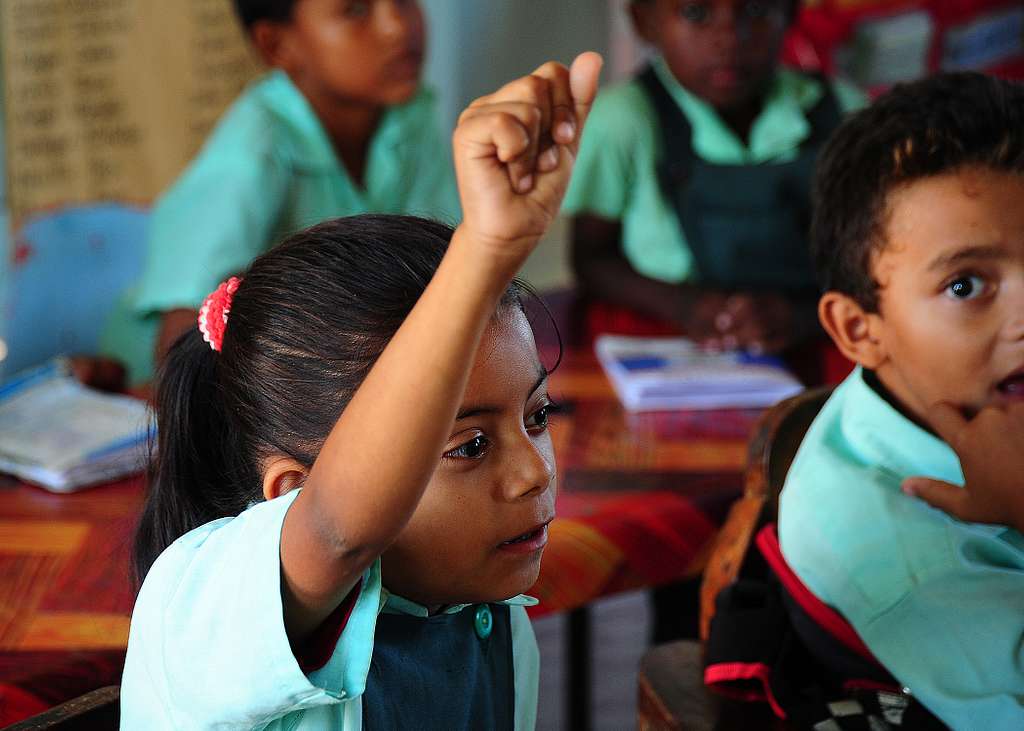
Hotel Con Corazón Has Heart for Latin America

Hotel Con CorazónHotel con Corazón opened its doors in 2008 after founders Onno Oostveen and Marcel Zuidhof agreed they wanted to impact the world. The pair decided to start their journey in Nicaragua, one of the poorest countries in Latin America.

Hotel Con Corazón’s Heartfelt Journey to Nicaragua

Oostveen and Zuidhof traveled to Nicaragua during a holiday in 2006. While there, they noted the lively potential for tourism and the lack of funding for education. By 2008, the pair had moved to Nicaragua and decided to support the local community by opening Hotel con Corazón. The pair now employs a fantastic team that supports the hotel and even employs teachers for schools.

Empowering Youths in Nicaragua, One Stay at a Time

Hotel con Corazón mission is to provide accessible education for children in need within Latin America. The World Bank has reported that 70% of 10-year-olds in Nicaragua cannot read or understand basic texts. The lack of education for children may result in a lack of earnings in the future. More than 60% of children in Nicaragua are living in educational poverty. Hotel con Corazón aims to give back the chance of a bright future for the youths of Nicaragua. It hopes that youths can stop the cycle of poverty for themselves and their families by doing this.

Since its first hotel opened to the public in Granada, Nicaragua, the hotel company has assisted 250 children annually through primary and higher levels of education. In 2024, the hotel group will have supported an estimated 4,000 children in completing their education. Hotel con Corazón invests 100% of its profits into local education. The hotel is aesthetically designed and boasts a swimming pool and a bar where guests can buy drinks and food. It also has two patios where visitors can relax and enjoy breakfast or lunch. Additionally, it provides free Wi-Fi and entertainment for guests.

Guest profits provide the hotel with funding to support extracurricular activities for youth and parental workshops. In addition to helping youth through education, Hotel con Corazón offers development and income opportunities to several Nicaraguans each year. It further supports the local economy by buying produce from the community and running a commercial business. The hotel group can support 22 employees in its Nicaraguan hotel, where it also offers development programs so that employees have access to further education for themselves or their children. The hotel has made several positive impacts on Nicaragua, supporting the country through poverty in as many ways as it can.

Outreach to Oaxaca

In 2018, the hotel group decided to expand its social impact. Therefore, it opened the first Hotel con Corazón in one of the poorest cities in Mexico. According to the World Bank, 26% of Mexican children are not enrolled in pre-primary education and only 57% of 10-year-olds can read. Oaxaca is rated the second lowest city in Mexico for its education levels. Hotel con Corazón’s Oaxaca branch continues a similar vision as it does in Nicaragua.

The company invests all profits from guest stays and purchases made in bars and its hotel shop into education at all levels in Oaxaca. The hotel supports the Oaxaca Learning Center, which runs a motivational program for 60-70 youths and funds educational costs for those who most need it. Hotel con Corazón is also partnered with Mundo de Talentos, a nonprofit organization that provides children with free occupational guidance. Mundo de Talentos originated in Chiapas, Mexico. In 2023, Hotel con Corazón funded the nonprofit to expand its reach to Oaxaca. This funding enabled the nonprofit to begin its annual program in Oaxaca with 40 students enrolled.

Additionally, Hotel con Corazón has created a learning space within Oaxaca, where young people can learn trading skills that they can use in hospitality work. It offers apprenticeships to unemployed youths who are also not in education and aims to help them find work they can enjoy. For the youths already in education, Hotel con Corazón offers apprenticeships where young people have the potential to train in its Oaxacan hotel.

The Final Resort

Hotel con Corazón has made impressive impacts in changing the lives of youths through education and supporting the countries it operates in through poverty. The hotel group’s latest mission is spreading love in Latin America. It plans to open 10 more hotels in the next 10 years. The aim is to regenerate its educational and motivational schemes for the poorest parts of Latin America that need the most help. It has already begun building three branches in Costa Rica and Mexico. By 2025, its newest branch will open for guests in Monteverde, Costa Rica.

– Raquel Smith

Raquel is based in London, UK and focuses on Business and Good News for The Borgen Project.

Photo: Hotel Con Corazón

May 25, 2024
https://borgenproject.org/wp-content/uploads/borgen-project-logo.svg 0 0 Lynsey 2 https://borgenproject.org/wp-content/uploads/borgen-project-logo.svg Lynsey 22024-05-25 07:30:542025-02-18 02:15:26Hotel Con Corazón Has Heart for Latin America
Children, Education, Global Poverty, Nonprofit Organizations and NGOs

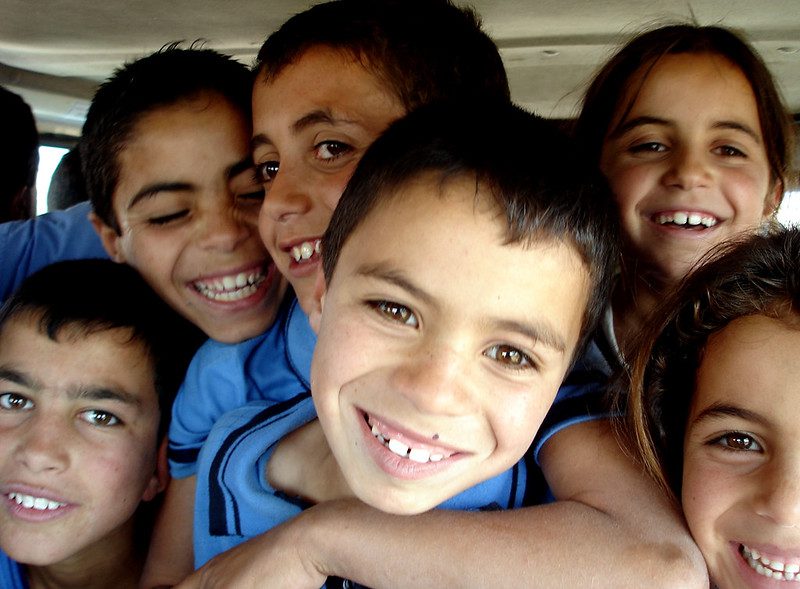
Working to Educate Impoverished Children in Moldova

3 Initiatives Aim to Educate Impoverished Children in MoldovaMoldova, nestled between Romania and Ukraine in Eastern Europe, faces significant challenges with more than 30% of its population living below the poverty line. Impoverished children in Moldova are particularly vulnerable, suffering from limited access to essential services and viable economic opportunities. To combat these issues, several international efforts focus on enhancing educational opportunities for these children. Initiatives by the Global Partnership for Education, Education Out Loud and the Education Quality Improvement Project aim to transform the educational landscape, providing the resources and support needed to lift Moldova’s children out of poverty through improved access to quality education.

Child Poverty in Moldova

More than 25% of Moldova’s population lives below the poverty line, with nearly one-third of this group being children. These children face numerous challenges including vulnerability to health risks from poor sanitation and inconsistent medical treatment. Additionally, despite measures to protect children, child labor remains prevalent, exposing working children to unsafe conditions and exploitation. This issue is particularly acute among minorities, such as Romani children and refugees. Furthermore, young girls face significant risks of child marriage and trafficking, with nearly one in five marrying before the age of eighteen.

Poverty significantly impacts a child’s access to education in Moldova, as unmet basic needs make education a lower priority. Humanium reports that almost one in 10 Moldovan children do not attend school, a rate that has risen recently due to the dependency of school attendance on family economic stability. The organization also notes that schools often lack necessary supplies. Additionally, the infrastructure for education is deprioritized and teachers frequently lack adequate training and credentials to provide quality education. This cycle not only stems from poverty but also perpetuates it by denying impoverished children access to education.

3 Initiatives Promoting Education

  1. Global Partnership for Education (GPE). Several initiatives, including the Global Partnership for Education (GPE), are actively working to improve Moldova’s basic education deficit. GPE’s goals are to expand access to education, ensure its relevance and develop, support and motivate teachers to provide quality education. It recognizes that proper education is crucial for enhancing children’s quality of life and preparing them for a successful future. The primary challenge in Moldova is a lack of funds. GPE has allocated a $23.5 million grant to be used through innovative financing strategies, which involve smart resource distribution. This funding encourages greater teacher involvement, enhances access to electronics and modern educational tools, establishes a more effective evaluation and monitoring system and includes educational programs for parents as well as their children.
  2. Education Out Loud. Education Out Loud, employing a budget of nearly $3,000, is similarly enhancing Moldova’s education system. This initiative, led by the Alliance of Active NGOs in the field of Child and Family Social Protection (APSCF), aims to fortify a capable and ready civil society that contributes effectively to the creation of inclusive and gender-responsive policies. A significant portion of this fund emphasizes strengthening inclusivity. It also ensures equitable access to education for impoverished children in Moldova and embraces diversity. The project supports policy development, raises awareness, fosters mentorship programs and amplifies the voices of stakeholders. Specifically, it targets advocacy efforts for children with disabilities and other minority groups.
  3. The Education Quality Improvement Project (EQIP). The EQIP project, with a budget of approximately $60 million from multiple grants, collaborates with the World Bank Group to enhance education through digitalization, increasing its resilience. It focuses on marginalized youths, including refugees and displaced Ukrainian children, aiming to provide them with equal opportunities. This goal could be realized by enhancing teacher practices, implementing a learning recovery program for disadvantaged students, improving the learning environment in targeted schools and preschools and developing institutional capacity to design, implement and evaluate education reforms and refugee response interventions.

Looking Ahead

Moldova’s commitment to enhancing educational opportunities through these initiatives sets a hopeful trajectory for its future. By prioritizing inclusive and quality education, Moldova is building a foundation that promises to lift children out of poverty and equip them with the tools necessary for long-term success. These ongoing efforts, aimed at breaking the cycle of poverty, hold the potential to transform the lives of thousands of children, ensuring a brighter and more prosperous future for the nation.

– Anna Williams

Anna is based in Burlington, VT, USA and focuses on Good News and Global Health for The Borgen Project.

Photo: Flickr
May 15, 2024
https://borgenproject.org/wp-content/uploads/borgen-project-logo.svg 0 0 Precious Sheidu https://borgenproject.org/wp-content/uploads/borgen-project-logo.svg Precious Sheidu2024-05-15 01:30:512024-05-15 01:28:51Working to Educate Impoverished Children in Moldova
Child Poverty, Education, Global Poverty, Health

Parent Education Improving Childcare in Rwanda

Childcare in RwandaChildren are among the most vulnerable, often suffering from life-threatening conditions as a result of a severe lack of economic and social resources. Consequences include malnourishment and limited learning opportunities, all related to poverty. Research has shown a link between children’s poverty and their childhood health as well as later health outcomes as adults.

Health Impact and Stunting

According to the United Nations Children’s Fund (UNICEF), approximately 38% of Rwandan children are stunted, meaning their cognitive, motor and language abilities are severely impaired. This is a direct result of a child’s early development in life, which plays a crucial role in determining long-term educational outcomes. Children who come from low-income households are three times as likely than those in wealthier households to experience stunting. This significant disproportion showcases poverty as playing an important role.

Home Environment and Childhood Development

The home environment and parents are significant in shaping early childhood development. According to UNICEF, only one in five parents in Rwanda engages in early childhood learning activities in the home. Children are also limited in their opportunities to attend preschool or engage in other educational learning opportunities. Malnourished children are at a higher risk of becoming stunted, limiting their learning ability in the future.

Government Action

To assist parents, UNICEF and the Rwandan government worked together to implement initiatives to improve childcare. In 2019, in collaboration with the Ministry of Gender and Family Promotion, The National Parenting Curriculum was commissioned, aiming to enhance parent education and familial support.

The National Parenting Curriculum also outlines initiatives to reduce stunting and malnutrition among Rwandan children. It emphasizes the need for childhood development to begin long before school starts. The document also stresses the role of parents in helping to support children further.

Parental education can help keep children engaged and improve their quality of life to keep them sustained and out of poverty.

On-The-Ground Solutions

Extensive strategies from the Rwandan government and advocacy organizations are helping to mitigate the dangerous impact of poverty on childcare in Rwanda. One such initiative fighting on the ground is the Children of Rwanda.

Children of Rwanda is a nonprofit supporting children unable to attend school in Western Rwanda. The organization works directly with local schools to provide bursaries to children struggling with education costs. In addition, families also receive health insurance. The foundation has empowered more than 250 children to return to their local schools.

Looking Ahead

According to a policy research paper published by the World Bank examining global trends in poverty among children in international poverty lines, the extreme child poverty rate was reduced from 20.7% to approximately 16% between 2013 and 2022. This underscores the importance of government collaboration with humanitarian aid organizations in improving early childhood development and eradicating child poverty.

Recognizing the need for reform and support can help increase awareness of the dangerous effects of poverty on the well-being of children. We can prevent poverty and it all starts with supporting the children of the future.

– Dominic Samaniego

Dominic is based in Fullerton, CA, USA and focuses on Good News and Technology and Solutions, Global Health for The Borgen Project.

Photo: Flickr

April 25, 2024
https://borgenproject.org/wp-content/uploads/borgen-project-logo.svg 0 0 Lynsey 2 https://borgenproject.org/wp-content/uploads/borgen-project-logo.svg Lynsey 22024-04-25 07:30:452026-04-16 09:59:56Parent Education Improving Childcare in Rwanda
Activism, Development, Education, NGOs, War and Violence

Combating the Drug Cartel Recruitment of Mexican Youth

Drug cartel recruitmentIn Mexico, drug trafficking endangers civilians of all ages through increasing crime and violence. Rampant cartel activity particularly impacts children. For example, due to increased cartel-related violence, schools are no longer safe spaces for young students to receive an education. In a 2012 national survey, 38.8% of the population chose school as one of the public spaces where they feel unsafe. Children are additionally at risk of drug cartel recruitment. This is because cartels seek unlikely suspects and easily dispensable members. If prosecuted, minors also are not charged as adults.

Targeting Impoverished Children

According to the Network for Children’s Rights in Mexico, organized crime groups recruited about 350,000 young people around the country, with around 400,000 finding themselves vulnerable to drug cartel recruitment. Cartels especially target impoverished children who live in tumultuous households, swaying them to join with the promise of economic gain and even a “sense of belonging.”

Reinserta is a non-profit organization in Mexico working to protect children from this growing issue. Founded in 2013, Reinserta offers education, job training and placement and mental health support for children facing crime and violence in Mexico in general. The organization supports youth in proximity to organized crime and drug cartel recruitment with research and reintegration efforts.

Research

Since its founding, the organization has conducted six research studies and reports on violence impacting adolescents in general. It has also conducted surveys to see the impacts of drug cartel recruitment of youth more specifically. The investigation explores the prevalence and gravity of cartels recruiting young members.

It has also hosted 89 interviews with minors in juvenile detention centers and found that 67 were part of cartel activity before their arrest. All the organization’s research and data from the organization is calling attention to a problem that continues to target children who are as young as 10. Reinserta recognizes that progress begins with a comprehensive knowledge and understanding of the issue at hand.

Reintegration

For youth who have already been involved in organized crime, Reinserta offers models of reintegration and rehabilitation. It works across 14 detention centers for youth, offering education and job training and placement services. Through its work, the organization saw that eight out of 10 participating youth continued studying or found a job after Reinserta’s programs. Some of the most common jobs the young people have found are in “gastronomy, styling, barbering, sewing, serigraphy, paramedics, radio and muralism.” In total, the non-profit has impacted over 1,300 adolescents who have been in prison, with a non-recurrent rate of more than 90%, according to its website.

As drug cartel recruitment in Mexico has increased in the past years, the work of Reinserta is becoming more critical than ever. Through its important research and reintegration initiatives, Reinserta operates as one of the Mexican non-profits making the most change for adolescents affected by violence today.

– Estelle Lee
Photo: Unsplash

April 13, 2024
https://borgenproject.org/wp-content/uploads/borgen-project-logo.svg 0 0 Naida Jahic https://borgenproject.org/wp-content/uploads/borgen-project-logo.svg Naida Jahic2024-04-13 01:30:002024-05-30 22:32:55Combating the Drug Cartel Recruitment of Mexican Youth
Child Labor, Development, Education

Education to prevent child labor in Bolivia

child labor In BoliviaIn Bolivia, “one of the poorest nations in Latin America,” children face alarming levels of monetary poverty, affecting 48% of children overall and disproportionately impacting 65% of indigenous girls. These figures starkly contrast with the high national poverty rate of 36.4% and an extreme poverty rate of 11.1% recorded in 2021. These circumstances fuel the widespread prevalence of child labor in Bolivia, with 286,890 children aged 7-14 working as of 2022, many of them working in the mining industry.

With global silver demand surging by 18% in 2023, mining companies are turning their attention to Bolivia, a country that formerly supplied 20% of the world’s silver. However, historical Spanish involvement in Bolivia’s silver mining has tarnished its reputation with exploitation. Consequently, efforts to prevent a potential increase in child labor in Bolivia and the mining industry are underway through educational initiatives led by organizations such as PASOCAP.

History of Mining

Cerro Rico, meaning Rich Mountain, towers over the city of Potosí and is famous for the world’s “richest silver deposit” discovered in 1545. During the Spanish conquest in 1532, the Spanish exploited indigenous expertise through the mita, a forced labor practice that resulted in a significant decline in the Andean indigenous population while funding the expansion of the Spanish empire.

Toxic dust and fumes exposed miners to perilous conditions, which earned Cerro Rico the name “The Mountain That Eats Men.” Estimates suggest that the forced labor at the mine claimed the lives of 8 million indigenous people and African slaves. Despite the arrival of the liberator Simon Bolivar in 1825, the mita persisted until its abolition in 1832, according to Kris Lane’s study.

Mining in Bolivia Today

Mining continues to be the primary economic activity in Potosí. However, with much of the wealth and resources already extracted, families face financial struggles, relying on the scant earnings from what remains of the plundered riches. In the past, UNICEF has stated that poverty and family breakdown are the primary causes pushing children into mining labor. Despite the Bolivian government’s classification of mining as one of the worst forms of child labor in Bolivia for its impact on health and education, according to a 2022 report, children are compelled to take risks and make sacrifices to support their families’ livelihoods.

Children who are as young as 15 have contracted silicosis, a lung disease that exposure to silica dust causes, resulting in symptoms such as fatigue, coughing, loss of appetite and death. ABC News reveals that a lack of investment and safety inspections has led to inadequate safety measures, including insufficient safety gear, power and ventilation. Additionally, miners face other hazards such as toxic gases, mine collapses, dynamite handling and electrocution from outdated machinery, according to a 2023 report. These conditions perpetuate a cycle of poverty and miners’ low life expectancy of about 45 years.

Education for the Elimination of Child Labor

Nadia Alejandra Cruz Tarifa, the Vice Minister of Equal Opportunities at Bolivia’s Ministry of Justice and International Transparency, shed light on the significant role poverty plays in driving child labor in Bolivia during her address to the 2023 Committee on the Rights of the Child.

During her speech, she emphasized the pivotal link between education and poverty elimination in Bolivia, stressing the prevalence of school dropouts as a significant challenge for the state. She applauded the effectiveness of the Juancito Pinto bonus, a government initiative that offers annual monetary incentives to students and their families, successfully encouraging millions to stay in school, OHCHR reports. By addressing financial struggles, this initiative allows students to pursue education rather than resorting to hazardous labor like mining.

The Work of PASOCAP

After a decade of dedicated effort, PASOCAP collaborated with the working children of Potosí, establishing a dedicated day of commemoration for the dignity of working children in the city on December 8. This milestone also includes the enactment of Municipal Law No. 419, regulating fund allocation for initiatives addressing protection and prevention issues concerning working children. PASOCAPS’s Casa NAT’s program enabled this achievement by empowering young children to act as agents of change, exercising their citizenship and contributing to sustainable development.

Among the institution’s many initiatives is the InterSol Program, which targets “families, guards, watchmen, children, adolescents and young people” living and working alongside Cerro Rico. It aims to empower individuals regarding their constitutional and labor rights through workshops, emphasising laws safeguarding children and women while disseminating strategies to combat child abuse and reduce child labor in Bolivia.

Another initiative, “Protagonists of Peace” supports children struggling with violence, social disadvantage and the direct impacts of mining activities. It aims to equip them with life skills, enhance opportunities and promote advocacy for their rights. The primary goal is to improve the living standards of children and families linked to mining through comprehensive training, empowering them to influence municipal policies. Additionally, the project prioritizes health and nutrition, ensuring access to primary health care services for participants.

Instead of consigning children to work in the mines of Cerro Rico, PASOCAP is providing them with opportunities to challenge the industry’s structures and develop skills that offer genuine and sustainable alternatives that break the cycle of poverty. The Cerro Rico silver mines provide a microcosm through which to examine the high rates of child poverty and child labor in Bolivia. Acknowledging the efforts of institutions like PASOCAP in protecting children is crucial in light of potential future mining activities in the country.

– Ben Miley-Smith
Photo: Wikimedia Commons

April 11, 2024
https://borgenproject.org/wp-content/uploads/borgen-project-logo.svg 0 0 Naida Jahic https://borgenproject.org/wp-content/uploads/borgen-project-logo.svg Naida Jahic2024-04-11 07:30:462024-05-30 22:32:55Education to prevent child labor in Bolivia
Education, Gender Equality, Global Poverty, Women and Female Empowerment

Udaan’s Efforts in Nepal: Giving Girls a Second Chance

Udaan's Efforts in Nepal: Giving Girls a Second ChanceWomen constitute more than half of Nepal’s population, yet they reside in a society where traditional norms frequently restrict girls’ access to education. However, Udaan’s efforts in Nepal aim to change this reality. The Udaan project, translating to flight or soar in Nepali, represents a transformative effort to educate and empower girls.

The Challenges Girls Face in Nepal

According to the Educational Equality Institute, societal norms, affordability issues and a lack of parental motivation hinder girls’ access to education in Nepal. Notably, 5.1% of Nepal’s population lived on $1.90 a day in 2022 and 20.27% lived below the poverty line in 2023. Poverty increases the likelihood of children, especially girls, dropping out of school. Approximately 18% of Nepalese children do not complete primary education, with girls making up 49% of this group. Parents often prioritize marriage over education for their daughters, believing they cannot secure jobs to support their parents in the future, unlike their sons. This mindset leads to many girls leaving school early, perpetuating cycles of poverty and inequality.

Transformative Education through UDAAN

Udaan has become a driving force for change, offering girls a chance to overcome societal barriers and chase their dreams. The project delivers comprehensive support through scholarships, mentorship programs and community engagement efforts. These scholarships pay for tuition, books, snacks and other educational expenses, eliminating financial hurdles and allowing girls to continue their education without interruption. Aimed at girls aged 9 to 14, Udaan features an intensive 11-month curriculum designed to challenge damaging social norms and provide a stable, secure environment for girls’ education. This enables them to catch up on missed education and rejoin the public school system within a year.

Udaan’s Efforts in Nepal: Shaping the Future

Beyond offering education to girls, Udaan also aims to prevent child marriage by providing quality education. This empowers them to make informed life decisions, secure sustainable jobs and support themselves and their families. As Udaan expands its impact, the outlook for girls in Nepal is bright. Empowering each girl to follow her dreams and contribute to her community, Udaan’s influence reaches well beyond the classroom, fostering a more equitable and inclusive society for future generations.

Looking Forward

Udaan’s comprehensive approach promises a brighter future for girls in Nepal, breaking the chains of poverty and gender bias. Udaan’s efforts in Nepal are pivotal to this mission. Through education and empowerment, this initiative paves the way for young women to achieve their potential and contribute significantly to their communities. The ripple effects of their success are bound to foster greater gender equality and economic development across Nepal. As these girls soar to new heights, they exemplify the transformative power of education in shaping societies.

– Erika David

Erika David is based in Union, NJ, USA and focuses on Good News and Technology and Solutions for The Borgen Project.

Photo: Unsplash

April 11, 2024
https://borgenproject.org/wp-content/uploads/borgen-project-logo.svg 0 0 Precious Sheidu https://borgenproject.org/wp-content/uploads/borgen-project-logo.svg Precious Sheidu2024-04-11 01:30:262024-04-10 16:40:26Udaan’s Efforts in Nepal: Giving Girls a Second Chance
Developing Countries, Education, Global Poverty

Educational Programs Combat Extreme Poverty

Educational ProgramsResearch has proven that education is a powerful tool in significantly reducing the effects of poverty. In addition, activists and those on the ground have begun to use educational programs to improve social mobility, especially in the most poverty-stricken countries where citizens endure extreme social and economic conditions.

Educational Disparities 

For many citizens, a lack of education could be the source of many factors, including marginalization and poverty. Inequalities arise according to an individual’s socioeconomic status and how far-developed a country is. In developing and developed countries, it varies whether or not the ruling government is stable enough to sustain an equitable education system for its citizens.

Poverty remains one of the more persistent barriers, a seemingly neverending cycle. Poverty perpetuates lower literacy rates and such limitations reap consequences. According to the United Nations Children’s Fund (UNICEF), more than “600 million children worldwide are unable to attain minimum proficiency levels in reading and mathematics, even though two-thirds of them are in school.” This is attributed to a need for more developed foundational skills, a direct result of poverty.

Educational Programs in Mitigating Extreme Poverty

Extensive measures from both government and community-based organizations are necessary to mitigate the direct effects of inadequate education on poverty. Such initiatives from the ground are critical because these communities work directly with those impacted by the effects of poverty. Nonprofit organizations provide educational materials and programs to the country’s most vulnerable and marginalized populations. That said, here are some educational initiatives working to end extreme poverty.

SEED Madagascar

Sustainable Environment, Education & Development (SEED) in Madagascar is a British nonprofit organization operating in Southeast Madagascar. According to its mission statement, this organization builds community and environmental resilience by focusing on critical elements, including education. One project the organization prioritizes is education infrastructure. In the Anosy Region, where the organization completes most of its projects, the chances of children completing primary school could be higher. Through its work, SEED Madagascar has already completed educational projects: repairing existing buildings, building new schools and providing facilities and furniture to schools that lack them.

What makes this organization stand out is the implementation of better health practices for the students who attend these schools. Students can expand and build their literacy skills while learning how to improve their health. According to a 2023 report conducted by the organization, “Programme Sekoly,” increased access to water, sanitation and hygiene resources and education for more than 400 students and more than 10 teachers in Sainte Luce Primary School. This action was taken to curb the spread of diseases and fatalities associated with inadequate access to water, sanitation and proper hygiene facilities, all of which are connected to poverty.

Pratham USA

This organization was founded in 1995 to provide education to Mumbai slums. It is recognized as one of India’s largest and most successful nongovernmental agencies. Pratham works extensively in developing initiatives that help bridge the gaps in the education system. Filling such gaps includes solutions based on technology, where children are experiencing increased access to digital learning options in their curriculum. According to an evaluation conducted by the program, around 80% of children could do basic arithmetic after six to eight weeks of instruction provided through a learning camp. Ultimately, the nonprofit has reached more than more than 75 million children and youth since its inception.

Looking Ahead

Government infrastructure is often severely limited in most underdeveloped countries. Recognizing and acknowledging organizations’ ground-level work in combating poverty may help increase awareness of education’s role in breaking poverty cycles. Just as a lack of education can cause poverty, education can also drastically change it. Education opens windows of opportunity related to achieving higher education and an increase in economic resources and jobs.

– Dominic Samaniego
Photo: Flickr

April 8, 2024
https://borgenproject.org/wp-content/uploads/borgen-project-logo.svg 0 0 Lynsey 2 https://borgenproject.org/wp-content/uploads/borgen-project-logo.svg Lynsey 22024-04-08 01:30:522024-04-07 13:56:00Educational Programs Combat Extreme Poverty
Charity, Developing Countries, Education

5 Charities Operating in Costa Rica

charities operating in Costa RicaCosta Rica is the most popular Central American country for tourists. People come from around the world to see its beautiful rainforests and beaches. However, like much of Central America, Costa Rica struggles with poverty and inequality. The level of poverty in Costa Rica has been increasing over the past few years. The studies estimate that over the past five years, poverty levels have increased by 2.3 percentage points. Some studies even state that a quarter of all Costa Ricans could have been living in impoverished households, as of 2022. This increased level of poverty is making society more dangerous for everyone. The number of homicides went up 40% between 2022 and 2023. As the situation worsens, these five charities operating in Costa Rica are more vital than ever.

SOS Children’s Villages

Children are an at-risk group in Costa Rica. In 2020, UNICEF found that “nearly 32% of all children and adolescents live in monetary poverty, of which 12% live in extreme poverty.”

SOS Children’s Village is helping some of the most vulnerable kids in society right now who struggle with poverty, child labor and violence and has been doing it since 1972. Currently, 190 kids attend the organization’s schools and kindergartens and 300 live in its care. The organization also created the YouthLinks program. This digital platform “connects young people with mentors in the country.” The mentors teach employable skills and job market advice to young people.

Cruz Roja

Cruz Roja operates in Costa Rica and is a part of the international Red Cross community. The organization has more than 5,000 volunteers throughout the country and has responded to an incident every minute in 2023.

The organization provides key medical services to Costa Ricans and has a fleet of around 600 ambulances operating in 122 communities around the country. Cruz Roja is also ready to provide humanitarian assistance in cases of natural disasters and has specialized units prepared to provide support in different environments and situations.

Hope Partners International

Hope Partners is a Christian organization that operates in Costa Rica. Its goal is to break the cycle of poverty and improve the lives of young people there.

Recently, the organization opened its first purpose-built facility in the Pavas neighborhoods in the capital San Jose. Pavas is one of the most deprived areas in San Jose where only 20% of residents have a high school diploma. The new facility will impact the lives of over 600 kids and it will provide a hub for Hope Partners to deliver their food and education programs.

Rahab Foundation

The U.S. Department of State recognizes Costa Rica as a Tier 2 country regarding its efforts to eliminate human trafficking, stating that the country “does not fully meet the minimum standards for the elimination of trafficking but is making significant efforts to do so.”

Founded in 1997, the Rahab Foundation helps victims of human trafficking and the sex trade. It provides many different forms of help for the victims including job training, legal advice and psychological care. The foundation provides care and various classes to victims and their children. Women are also offered “offered vocational training in micro-enterprise administration, baking, sewing, jewelry making, quilting and cosmetology.”

Sex trade victims and their families often find themselves in the cycle of poverty. The Rahab Foundation helps these victims recover and create a healthy lifestyle for themselves and their children.

Hogar Siembra

As of 2023, Costa Rica registered more than “30,000 domestic violence complaints over the past four years, with an alarming 10,000 cases reported in 2023 alone.” Founded in 1983, Hogar Siembra is an organization providing shelter to girls aged 12 to 18 who have suffered from abuse or domestic violence.

The organization provides various kinds of training to these girls, teaching them simple habits such as hygiene and providing English language courses. It also provides regular therapy and mental health check-ups, alongside work opportunities and academic education, ensuring to prepare young girls for their adulthood.

Hogar Siembra allows young women to not be defined by their abuse. It is helping these victims restart their lives and create a prosperous future for themselves.

Costa Rica is struggling with poverty and its effects. The work of these five charities operating in Costa Rica is helping at-risk groups create a poverty-free future for themselves.

– Richard Sartor
Photo: Flickr

April 6, 2024
https://borgenproject.org/wp-content/uploads/borgen-project-logo.svg 0 0 Naida Jahic https://borgenproject.org/wp-content/uploads/borgen-project-logo.svg Naida Jahic2024-04-06 07:30:062024-04-05 02:39:525 Charities Operating in Costa Rica
Education, Global Poverty, Health

Facts You Did Not Know about Period Poverty in the CAR

Period Poverty in the CARPeriod poverty constitutes a pressing global public health challenge many have often disregarded. It encompasses a lack of access to menstrual products, education and proper sanitation facilities. Although Period Poverty may sound cliché, its implications are far-reaching and often unrecognized. Despite significantly impacting millions of girls worldwide annually, the issue remains largely unaddressed by the media. Nowhere is this issue more acute than in the Central African Republic (CAR), where it compounds existing obstacles to accessing essential resources such as education and health care services. This article explores key facts about period poverty in the CAR. It highlights its harsh realities and stresses the urgent need for support and intervention.

Limited Access To Menstrual Products

Limited access to menstrual products in the CAR exacerbates challenges faced by women and girls, hindering their ability to manage their menstrual health effectively. The United Nations Children’s Fund (UNICEF) warned ahead of Menstrual Hygiene Day in 2014, highlighting the dire consequences of stigma, poverty and inadequate access to essential services such as toilets and water on menstrual health and hygiene for women and girls.

Particularly affected are the poorest, ethnic minorities, refugees and individuals with disabilities. Although menstrual materials are widespread, ranging from 81% to 100% across most countries surveyed, some rely on inadequate substitutes like paper or nothing. Additionally, access to private spaces for washing and changing varies greatly, with significant disparities between rural and urban areas and ethnic groups facing even more critical challenges and limitations in emergency settings.

The Educational Barriers

CAR significantly impedes educational opportunities for young women. One in four miss school due to substandard facilities for menstruation and a lack of menstrual education. This absence of proper menstrual hygiene management not only hampers students’ education but also perpetuates the stigma and shame surrounding menstruation.

Health Implications

The deficient management of menstrual hygiene poses significant health risks for young women. Insufficient menstrual hygiene increases the likelihood of infections and reproductive health issues, potentially leading to long-term health complications. Furthermore, poor menstrual hygiene can contribute to social stigma and discrimination, exacerbating the mental and emotional well-being challenges faced by young women.

Cultural taboos surrounding menstruation persist in the CAR, exacerbating challenges for women and girls. The enduring stigma attached to this issue fosters silence, further complicating the establishment of effective policies concerning menstrual health.

Additionally, economic disparities worsen period poverty, particularly affecting women and girls from low-income households. Affording menstrual products becomes a challenge, perpetuating a cycle of poverty that obstructs their opportunities for advancement.

NGO Interventions and Future Prospects

Nonprofit organizations (NGOs) actively assist girls and women in the CAR who face challenges due to period poverty. NGOs like Days for Girls are at the forefront, educating about menstrual health, distributing hygiene products and challenging stigmatizing beliefs surrounding menstruation.

Period poverty in the CAR is a multifaceted challenge demanding attention, awareness and unified action. Despite progress, sustained efforts and partnerships with local communities and the government are essential for lasting change.

– Jayde Andrews
Photo: Flickr

April 2, 2024
https://borgenproject.org/wp-content/uploads/borgen-project-logo.svg 0 0 Lynsey 2 https://borgenproject.org/wp-content/uploads/borgen-project-logo.svg Lynsey 22024-04-02 07:30:292024-04-01 05:28:49Facts You Did Not Know about Period Poverty in the CAR
Education, Global Poverty

Being Poor in Georgia

Being Poor in GeorgiaGeorgia, a country in the South Caucasus region, borders Russia, Turkey, Azerbaijan and Armenia. Major structural reforms mark its recent history since its independence from the Soviet Union in 1991. The country’s transition to a free-market economy allowed for persistent growth between 2010 and 2015 and a considerable reduction in poverty rates. However, being poor in Georgia means facing an uncertain future, the invasion of Ukraine and the impact of COVID-19, which are risks undermining the progress made by the country in recent years.

The government aims to reduce poverty despite harsh circumstances by combining targeted social assistance, fiscal policy measures and collaboration with the United Nations (U.N.) to eradicate extreme poverty as part of the 2030 Sustainable Development Goals (SDGs). Specific attention is paid to vulnerable population segments, such as women and children.

Poverty in Georgia

In 2022, Georgia’s poverty headcount ratio reached 15.6% of its population at the national poverty line, its lowest in history. As a middle-upper-income country, Georgia has made huge strides in reducing its poverty rate in recent years. The nation, however, faces some structural deficiencies. The World Bank reports that limited high-quality job creation persists. At the same time, a third of the population still relies on low-productivity agriculture for income.

Education in Georgia

Part of these structural issues stems from the state of education in Georgia. As a country, Georgia spends less than countries with similar Gross domestic product (GDP) on education. The United Nations Children’s Fund (UNICEF) pointed out that on top of low spending, bad resource allocation and low quality of teaching impair students’ ability to reach their full potential.

This is particularly true for students from rural and poor backgrounds, where completing upper secondary school is reported at 50% for rural students and 43% for students from poor backgrounds. Being poor in Georgia or from a rural area of the country means fewer chances of income growth through education. Thus, it is ostracizing already marginalized population segments from education-led social mobility.

Women and Poverty

Being poor in Georgia is not a condition equal across both sexes. Although poverty rates are similar among men and women, other sets of factors render women much more vulnerable to precarious situations. A U.N. report pointed out the large share of women who perform unpaid household work. About 49% of women cite unpaid care work as the principal reason for not having formal employment. This lack of revenue, specifically for poor women, exacerbates extreme risks of poverty as dependent upon the husband’s income.

Moreover, lack of formal work experience often leads to precarious job situations with a 14.7% hourly pay gap between men and women. In all, households headed by women are 20% more likely to face absolute poverty compared to male-headed households. This gender disparity also affects future generations; as the U.N. points out, children of poor households are more likely to remain in poverty; thus, gendered poverty undermines poverty reduction efforts.

SDGs 2030 and Georgia

Georgia, in 2015, committed to implementing the 2030 SDGs, setting 95 national targets to reach the 17 SDGs. Starting in 2015, Georgia identified its national strategy with the joint help of the U.N., producing numerous reports on the country’s growth and sectoral weaknesses. In particular, reports pointed out the prevalence of rural-to-urban income inequalities and the importance of social assistance to vulnerable population segments. These reports allowed targeted initiatives to accomplish SDG 1 on reducing extreme poverty.

For instance, in collaboration with the United Nations Development Programme (UNDP) and the European Union (EU), Georgia has implemented national strategies to render small to medium-sized businesses more sustainable and productive in rural areas. One of these success stories comes in the tea production area. The EU’s Innovative Action for Private Sector Competitiveness in Georgia, implemented with the help of the UNDP, has invested up to €5.7 million (approximately $6 million) in sustainable tea culture in the northern part of the country. This initiative has helped Georgian tea companies export to countries like Germany, growing income in rural parts of the country.

CARE International, an NGO working in Georgia

CARE International began its work in Georgia in 1992, supporting economic growth and civil society development amid the Soviet Union’s collapse. In 2008, CARE played a crucial role in supporting displaced persons as armed conflicts broke out in the region. The organization has since tailored its involvement to economic growth and implementing the 2030 SDGs in Georgia.

It emphasizes women’s empowerment in leadership and economic opportunities and support for rural households at risk of falling or already below the poverty line. CARE International has successfully reached 24,233 people, 57% of whom are women. The organization estimates its direct impact on implementing the 2030 SDGs since 2015 to have reached more than 100,000 people, reducing the likelihood of being poor in Georgia.

Looking Ahead

Georgia’s dedication to fighting poverty has shown encouraging results in the last decade. Although a range of structural issues related to education or women’s rights remain salient, the government’s commitment to improving the country’s population’s living standards sets it on the right track.

In December 2023, following an application to enter the EU, Georgia was granted candidate status, meaning the country meets the requirements and is eligible. This strengthening of EU relationships has prompted numerous cooperations in areas such as health care and economic partnership. With the ongoing process, Georgia’s decision to apply for EU membership is already bearing its fruits and helping eradicate extreme poverty.

– Felix Stephens
Photo: Flickr

March 30, 2024
https://borgenproject.org/wp-content/uploads/borgen-project-logo.svg 0 0 Jennifer Philipp https://borgenproject.org/wp-content/uploads/borgen-project-logo.svg Jennifer Philipp2024-03-30 07:30:312024-03-29 05:50:36Being Poor in Georgia
Page 32 of 241«‹3031323334›»

Get Smarter

  • Global Poverty 101
  • Global Poverty… The Good News
  • Global Poverty & U.S. Jobs
  • Global Poverty and National Security
  • Innovative Solutions to Poverty
  • Global Poverty & Aid FAQ’s
Search Search

Take Action

  • Call Congress
  • Email Congress
  • Donate
  • 30 Ways to Help
  • Volunteer Ops
  • Internships
  • Courses & Certificates
  • The Podcast
Borgen Project

“The Borgen Project is an incredible nonprofit organization that is addressing poverty and hunger and working towards ending them.”

-The Huffington Post

Inside The Borgen Project

  • Contact
  • About
  • Financials
  • President
  • Board of Directors
  • Board of Advisors

International Links

  • UK Email Parliament
  • UK Donate
  • Canada Email Parliament

Get Smarter

  • Global Poverty 101
  • Global Poverty… The Good News
  • Global Poverty & U.S. Jobs
  • Global Poverty and National Security
  • Innovative Solutions to Poverty
  • Global Poverty & Aid FAQ’s

Ways to Help

  • Call Congress
  • Email Congress
  • Donate
  • 30 Ways to Help
  • Volunteer Ops
  • Internships
  • Courses & Certificates
  • The Podcast
Scroll to top Scroll to top Scroll to top