• Link to X
  • Link to Facebook
  • Link to Instagram
  • Link to TikTok
  • Link to Youtube
  • About
    • About Us
      • President
      • Board of Directors
      • Board of Advisors
      • Financials
      • Our Methodology
      • Success Tracker
      • Contact
  • Act Now
    • 30 Ways to Help
      • Email Congress
      • Call Congress
      • Volunteer
      • Courses & Certificates
      • Be a Donor
    • Internships
      • In-Office Internships
      • Remote Internships
    • Legislation
      • Politics 101
  • The Blog
  • The Podcast
  • Magazine
  • Donate
  • Click to open the search input field Click to open the search input field Search
  • Menu Menu

Archive for category: Education

Information and stories on education.

Education, Global Poverty, Refugees

The Benefits of Supporting Refugee Students in Luxembourg

Refugee Students in LuxembourgFamous for its education programs, Luxembourg is among the best countries in which children can receive an education. From ages 4 to 16, education is compulsory and paid for by the government. The Luxembourg government pays for education to give younger people every opportunity to integrate into society, including children from immigrant families. Refugee students and asylum seekers are accustomed to receiving fully paid education upon their arrival in the country; institutions like the University of Luxembourg provide full-time services.

Refugees in Luxembourg

As of 2022, 11,952 refugees lived in Luxembourg. Among the many, these refugees arrive from countries such as Ukraine, India and Brazil, which are known to be home to corrupt officials and violent groups. Given circumstances such as the Russo-Ukrainian War and adverse climatic conditions globally, the benefits of refugees receiving an education that can help grow and develop a nation or build advocates to defend their homes are phenomenal.

Quality education has many advantages for refugee students in Luxembourg, including strengthening their ability to contribute to the host country’s economy and promoting a sustainable return to and reconstruction of their countries of origin. Luxembourg recognizes two categories of international protection status: refugee and subsidiary. Both of these categories grant their children a good education for their future status as citizens of Luxembourg and the country of origin. Education helps create a safe and stable environment for children and allows graduates to rebuild their countries and pursue productive, meaningful lives.

A Cosmopolitan of Educational Effort

Schools like the University of Luxembourg offer a more flexible and diverse learning environment. Every child is given a chance to succeed and the government focuses on diversifying school typing made available by educational programs to fit different profiles. The diversity of Luxembourg’s efforts can be seen as a learning growth and well-being, including children of different origins and cultures helps to build a structured system that allows them to benefit each other by sharing and discussing various ideas that can lead to a beneficial solution for everyone in a group setting or even an entire classroom. Initiatives such as the Diversity Charter help private and public schools reap the benefit of diversity by including outsiders and strengthening local cohesion.

Graduates Build a Better Future

Graduates will seek a way to live in a stable environment after school. Higher education and skills are a critical link between learning and earning. Young people who thrive and transition to pursue a sustainable future seek investment in abilities to strengthen protection and support efforts for their country of origin and build participation efforts for the benefit of their communities.

All students can benefit from a more prosperous academic program, enhanced social cohesion and resources that will develop into improved outcomes. Outcomes like social assistance are an excellent service for a graduate as they help deliver accommodations such as vouchers (EUR 225), health costs, social counseling and guidance for other refugees entering a new country.

Development of a Strong Economy

Once graduates finish school, quality education can lead to higher incomes, self-sufficiency and reduced aid dependency. The strengthened ability of refugee graduates helps contribute to the host country’s economies. It promotes a sustainable return to and reconstruction of countries of origin.

The underlying idea in economic thinking about education is that investing in individuals’ skills and knowledge increases their productivity in the workforce. Refugee graduates demonstrate this by enhancing societal standards by contributing their skills and participating in activities that help strengthen the economic framework of nations like Luxembourg, thus giving back to the community they have resettled in.

Without liquidity constraints, individuals could enlarge their resources by investing in the necessary educational activities up to the point that the cost of capital acquisition balances expected returns.

Equal Opportunities for Women and Children to Learn

Inclusion in European schools is a challenging task for young women and children due to cultural beliefs and systems that frown on certain members of the community going to school. Cultural standards are not the only issue with inclusion because of the protracted nature and scale of displacement. Refugee situations tend to last for years or even decades and these two groups will spend their school years in displacement.

When refugee women and children are included in national school systems, it is more likely to stem from formal accreditation and recognition of qualifications. This makes it easier for refugees to gain education, which also promotes social cohesion with host communities and improves equity in the educational outcomes of refugees and host communities.

Improved advocacy efforts for future refugees and asylum seekers: For future generations to arrive in countries like Luxembourg, it is crucial to have others speak for their rights and lives without fear or discrimination from groups that do not seem fond of allowing refugees or asylum seekers in their own country.

Students who enroll in programs focusing on human rights and programming will work toward protecting members of their community, such as by supporting the Red Cross migrant and refugee services. These services aim to care for migrants dealing with health issues, provide special needs services and protect victims of violence or trafficking.

Conclusion

Luxembourg is a country that welcomes those in need; it actively implores newcomers to pursue a better life away from the past and start a new beginning. Refugees and asylum seekers are not exempted from these benefits and the future of those depends on how education can impact the next generation living in a foreign country. As other European nations also welcome newcomers into their borders, Luxembourg remains one of the most educated European nations. Those who enter institutes in Luxembourg, both citizens and refugee students, seek to generate a better future.

– Jacob Barker

Jacob is based in Ames, IA, USA and focuses on Good News and Technology for The Borgen Project.

Photo: Flickr

July 4, 2024
https://borgenproject.org/wp-content/uploads/borgen-project-logo.svg 0 0 Lynsey 2 https://borgenproject.org/wp-content/uploads/borgen-project-logo.svg Lynsey 22024-07-04 01:30:462024-07-03 05:16:58The Benefits of Supporting Refugee Students in Luxembourg
Education, Global Poverty, Youth Unemployment

How Edtech Inspires Development in Kenya’s School Systems

EdtechEducational technology (EdTech) is revolutionizing learning in Kenya, intertwining traditional educational methods with advanced technological tools to enhance classroom experiences. As Kenya navigates through its educational reforms, the integration of EdTech has become a pivotal element in modernizing its educational framework. With a significant focus on foundational literacy and numeracy, these ongoing efforts aim to improve access, alongside ensuring quality and inclusivity in education across the nation.

Role of Edtech in Kenya’s Educational Reforms

Educators in developed and developing countries around the world use Edtech in their educational systems. Kenya’s educational system has experienced a variety of formats of school structures and organizations. Kenya’s recent transition to a competency-based curriculum has revealed improvements in its structure due to the aid of EdTech. Edtech Hub works closely with the Kenya Institute of Curriculum Development (KICD) to inspire and support the growth of education in Kenya. 

Broadening Access Through Innovative Solutions

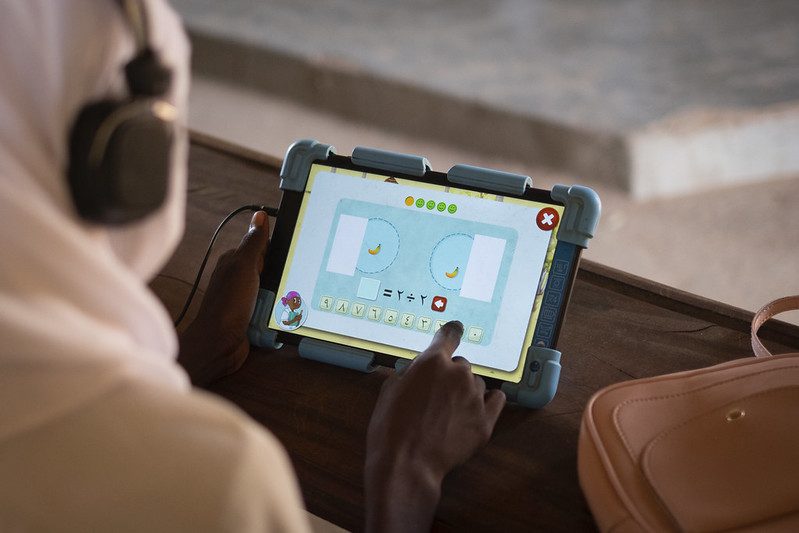
Edtech provides solutions and programs that increase access to digital devices and internet connectivity. The Kenyan government’s Digital Literacy Programme (DLP) aims to give public school students access to digital technology. This program is a fundamental part of facilitating the development of online learning and how much this bridges the divide between access and knowledge of information for students and teachers. Furthermore, many school districts in Kenya are underway to develop all-day internet access and sturdy electricity. The BRCK Education Kio Kit is a portable digital classroom that comes in a box, containing tablets, a Wi-Fi router and a solar charger, specifically designed for schools lacking reliable electricity or internet access. This innovative kit provides Wi-Fi routers and specially designed batteries to students across Kenya, giving them an equal opportunity to further their education despite the challenging weather and infrastructure conditions of rural Africa.

Enhancing Personalization Through AI

Eneza Education, a part of Edtech, utilizes AI technology to open new avenues of learning for individuals. Eneza Education is currently used in Kenya and provides a bite-sized curriculum to learners from 10 to 18, in Math, Science, English, Social Studies and other national curriculum topics.

AI in educational programs is used as a positive force through Eneza Education, as it allows for the personalization of learning experiences in a way that provides students with various needs and learning styles. Through adaptive learning algorithms, AI can analyze students’ strengths, weaknesses and learning styles to tailor educational content and pacing accordingly. This method of individualized learning in the classroom enables students to grow and learn at their speed, while also enhancing their understanding of the topics the teacher provides. These various AI platforms inspire development in Kenya’s school systems by improving learning and comprehension of topics while allowing students in Kenya to receive feedback on their learning within minutes.

Improving Quality and Collaboration

The quality of tablets and programs installed within digital learning devices has increased in Kenya due to the collaboration with Edtech devices. Edtech tools support inclusive education, including applications such as text-to-speech and screen readers for children, including youth with disabilities. Furthermore, EdTech inspires development in Kenya’s school systems by encompassing a variety of languages, enhancing student learning and accommodating Kenya’s linguistic diversity. Inclusive platforms such as Google Classroom and Microsoft Teams aid in collaboration processes among students and teachers. Microsoft Teams will continue to expand its work to bring last-mile wireless internet access to 20 million people in Kenya and 50 million people across East Africa by the end of 2025.  

The Impact of Edtech on Kenya’s Education

Edtech is inspiring development in Kenya’s school systems by enhancing access, personalization, and quality of learning in the classroom. With the aid of various EdTech programs, students gain greater access to technology and respective educational experiences. Additionally, the use of inclusive digital tools and collaborative platforms such as Google Classroom and Microsoft Teams enriches the learning environment, accommodating diverse needs and fostering teamwork. As Kenya continues to integrate Edtech into its educational system, it is poised to potentially secure a brighter, more equitable future for its students.

– Sophia Mokotoff

Sophia is based in Evanston, IL, USA and focuses on Technology and Solutions for The Borgen Project.

Photo: Flickr
July 3, 2024
https://borgenproject.org/wp-content/uploads/borgen-project-logo.svg 0 0 Precious Sheidu https://borgenproject.org/wp-content/uploads/borgen-project-logo.svg Precious Sheidu2024-07-03 07:30:502024-07-02 05:11:22How Edtech Inspires Development in Kenya’s School Systems
Education, Global Poverty, Women's Empowerment

5 Organizations Supporting Education for Girls

Supporting Education for GirlsEducation is a valuable tool that can help a child achieve future success. However, in some developing nations, it is a scarce resource, particularly for girls. In Pakistan, for example, 56.4% of girls were not in education, employment or training of any kind in 2021. A lack of education for girls is also a significant issue in Guatemala, where 44.3% of girls were not in education, training or employment in 2022. While these figures demonstrate that a lack of education for girls in developing nations is a significant issue, organizations are working tirelessly to ensure that all children are given the opportunity to learn, regardless of their gender or nationality. Here are five organizations supporting education for girls.

Stand By Me

Stand by Me is a charity based in the United Kingdom (U.K.).  The organization focuses on saving and caring for vulnerable children. Its “Stand by a Girl” program has made a difference in the fight for education for girls across the world, supporting a total of 3,800 children. The charity collects sponsorship money from members of the public, which is used to pay for books, teachers and other necessities that enable girls to flourish.

The charity remains involved in the lives of the children for an extended period, making sure that their needs continue to be fulfilled as they grow instead of only providing one-off assistance.

Campaign for Female Education

Campaign for Female Education (CAMFED) is another organization supporting education for girls. Based in Africa, it works in government-owned primary and secondary schools across developing nations like Zambia, Malawi, Ghana, Tanzania and Zimbabwe. CAMFED partners with communities across the continent to prevent any barriers to education girls may face. These barriers can include limited access to menstrual products and lack of money for school uniforms and other supplies.

The organization uses donations to pay for these items. Additionally, they provide girls with bikes and boarding to make it easier for them to travel to school or even remove the need to travel entirely. CAMFED has supported more than 9,000 primary and secondary schools and more than 500,000 students with secondary scholarships.

Malala Fund

Founded by Malala Yousafzai, the Malala Fund is making significant strides in ensuring that adolescent girls in developing countries, particularly in Bangladesh, have access to secondary school education. In 2022, the foundation initiated a groundbreaking project to secure 12 years of free education for girls in Bangladesh.

The Malala Fund is also doing important work in Turkey to improve school enrollment and retention rates for refugee children. It is estimated that around 40% of Syrian refugee children living in Turkey are not attending school.

WomenOne

WomenOne does valuable work in advocating for girls’ education. The organization raises awareness about the lack of educational opportunities for girls in marginalized groups. This also includes those with disabilities and young mothers. WomenOne also implements strategies to provide these girls with the chance to receive an education.

The organization has established a center in Kenya to support girls’ education, providing counseling, academic and emotional support and teaching life skills to help them thrive. WomenOne also empowers women and girls by working with advocacy organizations such as the Girls Not Brides Coalition, protecting women and girls’ right to learn and ensuring their voices are heard.

Girl Rising

Girl Rising supports education for girls in five countries, including Guatemala. The organization provides education for Indigenous girls in Guatemala by tackling educational barriers such as racism and misogyny. It works in collaboration with community organizations to help them learn to tackle these issues. In 2023, the initiative reached 340 adolescent girls in Guatemala.

Final Remark

While the fight for girls’ education in developing nations is not over, it is clear that many organizations are working hard to ensure that all girls have the chance to learn. From working with communities to break down barriers to raising money to provide resources that are desperately needed in developing nations. The contributions these organizations make are incredibly vital. They demonstrate that everybody has the power to change the world for the better.

– Sue-Joyce Headon

Sue-Joyce is based in Liverpool, UK and focuses on Good News and Celebs for The Borgen Project.

Photo: Flickr

July 3, 2024
https://borgenproject.org/wp-content/uploads/borgen-project-logo.svg 0 0 Lynsey 2 https://borgenproject.org/wp-content/uploads/borgen-project-logo.svg Lynsey 22024-07-03 07:30:242024-07-03 01:15:535 Organizations Supporting Education for Girls
Agriculture, Education, Global Poverty

How AVANTI’s Initiatives Lifted an Ecuadorian Town from Poverty

AVANTI's InitiativesNestled in the Andes mountains of Ecuador, the small rural town of Pistishi-Tolte or the Devil’s Nose, was once plagued by extreme poverty, with nearly all of its residents living in dire conditions. Deemed one of the poorest parts of Ecuador, most residents relied solely on agriculture to make a living, working day and night in the fields to scrape by. After witnessing these unfortunate circumstances, a local nonprofit organization, AVANTI, came up with a plan to lift the town out of poverty. AVANTI’s initiatives in education, agricultural innovation and community empowerment have significantly improved Pistishi-Tolte’s economic and social conditions. Through its efforts, the town has begun its journey to economic recovery.

AVANTI’s Education Initiatives

AVANTI saw how the lack of education structure impacted the community’s ability to find and hold down higher-paying jobs. It tackled this problem in three ways:

  1. It built the infrastructure to house educational opportunities, starting with a library and multiple schools.
  2. It worked on restoring and acquiring the proper educational equipment in the town. The nonprofit set up a computer laboratory in the library and provided educational materials for schools and nurseries.
  3. It organized and finalized educational programs, such as computer classes at the library and English and reading courses at the school and completed the special education programs.

This groundwork to improve education and literacy was set in place to improve employment rates due to better education and higher-paying skills.

AVANTI’s Agricultural Innovation

The NGO improved the overall farming experience for the existing agriculture system in Pistishi-Tolte. It also accomplished this goal in three ways:

  1. Its new school system implemented an agricultural training program. This program allowed for more effective and efficient training on technology and sustainable agriculture practices both in person on the field and in the classroom.
  2. It created and implemented an organic uvilla program. This technique was used to introduce crop rotation and organic farming to grow golden berries. By educating the farmers on organic farming methods rather than chemical-heavy traditional methods, the farmers gained confidence and saw results in better crops.
  3. It created a community to pool resources and share knowledge since farmers came from all over the town to receive education in these new methods.

These AVANTI’s initiatives increased food security and reduced poverty due to higher incomes from better crop yields.

Prioritizing Health in Community

One of the ways AVANTI empowered the community was by emphasizing health in the town. It focused on achieving this goal in two ways:

  1. Providing spaces to seek medical treatment or for health education. It built a primary care health center to give instant medical attention to critical cases and oversee medical brigades. In addition, by constructing the library and other community spaces, the community was able to acquire education on health and wellness to improve their lives.
  2. Providing access to aid: Bringing aid to families. It was able to transport life-saving health care items to homes, such as water filters, first aid kits and fire extinguishers.

These efforts set in place a system to improve the livelihood of all residents of Pistishi-Tolte.

Conclusion

AVANTI turned a town suffering from extreme poverty and being one of the poorest places in Ecuador into a thriving city out of poverty’s grasp. The nonprofit used infrastructure and systems in education, agriculture and community empowerment through health to achieve its goal. AVANTI provided safe places for the people to learn to improve their job pay, farm with sustainable practices to improve crop yields and get access to health care to improve their quality of life.

– Rachel Venable

Rachel is based in Berkeley, CA, USA and focuses on Good News and Global Health for The Borgen Project.

Photo: Pixabay

July 1, 2024
https://borgenproject.org/wp-content/uploads/borgen-project-logo.svg 0 0 Lynsey 2 https://borgenproject.org/wp-content/uploads/borgen-project-logo.svg Lynsey 22024-07-01 03:00:082024-06-30 10:42:49How AVANTI’s Initiatives Lifted an Ecuadorian Town from Poverty
Africa, Education, Global Poverty

Higher Education in Sierra Leone

Higher Education in Sierra LeoneSierra Leone is a low-income country on the West African coast that is still recovering from a decade-long civil war (1991-2002). The Ebola epidemic (2014-2016) only hindered Sierra Leone’s ability to bounce back, with children losing a year of schooling during this time. In 2019, 72.4% of Sierra Leone’s rural population lived below the poverty line and the adult literacy rate was 51%.

Gender Disparities in Sierra Leone’s Education Enrollment

Gender disparities exist in Sierra Leone’s education enrollment. For instance, in 2021, boys completed lower secondary education at a rate of 46%, while girls did so at a rate of 67%. Additionally, the United Nations Children’s Fund (UNICEF) reported that 27% of boys and 18% of girls completed upper secondary school.

A research paper published by IGI Global highlights the consistently low overall enrollment ratio in tertiary (higher) education in Sierra Leone from 1950 to 2010. It also reveals that from 1995 to 2010, the gender gap in higher education enrollment has widened.

Sierra Leonean students can only attend technical and vocational institutions or the University of Sierra Leone’s constituent colleges after finishing secondary school. As of 2020, 17 universities were registered with the Tertiary Education Commission (TEC) of Sierra Leone, along with 15 post-secondary institutions offering undergraduate degree programs through affiliation.

While the government has mainly focused on improving primary and secondary school attendance, the Ministry of Technical and Higher Education (MTHE) has also been focused on improving the quality of higher education in Sierra Leone.

Government Support for Higher Education

The Universities Act of 2005 reoriented higher education in Sierra Leone by supporting the establishment of private universities. There are at least 11 private higher education institutions in Sierra Leone that the TEC accredits. Many of these private institutions are affiliated with public institutions so that they can offer undergraduate degrees.

The MTHE offers students access to higher education through the government’s Grant-in-Aid and the Student Loan Scheme. Further, an Act of Parliament in 2001 instituted the Eastern Polytechnic and Milton Margai College of Education and Technology (MMCET) as polytechnics, ensuring that both institutions will focus on providing hands-on, applied education.

In 2023, the Minister of the MTHE, Dr. Ramatulai Wurie, outlined recent improvements in Sierra Leone’s higher education system and plans for further enhancements to the United Nations Educational, Scientific and Cultural Organization’s (UNESCO) Secretary-General. One notable improvement is the investment of 21% of the national budget in the Free Quality Education (FQE) program from 2018 to 2023.

Wurie emphasized President Julius Maada Bio’s objective to increase education funding. Wurie also stated that the government overall and the MTHE are improving “teaching methods, curriculum review… and youth empowerment.” UNESCO has also helped by providing support for the development of a National Science, Technology and Innovation Policy for Sierra Leone in 2022. Viewing middle manpower as crucial for Sierra Leone’s growth, Wurie emphasized the government’s commitment to strengthening the nation’s Technical Vocational Education Training (TVET) sector. This investment is aimed at boosting socioeconomic development and preparing the younger generation for the job market.

Higher Education Challenges and Solutions

Higher education institutions still need to update their academic programs to meet the current job market’s demands and the Assuring Quality Higher Education in Sierra Leone(AQHEd-SL) project is the first step toward doing so. In 2022, the AQHEd-SL pilot successfully helped develop curriculum review processes for eight post-secondary institutions in programs associated with health, science, technology, engineering and mathematics (STEM), management and agriculture. It also trained 37 quality assurance officers to work in universities and 450 university staff members in learner-centered teaching and critical thinking. The University of Sierra Leone led the AQHEd-SL partnership with many local partners, including Njala University and the University of Illinois Urbana-Champaign, U.S.

Establishing standard learning outcomes for programs in similar fields of study is another issue in Sierra Leone’s higher education system that needs to be addressed. Systems like credit transfer and standardizing qualifications across different institutions’ programs give students the flexibility to switch between different institutions across the country. The drafted National Qualifications Framework(NQF) is credits-based. It seeks to provide a form of standardization for learning programs in similar fields throughout different institutions within the country. According to the African Continental Qualifications Framework, Sierra Leone drafted a new NQF in 2024 and the document is being examined in a nationwide consultation process with stakeholders.

Higher education institutions have also complained for many years about political interference and requested more autonomy. Bio responded by using the Universities Act of 2021 to remove the role of Chancellor from all public universities. This legislation allows other citizens to be appointed in such a leadership position for public universities. There are also plans to address compliance concerns raised by the new leaders of the public universities by improving regulatory frameworks and providing more support for the new Chancellors.

– Elisabeth Nwasokwa

Elisabeth is based in Bellerose, NY, USA and focuses on Good News for The Borgen Project.

Photo: Flickr

June 29, 2024
https://borgenproject.org/wp-content/uploads/borgen-project-logo.svg 0 0 Lynsey 2 https://borgenproject.org/wp-content/uploads/borgen-project-logo.svg Lynsey 22024-06-29 03:00:252024-06-28 13:34:20Higher Education in Sierra Leone
Education, Global Poverty, Technology

Global Engineering Is Helping Impoverished Communities

Global Engineering Is Helping Impoverished CommunitiesThe field of Global Engineering is helping impoverished communities and making significant strides in addressing global poverty at two major U.S. research institutions. In May 2024, the Mortenson Center in Global Engineering and Resilience (MCGER) at the University of Colorado Boulder partnered with the U.S. Agency for International Development (USAID) to visit Armenia in West Asia. The goal of the visit was to improve water management and resources in impoverished Armenian communities.

Additionally, the Massachusetts Institute of Technology (MIT) recently established the K. Lisa Yang Global Engineering and Research (GEAR) Center, thanks to a $28 million donation from philanthropist Lisa Yang. The GEAR Center focuses on applying engineering research to benefit resource-strained communities.

What Is Global Engineering?

Research Universities like the University of Colorado Boulder believe that global engineering is the application of engineering tools and technology to provide equitable access to safe water, sanitation, energy, food, shelter and infrastructure. The university’s ongoing research projects have included delivering cookstoves and water filters to households in Rwanda to prevent disease and providing research analysis on the safety of reconstructed shelters for hurricane disaster relief in the Philippines and Puerto Rico.

Furthermore, in May 2024, the university visited Yerevan, the capital city of Armenia, to communicate and train with the Government of Armenia, local communities, students and faculty at Yerevan University on modern water management. University of Colorado Boulder also provided a program for Armenian students to understand water resource management, simulation modeling and data analytics.

Engineering is helping address the fact that billions of people worldwide face threats to their health due to poverty. At MIT’s new GEAR Center, a team of MIT researchers and engineers plan to utilize new technologies and science to face real-world global health issues. The team has already visited the Middle East and North Africa, providing water-saving and solar-powered irrigation solutions through exploratory field research.

The Future of Global Engineering?

The global engineering program at the University of Colorado wants to continue to evolve engineering education to adapt to the changing world. The program wants to train future engineers not just in science and technology but also in global development and equity. An interdisciplinary approach to the field of engineering means knowing how engineers can help global poverty reduction and improve the livelihood of people on a global scale.

At MIT, global engineering is helping a new generation of engineers apply research and design strategies to help impoverished communities and meet global challenges. “These talented young students, postdocs and staff have the potential to reach across disciplines — and across the globe — to truly transform the impact engineering can have in the future,” said Dean of Engineering Anantha Chandrakasan.

– Jacob Buckner

Jacob is based in Raleigh, NC, USA and focuses on Technology and Solutions for The Borgen Project.

Photo: Flickr

June 26, 2024
https://borgenproject.org/wp-content/uploads/borgen-project-logo.svg 0 0 Lynsey 2 https://borgenproject.org/wp-content/uploads/borgen-project-logo.svg Lynsey 22024-06-26 03:00:212024-06-25 04:15:47Global Engineering Is Helping Impoverished Communities
Economy, Education, Global Poverty

Unlocking Economic Opportunities With Education in the Congo

Education in the CongoThe Democratic Republic of Congo (DRC) boasts the world’s second-largest rainforest, a wealth of precious minerals and large crude oil reserves, the spoils of which most Congolese do not enjoy. In fact, two-thirds of the population lives below the poverty line, subsisting on less than $2.15 a day. This dire situation stems from a long history of sociopolitical turmoil. Additionally, ongoing violent conflict in the DRC has stunted economic growth and subjected citizens to prolonged instability and violence.

Furthermore, inhospitable conditions are most acutely burdensome for women, who face gender discrimination, early marriage, poverty and food insecurity. Women with little or no educational attainment are even more vulnerable to experiencing these issues. Humanitarian organizations are investing in programs to make high-quality education more accessible throughout the Congo. These efforts are instrumental in the fight against gender inequality and extreme poverty.

Education in the Congo

For underprivileged Congolese children, tending to crop fields is more routine than sitting in classrooms reading and writing. Beginning in the ’80s, parents had to pay tuition fees to send their kids to school. Then, in 2019, a new policy waived the cost of attendance, enabling more than three million children to enroll. While higher rates of young people attending school is an encouraging sign of progress, the education system in the DRC needs to be equipped to accommodate the influx; classrooms are overcrowded and instructors are overwhelmed.

Education Cannot Wait

Education Cannot Wait (EWC), the global fund for education in less-resourced areas, has stepped in to aid the DRC. The nonprofit is addressing teacher shortages, supplying psychosocial support services and training for educators and instituting nutrition programs at school. As of August 2023, EWC has built or rehabilitated 343 classrooms and trained 2,425 teachers. The inclusivity and protection component of its mission has facilitated the distribution of more than 3,000 female hygiene kits to girls and supports the monitoring of school performance.

Other Initiatives Supporting Education in the Congo

Another organization dedicated to increasing the universal availability of education in the Congo is the United States Agency for International Development (USAID), which has allocated $7.7 million toward improving classroom instruction. USAID works closely with faith groups, private institutions and international partners to provide greater academic resources for at-risk communities with low literacy rates and poor math scores. Its initiatives aim to equip schools with sufficient supplies like textbooks and higher-quality lessons in social and emotional skills, numeracy, soft and vocational skills and literacy.

The United Nations Educational, Scientific and Cultural Organization (UNESCO), partnered with the French Development Agency (AFD), is also conducting a four-year teacher training project in the Congo. One of the guiding motivations behind the program is to boost the presence of women in the educational profession, which may make school environments more welcoming for girls.

Final Remark

Certainly, investing in the education and empowerment of young Congolese will yield significant benefits for the DRC. It will advance the country’s efforts to eliminate extreme poverty and build a more prosperous future for its citizens. Enhancing the availability and quality of educational resources is the crucial first step toward these overarching objectives.

– Natalie Kaufman

Natalie is based in Orlando, FL, USA and focuses on Good News for The Borgen Project.

Photo: Wikipedia Commons

June 25, 2024
https://borgenproject.org/wp-content/uploads/borgen-project-logo.svg 0 0 Lynsey 2 https://borgenproject.org/wp-content/uploads/borgen-project-logo.svg Lynsey 22024-06-25 01:30:162024-06-23 13:46:14Unlocking Economic Opportunities With Education in the Congo
Education, Global Poverty

Whole Day School Improves Education in Croatia

Education in CroatiaThrough the improvement of education through vocational training and the Whole Day School, Croatia has managed a steady poverty index. While Croatia’s relative poverty index has remained relatively stable since 2018,  certain demographics within the country are more likely to live in poverty than others.

These demographics include the unemployed and the undereducated. Although some Croatians struggle with poverty and income, vocational training has become a steady remedy for these struggles. The most significant remedy is changes in education—both among students and teachers.

Programs Benefit Teachers and Students

Implementing programs that better the classroom for both students and teachers is a positive addition to communities in more ways than one. Education not only improves job opportunities but also makes a society more employable overall. Empowering individuals to become more involved in political and economic decisions, increasing income and productivity and fostering cohesion in social aspects are all the ways that education helps to eliminate poverty.

While Croatia has had its dips and changes in the poverty index, it has been relatively stable in the past couple of years because of the implementation of educational changes in both its vocational training and early childhood development years.

Whole Day School and SEE

In 2021, the Deputy Prime Minister and the Minister of Finance, H.E. Zdravko Marić and the World Bank’s Country Manager for Croatia, Mr. Jehan Arulpragasam, approved a Loan Agreement for Croatia: Towards Sustainable, Equitable and Efficient Education Project (SEE Education). This project aims to strategically strengthen school infrastructures, improving learning environments for Croatian students. The project will do this through Whole Day School, which improves students’ learning outcomes.

Whole Day School supports the reform of the schoolroom, which is necessary for both the teachers and the students. Teachers are required to have “increased instructional hours and improved teacher training.” Fine-tuning the credibility of this ensures that students are learning in a productive environment and that teachers are receiving the most they can out of their jobs.

In addition, the Whole Day School has set the school day to align with the windows of the work day. Parents whose students are now going to school can alleviate the stress of their labor market demands as their children are safely in school while they are working.

Vocational Educations

While there have been improvements in the educational sector for children, teachers are also reaping the benefits of these reforms. Croatia is making sure that “vocational education training is more relevant to the labor market.” According to the Organisation for Economic Co-operation and Development (OECD), teaching is a first-choice career for 67% of teachers in Croatia. Many of these teachers (at least 91%) “cite the opportunity to influence children’s development or contribute to society as a major motivation” to entering this labor market.

Final Remark

With a combination of increased instructional hours and a system such as the Whole Day School model that benefits not only the students but also the parents, Croatia has seen a remarkable change in its educational institutions in the last 30 years.

– Hailey Nurry

Hailey is based in Pennsylvania, USA and focuses on Business and Good News for The Borgen Project

Photo: Flickr

June 23, 2024
https://borgenproject.org/wp-content/uploads/borgen-project-logo.svg 0 0 Lynsey 2 https://borgenproject.org/wp-content/uploads/borgen-project-logo.svg Lynsey 22024-06-23 01:30:192024-06-21 08:58:48Whole Day School Improves Education in Croatia
Education, Global Poverty, Health

Where There Is No Doctor: Providing Health Care Education to All

Health Care EducationFor more than 50 years, Hesperian Health Guides has provided health care education to remote communities, aiming to address and reduce the global health disparity.

The Scarcity of Health Care

With advances in technology and medicine contributing to the increase of global life expectancy, there remains a persistent disparity in access to quality health care between higher and lower-income countries. According to a 2020 study conducted by the World Health Organization (WHO), there is only one doctor for every 3,324 people in Africa. In contrast, in Europe, there is one doctor for every 293 people.

The varied distribution of people versus health care workers highlights the scarcity of adequate health care in some regions of the world. To achieve universal health coverage, organizations like Hesperian Health Guides are providing health care education to rural areas where there is little to no access to doctors.

Where There Is No Doctor

Following his experience of working at Project Piaxtla, a primary health care program operated by disabled village health workers in western Mexico, David Werner wrote and published “Where There Is No Doctor (Donde No Hay Doctor)” alongside his colleague Jane Maxwell. It is the first health care manual to consider the people of low-income and rural settings. Originally published in Spanish, “Where There Is No Doctor” explained complex health topics in a comprehensible language.

Since the 1973 publication of “Where There Is No Doctor,” Hesperian Health Guides has issued more than 40 titles to 221 countries. Its books, which have been translated into more than 85 languages, explain topics such as general health, women’s health, children’s health, environmental health, disabilities, health rights and advocacy and more. With each book taking about four to 10 years to complete, the nonprofit continuously updates and revises its handbooks.

Making a Global Impact

Pivotal stakeholders in global public health commend the accuracy, accessibility and clarity of Hesperian Health Guides. For example, since the ’80s, every Peace Corps volunteer has been supplied with copies of Hesperian handbooks. Through donations, the Hesperian distributes its books to various community health workers, including missionaries, midwives, teachers, community organizers, nonprofit organizations, health educators and government agencies.

Each stakeholder utilizes the Hesperian Health Guides to address the health concerns of their community while actively reducing the global health disparity. According to its 2023 annual report, Hesperian Health Guides has helped about 2,700,000 people. For those with access to the internet, the organization’s free HealthWiki has been providing health care education to more than 36 million people since the website’s launch in 2011.

Conclusion

With the recent decrease in access to essential health services, global health inequalities persist. Vulnerable populations with low levels of access to health care suffer the most as they are exposed to more health risks. Efforts to increase equitable access to health care are crucial to reducing the global health disparity. By providing health care education to rural communities, Hesperian Health Guides addresses global public health inequities in an effort to better the personal, community and environmental health of all.

– Naima Rasheed

Naima is based in New York, NY, USA and focuses on Good News, Global Health for The Borgen Project.

Photo: Flickr

June 13, 2024
https://borgenproject.org/wp-content/uploads/borgen-project-logo.svg 0 0 Lynsey 2 https://borgenproject.org/wp-content/uploads/borgen-project-logo.svg Lynsey 22024-06-13 07:30:352024-06-12 09:20:17Where There Is No Doctor: Providing Health Care Education to All
Developing Countries, Education, Global Poverty

Inclusive and Quality Education in Ghana

Quality Education in GhanaThe Sustainable Development Goals (SDGs) represent a global commitment to eradicate poverty and promote peace and prosperity. SDG four focuses on quality education. It aims to ensure inclusive and equitable education for all and to foster lifelong learning opportunities. Ghana has made significant strides in its pursuit of quality education, achieving near-universal access to basic education.

Since 2000, Ghana has had a gross enrollment rate of more than 100%. It has attained gender parity in primary education, with notable, though more modest, gains in secondary education. The country has provided an effective educational environment through several policies and strategies, one of which includes its Inclusive Education (IE) policy framework.

Inclusive Education (IE) Policy Framework

Ghana’s IE policy goes beyond the concept of physical location, embodying core values that promote participation, friendship and interaction. This policy acknowledges Ghanaians’ diverse educational needs and requires all stakeholders in the education sector to address these varied needs. This policy was established to ensure the full inclusion of people with disabilities (PWD).

Ghana’s educational sector was surveyed to gauge public perception of inclusive education to measure the impact of the policy. The survey analysis revealed progress in the enrollment of children with special educational needs (SEN). Additionally, students without disabilities have become more accepting of their special needs classmates. This progress is attributed to ongoing orientation on the IE Policy, capacity-building activities related to IE practices and sensitization on inclusion and diversity at all levels.

The Free Senior High School Program

Fee removal has become a popular policy to improve access to secondary education, with Ghana being among the countries implementing this practice. The Free Senior High School (SHS) program, established in September 2017, provides new opportunities for children who previously were unable to continue their education beyond junior high school. The program is dedicated to removing cost barriers, ensuring equality and equity and expanding school infrastructure.

This initiative resulted in an 11% increase in enrolment. Before the program’s implementation, during the 2016/17 academic year, 11,336 out of 420,135 students could not enroll in senior high school due to financial constraints. After the program’s introduction in the 2017/18 academic year, this number decreased to 62,453 out of 424,224 students, indicating increased access to senior high school education.

The Secondary Education Improvement Project (SEIP)

This project was established by the World Bank in Ghana, with the Ghana Education Sector (GES) as a key development partner. The project is known as the first World Bank education initiative in Ghana and it utilizes a results-based financing strategy. It addresses limitations related to the availability and provision of educational resources and infrastructure. This is achieved by constructing new schools in districts lacking public schools. This project also addresses challenges that prevent individuals and communities from accessing education.  This is achieved through scholarships and bursaries for low-income students, particularly girls; these were adapted into bursaries following the introduction of free secondary education in 2017, covering expenses such as transportation and school supplies.

Additionally, targeted in-service training for teachers enhances the quality of science and mathematics education. At the same time, performance partnerships with schools promote increased accountability. Information and Communications Technology (ICT) solutions support learning, with beneficiary schools selected using specific criteria to ensure pro-poor targeting. This project witnessed the transition rates from lower secondary to higher secondary schools in the poorest districts. Rates rose from 39% in 2014 to 72% in 2019. Also, the construction of 21 new senior secondary schools and the rehabilitation of 125 others has substantially expanded the availability of educational spaces. This has created approximately 43,000 additional seats between 2014 and May 2020. From 2014 to 2019, at least 20,000 low-income students received scholarships/bursaries, alleviating financial barriers to education.

– Teniola Yusuf

Teniola is based in the UK and focuses on World News for The Borgen Project.

Photo: Flickr

June 9, 2024
https://borgenproject.org/wp-content/uploads/borgen-project-logo.svg 0 0 Lynsey 2 https://borgenproject.org/wp-content/uploads/borgen-project-logo.svg Lynsey 22024-06-09 07:30:462024-06-08 13:48:23Inclusive and Quality Education in Ghana
Page 31 of 241«‹2930313233›»

Get Smarter

  • Global Poverty 101
  • Global Poverty… The Good News
  • Global Poverty & U.S. Jobs
  • Global Poverty and National Security
  • Innovative Solutions to Poverty
  • Global Poverty & Aid FAQ’s
Search Search

Take Action

  • Call Congress
  • Email Congress
  • Donate
  • 30 Ways to Help
  • Volunteer Ops
  • Internships
  • Courses & Certificates
  • The Podcast
Borgen Project

“The Borgen Project is an incredible nonprofit organization that is addressing poverty and hunger and working towards ending them.”

-The Huffington Post

Inside The Borgen Project

  • Contact
  • About
  • Financials
  • President
  • Board of Directors
  • Board of Advisors

International Links

  • UK Email Parliament
  • UK Donate
  • Canada Email Parliament

Get Smarter

  • Global Poverty 101
  • Global Poverty… The Good News
  • Global Poverty & U.S. Jobs
  • Global Poverty and National Security
  • Innovative Solutions to Poverty
  • Global Poverty & Aid FAQ’s

Ways to Help

  • Call Congress
  • Email Congress
  • Donate
  • 30 Ways to Help
  • Volunteer Ops
  • Internships
  • Courses & Certificates
  • The Podcast
Scroll to top Scroll to top Scroll to top