• Link to X
  • Link to Facebook
  • Link to Instagram
  • Link to TikTok
  • Link to Youtube
  • About
    • About Us
      • President
      • Board of Directors
      • Board of Advisors
      • Financials
      • Our Methodology
      • Success Tracker
      • Contact
  • Act Now
    • 30 Ways to Help
      • Email Congress
      • Call Congress
      • Volunteer
      • Courses & Certificates
      • Be a Donor
    • Internships
      • In-Office Internships
      • Remote Internships
    • Legislation
      • Politics 101
  • The Blog
  • The Podcast
  • Magazine
  • Donate
  • Click to open the search input field Click to open the search input field Search
  • Menu Menu

Archive for category: Development

Information and stories on development news.

Development, Global Poverty

From Bombs to Bangles: Jewelry Rebuilds Economy in Cambodia

jewelry rebuilds economy in cambodiaCambodian artisans are turning the same brass once used to murder into a symbol of peace and resilience, a stand against the violence that once overtook their country. Artisanry and design have deep roots in Cambodian history. However, the Khmer Rouge destroyed centuries of creative artifacts and left Cambodia’s economy in shambles. Cambodia is now littered with bombshell casings from the Khmer Rouge-led Cambodian genocide, the Vietnam War and a bombing ordered by former U.S. president Richard Nixon. But jewelers are reclaiming their nation through craft, turning these casings into beautiful pieces of jewelry as a stand against the violence that overtook their country. Their jewelry rebuilds the economy in Cambodia and reduces poverty along with it.

What Was the Cambodian Genocide?

April 17, 1975 marks the dark day that Pol Pot and the Khmer Rouge began destroying the Cambodian people. Pot’s goal was to rebuild Cambodia in the image of Mao’s communist model in China. However, this led to the murder of an estimated two to three million people in the historic Killing Fields. Between the murders and thousands of starvation deaths, 25% of the Cambodian population died in three years.

This loss devastated the country’s creativity culture, leaving a mere 10% of artists alive. The Khmer Rouge also banned all creative art forms that did not politically benefit them. In addition, the regime destroyed all of Cambodia’s cultural traditions. In order to rebuild the country, its people have looked to the arts.

Rajana Association of Cambodia: Jewelry Rebuilds the Economy in Cambodia

Local jewelers collect pieces of mines, bombs and bullets and upcycle them into beautifully cut brass rings, necklaces and bracelets. They also work with a Cambodian organization that trains people how to properly remove old landmines so that the jewelers can use the material. Rajana jewelers pride themselves on preserving Cambodian style and culture by staying away from Western designs. This not only demonstrates the artisans’ pride in their country’s culture but also their attempt to replenish the art destroyed by the Khmer Rouge.

The Rajana Association of Cambodia began in 1995 as a project under a UK-based NGO, Cambodia Action, which employed young Cambodian refugees at a camp in Thailand. It became its own independent company in 2003 and has since grown into a prominent and successful organization in Cambodia and worldwide. As such, its jewelry rebuilds the economy in Cambodia while preserving its culture.

By successfully expanding their company, the leaders of Rajana have also transformed the lives of their jeweler partners. With an outlet to work from home, the artisans make a living wage while caring for their families. Rajana also established several shops across the country solely run by Cambodian staff in order to sell the products. This income has helped send children to school, provide food for their families and purchase transportation.

Artisans Help Economies Grow

Artisan work has played a crucial role in opening the economy in post-conflict Cambodia to the global market. This rise in jewelry work has not only helped revive Cambodian tradition but also promoted commerce, trade and employment. Cambodia’s GDP has grown to $27 billion in 2019 from $588 million just before in the genocide in 1974. Jewelry manufacturing has contributed $4.8 million to the country’s GDP and employed over 3,500 people, making it a leading factor in the economy’s sustainable development. What began as a way to revive cultural traditions after the genocide has proven to be a driving component in changing the course of Cambodia’s history: the country’s poverty rate has continued to fall as employment rates rise, and is now at about 13% as of 2014 compared to almost 50% in 2007. Thus, jewelry both rebuilds the economy in Cambodia and reduces the poverty its citizens face.

Beautiful Jewelry Reduces Poverty

Several fair trade shops sell Rajana products online, including Ten Thousand Villages and Oxfam. These shops pay their artisans fair prices for their products, thus helping them establish better lives for themselves and their families. It is incredibly important to support international artisans. This fair trade keeps not only their economies alive but also their culture and history. In all, this jewelry rebuilds the economy in Cambodia through cultural preservation, resilience and creativity.

– Stephanie Russo
Photo: Flickr

October 9, 2020
https://borgenproject.org/wp-content/uploads/borgen-project-logo.svg 0 0 Kim Thelwell https://borgenproject.org/wp-content/uploads/borgen-project-logo.svg Kim Thelwell2020-10-09 15:19:062024-06-11 23:16:24From Bombs to Bangles: Jewelry Rebuilds Economy in Cambodia
Development, Global Poverty, Hunger

Hunger in Montserrat After Eruption of Soufrière Hills Volcano

Hunger in Montserrat
Montserrat is a self-governing, British Overseas Territory located in the Eastern Caribbean. It is a relatively small island made mostly of mountains and volcanic beaches. In 1995, Montserrat faced catastrophe as the Soufrière Hills Volcano erupted. This article will provide a brief account of how hunger in Montserrat (among other factors) after the eruption of the volcano increased.

Disaster Strikes

The eruption resulted in a mass evacuation of the island — leaving only 30% of the original population behind. This natural disaster has had lasting effects on the island’s resources and economy. However, perhaps the largest impact was increasing hunger in Montserrat, of course, due to the volcanic eruption.

The volcanic deposits from the Soufrière Hills Volcano severely damaged a majority of the territory’s farmland. In this way, the eruption destroyed much of Montserrat’s agricultural sector. Land that was not damaged by the eruption was placed in the exclusion zone. This, in turn, proved to make food and resources inaccessible and scarce for those remaining on the island. Notably, since the eruption occurred, most food in Montserrat comes from overseas imports rather than the territory’s domestic agriculture.

Lasting Impacts on Hunger Issues

In 2012, a Country Poverty Assessment found that 36% of Montserrat’s population was impoverished. Since most food in Montserrat enters the country from abroad, many families are unable to afford weekly food costs. Children under 15 years of age experience this at high rates and unfortunately make up 33% of the territory’s population that is food insecure.

Hunger in Montserrat after the volcanic eruption of 1995 increased. However, the lack of school-based food programs exacerbates the problem. With poverty largely affecting children under age 15, this lack of support only fuels food insecurity issues. A study of primary school students from 2016 revealed that financially insufficient families could not send their children to school with food.

Helping Hands

Since the natural disaster in 1995, Montserrat has made progress in fighting hunger. Importantly, this progress in fighting hunger comes in conjuncture with assistance from the U.K. as well as other countries. Foreign aid has massively contributed to decreasing poverty and hunger in Montserrat. As a result, Montserrat currently ranks as an upper-middle-class country. Aid also comes from organizations, and not just the U.K., helping Montserrat achieve new levels of economic stability. For example, the Montserrat Foundation focuses on distributing money and resources to local individuals on the island. Furthermore, the foundation distributes this aid (money and other resources) to organizations within the island territory to create economic opportunities and growth for the community. As a promising show, after receiving foreign aid, the country’s GDP experienced a 1.5% increase.

From Natural Disaster to Natural Resource

In 2014, the Government of Montserrat brought attention to the use of Soufrière Hills as a geothermal power source. The proper development of geothermal power holds the potential to be a massive turning point in Montserrat’s future. Notably, the Department of International Development has also invested in the project.

Montserrat is simply another example of how foreign aid can effectively create a promising future for a once troubled community. Out of natural disaster and tragedy, the island territory suffered higher rates of hunger and poverty, yet through foreign aid efforts, it is beginning to improve.

– Adelle Tippetts
Photo: Flickr

October 5, 2020
https://borgenproject.org/wp-content/uploads/borgen-project-logo.svg 0 0 Jennifer Philipp https://borgenproject.org/wp-content/uploads/borgen-project-logo.svg Jennifer Philipp2020-10-05 11:57:032024-05-30 07:52:11Hunger in Montserrat After Eruption of Soufrière Hills Volcano
Development, Global Poverty, Sustainable Development Goals

Updates on SDG 7 in Costa Rica

SDG 7 in Costa Rica
Costa Rica ranks 35th out of 193 countries in the United Nations 2020 Sustainable Development Goal (SDG) Report. This is quite an impressive feat for a Central American nation of just 5 million people. Especially when compared to its southern and northern neighbors — Panama and Nicaragua, which rank 81st and 85th, respectively. While challenges remain for many of Costa Rica’s sustainable development goals, the country is doing a remarkable job of achieving and maintaining SDG 7: Affordable and Clean Energy. SDG 7 aims to “ensure access to affordable, reliable, sustainable and modern energy for all.” Costa Rica is often lauded as one of the greenest nations on Earth and is consistently viewed as a case study in the development and application of renewable energy. Below is a brief update on three components of SDG 7 in Costa Rica, i.e. affordable and clean energy.

Population with Access to Electricity

The latest U.N. estimate finds that 99.6% of Costa Ricans have access to electricity. This is great for not only the government (in their attempt to achieve the SDG 7) but for everyday Costa Ricans who have a steady stream of electricity. Costa Rica is ahead of the curve in the methods that it uses to generate power; 98% of its electricity comes from renewable energy sources. In breaking down this 98% figure into its parts — 72% is hydropower, 16% wind, 9% geothermal and 1% biomass/solar. This virtually universal access to electricity from renewable sources is the basis for providing affordable and clean energy in Costa Rica.

Access to Clean Fuels & Technology for Cooking

Clean cooking fuels and technology are classified by the SDG report as those that lead to fewer emissions and/or are more fuel-efficient. According to the World Health Organization (WHO), kerosene is not a clean fuel. The SDG panel (composed of experts from the WHO, International Energy Agency, World Bank and other prominent organizations) estimates that nearly 3 billion people use “traditional stoves and fuels” which pose risks to human health, the environment and the climate.

Additionally, estimates point to household air pollution as the cause of death for 4.3 million people per year. Costa Rica’s nearly universal access to electricity and its foundation in renewable energy sources affords more than 93% of households access to clean fuels and technology for cooking. In contrast, just over 50% of Nicaraguan homes have access to clean energy and technology for daily cooking. Among Central American nations, Costa Rica leads the way in terms of progressing towards this fully realized, key component of SDG 7.

CO₂ Emissions: Fuel Combustion for Electricity & Heating

Costa Rica is bested in this statistic by only two nations in all of North and South America (Paraguay and Uruguay). While the SDG report lists Costa Rica as “on track” toward reaching zero emissions in this category, Costa Rica’s CO₂ emissions from fuel combustion for electricity and heating are marginally higher than its emissions in 2000. In this regard, SDG 7 in Costa Rica has room for improvement. However, both numbers are still lower than about 90% of all U.N. nations.

A Commitment to Further Progress

Affordable and clean energy in Costa Rica is a shining example of the country’s progress and strengths within its annual SDG report. This is due to Costa Rica’s stunning foundation of renewable energy and its commitment to developing and providing access to cheap, clean and reliable energy to citizens. The Ticos (native Costa Ricans) recognize the need to go even further and are dedicating themselves towards becoming a net-zero emitter by 2050 — with their recent Decarbonization Plan. Costa Rica is a model for countries seeking a shift towards clean energy amid the stark realities of the 21st-century climate situation.

– Spencer Jacobs
Photo: Flickr

October 4, 2020
https://borgenproject.org/wp-content/uploads/borgen-project-logo.svg 0 0 Kim Thelwell https://borgenproject.org/wp-content/uploads/borgen-project-logo.svg Kim Thelwell2020-10-04 08:11:542024-12-13 18:02:12Updates on SDG 7 in Costa Rica
Development, Global Poverty

How Beehives Are Protecting Rural Farmers in East Africa

Rural Farmers in East AfricaHuman-wildlife conflict can be devastating to individuals and communities living in rural areas. Elephant encroachment has destroyed the livelihoods of many rural farmers in East Africa, forcing them further into poverty and often creating tension with governments and conservation groups. One man living next to the Tsavo West National Park in Eastern Kenya, a popular tourist destination, had his goats snatched by lions and his farm pillaged by elephants, eliminating his ability to earn an income. As he was already impoverished, he could not afford protection other than what proved to be an effective row of thorny acacia trees to deter wildlife. As animals continue to encroach upon people’s land around Tsavo, many feel forced to resort to crime and poaching to earn a living.
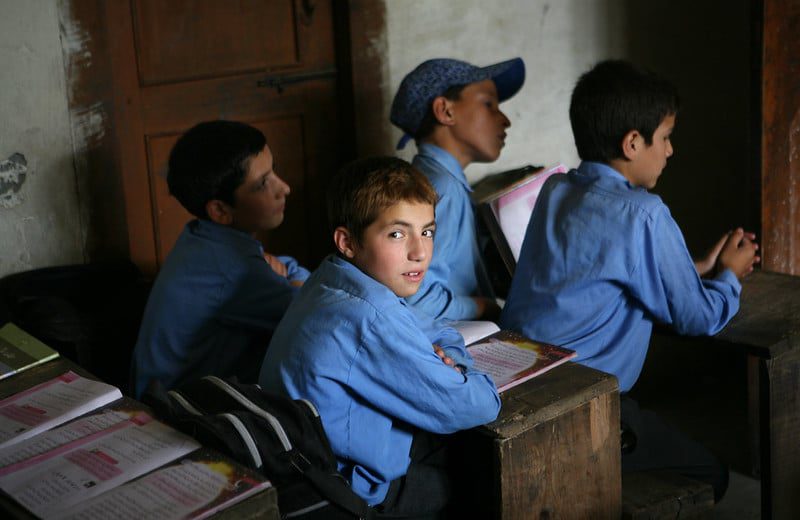
That said, more individuals and organizations have become more committed to halting human-wildlife conflict and poaching. Governments wanting to maintain the wildlife tourism industry, conservation groups aiming to protect animals from extinction and poor farmers seeking a reliable and legal wage all share a common goal of eliminating the prevalence of poaching in Africa. In recent years, a potential solution has emerged for rural farmers in East Africa: beehive fences.

An Emerging Solution: Beehive Fences

After consulting with farmers in Kenya who noticed elephants tended to avoid trees that contained beehives, Dr. Lucy King of Save the Elephants conducted a study to determine whether fences lined with beehives could effectively deter elephants. These fences consist of wooden posts equipped with a beehive, as well as a thatched roof to protect the hive from the elements and metal wires running between each post. Dr. King used Langstroth beehives which, though not the most modern beehives, are easy to construct and operate.

The general process by which the fences function is that an elephant will attempt to walk between the two posts, causing it to hit the wires. The subsequent movement of the posts and hives upsets the bees, who will in turn bother the elephant and force it to turn around.

Dr. King found that 80% percent of elephants in her study were deterred from entering farms equipped with beehive fences, representing a clear validation of her theory. However, it should be noted that the fences do not work equally worldwide: the fences appear to work better in East Africa than in Asian countries where the fences were also tested. This discrepancy is likely due to regional variations in elephant and bee species. Studies indicate that African bees are more aggressive than their Asian counterparts, resulting in differing reactions from elephants. Even if the effectiveness of beehive fences is localized, this solution maintains the potential to transform living standards for rural farmers in East Africa.

Taking the Lead: Implementing Beehive Fences

One organization helping to build beehive fences is the Sheldrick Wildlife Trust. This nonprofit organization aspires “to protect Africa’s wildlife and to preserve habitats for the future of all wild species,” and has a vested interest in improving the lives of rural Kenyans. To date, the Trust has built more than two kilometers of fence line including 131 beehives bordering the Tsavo Conservation Area. Farmers receive lessons from a professional beekeeper on how to properly maintain and harvest their hives, enabling them to profit from honey sales. Clearly, in addition to increasing outputs by reducing damages from elephants, the beehive fences themselves provide an income boost because the bees pollinate farmers’ crops.

The Future of Farmer Protection

Beehive fences are not a perfect solution to human-elephant conflict: they require training to maintain, can be evaded by some elephants and are less effective depending on the geographic area. Many believe electric fences would surely be a better elephant deterrent; however, these systems are too expensive and difficult to maintain, especially in rural regions. As such, beehive fences are the best solution currently available to mitigate human-elephant conflict in East Africa. More investment is necessary to establish beehive fence lines across all human-wildlife borders in East Africa in order to guarantee that all farms are protected. By giving farmers greater confidence in their abilities to sell crops at market, beehive fences increase yields and enable rural farmers in East Africa to ultimately escape poverty.

– Jeff Keare
Photo: Flickr

October 3, 2020
https://borgenproject.org/wp-content/uploads/borgen-project-logo.svg 0 0 Jennifer Philipp https://borgenproject.org/wp-content/uploads/borgen-project-logo.svg Jennifer Philipp2020-10-03 09:58:522020-10-03 09:58:52How Beehives Are Protecting Rural Farmers in East Africa
Development, Global Poverty

Good News: COVID-19 Boosts Remittances in Pakistan

remittances in PakistanThe global COVID-19 pandemic has sent many countries’ economies spiraling downward. Developing countries such as Pakistan have been hit especially hard due to poor infrastructure and social safety nets. However, one piece of encouraging economic news resulting from the pandemic is that remittances in Pakistan have increased to a record high.

Why Remittances Are Crucial to Developing Countries

In essence, remittances are sums of money sent back to a country from its citizens currently working abroad. For example, if a man in Pakistan leaves his family to work in Australia due to a better job market, he may send back sums of money to support his family still living in Pakistan. Remittances are vitally important for several reasons.

Firstly, the family still in Pakistan often relies on remittances to pay for essentials such as food and clean water, or other important services like sending children to school. These payments allow Pakistanis to increase their human capital, which refers to the amount of value a person can provide for the economy. Healthy, more educated people help an economy more than unhealthy, uneducated people. More human capital in turn improves the economic outlook for the country as a whole.

Furthermore, remittances are an important system that encourages migration and opens up the labor market for people seeking jobs. Educated people in Pakistan can view remittances as a form of insurance that their families will be taken care of, which makes them more likely to temporarily migrate to a different country with better job prospects. For those remaining in Pakistan, a smaller supply of local workers opens job opportunities and increases wages.

How COVID-19 Increased Remittances in Pakistan

In July 2020, remittances in Pakistan were the highest ever recorded for a single month. Pakistani citizens abroad sent $2.77 billion were sent back to Pakistan, an increase of 12.2% from June 2020. This number also represents an increase of 36.5% from July 2019. The countries from which most remittances in Pakistan came were Saudi Arabia, the United Arab Emirates, the U.K. and the United States. Remittances for the year now stand at $21.8 billion. As a result, Prime Minister Imran Khan thanked workers abroad in a statement recognizing the immense value of remittances for Pakistan’s economy.

Analysts reason that the increase in remittances in Pakistan is primarily from far fewer pilgrimages to Mecca. Having spent less money on Hajj, workers abroad had more to send back to Pakistan. Additionally, canceled flights and reduced travel overall contributed to increased remittances. Another reason remittances increased is the rising efficiency of channels used for overseas workers to return their money. For example, Pakistan reduced the threshold for a formal money transfer from $200 to $100, allowing greater accessibility to transfers.

Ultimately, the increasing remittances in Pakistan represent exciting news for an economy otherwise devastated by the pandemic. Hopefully, news like this will continue to surface as the world discovers silver linings emerging from the pandemic.

– Evan Kuo
Photo: Flickr

October 2, 2020
https://borgenproject.org/wp-content/uploads/borgen-project-logo.svg 0 0 Kim Thelwell https://borgenproject.org/wp-content/uploads/borgen-project-logo.svg Kim Thelwell2020-10-02 10:43:192020-10-02 10:43:19Good News: COVID-19 Boosts Remittances in Pakistan
Advocacy, Development, Global Poverty

Rihanna’s Clara Lionel Foundation

Clara Lionel Foundation
While people may best know Rihanna for her music, she has also used her fame and influence to become a powerful force for global change. In 2012, she launched the Clara Lionel Foundation. This philanthropic organization works to strengthen vulnerable communities in Africa and the Caribbean. Here are a few ways the Clara Lionel Foundation (CLF) has fought against global poverty.

Emergency Response

Every year, natural disasters around affect over 200 million people worldwide and push 26 million into poverty. In the wake of a natural disaster, donors and organizations often rush to provide support and resources to impacted areas. However, after donors eventually lose interest, these regions are left helpless; furthermore, numerous organizations trying to help can become ineffective if they do not communicate with each other.

The Clara Lionel Foundation’s climate resilience and emergency preparedness plan proactively helps vulnerable communities prepare for environmental disasters. Rather than focusing on reactionary rebuilding, they can get ahead of future problems. In 2018, the organization worked to strengthen existing infrastructure in the Caribbean to withstand future disasters and eliminate the need for extensive rebuilding.

The Foundation recognized that women’s health centers often go unincluded in typical emergency response assistance initiatives. Therefore, it partnered with the International Planned Parenthood Federation and Engineers Without Borders to improve access to reproductive health clinics in vulnerable Caribbean areas.

Additionally, the CLF issued a $25 million grant for emergency equipment at the beginning of the 2018 hurricane season. This money helped ensure that relief organizations could distribute these supplies whenever necessary. The aim of this proactive emergency response model is to turn the Caribbean into the world’s first climate-resilient zone, a strategy that could eventually scale up and adapt to protect other vulnerable communities around the world.

Global Education

The Clara Lionel Foundation has worked since 2016 to provide access to education for vulnerable children in the Caribbean and Sub-Saharan Africa, focusing on Malawi, Barbados and Senegal. CLF partners with the Campaign for Female Education in Malawi to support girls’ secondary education. They provide financial assistance and transportation. CLF also provided paid internships for secondary school graduates to become trained HIV testers. This initiative created employment opportunities and helped to address a prominent health crisis. In Senegal, CLF invests in repairing and constructing classrooms for children who lack a safe place of education.

In 2016, Rihanna and the CLF joined the Global Partnership for Education (GPE) to advocate the importance of accessible education. As the GPE Global Ambassador, Rihanna visited impoverished schools in Malawi and encouraged world leaders to increase support for global education initiatives.

COVID-19

As communities worldwide face the devastating effects of the COVID-19 pandemic, the Clara Lionel Foundation has stepped in to help. The foundation donated $6.2 million in partnership with Jack Dorsey and the Shawn Carter Foundation to help marginalized communities in the U.S., Africa and the Caribbean fight COVID-19. This funding fueled frontline organizations such as Direct Relief, Partners in Health, the International Rescue Committee and the WHO’s COVID-19 Response Fund. CLF’s donation allowed for increased testing capacity, more personal protective equipment and the development of medical facilities equipped to handle the virus.

Through the Clara Lionel Foundation, Rihanna uses her fame to be an advocate, ally and role model in the fight against global poverty. Her actions have transformed the lives of many vulnerable people throughout the world. Rihanna and CLF will continue to have a wide impact as others hopefully adopt her philanthropic spirit.

– Allie Beutel
Photo: Flickr

September 28, 2020
https://borgenproject.org/wp-content/uploads/borgen-project-logo.svg 0 0 Kim Thelwell https://borgenproject.org/wp-content/uploads/borgen-project-logo.svg Kim Thelwell2020-09-28 07:30:222020-09-26 20:24:34Rihanna’s Clara Lionel Foundation
Development, Global Poverty

Ethiopia’s Hydroelectric Expansion

Ethiopia's Hydroelectric Expansion
Ethiopia is a young, developing country that is currently investing in hydroelectricity to meet the energy demands of a growing population. Currently, only 44% of Ethiopians have access to electricity. As the population continues to grow within the country, citizens’ access to electricity will be a cause for great concern. Ethiopia’s hydroelectric expansion is addressing the energy crisis and powering the country’s economic growth, at the same time.

Naturally Sourced

Ethiopia is well situated to harness the natural, kinetic energy of water because the Nile River runs through the northern part of the country. However, hydroelectricity does require the construction of costly dams. In this same vein, Ethiopia recently built one costing $1.8 billion. While expensive, once built, these dams provide an abundance of energy for many generations. Currently, Ethiopia’s hydroelectric expansion has achieved a 3,813-MW capacity for a population of roughly 108 million people.

As the Blue Nile begins in Ethiopia, the country does not have to worry about other nations damming the river upstream and thus, (hypothetically) cutting off its supply of water. Ethiopia’s geographic advantage thereby increases its energy autonomy. Additionally, hydroelectric energy is renewable and reliable because it is not dependent on variable weather conditions as is the case with other renewable, energy resources.

Growing Demand

Ethiopia’s population is growing at a staggering rate of 2.56% per year. Notably, less than 50% of the population has access to hydroelectricity. To help people escape poverty in the modern age, they must have access to an electrical grid. Access to electricity does not guarantee prosperity, but the lack of electricity almost ensures poverty.

Ethiopia is one of the leading African nations in hydroelectric energy and is continuing to invest in more dams. In 2016, Ethiopia embarked on a joint venture with China and built one of the largest roller-compacted dams in the world. Although dams are vulnerable to droughts — they provide clean, renewable energy that is not dependent on highly variable weather patterns, such as wind and sunlight. Ethiopia cannot solely depend on hydroelectricity and instead, must continue to increase its energy supply to meet an ever-growing demand. Nearly 40% of Ethiopia’s population is younger than 14-years-old. As this population matures, it will further increase the demand for energy within the country. The booming population will continue to slip into poverty if it does not invest in a hydroelectric infrastructure that can support such a population growth rate.

Positive Growth

Hydroelectricity provides abundant energy. Yet, it requires an electrical grid to transport that energy across the country and perhaps equally as important, from an economic standpoint — into neighboring countries. Not only has Ethiopia built more hydroelectric dams, but it has also expanded its entire energy infrastructure. Ethiopia strives to become an energy hub for Africa as it exports electricity to Sudan, Djibouti and Kenya. Although 29.6% of Ethiopia’s population lives below the poverty line, there is a great reason to hope that this number will decrease as the economy further develops. Ethiopia currently has the 13th highest industrial growth rate at 10.5%, annually. The economy is rapidly growing, largely supported by Ethiopia’s hydroelectric expansion.

– Noah Kleinert
Photo: Wikimedia Commons

September 26, 2020
https://borgenproject.org/wp-content/uploads/borgen-project-logo.svg 0 0 Kim Thelwell https://borgenproject.org/wp-content/uploads/borgen-project-logo.svg Kim Thelwell2020-09-26 07:31:192024-05-27 09:21:33Ethiopia’s Hydroelectric Expansion
Development, Economy, Global Poverty, Health

Tourism and COVID-19: The Pandemic’s Impact on 3 Tourist Countries

tourism and COVID-19COVID-19 has caused major disruptions for travel on a global scale. The tourism industry has already experienced a loss of over $300 billion in the first five months of 2020, and that number is projected to increase to as much as $1.2 trillion due to the pandemic. Additionally, 100 to 120 million jobs associated with tourism are at risk. Tourism and COVID-19 have struggled to co-exist amidst the turmoil of 2020, especially in three major tourist countries. However, organizations are working to protect the future of the travel industry.

Global Tourism and COVID-19

Tourism is considered the third-largest export sector. It is an essential component of the global economy, comprising 10.4% of total economic activity in 2018. Some countries rely on tourism for 20% or more of their total GDP. Many countries rely on capital from tourists, ranging from small, low-income island countries to larger, high-income countries. However, according to a U.N. policy brief, there will be an estimated 58-78% decrease in tourists in 2020 compared to 2019. Three countries that have been especially affected by COVID-19 and tourism are Spain, Thailand and Mexico.

  1. Spain: Spain experienced the second-largest overall economic loss in tourism due to the pandemic, behind the United States. The country lost $9.7 million in revenue due to travel restrictions and decreased tourism. Because Spain is a high-income country and has various other contributors to its economy, it is expected to recover with greater resilience than similarly impacted, lower-income countries.
  2. Mexico: In 2018, Mexico gained a total of 7.15% of its GDP from tourism. However, Mexico’s income from tourism in April 2020 was a mere 6.3%. Additionally, the tourism sector accounts for approximately 11 million jobs in Mexico alone, many of which are now at risk.
  3. Thailand: Thailand has lost nearly $7.8 million due to travel restrictions since the start of the pandemic. The country has taken these limitations seriously in order to prevent the spread of COVID-19. However, this action has come at the cost of earning a ranking as one of the countries hit hardest by economic losses associated with tourism. The tourism sector is responsible for about 10% of the country’s total GDP.

Government Response to Tourism and COVID-19

Although COVID-19 has introduced an unprecedented economic strain on a global scale, governments are working to help countries recover. Spain released an aid package allocating €400 million to the transport and tourism sectors, €14 million to boost the local economy and €3.8 million for public health. Mexico’s government is distributing 2 million small loans of 25 thousand pesos (about $1000) to small businesses. Lastly, Thailand has approved three tourism packages to assist the local economy and small businesses.

NGO Policy Response to Tourism and COVID-19

With government and NGO action, experts predict that the travel sector will return to 2019 economic levels by around 2023. Many organizations are stepping in with policy solutions, providing hope for the industry’s revival. The U.N. World Tourism Organization released the COVID-19 Tourism Recovery Technical Assistance Package, highlighting three main policy areas: “Managing the crisis and mitigating the impact,” “providing stimulus and accelerating recovery” and “preparing for tomorrow.” Similarly, the International Labour Organization released a policy framework with four main pillars to protect workers, stimulate the economy, introduce employment retention strategies and encourage solutions-based social dialogue.

The Organization for Economic Cooperation and Development provides “Travel in the New Normal,” a series of six policy areas. These include helping businesses to implement “touchless” solutions, sanitation supplies, health screenings and other protective measures to prevent COVID-19. The OECD states that domestic travel will be vital for the recovery of tourist nations, contributing to 75% of the tourism economy in OECD member countries.

These efforts, along with other policy strategies, are vital to the recovery of the tourism industry. They will be particularly important for small- and medium-sized enterprises, industry-employed women and the working class as a whole. These policies will also further U.N. Sustainable Development Goals like No Poverty, Reduced Inequality, Partnership, Sustainable Cities & Communities and Decent Work & Economic Growth.

The tourism sector has suffered major losses in response to COVID-19, with a significant amount of revenue and jobs lost or at severe risk. Countries of all regions and income levels have been affected by the pandemic, including Spain, Mexico and Thailand. However, these setbacks provide unique opportunities to both transform the tourism industry and promote the Sustainable Development Goals.

– Sydney Bazilian
Photo: Flickr

September 25, 2020
https://borgenproject.org/wp-content/uploads/borgen-project-logo.svg 0 0 Kim Thelwell https://borgenproject.org/wp-content/uploads/borgen-project-logo.svg Kim Thelwell2020-09-25 10:03:452024-05-30 07:52:39Tourism and COVID-19: The Pandemic’s Impact on 3 Tourist Countries
Development, Global Poverty, Technology

Stanford’s Poverty and Technology Lab

Poverty and Technology
Stanford University launched its Poverty and Technology Lab in 2016, promoting the collaboration of students and Silicon Valley experts to use their knowledge of the technology world in order to provide practical solutions to poverty.

Reversing the Roles of Technology

Stanford initiated its Poverty and Technology Lab as a project within the university’s Center for Technology and Inequality (CPI). Its goal with this initiative is to redefine the various uses of technology. Experts and students at the university recognize the possible dangers of technology, as it has the potential to decrease employment opportunities and perpetuate global inequalities. This Lab aims to switch this role by applying technology to benefit low-income people, rather than prioritizing the improvement of middle-class lives.

The Technology and Poverty Lab fostered collaboration among students, professors and Silicon Valley technology experts. In addition, the Lab incorporates the voices and opinions of people living in low-income communities into these conversations. This inclusion ensures that the tools being innovated are truly geared toward issues that the impoverished are enduring.

A Unique Approach in the Classroom

Stanford also launched a course series that parallels the goals of this lab. Professor David Grusky, Director of Stanford’s Center on Poverty and Inequality, teaches the first course—Ending Poverty with Technology—as well as the remaining courses.

Grusky explained the unique approach of both his classes and the lab in an interview, stating that “[Stanford’s Poverty and Technology Lab] is an opportunity to not take on problems at their root sources, which is our instinct. …  Sometimes the best way forward is to not take on problems at their causes, at their sources, but rather to approach them less directly and instead opt for approaches that proceed in a different way. It’s kind of a more pragmatic approach.”

Grusky said his classes are largely geared toward teaching students to think in a manner that enables them to create solutions using this unique method: “One of the outputs [of my class] is just training students in how you would think through problems in this way. So it’s not that they actually make headway on the problems themselves, but they learned how to approach problems of this type, and hopefully, in the future, we’ll make headway.”

Forming Projects

Many of the projects that have formed through Stanford’s Poverty and Technology Lab are information-oriented. Examples include services that aid employment, boost access to educational opportunities and enable low-income communities to rate preexisting assistance programs. These projects primarily focus on the process of linking data to evaluate current programs related to these processes.

“We have a lot of work underway in which we negotiate data-sharing agreements and use them to put together linked administrative data sets that then allow us to carry out evaluations,” Grusky reported.

From the United States to Abroad

Stanford created the Poverty and Technology Lab to find poverty solutions in the Bay Area and the United States. However, much of the work by this lab is applicable to impoverished communities across the globe. Acknowledging this global relevance, some students have even begun the process of testing their innovations abroad.

“Although we used the U.S. as a kind of a testbed in trying to understand the problems, some of [the students] actually went on and worked on their projects in other areas,” Grusky revealed.

Experimentation with one such project occurred in Peru, where a female student devised an entrepreneurship app. She proposed this application to include a convenient toolkit for those struggling to secure employment opportunities. This app would help these impoverished individuals to avoid this challenge by learning to start their own business.

At the surface, this project engages students at Stanford University. But it also urges technology experts across the country to examine the impact of their products more broadly. Students and scholars nationwide are collaborating with community members to find practical technological solutions to poverty.

– Hannah Carroll
Photo: Flickr

September 25, 2020
https://borgenproject.org/wp-content/uploads/borgen-project-logo.svg 0 0 Kim Thelwell https://borgenproject.org/wp-content/uploads/borgen-project-logo.svg Kim Thelwell2020-09-25 07:30:302020-09-23 13:32:42Stanford’s Poverty and Technology Lab
Development, Global Poverty, Health

3 Ecovillage Projects Changing the Face of Poverty

Ecovillage ProjectsEcovillages focus on the regeneration of the social, cultural, ecological and economic aspects of communities around the world. It is an approach that aims to achieve sustainable development goals by eradicating poverty. Every Ecovillage is conceived and planned by the people living within the community; therefore, each development fits the area’s unique circumstances, customs, traditions and values. Ecovillage projects are constantly operating and developing as they seek to rehabilitate the environment and reconstruct communities’ very conceptions of social interaction.

Global Ecovillage Network

Founded in 1995, the Global Ecovillage Network (GEN) is an alliance of communities and individuals committed to sustainability and eco-restoration. Through this network, Ecovillages and those working on Ecovillage projects exchange education, technology, information and plans. Although GEN has multiple goals, all of its initiatives are centered around restoration through interactions with people and the environment.

Some of GEN’s main focus areas include human rights, global interaction, cultural inclusion, local influence and the shift to restoration and sustainability. Ecovillages are centered around community action, and GEN is committed to helping members of those communities become influential decision-makers in the issues that affect them.

3 Ecovillage Projects Changing the Face of Poverty

Many villages have developed to represent the diverse circumstances under which an Ecovillage lifestyle can thrive. In fact, some have even earned titles as recipients of the Hildur Jackson Award. This recognition is named after one of the founders of GEN, and provides $3,000 in recognition of Ecovillage projects that have been especially influential in their impact, permanence and scope. Here are three such Ecovillage projects changing the face of poverty.

  1. Colombia. The Nashira Ecovillage in rural Colombia is a matriarchal society composed of many families. Born from victims of domestic violence and displacement, the members of Nashira Ecovillage have eradicated crime and violence by removing all male violators and creating an environment concentrated on support and combined effort. Each member of the community is appointed into one of eight units that contribute to the daily life and welfare of their environments and the people living within them. These units take on tasks such as cultivating local organic crops or working in solar-powered kitchens. The village is equipped with a recycling center, bike-powered showers and composting toilets, and leisure time is spent enjoying sustainable activities like pottery.
  2. Mexico. Bioreconstruye, one Ecovillage in Mexico, prioritizes collective interests and participation from local communities to respond to post-disaster hardships such as the 2017 Puebla Earthquake that damaged families and homes. This initiative reconstructs communities by implementing building techniques with minimal environmental impact to provide strong and resilient homes, whether they be temporary or permanent. Community centers are also a large focus of development for Bioreconstruye: in addition to providing workshops for the community, these facilities serve as a temporary shelter for refugees.
  3. Kenya. The Organic Technology Extension and Promotion of Initiative Centre (OTEPIC) implemented an Ecovillage project aiming to reduce maternal deaths in Sabwani, Kenya. This initiative helps build birth centers that provide a financially accessible and safe method of giving birth. At-home births remain high-risk, and some women face impeding accessibility barriers when considering hospital wards. The community’s Ecovillage project has enabled women to give birth in the presence of a midwife while surrounded by their loved ones. OTEPIC also provides special pre- and post-natal training, such as safe food preparation for mother and child.

The Global Ecovillage Network poses the question “How can we live high quality, low impact, lifestyles that heal and restore, rather than destroy our environment?” As demonstrated by the Ecovillage projects in these three countries, communities worldwide have already taken steps to answer this question and are providing hope for a poverty-free, resilient and sustainable world.

– Amy Schlagel
Photo: Flickr

September 24, 2020
https://borgenproject.org/wp-content/uploads/borgen-project-logo.svg 0 0 Kim Thelwell https://borgenproject.org/wp-content/uploads/borgen-project-logo.svg Kim Thelwell2020-09-24 13:41:272024-05-30 07:52:153 Ecovillage Projects Changing the Face of Poverty
Page 58 of 163«‹5657585960›»

Get Smarter

  • Global Poverty 101
  • Global Poverty… The Good News
  • Global Poverty & U.S. Jobs
  • Global Poverty and National Security
  • Innovative Solutions to Poverty
  • Global Poverty & Aid FAQ’s
Search Search

Take Action

  • Call Congress
  • Email Congress
  • Donate
  • 30 Ways to Help
  • Volunteer Ops
  • Internships
  • Courses & Certificates
  • The Podcast
Borgen Project

“The Borgen Project is an incredible nonprofit organization that is addressing poverty and hunger and working towards ending them.”

-The Huffington Post

Inside The Borgen Project

  • Contact
  • About
  • Financials
  • President
  • Board of Directors
  • Board of Advisors

International Links

  • UK Email Parliament
  • UK Donate
  • Canada Email Parliament

Get Smarter

  • Global Poverty 101
  • Global Poverty… The Good News
  • Global Poverty & U.S. Jobs
  • Global Poverty and National Security
  • Innovative Solutions to Poverty
  • Global Poverty & Aid FAQ’s

Ways to Help

  • Call Congress
  • Email Congress
  • Donate
  • 30 Ways to Help
  • Volunteer Ops
  • Internships
  • Courses & Certificates
  • The Podcast
Scroll to top Scroll to top Scroll to top