• Link to X
  • Link to Facebook
  • Link to Instagram
  • Link to TikTok
  • Link to Youtube
  • About
    • About Us
      • President
      • Board of Directors
      • Board of Advisors
      • Financials
      • Our Methodology
      • Success Tracker
      • Contact
  • Act Now
    • 30 Ways to Help
      • Email Congress
      • Call Congress
      • Volunteer
      • Courses & Certificates
      • Be a Donor
    • Internships
      • In-Office Internships
      • Remote Internships
    • Legislation
      • Politics 101
  • The Blog
  • The Podcast
  • Magazine
  • Donate
  • Click to open the search input field Click to open the search input field Search
  • Menu Menu

Archive for category: Development

Information and stories on development news.

Development, Global Poverty

How Public Transportation Access Reduces Urban Poverty

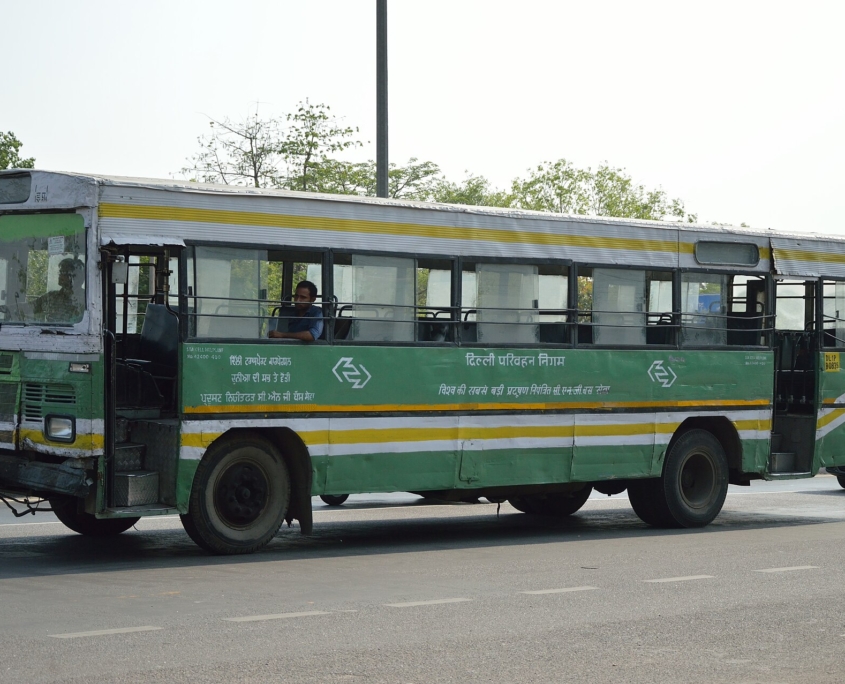
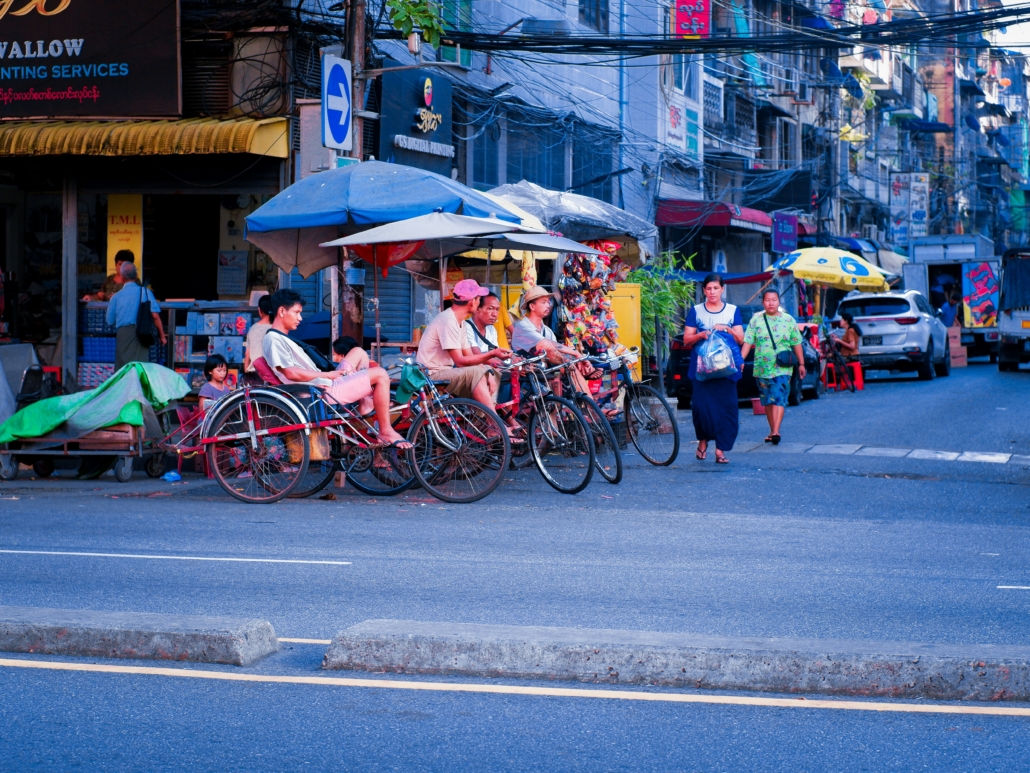
Public Transportation Access Reduces Urban PovertyPublic transportation is often seen as simply a means of getting from one place to another. However, for millions of people living in urban poverty, the ability to move freely and affordably can be the difference between economic hardship and opportunity. In cities like Medellín (Colombia), Casablanca (Morocco) and Delhi (India), access to public transit is not just about convenience but also a powerful tool that shapes the lives of the urban poor. Here are five facts about how public transportation access reduces urban poverty by opening economic opportunities, improving quality of life and fostering greater social inclusion.

Transport Costs Trap the Urban Poor

For low-income residents, transport costs often represent a significant portion of their daily expenses. In cities where public transit systems are underdeveloped or too expensive, families can spend as much as 25% of their income just on commuting. In Delhi, for example, people living in informal settlements may need to travel long distances to reach work centers, often paying more than what is affordable. This forces them into a cycle of poverty where limited mobility means fewer job opportunities and those they can access are typically low-wage, precarious positions. By reducing transport costs through subsidies and increasing public transport, low-income individuals can retain more of their earnings for basic needs, thus alleviating some of the pressures of urban poverty.

Commute Time Affects Job Access

In large cities, time spent commuting can drastically limit the number of opportunities people can realistically pursue. In Medellín, despite the city’s progress in reducing poverty, many low-income workers still face long and stressful commutes, with some residents spending more than two hours a day just to get to work. This leaves them with less time for family, education or even seeking better job opportunities. The longer the commute, the fewer the employment options available, as many workers simply cannot afford to travel to jobs that are outside a certain radius. Improving public transportation access reduces urban poverty by shortening commute times, and creating more efficient routes can expand the potential labor market for low-income workers, allowing them to apply for higher-paying jobs that might have otherwise been out of reach.

Subsidized Transit Increases Employment Opportunities

In cities like Casablanca, affordable and efficient public transportation can directly reduce poverty by increasing access to jobs, education and health care. The recent introduction of the Bus Rapid Transit (BRT) system in Casablanca is a prime example of how investing in urban mobility can create long-term economic benefits. The BRT system connects densely populated areas to downtown Casablanca, reducing travel time by up to 30 minutes a day. By providing faster, more reliable transportation, the BRT enables workers to access thousands of new jobs and opportunities that were previously out of reach due to long commutes.

Additionally, the system’s affordability and integration with other transport modes make it accessible to low-income families. Increased access to reliable transportation is critical to lifting people out of poverty by allowing them to participate more fully in the urban economy. The system also enhances safety and inclusion, with design features that improve accessibility for women and marginalized groups, contributing to broader social inclusion and economic empowerment.

Economic Growth and Poverty Reduction

Public transportation is a key driver of economic progress and poverty reduction in urban areas, contributing directly to 14 out of 17 SDGs. Cities like Toronto and Japan have integrated transit systems that not only improve mobility but also stimulate economic opportunities by connecting people to jobs, education and health care. By improving access to key services and reducing transport costs, public transit helps lower poverty rates while promoting sustainable urban development. Access to reliable transport systems drives economic growth through urban regeneration, increased land values and better social inclusion. Furthermore, by reducing reliance on private cars, public transport systems cut down on emissions, contributing to environmental sustainability and enhancing livability for all city residents.

Greening Urban Transport Creates Jobs and Reduces Poverty

Shifting to sustainable public transportation can significantly reduce urban poverty by creating new employment opportunities and boosting economic productivity. As cities transition to low-carbon transport systems such as electric buses and hybrid vehicles, there is a clear economic benefit. Studies have shown that increasing public transit ridership and investing in cleaner, more efficient transport options generate jobs not just in public transit operations but also in vehicle manufacturing, infrastructure development and green technologies. This helps to provide affordable access to jobs, services and education for low-income populations, while also stimulating local economies. By making public transport more accessible and affordable, cities can lower commuting costs, reduce economic barriers and create a more inclusive, sustainable economy, ultimately contributing to poverty alleviation in urban areas.

Looking Ahead

Public transportation is much more than just a means to get from one place to another; it is a critical lever in reducing urban poverty. From cutting transport costs and shortening commute times to improving safety and ensuring inclusive access, public transit provides an accessible pathway to economic opportunity for the urban poor. As more cities invest in public transit infrastructure and policy innovations, public transportation access will continue to reduce urban poverty, empowering the urban poor and creating more equitable and resilient communities.

– Chris Tang

Chris is based in Singapore and focuses on Good News and Technology for The Borgen Project.

Photo: Wikimedia Commons

January 27, 2026
https://borgenproject.org/wp-content/uploads/borgen-project-logo.svg 0 0 Precious Sheidu https://borgenproject.org/wp-content/uploads/borgen-project-logo.svg Precious Sheidu2026-01-27 07:30:412026-01-25 23:21:02How Public Transportation Access Reduces Urban Poverty
Development, Education, Global Poverty

All About Higher Education in Chile

Higher Education in ChileAttaining higher education in Chile is associated with a myriad of positive outcomes, including employment opportunities, higher compensation and even improved health. Individuals with higher education have a lower risk of unemployment and generally earn higher wages. The unemployment rate for those with higher education is 5.5% compared to 8.1% for those with upper secondary education.

Workers with higher education earn 112% more than the average income in Chile. Education level is a widely recognized social determinant of health and the completion of higher education is associated with more positive health outcomes.

Inequality in Higher Educational Attainment

In Chile, disparities in tertiary education attainment are closely linked to social factors, including parental education, socioeconomic status and gender. Children of parents who have completed tertiary education are more likely to pursue higher education than those whose parents have not. In 2023, 68% of adults aged 25-34 with at least one parent who had completed tertiary education also attained tertiary education, compared to 25% for adults whose parents did not complete tertiary education.

However, the rate of young adults pursuing tertiary education whose parents did not complete tertiary education increased by 7% between 2012 and 2023. Higher family socioeconomic status is also associated with an increased likelihood of completing higher education. In 2006, 12.7% of adults aged 25-34 from the lowest income decile enrolled in tertiary education, compared to 53.3% of the top income decile.

Furthermore, women enrolled in tertiary education are less likely to pursue a degree in STEM and other high-earning fields of study. In 2023, only 19.8% of students pursuing degrees in a STEM field were female.

A Largely Privatized System

Chile’s higher education system consists of three main types: universities, professional institutes (Instituto Profesional – IP) and technical training centers (Centro de Formación Técnica – CFT). While overall enrollment in tertiary education has continued to rise, the majority of growth since 2010 has occurred in private institutions. As a result, Chile has one of the most privatized higher education systems in the world.

In 2023, fewer than 20% of students enrolled in a tertiary education institution attended a public institution. Hence, Chilean families pay more than 75% of costs for higher education, compared to 40% for U.S. families and 5% in Scandinavian countries.

Gratuidad

A notable wave of protests demanding more affordable, high-quality higher education in Chile occurred in 2011. In 2016, the Chilean congress passed a tuition-free policy known as gratuidad to provide free university education for families in the bottom 60% of the income range. A lack of studies on the impact and effectiveness of gratuidad makes its success in creating a more equitable tertiary education system unclear.

The reform’s implementation has initiated slow progress toward expanding access to financial aid for low-income students, as approximately 90% of students who qualify have already received financial aid before the reform. However, the idea of free education likely incentivizes people from low-income families to pursue higher education, as 15% of students in the gratuidad program claim they would not have pursued higher education otherwise.

Conclusion

Attaining a higher education in Chile reduces the likelihood of living in poverty. Creating a more equitable and inclusive education system is key to reducing the 6.5% of Chile’s population living below the national poverty line. Expanding access to tertiary education for individuals from lower socioeconomic backgrounds and those whose parents lack tertiary education, as well as increasing the representation of women in STEM fields, are key focal points for reducing poverty.

– Sarah Merrill

Sarah is based in Matthews, NC, USA and focuses on Good News and Global Health for The Borgen Project.

Photo: Pixabay

January 19, 2026
https://borgenproject.org/wp-content/uploads/borgen-project-logo.svg 0 0 Lynsey 2 https://borgenproject.org/wp-content/uploads/borgen-project-logo.svg Lynsey 22026-01-19 07:30:322026-01-18 08:30:32All About Higher Education in Chile
Development, Foreign Relations, Global Poverty

UN Meets to Discuss the Doha Program of Action

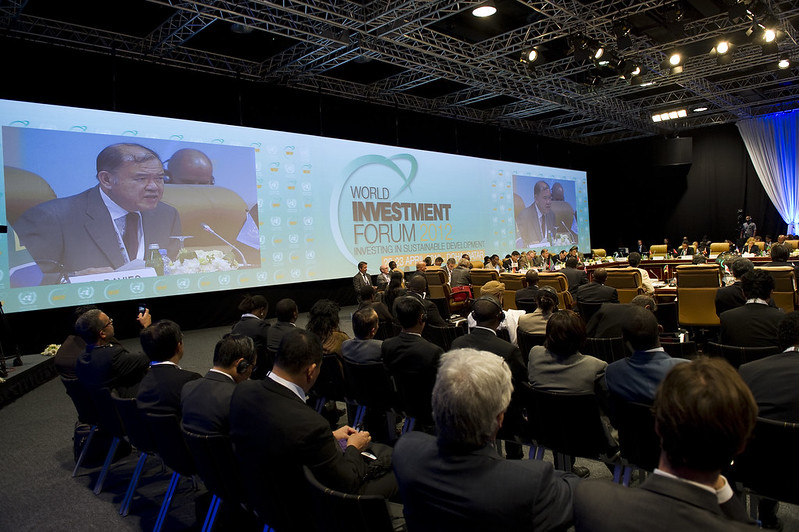
UN Meets to Discuss the Doha Programme of Action A United Nations (U.N.) meeting on the Doha Program of Action has wrapped up. The Qatar Fund for Development (QFFD) and the United Nations Office of the High Representative for Least Developed Countries, Landlocked Developing Countries and Small Island Developing Countries (UN-OHRLLS) organized the meeting. It spanned three days. Ministers, senior officials, development partners and representatives of international organizations convened to discuss how to help least developed countries (LDCs) graduate successfully.

For a country to graduate, it must reach a threshold of income, education and resilience. The Doha Program of Action aims to help 15 more countries reach graduation by 2031. LDCs face disproportionate risks from climate disruptions, conflict, financial distress and trade disturbances. Rabab Fatima, a U.N. high representative for LDCs, said that participants at the meeting exhibited “a strong collective will to ensure that graduation becomes a gateway to resilience, opportunity and sustainable prosperity.”

Doha Program of Action

The Doha Program of Action functions as a framework and coordination mechanism that sets shared goals and standards for least developed countries and guides how governments, international organizations and development partners provide support. It outlines six main focus areas. The first focuses on supporting people in LDCs by reducing poverty and expanding access to basic services. For the second focus area, it emphasizes science, technology and innovation as tools to address multiple vulnerabilities and advance the Sustainable Development Goals (SDGs). Next is promoting productive transformation as a driver of economic growth. The fourth encourages international trade among LDCs and strengthens regional cooperation. The fifth addresses climate change, environmental degradation and post-pandemic recovery while strengthening resilience to future shocks through risk-informed sustainable development. Finally, the sixth mobilizes international solidarity, renewed global partnerships and innovative mechanisms to support sustainable graduation.

Transition Strategies

Countries that are at or near graduation, such as Bangladesh, the Lao People’s Democratic Republic and Nepal, provided advice on transitioning. The three countries explained that LDCs should prioritize a national transition plan. Representatives emphasized that this step is crucial to reaching the graduation threshold. A coherent strategy will reduce reliance on targeted aid. Representatives said these policies should be pragmatic and centered on supporting the future of LDCs. The conference also examined how developing countries can increase output by implementing digital technology and environmentally sustainable industries. To support developing economies, participants identified expanding trade opportunities as a priority.

The Role of iGRAD

The iGRAD facility plays a key role in implementing the plan. The facility will help guide LDCs through the transition period. Qatar has pledged $10 million to support it. Fahad Hamad Al-Sulaiti, director general of the Qatar Fund for Development, said the conference illustrated the necessity of supplying LDCs with “the tools, resources and partnerships with confidence.”

International Support

In previous years, countries and international partners have provided assistance to LDCs, demonstrating commitment to the Doha Program of Action. Qatar committed to donating $60 million. Qatar allocated $10 million to support implementation of the plan and $50 million to build foundational strength in LDCs. Germany pledged 200 million euros to finance LDCs. Canada pledged $15 million to provide vitamin supplements for 15 LDCs, as well as ecosystem support efforts in Burkina Faso. The United Nations lists 44 countries as LDCs.

Looking Ahead

Overall, the gathering shows the U.N.’s effort to assist least developed countries in their journey toward graduation. Guidance from countries that have graduated, innovative financial mechanisms and a history of international support signal a promising future for the Doha Program of Action. If countries follow through on these commitments, more LDCs will have the means to graduate. Continued coordination and support will play a key role in the plan’s success.

– Sasha Banaei

Sasha is based in San Diego, CA, USA and focuses on Politics for The Borgen Project.

Photo: Flickr

January 12, 2026
https://borgenproject.org/wp-content/uploads/borgen-project-logo.svg 0 0 Precious Sheidu https://borgenproject.org/wp-content/uploads/borgen-project-logo.svg Precious Sheidu2026-01-12 03:00:322026-01-12 01:29:55UN Meets to Discuss the Doha Program of Action
Development, Global Poverty, Poverty Reduction

Success of the China-Latam Youth Challenge To Alleviate Poverty

China-Latam Youth ChallengeIn response to the U.N.’s call to end global poverty in 2024, Chinese institution Tsinghua University announced the China-Latam Youth Challenge to Alleviate Poverty. This Challenge asked participating teams to propose and design projects addressing multidimensional poverty in disadvantaged communities across the globe.

The China-Latam Youth Challenge To Alleviate Poverty

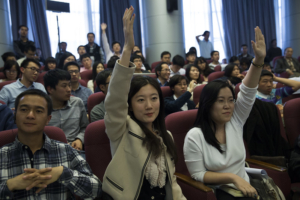
The China-Latam Youth Challenge to Alleviate Poverty was launched in collaboration with partner Universities across Latin America. The challenge further aimed to encourage cross-cultural communication and collaboration between Chinese and Latin American students. The competition was a major success, with more than 120 Chilean University students teaming up with peers from Tsinghua University and other partner institutions.

More than 200 students participated in total. Organisers held the finals in August 2025 with teams presenting their ideas in both Brazil and Chile. Twelve out of the total 102 teams made it to the final round. Many exciting projects and ideas were presented, with more than 27 universities from Brazil, Chile, Peru and China in attendance.

The competition featured many talented individuals and innovative solutions. Ideas focused on solving a wide range of issues, including unemployment, infrastructure, education, health and well-being. Not only did this challenge help develop solutions to global poverty, but it also raised awareness and educated young minds about the issue of global poverty. The China-Latam Youth Challenge to Alleviate Poverty acts as a great example of how global poverty innovation is possible when institutions make resources available.

Fountain of Radiant Dreams

This project received the first-place Gold Award in China. The team proposed a three-pronged solution to address the needs of some of Chile’s most disadvantaged communities, focusing on community service, clean energy and financial support. The project included community initiatives, such as the installation of lighting systems powered by renewable energy in rural areas lacking electricity.

Sustainable Solar Lighting and Emergency Response for Brazilian Communities

This project received the Gold Award in Brazil. This team developed solutions to address infrastructure damage caused by extreme weather conditions in the most affected areas of Brazil. This includes the installation of solar-powered chargers to allow cellphone and technology use during severe blackouts, allowing rural communities to communicate during times of crisis.

Financial Loans for Small Enterprises

This team won the Silver Award in the finals in Chile. Their project focused on inclusive financial loan programs for small businesses in China. It also provided innovative financial solutions for small Chilean fishing enterprises. This project aims to support small businesses in growing, creating jobs, promoting sustainability and enhancing the role of women in the fishing industry.

Elquilabs

This team developed both a toolkit and a digital platform that works to transform rural areas into “Maker Spaces,” enabling learning and innovation. The project aims to bridge the gap in creativity and education between rural and urban areas. Diego Urzúa, a psychology graduate and team member, said the project focused on bringing together diverse perspectives—from countries such as Chile, China and Brazil—which added real value to the process.

Minova

The team received the Audience Choice Award. It was a collaboration between Tsinghua University, Universidad de Santiago de Chile and Pontificia Universidad Católica de Chile. The project aimed to repurpose mining waste into sustainable, affordable construction materials.

Looking Forward

The winning teams and award recipients will receive full funding for their projects and continue development at Tsinghua University in January 2026. The challenge’s success underscores the critical role of adequate funding and resource allocation in driving innovation to address global poverty. It also underscores the importance of educating young people about global poverty and sustainable development. Supporting these efforts is more urgent than ever.

Looking ahead, the China–LATAM Youth Challenge to Alleviate Poverty serves as a strong model for the future of global poverty innovation.

– Alys Gaze

Alys is based in Wales and focuses on Good News and Politics for The Borgen Project.

Photo: Flickr

January 10, 2026
https://borgenproject.org/wp-content/uploads/borgen-project-logo.svg 0 0 Lynsey 2 https://borgenproject.org/wp-content/uploads/borgen-project-logo.svg Lynsey 22026-01-10 03:00:012026-01-09 10:38:51Success of the China-Latam Youth Challenge To Alleviate Poverty
Development, Education, Global Poverty, Poverty Eradication

EdTech and Poverty Eradication in Myanmar

Poverty Eradication in Myanmar

In the shadow of Myanmar’s military junta, where conflict and censorship have shattered formal education for millions, a resilient wave of EdTech innovations and counter-revolutionary learning systems is rising to bridge the digital divide and empower the next generation, proving that poverty eradication in Myanmar hinges on harnessing emerging technologies such as mobile apps, offline platforms and community-led digital initiatives to deliver access to knowledge and skills amid chaos.

Myanmar faces persistent poverty exacerbated by civil conflict, economic instability and natural disasters, with nearly half the population living near the subsistence level. Despite these challenges, opportunities exist to reduce poverty through investment in education and the adoption of educational technologies (EdTech). This article examines Myanmar’s poverty landscape, the obstacles confronting its education system and the prospects for poverty eradication through EdTech-driven reforms.

Myanmar’s Poverty Context

Between 2005 and 2017, Myanmar reduced poverty rates from 48% to 25%, largely due to manufacturing growth. However, the 2021 military coup reversed these gains, causing significant declines in household consumption and in job quality. Conscription, insecurity and recurring disasters have further weakened the labor demand. The United Nations Development Programme (UNDP) reports that the middle class has shrunk by more than 50%, with 76% of people living close to subsistence level. Consequently, poverty rates doubled to nearly 50% between 2017 and 2023.

Barriers to Educational Access

Myanmar’s education system is fragmented and strained following the 2021 coup. The Myanmar Sustainable Development Plan (2018-2030) underscores education as central to human capacity development, aiming for greater access and quality. However, ongoing conflict and instability have led to widespread school closures, teacher shortages and attacks on educational facilities. As of 2024, approximately 5 million school-aged children remain out of school, and parallel education systems have emerged in areas outside the junta’s control, run by the National Unity Government (NUG) and Ethnic Revolutionary Organizations (ERO). These federalized multilingual initiatives reach approximately 1 million children but face chronic funding and resource limitations.

The junta’s centralization efforts and amendments to the National Education Law have restricted the use of ethnic languages, deepening ethnic divisions. Violent incidents against schools have increased, with more than 174 documented attacks in 2024. Officially reported at more than 6 million for 2024–25, widespread dropouts linked to safety, inflation and corruption have occurred. International support is essential to promote teacher development and rebuild educational capacity, but ongoing conflict and centralized control continue to constrain progress.

The Emergence and Challenges of EdTech

EdTech startups in Myanmar offer innovative approaches to counter such educational disruptions. Companies such as 360ed leverage AR/VR platforms for interactive learning, targeting more than 4 million primary students, which is 38.5% of the school-age population. Offline EdTech products help bridge digital divides, and platforms such as MyanLearn, MMTutors, Laelar and MYEO provide tutoring, online courses and workforce preparation. For instance, the MYEO has trained 21,000 students in digital and soft skills, addressing an 8% youth unemployment rate.

Despite these advances, the adoption of EdTech faces significant barriers. Internet and computer access remain limited, particularly in rural and conflict-affected areas, with 46% of university students resistant to online learning. Access to continuous electricity is another challenge. Affordability and weak funding further limit EdTech’s reach; only one startup, eSchool, secured a major investment of $700,000 in 2019. Systemic issues, including rote learning traditions, teacher-centric pedagogy and insufficient government support, also impede broad EdTech integration.

EdTech and Poverty Eradication: Pathways and Prospects

The World Bank positions EdTech as essential for expanding educational access and combating intergenerational poverty in the country. Its 2020 report highlights the importance of networking teachers, fostering data-driven ecosystems and leveraging technology to promote human connection in education. The World Bank’s Digital Pathways framework identifies five pillars of digital readiness – leadership, technology infrastructure, education delivery, workforce capacity and EdTech market models – as crucial for effective interventions in low-and-middle-income countries (LMIC) such as Myanmar.

Digital learning tools, including radio, TV, SMS and virtual tutoring, can mitigate teacher shortages and reach marginalized communities. Such interventions are foundational for bridging educational disparities and promoting upward social mobility among Myanmar’s rural and ethnic minority populations. Personalized digital learning, especially in foundational literacy and numeracy, is linked to improved lifetime earnings and, therefore, can help with poverty eradication in Myanmar.

The World Bank’s Inclusive Access and Quality Education Project (IAQE) exemplifies targeted investment with a $100 million grant to improve education among marginalized groups and conflict-affected communities. Serving 3 million students and 60,000 teachers across 15,000 schools, the IAQE demonstrates how technology and inclusive interventions can break poverty cycles and address food security challenges.

Investments in EdTech

Burmese food insecurity presents dual challenges: an unstable economic infrastructure and a fractured populace facing inadequate education, fragile agriculture, unstable energy provision and limited economic opportunities. Improving education is vital for poverty eradication in Myanmar as quality education drives human-capital development and economic growth. Myanmar’s poverty rate of 50% post-coup is worsened by the education crisis, perpetuating intergenerational poverty through dropouts and skill shortages. The military junta’s “Burmanization” policies have devastated education, with 245 school attacks in 2022-23 and 31.5% of facilities damaged. EdTech has emerged as a solution, fostering decentralized learning that supports poverty eradication. Through offline mobile apps and AR/VR platforms, startups like 360ed (targeting 4.2 million primary students) and MYEO (training 21,000 youth) bypass censorship and Internet blackouts, bridging the digital divide in rural areas.

This EdTech approach contrasts with the junta’s monolingual model, aligning with the National Unity Government (NUG) and Ethnic Revolutionary Organizations’ (EROs) parallel systems, which educate up to 1 million children through multilingual approaches. The World Bank’s Digital Pathways report (2024) shows that EdTech improves literacy and numeracy for low-income students, enhancing employability amid a 50% poverty rate surge post-2021 coup.

The Inclusive Access and Quality Education Project allocated $100 million to integrate ICT for marginalized groups, serving 3 million students and 60,000 teachers. Reimagining Human Connections shows that sustained EdTech investment through partnerships can rebuild human capital and drive equitable growth for poverty eradication in Myanmar.

– Christopher Michael Pellant

Christopher Michael Pellant is based in Evansville, Indiana and focuses on Technology and Solutions for The Borgen Project.

Photo: Unsplash

January 5, 2026
https://borgenproject.org/wp-content/uploads/borgen-project-logo.svg 0 0 Jennifer Philipp https://borgenproject.org/wp-content/uploads/borgen-project-logo.svg Jennifer Philipp2026-01-05 07:30:312026-01-05 03:55:22EdTech and Poverty Eradication in Myanmar
Development, Disease, Global Poverty

ASPIRE in Haiti and Community-Driven Development in Myanmar

ASPIRE in HaitiThe onset of this decade has been marked by a surge in conflicts worldwide, with the number of conflicts and related fatalities having more than tripled since the early 2000s. These intensifying conflicts are causing severe and long-lasting economic damage. Currently, there are 39 economies classified as fragile and conflict-affected situations, with more than half of them facing active conflict. Due to the escalation of conflicts, global poverty and food insecurity are predominantly concentrated in these economies.

Poverty and Conflict

In these economies, close to 40% of the population lives in extreme poverty. According to the 2024 Global Multidimensional Poverty Index, out of 1.1 billion people living in acute poverty, 455 million resided in countries experiencing war or fragility. In 2025, although these regions accounted for less than 15% of the world’s population, they were home to 421 million people living in extreme poverty, more than the total in the rest of the world. Estimates indicate that by the end of this decade, nearly three-fifths of the global extremely impoverished population, approximately 435 million people, will be living in these economies.

As the conflict has intensified, food insecurity has also risen sharply, with approximately 200 million people, accounting for 18% of the population in these regions, facing acute food insecurity. Countries affected by conflict often experience high levels of poverty and ongoing conflict slows progress in poverty reduction. Poverty, in turn, interacts with other underlying grievances to fuel instability, while conflict further deepens economic hardship.

United Nations Security Council

At a United Nations Security Council open debate in New York, U.N. Secretary-General António Guterres emphasised how poverty can fuel conflict.

He said: “Poverty breeds despair. Despair fuels unrest. And unrest tears at the fabric of societies — feeding mistrust, fear and violence.” Conflict, in turn, weakens already weak institutions and exacerbates poverty and food insecurity. In cases of severe conflicts, after five years, the GDP per capita drops by around 15%. It has also negatively impacted employment creation and average life expectancy.

In this manner, conflict and poverty become mutually reinforcing, creating a vicious cycle. A World Bank report suggests that although these countries face significant challenges, they have untapped potential that could reignite growth with effective policymaking. One such advantage is having a large working-age population. By 2055, around 60% of the population in areas affected by conflict or instability will be of working age, larger than anywhere else in the world.

Transforming this into growth would require investment in education, health care, infrastructure and the private sector to create employment opportunities.

Breaking the Cycle

The World Bank, through its programs, aims to provide basic services, foster development opportunities and create employment in these economies by remaining engaged during conflict and after to assist in recovery and transition. The Adaptive Social Protection for Increased Resilience Project (ASPIRE) in Haiti and the National Community-Driven Development Project in Myanmar are two notable examples.

The ASPIRE program in Haiti supports nearly 23,000 households in the department of Grand’Anse. As Haiti continues to struggle with conflict and political instability, the initiative helps strengthen its ability to cope with recurring shocks by providing it with a monthly cash transfer. The program also aimed to provide training on financial literacy and health and hygiene practices to 50% of households. It helped identify more than 100,000 vulnerable households, enabling targeted investments. It not only addressed immediate challenges but also laid the groundwork for future investments in human capital.

The National Community-Driven Development Project in Myanmar, which comprised 37,000 sub-projects, positively impacted more than seven million people in the country. Nearly a fifth of the country’s population benefited from the improved infrastructure, transportation, water supply, education and electrification. Although the World Bank halted the disbursements of the Myanmar Partnership Multi-Donor Trust Fund in 2021, it continued to monitor the situation and provide analyses.

Final Remarks

Addressing conflict can lead to growth only when immediate humanitarian needs are met and paired with long-term investment in human capital. Through the ASPIRE program in Haiti and the development project in Myanmar, the World Bank routed investments toward education, health care and infrastructure. In doing so, the World Bank sought to break the vicious cycle of conflict and poverty.

– Priya Doshi

Priya is based in Edinburgh, Scotland and focuses on Good News and Politics for The Borgen Project.

Photo: Wikimedia Commons

January 1, 2026
https://borgenproject.org/wp-content/uploads/borgen-project-logo.svg 0 0 Lynsey 2 https://borgenproject.org/wp-content/uploads/borgen-project-logo.svg Lynsey 22026-01-01 01:30:012025-12-22 00:02:58ASPIRE in Haiti and Community-Driven Development in Myanmar
Development, environment, Global Poverty

From Trash to Treasure: Southeast Asia’s Recycling Revolution

Southeast Asia’s RecyclingMillions of families in Southeast Asia reside in areas where pollution and poverty coexist. Plastic waste is not only an eyesore but also a daily risk in areas with poor waste collection and significant unemployment. However, the region is demonstrating that the same plastic pollution that causes environmental degradation may also serve as a vehicle for community development and financial security.

Today, Southeast Asia’s recycling revolution is gaining momentum, with creative recycling initiatives in Vietnam, Indonesia and the Philippines demonstrating that poverty reduction and environmental action can truly coexist.

A Crisis That Hits Low-Income Communities Hardest

Southeast Asia is facing an enormous and growing plastic problem. According to the Organization for Economic Co-operation and Development (OECD), the ASEAN + East Asia region consumed 152 million tons of plastic in 2022, nearly nine times more than in 1990. More than 56% of plastic waste is improperly managed due to inadequate waste management systems; it is frequently burned or disposed of in waterways near low-income areas.

The OECD predicts that the region’s plastic leakage might rise by 68% by 2050 if serious action is not taken. This situation is already more than just an environmental problem for families living near unofficial dumpsites or those who rely on waste picking for a living; it’s a public health and poverty issue.

Vietnam: Recycling as a Path to Livelihoods

One of the best examples of how community-led recycling may improve life in the region is Vietnam’s Greenhub initiative. The organization trained more than 33,000 people in recycling, waste reduction and community cleanups in 2024. It gathered 143,000 kg of garbage, which would otherwise clog drainage systems during floods or contaminate coastlines.

Cleaner surroundings are just one of the many advantages. Four hundred thirty informal waste collectors received training from Greenhub in 2022, enabling them to sort waste more effectively, earn a higher income and work safely. Improvements in this area have the potential to significantly reduce poverty because Vietnam’s informal waste sector is massive, with 10,000 to 16,000 workers sorting and collecting waste every day in just Hanoi and Ho Chi Minh City.

The expanding circular economy movement in Vietnam is also making room for businesspeople who repurpose plastic trash into home goods, crafts and building materials. In both rural and urban areas, these microbusinesses provide new revenue streams and jobs.

Indonesia: Cooperatives Boost Stability for Waste Pickers

Indonesia has some of the highest rates of improper garbage management in the world. The issue is both geographical and financial, due to the thousands of islands and inadequate infrastructure for waste collection. According to OECD estimates, if no changes are made, Indonesia’s plastic waste is projected to increase from 6.5 million tonnes in 2022 to 18 million tonnes by 2050.

The core of Indonesia’s recycling system consists of informal waste pickers, many of whom earn significantly less than the minimum wage. They gather significantly more recyclables than formal and governmental systems put together. However, despite its significance, many people lack a steady source of income, adequate safety equipment or social safety nets.

Cooperative recycling centers are emerging to fill that gap. By organizing waste pickers into formal groups, these centers help workers secure fairer pricing, gain access to equipment and work in safer conditions. Some cooperatives report that members have doubled their income or, for the first time, achieved steady monthly profits.

However, there are still difficulties. Indonesia received 262,900 tons of plastic waste in 2024 and investigations revealed that some discarded plastics were being burned as inexpensive fuel in small-scale operations. This underscores the critical need for safe and sustainable recycling methods that protect people in need.

The Philippines: When Recycling Puts Food on the Table

The Philippines produces 2.7 million tonnes of plastic waste annually, with the majority of this waste coming from single-use sachets used for products such as condiments and shampoos. However, local organizations are coming up with innovative ways to transform waste into opportunity. A “trash-for-rice” program in Mabini, Batangas, collected 4.3 tonnes of plastic and provided low-income residents with 2.6 tonnes of rice in return.

Other programs, such as TrashCashPH, utilize mobile apps to offer individuals cash, groceries or service discounts when they bring in sorted recyclables. Meanwhile, refill systems allow customers to purchase things at a reasonable price without producing additional plastic. Cash-strapped homes benefit greatly from Greenpeace’s “Kuha sa Tingi” refill trial, which helped eliminate 50,000 plastic sachets and saved consumers an average of 201% compared to regular sachet purchases.

Economic and Environmental Wins

These initiatives demonstrate that reducing plastic pollution can have immediate, tangible effects. As part of the growing Southeast Asia recycling revolution, some of the most impoverished families in the region can earn more steady incomes through waste cooperatives and recycling incentives. By enhancing workplace safety, stability and dignity, training and protective regulations help empower informal workers, many of whom are women.

By 2030, recycling improperly disposed of plastic garbage in South and Southeast Asia could reduce greenhouse gas emissions by more than 200 million tons. The reductions show how regional waste management strategies can significantly advance global climate goals. Everyone lives in safer environments when streets, rivers and coastal areas are cleaner.

Communities experience fewer floods, reduced health risks and improved public health overall when waste that blocks drains and waterways is minimized, particularly in low-income districts that are typically the most severely impacted.

A Blueprint for Change

According to OECD estimates, plastic leakage in Southeast Asia could be reduced by 95% by 2050 with robust policies, including increased producer accountability, improved collection systems and investment in recycling. However, communities are some of the most potent forces behind Southeast Asia’s recycling changes, not the government.

Recycling has evolved from an environmental initiative in Southeast Asia into a driving force behind Southeast Asia’s recycling revolution. It serves as both a source of local empowerment and an economic lifeline. One bottle, sachet or piece of plastic at a time, these “trash to treasure” examples demonstrate how communities may create safer, cleaner and more prosperous futures with the proper support.

– Katelyn Leano

Katelyn is based in Plainfield, IL, USA and focuses on Good News and Technology for The Borgen Project.

Photo: Pixabay

December 30, 2025
https://borgenproject.org/wp-content/uploads/borgen-project-logo.svg 0 0 Lynsey 2 https://borgenproject.org/wp-content/uploads/borgen-project-logo.svg Lynsey 22025-12-30 07:30:402025-12-21 00:59:11From Trash to Treasure: Southeast Asia’s Recycling Revolution
Development, Global Poverty, Health

Why City-Level Politics Matter for Health in Maputo, Mozambique

MaputoMaputo, Mozambique’s capital, is a fast-growing coastal city where most residents reside in informal or unplanned areas. Recent analyses estimate that between 75% and 80% of Maputo’s population lives in informal settlements, reflecting a pattern of spatial inequality and weak infrastructure provision. Academic and U.N.-Habitat assessments similarly note that at least 80% of the city is composed of informal settlements.

The municipality also struggles to meet the demand for basic infrastructure, including water supply, sewerage, solid waste management, energy, roads and communications. These deficits pose significant environmental and public health risks, particularly in peri-urban areas with self-built housing and unpaved roads. These conditions make Maputo a clear example of how urban health governance is inseparable from land use, infrastructure and local politics.

In such cities, health outcomes depend as much on municipal decisions about roads, sanitation and land tenure as they do on the formal health sector itself.

Informal Settlements, Infrastructure and Health Risk in Maputo

Studies of Maputo’s informal neighborhoods describe overcrowded, self-built housing, poor drainage and limited formal water and sanitation networks. Research on critical infrastructure in Maputo’s informal settlements shows that water pipes, stormwater drainage, sanitation, waste collection and public lighting are “almost nonexistent” in many areas. Some neighborhoods also still rely on unsafe sanitation and open defecation.

These conditions are explicitly linked to diseases such as diarrhea and cholera. Other studies on Maputo’s informal settlements document the links between socioeconomic status, settlement form and land consumption. They also highlight the exposure of low-income residents to flooding and other environmental risks.

This combination of dense informality and incomplete service coverage makes everyday environmental conditions a central driver of health outcomes. From a global health perspective, this means that interventions limited to clinics and hospitals will miss the root causes of disease burden. Effective urban health governance must therefore link health outcomes to improvements in water, sanitation, drainage, solid waste systems and safe housing in informal settlements.

City Government, Planning and Land

City-level politics are crucial in Maputo because the municipality controls or co-controls, key levers for planning, land management and basic services. Classic work on Maputo’s urban governance reveals that more than half of the city’s population lives in poverty. It also shows that most residents acquire land for housing through informal markets, reinforcing spatial and social inequality.

More recent analyses argue that informality is not an aberration but a dominant mode of urbanization in Maputo and that data on informal areas remain incomplete and outdated. This makes it harder for municipal authorities to plan and manage infrastructure in a way that reflects the realities of informal neighborhoods. U.N.-Habitat’s resilience work with the Municipality of Maputo, using the City Resilience Profiling Tool (CRPT), highlights institutional challenges related to data, coordination and long-term planning.

Recommendations of Actions for Resilience and Sustainability in Maputo focus on improving infrastructure, managing flood risk and strengthening local governance capacities. All of this underlines that urban health governance in Maputo is fundamentally tied to how the municipality regulates land, invests in infrastructure and engages with residents in informal neighborhoods.

Donors, Upgrading Programs and City-Level Investment

Maputo has been a focal point for large urban upgrading and infrastructure programs supported by international donors and development banks. A recent preprint and subsequent journal article on critical infrastructures in Maputo lists several major projects aimed at informal settlements, including:

  • Maputo Urban Transformation Project
  • Mozambique Urban Sanitation Project
  • Maputo Metropolitan Area Urban Mobility Project
  • Other neighborhood-level upgrading initiatives, such as the Chamanculo C and George Dimitrov projects

The World Bank’s Maputo Urban Transformation Project, approved in 2020, aims “to improve urban infrastructure and strengthen institutional capacity for sustainable urbanization in Maputo.” Components include informal settlement upgrading, city-center rehabilitation, sustainable urban growth in peripheral districts and institutional support. Progress reports indicate that hundreds of thousands of residents are benefiting from improved urban infrastructure, drainage, sanitation and roads in informal settlements.

The project also includes performance-based conditions to strengthen land tenure regularization, property tax reform and solid waste management. Earlier programs, such as ProMaputo, also supported by the World Bank and its partners, sought to modernize municipal administration, upgrade infrastructure and regularize land rights in selected neighborhoods. However, analyses note challenges including limited tenure regularization, relocation without secure alternatives and persistent deficits in basic services.

UN-Habitat’s Global Action Plan and Informal Settlement Health

At the global level, U.N.-Habitat has developed a Global Action Plan, titled “Accelerating for Transforming Informal Settlements and Slums by 2030,” which was launched in 2022. The plan is anchored in the Slums and Informal Settlements Network (SiSnet) and the Participatory Slum Upgrading Program (PSUP). It provides a framework for large-scale transformation of informal settlements through improvements in infrastructure, land tenure, community participation and policy reform.

U.N.-Habitat’s urban health work emphasizes that many determinants of health, including housing, transport, water, sanitation and public space, lie outside the health sector and within municipal mandates. It calls for integrated planning that positions health at the center of urban development efforts. Together, these initiatives position informal settlement upgrading and slum transformation as a core pathway for improving health outcomes in cities like Maputo.

They align local infrastructure projects with global frameworks for inclusive, climate-resilient and healthy urban development. This is exactly where urban health governance becomes a practical agenda: coordinating housing, infrastructure, participation and health objectives at the city scale.

Global Health Meets Local Politics

International health agencies are increasingly recognizing that city-level governance shapes health outcomes. The World Health Organization’s (WHO) initiative on Urban Governance for Health and Well-Being (2020–2028) works directly with mayors and city governments to strengthen participatory, multisectoral and multi-level governance, ensuring that health is at the center of decision-making. A companion WHO policy brief on governance and financing for urban health notes that governance structures and funding mechanisms are key challenges to achieving urban health goals.

It emphasizes the need for coordination across government levels and sectors. Maputo’s experience provides a clear, concrete example of these points:

  • Health risks in informal settlements stem from gaps in infrastructure, such as water, sanitation, drainage and waste systems, as well as from land-use decisions.
  • Major improvements rely on the authority and capacity of municipal governments, not just national ministries.
  • Donor programs pass through city institutions and can either strengthen or bypass local systems.

For global health actors, this means that effective strategies must engage directly with municipal councils, planning departments, local utilities and community organizations, rather than focusing solely on national health ministries.

Conclusion

Maputo demonstrates that improving health in the Global South cannot rely on national policy alone. In cities where most residents live in informal settlements, health outcomes depend on urban health governance, which encompasses how city leaders plan, finance and implement infrastructure, as well as how they collaborate with donors and involve informal settlement residents in decision-making.

– Clara Garza

Clara is based in Los Angeles, CA, USA and focuses on Global Health and Politics for The Borgen Project.

Photo: Flickr

December 9, 2025
https://borgenproject.org/wp-content/uploads/borgen-project-logo.svg 0 0 Lynsey 2 https://borgenproject.org/wp-content/uploads/borgen-project-logo.svg Lynsey 22025-12-09 03:00:472025-12-09 01:28:51Why City-Level Politics Matter for Health in Maputo, Mozambique
Development, Economy, Global Poverty

Uganda Vision 2040: Foreign Direct Investment

Uganda Vision 2040Four decades after the implementation of the Bretton Woods Institutions’ controversial financial liberalization policies on the African continent, Uganda is retaking control of its economic future. This means cutting dependency on aid and focusing on sustainable economic growth. As stated in Uganda Vision 2040, the Ugandan government envisages “A Transformed Ugandan Society from a Peasant to a Modern and Prosperous Country within 30 years.” Key to fulfilling this aspirational vision is foreign investment, the encouragement of which forms a principal role of the country’s diplomatic service.

Moving Beyond Aid

The Ugandan government’s vision for the nation’s future is one of economic independence and prosperity, a vision that a high dependence on aid renders impossible. Recent years have also seen a sharp decline in the global aid budget, with many wealthier nations slashing the amount spent on overseas assistance in favor of internal spending.

This comes at a time when poverty is still a persistent challenge in Uganda. Using the World Bank’s international poverty line of $3 a day, 59.78% of Uganda’s 50 million inhabitants live in poverty. It is important to note, however, that this figure was more than 80% before the turn of the century, showing remarkable progress. Using Uganda’s national poverty line, the percentage of people in poverty has dropped to 16.1%, though this figure stands at 74.2% in the arid northeastern region of Karamoja.

The Borgen Project spoke with H.E. Philip Rukikaire, Uganda Deputy High Commissioner to the U.K. He said, “Whereas Uganda has relied heavily on multilateral and bilateral aid since the late 1980s to support the recovery of the economy and also to transform into a middle-class economy, the government acknowledges that Aid is not sustainable.”

Set Targets

Recognizing the unsuitability of an aid-dependent economy to Uganda’s specific context, prompted the Ugandan government to implement Vision 2040, a 2013-launched document outlining the steps required to increase per capita income to $9,500, with a focus on driving investment.

Ten years later, Uganda Vision 2040 was supplemented with the Tenfold Growth Strategy. “The Tenfold Growth Strategy is the specific economic blueprint designed to achieve the quantitative leap required to meet the Vision 2040 goal,” said Ambassador Rukikaire. The strategy is anchored on four high-potential sectors: agro-industrial, tourism, mineral development (including oil and gas) and science, technology and innovation (ATMS). Many see these sectors as key to growing the economy tenfold from $50 billion to $500 billion by 2040.

Potential for Investment in Uganda

Uganda’s potential for foreign investment is vast. In 2024, the inward flow of Foreign Direct Investment (FDI) totaled $3.3 billion, an almost 200% increase from 2019. With a young, rapidly growing population, fertile soils, a substantial market size and regional integration through the East African Federation — and more recently the African Continental Free Trade Agreement — there are many advantages to potential investors.

As part of its broader strategy, the Government of Uganda has taken major steps to increase investment in the country. These include a 75% reduction in tariffs on machinery for factory use and a 100% tax deduction on costs related to training, research and mining. Additionally, the government has also offered additional benefits to incentivize investment in ATMS.

The Role of Foreign Service

A large role in stimulating investment in Uganda is played by the country’s diplomats. Indeed, in a recent meeting of Uganda’s Heads of Mission, the integral role of the foreign service in national development was restated. In the United Kingdom (U.K.), the Uganda High Commission works to encourage investment in each ATMS sector. This includes promoting Uganda Coffee, facilitating partnerships between NHS trusts in the U.K. and medical institutions in Uganda, and partnering with the Uganda Tourism Board to bring attention to Uganda’s unique tourist offerings.

U.K. Investments in Uganda

Many agreements have already been made, with the total U.K. Export Finance (UKEF) portfolio with Uganda set to surpass $1 billion in the coming year.

  • Kabalega International Airport. To support Uganda’s oil exploration, construction began in April 2018 on a second international airport in the country. Located in western Uganda, the project was funded by a €264 million loan from the U.K.’s Standard Chartered Bank and UKEF and carried out by U.K.-based infrastructure company COLAS. At the time, it represented the largest ever UKEF loan to an African government. Ambassador Rukikaire stated, “The airport is near the Albertine Graben area where oil wells at Kingfisher and Tilenga projects are in advanced stages of producing ‘first oil’ for sale (2026). It will facilitate cargo transportation but also improve connectivity around the country and region for tourism and trade, creating many jobs in the area in different sectors.”
  • Kampala City Roads and Bridges Upgrading Project (KCRBUP). In a project fully funded by UKEF, the Kampala Capital City Authority will upgrade and rehabilitate more than 118 roads across the capital, directly employing up to 300 Ugandans. The €250 million agreement was signed with COLAS and will overhaul the road network.
  • Kitgum-Kidepo Road. In Uganda’s northeast, UKEF facilitated a loan of up to €110.5 million from Standard Chartered Bank to upgrade the 116 km Kitgum-Kidepo Road. Ambassador Rukikaire noted, “For local communities, the project aids in developing the Karamoja sub-region, one of the poorest in Uganda, by improving market access for agricultural products and facilitating trade with South Sudan and Kenya. For the tourism sector, it transforms the currently difficult, dusty or muddy access road to the Kidepo Valley National Park into a reliable route, significantly boosting visitor numbers and unlocking the region’s vast tourism potential.”

Current Challenges

Despite progress, challenges remain in actualizing the aims of Uganda Vision 2040. Corruption is a persistent barrier to investment, as is insecurity in the country’s border regions with South Sudan and the Democratic Republic of the Congo. Though there have been infrastructural improvements, investors remain disincentivized by poor connectivity.

Speaking on the U.K.’s relationship with Uganda, Ambassador Rukikaire stated, “The Labour government has signaled in its new ‘Africa Approach’ strategy its intention to prioritize Uganda in terms of investment that ultimately increases youth employment.” Through its international relationships, Uganda continues to make positive strides toward achieving the goals of Uganda Vision 2040 and the Tenfold Growth Strategy. Though challenges persist, the country demonstrates how to reduce poverty without overreliance on aid.

– Henry Weiser

Henry is based in Cornwall, UK and focuses on Technology and Politics for The Borgen Project.

Photo: Flickr

December 8, 2025
https://borgenproject.org/wp-content/uploads/borgen-project-logo.svg 0 0 Precious Sheidu https://borgenproject.org/wp-content/uploads/borgen-project-logo.svg Precious Sheidu2025-12-08 07:30:552025-12-08 01:28:14Uganda Vision 2040: Foreign Direct Investment
Development, Electricity and Power, Global Poverty

Fighting Poverty With Renewable Energy in Grenada

Renewable Energy in GrenadaGrenada, a small island in the Eastern Caribbean, has a population of approximately 113,000, nearly half of whom are under 30. Despite a period of economic growth and some poverty reduction according to the World Bank, extreme poverty has worsened between 2015 and 2019, rising from 2.4% to 3.5%. It is particularly prevalent among the youth, who make up two-thirds of this statistic.

The nation is held back by its small, service-based economy, which is heavily reliant on tourism and agriculture—sectors vulnerable to recent shocks such as the COVID-19 pandemic and increasingly frequent climate-related disasters. These industries are also largely unskilled, offering limited income prospects that keep many Grenadians in unstable economic positions.

Energy Dependence and Its Effects

Adding to the problem is Grenada’s energy situation. More than 98% of the nation’s energy comes from imported fossil fuels. The lack of self-sufficiency and renewable energy in Grenada subjects the population to high, unstable living costs due to international market fluctuations and import taxes in a remote region. It also affects demand and availability through supply chain disruptions. This can exclude remote or impoverished groups from basic resources and create structural challenges for small and family businesses relied upon for survival—forming a vicious cycle of poverty. The dependency on fossil fuels also worsens climate-related challenges, creating a cycle of environmental devastation.

A Focus on Renewable Energy Opportunities

The United Nations (U.N.) outlines that a strategic focus in Grenada should be placed on stabilizing and diversifying the economy, becoming more self-sufficient, and creating jobs and opportunities to unlock the nation’s potential. All of this can be achieved through developing the renewable energy industry. While the current situation is troubling, Grenada is on the brink of opportunity. The nation has access to various international funds and climate finance mechanisms, such as the Green Climate Fund (GCF), that can accelerate and actualize the transition to renewable energy and energy efficiency.

The Grenadian government’s “Grenada Vision 2030” illuminates this potential. “Grenada’s National Energy Policy” proposes to establish a 100% renewable energy target by 2030. The vision statement behind the initiative outlines a desire to “build a competitive green economy that will be affordable and provide universal access to resources to improve the living standards for current and future generations.” This project focuses on developing renewable energy systems and enhancing energy efficiency infrastructure.

Benefits of Renewable Energy Development

The benefits of developing and investing in renewable energy sectors are wide-ranging and particularly beneficial for smaller, remote nations. Broadly, the industry creates sustainable, skilled jobs, as well as labor in installation and maintenance, improving income capacities and opportunities. Energy production also promotes self-sufficiency, eliminating import taxes and foreign dependency while stimulating and investing in the nation’s own economy.

More individually, cheaper and more available energy would boost disposable incomes, leaving more money to be spent on health care, food and education—vital for families at risk of resource deprivation. It would also lower costs for small businesses and local services, supporting communities and promoting local entrepreneurship. The nature of the industry and technological focus would also attract foreign investment and support from organizations involved in promoting renewable energy and sustainability.

The Caribbean Centre for Renewable Energy and Energy Efficiency

The Caribbean Centre for Renewable Energy and Energy Efficiency (CCREEE) exemplifies the fundamental significance of this transition. As a nonprofit intergovernmental institution, CCREEE functions as a technical hub, advisory body and implementation partner for renewable energy and energy efficiency initiatives in the Caribbean. The organization’s core mission is to promote sustainability, reduce fossil fuel dependency and build public knowledge in clean energy and related technologies.

Examples of CCREEE’s work include training in professional renewable energy and efficiency jobs, supporting the creation of green-skill jobs, and advising the region’s governments on energy policies and strategies to help them meet targets such as “Grenada Vision 2030.”

A Tool for Sustainable Poverty Reduction

The initiatives of CCREEE demonstrate how renewable energy in Grenada is a fundamental tool to fight poverty, increase equity and mitigate climate-related shocks. The organization provides a case study for how collaboration, advocacy and research are just as vital in sustainably alleviating poverty as monetary donations. It is largely funded by Caribbean governments and regional bodies such as CARICOM, emphasizing the importance of supporting similar initiatives in nations that need them most.

– Mia Keen

Mia is based in London and focuses on Business and Politics for The Borgen Project.

Photo: Flickr

November 14, 2025
https://borgenproject.org/wp-content/uploads/borgen-project-logo.svg 0 0 Precious Sheidu https://borgenproject.org/wp-content/uploads/borgen-project-logo.svg Precious Sheidu2025-11-14 03:00:082025-11-14 02:13:21Fighting Poverty With Renewable Energy in Grenada
Page 4 of 163«‹23456›»

Get Smarter

  • Global Poverty 101
  • Global Poverty… The Good News
  • Global Poverty & U.S. Jobs
  • Global Poverty and National Security
  • Innovative Solutions to Poverty
  • Global Poverty & Aid FAQ’s
Search Search

Take Action

  • Call Congress
  • Email Congress
  • Donate
  • 30 Ways to Help
  • Volunteer Ops
  • Internships
  • Courses & Certificates
  • The Podcast
Borgen Project

“The Borgen Project is an incredible nonprofit organization that is addressing poverty and hunger and working towards ending them.”

-The Huffington Post

Inside The Borgen Project

  • Contact
  • About
  • Financials
  • President
  • Board of Directors
  • Board of Advisors

International Links

  • UK Email Parliament
  • UK Donate
  • Canada Email Parliament

Get Smarter

  • Global Poverty 101
  • Global Poverty… The Good News
  • Global Poverty & U.S. Jobs
  • Global Poverty and National Security
  • Innovative Solutions to Poverty
  • Global Poverty & Aid FAQ’s

Ways to Help

  • Call Congress
  • Email Congress
  • Donate
  • 30 Ways to Help
  • Volunteer Ops
  • Internships
  • Courses & Certificates
  • The Podcast
Scroll to top Scroll to top Scroll to top