• Link to X
  • Link to Facebook
  • Link to Instagram
  • Link to TikTok
  • Link to Youtube
  • About
    • About Us
      • President
      • Board of Directors
      • Board of Advisors
      • Financials
      • Our Methodology
      • Success Tracker
      • Contact
  • Act Now
    • 30 Ways to Help
      • Email Congress
      • Call Congress
      • Volunteer
      • Courses & Certificates
      • Be a Donor
    • Internships
      • In-Office Internships
      • Remote Internships
    • Legislation
      • Politics 101
  • The Blog
  • The Podcast
  • Magazine
  • Donate
  • Click to open the search input field Click to open the search input field Search
  • Menu Menu

Archive for category: Development

Information and stories on development news.

Development, Electricity and Power, Global Poverty

Solar Energy in the Amazon: Lighting up Villages With Electricity

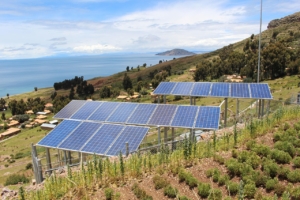
Solar Energy in the AmazonThe Amazon region of Brazil, known as Amazônia Legal, covers nearly 60% of the country’s territory across nine states. Yet, it is home to only about 12% of the population. More than 20 million people live within this vast area, including Indigenous residents, many of whom live in villages disconnected from Brazil’s national power grid. In recent years, both the Brazilian government and nongovernmental organizations (NGOs) have begun investing in solar energy in the Amazon in an effort to bring sustainable electricity to the region.

More Light for the Amazon

In 2020, the Brazilian government launched the “More Light for the Amazon” project, later integrating it with the national Light for All initiative. The program aims to deliver renewable electricity to 228,000 homes by 2026, improving lives, creating opportunities for communities long overlooked and protecting the fragile Amazon environment.

These public policies have been essential for scaling up efforts, especially since NGOs alone often lack the resources to reach every village.

Impacts of Solar Energy in the Amazon

The Indigenous territory of Xingu offers a powerful example of how solar energy in the Amazon is transforming daily life. Today, many households have access to renewable electricity. Although it took more than a decade from the launch of the original initiative, families in Xingu can now switch on the lights and even watch TV, thanks to this clean and renewable energy solution.

Another example of how solar energy in the Amazon is transforming lives can be found in Vila Limeira, a village located within a protected area of the rainforest. The nearest city is 112 kilometers away and the community is reachable only by boat. Before solar power, diesel generators were the residents’ sole source of electricity, an expensive and unsustainable option.

Today, thanks in part to a donation from the Charles Stewart Mott Foundation to the World Wildlife Fund, Vila Limeira operates its own solar grid. Families can now enjoy basic amenities like refrigerators and washing machines, dramatically improving daily life.

Solar energy in the Amazon is transforming daily life and helping remote communities thrive. Renewable power now runs irrigation systems, keeps produce and meat fresh through refrigeration and makes simple tasks, like washing clothes at home, possible. Beyond convenience, solar power has also saved lives.

During the COVID-19 pandemic, communities with access to solar energy could refrigerate vital medications and vaccines while also staying informed with reliable updates on resources and the spread of the virus. This access proved critical in such isolated areas, where reaching a hospital or medical facility is often difficult and time-consuming.

Final Remarks

As Brazil continues to expand public policies that promote solar energy in the Amazon, the results are already proving transformative. Remote villages, once isolated from the national grid, are now writing their own success stories, with renewable power bringing light, refrigeration, communication and opportunity into daily life.

Solar energy has minimal environmental impact, which allows communities to preserve their land and traditions while also strengthening local economies. Most importantly, it provides the foundation for future generations to thrive, with improved access to education, health care and the tools needed to build a more sustainable and equitable future.

– Fernanda Nilson

Fernanda is based in North Charleston, SC, USA and focuses on Technology and Solutions for The Borgen Project.

Photo: Pixabay
October 30, 2025
https://borgenproject.org/wp-content/uploads/borgen-project-logo.svg 0 0 Lynsey 2 https://borgenproject.org/wp-content/uploads/borgen-project-logo.svg Lynsey 22025-10-30 01:30:352025-10-29 09:48:46Solar Energy in the Amazon: Lighting up Villages With Electricity
Agriculture, Development, Global Poverty

Uganda’s PARKS Project: Poverty Alleviation and Conservation

Poverty Alleviation and ConservationIn Uganda’s Kibale National Park (NP), the international nongovernmental organization (NGO), Village Enterprise, has introduced a highly successful scheme combining poverty alleviation methods with environmental conservation. In Uganda’s western regions, poverty is lower than the national average at 11.4%, though the region is one of Uganda’s most unequal, with the majority of the poor situated in rural areas. To improve the lives of those in extreme poverty and simultaneously strengthen environmental protection, a hybrid solution had to be implemented.

Kibale National Park

Kibale NP is situated in the west of Uganda. This region struggles with inequality, with a Gini coefficient of 0.33, a figure that rises to 0.39 for children, demonstrating the gulf between urban and rural populations. The national park contains 13 different primate species, including one of the largest chimpanzee populations in the world, more than 120 mammal species and 370 varieties of birds. Given the park’s immense biodiversity, local residents are dependent on its resources, often leading to confrontation between human activity and endangered wildlife.

Combining Poverty Alleviation and Conservation

Combining poverty alleviation and conservation is a challenging task, as economic development often depends on the exploitation of natural resources. Acknowledging this, Village Enterprise announced the PARKS initiative in 2021, an acronym for the Poverty Alleviation and Removal of Kibale Snares project.

The project, funded since 2024 by the Arcus Foundation and in collaboration with the Ngogo Chimpanzee Project, has two distinct but connected goals: to reduce the incidence of extreme poverty within the national park and to ensure the protection of Kibale NP’s endangered chimpanzee population.

The key to this initiative was accepting that poverty alleviation and conservation are intertwined. In areas like Kibale NP, people living in extreme poverty are forced to rely on the natural world for economic stability, often engaging in harmful practices such as the illegal harvesting of bushmeat and timber. Programs aimed at reducing these activities, or punishing those engaged in them, have often had the unintended effect of pushing the local population further into poverty.

To tackle this issue, the PARKS program focuses on providing entrepreneurial training centered on local, sustainable micro-enterprises. Village Enterprise provides startup funding as well as mentorship to ensure local residents are freed from the pressure to engage in poaching and illegal logging. PARKS also encourages the formation of Business Savings Groups, allowing new business owners to pool their savings and provide a financial safety net for future entrepreneurs. Alongside this, PARKS offers additional training to selected entrepreneurs, creating “Conservation Champions” who encourage and advise others on sustainable business practices.

Results So Far

Through the PARKS initiative, Village Enterprise has provided training to more than 5,500 entrepreneurs, more than 65% of whom are women. This has led to the creation of 1,838 sustainable micro-businesses, positively impacting the lives of more than 20,000 people within the national park. These businesses include retail shops, small-scale agricultural projects, tailoring, cobbling, beekeeping, agroforestry and innovative solutions such as energy-efficient stoves for everyday cooking.

These businesses have reduced dependence on poaching and have helped families afford school fees and improve nutrition. On the conservation side, 90 Conservation Champions have been trained, providing further instruction to members of their local communities. Since the project’s implementation, Kibale NP has observed a significant reduction in illegal human activity within the park. As of April 2025, anti-poaching patrols funded directly by the PARKS project have led to the removal of 445 illegal snares, in addition to the more than 800 snares removed under the project as a whole.

Opportunities for Further Implementation

The benefits of the PARKS project extend beyond the boundaries of Kibale NP. It is an exemplary model of how to combine poverty alleviation and conservation, not only within Uganda, where human-animal conflict is common in several national parks, but also globally.

By encouraging a healthy entrepreneurial ecosystem alongside environmental protection, the project contributes directly to several United Nations Sustainable Development Goals (SDGs): goal 1 (No Poverty), goal 2 (Zero Hunger), goal 12 (Responsible Consumption and Production) and goal 15 (Life on Land). Indirectly, the scheme also addresses goal 5 (Gender Equality) through its focus on empowering women.

– Henry Weiser

Henry is based in Cornwall, UK and focuses on Technology and Politics for The Borgen Project.

Photo: Flickr

October 30, 2025
https://borgenproject.org/wp-content/uploads/borgen-project-logo.svg 0 0 Precious Sheidu https://borgenproject.org/wp-content/uploads/borgen-project-logo.svg Precious Sheidu2025-10-30 01:30:012025-10-29 09:42:22Uganda’s PARKS Project: Poverty Alleviation and Conservation
Development, Global Poverty, Technology

Connecting the Congo

The Democratic Republic of Congo

The Democratic Republic of Congo (DRC) is in a position to connect 9.7 million more unique mobile Internet users by 2029 under the right policies. Home to roughly 110 million people, the DRC’s growing youth population makes reliable Internet access an essential resource.

Expanding connectivity is also key to boosting economic opportunities as the country faces persistent financial struggles. Despite the issues of affordability, limited rural access and the self-stifling of the mobile sector, there are many avenues that these policies are looking to open up.

Current Issues

As of 2022, only about 27% of the population had access to the Internet, just over one-quarter of the country’s total population. This figure is well below Africa’s continental average of 39%, making it harder for the DRC to stay connected globally.

The average income required to afford the Internet has decreased recently, dropping from 48.98% in 2018 to 16.36% in 2024. However, despite this significant drop, affordability remains a major barrier. In the case of a cybersecurity incident, the DRC scores just five out of 100 in its ability to minimize potential problems.

Economically, an Internet shutdown is estimated to cost the DRC $261,762, with two shutdowns recorded in the past year. Overall, connecting the Congo has not been an easy task, with its Internet Resilience Score standing at only 23 out of 100.

Looking Forward

Connecting the Congo has a path forward despite the issues faced. The addition of Internet exchange points over the past 10 years has made using the Internet easier. With the Internet Society’s help, the Internet price has dropped by 98%, saving money for Internet providers and customers, allowing even more people to utilize the Internet.

There is still progress to be made to ensure consistent connectivity, especially as the DRC is the fourth-largest country in Africa. However, these steps are essential to keep the country moving forward.

Policies are also in place to support growth, including modernizing frameworks to lower costs, strengthening infrastructure and equipping DRC citizens with essential digital skills. These policies also aim to extend Internet access to public services, making them more efficient. Through these initiatives, the DRC is positioning itself to make significant strides in connecting the country to the rest of the world.

Conclusion

The DRC still has many strides to make in truly getting all of its people connected to the Internet. Issues like availability, affordability and weaker-than-average connectivity remain at the forefront. However, progress is being made.

The rollout of IXPs and the planned policies for the future of the Internet are expected to make big waves in connecting the Congo, allowing everyone to contribute to a world that is more interconnected and inclusive.

– Amari Jennings

Amari is based in Orlando, FL, USA and focuses on Good News and Technology for The Borgen Project. 

Photo: Unsplash

October 26, 2025
https://borgenproject.org/wp-content/uploads/borgen-project-logo.svg 0 0 Lynsey 2 https://borgenproject.org/wp-content/uploads/borgen-project-logo.svg Lynsey 22025-10-26 07:30:152025-10-26 01:31:44Connecting the Congo
Advocacy, Development, Global Poverty, United Nations, Women

Education for Somali Women: Rebuilding a Nation

Education for Somali womenThe African country of Somalia has been ravaged by war for decades. Conflict began in the late 1980s and worsened after the fall of Siad Barre’s military government in 1991 at the hands of clan-based militant movements—the Somali National Movement (SNM) in the northwest, the Somali Salvation Democratic Front (SSDF) in the northeast and the United Somali Congress (USC) around Mogadishu. Over the next 30 years, Somalia’s conflict would take many different forms, according to BBC News.

In August 2012, after years of clan violence and Islamist insurgency, Somalia’s first formal parliament in more than two decades was sworn in. The following month, Somalia’s parliament elected Hassan Sheikh Mohamud, marking the first presidential election since 1967, according to BBC News. Today, Somalia remains at war with Al-Shabab—an extremist Islamist group—yet the government has turned much of its focus toward reconstruction and long-term stability.

According to the United Nations (U.N.), 4.4 million Somalis are projected to face acute food insecurity through the end of 2025, and 1.85 million Somali children are likely to experience acute malnutrition. Somali government initiatives and nongovernmental organizations are working to support vulnerable populations, but shrinking international support threatens to stall progress.

Still, Somalia’s situation is not unsalvageable. The nation’s recovery depends not only on government institutions but also on its citizens’ resilience and commitment to rebuilding—a mission many Somali women have taken to heart. Women have become increasingly involved and influential in Somali politics, education, entrepreneurship and peacebuilding, according to the U.N.

Below is a closer look at how women across Somalia are leading the way toward a brighter and more stable future.

Driving Economic Recovery Through Entrepreneurship

For a nation rebuilding from decades of war, expanding economic opportunity is essential to reducing poverty and strengthening support for struggling citizens. In 2019, Somalia launched the Gargaara Micro, Small and Medium Enterprise (MSME) Financing Facility, designed to fund aspiring Somali entrepreneurs and small businesses.

According to the World Bank, by June 2024, Gargaara had lent more than $23 million to MSMEs across the country, with women-led businesses receiving half of all loans—at least 800 in total. Yet, despite this equal distribution by number, the total monetary value of loans to women was significantly lower than that of male-run enterprises, highlighting a persistent gender gap in capital access.

Even so, Gargaara and its partners at the World Bank have committed to expanding their reach—onboarding more Somali financial institutions, increasing available credit and building lending capacity—all with the goal of supporting a greater number of women-owned MSMEs. Their efforts underscore how vital women entrepreneurs are to rebuilding Somalia’s economy.

Expanding Women’s Political Influence and Representation

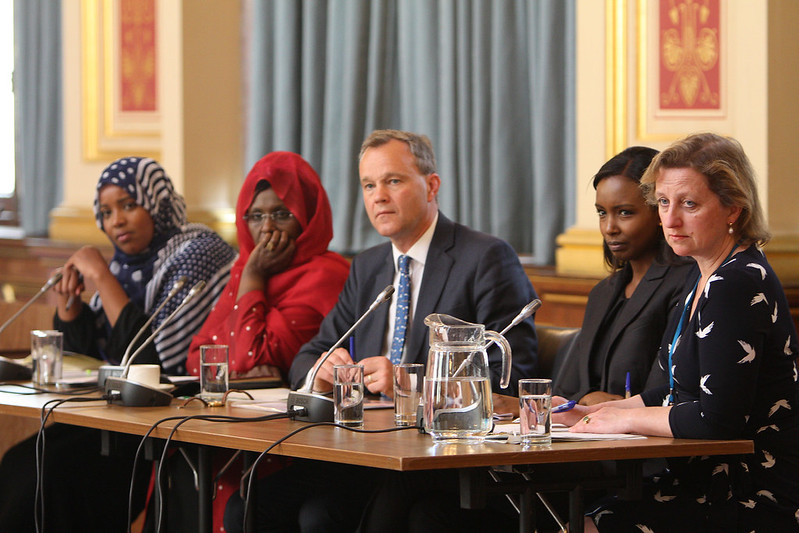
Women in Somalia are increasingly taking leadership roles in politics. In March 2025, President Hassan Sheikh Mohamud called on women to get involved in political and security work during a state iftar dinner with more than 100 women leaders, according to AllAfrica News. He praised the work women were already doing—supporting troops and caring for the wounded—and urged them to join political parties, run for office and organize beyond clan divisions.

At the local level, progress is already happening. In Hirshabelle State, women have been elected to district councils and trained in leadership, advocacy and peacebuilding through programs supported by Finn Church Aid (FCA) Somalia. FCA also works with “peace mothers” and female councilors to organize community forums where women, elders and local leaders discuss policy and inclusion. Women now hold roughly 23% of council seats in these areas.

Education for Somali Women

Education for Somali women has been a struggle for generations, but the script is finally starting to flip. “Historically, two groups of patriarchs denied Somali female children schooling—those were the Italian and British colonists,” said University of Minnesota Professor Abdi Ismail Samatar. “It’s really the liberation movement in the 1950s and then the country’s independence in 1960 and thereafter, where female children’s education was expanded. So those challenges still exist.”

Education has become one of the most powerful tools for Somali women to rebuild their lives and communities. According to the U.N., educator Amina Abdi Ali has helped more than 450 women in Kismayo learn to read, write and improve their math skills through a local adult literacy program. Larger initiatives like the Somalia Girls’ Education Programme, led by the U.N. Girls’ Education Initiative (UNGEI) and CARE Somalia, have also focused on keeping marginalized girls in school by removing barriers that prevent them from learning—especially in rural areas. According to the World Bank, the Rajo Kaaba program recently awarded scholarships to more than 2,000 Somali girls, allowing them to study in fields such as teaching and nursing.

Peacebuilding and Social Healing

After decades of warfare, civilian bloodshed and displacement, women in Somalia are taking it upon themselves to advocate for peace. One way they have done this is by establishing the Joint Programme on Women, Peace and Protection (WPP) in May 2022. With support from the United Nations Development Programme (UNDP), U.N. Women and the United Nations Transition Mission in Somalia, the WPP has taken steps to localize peace and security for women in Somalia.

The WPP has already achieved major accomplishments, illustrating its importance as a program for sustained peace. These include the development and launch of a Local Action Plan (LAP) with presidential endorsement, the formation of a Peace Working Group bringing together diverse community leaders and the establishment of a One Stop Center that supports victims of sexual violence, according to the UNDP.

Looking Ahead

“Over the last 35 years, women really have been very crucial to keeping Somali society together—not only the family, but the whole society,” said Abdi Ismail Samatar. From running businesses and creating jobs to taking leadership roles in politics, expanding education for girls and young women and pushing for peace at the local level, women are at the heart of Somalia’s recovery. Their efforts show that rebuilding the nation is not just the work of governments or aid organizations—it is also the work of women who refuse to let their communities fall behind.

– Jordan Venell

Jordan is based in Edina, MN, USA and focuses on Good News and Technology for The Borgen Project.

Photo: Flickr

October 25, 2025
https://borgenproject.org/wp-content/uploads/borgen-project-logo.svg 0 0 Precious Sheidu https://borgenproject.org/wp-content/uploads/borgen-project-logo.svg Precious Sheidu2025-10-25 03:00:502025-10-25 01:53:07Education for Somali Women: Rebuilding a Nation
Development, Education, Global Poverty

Improving Higher Education in Mauritius

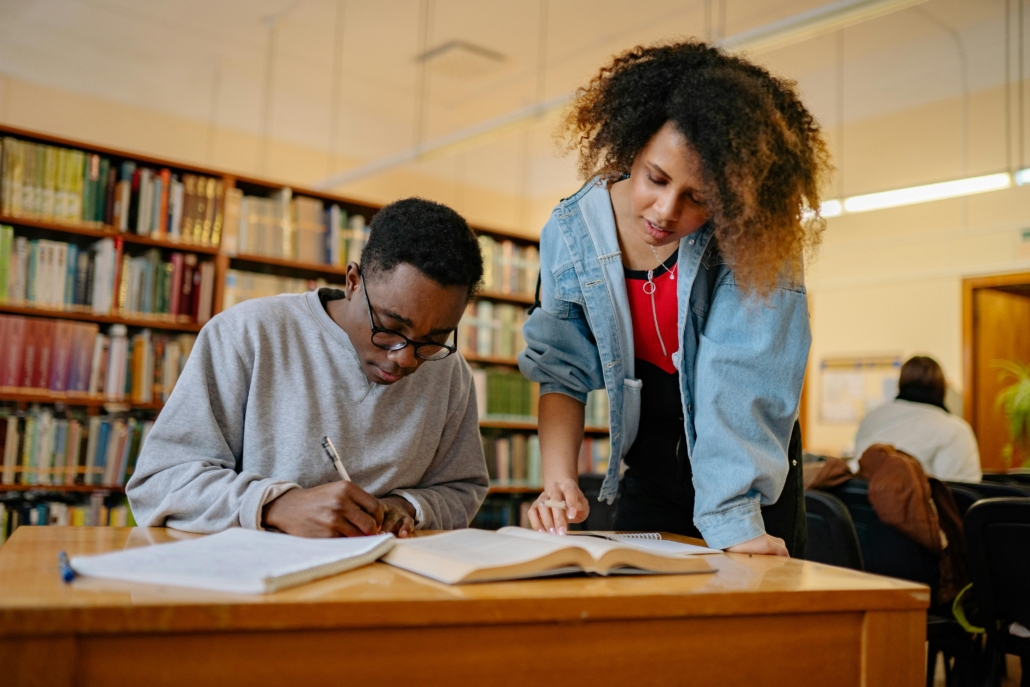
Higher Education in MauritiusMauritius’ first National Higher Education strategy marks an important moment in Mauritian history, aimed at increasing the number of those enrolled in higher education in Mauritius and establishing itself among other Commonwealth nations. 

The Higher Education Commission (HEC) of Mauritius and the Commonwealth of Learning (COL) support the government’s commitment to improving higher education in Mauritius. By co-developing a national policy, they aim to indirectly reduce poverty, as experts see higher education is a key driver of socio-economic progress. Development began in June 2025 and is expected to reach completion by the end of the year. It is part of a 10-year plan to transform Mauritius into a knowledge hub. 

Educational Landscape of Mauritius

Improving higher education in Mauritius has a strong link to poverty reduction, as higher education has links to significantly lower poverty rates. Mauritius has made significant progress in reducing extreme poverty, but the disparity between those living below the national relative poverty line and those who are not depends heavily on the individual’s education. 

In 2023, the national relative poverty rate fell from 9.6% in 2017 to 7.3%. Higher education is crucial for a skilled workforce in a knowledge-based economy. A more educated workforce can lead to higher incomes and lower poverty rates. In Mauritius, the poverty rate in 2023 was about 11% for households with primary education compared to around 2% for those with upper secondary education.

Mauritius has also seen a positive reduction in the number of higher education-aged people out of education. In 2022, 50,566 Mauritians were in higher education. Although this rate exceeds that in many Commonwealth states, just over half of people aged 20-24 do not pursue higher education, largely due to socio-economic factors. This situation limits Mauritius’ chance to progress beyond other Commonwealth countries. Government leaders and organizations hope that the National Higher Education Strategy will be the push needed to change this imbalance. 

Developing Strategy

Dr. Kaviraj Sharma Sukon, the Minister of Tertiary Education, Science and Research, participated in a workshop in July 2025 as part of the development process for the National Higher Education Strategy. The focus of the two-day event was on locating and developing key areas of higher education, including access to learning, teaching quality and industry engagement. 

In a speech, Dr. Sharma Sukon shared his hopes that the National Higher Education strategy gives Mauritian people a ‘comprehensive roadmap,’ helping ‘catapult’ Mauritius into an ‘educational powerhouse’ of Commonwealth states.

Dr. Sharma Sukon said “The future starts today. The transformation begins now.”

Positive Impact of Political Visibility

Research from the University of Cambridge found that “visible high-level political commitment,” like Dr. Sharma Sukon’s, helps improve access to learning. Countries that set their own targets show greater ownership and more responsibility for success.

In this case, the National Higher Education Strategy enables the Mauritian government to advocate for its own needs and join alliances that support its interests. For example, the National Higher Education Strategy aligns with United Nations Sustainable Development Goal 4 (SDG 4), an external benchmark that countries can opt to follow. It aims to secure inclusive, quality education and learning opportunities for everyone.

SDG 4 provides a new way for countries to monitor progress toward their national educational commitments by 2030. India, the United Kingdom and 162 United Nations countries use SDG 4.

Education in the Commonwealth

In 2017, 137 million primary and secondary school children in Commonwealth countries, many from rural areas, were out of school, with little chance of ever completing higher education.

COL helps Commonwealth countries access education and development skills by breaking barriers to entry, such as gender and geographical location. 

By promoting distance learning and open schooling opportunities, COL and HEC are improving higher education in Mauritius. Mauritians will have better employment opportunities and a reduced number of people living in poverty due to a lack of education.

– Larisa Corr

Larisa is based in Oxford, UK and focuses on Good News for The Borgen Project.

Photo: Pexels

October 24, 2025
https://borgenproject.org/wp-content/uploads/borgen-project-logo.svg 0 0 Jennifer Philipp https://borgenproject.org/wp-content/uploads/borgen-project-logo.svg Jennifer Philipp2025-10-24 03:00:392025-10-24 02:43:36Improving Higher Education in Mauritius
Development, Global Poverty

Facing Poverty in El Salvador: The Continuous Problem

Poverty in El SalvadorPoverty in El Salvador continues to plague citizens across the country despite a drop in poverty rates from 2000 to 2023. About 40% of Salvadorans face a state of vulnerability and 1.8 million face poverty without access to clean water and proper food. While Nayib Bukele, El Salvador’s president since 2019, has nearly removed gang violence from the list of nationwide threats, poverty remains at the top.

Beauty and Change

El Salvador is the smallest country in Central America, about 32 times smaller than the state of Texas. It is bordered by Guatemala, Honduras and the Pacific Ocean and is known for its volcanoes, surfing spots and national dish, the pupusa. Beyond the multi-colored scenery, crashing waves and popular cuisine, El Salvador is also known for its positive development since Bukele entered office in 2019.

The country faced gang violence for decades, with a total of 2,398 homicides in 2019 before Bukele stepped into office. After five years of presidency, the number of homicides has dropped to 114 in 2024. This was due to his Territorial Control Plan and implementation of the Exception Regime. Bukele has tried to offer safety and peace to Salvadoran citizens; however, poverty remains a barrier to peace and safety for many.

The Daily Struggle

Facing poverty in El Salvador means a lack of potable water and education. El Salvador faced a major drought in 2016 and declared a water crisis shortly after. Since then, citizens living in or vulnerable to poverty have suffered from a lack of proper potable water. Families also face the risk of malnutrition as a result of living in poverty.

Poverty affects families beyond inadequate food and water. A lack of access to education is considered one of the leading causes of poverty in El Salvador. According to the National TPS Alliance, in 2023, the illiteracy rate among Salvadorans aged 10 and older was 9.7%, with an average educational level of 7.2 years and just 5.6 years for families in rural areas. Without sufficient funding, families cannot provide their children with proper education.

COVID-19 and Job Opportunities

El Salvador was not spared when the global pandemic hit in late 2019 and early 2020. The poverty rate rose by 6.5 percentage points and more than 20% of Salvadoran workers lost their jobs. Although the pandemic is no longer as widespread as in 2019 and 2020, El Salvador still grapples with its lasting impacts.

In 2022, soaring inflation kept the poverty rate at nearly 27%. Combined with limited access to education, hundreds of Salvadorans face a severe shortage of job opportunities. Even those who pursue higher education are often met with unemployment, as the Salvadoran economy has not created enough jobs to meet demand.

Solutions 

Despite the effects of poverty continuing to affect Salvadoran communities, organizations and charities are working to help address the persistent issue. Charities such as the Salvadoran American Humanitarian Foundation (SAHF) and the Center for Exchange and Solidarity (CIS) work toward assisting families battling poverty.

SAHF has a program called the Early Childhood Development Program that helps families and children younger than 5 years old suffering from malnutrition. The Foundation also has a program that teaches English to primary school children in the educational complex at Residencial Libertad. The Foundation also offers a “life plan” to high school students within the program, allowing them to find job opportunities following their high school journey.

The CIS offers aid to families and communities without access to potable water and to youth who do not have a proper education. The CIS has partnered with other organizations and businesses to provide households, schools and businesses with water filters, wells, tanks and hand pumps. It has helped 3,000 families since 2011.

The organization also enables underprivileged youth at the primary, secondary and university levels to a leadership development program that leads them to a defined career. Children and young adults are selected for the program based on their economic need, educational standing and commitment to social change.

El Salvador may be experiencing a decline in job opportunities and continuing to face the harsh effects of poverty. However, organizations like SAHF and CIS are working to ease these challenges.

– Keyly Rios

Keyly is based in Dallas, TX, USA and focuses on Global Health and Celebs for The Borgen Project.

Photo: Flickr

October 20, 2025
https://borgenproject.org/wp-content/uploads/borgen-project-logo.svg 0 0 Lynsey 2 https://borgenproject.org/wp-content/uploads/borgen-project-logo.svg Lynsey 22025-10-20 07:30:182025-10-20 00:55:46Facing Poverty in El Salvador: The Continuous Problem
Development, Global Poverty, Technology

Low-Cost Satellite Internet in Remote Areas

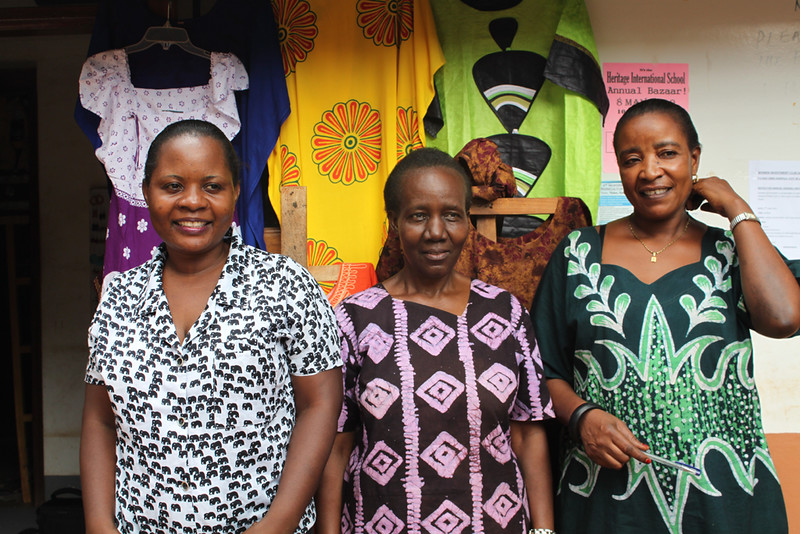
Satellite Internet in Remote AreasSeveral developing countries have proposed new forms of low-cost satellite internet to connect remote areas. Several up-and-coming organizations include “Starlink” and “Amazon Project Kuiper.”

Starlink and Project Kuiper: Bridging the Digital Divide

SpaceX operates Starlink and “utilizes a constellation of low-Earth orbit satellites to provide service worldwide.” It is designed to deliver “faster speeds and lower latency.” Its key purpose is to provide satellite internet to remote areas where accessibility is a constant barrier to connectivity.

While the operation seems promising, it is at a higher price than other rural internet providers due to the required purchase or lease of proprietary equipment. Another drawback is that the service tends to be affected by extreme weather conditions, common in remote areas with unpredictable climates.

Amazon Project Kuiper is an upcoming satellite internet service that provides high-speed internet to remote and underserved areas. Amazon plans to provide “widespread coverage which includes hard-to-reach rural communities.” However, prices are not yet available to the public, making it difficult to assess the potential success of this new project. Despite this uncertainty, it is expected to be competitive with other satellite internet providers.

Benefits of Satellites

Unlike most other satellite services, there is no required reliance on telephone lines. Amazon plans to “deploy thousands of satellites in low-Earth orbit linked to a global network of antennas, fiber and internet connection points.” These satellites orbit closer to Earth than traditional ones, reducing signal delay and improving speed. The satellites will communicate with a network of ground stations, including antennas, fiber-optic cables and internet hubs, that connect to the broader internet.

Satellites beam data to and from user terminals (like dishes or receivers) and route it through ground infrastructure to reach the internet. Unlike older satellite services, this enables Amazon to provide broadband access in rural, underserved regions without phone lines.

Amazon Project Kuiper plans to “bridge a digital divide” and offer direct support, such as customer service, to ensure technology integration. Although the performance metrics are not yet known until actual deployment, Amazon’s inclusion of a direct support team appears promising.

GSMA: Driving Mobile Innovation

GMSA is a global organization unifying the mobile ecosystem to provide innovative solutions for businesses and to encourage societal change. Its vision is to “unlock the full power of connectivity so that people, industry and society thrive.” It shapes mobile-related policies, supports technology that keeps mobile networks running and creates significant events to target global problems. Events such as MWC and M360 mobilize mobile industry leaders to share ideas and collaborate.

Millions of people depend on connectivity for their livelihoods and basic needs. “In 2022, 36 countries with the largest mobile coverage gap hosted 46% of internally displaced people and 18% of refugees.” Low-cost satellite services could be the answer to target the weaker areas of infrastructure in developing countries, particularly in health care, education and humanitarian protection.

Connectivity for Refugees Initiative

However, there are barriers to usage due to “lack of affordability of devices and data, lack of literacy and language or social barriers.” Due to this accessibility problem, a coalition of organizations and governments, including the UNHCR, International Telecommunication Union (ITU), GSMA and the Government of Luxembourg, created the Connectivity for Refugees initiative in 2023.

The initiative aims to connect 20 million displaced people and their hosts by 2030, helping them stay connected, access global services and build a livelihood. It will involve the private sector, governments, international organizations and forcibly displaced communities to ensure connectivity in underserved areas. Consequently, this will “open pathways for greater access to information, education and livelihoods and enhanced humanitarian protection.” 

Connecting Rwanda

The Rwandan government has created the Kigali Innovation City initiative, focusing on “expanding connectivity” through government-led efforts to “develop robust digital infrastructure and initiatives.”

According to GSMA research, “MTN Rwanda has the widest network coverage in the country, with coverage available in remote areas and refugee camps.” Mobile phones are widely used in Rwanda, with “31% of the population reported to be using a mobile money account.”

There are four active mobile money services in operation: MTN Mobile Money, Airtel Tigo, Dau Pesa and MCash. Through a partnership with KCB Bank, MTN Mobile Money users can access loans and savings products. This partnership also provides additional benefits, including access to health care and educational platforms.

In addition, NGOs such as UNHCR and the U.N. Refugee Agency are supporting connectivity projects in refugee camps like Mahama and Kiziba. These projects establish “community centers with internet access, mobile charging stations, digital literacy programmes and solar power solutions,” helping expand digital access in underserved communities.

Low-cost satellite connectivity is not just access; it’s a lifeline for resilience and opportunity.

– Gabriela E Silva

Gabriela is based in Surrey, UK and focuses on Technology and Solutions for The Borgen Project.

Photo: Pixabay
October 20, 2025
https://borgenproject.org/wp-content/uploads/borgen-project-logo.svg 0 0 Lynsey 2 https://borgenproject.org/wp-content/uploads/borgen-project-logo.svg Lynsey 22025-10-20 01:30:302025-10-20 00:24:24Low-Cost Satellite Internet in Remote Areas
Development, Global Poverty, Technology

How Latam-GPT Will Empower Latin America

How Latam-GPT Will Empower Latin America The National Center for Artificial Intelligence (CENIA) in Chile is leading the development of a large language model (LLM) for Latin America known as Latam-GPT. The new model is expected to launch by the end of 2025. Latam-GPT has been in development since 2023. As of February 2025, it was capable of processing at a capacity comparable to OpenAI’s ChatGPT-3.5. The project is open-source and free to use, capable of communicating in Spanish, Portuguese and several Indigenous languages. Latam-GPT has the potential to empower underprivileged people in Latin America by expanding access to artificial intelligence (AI) tools and education.

Why Develop an LLM for Latin America?

Álvaro Soto, director of CENIA, explained why context matters in an interview with WIRED: “Imagine if we wanted to use them to modernize the education system in Latin America. If you ask one of these models for an example, it would probably tell you about George Washington.”

According to the Economic Commission for Latin America and the Caribbean (ECLAC), digital skills in the region lag behind those in wealthier countries. Only about 30% of adults had basic digital skills in 2020, compared with 80% in developed nations.

There is also a growing divide between people who work in jobs with access to AI tools and those who do not. Of the 30% to 40% of jobs that use generative artificial intelligence (Gen AI) in Latin America, most are concentrated in urban, higher-paying sectors that require advanced education. Meanwhile, women are at greater risk of being replaced by AI automation.

A Joint Effort

To build an LLM for Latin America, CENIA is collaborating with organizations from Mexico, Argentina, Colombia, the United States, Spain, Peru and Uruguay. As of October 2025, its computing center in Arca, Chile, had processed 2,645,500 documents from Central and South America, Spain and the Caribbean. Progress depends on each country’s level of digital development and the availability of structured information. Latam-GPT also trains its model using conversations from users through Copuchat, an online chat platform that allows anonymous interaction and information sharing. Copuchat currently runs on GPT-3.5.

The Role of Latam-GPT in Reducing Poverty

An open-source LLM that understands the languages and cultures of Latin America can help reduce inequality and foster inclusion in several ways:

  • Low-cost AI tutors. CENIA’s collaboration with Mapuche, Rapanui and Guaraní translators ensures the preservation of Indigenous languages while enabling access to educational tools.
  • Upskilling the workforce. Latam-GPT can provide affordable training and assessments for employees and employers, expanding opportunities for professional growth.
  • Improving health education. In many Latin American cultures, people often underestimate the seriousness of their symptoms. Latam-GPT could provide a platform for discussing health concerns and encouraging individuals to seek medical care when needed.
  • Supporting startups, researchers and NGOs. Many organizations lack the resources to purchase expensive AI software. A Microsoft Copilot license costs about $30 per user in addition to a 365 subscription, and companies have spent an average of $400,000 annually on AI-native applications in 2025. Latam-GPT’s open-access model offers a cost-effective alternative.
  • Reducing cultural bias. Indigenous and Latin American cultures are often underrepresented in models trained primarily in English. Latam-GPT seeks to correct this imbalance by incorporating regional data and perspectives.
  • Empowering small businesses: Access to AI tools and market information can help small businesses become more competitive. A Deloitte study found that digital tools can make small businesses twice as profitable.

Looking Forward

Through CENIA’s efforts, Latam-GPT aims to empower Latin America to learn and work at a competitive level regardless of socioeconomic status. A model trained in Spanish, Portuguese and more than 50 Indigenous languages will allow for broader inclusion and the preservation of cultural identity. The future of Gen AI as an essential tool is inevitable. Latam-GPT can help bridge the digital and educational divide, allowing even the most poverty-stricken regions to access information, training and technology that might otherwise remain out of reach.

– Johanna Lorena Arredondo Gonzalez

Johanna is based in Pittsburgh, PA, USA and focuses on Technology and Global Health for The Borgen Project.

Photo: Flickr

October 17, 2025
https://borgenproject.org/wp-content/uploads/borgen-project-logo.svg 0 0 Precious Sheidu https://borgenproject.org/wp-content/uploads/borgen-project-logo.svg Precious Sheidu2025-10-17 07:30:582025-10-17 03:05:27How Latam-GPT Will Empower Latin America
Development, Economy, Global Poverty

Mass Registration Drive for Foundational IDs in Somalia

foundational IDs in SomaliaOn August 18, 2025, Somalia’s National Identification and Registration Authority (NIRA) launched a pilot mass registration campaign for national IDs in two districts of Shangani and Boondheer. This campaign is part of a broader series of reforms by the Federal Government of Somalia (FGS) to support sustainable economic and social development nationwide. By increasing ID ownership, this initiative aims to help millions of Somalis gain access to critical services such as banking, education and government programs that were previously unavailable to them.

The Importance of IDs in Somalia

Somalia, officially the Federal Republic of Somalia, is a country located in the Horn of Africa. Like many countries in that region, Somalia has endured widespread poverty caused by years of drought, famine, conflict and institutional instability. In 2022, more than half of Somalia’s population lived below the national poverty line, while three-quarters experienced non-monetary poverty. Somalia’s nomadic population is especially affected, with approximately three-quarters of nomads living below the poverty line and nearly all experiencing non-monetary poverty.

Despite rapid urbanization, Somalia lags behind other countries with similar income levels in labor force participation and educational access. One major reason for this is Somalia’s low rate of citizen ID possession. According to the 2022 Somali Integrated Household Budget Survey, fewer than 16% of Somalis had some form of government-issued ID.

Foundational IDs are essential for accessing and facilitating multiple private and public services, including:

  • Opening bank accounts
  • Sending and receiving mobile money
  • Accessing government social protection and benefit programs
  • Applying for employment
  • Obtaining a driver’s license
  • Enrolling in school
  • Activating mobile phone or SIM services
  • Domestic and international travel

This same survey found that while most Somalis lack a foundational ID, the vast majority recognize their value and want one.

Challenges to ID Registration

Expanding ID coverage across Somalia presents multiple challenges. Despite recent rapid urbanization, Somalia’s population still remains widely dispersed. Many Somalis live in remote or rural areas, lead nomadic lifestyles or are refugees, returnees or internally displaced persons, which makes it challenging to reach unregistered individuals. Additionally, Somalia’s strong oral tradition and use of various minority languages and dialects create significant communication barriers during outreach and enrollment efforts.

Social norms also play a major role in limiting access to foundational IDs in Somalia. In particular, restrictive cultural practices often hinder women’s participation in public and economic life, which makes it more difficult for them to register or benefit from services that require IDs. Literacy levels in Somalia are also low, estimated at just 54% for people aged 15 and older, with women and youth disproportionately affected. Years of conflict and instability have disrupted education, especially for younger generations.

Security concerns further complicate registration efforts. Many Somalis express wariness toward privacy breaches or surveillance, particularly from hostile groups that may attempt to undermine the digital ID system. These risks create mistrust and cause many individuals to hesitate when seeking out a foundational ID in Somalia.

Current Steps Toward Mass Registration

To address these challenges, earlier this year, the NIRA opened multiple new registration centers in the districts of Shingani and Mogadishu. It aims to increase access to foundational IDs in Somalia. It has deployed several FGS representatives to every district to help with registration. Additionally, the NIRA created a “one-window operation” system, consolidating all necessary steps for obtaining an ID into a single and convenient service point, streamlining services and improving the citizen experience.

Inclusivity and data protection are also a core focus of the pilot program to encourage those without IDs to register. The Ministry of Finance’s Digital ID Inclusive Enrollment and Outreach Strategy instructs that at least 50% of the first one million registrants should be women. Additionally, the FGS has committed to following the United Nations’ Personal Data Protection and Privacy Principles to ensure that registrants’ rights, privacy and data remain secure.

Somalis will have the option to receive their ID in physical, digital or printed certificate formats, further increasing accessibility and adaptability. The NIRA has set the goal to register all 15 million citizens by the end of 2029.

IDs as a Way to Poverty Alleviation and Economic Growth

Expanding foundational IDs in Somalia will facilitate financial inclusion for many, particularly for women and offer a pathway toward economic independence. Mass ID possession will also strengthen national security systems by enabling more effective identity verification, helping to mitigate money laundering and terrorist financing risks and reducing fraud.

For service providers, widespread ID possession improves the ability to identify beneficiaries, eliminate duplication, reduce waste and both improve existing services and offer new ones. Moreover, the digital infrastructure supporting the ID system will enable innovation, drive private sector growth, create new industries and generate more and better jobs.

– Dylan Kretchmar

Dylan is based in Granville, OH, USA and focuses on Good News and Technology for The Borgen Project.

Photo: Flickr

October 13, 2025
https://borgenproject.org/wp-content/uploads/borgen-project-logo.svg 0 0 Lynsey 2 https://borgenproject.org/wp-content/uploads/borgen-project-logo.svg Lynsey 22025-10-13 07:30:502025-10-12 23:07:26Mass Registration Drive for Foundational IDs in Somalia
Development, environment, Global Poverty

Rebuilding the Sahel

Rebuilding the SahelThe goal of rebuilding the Sahel has been made tougher by environmental crises and social upheaval, but it remains an important goal. The Sahel Humanitarian Assistance and Protection Program (SHAPP) was launched in 2021 to rebuild the Sahel region of Africa and protect its most vulnerable people. The program aims to invest $303 million of U.K. aid, over seven years, in the countries of Mali, Niger, Chad, Mauritania and Burkina Faso, which together form the Sahel region of Northern Africa.

Emphasis was placed on rebuilding the Sahel by concentrating aid efforts on areas where human rights violations were exacerbating pre-existing malnutrition crises, caused by an unstable climate and agricultural sector. The U.K.’s Foreign, Commonwealth and Development Office is the government department responsible for running the SHAPP. It has identified: child protection, aiding survivors of gender-based violence and providing sanitary food and drinking water, as the three most cost-effective areas for aid projects to focus on. SHAPP has had to work alongside other ongoing aid projects in these areas.

Issues in the Sahel

The Sahel region is a savannah area directly south of the Sahara Desert. This makes it vulnerable to climatic swings, with the region having experienced a range of droughts throughout the last century. This, combined with the landlocked status of Chad, Niger, Mali and Burkina Faso, has slowed the Sahel’s development relative to its North and East African counterparts.

These pre-existing issues have been worsened by a succession of jihadist insurgencies in the region over the last 10 years. Additionally, all four of the Sahel’s landlocked countries have experienced military coups between 2020 and 2023.

The 2024 Global Humanitarian Review estimated that one in five people living in the Sahel were in need of humanitarian aid, a total of roughly 17 million people. It is believed these issues have disproportionately impacted women and girls, with many families choosing to pull their daughters out of school during times of financial hardship.

The Sahel Child Project

Founded in 2013, the Sahel Child Project aims to rebuild the Sahel by providing health care and education for children across the region, as well as emergency assistance during times of crisis. The project also aims to enforce the U.N. Declaration of the Rights of the Child, which is often neglected by the Sahel’s military regimes. This often involves educating children displaced by conflict and providing them with basic food and health care.

In these activities, SHAPP often provides financial and logistical support to the project. The two organizations also often collaborate when finding new homes for children who have lost their families to conflict or have been separated from them when searching for a safe house.

Gender Equality in the Sahel

The U.K. was one of nine countries to bring a joint statement to the U.N. in August 2025, setting out its aims for reducing gender-based violence in the Sahel. The statement recommends that at least 15% of the U.N.’s spending on the Prevention of Violent Extremism be devoted to advancing gender equality.

SHAPP has also worked with the Alliance Sahel platform, which coordinates international donations aimed at rebuilding the Sahel, to publicize the stories of victims of gender-based violence.

The African Development Bank has also committed to producing a gender equality index for its member countries. This has been done to incentivize governments to improve their country’s score, to appear more attractive to potential trading partners and to receive more favourable terms when borrowing money.

Water Provision

The economy of the Sahel region relies on agriculture to support its population. This means that schemes rebuilding the Sahel need to consider the Sahel’s dependence on its water supply, which can fluctuate dramatically due to climatic shifts. The World Bank, via the International Development Association (IDA), has invested more than $170 million in the Sahel Irrigation Initiative Support Project.

This scheme aims to allow local farmers to harness the excess water available during high rainfall, better protecting their produce from drought. The scheme was estimated to have directly benefited more than 150,000 people between its launch in May 2017 and April 2024. This effort is helping strengthen the Sahel’s economic independence.

The Future of the Sahel

Political instability can seriously hamper a nation’s development and risk plunging many citizens into poverty. This does not, however, prevent international aid from being used effectively or prevent international cooperation from overcoming a region’s geographical barriers to development. The Sahel can begin to rebuild its economy for the good of its citizens, but only with the necessary international support.

– Billy Stack

Billy is based in London, UK and focuses on Global Health and Politics for The Borgen Project.

Photo: Flickr

October 12, 2025
https://borgenproject.org/wp-content/uploads/borgen-project-logo.svg 0 0 Lynsey 2 https://borgenproject.org/wp-content/uploads/borgen-project-logo.svg Lynsey 22025-10-12 01:30:522025-10-12 00:57:46Rebuilding the Sahel
Page 5 of 163«‹34567›»

Get Smarter

  • Global Poverty 101
  • Global Poverty… The Good News
  • Global Poverty & U.S. Jobs
  • Global Poverty and National Security
  • Innovative Solutions to Poverty
  • Global Poverty & Aid FAQ’s
Search Search

Take Action

  • Call Congress
  • Email Congress
  • Donate
  • 30 Ways to Help
  • Volunteer Ops
  • Internships
  • Courses & Certificates
  • The Podcast
Borgen Project

“The Borgen Project is an incredible nonprofit organization that is addressing poverty and hunger and working towards ending them.”

-The Huffington Post

Inside The Borgen Project

  • Contact
  • About
  • Financials
  • President
  • Board of Directors
  • Board of Advisors

International Links

  • UK Email Parliament
  • UK Donate
  • Canada Email Parliament

Get Smarter

  • Global Poverty 101
  • Global Poverty… The Good News
  • Global Poverty & U.S. Jobs
  • Global Poverty and National Security
  • Innovative Solutions to Poverty
  • Global Poverty & Aid FAQ’s

Ways to Help

  • Call Congress
  • Email Congress
  • Donate
  • 30 Ways to Help
  • Volunteer Ops
  • Internships
  • Courses & Certificates
  • The Podcast
Scroll to top Scroll to top Scroll to top